自衛隊の長射程ミサイル配備 熊本県と静岡県の駐屯地で始まる
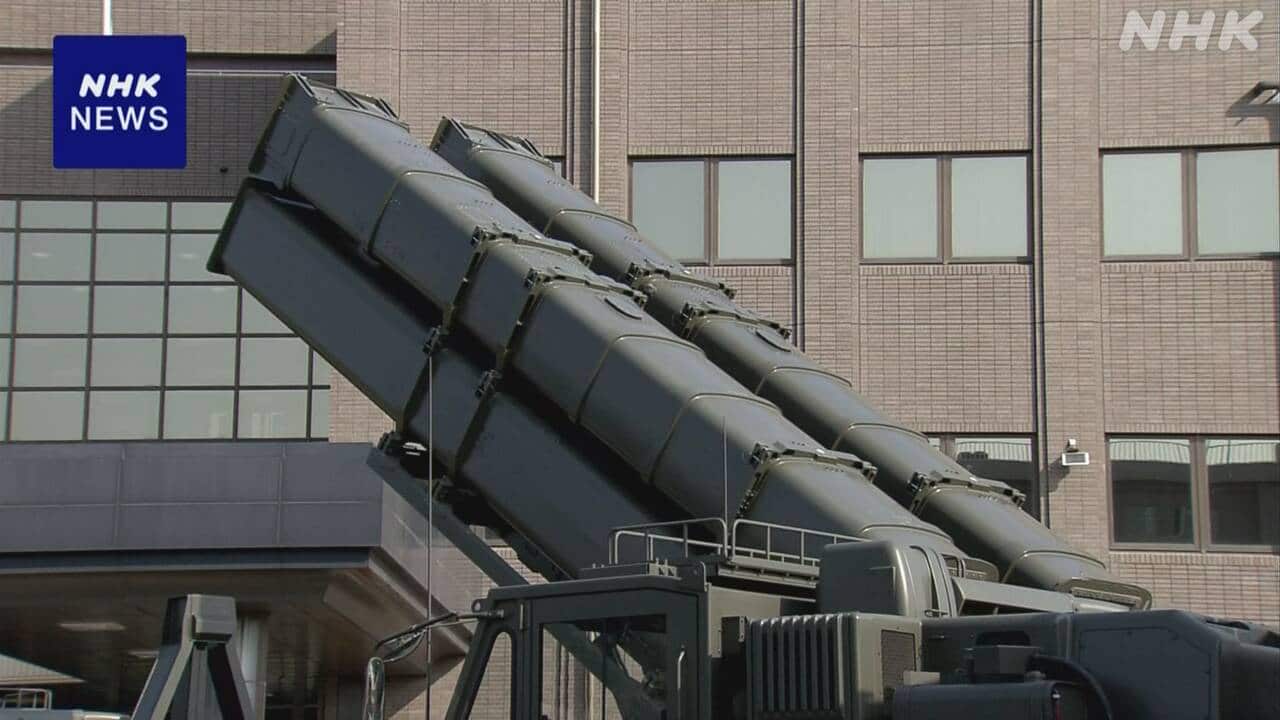
防衛省が他国の基地などを攻撃する「反撃能力」としても使うとする自衛隊の長射程ミサイルの配備が31日、熊本県と静岡県の駐屯地で始まりました。
31日、配備が始まったのは防衛省が他国の基地などを攻撃する「反撃能力」としても使うとする自衛隊の2種類の長射程ミサイルです。
このうち、射程およそ1000キロで地上から海上の艦艇などを攻撃する「12式地対艦ミサイル」の改良型は熊本市の陸上自衛隊健軍駐屯地に、射程が数百キロで離島に侵攻してくる部隊を離れた地上から攻撃する「高速滑空弾」は静岡県の陸上自衛隊富士駐屯地に配備されました。
また、別の長射程ミサイルで、防衛省が「反撃能力」としても使うとする「トマホーク」と「JSM」の2種類でも3月、動きが出ています。
射程約1600キロで海上自衛隊のイージス艦に搭載するアメリカ製の巡航ミサイル「トマホーク」は現在、取得が進められていて、3月、イージス艦「ちょうかい」の改修が完了しました。
射程約500キロで航空自衛隊のF35A戦闘機に搭載するノルウェー製の巡航ミサイル「JSM」は3月、取得が始まりました。
ミサイルの運用は陸海空の各自衛隊を一元的に指揮する統合作戦司令部が担いますが、防衛省関係者によりますと目標が離れている場合などはアメリカ軍からの情報が必要になるということで、日米の一体化の動きがさらに加速しています。
「反撃能力」の保有は4年前の2022年に政府が決定した「国家安全保障戦略」などに明記されました。
31日の配備開始で従来は政策判断として保有しないとしてきた「反撃能力」の運用段階に入り、日本の安全保障政策は大きく転換しています。
長射程ミサイルの配備について、自衛隊制服組トップの内倉浩昭統合幕僚長は3月27日の会見で「抑止力、対処力の強化の早期実現につながるもので、日本への武力攻撃そのものの可能性を低下させるうえで大きな意義がある」と述べました。
課題については「まさにゼロからのスタートなので、しっかり学んで実装化していきたい」と話しました。
また、3月13日の会見で配備先の周辺住民の不安に関して見解を聞かれた際、「効果の方が大だ」などと述べたことについては、「地元住民の負担を承知していることを前提に抑止力、対処力を持つ意義を説明したものだ」としたうえで、「さらに丁寧に説明を行う必要があったかと思う」と話しました。
配備や取得が始まった4種類のミサイルについて防衛省などへの取材をもとに情報をまとめました。
A政府は、やむをえない必要最小限度の自衛の措置として相手の領域で有効な反撃を加えることを可能とする自衛隊の能力と定義しています。
日本の周辺でミサイル戦力が増強されるなか既存のミサイル防衛網だけで完全に対応することは難しくなりつつあるとしたうえで「反撃能力」の保有によって武力攻撃そのものを抑止するなどとしています。
防衛省は相手の射程圏外から発射できる長射程ミサイルを「反撃能力」としても使うとしていて、今回の4種類のミサイルもこれに含まれます。
A地上から海上の艦艇などを攻撃するもので、GPSなどによって目標まで誘導されながら飛行し、最終的にはミサイル自体に搭載されたレーダーで目標を探知して攻撃します。射程はおよそ1000キロです。
31日、熊本市にある陸上自衛隊健軍駐屯地の地対艦ミサイル連隊に配備されました。2027年度には静岡県にある陸上自衛隊富士駐屯地の特科教導隊に配備される予定です。ミサイル運用の教育支援などを担う部隊です。艦艇と戦闘機からも発射できるように開発が進められていて、2027年度から海上自衛隊横須賀基地所属の護衛艦「てるづき」と、茨城県にある航空自衛隊百里基地所属のF2戦闘機で運用を始めるとしています。
A離島に侵攻してくる部隊を離れた地上から攻撃するミサイルで、弾頭部分が音速を超える速度でグライダーのように滑空し、従来よりも迎撃が難しいとされています。
2026年度中にはいずれも陸上自衛隊の北海道の上富良野駐屯地と宮崎県のえびの駐屯地に配備される予定です。
Aアメリカで開発された巡航ミサイルで水上艦や潜水艦のほか地上からも発射できます。レーダーで探知されないよう低い高度を維持しながら飛び、GPSなどの誘導によってピンポイントで目標を攻撃することができるとされています。射程はおよそ1600キロです。
防衛省は海上自衛隊のイージス艦に搭載する計画で、改修された「ちょうかい」ではことし8月までに発射試験が行われます。「ちょうかい」も含め保有するイージス艦8隻すべてに搭載できるようにする予定です。
さらに「イージス・アショア」の代替策として2隻建造する予定の「イージス・システム搭載艦」からも発射できるようにすることを検討しています。2027年度までに最大400発取得する予定です。
Aノルウェー製の巡航ミサイル「JSM」はF35A戦闘機に搭載する計画です。艦艇や離島に侵攻してくる部隊を攻撃することを想定しています。射程はおよそ500キロです。
A「反撃能力」としても使うとする長射程ミサイルは今回の4種類を含め、導入が決まっているものは8種類あります。これらに関する費用は2026年度の予算案に計上されているものも含め、2023年度以降、4兆381億円が予算に盛り込まれています。開発や取得などの費用です。
A南西諸島の周辺などで活動を活発化させている中国や弾道ミサイルの発射を繰り返す北朝鮮などを念頭に防衛体制を強化するねらいがあります。
防衛省関係者によりますと「12式地対艦ミサイル」の改良型については当初、最初の配備先を静岡県の富士駐屯地にするという案も出ていたということです。初めて運用するミサイルで、富士駐屯地には各地の部隊に対してミサイル運用の教育支援などを行う特科教導隊があるためです。しかし、防衛省内で「戦略的なメッセージという意味でも最初の配備先は九州にした方がいい」といった意見もあり、熊本市の健軍駐屯地に最初に配備されることになったということです。射程はおよそ1000キロで、健軍駐屯地に配備すると中国の沿岸部や北朝鮮のほぼ全域が射程に入ることになります。防衛省は健軍駐屯地に最初に配備することについて「1998年に連隊が新編され、地対艦ミサイルを長年、運用してきていて整備基盤もある。南西地域の防衛体制の強化のため地理的な位置関係を踏まえた」としています。
「高速滑空弾」については、富士駐屯地の特科教導隊に最初に配備してノウハウを蓄積しながら運用する方針です。防衛省は「これまで持っていなかった装備なので最初に教育部隊に配備し、教育を行いながら実戦的な運用ができる体制を作りたい」としています。上富良野駐屯地とえびの駐屯地への配備に関しては防衛省関係者は「訓練がしっかりとできる場所を選んだ。周辺国との地理的な位置関係を念頭に置いた部分もある」と話しています。
また、いずれも外国製の「トマホーク」と「JSM」については、防衛省は「国産ミサイルを十分な量、保有するまでには時間が足りないため、取得した」としています。
A去年発足した陸海空の各自衛隊を一元的に指揮し、アメリカ軍との連絡調整の窓口になる統合作戦司令部が運用を担います。ミサイルを発射する際には、目標の位置をリアルタイムで把握したうえで、その情報を司令部などに送り、ミサイルを目標まで正確に誘導する必要があります。これらの一連の作業には、人工衛星や情報収集機などを用いますが、防衛省関係者は、目標が離れている場合などは自衛隊だけで行うのは限界がありアメリカ軍からの情報が必要になるとしています。
防衛省は「反撃能力」について、「情報収集を含め、日米の協力態勢を構築する」としていて、行使する場合には統合作戦司令部がアメリカ軍と情報共有や調整を行うものとみられます。
また、防衛省は目標に関する情報をより効果的に収集・分析する体制を整備する必要があるとして複数の人工衛星を連携させて情報収集するシステム「衛星コンステレーション」の構築を進めています。
A「反撃能力」をめぐる国会のこれまでの議論では、「情報、装備とも圧倒的に優位に立つ米軍に事実上従うほかないのではないか」などといった指摘も出ています。また、熊本市への配備をめぐっては、防衛省による住民説明会が行われておらず、これに反発する声も上がっています。3月9日、熊本市の駐屯地にミサイルの発射装置などが搬入された際には、駐屯地のまわりで抗議活動が行われました。
A政府は、憲法9条のもと、大陸間弾道ミサイルなどの攻撃的兵器を保有することは許されないとしています。一方、反撃能力として使用する長射程ミサイルは、相手の攻撃を防ぐのにやむをえない必要最小限度の自衛力にあたるとして、保有できるとしています。また反撃能力を行使できるのは、武力攻撃が発生して日本の存立が脅かされ、これを排除するためにほかに適当な手段がないなど、自衛権行使の3要件に合致した場合としていて、専守防衛を堅持し、先制攻撃を行うことはないとしています。
海上自衛隊で司令官を務めた元海将の香田洋二さんは「反撃能力の運用が始まることでなにかあった場合には断固とした対応をとるという日本の決意を示すことにつながるので一定の抑止力にはなる。ただ、反撃にも使える長射程ミサイルの配備が始まったという非常に初期の段階なのですぐに使えるということにはならないだろう。これからやるべきことは相当多く残されている」と指摘しています。
具体的な課題については「ミサイルを扱う隊員が習熟する必要があり、開発段階では出てこなかった不具合などが出てくることもありえる。また、目標の正確な情報も必要で、情報を入手する体制も強化しなければならない」としています。
そのうえで「反撃能力の運用では日本ではカバーしきれない他国の動きなどの情報をアメリカから得ることが必要で、その方がはるかに効率的だ。今後、日本とアメリカの結びつきがさらに強くなっていくことが必要だ」と話しています。
当時の防衛庁の幹部で内閣官房副長官補を務めた柳澤協二さんは「反撃能力を持っていれば抑止につながるという前提は万全ではなく、なにを抑止しようとしているかなど相手国との認識があわないとかえって過剰な警戒心を生んで危ないという側面もある。意思疎通をして過剰な反応を生じさせないようにする工夫が必要だ」と指摘しています。
また「アメリカ軍の情報力に頼らざるを得ないケースも考えられるがそこには『巻き込まれ』の危険もある。自分たちで判断できる体制をどう作るか、政治の意思でどこまでコントロールできるか、大きな課題になる」としています。
住民説明については「地元の人たちが問題視しているのは有事になれば真っ先に相手の標的にされるのではないかということで、そういう情勢にならないように政府としてどうしていくのか、万が一の場合にどのように住民の安全を守っていくのか、いままで以上に丁寧な説明が必要だ」と話しています。
また、陸上自衛隊は31日の配備開始に伴って、「12式地対艦ミサイル」の改良型を「25式地対艦ミサイル」に、「高速滑空弾」を「25式高速滑空弾」に、それぞれ名称変更したと発表しました。
31日、配備が始まったのは防衛省が他国の基地などを攻撃する「反撃能力」としても使うとする自衛隊の2種類の長射程ミサイルです。
このうち、射程およそ1000キロで地上から海上の艦艇などを攻撃する「12式地対艦ミサイル」の改良型は熊本市の陸上自衛隊健軍駐屯地に、射程が数百キロで離島に侵攻してくる部隊を離れた地上から攻撃する「高速滑空弾」は静岡県の陸上自衛隊富士駐屯地に配備されました。
また、別の長射程ミサイルで、防衛省が「反撃能力」としても使うとする「トマホーク」と「JSM」の2種類でも3月、動きが出ています。
射程約1600キロで海上自衛隊のイージス艦に搭載するアメリカ製の巡航ミサイル「トマホーク」は現在、取得が進められていて、3月、イージス艦「ちょうかい」の改修が完了しました。
射程約500キロで航空自衛隊のF35A戦闘機に搭載するノルウェー製の巡航ミサイル「JSM」は3月、取得が始まりました。
ミサイルの運用は陸海空の各自衛隊を一元的に指揮する統合作戦司令部が担いますが、防衛省関係者によりますと目標が離れている場合などはアメリカ軍からの情報が必要になるということで、日米の一体化の動きがさらに加速しています。
「反撃能力」の保有は4年前の2022年に政府が決定した「国家安全保障戦略」などに明記されました。
31日の配備開始で従来は政策判断として保有しないとしてきた「反撃能力」の運用段階に入り、日本の安全保障政策は大きく転換しています。
長射程ミサイルの配備について、自衛隊制服組トップの内倉浩昭統合幕僚長は3月27日の会見で「抑止力、対処力の強化の早期実現につながるもので、日本への武力攻撃そのものの可能性を低下させるうえで大きな意義がある」と述べました。
課題については「まさにゼロからのスタートなので、しっかり学んで実装化していきたい」と話しました。
また、3月13日の会見で配備先の周辺住民の不安に関して見解を聞かれた際、「効果の方が大だ」などと述べたことについては、「地元住民の負担を承知していることを前提に抑止力、対処力を持つ意義を説明したものだ」としたうえで、「さらに丁寧に説明を行う必要があったかと思う」と話しました。
配備や取得が始まった4種類のミサイルについて防衛省などへの取材をもとに情報をまとめました。
A政府は、やむをえない必要最小限度の自衛の措置として相手の領域で有効な反撃を加えることを可能とする自衛隊の能力と定義しています。
日本の周辺でミサイル戦力が増強されるなか既存のミサイル防衛網だけで完全に対応することは難しくなりつつあるとしたうえで「反撃能力」の保有によって武力攻撃そのものを抑止するなどとしています。
防衛省は相手の射程圏外から発射できる長射程ミサイルを「反撃能力」としても使うとしていて、今回の4種類のミサイルもこれに含まれます。
A地上から海上の艦艇などを攻撃するもので、GPSなどによって目標まで誘導されながら飛行し、最終的にはミサイル自体に搭載されたレーダーで目標を探知して攻撃します。射程はおよそ1000キロです。
31日、熊本市にある陸上自衛隊健軍駐屯地の地対艦ミサイル連隊に配備されました。2027年度には静岡県にある陸上自衛隊富士駐屯地の特科教導隊に配備される予定です。ミサイル運用の教育支援などを担う部隊です。艦艇と戦闘機からも発射できるように開発が進められていて、2027年度から海上自衛隊横須賀基地所属の護衛艦「てるづき」と、茨城県にある航空自衛隊百里基地所属のF2戦闘機で運用を始めるとしています。
A離島に侵攻してくる部隊を離れた地上から攻撃するミサイルで、弾頭部分が音速を超える速度でグライダーのように滑空し、従来よりも迎撃が難しいとされています。
2026年度中にはいずれも陸上自衛隊の北海道の上富良野駐屯地と宮崎県のえびの駐屯地に配備される予定です。
Aアメリカで開発された巡航ミサイルで水上艦や潜水艦のほか地上からも発射できます。レーダーで探知されないよう低い高度を維持しながら飛び、GPSなどの誘導によってピンポイントで目標を攻撃することができるとされています。射程はおよそ1600キロです。
防衛省は海上自衛隊のイージス艦に搭載する計画で、改修された「ちょうかい」ではことし8月までに発射試験が行われます。「ちょうかい」も含め保有するイージス艦8隻すべてに搭載できるようにする予定です。
さらに「イージス・アショア」の代替策として2隻建造する予定の「イージス・システム搭載艦」からも発射できるようにすることを検討しています。2027年度までに最大400発取得する予定です。
Aノルウェー製の巡航ミサイル「JSM」はF35A戦闘機に搭載する計画です。艦艇や離島に侵攻してくる部隊を攻撃することを想定しています。射程はおよそ500キロです。
A「反撃能力」としても使うとする長射程ミサイルは今回の4種類を含め、導入が決まっているものは8種類あります。これらに関する費用は2026年度の予算案に計上されているものも含め、2023年度以降、4兆381億円が予算に盛り込まれています。開発や取得などの費用です。
A南西諸島の周辺などで活動を活発化させている中国や弾道ミサイルの発射を繰り返す北朝鮮などを念頭に防衛体制を強化するねらいがあります。
防衛省関係者によりますと「12式地対艦ミサイル」の改良型については当初、最初の配備先を静岡県の富士駐屯地にするという案も出ていたということです。初めて運用するミサイルで、富士駐屯地には各地の部隊に対してミサイル運用の教育支援などを行う特科教導隊があるためです。しかし、防衛省内で「戦略的なメッセージという意味でも最初の配備先は九州にした方がいい」といった意見もあり、熊本市の健軍駐屯地に最初に配備されることになったということです。射程はおよそ1000キロで、健軍駐屯地に配備すると中国の沿岸部や北朝鮮のほぼ全域が射程に入ることになります。防衛省は健軍駐屯地に最初に配備することについて「1998年に連隊が新編され、地対艦ミサイルを長年、運用してきていて整備基盤もある。南西地域の防衛体制の強化のため地理的な位置関係を踏まえた」としています。
「高速滑空弾」については、富士駐屯地の特科教導隊に最初に配備してノウハウを蓄積しながら運用する方針です。防衛省は「これまで持っていなかった装備なので最初に教育部隊に配備し、教育を行いながら実戦的な運用ができる体制を作りたい」としています。上富良野駐屯地とえびの駐屯地への配備に関しては防衛省関係者は「訓練がしっかりとできる場所を選んだ。周辺国との地理的な位置関係を念頭に置いた部分もある」と話しています。
また、いずれも外国製の「トマホーク」と「JSM」については、防衛省は「国産ミサイルを十分な量、保有するまでには時間が足りないため、取得した」としています。
A去年発足した陸海空の各自衛隊を一元的に指揮し、アメリカ軍との連絡調整の窓口になる統合作戦司令部が運用を担います。ミサイルを発射する際には、目標の位置をリアルタイムで把握したうえで、その情報を司令部などに送り、ミサイルを目標まで正確に誘導する必要があります。これらの一連の作業には、人工衛星や情報収集機などを用いますが、防衛省関係者は、目標が離れている場合などは自衛隊だけで行うのは限界がありアメリカ軍からの情報が必要になるとしています。
防衛省は「反撃能力」について、「情報収集を含め、日米の協力態勢を構築する」としていて、行使する場合には統合作戦司令部がアメリカ軍と情報共有や調整を行うものとみられます。
また、防衛省は目標に関する情報をより効果的に収集・分析する体制を整備する必要があるとして複数の人工衛星を連携させて情報収集するシステム「衛星コンステレーション」の構築を進めています。
A「反撃能力」をめぐる国会のこれまでの議論では、「情報、装備とも圧倒的に優位に立つ米軍に事実上従うほかないのではないか」などといった指摘も出ています。また、熊本市への配備をめぐっては、防衛省による住民説明会が行われておらず、これに反発する声も上がっています。3月9日、熊本市の駐屯地にミサイルの発射装置などが搬入された際には、駐屯地のまわりで抗議活動が行われました。
A政府は、憲法9条のもと、大陸間弾道ミサイルなどの攻撃的兵器を保有することは許されないとしています。一方、反撃能力として使用する長射程ミサイルは、相手の攻撃を防ぐのにやむをえない必要最小限度の自衛力にあたるとして、保有できるとしています。また反撃能力を行使できるのは、武力攻撃が発生して日本の存立が脅かされ、これを排除するためにほかに適当な手段がないなど、自衛権行使の3要件に合致した場合としていて、専守防衛を堅持し、先制攻撃を行うことはないとしています。
海上自衛隊で司令官を務めた元海将の香田洋二さんは「反撃能力の運用が始まることでなにかあった場合には断固とした対応をとるという日本の決意を示すことにつながるので一定の抑止力にはなる。ただ、反撃にも使える長射程ミサイルの配備が始まったという非常に初期の段階なのですぐに使えるということにはならないだろう。これからやるべきことは相当多く残されている」と指摘しています。
具体的な課題については「ミサイルを扱う隊員が習熟する必要があり、開発段階では出てこなかった不具合などが出てくることもありえる。また、目標の正確な情報も必要で、情報を入手する体制も強化しなければならない」としています。
そのうえで「反撃能力の運用では日本ではカバーしきれない他国の動きなどの情報をアメリカから得ることが必要で、その方がはるかに効率的だ。今後、日本とアメリカの結びつきがさらに強くなっていくことが必要だ」と話しています。
当時の防衛庁の幹部で内閣官房副長官補を務めた柳澤協二さんは「反撃能力を持っていれば抑止につながるという前提は万全ではなく、なにを抑止しようとしているかなど相手国との認識があわないとかえって過剰な警戒心を生んで危ないという側面もある。意思疎通をして過剰な反応を生じさせないようにする工夫が必要だ」と指摘しています。
また「アメリカ軍の情報力に頼らざるを得ないケースも考えられるがそこには『巻き込まれ』の危険もある。自分たちで判断できる体制をどう作るか、政治の意思でどこまでコントロールできるか、大きな課題になる」としています。
住民説明については「地元の人たちが問題視しているのは有事になれば真っ先に相手の標的にされるのではないかということで、そういう情勢にならないように政府としてどうしていくのか、万が一の場合にどのように住民の安全を守っていくのか、いままで以上に丁寧な説明が必要だ」と話しています。
また、陸上自衛隊は31日の配備開始に伴って、「12式地対艦ミサイル」の改良型を「25式地対艦ミサイル」に、「高速滑空弾」を「25式高速滑空弾」に、それぞれ名称変更したと発表しました。
Vocabulary
General
Proper noun
JLPT N2
JLPT N1
| # | 言葉 | 意味 |
|---|---|---|
| 21 | 配備 | はいび (配備) : deployment; disposition; posting; stationing |
| 18 | 射程 | しゃてい (射程) : range (of a rifle, missile, etc.) |
| 17 | 防衛省 | ぼうえいしょう (防衛省) : Ministry of Defense |
| 17 | 反撃 | はんげき (反撃) : counterattack; counteroffensive; counterblow |
| 17 | 駐屯地 | ちゅうとんち (駐屯地) : garrison; military base |
| 16 | 能力 | のうりょく (能力) : ability; faculty |
| 12 | 運用 | うんよう (運用) : 1. making use of; application; practical use; effective management (e.g. of funds) 2. operation; handling; steering (esp. a boat) |
| 12 | 情報 | じょうほう (情報) : 1. information; news; intelligence; advices 2. information; data contained in characters, signals, code, etc. |
| 10 | 攻撃 | こうげき (攻撃) : 1. attack; assault; raid; onslaught; offensive 2. criticism; censure; denunciation; condemnation |
| 9 | 目標 | めじるし (目印) : 1. mark (for quick identification or recognition); sign 2. landmark; guide |
| 7 | 自衛隊 | じえいたい (自衛隊) : 1. self-defence force; self-defense force 2. Japan Self-Defense Force; JSDF |
| 7 | 搭載 | とうさい (搭載) : 1. loading (on board); equipping 2. equipped (with); built-in |
| 7 | 保有 | ほゆう (保有) : possession; retention; maintenance |
| 7 | 発射 | はっしゃ (発射) : 1. firing (esp. a rocket or missile); launching; shooting; discharge; catapult 2. ejaculation |
| 6 | 種類 | しゅるい (種類) : 1. variety; kind; type; category 2. counter for kinds, species, etc. |
| 6 | 陸上自衛隊 | りくじょうじえいたい (陸上自衛隊) : Japan Ground Self-Defense Force; JGSDF |
| 6 | 部隊 | ぶたい (部隊) : force; unit; corps; squad; troops; party |
| 6 | 取得 | とりえ (取り柄) : worth; merit; value; good point; redeeming feature; saving grace |
| 6 | 年度 | ねんど (年度) : 1. fiscal year (usu. April 1 to March 31 in Japan); financial year 2. academic year; school year |
| 5 | 始まる | はじまる (始まる) : 1. to begin; to start; to commence 2. to happen (again); to begin (anew) |
| 5 | 地上 | ちじょう (地上) : 1. above ground; surface; overground 2. earth; world |
| 5 | 熊本市 | くまもとし (熊本市) : Kumamoto (city) (place) |
| 5 | 健軍 | けんぐん (健軍) : Kengun (place) |
| 5 | 滑空 | かっくう (滑空) : gliding (through the air) |
| 5 | 富士 | とし (富士) : Toshi (fem) |
| 5 | アメリカ軍 | アメリカぐん (アメリカ軍) : U.S. forces; American military |
| 5 | 相手 | あいて (相手) : 1. companion; partner; company 2. other party; addressee |
| 4 | 静岡県 | しずおかけん (静岡県) : Shizuoka prefecture (Chūbu area) |
| 4 | 艦艇 | かんてい (艦艇) : military vessel; war fleet |
| 4 | 式 | しき (式) : 1. equation; formula; expression 2. ceremony |
| 4 | 離れる | はなれる (離れる) : 1. to be separated; to be apart; to be distant 2. to leave; to go away |
| 4 | 高速 | こうそく (高速) : 1. high-speed; rapid; express 2. highway; freeway; expressway; motorway |
| 4 | 弾 | たま (玉) : 1. ball; sphere; globe; orb 2. bead (of sweat, dew, etc.); drop; droplet |
| 4 | 海上自衛隊 | かいじょうじえいたい (海上自衛隊) : Maritime Self Defense Forces (Defence) |
| 4 | イージス艦 | イージスかん (イージス艦) : Aegis-class cruiser |
| 4 | 巡航ミサイル | じゅんこうミサイル (巡航ミサイル) : cruise missile |
| 4 | 戦闘機 | せんとうき (戦闘機) : fighter (aircraft) |
| 4 | 司令部 | しれいぶ (司令部) : headquarters |
| 4 | 関係者 | かんけいしゃ (関係者) : person concerned; people involved (in an event); those concerned; staff |
| 4 | 政府 | せいふ (政府) : government; administration |
| 4 | 強化 | きょうか (強化) : strengthening; intensifying; reinforcement; enhancement; solidification |
| 4 | 住民 | じゅうみん (住民) : inhabitant; resident; citizen; population |
| 4 | 関する | かんする (関する) : to concern; to be related |
| 4 | 開発 | かいはつ (開発) : development; exploitation |
| 4 | 含める | ふくめる (含める) : 1. to include (in a group or scope) 2. to instruct; to make one understand |
| 4 | 体制 | たいせい (体制) : order; system; structure; set-up; organization; organisation |
| 4 | 収集 | しゅうしゅう (収集) : 1. collecting; accumulating; gathering 2. collection (of art, stamps, insects, etc.) |
| 3 | 他国 | たこく (他国) : 1. foreign country; other country 2. another province |
| 3 | 基地 | きち (基地) : base (military, expedition, etc.) |
| 3 | 離島 | りとう (離島) : 1. isolated island; outlying island 2. leaving an island |
| 3 | 侵攻 | しんこう (侵攻) : invasion |
| 3 | 動き | うごき (動き) : 1. movement; move; motion 2. trend; development; change; fluctuation |
| 3 | 進める | すすめる (進める) : 1. to advance; to move forward; to put (a clock, watch) forward 2. to carry forward (plans, work, etc.); to proceed with; to make progress in; to further; to advance; to hasten; to speed up |
| 3 | ちょう | ちょう (挺) : counter for long and narrow things such as guns, scissors, spades, hoes, inksticks, palanquins, candles, jinrikishas, shamisen, oars, etc. |
| 3 | い | い (偉) : greatness |
| 3 | 統合 | とうごう (統合) : integration; unification; unity; combination; consolidation; synthesis |
| 3 | 作戦 | さくせん (作戦) : 1. tactics; strategy 2. military operation; naval operation |
| 3 | 担う | になう (担う) : 1. to carry on one's shoulder; to shoulder; to bear 2. to bear (burden, responsibility, etc.); to take upon oneself |
| 3 | 段階 | だんかい (段階) : grade; level; stage; class; phase; steps; order; gradation |
| 3 | 抑止力 | よくしりょく (抑止力) : deterrence; ability to deter (an attack, etc.) |
| 3 | つながる | つながる (繋がる) : 1. to be tied together; to be connected to; to be linked to 2. to lead to; to be related to |
| 3 | 武力攻撃 | ぶりょくこうげき (武力攻撃) : armed attack |
| 3 | 課題 | かだい (課題) : 1. subject; theme; issue; matter 2. homework; assignment |
| 3 | 周辺 | しゅうへん (周辺) : 1. circumference; outskirts; environs; around; in the area of; in the vicinity of 2. (computer) peripheral |
| 3 | 際 | きわ (際) : 1. edge; brink; verge; side 2. time; moment of |
| 3 | 抑止 | よくし (抑止) : check; checkmate; stave off; control; restraint; inhibit; deterrent; deterrence |
| 3 | 誘導 | ゆうどう (誘導) : guidance; leading; induction; introduction; incitement; inducement |
| 3 | 位置 | いち (位置) : place; situation; position; location |
| 3 | 行使 | こうし (行使) : use; exercise (of one's right, authority, power, etc.) |
| 3 | 指摘 | してき (指摘) : pointing out; identification |
| 2 | 海上 | かいじょう (海上) : on the sea; surface of the sea |
| 2 | 改良型 | かいりょうがた (改良型) : 1. improved version 2. variant (of a pathogen) |
| 2 | 改修 | かいしゅう (改修) : repair; improvement |
| 2 | 航空自衛隊 | こうくうじえいたい (航空自衛隊) : Japan Air Self-Defense Force; JASDF |
| 2 | 陸海空 | りくかいくう (陸海空) : 1. land, sea, and air 2. army, navy and air force |
| 2 | 各 | かく (各) : each; every; all |
| 2 | 一元的 | いちげんてき (一元的) : monistic; unitary; unified; centralized; centralised |
| 2 | 指揮 | しき (指揮) : command; direction |
| 2 | 日米 | にちべい (日米) : Japan and the United States; Japanese-American |
| 2 | 安全保障 | あんぜんほしょう (安全保障) : security guarantee (e.g. military security, network security, etc.) |
| 2 | 開始 | かいし (開始) : start; commencement; beginning; initiation |
| 2 | 従来 | じゅうらい (従来) : 1. up to now; so far 2. traditional; conventional; usual; existing |
| 2 | 政策 | せいさく (政策) : political measures; policy |
| 2 | 判断 | はんだん (判断) : 1. judgment; judgement; decision; conclusion; adjudication 2. divination |
| 2 | 会見 | かいけん (会見) : interview; audience; meeting; (viewing) party |
| 2 | 対処 | たいしょ (対処) : dealing with; coping with |
| 2 | 意義 | いぎ (意義) : meaning; significance |
| 2 | 述べる | のべる (述べる) : to state; to express; to mention |
| 2 | 前提 | ぜんてい (前提) : 1. condition; assumption; prerequisite; hypothesis 2. intention; intent; aim; goal |
| 2 | もと | もと (元) : 1. origin; source 2. base; basis; foundation; root |
| 2 | 最小限度 | さいしょうげんど (最小限度) : minimum |
| 2 | 対応 | たいおう (対応) : 1. correspondence (to); equivalence 2. suitability; coordination; matching; being appropriate (for) |
| 2 | 探知 | たんち (探知) : detection |
| 2 | 教育支援 | きょういくしえん (教育支援) : educational support; assistance in education; educational assistance |
| 2 | 所属 | しょぞく (所属) : belonging to (a group, organization, etc.); affiliation (with); being attached to; being under the control of |
| 2 | 部分 | ぶぶん (部分) : portion; section; part |
| 2 | いずれ | いずれ (何れ) : 1. where; which; who 2. anyway; anyhow; at any rate |
| 2 | 上富良野 | かみふらの (上富良野) : Kamifurano (place) |
| 2 | えび | ぶどう (葡萄) : grape; grapevine |
| 2 | 艦 | かん (艦) : warship |
| 2 | 隻 | せき (隻) : 1. counter for ships (large boats) 2. counter for half of a pair (e.g. half of a folding screen) |
| 2 | 費用 | ひよう (費用) : cost; expense |
| 2 | 中国 | ちゅうごく (中国) : 1. China 2. Chūgoku region of western Honshu (incl. Okayama, Hiroshima, Shimane, Tottori and Yamaguchi prefectures) |
| 2 | 北朝鮮 | きたちょうせん (北朝鮮) : North Korea |
| 2 | 念頭 | ねんとう (念頭) : (on one's) mind; heed |
| 2 | 整備 | せいび (整備) : 1. maintenance; servicing 2. putting in place; establishment; development; preparation; provision; outfitting |
| 2 | 地理的 | ちりてき (地理的) : geographic |
| 2 | 持つ | もつ (持つ) : 1. to hold (in one's hand); to take; to carry 2. to possess; to have; to own |
| 2 | 装備 | そうび (装備) : equipment |
| 2 | 調整 | ちょうせい (調整) : adjustment; regulation; coordination; reconciliation; tuning; fixing; tailoring |
| 2 | 正確 | せいかく (正確) : accurate; correct; precise; exact |
| 2 | 人工衛星 | じんこうえいせい (人工衛星) : artificial satellite; man-made satellite |
| 2 | 構築 | こうちく (構築) : construction; building; putting up; erecting; creation; formulation; architecture (systems, agreement, etc.) |
| 2 | めぐる | めぐる (巡る) : 1. to go around 2. to return |
| 2 | 務める | つとめる (勤める) : 1. to work (for); to be employed (at); to serve (in) 2. to serve (as); to act (as); to fill (the position of); to play the role (of) |
| 2 | 使える | つかえる (使える) : to be usable; to be serviceable; to be useful |
| 2 | 過剰 | かじょう (過剰) : excess; surplus; superabundance; overabundance |
| 1 | 熊本県 | くまもとけん (熊本県) : Kumamoto prefecture (Kyushu) |
| 1 | 現在 | げんざい (現在) : now; current; present; present time; as of |
| 1 | 完了 | かんりょう (完了) : 1. completion; conclusion 2. perfect (tense, form, aspect) |
| 1 | 一体化 | いったいか (一体化) : unification; integration |
| 1 | 加速 | かそく (加速) : acceleration; speeding up |
| 1 | 決定 | けってい (決定) : decision; determination |
| 1 | 国家 | こっか (国家) : state; country; nation |
| 1 | 戦略 | せんりゃく (戦略) : strategy; tactics |
| 1 | 明記 | めいき (明記) : clear writing; specification |
| 1 | 大きく | おおきく (大きく) : in a big way; on a grand scale |
| 1 | 転換 | てんかん (転換) : conversion; diversion; changeover; commutation; switchover |
| 1 | 制服組 | せいふくぐみ (制服組) : uniformed personnel |
| 1 | 内倉 | うちぐら (内倉) : godown within a compound; warehouse within a building complex |
| 1 | 浩昭 | ひろあき (浩昭) : Hiroaki (given) |
| 1 | 早期 | そうき (早期) : early stage |
| 1 | 実現 | じつげん (実現) : implementation (e.g. of a system); materialization; materialisation; realization; realisation; actualization; actualisation |
| 1 | 可能性 | かのうせい (可能性) : potentiality; likelihood; possibility; availability |
| 1 | 低下 | ていか (低下) : fall; decline; lowering; deterioration; degradation |
| 1 | まさに | まさに (正に) : 1. exactly; surely; certainly; just 2. right then; just then; at that moment |
| 1 | 学ぶ | まなぶ (学ぶ) : to study (in depth); to learn; to take lessons in |
| 1 | 実装 | じっそう (実装) : implementation (e.g. of a feature); installation (of equipment); mounting; packaging |
| 1 | 化 | か (化) : action of making something; -ification |
| 1 | 不安 | ふあん (不安) : anxiety; uneasiness; worry; apprehension; fear; insecurity; suspense |
| 1 | 見解 | けんかい (見解) : opinion; point of view |
| 1 | 聞く | きく (聞く) : 1. to hear 2. to listen (e.g. to music) |
| 1 | 効果 | こうか (効果) : 1. effect; effectiveness; efficacy; result 2. effects (e.g. sound effects, visual effects, special effects) |
| 1 | 地元住民 | じもとじゅうみん (地元住民) : local residents |
| 1 | 負担 | ふたん (負担) : 1. burden; load; responsibility 2. bearing (a cost, responsibility, etc.); shouldering |
| 1 | 取材 | しゅざい (取材) : 1. news coverage; collecting data (e.g. for an article); covering (something for media) 2. interview |
| 1 | まとめる | まとめる (纏める) : 1. to collect; to put (it all) together; to integrate; to consolidate; to unify 2. to summarize; to aggregate |
| 1 | 自衛 | じえい (自衛) : self-defense; self-defence |
| 1 | 措置 | そち (措置) : measure; step; action |
| 1 | 領域 | りょういき (領域) : area; domain; territory; field; range; region; regime |
| 1 | 有効 | ゆうこう (有効) : 1. valid; effective 2. yuko (judo) |
| 1 | 可能 | かのう (可能) : possible; potential; practicable; feasible |
| 1 | 定義 | ていぎ (定義) : definition |
| 1 | 戦力 | せんりょく (戦力) : 1. war potential; military strength; fighting power 2. ability (to compete); capabilities; valuable asset |
| 1 | 増強 | ぞうきょう (増強) : reinforcement; augmentation; strengthening; increase; buildup |
| 1 | 既存 | きそん (既存) : existing |
| 1 | ミサイル防衛 | ミサイルぼうえい (ミサイル防衛) : missile defence; missile defense |
| 1 | 完全 | かんぜん (完全) : perfect; complete |
| 1 | 圏外 | けんがい (圏外) : (being) out of range (e.g. mobile network, radar, missiles); (being) out of contention; (being) beyond influence |
| 1 | 含む | ふくむ (含む) : 1. to contain; to comprise; to have; to hold; to include; to embrace 2. to hold in the mouth |
| 1 | 飛行 | ひこう (飛行) : 1. aviation; flight; flying 2. to fly; to take a flight |
| 1 | 最終的 | さいしゅうてき (最終的) : final; eventual; ultimate |
| 1 | 自体 | じたい (自体) : 1. itself 2. one's own body; oneself |
| 1 | 横須賀 | よこすか (横須賀) : Yokosuka (place; surname) |
| 1 | 護衛艦 | ごえいかん (護衛艦) : escort vessel; destroyer (Japan Maritime Self-Defense Force) |
| 1 | づき | つき (付き) : 1. furnished with; including 2. attached to |
| 1 | 茨城県 | いばらきけん (茨城県) : Ibaraki prefecture |
| 1 | 百里基地 | ひゃくりきち (百里基地) : Hyakuri base (place) |
| 1 | 弾頭 | だんとう (弾頭) : warhead |
| 1 | 音速 | おんそく (音速) : speed of sound |
| 1 | 超える | こえる (越える) : 1. to cross over; to cross; to pass through; to pass over (out of); to go beyond; to go past 2. to exceed; to surpass; to be more (than) |
| 1 | 速度 | そくど (速度) : 1. speed; velocity; pace; rate 2. velocity |
| 1 | 迎撃 | げいげき (迎撃) : intercept; interception; counter-attack |
| 1 | 北海道 | ほっかいどう (北海道) : Hokkaido (island, prefectural-level administrative unit) |
| 1 | 宮崎県 | みやざきけん (宮崎県) : Miyazaki prefecture (Kyushu) |
| 1 | 水上 | すいじょう (水上) : aquatic; on the water |
| 1 | 潜水艦 | せんすいかん (潜水艦) : submarine |
| 1 | 高度 | こうど (高度) : 1. altitude; height; elevation 2. high-degree; high-grade; advanced; sophisticated; strong |
| 1 | 維持 | いじ (維持) : maintenance; preservation; improvement |
| 1 | 飛ぶ | とぶ (飛ぶ) : 1. to fly; to soar 2. to jump; to leap; to spring; to bound; to hop |
| 1 | 代替 | だいたい (代替) : 1. substitution; alternation 2. alternative; substitute |
| 1 | 策 | さく (策) : 1. plan; policy; means; measure; stratagem; scheme 2. fifth principle of the Eight Principles of Yong; right upward flick |
| 1 | 建造 | けんぞう (建造) : building; construction |
| 1 | 検討 | けんとう (検討) : consideration; examination; investigation; study; scrutiny; discussion; analysis; review |
| 1 | 最大 | さいだい (最大) : biggest; greatest; largest; maximum |
| 1 | 想定 | そうてい (想定) : hypothesis; supposition; assumption |
| 1 | 導入 | どうにゅう (導入) : introduction; bringing in; leading in; installation |
| 1 | 決まる | きまる (決まる) : 1. to be decided; to be settled; to be fixed; to be arranged 2. to be unchanging; to be the same (as always); to be fixed; to be set |
| 1 | 予算案 | よさんあん (予算案) : draft budget |
| 1 | 計上 | けいじょう (計上) : 1. including a sum of money in one's calculations 2. appropriation (a sum of money) |
| 1 | 以降 | いこう (以降) : on and after; as from; hereafter; thereafter; since |
| 1 | 予算 | よさん (予算) : estimate; budget |
| 1 | 盛り込む | もりこむ (盛り込む) : 1. to incorporate; to include 2. to fill (a vessel) with |
| 1 | 南西諸島 | なんせいしょとう (南西諸島) : Nansei Islands; Ryukyu Islands; chain of islands extending from southwestern Kyushu to northern Taiwan |
| 1 | 活動 | かつどう (活動) : 1. activity (of a person, organization, animal, volcano, etc.); action 2. movie (esp. during the silent movie period) |
| 1 | 活発化 | かっぱつか (活発化) : increase in activity; activation |
| 1 | 弾道ミサイル | だんどうミサイル (弾道ミサイル) : ballistic missile |
| 1 | 繰り返す | くりかえす (繰り返す) : to repeat; to do something over again |
| 1 | ねらい | ねらい (狙い) : aim |
| 1 | 当初 | とうしょ (当初) : 1. beginning; start; outset 2. at first; at the beginning; initially; originally |
| 1 | 案 | あん (案) : 1. idea; plan; proposal; suggestion; (government) bill 2. draft; rough copy |
| 1 | 各地 | かくち (各地) : every place; various places |
| 1 | 戦略的 | せんりゃくてき (戦略的) : strategic |
| 1 | 九州 | きゅうしゅう (九州) : Kyūshū (southernmost of the four main islands of Japan) |
| 1 | ほぼ | ほぼ (略) : almost; roughly; approximately |
| 1 | 全域 | ぜんいき (全域) : the whole area |
| 1 | 連隊 | れんたい (連隊) : regiment |
| 1 | 新編 | しんぺん (新編) : 1. new edition; new compilation 2. new formation (of a force, unit, etc.); new organization |
| 1 | 長年 | ながねん (長年) : long time; many years |
| 1 | 基盤 | きばん (基盤) : 1. foundation; basis; base; footing; infrastructure 2. bedrock |
| 1 | 南西 | なんせい (南西) : southwest |
| 1 | 地域 | ちいき (地域) : area; region |
| 1 | 踏まえる | ふまえる (踏まえる) : 1. to be based on; to take into account; to build upon; to have origin in 2. to have one's feet firmly planted on; to plant oneself on |
| 1 | 蓄積 | ちくせき (蓄積) : accumulation; accumulate; store |
| 1 | 方針 | ほうしん (方針) : 1. policy; course; plan (of action); principle 2. magnetic needle |
| 1 | 実戦 | じっせん (実戦) : combat; battle; action; active service; actual fighting |
| 1 | 作る | つくる (作る) : 1. to make; to produce; to manufacture; to build; to construct 2. to prepare (food); to brew (alcohol) |
| 1 | 訓練 | くんれん (訓練) : training; drill; practice; discipline |
| 1 | 選ぶ | えらぶ (選ぶ) : to choose; to select |
| 1 | 周辺国 | しゅうへんこく (周辺国) : neighboring countries; surrounding countries |
| 1 | 外国製 | がいこくせい (外国製) : foreign-made |
| 1 | 国産 | こくさん (国産) : domestic; domestically-produced; produced within a country |
| 1 | 量 | りょう (量) : 1. quantity; amount; volume; capacity; portion (of food) 2. generosity; magnanimity; tolerance |
| 1 | 足りる | たりる (足りる) : 1. to be sufficient; to be enough 2. to be worth doing; to be worthy of; to deserve |
| 1 | 発足 | ほっそく (発足) : starting; inauguration; launch; founding; establishment; start-up |
| 1 | 窓口 | まどぐち (窓口) : 1. counter; window; teller window; ticket window 2. contact person; point of contact |
| 1 | 把握 | はあく (把握) : grasp; catch; understanding |
| 1 | 送る | おくる (送る) : 1. to send (a thing); to dispatch; to despatch; to transmit 2. to take or escort (a person somewhere); to see off (a person) |
| 1 | 一連 | いちれん (一連) : 1. series; chain; sequence 2. two reams (i.e. 1000 sheets of paper) |
| 1 | 作業 | さぎょう (作業) : work; operation; manufacturing; fatigue duty |
| 1 | 機 | はた (機) : loom |
| 1 | 用いる | もちいる (用いる) : to use; to make use of; to utilize; to utilise |
| 1 | 限界 | げんかい (限界) : limit; bound |
| 1 | 協力 | きょうりょく (協力) : cooperation; collaboration |
| 1 | 態勢 | たいせい (態勢) : attitude; posture; preparedness; readiness |
| 1 | 情報共有 | じょうほうきょうゆう (情報共有) : information sharing |
| 1 | 効果的 | こうかてき (効果的) : effective; successful |
| 1 | 分析 | ぶんせき (分析) : analysis |
| 1 | 複数 | ふくすう (複数) : plural; multiple; several |
| 1 | 連携 | れんけい (連携) : cooperation; coordination; link |
| 1 | 衛星コンステレーション | えいせいコンステレーション (衛星コンステレーション) : satellite constellation |
| 1 | 国会 | こっかい (国会) : 1. National Diet; legislative assembly of Japan (1947-) 2. Imperial Diet; legislative assembly of Japan (1889-1947) |
| 1 | 議論 | ぎろん (議論) : argument; discussion; dispute; controversy |
| 1 | 圧倒的 | あっとうてき (圧倒的) : overwhelming |
| 1 | 優位 | ゆうい (優位) : predominance; superiority; ascendancy; advantage; supremacy |
| 1 | 米軍 | べいぐん (米軍) : US armed forces |
| 1 | 事実上 | じじつじょう (事実上) : as a matter of fact; actually; effectively; in reality; in effect |
| 1 | 従う | したがう (従う) : 1. to obey (an order, law, etc.); to abide by (a rule, custom, etc.); to follow; to observe; to conform to; to yield to 2. to follow (a person); to accompany; to go with |
| 1 | 説明会 | せつめいかい (説明会) : information session; briefing; explanatory meeting |
| 1 | 反発 | はんぱつ (反発) : 1. opposition; rebellion; revolt; resistance; backlash; refusal 2. rebounding; recoiling; repulsion |
| 1 | 上がる | あがる (上がる) : 1. to rise; to go up; to come up; to ascend; to be raised 2. to enter (esp. from outdoors); to come in; to go in |
| 1 | 搬入 | はんにゅう (搬入) : carrying in (esp. heavy objects, artwork, furniture); bringing in; taking in |
| 1 | 抗議活動 | こうぎかつどう (抗議活動) : protest action; protest movement |
| 1 | 憲法 | けんぽう (憲法) : 1. constitution 2. rules; regulation |
| 1 | 条 | すじ (筋) : 1. muscle; tendon; sinew 2. vein; artery |
| 1 | 大陸間弾道ミサイル | たいりくかんだんどうミサイル (大陸間弾道ミサイル) : Intercontinental Ballistic Missile; ICBM |
| 1 | 攻撃的 | こうげきてき (攻撃的) : offensive; aggressive |
| 1 | 兵器 | へいき (兵器) : arms; weapon; ordnance |
| 1 | 許す | ゆるす (許す) : 1. to permit; to allow; to approve; to consent to 2. to forgive; to pardon; to excuse; to tolerate |
| 1 | 使用 | しよう (使用) : use; application; employment; utilization; utilisation |
| 1 | 防ぐ | ふせぐ (防ぐ) : 1. to defend against; to protect against 2. to prevent; to avert; to avoid |
| 1 | あたる | あたる (当たる) : 1. to be hit; to strike 2. to touch; to be in contact; to be affixed |
| 1 | 発生 | はっせい (発生) : 1. outbreak; spring forth; occurrence; incidence 2. generation (e.g. of power or heat); genesis; origin |
| 1 | 存立 | そんりつ (存立) : existence; subsistence |
| 1 | 脅かす | おどかす (脅かす) : 1. to threaten; to menace; to intimidate 2. to startle; to frighten; to scare |
| 1 | 排除 | はいじょ (排除) : exclusion; removal; rejection; elimination; abatement; lifting (sanctions, etc.) |
| 1 | 手段 | しゅだん (手段) : means; way; measure |
| 1 | 自衛権 | じえいけん (自衛権) : right of self defense; right of self defence |
| 1 | 要件 | ようけん (要件) : 1. important matter 2. requirement; requisite; necessary condition; sine qua non |
| 1 | 合致 | がっち (合致) : agreement; concurrence; conformance; compliance |
| 1 | 専守防衛 | せんしゅぼうえい (専守防衛) : nonaggressive defense (policy) (defence) |
| 1 | 堅持 | けんじ (堅持) : holding on to; sticking to |
| 1 | 先制攻撃 | せんせいこうげき (先制攻撃) : preemptive strike; preemptive attack; first strike |
| 1 | 司令官 | しれいかん (司令官) : commandant; commanding officer; general |
| 1 | 海将 | かいしょう (海将) : Vice-Admiral (Maritime Self-Defence Force of Japan) (defense) |
| 1 | 香田 | かた (香田) : Kata (place; surname) |
| 1 | 洋二 | ひろじ (洋二) : Hiroji (unclass) |
| 1 | 断固 | だんこ (断固) : firm; determined; resolute; conclusive |
| 1 | 決意 | けつい (決意) : decision; determination; resolution |
| 1 | 示す | しめす (示す) : 1. to (take out and) show; to demonstrate; to tell; to exemplify; to make apparent 2. to point out (finger, clock hand, needle, etc.) |
| 1 | 一定 | いってい (一定) : fixed; settled; constant; definite; uniform; regularized; regularised; defined; standardized; standardised; certain; prescribed |
| 1 | ただ | ただ (只) : 1. ordinary; common; usual 2. free of charge |
| 1 | 非常 | ひじょう (非常) : 1. emergency 2. extraordinary; unusual |
| 1 | 初期 | しょき (初期) : 1. early (days); initial stage 2. initial |
| 1 | 相当 | そうとう (相当) : 1. corresponding to (in meaning, function, etc.); being equivalent to 2. appropriate; suitable; befitting; proportionate |
| 1 | 残す | のこす (残す) : 1. to leave (behind) 2. to leave (undone); to not finish |
| 1 | 具体的 | ぐたいてき (具体的) : concrete; definite; specific; material; substantial |
| 1 | 扱う | あつかう (扱う) : 1. to deal with (a person); to treat; to handle; to take care of; to entertain 2. to deal with (a problem); to handle; to manage |
| 1 | 隊員 | たいいん (隊員) : troops; group members; team members |
| 1 | 習熟 | しゅうじゅく (習熟) : proficiency; mastery; becoming proficient (in) |
| 1 | 不具合 | ふぐあい (不具合) : 1. flaw; defect; problem; bug; malfunction; failure; discrepancy 2. inconvenient |
| 1 | 入手 | にゅうしゅ (入手) : acquisition; obtaining; coming to hand |
| 1 | はるか | はるか (遥か) : far; far away; distant; remote; far off |
| 1 | 効率的 | こうりつてき (効率的) : efficient |
| 1 | 今後 | こんご (今後) : from now on; hereafter |
| 1 | 結びつき | むすびつき (結びつき) : connection; relation |
| 1 | 当時 | とうじ (当時) : at that time; in those days |
| 1 | 防衛庁 | ぼうえいちょう (防衛庁) : Japan Defense Agency (became Ministry of Defense in January 2007) |
| 1 | 幹部 | かんぶ (幹部) : management; (executive) staff; leaders; leadership; top brass; upper echelons |
| 1 | 柳澤協二 | やなぎさわきょうじ (柳澤協二) : Yanagisawa Kyouji (1946.10.14-) (person) |
| 1 | 万全 | ばんぜん (万全) : perfection; flawlessness |
| 1 | 認識 | にんしき (認識) : recognition; awareness; perception; understanding; knowledge; cognition; cognizance; cognisance |
| 1 | かえって | かえって (却って) : on the contrary; rather; all the more; instead |
| 1 | 警戒心 | けいかいしん (警戒心) : wariness |
| 1 | 生む | うむ (生む) : 1. to give birth; to bear (child); to lay (eggs) 2. to produce; to yield; to give rise to; to deliver |
| 1 | 側面 | そくめん (側面) : 1. side; flank; profile; sidelight; lateral 2. aspect; dimension |
| 1 | 意思疎通 | いしそつう (意思疎通) : (coming to a) mutual understanding; understanding each other |
| 1 | 反応 | はんのう (反応) : reaction; response |
| 1 | 生ずる | しょうずる (生ずる) : 1. to produce; to yield; to cause 2. to result from; to arise; to be generated |
| 1 | 工夫 | くふう (工夫) : 1. devising (a way); contriving; figuring out; coming up with; working out; inventing 2. device; design; idea; plan; invention |
| 1 | 頼る | たよる (頼る) : to rely on; to depend on; to count on; to turn to (for help) |
| 1 | 考える | かんがえる (考える) : 1. to think (about, of); to think over; to ponder; to contemplate; to reflect (on); to meditate (on) 2. to consider; to bear in mind; to allow for; to take into consideration |
| 1 | 巻き込む | まきこむ (巻き込む) : 1. to roll up; to enfold; to swallow up 2. to involve; to drag into |
| 1 | 自分 | じぶん (自分) : 1. myself; yourself; oneself; himself; herself 2. I; me |
| 1 | たち | やかた (館) : 1. mansion; palace; manor house; castle 2. nobleman; noblewoman; dignitary |
| 1 | 意思 | いし (意思) : intention; wish; purpose; mind (to do) |
| 1 | 地元 | じもと (地元) : 1. home area; home town 2. local |
| 1 | 問題視 | もんだいし (問題視) : viewing as a problem; problematizing |
| 1 | 有事 | ゆうじ (有事) : emergency |
| 1 | 真っ先 | まっさき (真っ先) : the head; the foremost; beginning; the very front |
| 1 | 標的 | ひょうてき (標的) : target |
| 1 | 情勢 | じょうせい (情勢) : state of things; state of affairs; condition; situation; circumstances |
| 1 | 万が一 | まんがいち (万が一) : 1. (if) by some chance; by some possibility; in the unlikely event that; 10000 to 1 2. (unlikely event of) emergency; the worst(-case scenario) |
| 1 | 守る | まもる (守る) : 1. to protect; to guard; to defend 2. to keep (i.e. a promise); to abide (by the rules); to observe; to obey; to follow |
| 1 | 伴う | ともなう (伴う) : 1. to accompany; to go hand in hand with; to be consequent upon 2. to be accompanied by; to bring with; to take with; to be involved in |
| 1 | 改良 | かいりょう (改良) : improvement; reform |
| 1 | 式地 | しきじ (式地) : Shikiji (surname) |
| 1 | 対艦 | たいかん (対艦) : anti-ship; anti-warship; anti-surface |
| 1 | 名称変更 | めいしょうへんこう (名称変更) : name change |
| 1 | 発表 | はっぴょう (発表) : announcement; publication; presenting; statement; communique; making known; breaking (news story); expressing (one's opinion); releasing; unveiling |