「ロシアは核使用を本気で検討していた」軍事評論家の小泉悠さんが明かす。中止した理由とは?【ウクライナ戦争】
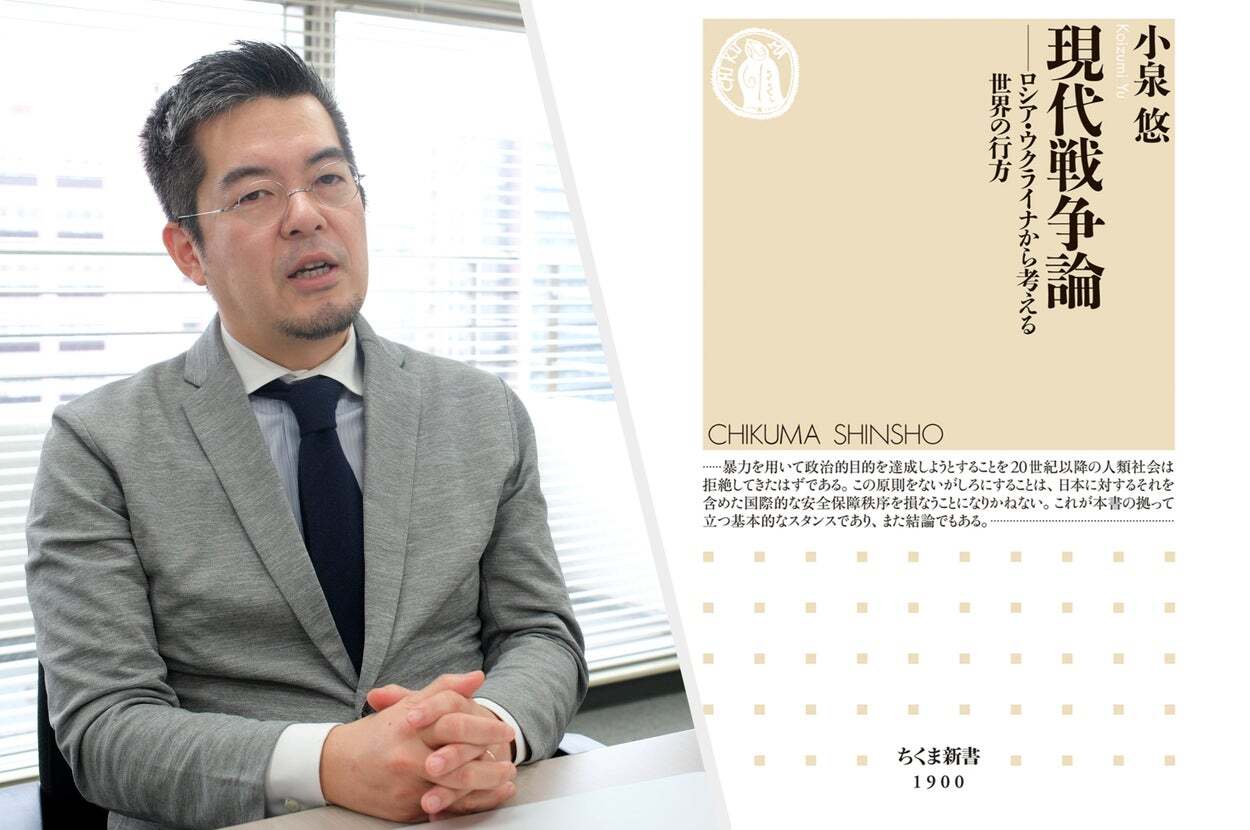
ロシアがウクライナ全土に武力侵攻を開始してから、2026年2月で4年を迎えました。BuzzFeed Japanでは『現代戦争論』(ちくま新書)を2月5日に上梓した東大先端科学技術研究センター准教授の小泉悠さんに都内でインタビューしました。
第二次大戦の独ソ戦の期間を超える長期戦に突入。国際社会の停戦交渉は実を結ばず、1200キロに及ぶ戦線は膠着状態に陥りました。両軍の死傷者・行方不明者は約180万人との推計も出ています。 危惧されていたような核兵器の使用こそなかったものの、絶え間ないドローン攻撃の中で、お互いが塹壕を掘って対峙し合う凄惨な戦闘が続いています。 今回、インタビューした小泉さんはロシアの軍事・安全保障に詳しく、軍事評論家としてSNSでも広い人気を集めています。2025年11月、ロシアの入国拒否者のリストに名前が載ったことも話題になりました。 その小泉さんによると、ロシアは侵攻当初の2022年に実際に核兵器の使用を本気で検討していたそうです。広島・長崎に続く核兵器が、ウクライナの戦場で使われる瀬戸際だったというのです。 なぜプーチン大統領が率いるロシアは思いとどまったのか。その意外な理由も明らかになりました。ウクライナ戦争をめぐって何が起きているのか、詳しい話を聞きました。(取材:BuzzFeed Japan編集部 安藤健二)||--YouTube番組「DEEP DIVE Cast」の中で、2025年11月12日朝にロシアで入国拒否になったことを知ったというエピソードを話していたかと思います。どういう経緯で知ったのでしょうか? 全く映えない話になるんですけど。うちの奥さんが山登りに行くので早起きして出かけていて、そしたら一緒に山登りに行くロシア人から「あんたの旦那、入国拒否になってるよ」って教えられたそうです。その場で大笑いしながら僕に電話がかかってきて。僕はまだベッドの中で寝ながら「え、何?」みたいな感じで知らされました(笑)。 --ロシアからの情報網で知ったのかと思いきや、割と身近なところからだったんですね。 めちゃくちゃ身近なところから。一応ロシア人から教えられたことは教えられたんですけど、自分の奥さんからでした。それっきり、ロシア外務省も何も言ってこないですし、日本政府も何も言ってこない。ただロシア外務省のサイトに「こいつを無期限に入国禁止にする」って書いてあるだけなんです。ただ肩書きが間違っているので、結構前に作ったリストだなという感じがしましたね。 --准教授なのに肩書きがそうなっていなかった? 肩書きが「講師」になっていたんですが、私が講師だったのは2023年までなんですよね。前に作ったリストを特に更新せずにそのまま出してきたんだろうなという感じがします。大使館の仕事だとすると雑なので「モスクワとかで作ったんじゃないかなあれは……」という気もしています。 --実際にご覧になった時、最初の感想はどうでしたか。 あまり感傷的なことは感じなかったですね。というのは、私自身、ロシアという国が大好きで研究しているわけではないんです。ある程度「要注意対象」と思ってロシアを見ているというタイプ。あまり日本にはいないけど、北欧とか東欧に行くとたくさんいるタイプの研究者なんです。 つまり「ロシアが本当に攻めてきた」とか「併合されたことがある国」の人たちのロシアの見方。「脅威だから知らなきゃいけない」っていう認識ですね。プーチン政権に対してすごく批判的でもあったし、ロシア軍事の研究をしてるんで、入国拒否についても「いつかこうなるんじゃないかな」とは思っていました。全然意外性もないし、むしろ2022年の最初の入国禁止措置の中に「なぜ俺が入ってないんだ」というぐらいに思っていました。||--ここまでの話を聞いていて、興味深いことがありました。小泉さんはロシアを脅威として見る一方で、ロシアを好きな面もあるのかなと。そこのバランスをどう取っていますか? ロシアという国、嫌いじゃないんですよ。住んでみた感じとしても、ロシア人というのはなかなか僕は好きだなと思いました。でも世界中にいろんな国がある中で、突出してロシアが好きかっていうと別にそうではない。どこの国も僕は割と嫌いではないと思ってるんですよね。その中で特にロシア人が嫌いということもないが、特にロシア人が大好きということもない、というぐらいの好意度です。 --小泉さんは「ロシア大好き」と思っていたんですが、意外とそうでもない? ロシア軍に興味があっただけで、ロシアという国そのものにそんなに興味がない。今でもないんです。ロシア軍には興味があったのは、やっぱりロシア人の作る兵器は何か変だから(笑)。『赤い星の軍用機』(文林堂)という写真集が僕が中学生の時に出版されたんですが、ソ連の軍用機の鮮明な写真が掲載されていました。 「めちゃくちゃかっこいいな」「めちゃくちゃ変な格好してるな」と思ったり「細部の処理が荒いな」とか、多大なカルチャーショックを受けたんです。西側の飛行機と全然違う。設計思想も違うし、運用思想も違うんですよね。「こういう兵器を作り出すロシア人というのは面白い連中だな」という気持ちは確かにあります。ただ「ロシアの伝統的な文化が好き」「ロシア人の友達がたくさん欲しい」とか思ったことはないですね。||--そういうことだったんですね。ここからは本の内容に移ります。ちくま新書の前著は『ウクライナ戦争』という直球なタイトルでした。これに対して、今回の本は『現代戦争論』としたのはどんな理由からでしょう? このウクライナの戦争って2020年代に入ってからの最大の国家間戦争ですよね。ガザの紛争とウクライナの戦争が両輪のように世界の安全保障環境に影を落としています。ウクライナの戦争が、2020年代を生きる我々が戦争を考える際の想像力をかなり規定している。そういう意味で「ウクライナの戦争を語ることが、ある程度現代の戦争を語ることになるだろう」という意味を込めてます。ただ、これだけでは意味がわからないので、副題で「ロシア・ウクライナから考える世界の行方」と、入れてもらいました。 --ウクライナを巡る今回の戦争が、今後の戦争の在り方をめぐる一つの前例になるということでしょうか? 前例にもなるし、人々が戦争と聞いてイメージする時の大きな参照基準になると思っています。戦争って人間が起こしている現象なので、メカニカルに起こるわけではありません。「最悪の場合、こんなことが起こる」「場合によっては軍事力を使ってこんなことしちゃえばいいんだ」などと、人間が想像して起こすものなんです。戦争には想像力がいる。その想像力の一個の源泉にウクライナ戦争がなっているだろうと考えています。 もう一個のガザは、どちらかというと2000年代的な想像力の延長にある気がするんですよ。僕が学生の時に行われていた非対称戦争(小国または武装集団と大国の間に起きる戦争)の、とびきりひどいバージョンという感じがするんです。アメリカのアフガニスタン侵攻(2001年)とかイラク戦争(2003年)とか、みんなずっと非対称戦争ですよね。主にアメリカ軍がそのゲリラの泥沼の中で苦しんでいる。 その時、アメリカ国防大学のショーン・マクフェイト教授は「アフガニスタンで『ハーツ・アンド・マインズ』とか生ぬるいこと言ってるから勝てんのだ」って本で書いてるんです。あのとき、アフガニスタンを指揮した米軍のマクリスタル大将が「ハーツ・アンド・マインズ」を唱えました。要するにアフガニスタンの人々の心と感情を掴むことがタリバンを遠ざけて安定化作戦を進める上で大事だというわけですね。当時の主流の意見はそうだった。 ところがマクフェイト教授は「そんな生ぬるいこと言ってちゃダメだ。アフガニスタンを皆殺しにするぐらいでやらなければ、勝てるわけがないんだ」って無茶苦茶なこと言うわけですよ。「ひでえこと言うやつだなこいつは」と思ったんですが、今、イスラエルがガザでやってる戦争ってそれに近いんですよね。 ガザの住民を閉じ込めて、直接間接的に「あの人たちをもう滅ぼしてしまえばいいではないか」というところまで来ている。それまではギリギリ人道とかの縛りがあってできなかったことを、とうとうイスラエルがやろうとしている。十数年前のマクフェイト教授の不気味な予言が中東の地で実現しているように感じています。 そういう意味で、2000年代的な風景の延長が中東では起きています。だけど今、東ヨーロッパで起きてるのは、もっとずっと古典的な、パイプの繋がってる先が第二次大戦前の1930年代。東ヨーロッパの国々が次々とソ連とドイツに飲み込まれていった頃の回路と繋がっている感じがするんですよね。古い時代のものが呼び起こされている。それに我々がどう向き合うのかが、私の近年の大きな関心です。||--確かに米国がタリバンと戦うとか、ISと戦うなどの「テロ組織との戦争」というのはありましたが、国家間同士の大規模な戦争が起きるというのは、あまり想像していた人がいなかったのかと思います。 「国家間戦争自体がもうできなくなるんじゃないか」という議論は、2000年代にもありました。でも、2022年に始まったウクライナ戦争は、本当の大戦争ですよね。もう独ソ戦の期間を超えて続いてますし。死者の話を今回の本の第1章で取り上げているんですけど、やっぱりすごい数の人が死んでいます。 いわゆる戦争に伴う国家崩壊で多くの人が餓死するとか、治安が悪化して虐殺が起きるとかじゃなくて、本当の軍隊同士の戦闘でこんなに何十万人も死ぬことって、絶えてなかったと思うんですよ。たとえば湾岸戦争にしても、イラク戦争は米軍の圧勝でそんなに人が死んでないんです。 --それぐらいのことが今起きていると。 人類がさすがに克服したかなと思っていた戦禍が、また戻ってきている。本のタイトルにした『現代戦争論』っていうのは「そういう戦争の時代ですよ」ってことでもあるんです。ある戦争のモードが後景に退くと「もうあんなことしない」って、みんな思うんです。でも、実際には向こうに行ってるだけでいなくなってはいない。また戻ってくることがあるということなんです。遠くに行って見えにくいだけで居るには居る。それが突然バッと近づいてくることがある。 僕が生まれたのは1982年。あの時は新冷戦なんですよ。世界中の人々が、本気で第三次世界大戦の心配をしていました。翌83年がNATOのエイブル・アーチャー演習ですから、本当に核戦争が起こるかもしれなかった。ところがそこから20年経ってみると、アフガン戦争やイラク戦争の時代です。 対テロ戦争をアメリカが始めたんです。その頃、元イギリス陸軍大将のルパート・スミスによる『軍事力の効用』という本の中では「戦争は存在していない。私たちが若い少尉の時にやるつもりだった戦争っていうのはもう存在しないんだ」と書かれていました。そこから20年で、結局これなんですよね。本当に20年スパンぐらいでは戦争のモードっていうのは大きく変わってきています。 例えば2045年前後くらいになると、きっと僕らは全然違うことまた言ってるんですよね。また新型コロナウイルスみたいな感染症が出てきて、そっちが安全保障上の課題だって言ってるかもしれないし、また対テロ戦争の時代になってるのかもしれない。もっと予想もつかないことやってるかもしれませんけど。 片っぽでは「巨大戦争のリスクに備えなきゃいかん」という軍事屋としての気持ちもありつつ、「これがいつまでも続くわけでもないだろうな」とも思っています。20年か30年したら多分、全然違う世界を見ている。そして、どうせ違うなら、いい方向で違う世界を目指さなきゃいかんとも思うんですよ。アジア人同士で軍拡競争やってる現状はあまりにも不毛ですからね。||--先ほど「戦争のモードが変わった」というお話がありました。今回のウクライナ戦争が大規模な国家間戦争となったことで「核爆弾が使われるのではないか」と危惧していた人も多いと思います。今のところウクライナ戦争で核兵器が使われていないのはどういった理由からでしょうか? ロシアには軍事の基本原則を定めた「ロシア連邦軍事ドクトリン」という文書があります。現行バージョンは2014年に改定されたものですが、この中では紛争が4つに分類されています。一番下のレベルに武力紛争があって、局地戦争、地域戦争の順にレベルが上がっていき、最後が大規模戦争なんです。これがロシア流の戦争の4分類。 このうち「武力紛争」は、チェチェン紛争のようなロシア国内の小規模な戦争です。次のレベルの「局地戦争」は対外戦争だけど参戦国が限られていて、一カ国だけが敵のパターンです。そして「地域戦争」になると、その地域の主要国および同盟が関与してくるという分類になっています。最後の「大規模戦争」がいわゆる第三次世界大戦。 この分類で言うと、ウクライナ戦争って、ロシア流の分類では局地戦争なんですよね。4段階に分かれているエスカレーションのうちのまだ下側のほうにいる。一応、ロシアの軍事ドクトリンその他でも「局地戦争においてはまだ核使用の段階には入らない」ということになってはいるんです。 逆に言うとプーチン大統領が「ウクライナに長距離ミサイルを供与したらNATOが参戦したとみなす」と繰り返し言うのは、つまりこれは「我々の分類で言うところの局地戦争から地域戦争に移るぞ」ってことなんですよね。地域戦争になったら、これはもう戦術核(軍事拠点などに限定した核兵器)の使用が考慮されるわけですよ。ロシアの頭の中ではまだやっぱり戦術核を本当に使うような戦争には、分類的にはなってないっていうことが1個あると思います。ただ、どうも使う気は2022年にはあったっぽい。||--西側諸国への脅しという意味ではなく、実戦での核使用を2022年の侵攻当初は真剣に考えていたということですか? しかも「数十発の戦術核を戦闘使用する気があった」と、米軍の人が言ってました。今年1月にあった日米の有識者会議の中でアメリカ側から、そういう情報開示がありました。脅しのための核使用ではなくて、本当に戦闘に使おうとしていたことを米軍は掴んでいたみたいですね。多分、戦場で使う気だったんでしょう。ドンバスとかの膠着してる前線。2022年8月末から、ハルキウ州とヘルソン州でウクライナ軍の攻勢でロシア軍が押されていたので、おそらくウクライナ軍の突進を止めるための核使用を考えていたんだと思いますね。 --戦場の限られたところを焼け野原にするために使うと? そうだと思います。従来からロシア軍が演習で訓練してきた通りの使い方ですよね。ただ、どうもギリギリで止めたらしい。「なんで結局使わなかったんだろう」って米軍の人に質問してみたんです。 僕から水を向けたのは「あの時、インドのモディ首相とか中国の習近平国家主席とかが説得したという話もありますよね」ということだったんですが、米軍側の評価は「多分それではないだろう」ということでした。米軍側もプーチン大統領の頭の中まで分かってるわけではないですが、いろいろ議論してみた結果、「おそらくロシア軍の負けがあるところで止まったということが大きい。ロシア軍が壊滅にまで至らなかったことで、核使用の必要がなくなったんじゃないか」という話に僕と彼らとはなったんですよ。 ということは、やっぱり別に外部から説得されてプーチン大統領がやめたわけではなく、彼の道徳心が止めたわけでもなく、単に軍事的な必要性で使わなかっただけなんじゃないかって感じがするんですよ。もっと気軽に使っちゃってもおかしくはなかったわけです。 --ただ、さっきのお話だとロシアの軍事ドクトリンでは「局地戦争」を「地域戦争」を格上げしないと核兵器は使えないはず。そこは矛盾しないんでしょうか? 軍事ドクトリンはあくまで紛争の類型を示しているだけです。「局地戦争だから核兵器を絶対に使わない」とは、彼らも言ってないんですよ。その軍事ドクトリンの中でも、たとえ通常戦力による侵攻であっても「ロシアの国家が存亡の危機に立った時は使いますよ」っていうぐらいの言い方しかしていない。そこは非常に幅広く取っているんです。||--核使用の瀬戸際まで行っていたとは、想像を超える事態でした。ただ、それから4年を経て戦線は膠着しています。損得だけで考えると停戦した方がメリットが大きいはずですが、停戦できない両国の背景とは何でしょう? ごく簡単に申し上げると、やっぱり戦争目的と関係してくると思うんですね。プーチン大統領も「前進できないからいいや」とはならない。ウクライナを政治的・軍事的に支配するまでプーチン大統領は満足しない。そうするとウクライナとしても、自力でそのプーチンに抵抗できるうちは主権国家でいるために抵抗をやめられないわけです。もし、ウクライナ国民のナショナリズムというかアイデンティティが極めて希薄で「ロシアに支配されても、まあいいか」となるんだったら話は別ですが、実際にはそうなっていません。構造的に、お互い折り合えない戦争目的を追求しているんです。 19世紀の軍事理論家であったクラウゼヴィッツは、著書『戦争論』の中で「なぜ戦闘は止まるのか」という問題を考察しています。哲学者としてのクラウゼヴィッツは「暴力は無限にエスカレートしていって絶対戦争(無制限の暴力を行使する戦争)に近づく」と考えています。でも軍人としてのクラウゼヴィッツは「そんなにしょっちゅう絶対戦争やってないよね。むしろ中途半端な戦争の方が多くて戦闘ってしょっちゅう停止するよね」ということを知ってるわけですよね。理念上の戦争と現実の戦争の矛盾に折り合いをつけたのが、「戦争とは他をもってする政治の延長である」というクラウゼヴィッツの有名なテーゼだと思います。政治目的でやってるので、政治目的の大小というのが戦争のエスカレーションの行方をかなり規定してるんだというわけですね。 それにならって言えば、やはりこの戦争は政治目的がでかい。エスカレートする契機を孕んでいる。ところがクラウゼヴィッツの時代にはなかった「核兵器による破滅の可能性」という別のプレッシャーがかかっているため、エスカレートし過ぎることはないけど、「決着がつかないまま能力が尽きるまでは続く」という構造なんだろうと思ってます。||--核戦争にはならないものの、交戦している両国が我慢比べのようになっている中で、停戦に持ち込むにはどうすればいいんでしょうか? 本当はそこにアメリカが出て来て欲しいところではあります。軍事の論理だけでは戦争がダラダラ続いてしまうところに、アメリカが政治の論理を無理やり持ち込んで「はい、やめ!」って言わなきゃいけないんですよね。トランプ大統領は2025年の就任演説で「ピースメーカーになる」と宣言していたくらいなので、ちょっと乱暴だけどそういうことやってくれるかなという気がしていました。でも、トランプ大統領を見ていると、そういう意味でのピースメーカーにはなろうとしていない。大国間協調がしたいようなんです。「大国同士は喧嘩しないように仲良くやりましょう」ってことなんで、基本的にロシアに甘い。 「ロシアは自分たちの大国クラブの一員だ」と認識しているトランプ大統領にとって、ロシアはうまくやっていくべき相手なんですよ。それで最初のうち、ロシアとアメリカが一緒になって「ウクライナに事実上の降伏を強要する」ということをやろうとしたけど、やっぱりうまくいかない。ウクライナ自身や欧州から猛反発を受けたし、武器や情報の提供を止めると脅してもそれでウクライナが主権を諦めたわけでもない。 なんとなく「欧州やウクライナのことも聞いておかないと怒られるな」って一度はなるんだけど、プーチン大統領から電話がかかってくると、またスッと向こうになびいちゃうっていうことを繰り返す。どっち着かずの立場が続いています。これではやっぱり停戦強要ができない。アメリカのリーダーシップの不在というか、本能的に大国間協調の方に寄ってしまうトランプ政権のアルゴリズムが、この戦争を長引かせている感じがしますね。
1982年千葉県生まれ。東京大学先端科学技術研究センター(国際安全保障構想分野)准教授。早稲田大学社会科学部、同大学院政治学研究科修了。政治学修士。民間企業勤務、外務省専門分析員、ロシア科学アカデミー世界経済国際関係研究所(IMEMO RAN)客員研究員、公益財団法人未来工学研究所客員研究員を経て、現職。 専門はロシアの軍事・安全保障。 著書に『「帝国」ロシアの地政学──「勢力圏」で読むユーラシア戦略』(東京堂出版、2019年、サントリー学芸賞受賞)、『現代ロシアの軍事戦略』(ちくま新書、2021年)、『ロシア点描』(PHP 研究所、2022年)、『ウクライナ戦争』(ちくま新書、2022年)、『オホーツク核要塞』(朝日新書、2024年)他多数。
第二次大戦の独ソ戦の期間を超える長期戦に突入。国際社会の停戦交渉は実を結ばず、1200キロに及ぶ戦線は膠着状態に陥りました。両軍の死傷者・行方不明者は約180万人との推計も出ています。 危惧されていたような核兵器の使用こそなかったものの、絶え間ないドローン攻撃の中で、お互いが塹壕を掘って対峙し合う凄惨な戦闘が続いています。 今回、インタビューした小泉さんはロシアの軍事・安全保障に詳しく、軍事評論家としてSNSでも広い人気を集めています。2025年11月、ロシアの入国拒否者のリストに名前が載ったことも話題になりました。 その小泉さんによると、ロシアは侵攻当初の2022年に実際に核兵器の使用を本気で検討していたそうです。広島・長崎に続く核兵器が、ウクライナの戦場で使われる瀬戸際だったというのです。 なぜプーチン大統領が率いるロシアは思いとどまったのか。その意外な理由も明らかになりました。ウクライナ戦争をめぐって何が起きているのか、詳しい話を聞きました。(取材:BuzzFeed Japan編集部 安藤健二)||--YouTube番組「DEEP DIVE Cast」の中で、2025年11月12日朝にロシアで入国拒否になったことを知ったというエピソードを話していたかと思います。どういう経緯で知ったのでしょうか? 全く映えない話になるんですけど。うちの奥さんが山登りに行くので早起きして出かけていて、そしたら一緒に山登りに行くロシア人から「あんたの旦那、入国拒否になってるよ」って教えられたそうです。その場で大笑いしながら僕に電話がかかってきて。僕はまだベッドの中で寝ながら「え、何?」みたいな感じで知らされました(笑)。 --ロシアからの情報網で知ったのかと思いきや、割と身近なところからだったんですね。 めちゃくちゃ身近なところから。一応ロシア人から教えられたことは教えられたんですけど、自分の奥さんからでした。それっきり、ロシア外務省も何も言ってこないですし、日本政府も何も言ってこない。ただロシア外務省のサイトに「こいつを無期限に入国禁止にする」って書いてあるだけなんです。ただ肩書きが間違っているので、結構前に作ったリストだなという感じがしましたね。 --准教授なのに肩書きがそうなっていなかった? 肩書きが「講師」になっていたんですが、私が講師だったのは2023年までなんですよね。前に作ったリストを特に更新せずにそのまま出してきたんだろうなという感じがします。大使館の仕事だとすると雑なので「モスクワとかで作ったんじゃないかなあれは……」という気もしています。 --実際にご覧になった時、最初の感想はどうでしたか。 あまり感傷的なことは感じなかったですね。というのは、私自身、ロシアという国が大好きで研究しているわけではないんです。ある程度「要注意対象」と思ってロシアを見ているというタイプ。あまり日本にはいないけど、北欧とか東欧に行くとたくさんいるタイプの研究者なんです。 つまり「ロシアが本当に攻めてきた」とか「併合されたことがある国」の人たちのロシアの見方。「脅威だから知らなきゃいけない」っていう認識ですね。プーチン政権に対してすごく批判的でもあったし、ロシア軍事の研究をしてるんで、入国拒否についても「いつかこうなるんじゃないかな」とは思っていました。全然意外性もないし、むしろ2022年の最初の入国禁止措置の中に「なぜ俺が入ってないんだ」というぐらいに思っていました。||--ここまでの話を聞いていて、興味深いことがありました。小泉さんはロシアを脅威として見る一方で、ロシアを好きな面もあるのかなと。そこのバランスをどう取っていますか? ロシアという国、嫌いじゃないんですよ。住んでみた感じとしても、ロシア人というのはなかなか僕は好きだなと思いました。でも世界中にいろんな国がある中で、突出してロシアが好きかっていうと別にそうではない。どこの国も僕は割と嫌いではないと思ってるんですよね。その中で特にロシア人が嫌いということもないが、特にロシア人が大好きということもない、というぐらいの好意度です。 --小泉さんは「ロシア大好き」と思っていたんですが、意外とそうでもない? ロシア軍に興味があっただけで、ロシアという国そのものにそんなに興味がない。今でもないんです。ロシア軍には興味があったのは、やっぱりロシア人の作る兵器は何か変だから(笑)。『赤い星の軍用機』(文林堂)という写真集が僕が中学生の時に出版されたんですが、ソ連の軍用機の鮮明な写真が掲載されていました。 「めちゃくちゃかっこいいな」「めちゃくちゃ変な格好してるな」と思ったり「細部の処理が荒いな」とか、多大なカルチャーショックを受けたんです。西側の飛行機と全然違う。設計思想も違うし、運用思想も違うんですよね。「こういう兵器を作り出すロシア人というのは面白い連中だな」という気持ちは確かにあります。ただ「ロシアの伝統的な文化が好き」「ロシア人の友達がたくさん欲しい」とか思ったことはないですね。||--そういうことだったんですね。ここからは本の内容に移ります。ちくま新書の前著は『ウクライナ戦争』という直球なタイトルでした。これに対して、今回の本は『現代戦争論』としたのはどんな理由からでしょう? このウクライナの戦争って2020年代に入ってからの最大の国家間戦争ですよね。ガザの紛争とウクライナの戦争が両輪のように世界の安全保障環境に影を落としています。ウクライナの戦争が、2020年代を生きる我々が戦争を考える際の想像力をかなり規定している。そういう意味で「ウクライナの戦争を語ることが、ある程度現代の戦争を語ることになるだろう」という意味を込めてます。ただ、これだけでは意味がわからないので、副題で「ロシア・ウクライナから考える世界の行方」と、入れてもらいました。 --ウクライナを巡る今回の戦争が、今後の戦争の在り方をめぐる一つの前例になるということでしょうか? 前例にもなるし、人々が戦争と聞いてイメージする時の大きな参照基準になると思っています。戦争って人間が起こしている現象なので、メカニカルに起こるわけではありません。「最悪の場合、こんなことが起こる」「場合によっては軍事力を使ってこんなことしちゃえばいいんだ」などと、人間が想像して起こすものなんです。戦争には想像力がいる。その想像力の一個の源泉にウクライナ戦争がなっているだろうと考えています。 もう一個のガザは、どちらかというと2000年代的な想像力の延長にある気がするんですよ。僕が学生の時に行われていた非対称戦争(小国または武装集団と大国の間に起きる戦争)の、とびきりひどいバージョンという感じがするんです。アメリカのアフガニスタン侵攻(2001年)とかイラク戦争(2003年)とか、みんなずっと非対称戦争ですよね。主にアメリカ軍がそのゲリラの泥沼の中で苦しんでいる。 その時、アメリカ国防大学のショーン・マクフェイト教授は「アフガニスタンで『ハーツ・アンド・マインズ』とか生ぬるいこと言ってるから勝てんのだ」って本で書いてるんです。あのとき、アフガニスタンを指揮した米軍のマクリスタル大将が「ハーツ・アンド・マインズ」を唱えました。要するにアフガニスタンの人々の心と感情を掴むことがタリバンを遠ざけて安定化作戦を進める上で大事だというわけですね。当時の主流の意見はそうだった。 ところがマクフェイト教授は「そんな生ぬるいこと言ってちゃダメだ。アフガニスタンを皆殺しにするぐらいでやらなければ、勝てるわけがないんだ」って無茶苦茶なこと言うわけですよ。「ひでえこと言うやつだなこいつは」と思ったんですが、今、イスラエルがガザでやってる戦争ってそれに近いんですよね。 ガザの住民を閉じ込めて、直接間接的に「あの人たちをもう滅ぼしてしまえばいいではないか」というところまで来ている。それまではギリギリ人道とかの縛りがあってできなかったことを、とうとうイスラエルがやろうとしている。十数年前のマクフェイト教授の不気味な予言が中東の地で実現しているように感じています。 そういう意味で、2000年代的な風景の延長が中東では起きています。だけど今、東ヨーロッパで起きてるのは、もっとずっと古典的な、パイプの繋がってる先が第二次大戦前の1930年代。東ヨーロッパの国々が次々とソ連とドイツに飲み込まれていった頃の回路と繋がっている感じがするんですよね。古い時代のものが呼び起こされている。それに我々がどう向き合うのかが、私の近年の大きな関心です。||--確かに米国がタリバンと戦うとか、ISと戦うなどの「テロ組織との戦争」というのはありましたが、国家間同士の大規模な戦争が起きるというのは、あまり想像していた人がいなかったのかと思います。 「国家間戦争自体がもうできなくなるんじゃないか」という議論は、2000年代にもありました。でも、2022年に始まったウクライナ戦争は、本当の大戦争ですよね。もう独ソ戦の期間を超えて続いてますし。死者の話を今回の本の第1章で取り上げているんですけど、やっぱりすごい数の人が死んでいます。 いわゆる戦争に伴う国家崩壊で多くの人が餓死するとか、治安が悪化して虐殺が起きるとかじゃなくて、本当の軍隊同士の戦闘でこんなに何十万人も死ぬことって、絶えてなかったと思うんですよ。たとえば湾岸戦争にしても、イラク戦争は米軍の圧勝でそんなに人が死んでないんです。 --それぐらいのことが今起きていると。 人類がさすがに克服したかなと思っていた戦禍が、また戻ってきている。本のタイトルにした『現代戦争論』っていうのは「そういう戦争の時代ですよ」ってことでもあるんです。ある戦争のモードが後景に退くと「もうあんなことしない」って、みんな思うんです。でも、実際には向こうに行ってるだけでいなくなってはいない。また戻ってくることがあるということなんです。遠くに行って見えにくいだけで居るには居る。それが突然バッと近づいてくることがある。 僕が生まれたのは1982年。あの時は新冷戦なんですよ。世界中の人々が、本気で第三次世界大戦の心配をしていました。翌83年がNATOのエイブル・アーチャー演習ですから、本当に核戦争が起こるかもしれなかった。ところがそこから20年経ってみると、アフガン戦争やイラク戦争の時代です。 対テロ戦争をアメリカが始めたんです。その頃、元イギリス陸軍大将のルパート・スミスによる『軍事力の効用』という本の中では「戦争は存在していない。私たちが若い少尉の時にやるつもりだった戦争っていうのはもう存在しないんだ」と書かれていました。そこから20年で、結局これなんですよね。本当に20年スパンぐらいでは戦争のモードっていうのは大きく変わってきています。 例えば2045年前後くらいになると、きっと僕らは全然違うことまた言ってるんですよね。また新型コロナウイルスみたいな感染症が出てきて、そっちが安全保障上の課題だって言ってるかもしれないし、また対テロ戦争の時代になってるのかもしれない。もっと予想もつかないことやってるかもしれませんけど。 片っぽでは「巨大戦争のリスクに備えなきゃいかん」という軍事屋としての気持ちもありつつ、「これがいつまでも続くわけでもないだろうな」とも思っています。20年か30年したら多分、全然違う世界を見ている。そして、どうせ違うなら、いい方向で違う世界を目指さなきゃいかんとも思うんですよ。アジア人同士で軍拡競争やってる現状はあまりにも不毛ですからね。||--先ほど「戦争のモードが変わった」というお話がありました。今回のウクライナ戦争が大規模な国家間戦争となったことで「核爆弾が使われるのではないか」と危惧していた人も多いと思います。今のところウクライナ戦争で核兵器が使われていないのはどういった理由からでしょうか? ロシアには軍事の基本原則を定めた「ロシア連邦軍事ドクトリン」という文書があります。現行バージョンは2014年に改定されたものですが、この中では紛争が4つに分類されています。一番下のレベルに武力紛争があって、局地戦争、地域戦争の順にレベルが上がっていき、最後が大規模戦争なんです。これがロシア流の戦争の4分類。 このうち「武力紛争」は、チェチェン紛争のようなロシア国内の小規模な戦争です。次のレベルの「局地戦争」は対外戦争だけど参戦国が限られていて、一カ国だけが敵のパターンです。そして「地域戦争」になると、その地域の主要国および同盟が関与してくるという分類になっています。最後の「大規模戦争」がいわゆる第三次世界大戦。 この分類で言うと、ウクライナ戦争って、ロシア流の分類では局地戦争なんですよね。4段階に分かれているエスカレーションのうちのまだ下側のほうにいる。一応、ロシアの軍事ドクトリンその他でも「局地戦争においてはまだ核使用の段階には入らない」ということになってはいるんです。 逆に言うとプーチン大統領が「ウクライナに長距離ミサイルを供与したらNATOが参戦したとみなす」と繰り返し言うのは、つまりこれは「我々の分類で言うところの局地戦争から地域戦争に移るぞ」ってことなんですよね。地域戦争になったら、これはもう戦術核(軍事拠点などに限定した核兵器)の使用が考慮されるわけですよ。ロシアの頭の中ではまだやっぱり戦術核を本当に使うような戦争には、分類的にはなってないっていうことが1個あると思います。ただ、どうも使う気は2022年にはあったっぽい。||--西側諸国への脅しという意味ではなく、実戦での核使用を2022年の侵攻当初は真剣に考えていたということですか? しかも「数十発の戦術核を戦闘使用する気があった」と、米軍の人が言ってました。今年1月にあった日米の有識者会議の中でアメリカ側から、そういう情報開示がありました。脅しのための核使用ではなくて、本当に戦闘に使おうとしていたことを米軍は掴んでいたみたいですね。多分、戦場で使う気だったんでしょう。ドンバスとかの膠着してる前線。2022年8月末から、ハルキウ州とヘルソン州でウクライナ軍の攻勢でロシア軍が押されていたので、おそらくウクライナ軍の突進を止めるための核使用を考えていたんだと思いますね。 --戦場の限られたところを焼け野原にするために使うと? そうだと思います。従来からロシア軍が演習で訓練してきた通りの使い方ですよね。ただ、どうもギリギリで止めたらしい。「なんで結局使わなかったんだろう」って米軍の人に質問してみたんです。 僕から水を向けたのは「あの時、インドのモディ首相とか中国の習近平国家主席とかが説得したという話もありますよね」ということだったんですが、米軍側の評価は「多分それではないだろう」ということでした。米軍側もプーチン大統領の頭の中まで分かってるわけではないですが、いろいろ議論してみた結果、「おそらくロシア軍の負けがあるところで止まったということが大きい。ロシア軍が壊滅にまで至らなかったことで、核使用の必要がなくなったんじゃないか」という話に僕と彼らとはなったんですよ。 ということは、やっぱり別に外部から説得されてプーチン大統領がやめたわけではなく、彼の道徳心が止めたわけでもなく、単に軍事的な必要性で使わなかっただけなんじゃないかって感じがするんですよ。もっと気軽に使っちゃってもおかしくはなかったわけです。 --ただ、さっきのお話だとロシアの軍事ドクトリンでは「局地戦争」を「地域戦争」を格上げしないと核兵器は使えないはず。そこは矛盾しないんでしょうか? 軍事ドクトリンはあくまで紛争の類型を示しているだけです。「局地戦争だから核兵器を絶対に使わない」とは、彼らも言ってないんですよ。その軍事ドクトリンの中でも、たとえ通常戦力による侵攻であっても「ロシアの国家が存亡の危機に立った時は使いますよ」っていうぐらいの言い方しかしていない。そこは非常に幅広く取っているんです。||--核使用の瀬戸際まで行っていたとは、想像を超える事態でした。ただ、それから4年を経て戦線は膠着しています。損得だけで考えると停戦した方がメリットが大きいはずですが、停戦できない両国の背景とは何でしょう? ごく簡単に申し上げると、やっぱり戦争目的と関係してくると思うんですね。プーチン大統領も「前進できないからいいや」とはならない。ウクライナを政治的・軍事的に支配するまでプーチン大統領は満足しない。そうするとウクライナとしても、自力でそのプーチンに抵抗できるうちは主権国家でいるために抵抗をやめられないわけです。もし、ウクライナ国民のナショナリズムというかアイデンティティが極めて希薄で「ロシアに支配されても、まあいいか」となるんだったら話は別ですが、実際にはそうなっていません。構造的に、お互い折り合えない戦争目的を追求しているんです。 19世紀の軍事理論家であったクラウゼヴィッツは、著書『戦争論』の中で「なぜ戦闘は止まるのか」という問題を考察しています。哲学者としてのクラウゼヴィッツは「暴力は無限にエスカレートしていって絶対戦争(無制限の暴力を行使する戦争)に近づく」と考えています。でも軍人としてのクラウゼヴィッツは「そんなにしょっちゅう絶対戦争やってないよね。むしろ中途半端な戦争の方が多くて戦闘ってしょっちゅう停止するよね」ということを知ってるわけですよね。理念上の戦争と現実の戦争の矛盾に折り合いをつけたのが、「戦争とは他をもってする政治の延長である」というクラウゼヴィッツの有名なテーゼだと思います。政治目的でやってるので、政治目的の大小というのが戦争のエスカレーションの行方をかなり規定してるんだというわけですね。 それにならって言えば、やはりこの戦争は政治目的がでかい。エスカレートする契機を孕んでいる。ところがクラウゼヴィッツの時代にはなかった「核兵器による破滅の可能性」という別のプレッシャーがかかっているため、エスカレートし過ぎることはないけど、「決着がつかないまま能力が尽きるまでは続く」という構造なんだろうと思ってます。||--核戦争にはならないものの、交戦している両国が我慢比べのようになっている中で、停戦に持ち込むにはどうすればいいんでしょうか? 本当はそこにアメリカが出て来て欲しいところではあります。軍事の論理だけでは戦争がダラダラ続いてしまうところに、アメリカが政治の論理を無理やり持ち込んで「はい、やめ!」って言わなきゃいけないんですよね。トランプ大統領は2025年の就任演説で「ピースメーカーになる」と宣言していたくらいなので、ちょっと乱暴だけどそういうことやってくれるかなという気がしていました。でも、トランプ大統領を見ていると、そういう意味でのピースメーカーにはなろうとしていない。大国間協調がしたいようなんです。「大国同士は喧嘩しないように仲良くやりましょう」ってことなんで、基本的にロシアに甘い。 「ロシアは自分たちの大国クラブの一員だ」と認識しているトランプ大統領にとって、ロシアはうまくやっていくべき相手なんですよ。それで最初のうち、ロシアとアメリカが一緒になって「ウクライナに事実上の降伏を強要する」ということをやろうとしたけど、やっぱりうまくいかない。ウクライナ自身や欧州から猛反発を受けたし、武器や情報の提供を止めると脅してもそれでウクライナが主権を諦めたわけでもない。 なんとなく「欧州やウクライナのことも聞いておかないと怒られるな」って一度はなるんだけど、プーチン大統領から電話がかかってくると、またスッと向こうになびいちゃうっていうことを繰り返す。どっち着かずの立場が続いています。これではやっぱり停戦強要ができない。アメリカのリーダーシップの不在というか、本能的に大国間協調の方に寄ってしまうトランプ政権のアルゴリズムが、この戦争を長引かせている感じがしますね。
1982年千葉県生まれ。東京大学先端科学技術研究センター(国際安全保障構想分野)准教授。早稲田大学社会科学部、同大学院政治学研究科修了。政治学修士。民間企業勤務、外務省専門分析員、ロシア科学アカデミー世界経済国際関係研究所(IMEMO RAN)客員研究員、公益財団法人未来工学研究所客員研究員を経て、現職。 専門はロシアの軍事・安全保障。 著書に『「帝国」ロシアの地政学──「勢力圏」で読むユーラシア戦略』(東京堂出版、2019年、サントリー学芸賞受賞)、『現代ロシアの軍事戦略』(ちくま新書、2021年)、『ロシア点描』(PHP 研究所、2022年)、『ウクライナ戦争』(ちくま新書、2022年)、『オホーツク核要塞』(朝日新書、2024年)他多数。
Vocabulary
General
Proper noun
JLPT N2
JLPT N1
| # | 言葉 | 意味 |
|---|---|---|
| 25 | って | って : 1. you said; he said; she said; they said 2. if ... then |
| 14 | 軍事 | ぐんじ (軍事) : military affairs |
| 10 | 使用 | しよう (使用) : use; application; employment; utilization; utilisation |
| 8 | 核兵器 | かくへいき (核兵器) : nuclear weapon |
| 8 | ロシア人 | ロシアじん (ロシア人) : Russian person |
| 8 | 感じ | かんじ (感じ) : feeling; sense; impression |
| 8 | ただ | ただ (只) : 1. ordinary; common; usual 2. free of charge |
| 8 | 本当 | ほんとう (本当) : 1. truth; reality; actuality; fact 2. proper; right; correct; official |
| 7 | 大統領 | だいとうりょう (大統領) : 1. president (of a nation) 2. big man; boss; buddy; mate |
| 7 | 米軍 | べいぐん (米軍) : US armed forces |
| 7 | 分類 | ぶんるい (分類) : classification; categorization; sorting |
| 7 | 局地 | きょくち (局地) : locality; local area; limited area |
| 7 | 核 | かく (核) : 1. stone (of a fruit); pit; pip 2. core (of an organization, team, etc.); nucleus; heart |
| 6 | 戦闘 | せんとう (戦闘) : battle; fight; combat |
| 6 | 地域 | ちいき (地域) : area; region |
| 5 | 現代 | げんだい (現代) : nowadays; modern era; modern times; present-day |
| 5 | 小泉 | おいずみ (小泉) : Oizumi (unclass) |
| 5 | 停戦 | ていせん (停戦) : armistice; ceasefire |
| 5 | 安全保障 | あんぜんほしょう (安全保障) : security guarantee (e.g. military security, network security, etc.) |
| 5 | 知る | しる (知る) : 1. to be aware of; to know; to be conscious of; to cognize; to cognise 2. to notice; to feel |
| 5 | 大国 | たいこく (大国) : 1. large country; major nation; great power 2. province of the highest rank (ritsuryo system) |
| 4 | 侵攻 | しんこう (侵攻) : invasion |
| 4 | ちくま | ちくま (千久間) : Chikuma (surname) |
| 4 | 新書 | しんしょ (新書) : 1. new book 2. 17x11 cm paperback book |
| 4 | さん | さん : 1. Mr.; Mrs.; Miss; Ms.; -san 2. politeness marker |
| 4 | 実際 | じっさい (実際) : 1. reality; actuality; truth; fact; actual conditions 2. practice (as opposed to theory) |
| 4 | 起きる | おきる (起きる) : 1. to get up; to rise; to blaze up (fire) 2. to wake up; to be awake; to stay awake |
| 4 | 聞く | きく (聞く) : 1. to hear 2. to listen (e.g. to music) |
| 4 | 全然 | ぜんぜん (全然) : 1. (not) at all; (not) in the slightest 2. wholly; entirely; completely; totally |
| 4 | 国家間 | こっかかん (国家間) : cross-national |
| 4 | 想像力 | そうぞうりょく (想像力) : (power of) imagination |
| 4 | 考える | かんがえる (考える) : 1. to think (about, of); to think over; to ponder; to contemplate; to reflect (on); to meditate (on) 2. to consider; to bear in mind; to allow for; to take into consideration |
| 4 | 同士 | どうし (同士) : fellow; mutual; companion; comrade |
| 4 | 大規模 | だいきぼ (大規模) : large-scale |
| 4 | しれる | しれる (知れる) : 1. to become known; to come to light; to be discovered 2. to be known; to be understood |
| 3 | 准教授 | じゅんきょうじゅ (准教授) : associate professor |
| 3 | 第 | だい (第) : prefix for forming ordinal numbers |
| 3 | 超える | こえる (越える) : 1. to cross over; to cross; to pass through; to pass over (out of); to go beyond; to go past 2. to exceed; to surpass; to be more (than) |
| 3 | 膠着 | こうちゃく (膠着) : 1. agglutination; adhesion 2. deadlock; stalemate; standstill |
| 3 | 戦場 | せんじょう (戦場) : battlefield; battleground |
| 3 | 教える | おしえる (教える) : 1. to teach; to instruct 2. to tell; to inform |
| 3 | みたい | みたい : -like; sort of; similar to; resembling |
| 3 | めちゃくちゃ | めちゃくちゃ (目茶苦茶) : 1. absurd; unreasonable; nonsensical; preposterous; incoherent 2. extreme; senseless; reckless; wanton |
| 3 | 書く | かく (書く) : 1. to write; to compose; to pen 2. to draw; to paint |
| 3 | 肩書き | かたがき (肩書き) : title (e.g. Doctor, Professor, Lord); job title; position (in a company); degree; status; rank |
| 3 | 作る | つくる (作る) : 1. to make; to produce; to manufacture; to build; to construct 2. to prepare (food); to brew (alcohol) |
| 3 | 紛争 | ふんそう (紛争) : dispute; conflict; trouble; strife |
| 3 | 我々 | われわれ (我々) : we |
| 3 | 人々 | ひとびと (人々) : 1. people; men and women 2. each person; everybody |
| 3 | 起こる | おこる (起こる) : to occur; to happen |
| 3 | 想像 | そうぞう (想像) : imagination; guess |
| 3 | 延長 | えんちょう (延長) : 1. extension; elongation; prolongation; lengthening 2. Enchō era (923.4.11-931.4.26) |
| 3 | イラク戦争 | イラクせんそう (イラク戦争) : Iraq War (2003-2011) |
| 3 | 教授 | きょうじゅ (教授) : 1. professor 2. teaching; instruction |
| 3 | 多分 | たぶん (多分) : 1. perhaps; probably 2. generous; many; much; great |
| 3 | 他 | ほか (他) : 1. other (place, thing, person); the rest 2. outside; beyond |
| 3 | 研究所 | けんきゅうしょ (研究所) : research establishment; research institute; laboratory |
| 2 | 大戦 | たいせん (大戦) : 1. great war; great battle 2. world war |
| 2 | 独 | どく (独) : Germany |
| 2 | 戦 | いくさ (戦) : 1. war; battle; campaign; fight 2. troops; forces |
| 2 | 期間 | きかん (期間) : period; term; interval |
| 2 | 戦線 | せんせん (戦線) : (war) front |
| 2 | 危惧 | きぐ (危惧) : apprehensions; misgivings; uneasiness; anxiety; fear |
| 2 | 互い | たがい (互い) : each other; one another |
| 2 | 当初 | とうしょ (当初) : 1. beginning; start; outset 2. at first; at the beginning; initially; originally |
| 2 | 本気 | ほんき (本気) : seriousness; earnestness; truth; sanctity |
| 2 | 瀬戸際 | せとぎわ (瀬戸際) : brink; critical moment |
| 2 | 意外 | いがい (意外) : unexpected; surprising |
| 2 | めぐる | めぐる (巡る) : 1. to go around 2. to return |
| 2 | 山登り | やまのぼり (山登り) : mountain climbing; mountaineering |
| 2 | 割と | わりと (割と) : relatively; comparatively |
| 2 | 身近 | みぢか (身近) : near oneself; close to one; familiar |
| 2 | 一応 | いちおう (一応) : 1. more or less; though not quite satisfactorily; after a fashion; pretty much; roughly; so far as it goes 2. tentatively; for the time being |
| 2 | こいつ | こいつ (此奴) : 1. he; she; this fellow; this guy; this person 2. this; this one; this thing |
| 2 | 講師 | こうし (講師) : lecturer |
| 2 | 感ずる | かんずる (感ずる) : to feel; to sense |
| 2 | 程度 | ていど (程度) : degree; amount; grade; standard; of the order of (following a number); about; approximately |
| 2 | つまり | つまり (詰まり) : 1. that is to say; that is; in other words; I mean; that (this, it) means 2. in short; in brief; to sum up; ultimately; in the end; in the long run; when all is said and done; what it all comes down to; when you get right down to it; basically |
| 2 | 脅威 | きょうい (脅威) : threat; menace |
| 2 | 認識 | にんしき (認識) : recognition; awareness; perception; understanding; knowledge; cognition; cognizance; cognisance |
| 2 | むしろ | むしろ (寧ろ) : rather; better; instead; if anything |
| 2 | 取る | とる (取る) : 1. to take; to pick up; to grab; to catch 2. to pass; to hand; to give |
| 2 | 世界中 | せかいじゅう (世界中) : around the world; throughout the world |
| 2 | 兵器 | へいき (兵器) : arms; weapon; ordnance |
| 2 | 軍用機 | ぐんようき (軍用機) : military aircraft |
| 2 | 出版 | しゅっぱん (出版) : publication |
| 2 | ソ連 | ソれん (ソ連) : Soviet Union; Union of Soviet Socialist Republics; USSR |
| 2 | かなり | かなり (可也) : considerably; fairly; quite |
| 2 | 規定 | きてい (規定) : stipulation; prescription; provision; regulation; rule |
| 2 | 語る | かたる (語る) : 1. to talk about; to speak of; to tell; to narrate 2. to recite; to chant |
| 2 | 行方 | ゆくえ (行方) : 1. (one's) whereabouts 2. outcome |
| 2 | 前例 | ぜんれい (前例) : precedent |
| 2 | 人間 | にんげん (人間) : 1. human being; human; person; man; mankind; humankind 2. character (of a person) |
| 2 | 起こす | おこす (起こす) : 1. to raise; to raise up; to set up; to pick up 2. to wake; to wake up; to waken; to awaken |
| 2 | 軍事力 | ぐんじりょく (軍事力) : military force; military strength |
| 2 | 非対称戦争 | ひたいしょうせんそう (非対称戦争) : asymmetric war |
| 2 | ずっと | ずっと : 1. continuously in some state (for a long time, distance); throughout; all along; the whole time; all the way 2. much (better, etc.); by far; far and away |
| 2 | 生ぬるい | なまぬるい (生ぬるい) : 1. lukewarm; tepid 2. half-hearted; vague; weak |
| 2 | 大将 | たいしょう (大将) : 1. general; admiral 2. head; chief; leader; boss; kingpin |
| 2 | 掴む | つかむ (掴む) : 1. to seize; to catch; to grasp; to grip; to grab; to clutch; to hold; to catch hold of; to lay one's hands on 2. to obtain; to acquire; to get; to win; to capture |
| 2 | 中東 | ちゅうとう (中東) : Middle East |
| 2 | 東ヨーロッパ | ひがしヨーロッパ (東ヨーロッパ) : Eastern Europe |
| 2 | 繋がる | つながる (繋がる) : 1. to be tied together; to be connected to; to be linked to 2. to lead to; to be related to |
| 2 | 頃 | ころ (頃) : 1. (approximate) time; around; about; toward 2. suitable time (or condition) |
| 2 | 戦う | たたかう (戦う) : 1. to make war (on); to wage war (against); to go to war (with); to fight (with); to do battle (against) 2. to compete (against) |
| 2 | 議論 | ぎろん (議論) : argument; discussion; dispute; controversy |
| 2 | 死ぬ | しぬ (死ぬ) : 1. to die; to pass away 2. to lose spirit; to lose vigor; to look dead |
| 2 | いわゆる | いわゆる (所謂) : what is called; as it is called; the so-called; so to speak |
| 2 | 国家 | こっか (国家) : state; country; nation |
| 2 | 戻る | もどる (戻る) : 1. to turn back (e.g. half-way) 2. to return; to go back |
| 2 | 近づく | ちかづく (近づく) : 1. to approach; to draw near; to get close 2. to get acquainted with; to get closer to; to get to know |
| 2 | 第三次世界大戦 | だいさんじせかいたいせん (第三次世界大戦) : World War III; Third World War |
| 2 | 演習 | えんしゅう (演習) : 1. practice; practising 2. exercises; manoeuvres; maneuvers |
| 2 | 核戦争 | かくせんそう (核戦争) : nuclear warfare |
| 2 | 対テロ戦争 | たいテロせんそう (対テロ戦争) : War on Terror |
| 2 | 存在 | そんざい (存在) : existence; being |
| 2 | 結局 | けっきょく (結局) : 1. after all; in the end; ultimately; eventually 2. conclusion; end |
| 2 | 変わる | かわる (変わる) : 1. to change; to be transformed; to be altered; to vary 2. to move to |
| 2 | 流 | りゅう (流) : 1. fashion; way; style; manner 2. school (of thought) |
| 2 | 参戦 | さんせん (参戦) : 1. participation in a war; going to war 2. taking part in a competition or contest |
| 2 | 限る | かぎる (限る) : 1. to restrict; to limit; to confine 2. to be restricted to; to be limited to; to be confined to |
| 2 | 段階 | だんかい (段階) : grade; level; stage; class; phase; steps; order; gradation |
| 2 | 繰り返す | くりかえす (繰り返す) : to repeat; to do something over again |
| 2 | 脅し | おどし (脅し) : 1. threat 2. bird-scaring device (scarecrow, gun, etc.) |
| 2 | おそらく | おそらく (恐らく) : perhaps; likely; probably; I dare say |
| 2 | 止める | とめる (止める) : 1. to stop; to turn off 2. to park |
| 2 | 説得 | せっとく (説得) : persuasion |
| 2 | やめる | やめる (止める) : 1. to stop (an activity); to cease; to discontinue; to end; to quit 2. to cancel; to abandon; to give up; to abolish; to abstain; to refrain |
| 2 | 軍事的 | ぐんじてき (軍事的) : military |
| 2 | 矛盾 | むじゅん (矛盾) : contradiction; inconsistency |
| 2 | 経る | へる (経る) : 1. to pass; to elapse; to go by 2. to pass through; to go through |
| 2 | 両国 | りょうこく (両国) : 1. both countries 2. Ryōgoku (area of Tokyo) |
| 2 | 目的 | もくてき (目的) : purpose; goal; aim; objective; intention |
| 2 | 支配 | しはい (支配) : 1. domination; rule; control 2. direction; management; guidance |
| 2 | 抵抗 | ていこう (抵抗) : 1. resistance; opposition; standing up to 2. reluctance; repulsion; repugnance |
| 2 | 著書 | ちょしょ (著書) : (written) work; book; writings |
| 2 | 暴力 | ぼうりょく (暴力) : violence; mayhem |
| 2 | しょっちゅう | しょっちゅう : always; constantly; frequently; often; nonstop |
| 2 | 持ち込む | もちこむ (持ち込む) : 1. to take something into ...; to bring in; to carry in 2. to lodge (a complaint); to file (a plan); to bring (a proposal); to commence negotiations |
| 2 | 論理 | ろんり (論理) : 1. logic 2. logical |
| 2 | 協調 | きょうちょう (協調) : cooperation; conciliation; harmony; coordination |
| 2 | うまく | うまく (上手く) : 1. skilfully; skillfully; well; aptly; cleverly 2. successfully; smoothly |
| 2 | 強要 | きょうよう (強要) : coercion; extortion; compulsion; force |
| 2 | 欧州 | おうしゅう (欧州) : Europe |
| 2 | 専門 | せんもん (専門) : speciality; specialty; subject of study; expert; area of expertise |
| 2 | 客員研究員 | きゃくいんけんきゅういん (客員研究員) : visiting researcher |
| 1 | 全土 | ぜんど (全土) : whole nation; whole land; whole country |
| 1 | 武力 | ぶりょく (武力) : armed might; military power; the sword; force |
| 1 | 開始 | かいし (開始) : start; commencement; beginning; initiation |
| 1 | 迎える | むかえる (迎える) : 1. to go out to meet 2. to receive; to welcome; to greet; to salute; to hail; to reach; to approach; to enter (a phase, era, etc.) |
| 1 | 上梓 | じょうし (上梓) : 1. wood-block printing 2. publication |
| 1 | 東大 | とうだい (東大) : (abbr) Tokyo University (organization) |
| 1 | 先端 | せんたん (先端) : 1. pointed end; tip; point; cusp (of a leaf, crescent moon, etc.); apex (of a curve) 2. forefront; vanguard; spearhead; leading edge |
| 1 | 科学技術 | かがくぎじゅつ (科学技術) : 1. science and technology 2. scientific technique |
| 1 | 都内 | とない (都内) : (within) the (Tokyo) metropolitan area |
| 1 | 長期戦 | ちょうきせん (長期戦) : drawn-out (protracted) war or contest |
| 1 | 突入 | とつにゅう (突入) : 1. rushing into; breaking into; storming 2. plunging into (war, etc.); embarking on (a new venture) |
| 1 | 国際社会 | こくさいしゃかい (国際社会) : international community; international society; the world |
| 1 | 交渉 | こうしょう (交渉) : 1. negotiations; discussions 2. connection |
| 1 | 実 | じつ (実) : 1. truth; reality 2. sincerity; honesty; fidelity |
| 1 | 結ぶ | むすぶ (結ぶ) : 1. to tie; to bind; to link 2. to bear (fruit) |
| 1 | 及ぶ | およぶ (及ぶ) : 1. to reach; to amount to; to befall; to happen to; to extend; to go on (for, until) 2. to be up to the task; to come up to |
| 1 | 状態 | じょうたい (状態) : state; condition; situation; appearance; circumstances |
| 1 | 陥る | おちいる (陥る) : 1. to fall into (e.g. a hole) 2. to fall into (chaos, depression, dilemma, illness, etc.) |
| 1 | 両軍 | りょうぐん (両軍) : both armies; both teams |
| 1 | 死傷者 | ししょうしゃ (死傷者) : casualties; killed and wounded |
| 1 | 行方不明 | ゆくえふめい (行方不明) : missing (of a person); lost; unaccounted for; whereabouts unknown |
| 1 | 推計 | すいけい (推計) : estimate; estimation |
| 1 | こそ | こそ : 1. it is ... that ...; precisely; in particular; definitely; for sure; only (when, after, because, etc.) 2. although; while; it is the case that ... but |
| 1 | 絶え間 | たえま (絶え間) : 1. interval; break; pause; intermission 2. gap (e.g. in the clouds); rift; cleft |
| 1 | 攻撃 | こうげき (攻撃) : 1. attack; assault; raid; onslaught; offensive 2. criticism; censure; denunciation; condemnation |
| 1 | 塹壕 | ざんごう (塹壕) : trench; dugout |
| 1 | 掘る | ほる (掘る) : 1. to dig; to excavate; to hollow 2. to delve into |
| 1 | 対峙 | たいじ (対峙) : 1. standing facing each other (e.g. mountains, buildings); standing opposite each other 2. confrontation; squaring off against (adversaries, armies, forces); standing off against; holding one's own with |
| 1 | 凄惨 | せいさん (凄惨) : ghastly; gruesome; appalling; lurid |
| 1 | 詳しく | くわしく (詳しく) : in detail; fully; minutely; at length |
| 1 | 評論家 | ひょうろんか (評論家) : critic; reviewer; commentator |
| 1 | 人気 | にんき (人気) : 1. popularity; public favor 2. condition (e.g. market); tone; character; nature |
| 1 | 集める | あつめる (集める) : to collect; to assemble; to gather |
| 1 | 載る | のる (載る) : 1. to be placed on; to be set on; to be piled on; to be loaded on 2. to appear (in print); to be mentioned; to be recorded; to be reported; to be given |
| 1 | 話題 | わだい (話題) : topic; subject |
| 1 | 検討 | けんとう (検討) : consideration; examination; investigation; study; scrutiny; discussion; analysis; review |
| 1 | 広島 | ひろしま (広島) : Hiroshima (city, prefecture) |
| 1 | 長崎 | ながさき (長崎) : Nagasaki (city, prefecture) |
| 1 | 率いる | ひきいる (率いる) : to lead; to spearhead (a group); to command (troops) |
| 1 | 思いとどまる | おもいとどまる (思いとどまる) : to give up (a plan or idea); to desist from (doing) |
| 1 | 明らか | あきらか (明らか) : 1. clear; obvious; evident; plain; definite 2. bright; light |
| 1 | 詳しい | くわしい (詳しい) : 1. detailed; full; minute 2. knowing very well; knowledgeable (about); well-acquainted (with); well-informed (about); familiar (with) |
| 1 | 取材 | しゅざい (取材) : 1. news coverage; collecting data (e.g. for an article); covering (something for media) 2. interview |
| 1 | 編集部 | へんしゅうぶ (編集部) : editorial department |
| 1 | 安藤 | あんぞう (安藤) : Anzou (surname) |
| 1 | 健二 | けんじ (健二) : Kenji (masc) |
| 1 | どういう | どういう (どう言う) : somehow; how; in what way; why; what kind of |
| 1 | 経緯 | いきさつ (経緯) : 1. details; particulars; whole story; sequence of events; chronology; circumstances; how it started; how things got this way 2. longitude and latitude |
| 1 | 全く | まったく (全く) : 1. really; truly; entirely; completely; wholly; perfectly 2. indeed |
| 1 | 映える | はえる (映える) : 1. to shine; to glow 2. to look attractive; to look nice; to be set off (by) |
| 1 | 早起き | はやおき (早起き) : early rising |
| 1 | 出かける | でかける (出かける) : 1. to go out (e.g. on an excursion or outing); to leave; to depart; to start; to set out 2. to be about to leave; to be just going out |
| 1 | そ | そ (俎) : altar of sacrifice |
| 1 | あんた | あんた (貴方) : you |
| 1 | 旦那 | だんな (旦那) : 1. master (of a house, shop, etc.) 2. husband |
| 1 | 大笑い | おおわらい (大笑い) : great laughter; burst of laughter |
| 1 | 寝る | ねる (寝る) : 1. to sleep (lying down) 2. to go to bed; to lie in bed |
| 1 | 知らす | しらす (知らす) : 1. to inform; to notify 2. to know |
| 1 | 情報網 | じょうほうもう (情報網) : intelligence or information network |
| 1 | っきり | っきり (っ切り) : 1. only; just 2. since; after |
| 1 | 日本政府 | にほんせいふ (日本政府) : Japanese government |
| 1 | 無期限 | むきげん (無期限) : indefinite |
| 1 | 更新 | こうしん (更新) : renewal; update; innovation; improvement |
| 1 | そのまま | そのまま (其のまま) : 1. without change; as is 2. just like; extremely similar |
| 1 | 雑 | ざつ (雑) : 1. rough; crude; sloppy; messy 2. miscellaneous |
| 1 | ご覧 | ごらん (ご覧) : 1. (please) try to 2. (please) look |
| 1 | 感想 | かんそう (感想) : impressions; thoughts; feelings; reactions |
| 1 | 感傷的 | かんしょうてき (感傷的) : sentimental; emotional; maudlin; mawkish |
| 1 | 私自身 | わたしじしん (私自身) : myself |
| 1 | 要注意 | ようちゅうい (要注意) : need for caution; need for care; requiring special attention |
| 1 | 対象 | たいしょう (対象) : target; object (of worship, study, etc.); subject (of taxation, etc.) |
| 1 | 北欧 | ほくおう (北欧) : Northern Europe; Nordic countries; Scandinavia |
| 1 | 東欧 | とうおう (東欧) : Eastern Europe |
| 1 | 研究者 | けんきゅうしゃ (研究者) : researcher |
| 1 | 攻める | せめる (攻める) : to attack; to assault; to assail |
| 1 | 併合 | へいごう (併合) : merger; joining into one; amalgamation; melding; merging; annexation; absorption |
| 1 | 見方 | みかた (見方) : 1. viewpoint; point of view 2. way of understanding; way of appreciating; how to look at something (e.g. noh, train schedule) |
| 1 | 政権 | せいけん (政権) : (political) administration; political power |
| 1 | すごく | すごく (凄く) : awfully; very; immensely |
| 1 | 批判的 | ひはんてき (批判的) : critical; judgmental |
| 1 | 意外性 | いがいせい (意外性) : unpredictability; element of surprise |
| 1 | 俺 | おれ (俺) : I; me |
| 1 | 面 | おもて (面) : 1. face 2. surface |
| 1 | 住む | すむ (住む) : to live (of humans); to reside; to inhabit; to dwell; to abide |
| 1 | いろんな | いろんな (色んな) : various |
| 1 | 突出 | とっしゅつ (突出) : projection; protrusion |
| 1 | 好意 | こうい (好意) : 1. kindness; favor; favour; friendliness 2. goodwill; affection; liking (for someone); love |
| 1 | 林堂 | はやしどう (林堂) : Hayashidou (place) |
| 1 | 写真集 | しゃしんしゅう (写真集) : photo book (esp. one featuring photos of female celebrities, models); photobook |
| 1 | 中学生 | ちゅうがくせい (中学生) : junior high school student; middle school pupil |
| 1 | 鮮明 | せんめい (鮮明) : vivid; clear; distinct |
| 1 | 掲載 | けいさい (掲載) : publication (e.g. of an article in a newspaper); carrying (e.g. a story); running (e.g. a serial); insertion (e.g. of an advertisement); printing; posting (e.g. on the web) |
| 1 | 格好 | かっこう (格好) : 1. shape; form; figure; posture; pose 2. appearance |
| 1 | 細部 | さいぶ (細部) : details; particulars |
| 1 | 処理 | しょり (処理) : processing; dealing with; treatment; disposition; disposal |
| 1 | 荒い | あらい (荒い) : 1. rough; wild; violent; rude; coarse; harsh; fierce; heavy (e.g. breathing) 2. immoderate; extravagant; reckless |
| 1 | 多大 | ただい (多大) : great (quantity, amount, etc.); huge; enormous; serious |
| 1 | 西側 | にしがわ (西側) : west side; west bank |
| 1 | 設計思想 | せっけいしそう (設計思想) : design concept; design philosophy; basic ideas behind a design |
| 1 | 運用 | うんよう (運用) : 1. making use of; application; practical use; effective management (e.g. of funds) 2. operation; handling; steering (esp. a boat) |
| 1 | 思想 | しそう (思想) : thought; idea; ideology |
| 1 | 作り出す | つくりだす (作り出す) : 1. to manufacture; to produce; to raise (crops) 2. to invent; to dream up; to create |
| 1 | 面白い | おもしろい (面白い) : 1. interesting; fascinating; intriguing; enthralling 2. amusing; funny; comical |
| 1 | 連中 | れんちゅう (連中) : 1. company; lot; bunch; gang; pack; those guys; group 2. troupe; company (of musicians) |
| 1 | 伝統的 | でんとうてき (伝統的) : traditional; conventional |
| 1 | 内容 | ないよう (内容) : contents; content; substance; matter; detail; import |
| 1 | 移る | うつる (移る) : 1. to move (house); to transfer (department) 2. to change the target of interest or concern |
| 1 | 前著 | ぜんちょ (前著) : ibid.; the above-mentioned publication |
| 1 | 直球 | ちょっきゅう (直球) : 1. straight ball (pitch) 2. direct (e.g. question); blunt |
| 1 | 最大 | さいだい (最大) : biggest; greatest; largest; maximum |
| 1 | 両輪 | りょうりん (両輪) : two wheels |
| 1 | 環境 | かんきょう (環境) : environment; circumstance |
| 1 | 影 | かげ (影) : 1. shadow; silhouette; figure; shape 2. reflection; image |
| 1 | 落とす | おとす (落とす) : 1. to drop; to lose; to let fall; to shed (light); to cast (one's gaze); to pour in (liquid); to leave behind 2. to clean off (dirt, makeup, paint, etc.); to remove (e.g. stains or facial hair); to lose; to spend money at a certain place; to omit; to leave out; to secretly let escape |
| 1 | 際 | きわ (際) : 1. edge; brink; verge; side 2. time; moment of |
| 1 | 込める | こめる (込める) : 1. to load (a gun, etc.); to charge 2. to put into (e.g. emotion, effort) |
| 1 | わかる | わかる (分かる) : 1. to understand; to comprehend; to grasp; to see; to get; to follow 2. to become clear; to be known; to be discovered; to be realized; to be realised; to be found out |
| 1 | 副題 | ふくだい (副題) : subtitle; subheading |
| 1 | 入れる | いれる (入れる) : 1. to put in; to let in; to take in; to bring in; to insert; to install (e.g. software); to set (a jewel, etc.); to ink in (e.g. tattoo) 2. to admit; to accept; to employ; to hire |
| 1 | 巡る | めぐる (巡る) : 1. to go around 2. to return |
| 1 | 今後 | こんご (今後) : from now on; hereafter |
| 1 | 在り方 | ありかた (あり方) : 1. the way something ought to be 2. the (current) state of things; how things are |
| 1 | 参照 | さんしょう (参照) : reference; bibliographical reference; consultation; browsing (e.g. when selecting a file to upload on a computer); checking out |
| 1 | 基準 | きじゅん (基準) : standard; basis; criterion; norm; reference; datum |
| 1 | 現象 | げんしょう (現象) : phenomenon |
| 1 | 最悪 | さいあく (最悪) : 1. worst 2. horrible; horrid; awful; terrible |
| 1 | 源泉 | げんせん (源泉) : 1. source (of a spring, etc.) 2. source (of payment, energy, knowledge, etc.); origin; wellspring |
| 1 | 小国 | しょうこく (小国) : small country |
| 1 | 武装集団 | ぶそうしゅうだん (武装集団) : armed group |
| 1 | とびきり | とびきり (飛び切り) : 1. best; extra-fine; superfine; unequalled 2. exceptionally; extraordinarily; by far |
| 1 | 主に | おもに (主に) : mainly; primarily |
| 1 | アメリカ軍 | アメリカぐん (アメリカ軍) : U.S. forces; American military |
| 1 | 泥沼 | どろぬま (泥沼) : 1. bog; marsh; swamp; quagmire; morass 2. quandary; dire situation from which one cannot extricate oneself; imbroglio |
| 1 | 苦しむ | くるしむ (苦しむ) : to suffer; to groan; to be worried |
| 1 | 国防大学 | こくぼうだいがく (国防大学) : National War College (organization) |
| 1 | 指揮 | しき (指揮) : command; direction |
| 1 | 唱える | となえる (唱える) : 1. to recite; to chant 2. to cry; to yell; to shout |
| 1 | 要する | ようする (要する) : to need; to demand; to take; to require |
| 1 | 感情 | かんじょう (感情) : emotion; feeling; feelings; sentiment |
| 1 | 遠ざける | とおざける (遠ざける) : to keep away; to keep at a distance |
| 1 | 安定化 | あんていか (安定化) : stabilization; stabilisation |
| 1 | 作戦 | さくせん (作戦) : 1. tactics; strategy 2. military operation; naval operation |
| 1 | 進める | すすめる (進める) : 1. to advance; to move forward; to put (a clock, watch) forward 2. to carry forward (plans, work, etc.); to proceed with; to make progress in; to further; to advance; to hasten; to speed up |
| 1 | 当時 | とうじ (当時) : at that time; in those days |
| 1 | 主流 | しゅりゅう (主流) : 1. mainstream; commonplace 2. main course (of a river); main stream |
| 1 | 皆殺し | みなごろし (皆殺し) : massacre; annihilation; wholesale slaughter |
| 1 | 無茶苦茶 | むちゃくちゃ (無茶苦茶) : 1. nonsensical; unreasonable; absurd; unrealistic 2. awfully; extremely; to excess; senseless; reckless |
| 1 | ひでえ | ひでえ (英愛) : Hidee (fem) |
| 1 | やつ | やつ (奴) : 1. fellow; guy; chap 2. thing; object |
| 1 | 住民 | じゅうみん (住民) : inhabitant; resident; citizen; population |
| 1 | 閉じ込める | とじこめる (閉じ込める) : to lock up; to shut up; to imprison |
| 1 | 直接 | ちょくせつ (直接) : direct; immediate; personal; firsthand |
| 1 | 間接 | かんせつ (間接) : indirection; indirectness |
| 1 | 滅ぼす | ほろぼす (滅ぼす) : to destroy; to overthrow; to wreck; to ruin |
| 1 | 人道 | じんどう (人道) : 1. humanity 2. sidewalk; footpath |
| 1 | 縛り | しばり (縛り) : 1. binding 2. regulation; limit |
| 1 | 不気味 | ぶきみ (不気味) : weird; ominous; eerie; uncanny; ghastly |
| 1 | 予言 | よげん (予言) : prediction; prophecy; prognostication |
| 1 | 実現 | じつげん (実現) : implementation (e.g. of a system); materialization; materialisation; realization; realisation; actualization; actualisation |
| 1 | 風景 | ふうけい (風景) : 1. scenery; scene; landscape; view; sight 2. scene (e.g. of a crime) |
| 1 | 古典的 | こてんてき (古典的) : classical; classic |
| 1 | 国々 | くにぐに (国々) : countries |
| 1 | 次々 | つぎつぎ (次々) : in succession; one by one |
| 1 | 飲み込む | のみこむ (飲み込む) : 1. to gulp down; to swallow deeply 2. to understand; to take in; to catch on to; to learn; to digest |
| 1 | 回路 | かいろ (回路) : 1. circuit (electric) 2. cycle (e.g. Krebs cycle) |
| 1 | 呼び起こす | よびおこす (呼び起こす) : 1. to wake (someone) up (by calling for them); to awaken 2. to call (to mind); to bring back (memories); to evoke; to arouse (e.g. interest) |
| 1 | 向き合う | むきあう (向き合う) : 1. to be opposite; to face each other 2. to confront (an issue); to face |
| 1 | 近年 | きんねん (近年) : recent years |
| 1 | 関心 | かんしん (関心) : concern; interest |
| 1 | 米国 | べいこく (米国) : (United States of) America; USA; US |
| 1 | テロ組織 | テロそしき (テロ組織) : terrorist organization; terrorist organisation |
| 1 | 自体 | じたい (自体) : 1. itself 2. one's own body; oneself |
| 1 | 始まる | はじまる (始まる) : 1. to begin; to start; to commence 2. to happen (again); to begin (anew) |
| 1 | 死者 | ししゃ (死者) : dead person; (the) deceased; (the) dead; casualties |
| 1 | 章 | しょう (章) : 1. chapter; section 2. medal; badge; insignia |
| 1 | 取り上げる | とりあげる (取り上げる) : 1. to pick up 2. to adopt (e.g. a proposal); to accept; to take up (a topic, complaint, etc.); to listen to; to deal with; to feature |
| 1 | 数 | しばしば (屡々) : often; again and again; frequently; repeatedly |
| 1 | 伴う | ともなう (伴う) : 1. to accompany; to go hand in hand with; to be consequent upon 2. to be accompanied by; to bring with; to take with; to be involved in |
| 1 | 崩壊 | ほうかい (崩壊) : 1. collapse; crumbling; breaking down; caving in 2. (radioactive) decay; disintegration |
| 1 | 餓死 | がし (餓死) : (death from) starvation; starving to death |
| 1 | 治安 | ちあん (治安) : public order |
| 1 | 悪化 | あっか (悪化) : (suffer) deterioration; growing worse; aggravation; degeneration; corruption |
| 1 | 虐殺 | ぎゃくさつ (虐殺) : slaughter; massacre |
| 1 | 軍隊 | ぐんたい (軍隊) : armed forces; military; troops |
| 1 | 絶える | たえる (絶える) : 1. to die out; to peter out; to become extinct 2. to cease; to be stopped; to be discontinued; to be cut off |
| 1 | 湾岸戦争 | わんがんせんそう (湾岸戦争) : the Gulf War |
| 1 | 圧勝 | あっしょう (圧勝) : overwhelming victory; crushing victory; sweeping victory; landslide victory |
| 1 | 人類 | じんるい (人類) : mankind; humanity |
| 1 | さすが | さすが (流石) : 1. as one would expect; just as you'd expect (from); just like (someone) 2. still; all the same; after all |
| 1 | 克服 | こくふく (克服) : conquest (of a difficulty, illness, handicap, etc.); overcoming; bringing under control; subjugation; victory over |
| 1 | 戦禍 | せんか (戦禍) : war damage; ravages of war; horrors of war |
| 1 | 後景 | こうけい (後景) : background; setting |
| 1 | 退く | どく (退く) : 1. to step aside; to move (i.e. out of the way); to make way 2. to resign; to retire; to quit; to secede |
| 1 | 見える | みえる (見える) : 1. to be seen; to be in sight 2. to look; to seem; to appear |
| 1 | 突然 | とつぜん (突然) : abrupt; sudden; unexpected |
| 1 | 生まれる | うまれる (生まれる) : to be born |
| 1 | 新冷戦 | しんれいせん (新冷戦) : new Cold war |
| 1 | 翌 | よく (翌) : the following; next |
| 1 | 経つ | たつ (経つ) : to pass (of time); to elapse |
| 1 | アフガン戦争 | アフガンせんそう (アフガン戦争) : Afghan Wars |
| 1 | 効用 | こうよう (効用) : use; utility; effect; benefit |
| 1 | 私たち | わたしたち (私たち) : we; us |
| 1 | 少尉 | しょうい (少尉) : second lieutenant; sublieutenant; ensign |
| 1 | 大きく | おおきく (大きく) : in a big way; on a grand scale |
| 1 | 前後 | ぜんご (前後) : 1. front and rear; front and back; before and behind; back and forth 2. before and after |
| 1 | 新型コロナウイルス | しんがたコロナウイルス (新型コロナウイルス) : novel coronavirus (esp. SARS-CoV-2) |
| 1 | 感染症 | かんせんしょう (感染症) : infectious disease; infection |
| 1 | 課題 | かだい (課題) : 1. subject; theme; issue; matter 2. homework; assignment |
| 1 | 予想 | よそう (予想) : expectation; anticipation; prediction; forecast; conjecture |
| 1 | 巨大 | きょだい (巨大) : huge; gigantic; enormous |
| 1 | 備える | そなえる (備える) : 1. to furnish with; to equip with; to provide; to install 2. to prepare for; to make preparations for; to make provision for |
| 1 | どうせ | どうせ : 1. anyhow; in any case; at any rate; after all; at all; no matter what 2. at best; at most |
| 1 | 方向 | ほうこう (方向) : 1. direction; orientation; bearing; way 2. course (e.g. of action) |
| 1 | 目指す | めざす (目指す) : 1. to aim at (for, to do, to become); to try for; to have an eye on 2. to go toward; to head for |
| 1 | 軍拡競争 | ぐんかくきょうそう (軍拡競争) : arms race; armaments race |
| 1 | 現状 | げんじょう (現状) : present condition; existing state; status quo; current state |
| 1 | 不毛 | ふもう (不毛) : 1. barren; sterile; infertile 2. unproductive (e.g. discussion); fruitless |
| 1 | 先ほど | さきほど (先ほど) : a short while ago; a moment ago; just now; some time ago |
| 1 | 核爆弾 | かくばくだん (核爆弾) : nuclear weapon |
| 1 | 基本 | きほん (基本) : basics; fundamentals; basis; foundation |
| 1 | 原則 | げんそく (原則) : 1. principle; general rule 2. as a rule; in principle; in general |
| 1 | 定める | さだめる (定める) : 1. to decide; to determine 2. to establish; to lay down; to prescribe; to provide; to stipulate |
| 1 | ロシア連邦 | ロシアれんぽう (ロシア連邦) : Russian Federation |
| 1 | 文書 | ぶんしょ (文書) : 1. document; writing; letter; papers; notes; records; archives 2. document addressed to someone |
| 1 | 現行 | げんこう (現行) : present; current; in operation |
| 1 | 改定 | かいてい (改定) : revision (of a rule, price, etc.); alteration; change |
| 1 | 一番 | いちばん (一番) : 1. number one; first; first place 2. best; most |
| 1 | 順 | じゅん (順) : 1. order; turn; sorting 2. obedient; docile; submissive; meek |
| 1 | 上がる | あがる (上がる) : 1. to rise; to go up; to come up; to ascend; to be raised 2. to enter (esp. from outdoors); to come in; to go in |
| 1 | 国内 | こくない (国内) : internal; domestic |
| 1 | 小規模 | しょうきぼ (小規模) : small scale |
| 1 | 対外 | たいがい (対外) : external; foreign |
| 1 | 戦争 | せんそう (戦争) : 1. war 2. fighting; fierce competition |
| 1 | カ国 | かこく (カ国) : counter for countries |
| 1 | 敵 | かたき (敵) : 1. rival; opponent; adversary; competitor; enemy (esp. one with which there is longstanding enmity); foe 2. revenge |
| 1 | 主要国 | しゅようこく (主要国) : principal countries |
| 1 | および | および (及び) : and; as well as |
| 1 | 同盟 | どうめい (同盟) : alliance; union; league |
| 1 | 関与 | かんよ (関与) : participation; taking part in; participating in; being concerned in |
| 1 | 争う | あらそう (争う) : 1. to compete; to contest; to contend 2. to quarrel; to argue; to dispute; to be at variance; to oppose |
| 1 | 分かれる | わかれる (分かれる) : 1. to branch; to fork; to diverge 2. to separate; to split; to divide |
| 1 | 下側 | したがわ (下側) : underside |
| 1 | 逆 | ぎゃく (逆) : 1. reverse; opposite 2. converse (of a hypothesis, etc.) |
| 1 | 長距離 | ちょうきょり (長距離) : long distance; long haul |
| 1 | 供与 | きょうよ (供与) : giving; provision; furnishing |
| 1 | みなす | みなす (見なす) : to consider as; to regard (as equivalent); to deem (as); to equate |
| 1 | ぞ | ぞ : adds force or indicates command |
| 1 | 拠点 | きょてん (拠点) : position; location; base; point; site |
| 1 | 限定 | げんてい (限定) : limit; restriction |
| 1 | 考慮 | こうりょ (考慮) : consideration; taking into account |
| 1 | っぽい | っぽい : -ish; -like |
| 1 | 西側諸国 | にしがわしょこく (西側諸国) : Western countries; (former) Western Bloc countries |
| 1 | 実戦 | じっせん (実戦) : combat; battle; action; active service; actual fighting |
| 1 | 真剣 | しんけん (真剣) : 1. serious; earnest 2. real sword (as opposed to a wooden practice weapon) |
| 1 | しかも | しかも (然も) : 1. moreover; furthermore 2. nevertheless; and yet |
| 1 | 日米 | にちべい (日米) : Japan and the United States; Japanese-American |
| 1 | 有識者 | ゆうしきしゃ (有識者) : expert; knowledgeable person; authority (on a subject) |
| 1 | 会議 | かいぎ (会議) : meeting; conference; session; assembly; council; convention; congress |
| 1 | 情報開示 | じょうほうかいじ (情報開示) : information discovery; disclosure of information |
| 1 | 前線 | ぜんせん (前線) : 1. (weather) front 2. front line; forward area; action zone |
| 1 | 末 | うら (末) : top end; tip |
| 1 | 州 | しゅう (州) : 1. state (US, Australia, India, Germany, etc.); province (e.g. Canada); canton (e.g. Switzerland); oblast (e.g. Russia); department (e.g. ancient China) 2. continent |
| 1 | 攻勢 | こうせい (攻勢) : offensive (movement); aggression |
| 1 | 押す | おす (押す) : 1. to push; to press 2. to apply pressure from above; to press down |
| 1 | 突進 | とっしん (突進) : rush; charge |
| 1 | 焼ける | やける (焼ける) : 1. to burn; to be roasted; to be heated; to be sunburnt; to fade (in the sun); to glow red (i.e. of the sky at sunset) 2. to be jealous; to be envious |
| 1 | 野原 | のはら (野原) : field; plain; prairie; moor |
| 1 | 従来 | じゅうらい (従来) : 1. up to now; so far 2. traditional; conventional; usual; existing |
| 1 | 訓練 | くんれん (訓練) : training; drill; practice; discipline |
| 1 | 通り | とおり (通り) : 1. avenue; street; way; road 2. coming and going; street traffic |
| 1 | 使い方 | つかいかた (使い方) : way to use something; treatment; management (of help) |
| 1 | 首相 | しゅしょう (首相) : prime minister; chancellor (Germany, Austria, etc.); premier |
| 1 | 中国 | ちゅうごく (中国) : 1. China 2. Chūgoku region of western Honshu (incl. Okayama, Hiroshima, Shimane, Tottori and Yamaguchi prefectures) |
| 1 | 習近平 | しゅうきんぺい (習近平) : Xi Jinping (person) |
| 1 | 国家主席 | こっかしゅせき (国家主席) : head of state |
| 1 | 評価 | ひょうか (評価) : 1. valuation; appraisal; evaluation; assessment; estimation; rating; judging 2. appreciation; recognition; acknowledgement; rating highly; praising |
| 1 | 分かる | わかる (分かる) : 1. to understand; to comprehend; to grasp; to see; to get; to follow 2. to become clear; to be known; to be discovered; to be realized; to be realised; to be found out |
| 1 | 結果 | けっか (結果) : 1. result; consequence; outcome; effect 2. coming to fruition; bearing fruit |
| 1 | 負け | まけ (負け) : 1. defeat; loss; losing (a game) 2. failing to live up to (one's name, looks, etc.) |
| 1 | 止まる | とまる (止まる) : 1. to stop (moving); to come to a stop 2. to stop (doing, working, being supplied); to come to a halt; to cease; to be stopped; to be suspended |
| 1 | 壊滅 | かいめつ (壊滅) : destruction; annihilation; devastation; catastrophe |
| 1 | 至る | いたる (至る) : 1. to arrive at (e.g. a decision); to reach (a stage); to attain 2. to lead to (a place); to get to |
| 1 | なくなる | なくなる (亡くなる) : to die |
| 1 | 外部 | がいぶ (外部) : 1. outside (e.g. of a building); exterior 2. outside (of a group, company, etc.); outside world |
| 1 | 道徳心 | どうとくしん (道徳心) : moral sense |
| 1 | 単に | たんに (単に) : simply; merely; only; solely |
| 1 | 必要性 | ひつようせい (必要性) : necessity |
| 1 | 気軽 | きがる (気軽) : 1. carefree; buoyant; lighthearted; sprightly 2. ease |
| 1 | 格上げ | かくあげ (格上げ) : status elevation; upgrading; promotion |
| 1 | 使える | つかえる (使える) : to be usable; to be serviceable; to be useful |
| 1 | あくまで | あくまで (飽くまで) : 1. to the end; to the bitter end; to the last; stubbornly; persistently; consistently; to the utmost 2. after all; it must be remembered; only; purely; simply |
| 1 | 類型 | るいけい (類型) : 1. type; pattern; shape; genre; breed 2. similar type; similar pattern |
| 1 | 示す | しめす (示す) : 1. to (take out and) show; to demonstrate; to tell; to exemplify; to make apparent 2. to point out (finger, clock hand, needle, etc.) |
| 1 | 絶対 | ぜったい (絶対) : 1. definitely; absolutely; unconditionally 2. absolute; unconditional; unmistakable |
| 1 | たとえ | たとえ (例え) : 1. example 2. simile; metaphor; allegory; fable; parable |
| 1 | 通常 | つうじょう (通常) : usual; ordinary; normal; regular; general; common |
| 1 | 戦力 | せんりょく (戦力) : 1. war potential; military strength; fighting power 2. ability (to compete); capabilities; valuable asset |
| 1 | 存亡 | そんぼう (存亡) : life or death; existence; destiny |
| 1 | 危機 | きき (危機) : crisis; critical situation; emergency; pinch |
| 1 | 立つ | たつ (立つ) : 1. to stand; to rise; to stand up 2. to find oneself (e.g. in a difficult position) |
| 1 | 言い方 | いいかた (言い方) : way of saying (something); way of putting it; wording; phrasing; language; expression |
| 1 | 非常 | ひじょう (非常) : 1. emergency 2. extraordinary; unusual |
| 1 | 事態 | じたい (事態) : situation; (present) state of affairs; circumstances |
| 1 | 損得 | そんとく (損得) : loss and gain; advantage and disadvantage |
| 1 | 背景 | はいけい (背景) : 1. background; scenery; backdrop; setting 2. background (of an incident, situation, etc.); circumstances; context |
| 1 | ごく | ごく (極) : 1. quite; very 2. 10^48; quindecillion |
| 1 | 前進 | ぜんしん (前進) : advance; moving forward; progress |
| 1 | 政治的 | せいじてき (政治的) : political |
| 1 | 満足 | まんぞく (満足) : 1. satisfaction; contentment; gratification 2. sufficient; satisfactory; enough; adequate; proper; decent |
| 1 | 自力 | じりき (自力) : 1. one's own strength; one's own efforts 2. self-salvation |
| 1 | 主権国家 | しゅけんこっか (主権国家) : sovereign nation |
| 1 | 国民 | こくみん (国民) : people (of a country); nation; citizen; national |
| 1 | 極めて | きわめて (極めて) : exceedingly; extremely; decisively |
| 1 | 希薄 | きはく (希薄) : 1. thin (e.g. air); diluted; sparse; lean; weak; rarified; rarefied 2. lacking (e.g. empathy); deficient; insufficient (e.g. zeal) |
| 1 | まあ | まあ : 1. just (e.g. "just wait here"); come now; now, now 2. tolerably; passably; moderately; reasonably; fairly; rather; somewhat |
| 1 | 構造的 | こうぞうてき (構造的) : structural |
| 1 | 追求 | ついきゅう (追求) : pursuit (of a goal, ideal, etc.); search; chase; seeking after |
| 1 | 世紀 | せいき (世紀) : 1. century 2. era |
| 1 | 理論家 | りろんか (理論家) : theorist |
| 1 | 考察 | こうさつ (考察) : consideration; inquiry; enquiry; investigation; study |
| 1 | 哲学者 | てつがくしゃ (哲学者) : philosopher |
| 1 | 無限 | むげん (無限) : 1. infinity; infinitude; eternity 2. infinite; limitless |
| 1 | 無制限 | むせいげん (無制限) : unlimited; unrestricted; limitless |
| 1 | 行使 | こうし (行使) : use; exercise (of one's right, authority, power, etc.) |
| 1 | 軍人 | ぐんじん (軍人) : military personnel; soldier |
| 1 | 中途半端 | ちゅうとはんぱ (中途半端) : halfway; half measures; unfinished; incomplete; by halves; half-baked; half-cocked; half-hearted; half-arsed; half-assed |
| 1 | 停止 | ていし (停止) : 1. stoppage; coming to a stop; halt; standstill 2. ceasing (movement, activity, etc.); suspension (of operations); interruption (e.g. of electricity supply); cutting off |
| 1 | 理念 | りねん (理念) : (Platonic) ideal (of how things ought to be, e.g. human rights); foundational principle; idea; conception (e.g. of the university); doctrine; ideology |
| 1 | 現実 | げんじつ (現実) : reality; actuality; hard fact |
| 1 | 折り合い | おりあい (折り合い) : 1. agreement (e.g. business, dispute); understanding; compromise; settlement 2. mutual relations (between family members, coworkers, etc.) |
| 1 | 大小 | だいしょう (大小) : 1. size 2. large and small (sizes); various sizes |
| 1 | ならう | ならう (習う) : to take lessons in; to be taught; to learn (from a teacher); to study (under a teacher); to get training in |
| 1 | でかい | でかい : huge; big; gargantuan |
| 1 | 契機 | けいき (契機) : 1. opportunity; chance 2. trigger; cause |
| 1 | 孕む | はらむ (孕む) : 1. to conceive; to become pregnant 2. to get filled with (e.g. sails filled with wind); to be swollen with |
| 1 | 破滅 | はめつ (破滅) : ruin; destruction; fall |
| 1 | 可能性 | かのうせい (可能性) : potentiality; likelihood; possibility; availability |
| 1 | 決着 | けっちゃく (決着) : conclusion; decision; end; settlement |
| 1 | まま | うば (乳母) : wet nurse; nursing mother |
| 1 | 能力 | のうりょく (能力) : ability; faculty |
| 1 | 尽きる | つきる (尽きる) : to be used up; to be run out; to be exhausted; to be consumed; to come to an end |
| 1 | 構造 | こうぞう (構造) : structure; construction; makeup; framework; organization; pattern |
| 1 | 交戦 | こうせん (交戦) : war; battle; hostilities |
| 1 | 我慢 | がまん (我慢) : 1. endurance; patience; perseverance; bearing (with something) 2. self-control; self-restraint |
| 1 | 比べ | くらべ (比べ) : contest; comparison; competition |
| 1 | 無理やり | むりやり (無理やり) : forcibly; against one's will |
| 1 | やめ | やめ (八女) : Yame (place; surname; fem) |
| 1 | 就任 | しゅうにん (就任) : assumption (of office); taking up (a post); inauguration; installation |
| 1 | 演説 | えんぜつ (演説) : speech; address |
| 1 | 宣言 | せんげん (宣言) : declaration; proclamation; announcement |
| 1 | 乱暴 | らんぼう (乱暴) : 1. violence; assault; running riot 2. rough (e.g. handling); reckless; careless; coarse; rude; unreasonable (e.g. demand); wild (e.g. argument) |
| 1 | 喧嘩 | けんか (喧嘩) : quarrel; brawl; fight; squabble; scuffle; argument |
| 1 | 仲良く | なかよく (仲良く) : 1. on good terms with; on cordial terms with; getting along well with; happily; peacefully 2. to make friends with; to be good friends with; to get along with |
| 1 | 基本的 | きほんてき (基本的) : fundamental; basic |
| 1 | 自分 | じぶん (自分) : 1. myself; yourself; oneself; himself; herself 2. I; me |
| 1 | たち | やかた (館) : 1. mansion; palace; manor house; castle 2. nobleman; noblewoman; dignitary |
| 1 | 一員 | いちいん (一員) : person; member |
| 1 | 相手 | あいて (相手) : 1. companion; partner; company 2. other party; addressee |
| 1 | 事実上 | じじつじょう (事実上) : as a matter of fact; actually; effectively; in reality; in effect |
| 1 | 降伏 | こうふく (降伏) : 1. capitulation; surrender; submission 2. yield |
| 1 | 自身 | じしん (自身) : (one's) self; oneself |
| 1 | 猛 | もう (猛) : 1. greatly energetic 2. ferocious |
| 1 | 反発 | はんぱつ (反発) : 1. opposition; rebellion; revolt; resistance; backlash; refusal 2. rebounding; recoiling; repulsion |
| 1 | 武器 | ぶき (武器) : 1. weapon; arms; ordnance 2. weapon (something used to gain an advantage); asset |
| 1 | 情報 | じょうほう (情報) : 1. information; news; intelligence; advices 2. information; data contained in characters, signals, code, etc. |
| 1 | 提供 | ていきょう (提供) : 1. offer; tender; providing; supplying; making available; donating (blood, organs, etc.) 2. sponsoring (a TV program) |
| 1 | 脅す | おどす (脅す) : to threaten; to menace; to frighten (into doing) |
| 1 | 主権 | しゅけん (主権) : sovereignty; supremacy; dominion |
| 1 | 諦める | あきらめる (諦める) : to give up; to abandon (hope, plans); to resign oneself (to) |
| 1 | 怒る | おこる (怒る) : 1. to get angry; to get mad 2. to tell someone off; to scold |
| 1 | なびく | なびく (靡く) : 1. to bend; to flutter; to wave 2. to yield to; to be swayed by; to bow to; to obey |
| 1 | 着く | つく (着く) : 1. to arrive at; to reach 2. to sit on; to sit at (e.g. the table) |
| 1 | 立場 | たちば (立場) : 1. position; situation 2. viewpoint; standpoint; point of view |
| 1 | 不在 | ふざい (不在) : 1. absence 2. disregard; indifference |
| 1 | 本能 | ほんのう (本能) : instinct |
| 1 | 寄る | よる (寄る) : 1. to approach; to draw near; to come near; to be close to 2. to gather (in one place); to come together; to meet |
| 1 | 長引く | ながびく (長引く) : to be prolonged; to drag on |
| 1 | 千葉県 | ちばけん (千葉県) : Chiba prefecture (Kanto area) |
| 1 | 生まれ | うまれ (生まれ) : 1. birth; birthplace 2. born in (country, month, imperial era, zodiac year, etc.) |
| 1 | 東京大学 | とうきょうだいがく (東京大学) : Tokyo University (organization) |
| 1 | 先端科学技術研究センター | せんたんかがくぎじゅつけんきゅうセンター (先端科学技術研究センター) : Research Center for Advanced Science and Technology; RCAST (place) |
| 1 | 構想 | こうそう (構想) : plan; plot; idea; conception; vision; scheme |
| 1 | 分野 | ぶんや (分野) : field; sphere; realm; division; branch |
| 1 | 早稲田大学 | わせだだいがく (早稲田大学) : Waseda University (organization) |
| 1 | 社会科学 | しゃかいかがく (社会科学) : social science |
| 1 | 大学院 | だいがくいん (大学院) : graduate school |
| 1 | 修了 | しゅうりょう (修了) : completion (of a course) |
| 1 | 学修 | がくしゅう (学修) : study; learning |
| 1 | 士 | さむらい (侍) : 1. warrior (esp. of military retainers of daimyos in the Edo period); samurai 2. man in attendance (on a person of high standing); retainer |
| 1 | 民間企業 | みんかんきぎょう (民間企業) : private enterprise; private business; private company; private firm; private-sector business; private-sector corporation |
| 1 | 勤務 | きんむ (勤務) : service; duty; work |
| 1 | 外務省 | がいむしょう (外務省) : Ministry of Foreign Affairs |
| 1 | 分析 | ぶんせき (分析) : analysis |
| 1 | 世界経済 | せかいけいざい (世界経済) : world economy; international economy |
| 1 | 国際関係 | こくさいかんけい (国際関係) : international relations |
| 1 | 公益財団法人 | こうえきざいだんほうじん (公益財団法人) : public interest incorporated foundation |
| 1 | 未来 | みらい (未来) : 1. the future (usually distant) 2. future tense |
| 1 | 工学 | こうがく (工学) : engineering |
| 1 | 現職 | げんしょく (現職) : present post; current office; (an) incumbent |
| 1 | 帝国 | ていこく (帝国) : 1. empire 2. imperial |
| 1 | 地政学 | ちせいがく (地政学) : geopolitics |
| 1 | 勢力圏 | せいりょくけん (勢力圏) : sphere of influence |
| 1 | 戦略 | せんりゃく (戦略) : strategy; tactics |
| 1 | 東京 | とうきょう (東京) : Tokyo |
| 1 | 受賞 | じゅしょう (受賞) : winning (a prize) |
| 1 | 軍事戦略 | ぐんじせんりゃく (軍事戦略) : military strategy |
| 1 | 点描 | てんびょう (点描) : 1. sketching 2. pointillism; stippling |
| 1 | 要塞 | ようさい (要塞) : fort; stronghold; fortification |
| 1 | 朝日新 | あさひしん (朝日新) : Asahishin (place) |
| 1 | 多数 | たすう (多数) : 1. large number (of); many 2. majority |