イラン情勢 ハメネイ師後継 次男のほかに複数候補 米メディア
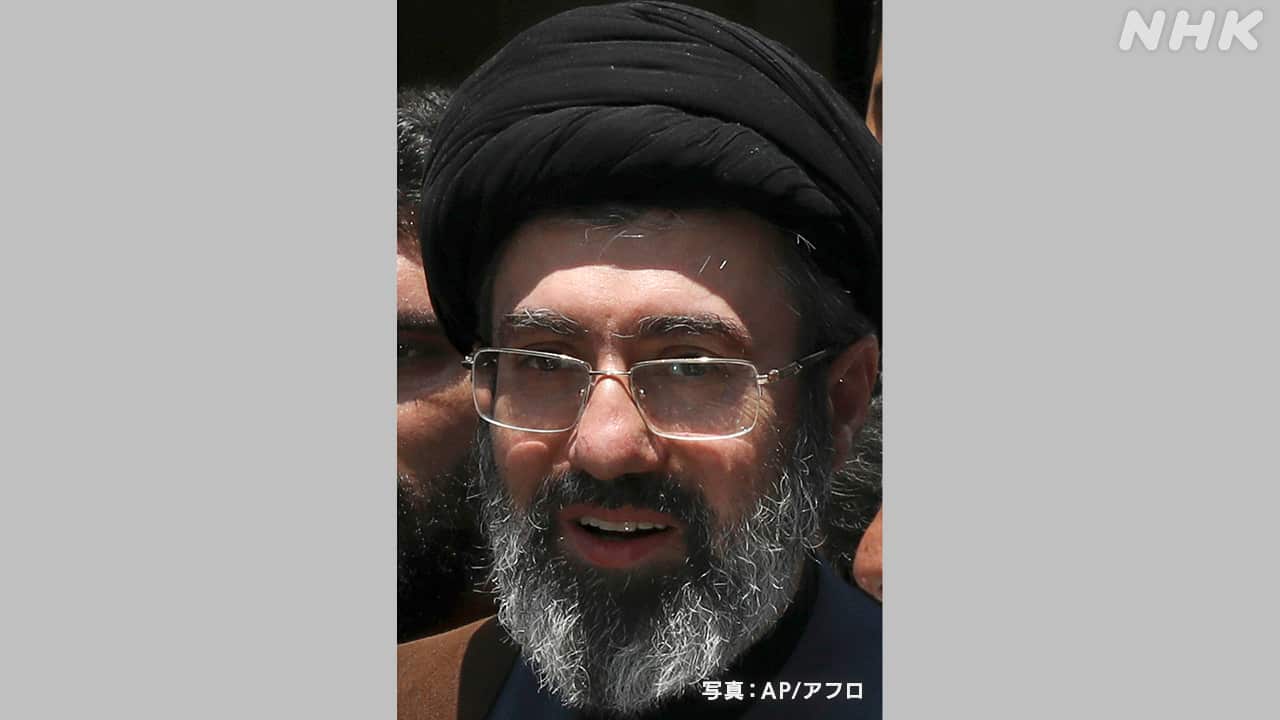
アメリカのメディアは、殺害された最高指導者ハメネイ師の後継候補として、次男のモジタバ師のほかに複数の候補が浮上していると伝えています。
なかでも主な候補として名前が挙がっているのは、▽モフセ二・エジェイ司法長官と▽法案の審査などを行う「護憲評議会」の法学者で、最高指導者の選出にあたる「専門家会議」の副議長を務めるアラフィ師▽それに初代最高指導者の孫で、穏健派に近いとされるハッサン・ホメイニ師の3人です。
このうち、エジェイ司法長官とアラフィ師は、ハメネイ師の死亡を受けて設置された「臨時評議会」のメンバーとして、ペゼシュキアン大統領とともに次の最高指導者が選出されるまでの国政運営を担っています。
アメリカの有力紙ウォール・ストリート・ジャーナルは、エジェイ司法長官について、政権に抗議する人に対して死刑を適用するよう主張していたことで知られるとしています。
またアラフィ師は政治と一定の距離を置いている人物で、強硬派と穏健派の双方から受け入れられる可能性があると伝えています。
ハッサン師については、ここ数か月で公的な場での存在感を増しているものの、過去には宗教的な知識不足を理由に「専門家会議」への立候補資格を認められなかったことがあるとしています。
一方、ニューヨーク・タイムズは、次の最高指導者について、イランが去年6月、イスラエルとアメリカから攻撃を受けた際、ハメネイ師がエジェイ司法長官とハメネイ師の側近、それにハッサン師の3人の名前を挙げていたと報じています。
殺害された最高指導者ハメネイ師の後継候補のひとりとして取り沙汰されているのがモジタバ・ハメネイ師です。
モジタバ師はハメネイ師の次男で、1969年にイラン北東部にあるイスラム教シーア派の聖地、マシュハドで生まれました。
イランの軍事精鋭部隊、革命防衛隊や、治安維持を担う民兵組織「バシジ」とつながりが深いとされていて、ハメネイ師の後継者の有力な候補の1人として繰り返し名前が挙がってきました。
シーア派の聖地として知られる中部のコムで学んだあと、宗教指導者として学生たちに講義をする立場にありましたが、おととし9月、こうした活動を停止すると発表しました。
その後、レバノンのシーア派組織ヒズボラの首都テヘランにある事務所を訪れたことなどが伝えられました。
このときは、ハメネイ師の後継者として有力視されていたライシ前大統領がヘリコプターの事故で死亡したあとということもあり、後継者となる可能性を視野に入れた動きかと臆測を呼びました。
一方、ロイター通信は情報筋の話として、父親のハメネイ師は、イスラム革命で打倒した王政と同じような世襲を認めず、息子を後継者とすることに否定的だったと伝えています。
モジタバ師について、アメリカ財務省は革命防衛隊の司令官などと緊密に協力し、国内の抑圧的な政策や中東地域の不安定化に関わってきたとして、2019年、制裁の対象に指定していました。
なかでも主な候補として名前が挙がっているのは、▽モフセ二・エジェイ司法長官と▽法案の審査などを行う「護憲評議会」の法学者で、最高指導者の選出にあたる「専門家会議」の副議長を務めるアラフィ師▽それに初代最高指導者の孫で、穏健派に近いとされるハッサン・ホメイニ師の3人です。
このうち、エジェイ司法長官とアラフィ師は、ハメネイ師の死亡を受けて設置された「臨時評議会」のメンバーとして、ペゼシュキアン大統領とともに次の最高指導者が選出されるまでの国政運営を担っています。
アメリカの有力紙ウォール・ストリート・ジャーナルは、エジェイ司法長官について、政権に抗議する人に対して死刑を適用するよう主張していたことで知られるとしています。
またアラフィ師は政治と一定の距離を置いている人物で、強硬派と穏健派の双方から受け入れられる可能性があると伝えています。
ハッサン師については、ここ数か月で公的な場での存在感を増しているものの、過去には宗教的な知識不足を理由に「専門家会議」への立候補資格を認められなかったことがあるとしています。
一方、ニューヨーク・タイムズは、次の最高指導者について、イランが去年6月、イスラエルとアメリカから攻撃を受けた際、ハメネイ師がエジェイ司法長官とハメネイ師の側近、それにハッサン師の3人の名前を挙げていたと報じています。
殺害された最高指導者ハメネイ師の後継候補のひとりとして取り沙汰されているのがモジタバ・ハメネイ師です。
モジタバ師はハメネイ師の次男で、1969年にイラン北東部にあるイスラム教シーア派の聖地、マシュハドで生まれました。
イランの軍事精鋭部隊、革命防衛隊や、治安維持を担う民兵組織「バシジ」とつながりが深いとされていて、ハメネイ師の後継者の有力な候補の1人として繰り返し名前が挙がってきました。
シーア派の聖地として知られる中部のコムで学んだあと、宗教指導者として学生たちに講義をする立場にありましたが、おととし9月、こうした活動を停止すると発表しました。
その後、レバノンのシーア派組織ヒズボラの首都テヘランにある事務所を訪れたことなどが伝えられました。
このときは、ハメネイ師の後継者として有力視されていたライシ前大統領がヘリコプターの事故で死亡したあとということもあり、後継者となる可能性を視野に入れた動きかと臆測を呼びました。
一方、ロイター通信は情報筋の話として、父親のハメネイ師は、イスラム革命で打倒した王政と同じような世襲を認めず、息子を後継者とすることに否定的だったと伝えています。
モジタバ師について、アメリカ財務省は革命防衛隊の司令官などと緊密に協力し、国内の抑圧的な政策や中東地域の不安定化に関わってきたとして、2019年、制裁の対象に指定していました。
Vocabulary
General
Proper noun
JLPT N2
JLPT N1
| # | 言葉 | 意味 |
|---|---|---|
| 18 | 師 | し (師) : 1. teacher; master; one's mentor 2. religious leader |
| 6 | 最高指導者 | さいこうしどうしゃ (最高指導者) : supreme leader; ultimate leader |
| 5 | 候補 | こうほ (候補) : 1. candidate; contender; prospect; pick; choice; list 2. candidacy; candidature; nomination |
| 4 | 伝える | つたえる (伝える) : to convey; to report; to transmit; to communicate; to tell; to impart; to propagate; to teach; to bequeath |
| 4 | 司法長官 | しほうちょうかん (司法長官) : attorney general; attorney-general |
| 4 | 後継者 | こうけいしゃ (後継者) : successor |
| 3 | 有力 | ゆうりょく (有力) : 1. influential; prominent 2. strong; likely; plausible; potent |
| 3 | シーア派 | シーアは (シーア派) : Shia (Islam) |
| 2 | 殺害 | さつがい (殺害) : killing; murder |
| 2 | 後継 | こうけい (後継) : 1. succession 2. successor |
| 2 | 次男 | じなん (次男) : second son |
| 2 | 挙がる | あがる (上がる) : 1. to rise; to go up; to come up; to ascend; to be raised 2. to enter (esp. from outdoors); to come in; to go in |
| 2 | 評議会 | ひょうぎかい (評議会) : council (consultatory, advisory); board of trustees |
| 2 | 選出 | せんしゅつ (選出) : election; selection; choice |
| 2 | 専門家 | せんもんか (専門家) : specialist; expert; professional; authority; pundit |
| 2 | 会議 | かいぎ (会議) : meeting; conference; session; assembly; council; convention; congress |
| 2 | 穏健派 | おんけんは (穏健派) : moderate faction; moderates |
| 2 | 死亡 | しぼう (死亡) : 1. death; mortality 2. to die; to pass away |
| 2 | 大統領 | だいとうりょう (大統領) : 1. president (of a nation) 2. big man; boss; buddy; mate |
| 2 | 担う | になう (担う) : 1. to carry on one's shoulder; to shoulder; to bear 2. to bear (burden, responsibility, etc.); to take upon oneself |
| 2 | 知る | しる (知る) : 1. to be aware of; to know; to be conscious of; to cognize; to cognise 2. to notice; to feel |
| 2 | 可能性 | かのうせい (可能性) : potentiality; likelihood; possibility; availability |
| 2 | 認める | したためる (認める) : 1. to write (e.g. a letter); to draw up (a document); to take down (e.g. notes) 2. to have (lunch, dinner, etc.); to eat |
| 2 | 聖地 | せいち (聖地) : 1. sacred place; holy ground; the Holy Land 2. real-life location used as a setting in a novel, film, anime, etc. |
| 2 | 革命 | かくめい (革命) : 1. revolution 2. 58th year of the sexagenary cycle (in Onmyōdō) |
| 1 | 複数 | ふくすう (複数) : plural; multiple; several |
| 1 | 浮上 | ふじょう (浮上) : 1. surfacing; rising to the surface 2. emerging; leaping into prominence |
| 1 | 主な | おもな (主な) : chief; main; principal; important |
| 1 | 法 | ほう (法) : 1. law; act; principle 2. method |
| 1 | 案 | あん (案) : 1. idea; plan; proposal; suggestion; (government) bill 2. draft; rough copy |
| 1 | 審査 | しんさ (審査) : judging; inspection; examination; investigation; review |
| 1 | 護憲 | ごけん (護憲) : protecting the constitution |
| 1 | 法学者 | ほうがくしゃ (法学者) : jurist |
| 1 | あたる | あたる (当たる) : 1. to be hit; to strike 2. to touch; to be in contact; to be affixed |
| 1 | 副議長 | ふくぎちょう (副議長) : vice-chairman |
| 1 | 務める | つとめる (勤める) : 1. to work (for); to be employed (at); to serve (in) 2. to serve (as); to act (as); to fill (the position of); to play the role (of) |
| 1 | 初代 | しょだい (初代) : first generation; founder |
| 1 | 孫 | まご (孫) : grandchild |
| 1 | ホメイニ師 | ほめいにし (ホメイニ師) : Homei Nishi (person) |
| 1 | 設置 | せっち (設置) : 1. establishment; institution 2. installation (of a machine or equipment) |
| 1 | 臨時 | りんじ (臨時) : 1. temporary; provisional; interim 2. special; extraordinary; extra |
| 1 | 国政 | こくせい (国政) : national politics; political situation; statecraft; body politic |
| 1 | 運営 | うんえい (運営) : management; administration; operation |
| 1 | 政権 | せいけん (政権) : (political) administration; political power |
| 1 | 抗議 | こうぎ (抗議) : protest; objection |
| 1 | 死刑 | しけい (死刑) : death penalty; capital punishment |
| 1 | 適用 | てきよう (適用) : applying (e.g. a technology); adoption |
| 1 | 主張 | しゅちょう (主張) : claim; insistence; assertion; advocacy; emphasis; contention; opinion; tenet |
| 1 | 一定 | いってい (一定) : fixed; settled; constant; definite; uniform; regularized; regularised; defined; standardized; standardised; certain; prescribed |
| 1 | 距離 | きょり (距離) : distance; range |
| 1 | 人物 | じんぶつ (人物) : 1. person; character; figure; personage; man; woman 2. one's character; one's personality |
| 1 | 強硬派 | きょうこうは (強硬派) : hard-liners; diehards; hawks |
| 1 | 双方 | そうほう (双方) : both parties; both sides |
| 1 | 受け入れる | うけいれる (受け入れる) : to accept; to receive; to agree |
| 1 | 数か月 | すうかげつ (数ヶ月) : several months |
| 1 | 公的 | こうてき (公的) : public; official |
| 1 | 存在感 | そんざいかん (存在感) : presence (impressive quality) |
| 1 | 増す | ます (増す) : to increase; to grow |
| 1 | 過去 | かこ (過去) : 1. the past; bygone days 2. one's past (that one would prefer remained secret) |
| 1 | 宗教的 | しゅうきょうてき (宗教的) : religious; spiritual |
| 1 | 知識 | ちしき (知識) : knowledge; information |
| 1 | 不足 | ふそく (不足) : 1. insufficiency; deficiency; shortage; lack; scarcity; deficit 2. dissatisfaction; discontent; complaint |
| 1 | 立候補 | りっこうほ (立候補) : candidacy; standing as a candidate; bidding (to host an event, e.g. the Olympics) |
| 1 | 資格 | しかく (資格) : qualifications; requirements; capabilities |
| 1 | 攻撃 | こうげき (攻撃) : 1. attack; assault; raid; onslaught; offensive 2. criticism; censure; denunciation; condemnation |
| 1 | 際 | きわ (際) : 1. edge; brink; verge; side 2. time; moment of |
| 1 | 側近 | そっきん (側近) : close associate; close aide; brains-truster |
| 1 | 報ずる | ほうずる (報ずる) : to inform; to report |
| 1 | 取る | とる (取る) : 1. to take; to pick up; to grab; to catch 2. to pass; to hand; to give |
| 1 | 沙汰 | さた (沙汰) : 1. affair; state; incident; issue; matter 2. verdict; sentence |
| 1 | 北東部 | きたとうべ (北東部) : Kitatoube (surname) |
| 1 | イスラム教 | イスラムきょう (イスラム教) : Islam |
| 1 | 生まれる | うまれる (生まれる) : to be born |
| 1 | 軍事 | ぐんじ (軍事) : military affairs |
| 1 | 精鋭部隊 | せいえいぶたい (精鋭部隊) : elite unit; elite troop |
| 1 | 治安維持 | ちあんいじ (治安維持) : maintenance of public order; maintaining security |
| 1 | 民兵組織 | みんぺいそしき (民兵組織) : militia; paramilitary group |
| 1 | つながり | つながり (繋がり) : connection; link; relationship |
| 1 | 繰り返す | くりかえす (繰り返す) : to repeat; to do something over again |
| 1 | 中部 | ちゅうぶ (中部) : 1. center; centre; middle; heart 2. Chūbu region (incl. Aichi, Nagano, Shizuoka, Niigata, Toyama, Ishikawa, Fukui, Yamanashi and Gifu prefectures) |
| 1 | 学ぶ | まなぶ (学ぶ) : to study (in depth); to learn; to take lessons in |
| 1 | 宗教 | しゅうきょう (宗教) : 1. religion; religious affiliation; belief; faith; creed 2. religious activity |
| 1 | 指導者 | しどうしゃ (指導者) : leader; guide; mentor; coach |
| 1 | 立場 | たちば (立場) : 1. position; situation 2. viewpoint; standpoint; point of view |
| 1 | 活動 | かつどう (活動) : 1. activity (of a person, organization, animal, volcano, etc.); action 2. movie (esp. during the silent movie period) |
| 1 | 停止 | ていし (停止) : 1. stoppage; coming to a stop; halt; standstill 2. ceasing (movement, activity, etc.); suspension (of operations); interruption (e.g. of electricity supply); cutting off |
| 1 | 発表 | はっぴょう (発表) : announcement; publication; presenting; statement; communique; making known; breaking (news story); expressing (one's opinion); releasing; unveiling |
| 1 | 組織 | そしき (組織) : 1. organization; organisation; formation 2. structure; construction; setup; constitution |
| 1 | 首都 | しゅと (首都) : capital city; metropolis |
| 1 | 訪れる | おとずれる (訪れる) : 1. to visit; to call on 2. to arrive (season, time, situation, etc.); to come; to appear |
| 1 | 視 | し (視) : viewing as ...; seeing as ...; treating as ...; regarding as ... |
| 1 | 視野 | しや (視野) : 1. field of vision; view 2. one's outlook (e.g. on life); one's horizons |
| 1 | 入れる | いれる (入れる) : 1. to put in; to let in; to take in; to bring in; to insert; to install (e.g. software); to set (a jewel, etc.); to ink in (e.g. tattoo) 2. to admit; to accept; to employ; to hire |
| 1 | 動き | うごき (動き) : 1. movement; move; motion 2. trend; development; change; fluctuation |
| 1 | 臆測 | おくそく (憶測) : guess; speculation; supposition |
| 1 | 呼ぶ | よぶ (呼ぶ) : 1. to call out (to); to call; to invoke 2. to summon (a doctor, etc.) |
| 1 | 通信 | つうしん (通信) : correspondence; communication; transmission; news; signal; telecommunications |
| 1 | 父親 | ちちおや (父親) : father |
| 1 | 打倒 | だとう (打倒) : knockdown (e.g. in boxing); overthrow; defeat |
| 1 | 王政 | おうせい (王政) : monarchy; imperial rule |
| 1 | 世襲 | せしゅう (世襲) : heredity; heritage |
| 1 | 否定的 | ひていてき (否定的) : negative; contradictory |
| 1 | 財務省 | ざいむしょう (財務省) : Ministry of Finance |
| 1 | 司令官 | しれいかん (司令官) : commandant; commanding officer; general |
| 1 | 緊密 | きんみつ (緊密) : rigour; rigor; closeness; compactness; tightly knit |
| 1 | 協力 | きょうりょく (協力) : cooperation; collaboration |
| 1 | 国内 | こくない (国内) : internal; domestic |
| 1 | 抑圧 | よくあつ (抑圧) : check; restraint; oppression; suppression |
| 1 | 政策 | せいさく (政策) : political measures; policy |
| 1 | 中東 | ちゅうとう (中東) : Middle East |
| 1 | 地域 | ちいき (地域) : area; region |
| 1 | 安定化 | あんていか (安定化) : stabilization; stabilisation |
| 1 | 関わる | かかわる (関わる) : 1. to be affected; to be influenced 2. to be concerned with; to have to do with |
| 1 | 制裁 | せいさい (制裁) : sanctions; punishment |
| 1 | 対象 | たいしょう (対象) : target; object (of worship, study, etc.); subject (of taxation, etc.) |
| 1 | 指定 | してい (指定) : designation; specification; assignment; appointment; pointing at |