秀吉はなぜ“茶々を寵愛”し続けたか?「悪女」「親の敵」とはまた違う…史実で見る茶々の《意外な素顔》
予習
この記事のキーワード — タップで意味×27
茶々
ちゃちゃ
interruption (e.g. of a conversation)
×8
天正
てんしょう
Tenshō era (1573.7.28-1592.12.8)
×4
側室
そくしつ
concubine (of a noble)
×4
落城
らくじょう
surrender (fall) of a castle
×3
嫁ぐ
とつぐ
1. to marry (of a woman); to become a bride; to marry into (a family) 2. to have sexual intercourse
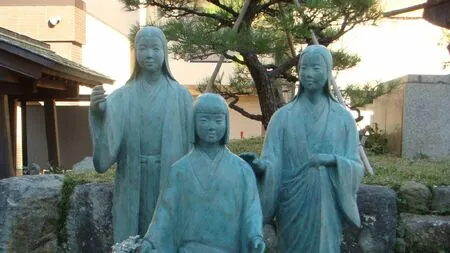
大河ドラマ「豊臣兄弟!」において、豊臣秀吉の側室となる茶々(淀殿)は井上和さんが演じています。では茶々とはどのような女性だったのでしょうか。
まず、茶々の父は近江国小谷城の城主であった浅井長政です。そして母は長政に嫁いだ織田信長妹のお市の方でした。
茶々が生まれたのは永禄12年(1569)のことです。ところが翌年、父・長政は信長を裏切り、越前朝倉氏と共に信長に敵対します。
■信長の死と、母の勝家との再婚
その後、信長を苦しめた長政ですが、徐々に劣勢になっていき、天正元年(1573)には小谷城は陥落、長政も自害して果てます。 お市の方は長政との間に茶々・初・江という3人の娘を儲けました。お市の方と3人の娘は、落城前に信長の陣所に送られます。 織田家に引き取られた母子ですが、小谷城落城から9年目の天正10年(1582)6月2日には、信長が本能寺の変で重臣・明智光秀により討ち取られてしまいます。 光秀は秀吉によりすぐに討伐されたこともあり、秀吉が信長亡き後の主導権を握っていきます。
そして清須会議(同年6月27日。織田重臣が参集し、後継者や遺産問題について談合)後、お市の方は織田宿老・柴田勝家に再嫁することになりました。これにより、お市の方と3人の娘は勝家の居城・越前北ノ庄城に入るのです。 ところが、秀吉と勝家との対立が激化したこともあり、平穏な日々はすぐに終わりを迎えます。 天正11年(1583)4月、賤ヶ岳の合戦で勝家は秀吉に敗北。その後、北ノ庄城にて壮絶な最期を遂げるのでした。茶々の母・お市の方も夫・勝家と運命を共にします。
茶々とその妹らはこれまた落城前に城を脱出しますが、彼女らはとうとう実の母まで亡くしてしまったのです。茶々はまだ14歳でした。 北ノ庄城落城後、茶々ら3姉妹は秀吉の庇護を受けますが、どこでどのようにして過ごしていたかは不明です。叔父の織田有楽(信長の弟)のもとにいたとする説や、秀吉側室の京極龍子(その母は浅井久政の娘)のもとにいたとする説があります。 ■茶々が秀吉の側室となった時期の謎 その後、茶々は前述のように秀吉の側室となりますが、その時期については諸説あります。
1つは天正16年(1588)説。これは翌年5月に茶々が鶴松を産んでいるので、そこから逆算したものです。 2つ目は天正14年(1586)説。これは『言経卿記』(安土桃山時代の公家・山科言経の日記)の天正14年10月1日条に「茶々御方」が「大政所」(秀吉の母)を訪問したとの記述を根拠にしています。 「御方」とは貴人の妻妾を敬う言葉ですので、天正14年10月までには茶々は秀吉の妻になっていたと筆者も推定しています。
『渓心院文』(お市の方の次女・初に仕えた女房による覚書)には、秀吉は茶々に使者を遣わし、求婚したとあります。 茶々は秀吉の願いに対し、妹たちをしかるべき家に嫁がせてくれるならば、その願いを受け入れると返答したとのこと。 秀吉は初を京極高次(母は浅井久政の娘)に、江を羽柴秀勝(秀吉の甥)に嫁がせることになります。 『渓心院文』には「斯様に御親なしになりまいらせられ、御頼みなされ候うえは」(このように親なしになって、秀吉を頼みにするからには)との茶々の秀吉への返答も記されていますが、そこからは「親なし」となった茶々の心細い心境が伝わってくるでしょう。
またその後には「如何様にも御指図次第」(どのようにも秀吉の指図通りにする)との茶々の言葉も見えます。 ドラマなどではよく茶々は秀吉を親の仇として憎んでいた様に描かれますが、そうしたことは微塵も感じられません。「親なし」となったからには秀吉を頼るしかないという覚悟は感じられますが。秀吉の求婚があって、茶々は内心安堵したのではないでしょうか。 ■悪女とは違う一面を持つ茶々 茶々と言えば「悪女」「豊臣家を滅亡に追い込んだ女性」というようにマイナスイメージで語られることが現代においてもありますが、前述の秀吉とのやり取りを見ていても、交換条件を出すなど、強かで賢明な女性であることがわかります。
秀吉と結ばれてからも、茶々は秀吉のお気に入りでした。天正18年(1590)4月、秀吉は北条氏攻めのため小田原にいましたが、茶々を小田原に呼び寄せます。 秀吉は書状(1590年4月13日付)の中で茶々のことを「きにあい候ようにこまかにつかれ候」(気に合うように細やかに仕えてくれる)と述べているので、そうした気配りや献身的な態度が秀吉の寵愛を得る要因だったと推測されます。 (主要参考文献一覧) ・福田千鶴『淀殿 われ太閤の妻となりて』(ミネルヴァ書房、2007年)。
・黒田基樹『羽柴家崩壊 茶々と片桐且元の懊悩』(平凡社、2017年)。
この記事の単語 (184)
×27
茶々
ちゃちゃ
interruption (e.g. of a conversation)
×26
秀吉
しゅうきち
Shuukichi (given)
×8
信長
のぶなが
Nobunaga (surname; given)
×8
天正
てんしょう
Tenshō era (1573.7.28-1592.12.8)
×6
長政
ながまさ
Nagamasa (place; surname; given)
×5
勝家
かついえ
Katsuie (surname)
×4
側室
そくしつ
concubine (of a noble)
×4
落城
らくじょう
surrender (fall) of a castle
×4
織田
おさだ
Osada (surname)
×4
説
せつ
1. theory; doctrine 2. opinion; view
×4
御
ご
1. honorific; polite; humble prefix 2. honorific suffix
×4
なし
1. without 2. unacceptable; not alright; unsatisfactory
×3
小谷城
こだにじょう
Kodanijou (place)
×3
嫁ぐ
とつぐ
1. to marry (of a woman); to become a bride; to marry into (a family) 2. to have sexual intercourse
×3
初
はつ
first; new
×2
豊臣
とよおみ
Toyoomi (given)
×2
淀殿
よどどの
Yododono (unclass)
×2
翌年
よくねん
following year
×2
越前
えちぜん
Echizen (former province located in parts of present-day Fukui and Gifu prefectures)
×2
共
とも
1. together with 2. same
×2
重臣
じゅうしん
chief vassal; senior statesman
×2
京極
きょうきょく
Kyoukyoku (surname)
×2
浅井久政
あさいひさまさ
Asai Hisamasa (person)
×2
時期
じき
time; season; period; phase; stage
×2
前述
ぜんじゅつ
aforementioned; above-mentioned
×2
言経
ときつね
Tokitsune (unclass)
×2
仕える
つかえる
to serve; to work for; to attend
×2
求婚
きゅうこん
marriage proposal; courtship
×2
願い
ねがい
1. desire; wish; hope 2. request; entreaty; plea; appeal
×2
返答
へんとう
reply; answer
×2
指図
さしず
directions; instructions; orders; command
×2
感じる
かんじる
to feel; to sense; to experience
×2
悪女
あくじょ
1. wicked woman 2. ugly woman
×2
小田原
おたわら
Otawara (surname)
×1
大河ドラマ
たいがドラマ
large-scale, long-running TV series (esp. of period pieces produced by NHK)
×1
豊臣秀吉
とよとみひでよし
Toyotomi Hideyoshi
×1
井上
いうえ
Iue (surname)
×1
演じる
えんじる
to perform (a play); to play (a part); to act (a part); to commit (a blunder)
×1
近江
おうみ
Ōmi (former province located in present-day Shiga Prefecture)
×1
城主
じょうしゅ
lord of a castle
×1
浅井
あさい
Asai (place; surname)
×1
織田信長
おだのぶなが
Oda Nobunaga (1534-1582.6.21) (person)
×1
永禄
えいろく
Eiroku era (1558.2.28-1570.4.23)
×1
裏切る
うらぎる
to betray; to turn traitor to; to double-cross
×1
朝倉
あくひら
Akuhira (surname)
×1
敵対
てきたい
hostility; antagonism; opposition
×1
再婚
さいこん
second marriage; remarriage
×1
苦しめる
くるしめる
1. to torment; to pain; to inflict (physical) pain; to hurt 2. to harass; to cause (emotional) pain; to afflict; to distress; to bother; to trouble; to stump; to baffle
×1
徐々
じょじょ
1. slow; gradual; steady 2. calm; composed; relaxed
×1
劣勢
れっせい
inferiority (e.g. numerical); inferior position; disadvantage; unfavorable situation; unfavourable situation
×1
元年
がんねん
1. first year (of an imperial era) 2. year something (important) first happened or began
×1
陥落
かんらく
fall; sinking; surrender; capitulation
×1
自害
じがい
suicide
×1
儲ける
もうける
1. to profit; to get; to earn; to gain 2. to have (bear, beget) a child
×1
引き取る
ひきとる
1. to take into one's possession; to receive; to accept; to collect; to claim 2. to take into one's care (e.g. person, pet); to take custody of; to adopt
×1
母子
ぼし
mother and child
×1
本能寺
ほんのうじ
Honnouji (place)
×1
明智光秀
あけちみつひで
Akechi Mitsuhide (1528-1582.7.2) (person)
×1
打ち取る
うちとる
1. to kill (with a weapon) 2. to defeat an opponent
×1
光秀
こうしゅう
Koushuu (given)
×1
討伐
とうばつ
subjugation (using military force); suppression; subduing
×1
主導権
しゅどうけん
hegemony; leadership; initiative
×1
握る
にぎる
1. to clasp; to grasp; to grip; to clutch 2. to make (nigirizushi, rice ball, etc.); to form; to press into shape; to mold; to mould
×1
清須
きよす
Kiyosu (surname)
×1
同年
どうねん
that year; same year; same age
×1
参集
さんしゅう
assembling (of people)
×1
後継者
こうけいしゃ
successor
×1
遺産
いさん
inheritance; bequest; legacy; heritage
×1
談合
だんごう
1. consultation; discussion; conference 2. collusion; bid-rigging
×1
宿老
しゅくろう
old men; elders; seniors; veterans
×1
柴田勝家
しばたかついえ
Shibata Katsuie (1522?-1583.6.14) (person)
×1
再嫁
さいか
remarriage
×1
居城
きょじょう
castle of a feudal lord
×1
対立
たいりつ
confrontation; opposition; antagonism
×1
激化
げきか
intensification; aggravation
×1
平穏
へいおん
tranquil; calm; restful; peaceful; quiet
×1
日々
ひび
every day; daily; day after day; days (e.g. good old days)
×1
賤ヶ岳
しずがたけ
Shizugatake (place)
×1
合戦
かっせん
battle; fight; fighting; engagement; contest
×1
敗北
はいぼく
1. defeat 2. to be defeated
×1
にて
で
1. at; in 2. at; when
×1
壮絶
そうぜつ
grand; heroic; sublime; fierce
×1
最期
さいご
one's last moment; one's death; one's end
×1
遂げる
とげる
1. to accomplish; to achieve; to carry out 2. to arrive at (a certain outcome); to come to; to end with
×1
運命
うんめい
fate; destiny; lot
×1
城
しろ
castle
×1
脱出
だっしゅつ
1. escape; break-out 2. prolapse; proptosis
×1
実
じつ
1. truth; reality 2. sincerity; honesty; fidelity
×1
亡くす
なくす
to lose (through death) (e.g. wife, child)
×1
姉妹
しまい
sisters
×1
庇護
ひご
patronage; protection
×1
過ごす
すごす
1. to pass (time); to spend 2. to overdo (esp. of one's alcohol consumption); to drink (alcohol)
×1
不明
ふめい
1. unclear; obscure; indistinct; uncertain; ambiguous 2. unknown; unidentified
×1
叔父
おじ
uncle
×1
有楽
うた
Uta (fem)
×1
龍子
たつこ
Tatsuko (fem)
×1
謎
なぞ
1. riddle; puzzle; enigma; mystery 2. enigmatic; mysterious
×1
諸説
しょせつ
1. various opinions; various theories 2. various rumors (rumours)
×1
鶴松
つるまつ
Tsurumatsu (surname; given)
×1
生む
うむ
1. to give birth; to bear (child); to lay (eggs) 2. to produce; to yield; to give rise to; to deliver
×1
逆算
ぎゃくさん
1. counting backwards; calculating backwards 2. inverse operation; reverse operation
×1
安土桃山時代
あづちももやまじだい
Azuchi-Momoyama period (approx. 1558-1600 CE)
×1
公家
くげ
1. court noble; nobility 2. Imperial Court
×1
山科
やまか
Yamaka (surname)
×1
条
じょう
1. article (in document); provision 2. stripe; streak; line
×1
大政所
おおまんどころ
Oomandokoro (place)
×1
訪問
ほうもん
call; visit
×1
記述
きじゅつ
description; account
×1
根拠
こんきょ
basis; foundation; grounds; authority
×1
味方
みかた
1. friend; ally; supporter 2. taking sides with; supporting; standing by; backing up
×1
貴人
きじん
aristocrat; nobleman; dignitary; person of high rank
×1
妻妾
さいしょう
one's wife and mistress(es)
×1
敬う
うやまう
to show respect for; to revere; to honour; to honor; to worship; to hold in esteem
×1
筆者
ひっしゃ
writer; author
×1
推定
すいてい
1. presumption; assumption 2. estimation
×1
次女
じじょ
second daughter
×1
女房
にょうぼう
1. wife (esp. one's own wife) 2. court lady; female court attache; woman who served at the imperial palace
×1
覚え書き
おぼえがき
1. memo; memorandum; note 2. (diplomatic) memorandum
×1
使者
ししゃ
messenger; envoy; emissary
×1
遣わす
つかわす
1. to send; to dispatch; to despatch 2. to bestow (favour, etc.); to grant (e.g. pardon)
×1
受け入れる
うけいれる
to accept; to receive; to agree
×1
高次
こうじ
higher-order-; meta-
×1
羽柴秀勝
はしばひでかつ
Hashiba Hidekatsu (person)
×1
甥
おい
nephew
×1
斯様
かよう
this sort of; of this kind; of the sort; such
×1
頼み
たのみ
1. request; favor; favour 2. reliance; dependence; trust; hope
×1
記す
しるす
1. to write down; to note; to jot down 2. to remember
×1
心細い
こころぼそい
helpless; forlorn; hopeless; unpromising; lonely; discouraging; disheartening
×1
心境
しんきょう
state of mind; mental state; mental attitude
×1
伝わる
つたわる
to be handed down; to be introduced; to be transmitted; to be circulated; to go along; to walk along
×1
その後
そのあと
after that; afterwards; thereafter
×1
如何様
いかよう
what sort of; what kind of; what way
×1
次第
しだい
1. depending on 2. as soon as; immediately after; upon
×1
通り
とおり
1. avenue; street; way; road 2. coming and going; street traffic
×1
仇
あだ
1. foe; enemy; rival 2. resentment; enmity; grudge
×1
憎む
にくむ
to hate; to detest
×1
様
よう
1. appearing ...; looking ... 2. way to ...; method of ...ing
×1
描く
えがく
1. to draw; to paint; to sketch 2. to depict; to describe
×1
微塵
みじん
1. particle; atom; little piece 2. not at all; not the slightest
×1
頼る
たよる
to rely on; to depend on; to count on; to turn to (for help)
×1
覚悟
かくご
readiness; preparedness; resolution; resignation
×1
内心
ないしん
1. inner thoughts; real intention; inmost heart; one's mind 2. at heart; deep down; on the inside
×1
安堵
あんど
1. relief; reassurance 2. recognition of right to land ownership (by the shogunate, a feudal lord, etc.)
×1
一面
いちめん
1. one face; one surface 2. the whole surface
×1
滅亡
めつぼう
downfall; ruin; collapse; destruction
×1
追い込む
おいこむ
1. to herd; to drive; to chase; to corral 2. to corner; to force someone into doing
×1
語る
かたる
1. to talk about; to speak of; to tell; to narrate 2. to recite; to chant
×1
現代
げんだい
nowadays; modern era; modern times; present-day
×1
遣り取り
やりとり
giving and taking; exchange (of letters); arguing back and forth; (conversational) exchange
×1
交換
こうかん
exchange; interchange; switching; reciprocity; barter; substitution; replacement; clearing (of checks, cheques)
×1
条件
じょうけん
condition; term; requirement; qualification; prerequisite
×1
強か
したたか
1. tough; stubborn; determined; hard 2. severely; heavily; hard; a great deal; much
×1
賢明
けんめい
wise; sensible; well-advised; intelligent; sagacious; prudent
×1
結ぶ
むすぶ
1. to tie; to bind; to link 2. to bear (fruit)
×1
お気に入り
おきにいり
1. favorite; favourite; pet (e.g. teacher's pet) 2. bookmark (in web browser)
×1
北条
きたじょう
Kitajou (place; surname)
×1
攻め
せめ
1. attack; offence; offense 2. dominant partner of a homosexual relationship
×1
呼び寄せる
よびよせる
to call; to summon; to send for; to call together
×1
書状
しょじょう
letter; note
×1
細か
こまか
small; fine; detailed; stingy
×1
疲れ
つかれ
tiredness; fatigue
×1
候
こう
season; weather
×1
細やか
こまやか
1. tender; warm; caring; thoughtful 2. meticulous; detailed; attentive
×1
述べる
のべる
to state; to express; to mention
×1
気配り
きくばり
care; attentiveness; attention; consideration (for others); solicitude
×1
献身的
けんしんてき
devoted; self-sacrificing
×1
態度
たいど
1. attitude; manner; behaviour; demeanour; bearing 2. attitude (towards an issue, etc.); position; stance; stand
×1
寵愛
ちょうあい
favor; favour; affection
×1
要因
よういん
main cause; primary factor
×1
推測
すいそく
guess; conjecture
×1
主要
しゅよう
chief; main; principal; major
×1
参考文献
さんこうぶんけん
works cited; references
×1
一覧
いちらん
1. look; glance; sight; inspection 2. summary; list; table; catalog; catalogue
×1
福田千鶴
ふくだちづる
Fukuda Chizuru (person)
×1
我
われ
1. I; me 2. oneself
×1
太閤
たいこう
taikō (esp. Toyotomi Hideyoshi); title for a regent, later for the grand chancellor, also for the father of an Imperial adviser (advisor) who passed the role to his son
×1
書房
しょぼう
1. study; library 2. bookstore; bookshop; publishing company
×1
黒田
くりだ
Kurida (surname)
×1
基樹
もとき
Motoki (given)
×1
羽柴
うし
Ushi (surname)
×1
崩壊
ほうかい
1. collapse; crumbling; breaking down; caving in 2. (radioactive) decay; disintegration
×1
片桐且元
かたぎりかつもと
Katagiri Katsumoto (person)
×1
懊悩
おうのう
anguish; trouble; agony
×1
平凡社
へいぼんしゃ
Heibonsha Ltd (publishers) (company)