イラン情勢 高市首相“機雷掃海目的のホルムズ海峡自衛隊派遣 現時点で決まっていることない”
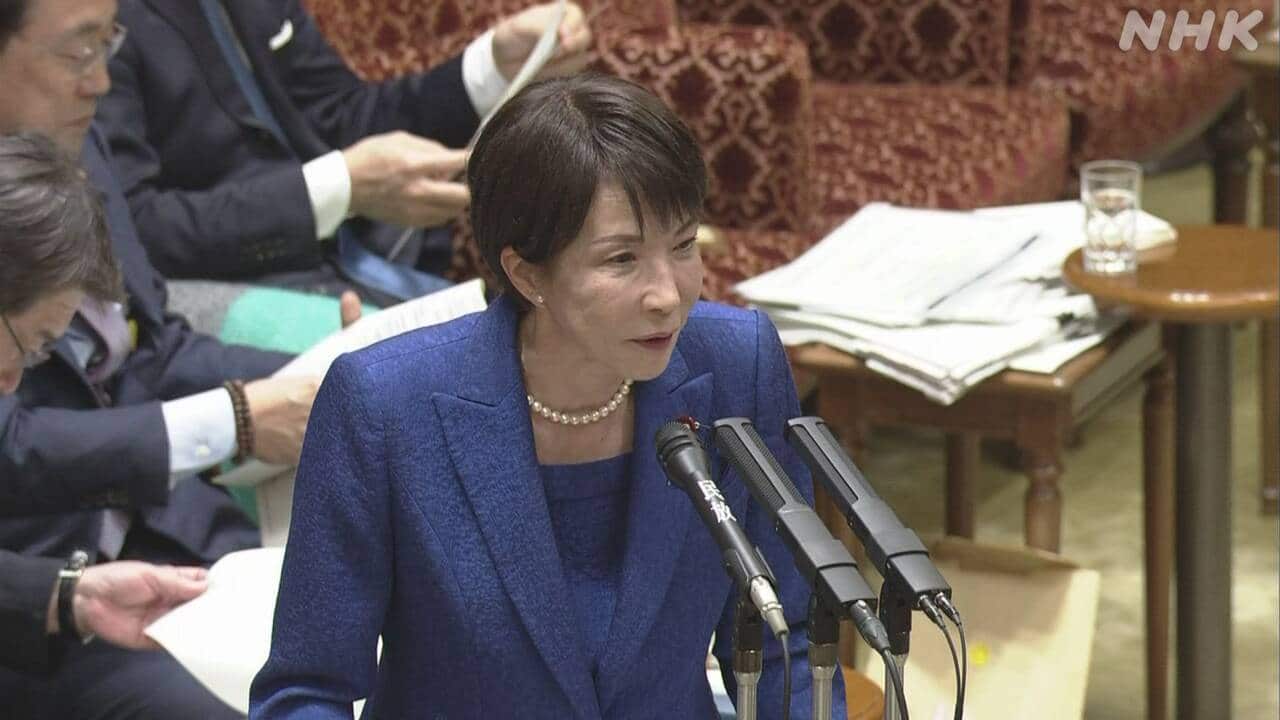
イラン情勢をめぐり、高市総理大臣は参議院予算委員会で、機雷掃海を目的としたホルムズ海峡への自衛隊の派遣について現時点で決まっていることはないとした上で、将来的な派遣の可能性はその時々の状況を踏まえ、法律にのっとって判断する考えを示しました。
参議院予算委員会では25日、先の日米首脳会談を受けて集中審議が行われていて、冒頭、高市総理大臣が内容を報告しました。
自民党の山田宏氏は「トランプ大統領との個人的な絆はさらに深まり、日米同盟の強力さを世界にアピールすることになり、大成功だった。高市総理大臣の評価を改めて聞きたい」と質問しました。
これに対し、高市総理大臣は「中東をはじめとする国際社会の平和と繁栄に向けてアメリカがリーダーシップを発揮して建設的な役割を果たすことは重要だ。戦争を平和に持っていけるのも、世界経済に影響が及んでいるのを改善できるのもトランプ大統領の気持ちにかかっているという思いを伝えた。アメリカがその役割を発揮できる環境をつくらなければならず、日本として後押ししていく」と述べました。
立憲民主党の会派に所属する広田一氏は、ホルムズ海峡への艦船の派遣をめぐり「将来的な課題として、自衛隊が機雷掃海することを今後、検討する可能性はあるのか」とただしました。
これに対し、高市総理大臣は「機雷の有無も分かっておらず、完全な停戦合意がなされるか否か、時期も含めて分かっていないので、現時点で自衛隊の派遣について決まっていることはない。将来的な可能性については、その時々の状況を見て、機雷がどういう位置づけであるかなども含めて、きっちりと法律にのっとって判断し、決めていかなければならない」と述べました。
また、広田氏が「今回、憲法9条によってアメリカから無理な艦船派遣を求められることにブレーキをかけることができたのではないか」と質問したのに対し、高市総理大臣は「憲法9条の存在が大きかったのかどうかは外交上のやりとりの背景や先方の考え方の背景について知る立場にはないのでコメントすることは困難だ」と述べました。
そして、今回の首脳会談では「いっさい自衛隊による支援を約束したことはない」と述べました。
さらに今回の攻撃の法的評価について質問されたのに対し、「確定的な評価を行うのはかなり困難だ。現状では、法的評価をすることが国益に資するものではないと各国とも考えている段階に至っているとの印象を抱いている」と述べました。
一方、午前の審議で高市総理大臣は自民党の山田氏への答弁の中で、今回の事態を「戦争」と発言し、のちに野党議員に真意を問われて「戦闘」と言い直しました。
このほか、北朝鮮のキム・ジョンウン(金正恩)総書記の妹、キム・ヨジョン(金与正)氏が談話で、拉致問題の解決を前提とした対話に否定的な考えを示したことについて、高市総理大臣は「コメントすることは差し控えたい。日朝双方がともに平和と繁栄を享受する未来を描けるように首脳どうしで正面から向き合う覚悟を持っている。日米首脳会談でもキム総書記と直接会う気持ちがとても強いことを伝え、支持や協力をいただいた。日本自身も動かなければいけない大事な問題であり、懸命に取り組んでいく」と述べました。
参議院予算委員会では25日、先の日米首脳会談を受けて集中審議が行われていて、冒頭、高市総理大臣が内容を報告しました。
自民党の山田宏氏は「トランプ大統領との個人的な絆はさらに深まり、日米同盟の強力さを世界にアピールすることになり、大成功だった。高市総理大臣の評価を改めて聞きたい」と質問しました。
これに対し、高市総理大臣は「中東をはじめとする国際社会の平和と繁栄に向けてアメリカがリーダーシップを発揮して建設的な役割を果たすことは重要だ。戦争を平和に持っていけるのも、世界経済に影響が及んでいるのを改善できるのもトランプ大統領の気持ちにかかっているという思いを伝えた。アメリカがその役割を発揮できる環境をつくらなければならず、日本として後押ししていく」と述べました。
立憲民主党の会派に所属する広田一氏は、ホルムズ海峡への艦船の派遣をめぐり「将来的な課題として、自衛隊が機雷掃海することを今後、検討する可能性はあるのか」とただしました。
これに対し、高市総理大臣は「機雷の有無も分かっておらず、完全な停戦合意がなされるか否か、時期も含めて分かっていないので、現時点で自衛隊の派遣について決まっていることはない。将来的な可能性については、その時々の状況を見て、機雷がどういう位置づけであるかなども含めて、きっちりと法律にのっとって判断し、決めていかなければならない」と述べました。
また、広田氏が「今回、憲法9条によってアメリカから無理な艦船派遣を求められることにブレーキをかけることができたのではないか」と質問したのに対し、高市総理大臣は「憲法9条の存在が大きかったのかどうかは外交上のやりとりの背景や先方の考え方の背景について知る立場にはないのでコメントすることは困難だ」と述べました。
そして、今回の首脳会談では「いっさい自衛隊による支援を約束したことはない」と述べました。
さらに今回の攻撃の法的評価について質問されたのに対し、「確定的な評価を行うのはかなり困難だ。現状では、法的評価をすることが国益に資するものではないと各国とも考えている段階に至っているとの印象を抱いている」と述べました。
一方、午前の審議で高市総理大臣は自民党の山田氏への答弁の中で、今回の事態を「戦争」と発言し、のちに野党議員に真意を問われて「戦闘」と言い直しました。
このほか、北朝鮮のキム・ジョンウン(金正恩)総書記の妹、キム・ヨジョン(金与正)氏が談話で、拉致問題の解決を前提とした対話に否定的な考えを示したことについて、高市総理大臣は「コメントすることは差し控えたい。日朝双方がともに平和と繁栄を享受する未来を描けるように首脳どうしで正面から向き合う覚悟を持っている。日米首脳会談でもキム総書記と直接会う気持ちがとても強いことを伝え、支持や協力をいただいた。日本自身も動かなければいけない大事な問題であり、懸命に取り組んでいく」と述べました。
Vocabulary
General
Proper noun
JLPT N2
JLPT N1
| # | 言葉 | 意味 |
|---|---|---|
| 8 | 高市 | こういち (高市) : Kouichi (surname) |
| 8 | 総理大臣 | そうりだいじん (総理大臣) : prime minister (as the head of a cabinet government); premier |
| 6 | 述べる | のべる (述べる) : to state; to express; to mention |
| 5 | 派遣 | はけん (派遣) : 1. dispatch; despatch; deployment 2. temporary employee (esp. from an agency); temporary worker; agency temp |
| 4 | 機雷 | きらい (機雷) : (sea) mine |
| 4 | 自衛隊 | じえいたい (自衛隊) : 1. self-defence force; self-defense force 2. Japan Self-Defense Force; JSDF |
| 4 | 評価 | ひょうか (評価) : 1. valuation; appraisal; evaluation; assessment; estimation; rating; judging 2. appreciation; recognition; acknowledgement; rating highly; praising |
| 3 | 将来的 | しょうらいてき (将来的) : future; possible; potential; prospective |
| 3 | 可能性 | かのうせい (可能性) : potentiality; likelihood; possibility; availability |
| 3 | 首脳会談 | しゅのうかいだん (首脳会談) : leadership conference; summit meeting; top-level conference |
| 3 | 氏 | うじ (氏) : 1. family name; lineage; birth 2. clan |
| 3 | 平和 | へいわ (平和) : peace; harmony |
| 2 | めぐる | めぐる (巡る) : 1. to go around 2. to return |
| 2 | 参議院 | さんぎいん (参議院) : House of Councillors (upper house of the National Diet of Japan) |
| 2 | 予算委員会 | よさんいいんかい (予算委員会) : 1. Budget Committee (of the Upper and Lower Houses of the Diet) 2. budget committee |
| 2 | 掃海 | そうかい (掃海) : sweeping the sea for mines; dragging for mines |
| 2 | ホルムズ海峡 | ホルムズかいきょう (ホルムズ海峡) : Strait of Hormuz (place) |
| 2 | 現時点 | げんじてん (現時点) : present point (i.e. in history); at the present time |
| 2 | 決まる | きまる (決まる) : 1. to be decided; to be settled; to be fixed; to be arranged 2. to be unchanging; to be the same (as always); to be fixed; to be set |
| 2 | 状況 | じょうきょう (状況) : state of affairs (around you); situation; circumstances |
| 2 | のっとる | のっとる (乗っ取る) : 1. to take over; to capture; to seize; to commandeer; to occupy; to usurp 2. to hijack (vehicle, account, etc.) |
| 2 | 判断 | はんだん (判断) : 1. judgment; judgement; decision; conclusion; adjudication 2. divination |
| 2 | 考え | かんがえ (考え) : 1. thinking; thought; view; opinion; concept 2. idea; notion; imagination |
| 2 | 示す | しめす (示す) : 1. to (take out and) show; to demonstrate; to tell; to exemplify; to make apparent 2. to point out (finger, clock hand, needle, etc.) |
| 2 | 自民党 | じみんとう (自民党) : Liberal Democratic Party; LDP |
| 2 | 日米 | にちべい (日米) : Japan and the United States; Japanese-American |
| 2 | 繁栄 | はんえい (繁栄) : prosperity; thriving; flourishing |
| 2 | 発揮 | はっき (発揮) : show (of power, ability, etc.); exhibition; demonstration; display; manifestation |
| 2 | 役割 | やくわり (役割) : part; assigning (allotment of) parts; role; duties |
| 2 | 持つ | もつ (持つ) : 1. to hold (in one's hand); to take; to carry 2. to possess; to have; to own |
| 2 | 伝える | つたえる (伝える) : to convey; to report; to transmit; to communicate; to tell; to impart; to propagate; to teach; to bequeath |
| 2 | 広田 | こうだ (広田) : Kouda (surname) |
| 2 | 艦船 | かんせん (艦船) : (ocean) vessels; warship |
| 2 | 分かる | わかる (分かる) : 1. to understand; to comprehend; to grasp; to see; to get; to follow 2. to become clear; to be known; to be discovered; to be realized; to be realised; to be found out |
| 2 | 含める | ふくめる (含める) : 1. to include (in a group or scope) 2. to instruct; to make one understand |
| 2 | 憲法 | けんぽう (憲法) : 1. constitution 2. rules; regulation |
| 2 | 条 | すじ (筋) : 1. muscle; tendon; sinew 2. vein; artery |
| 2 | 背景 | はいけい (背景) : 1. background; scenery; backdrop; setting 2. background (of an incident, situation, etc.); circumstances; context |
| 2 | 困難 | こんなん (困難) : 1. difficulty; hardship; trouble; distress 2. infeasibility; inability (to carry out) |
| 2 | 法的 | ほうてき (法的) : legal |
| 2 | 総書記 | そうしょき (総書記) : secretary-general; general secretary (esp. of Communist parties of North Korea and China) |
| 1 | 情勢 | じょうせい (情勢) : state of things; state of affairs; condition; situation; circumstances |
| 1 | 目的 | もくてき (目的) : purpose; goal; aim; objective; intention |
| 1 | 踏まえる | ふまえる (踏まえる) : 1. to be based on; to take into account; to build upon; to have origin in 2. to have one's feet firmly planted on; to plant oneself on |
| 1 | 先の日 | さきのひ (先の日) : the other day; a few days ago |
| 1 | 集中審議 | しゅうちゅうしんぎ (集中審議) : 1. intensive deliberation 2. televised parliamentary debate for an important issue (esp. the budget) |
| 1 | 冒頭 | ぼうとう (冒頭) : beginning; start; outset |
| 1 | 内容 | ないよう (内容) : contents; content; substance; matter; detail; import |
| 1 | 報告 | ほうこく (報告) : report; information |
| 1 | 山田宏 | やまだひろし (山田宏) : Yamada Hiroshi (1958.1.8-) (person) |
| 1 | 個人的 | こじんてき (個人的) : personal; individual; private |
| 1 | 絆 | きずな (絆) : 1. bonds (between people); (emotional) ties; relationship; connection; link 2. tether; fetters |
| 1 | 深まる | ふかまる (深まる) : to deepen; to heighten; to intensify |
| 1 | 同盟 | どうめい (同盟) : alliance; union; league |
| 1 | 強力 | きょうりょく (強力) : powerful; strong |
| 1 | 大成功 | だいせいこう (大成功) : huge success |
| 1 | 改めて | あらためて (改めて) : 1. another time; again; over again; once again; anew 2. formally; especially; intentionally; deliberately |
| 1 | 聞く | きく (聞く) : 1. to hear 2. to listen (e.g. to music) |
| 1 | 中東 | ちゅうとう (中東) : Middle East |
| 1 | 国際社会 | こくさいしゃかい (国際社会) : international community; international society; the world |
| 1 | 建設的 | けんせつてき (建設的) : constructive |
| 1 | 重要 | じゅうよう (重要) : important; momentous; essential; principal; major |
| 1 | 世界経済 | せかいけいざい (世界経済) : world economy; international economy |
| 1 | 影響 | えいきょう (影響) : 1. influence; effect 2. to influence; to affect; to have an influence on; to impact; to have an effect on |
| 1 | 及ぶ | およぶ (及ぶ) : 1. to reach; to amount to; to befall; to happen to; to extend; to go on (for, until) 2. to be up to the task; to come up to |
| 1 | 改善 | かいぜん (改善) : 1. betterment; improvement 2. kaizen (Japanese business philosophy of continuous improvement) |
| 1 | 思い | おもい (思い) : 1. thought 2. imagination; mind; heart |
| 1 | 環境 | かんきょう (環境) : environment; circumstance |
| 1 | つくる | つくる (作る) : 1. to make; to produce; to manufacture; to build; to construct 2. to prepare (food); to brew (alcohol) |
| 1 | 後押し | あとおし (後押し) : 1. pushing; backing; boosting; supporting 2. pushing from behind (a cart, etc.); pusher |
| 1 | 立憲民主党 | りっけんみんしゅとう (立憲民主党) : 1. Constitutional Democratic Party of Japan (2017-) 2. Constitutional Democratic Party (Russia, 1905-1917) |
| 1 | 会派 | かいは (会派) : faction; denomination; communion |
| 1 | 所属 | しょぞく (所属) : belonging to (a group, organization, etc.); affiliation (with); being attached to; being under the control of |
| 1 | 一氏 | いちうじ (一氏) : Ichiuji (place; surname) |
| 1 | 課題 | かだい (課題) : 1. subject; theme; issue; matter 2. homework; assignment |
| 1 | 今後 | こんご (今後) : from now on; hereafter |
| 1 | 検討 | けんとう (検討) : consideration; examination; investigation; study; scrutiny; discussion; analysis; review |
| 1 | ただす | ただす (質す) : to enquire of someone about something (inquire); to question |
| 1 | 有無 | うむ (有無) : 1. existence or nonexistence; presence or absence 2. consent or refusal; yes or no |
| 1 | 完全 | かんぜん (完全) : perfect; complete |
| 1 | 停戦合意 | ていせんごうい (停戦合意) : cease-fire agreement |
| 1 | なす | なす (為す) : 1. to build up; to establish 2. to form; to become (a state) |
| 1 | 否 | ひ (否) : no; the noes |
| 1 | 時期 | じき (時期) : time; season; period; phase; stage |
| 1 | どういう | どういう (どう言う) : somehow; how; in what way; why; what kind of |
| 1 | 位置づけ | いちづけ (位置付け) : placement; fixed position; mapping out; location |
| 1 | きっちり | きっちり : 1. exactly; precisely; punctually; on the dot 2. closely; tightly; (fitting) perfectly |
| 1 | 決める | きめる (決める) : 1. to decide; to choose; to determine; to make up one's mind; to resolve; to set one's heart on; to settle; to arrange; to set; to appoint; to fix 2. to clinch (a victory); to decide (the outcome of a match) |
| 1 | 求める | もとめる (求める) : 1. to want; to wish for 2. to request; to demand; to require; to ask for |
| 1 | 存在 | そんざい (存在) : existence; being |
| 1 | 外交上 | がいこうじょう (外交上) : diplomatic; diplomatically |
| 1 | やりとり | やりとり (やり取り) : giving and taking; exchange (of letters); arguing back and forth; (conversational) exchange |
| 1 | 先方 | せんぽう (先方) : 1. other party; other side 2. ahead; in front |
| 1 | 考え方 | かんがえかた (考え方) : way of thinking |
| 1 | 立場 | たちば (立場) : 1. position; situation 2. viewpoint; standpoint; point of view |
| 1 | いっさい | いっさい (一再) : once or twice; repeatedly |
| 1 | 支援 | しえん (支援) : support; backing; aid; assistance |
| 1 | 攻撃 | こうげき (攻撃) : 1. attack; assault; raid; onslaught; offensive 2. criticism; censure; denunciation; condemnation |
| 1 | 確定 | かくてい (確定) : 1. decision; settlement 2. definition |
| 1 | かなり | かなり (可也) : considerably; fairly; quite |
| 1 | 現状 | げんじょう (現状) : present condition; existing state; status quo; current state |
| 1 | 国益 | こくえき (国益) : national interest |
| 1 | 資する | しする (資する) : 1. to contribute; to play a part in; to have a hand in; to be conducive to; to be instrumental in 2. to finance |
| 1 | 各国 | かっこく (各国) : 1. each nation 2. many nations; many countries |
| 1 | 考える | かんがえる (考える) : 1. to think (about, of); to think over; to ponder; to contemplate; to reflect (on); to meditate (on) 2. to consider; to bear in mind; to allow for; to take into consideration |
| 1 | 段階 | だんかい (段階) : grade; level; stage; class; phase; steps; order; gradation |
| 1 | 至る | いたる (至る) : 1. to arrive at (e.g. a decision); to reach (a stage); to attain 2. to lead to (a place); to get to |
| 1 | 印象 | いんしょう (印象) : impression |
| 1 | 抱く | いだく (抱く) : 1. to hold in one's arms (e.g. a baby); to embrace; to hug 2. to have (a thought or feeling); to hold; to harbour (suspicion, doubt, etc.); to harbor; to bear (a grudge, ill will, etc.); to entertain (hope, illusions, etc.); to cherish (e.g. an ambition) |
| 1 | 審議 | しんぎ (審議) : deliberation |
| 1 | 山田 | おおした (山田) : Ooshita (unclass) |
| 1 | 答弁 | とうべん (答弁) : response; reply; answer; defence; defense |
| 1 | 事態 | じたい (事態) : situation; (present) state of affairs; circumstances |
| 1 | 発言 | はつげん (発言) : statement; remark; observation; utterance; speech; proposal |
| 1 | のち | のち (後) : 1. later; afterwards 2. future |
| 1 | 野党 | やとう (野党) : opposition party; political opposition; opposition |
| 1 | 議員 | ぎいん (議員) : member of an assembly; member of the Diet; member of parliament; member of Congress |
| 1 | 真意 | しんい (真意) : real intention; true motive; true meaning |
| 1 | 問う | とう (問う) : 1. to ask; to inquire 2. to blame (someone) for; to accuse of; to pursue (question of responsibility); to charge with |
| 1 | 戦闘 | せんとう (戦闘) : battle; fight; combat |
| 1 | 言い直す | いいなおす (言い直す) : to correct oneself; to restate |
| 1 | 北朝鮮 | きたちょうせん (北朝鮮) : North Korea |
| 1 | 金正恩 | キムジョンウン (金正恩) : Kim Jong-un (1983.1.8-); Kim Jong Un (person) |
| 1 | 金与正 | キムヨジョン (金与正) : Kim Yo-jong (1987.9.26-), Director of the Propaganda and Agitation Department of the Workers' Party of Korea (person) |
| 1 | 談話 | だんわ (談話) : talk; conversation; dialogue |
| 1 | 拉致問題 | らちもんだい (拉致問題) : abduction issue (esp. of those Japanese abducted by North Korea) |
| 1 | 解決 | かいけつ (解決) : settlement; solution; resolution |
| 1 | 前提 | ぜんてい (前提) : 1. condition; assumption; prerequisite; hypothesis 2. intention; intent; aim; goal |
| 1 | 対話 | たいわ (対話) : dialogue; discussion; conversation; interaction |
| 1 | 否定的 | ひていてき (否定的) : negative; contradictory |
| 1 | 差し控える | さしひかえる (差し控える) : 1. to be moderate in; to be temperate in; to not do too much of 2. to refrain (from doing); to withhold (an announcement, comment, etc.) |
| 1 | 日朝 | にっちょう (日朝) : Japan and North Korea; Japanese-North Korean |
| 1 | 双方 | そうほう (双方) : both parties; both sides |
| 1 | 享受 | きょうじゅ (享受) : reception; acceptance; enjoyment; being given |
| 1 | 未来 | みらい (未来) : 1. the future (usually distant) 2. future tense |
| 1 | 首脳 | しゅのう (首脳) : 1. head; leader; top 2. important part |
| 1 | どうし | どうし (動詞) : verb |
| 1 | 正面 | しょうめん (正面) : front; frontage; facade; main |
| 1 | 向き合う | むきあう (向き合う) : 1. to be opposite; to face each other 2. to confront (an issue); to face |
| 1 | 覚悟 | かくご (覚悟) : readiness; preparedness; resolution; resignation |
| 1 | 直接 | ちょくせつ (直接) : direct; immediate; personal; firsthand |
| 1 | 支持 | しじ (支持) : 1. support; backing; endorsement; approval 2. support; holding up; propping |
| 1 | 協力 | きょうりょく (協力) : cooperation; collaboration |
| 1 | 自身 | じしん (自身) : (one's) self; oneself |
| 1 | 動く | うごく (動く) : 1. to move; to stir; to shift; to shake; to swing 2. to operate; to run; to go; to work |
| 1 | 懸命 | けんめい (懸命) : eager; earnest; strenuous; fervent; assiduous; with utmost effort |
| 1 | 取り組む | とりくむ (取り組む) : 1. to grapple with; to wrestle with; to engage in a bout; to be matched against 2. to tackle (e.g. a problem); to come to grips with; to work hard on |