「補助金で得をした!」と喜ぶ人が知らない“意外な損失” 経済学が暴く「ムダ」を生み出す残念な政策のカラクリ
予習
この記事のキーワード — タップで意味×23
取り引き
とりひき
transactions; dealings; business
N1×15
補助金
ほじょきん
assistance payment; subsidiary aid
×8
余剰
よじょう
surplus; remainder; residue; margin; balance
×8
売り手
うりて
seller; vendor
×6
従量税
じゅうりょうぜい
(taxation) a specific duty
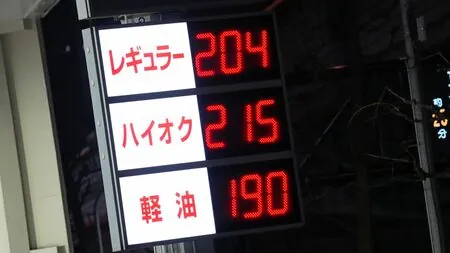
「安くなってありがたい」「助かる」――政府が打ち出すガソリン補助金や価格支援策に対して、そう感じる人は多いかもしれない。しかし経済学の視点で見ると、一見ありがたく思える補助金や規制であっても、実は市場を歪め、「誰も得をしない無駄」を生み出していることが多い。YouTubeチャンネル「はじめよう経済学」でも人気の加藤真也教授が、政策によって生じる「見えない損得」の仕組みを解説する。
※本稿は『この1冊でミクロとマクロが同時にわかる経済学』から一部抜粋・再構成したものです。
■余剰分析で市場の効率性を評価する 完全競争市場では、需要曲線と供給曲線が交わる均衡点で社会的余剰が最大になることが知られている。これは、政策評価を行うときの基準になる重要な結論である。 直感的には、均衡点では「その財を高く評価している消費者」と「低い費用で作れる生産者」が、ちょうど取引できているからである。 消費者側では支払意思額が高い人から順に買い、生産者側では限界費用が低い人から順に作る。価格が自由に調整されるとこのような取引が自然に実現しやすい。
では、政策により価格が均衡価格より低く固定されたらどうなるだろうか。 例えば政府が「ラーメンは1杯500円以下で売らなければならない」と決めたと考えてみよう。これは「価格上限規制」であり、余剰分析を使った政策評価の最初の例になる。 次の図(図8-10)では、価格が500円に固定されたことで取引量が減り、均衡なら実現していた余剰の一部が「死荷重」として示されている。 ここで大切なのは、価格規制によって誰かが得をし、誰かが損をするだけではないという点である。取引量そのものが減ると、実現できたはずの社会的余剰が消えてしまう。
このように、取引が減ったり歪んだりすることで失われる社会的余剰を死荷重という。 単に誰かの利益が別の誰かへ移るだけなら社会全体の余剰は変わらない。しかし、取引量が減ると、失われた部分は誰の利益にもならない。余剰分析は、その損失を死荷重として可視化するのである。 ■あえて死荷重を生む政策をするのはなぜか 価格上限規制だけでなく、税や補助金も取引量を変え、死荷重を生むことがある。ここで扱う従量税とは、取引1単位ごとに課される税である。
例えば、ガソリン1リットルあたりの税(ガソリン税)、たばこ1箱あたりの税(たばこ税)、酒類1本あたりの税(酒税)のように、売買された数量に応じて税負担が生じるものを考えればよい。 従量税がかかると、買い手が支払う価格と売り手が受け取る価格がずれる。買い手から見ると価格は高くなり、売り手から見ると手取りは小さくなる。この「買い手価格(支払価格)」と「売り手価格(受取価格)」の差が、1単位あたりの税額である。
1杯あたり400円の従量税が生産者(売り手)に課された場合を考える。 従量税と生産費用(限界費用)を合わせた供給曲線は、元の供給曲線よりも400円だけ高い位置にある(図8-11)。 このような税によって取引量は2000杯から1500杯に減り、政府には税収が入るが、減った取引から生まれるはずだった余剰は死荷重として失われる。 また、税収に関して、企業が生産した1500杯に対して、1杯あたり400円の従量税がかかっているので、政府に入る税収は1500杯×400円=60万円(図中の長方形の面積)となる。
ここで大切なのは、税収と死荷重を区別することである。税収は、消費者や生産者から政府へ移る余剰であり、政府が使うことができる。一方、死荷重は取引量が減ったことで、誰の利益にもならずに消えてしまう余剰である。 ただし、従量税がいつも悪いという意味ではない。たばこ税や環境税のように消費や生産が社会に別の損失を与える場合には、税によって取引量を調整することが望ましい場合もある。ここではまず、税が買い手と売り手の間に差を生み、取引量を変えるという基本を押さえておこう。
■補助金で取引を増やしすぎると損失が生まれる 補助金というと社会的損失とは結びつきにくいかもしれない。しかし、従量補助金も市場を歪めることがある。 従量補助金とは、取引1単位ごとに支払われる補助金である。例えば、ある製品1台あたりの購入補助、農産物1単位あたりの生産補助、公共交通の利用1回あたりの補助などを考えるとわかりやすい。 従量補助金があると、買い手が支払う価格は低くなり、売り手が受け取る価格は高くなる。買い手にとっては「安く買える」ように見え、売り手にとっては「高く売れる」ように見える。そのため、補助金がない場合よりも取引量は増えやすくなる。
ここで注意したいのは、取引が増えること自体が、いつも社会全体にとって望ましいとは限らないという点である。 買い手は安く買え、売り手は高く売れているとき、その差額は政府の補助金によって埋められている。 社会全体で見ると、限られた資源を使ってその費用に見合わない取引を増やしてしまっている場合がある。 つまり補助金によって、本来なら成立しなかったはずの取引まで成立し、その結果として社会全体の得が小さくなる、言い換えると死荷重が生じるのである。
ただし、補助金には望ましい場合もある。教育や環境負荷を下げる技術のように、取引の外側に社会的な利益がある場合には補助金によって不足していた取引を増やせることもある。大切なのは、補助金によって増える取引が、社会全体の得を本当に増やしているのか、それとも費用に見合わない取引を無理に増やしているのかを見極めることなのである。
この記事の単語 (143)
×23
取り引き
とりひき
transactions; dealings; business
×16
価格
かかく
price; value; cost
×15
補助金
ほじょきん
assistance payment; subsidiary aid
×9
量
りょう
1. quantity; amount; volume; capacity; portion (of food) 2. generosity; magnanimity; tolerance
×9
荷重
かじゅう
load; loading; weight (of a load)
×8
余剰
よじょう
surplus; remainder; residue; margin; balance
×8
税
ぜい
tax
×8
売り手
うりて
seller; vendor
×7
政府
せいふ
government; administration
×7
減る
へる
to decrease (in size or number); to diminish; to abate
×7
買い手
かいて
buyer
×6
従量税
じゅうりょうぜい
(taxation) a specific duty
×6
辺り
あたり
1. (in the) neighbourhood; neighborhood; vicinity; nearby; surroundings 2. around; about; or thereabouts
×5
政策
せいさく
political measures; policy
×5
全体
ぜんたい
whole; entirety; whatever (is the matter)
×5
税収
ぜいしゅう
tax yields; revenue
×5
増やす
ふやす
to increase; to add to; to augment
×4
得
とく
1. profit; advantage; benefit; gain 2. rebirth in paradise, entering nirvana
×4
評価
ひょうか
1. valuation; appraisal; evaluation; assessment; estimation; rating; judging 2. appreciation; recognition; acknowledgement; rating highly; praising
×4
曲線
きょくせん
curve
×4
費用
ひよう
cost; expense
×4
生産者
せいさんしゃ
producer; grower; maker; manufacturer
×4
利益
りえき
1. profit; gains 2. benefit; advantage; interest (of the public, etc.)
×4
損失
そんしつ
loss (of assets, profit, etc.)
×4
単位
たんい
1. unit; denomination 2. credit (in school)
×3
経済学
けいざいがく
economics
×3
市場
しじょう
1. market (financial, stock, domestic, etc.); marketplace; exchange 2. (street) market
×3
生じる
しょうじる
1. to produce; to yield; to cause 2. to result from; to arise; to be generated
×3
分析
ぶんせき
analysis
×3
供給
きょうきゅう
supply; provision
×3
均衡
きんこう
equilibrium; balance
×3
消費者
しょうひしゃ
consumer
×3
実現
じつげん
implementation (e.g. of a system); materialization; materialisation; realization; realisation; actualization; actualisation
×3
失う
うしなう
1. to lose 2. to miss (a change, opportunity)
×3
生む
うむ
1. to give birth; to bear (child); to lay (eggs) 2. to produce; to yield; to give rise to; to deliver
×3
支払う
しはらう
to pay
×3
望ましい
のぞましい
desirable; hoped for; preferable; advisable
×3
従量
じゅうりょう
charging according to usage
×3
補助
ほじょ
1. assistance; support; aid; help 2. subsidy; supplement; subvention; grant-in-aid
×2
有り難い
ありがたい
grateful; thankful; welcome; appreciated; evoking gratitude
×2
知れる
しれる
1. to become known; to come to light; to be discovered 2. to be known; to be understood
×2
規制
きせい
regulation; (traffic) policing; control; restriction
×2
歪める
ゆがめる
1. to bend; to curve; to warp; to distort; to disfigure 2. to bend (the truth); to falsify; to twist
×2
一部
いちぶ
1. one part; one portion; one section; some 2. one copy (e.g. of a document)
×2
支払い
しはらい
payment
×2
順
じゅん
1. order; turn; sorting 2. obedient; docile; submissive; meek
×2
限界費用
げんかいひよう
marginal cost
×2
調整
ちょうせい
adjustment; regulation; coordination; reconciliation; tuning; fixing; tailoring
×2
固定
こてい
1. fixing (in place); being fixed (in place); securing; anchoring; fastening down 2. fixing (e.g. salary, capital); keeping the same
×2
課する
かする
to levy; to charge; to assess; to impose; to assign
×2
たばこ税
たばこぜい
tobacco tax; cigarette tax
×2
受け取る
うけとる
1. to receive; to get; to accept 2. to take; to interpret; to understand
×2
差
さ
1. difference; variation 2. difference
×2
但し
ただし
but; however; provided that
×2
社会的
しゃかいてき
social; societal; societary
×2
売れる
うれる
1. to sell (well) 2. to be well known; to be popular; to be famous
×2
限る
かぎる
1. to restrict; to limit; to confine 2. to be restricted to; to be limited to; to be confined to
×2
見合う
みあう
1. to exchange glances 2. to correspond; to counterbalance
×2
成立
せいりつ
1. formation; establishment; materialization; coming into existence 2. conclusion (e.g. of a deal); reaching (e.g. an agreement); approval; completion; closing; enacting; arrangement
×1
助かる
たすかる
1. to be saved; to be rescued; to survive 2. to escape harm; to be spared damage
×1
打ち出す
うちだす
1. to emboss 2. to print out; to print
×1
支援策
しえんさく
support measures; assistance measures; support plan
×1
感じる
かんじる
to feel; to sense; to experience
×1
視点
してん
opinion; point of view; visual point
×1
一見
いっけん
1. look; glimpse; glance 2. apparently; seemingly
×1
実
じつ
1. truth; reality 2. sincerity; honesty; fidelity
×1
無駄
むだ
futility; waste; uselessness; pointlessness; idleness
×1
生み出す
うみだす
1. to create; to bring forth; to produce 2. to invent; to think up and bring into being
×1
人気
にんき
1. popularity; public favor 2. condition (e.g. market); tone; character; nature
×1
加藤
かいう
Kaiu (surname)
×1
真也
しんや
Shin'ya (given)
×1
教授
きょうじゅ
1. professor 2. teaching; instruction
×1
損得
そんとく
loss and gain; advantage and disadvantage
×1
仕組み
しくみ
1. structure; construction; arrangement; contrivance; mechanism; workings 2. plan; plot; contrivance
×1
解説
かいせつ
explanation; commentary; exposition; elucidation
×1
本稿
ほんこう
this manuscript
×1
同時
どうじ
simultaneous; concurrent; same time; synchronous; together
×1
抜粋
ばっすい
extract; excerpt; selection
×1
再構成
さいこうせい
reconstruction; reorganization; reorganisation; reconstitution; reconfiguration
×1
効率性
こうりつせい
efficiency
×1
完全
かんぜん
perfect; complete
×1
競争市場
きょうそうしじょう
competitive market
×1
需要
じゅよう
demand; request
×1
交わる
まじわる
1. to cross; to intersect; to join; to meet 2. to associate with; to mingle with; to consort with
×1
最大
さいだい
biggest; greatest; largest; maximum
×1
基準
きじゅん
standard; basis; criterion; norm; reference; datum
×1
重要
じゅうよう
important; momentous; essential; principal; major
×1
結論
けつろん
conclusion
×1
直感的
ちょっかんてき
intuitive
×1
財
ざい
1. fortune; riches 2. goods
×1
意思
いし
intention; wish; purpose; mind (to do)
×1
額
がく
1. (picture) frame; framed picture 2. amount (esp. of money); sum
×1
自然
しぜん
1. nature 2. natural; spontaneous; automatic
×1
均衡価格
きんこうかかく
equilibrium price
×1
例
れい
1. custom; practice; habit; usual 2. said; aforementioned
×1
示す
しめす
1. to (take out and) show; to demonstrate; to tell; to exemplify; to make apparent 2. to point out (finger, clock hand, needle, etc.)
×1
損
そん
1. loss; damage; harm; unprofitable 2. disadvantage; handicap; drawback; unfavorable
×1
歪む
ゆがむ
1. to warp; to bend; to contort 2. to be perverted; to be warped (of a view, mind, etc.); to be distorted; to be cross-grained
×1
単に
たんに
simply; merely; only; solely
×1
部分
ぶぶん
portion; section; part
×1
可視化
かしか
1. visualization (data, results, etc.); visualisation 2. making something visible (that was previously unseen)
×1
敢えて
あえて
1. purposely (of something needless, unexpected or seemingly counterproductive, etc.); daringly (doing something); deliberately; intentionally 2. not necessarily; not particularly; not especially
×1
扱う
あつかう
1. to deal with (a person); to treat; to handle; to take care of; to entertain 2. to deal with (a problem); to handle; to manage
×1
酒類
しゅるい
alcoholic drinks; liquor
×1
酒税
しゅぜい
liquor tax; tax on alcohol
×1
売買
ばいばい
trade; buying and selling; trafficking (e.g. of humans, arms, drugs); dealing
×1
数量
すうりょう
quantity; volume; amount
×1
応じる
おうじる
to respond; to satisfy; to accept; to comply with; to apply for
×1
税負担
ぜいふたん
tax burden
×1
ずれる
to slide; to slip off; to get dislocated; to be out of alignment; to get dislodged; to deviate; to shift (position); to be out of sync.; to be slightly off; to be off-point
×1
手取り
てどり
after tax income; net income
×1
受け取り
うけとり
receiving; receipt
×1
税額
ぜいがく
amount of tax
×1
合わせる
あわせる
1. to match (rhythm, speed, etc.) 2. to join together; to unite; to combine; to add up
×1
位置
いち
place; situation; position; location
×1
関する
かんする
to concern; to be related
×1
企業
きぎょう
enterprise; business; company; corporation
×1
長方形
ちょうほうけい
rectangle; oblong
×1
面積
めんせき
square measure; size (e.g. of land); area; surface
×1
区別
くべつ
distinction; differentiation; classification
×1
環境税
かんきょうぜい
environmental tax; green tax
×1
消費
しょうひ
consumption; expenditure
×1
与える
あたえる
1. to give (esp. to someone of lower status); to bestow; to grant; to confer; to present; to award 2. to provide; to afford; to offer; to supply
×1
基本
きほん
basics; fundamentals; basis; foundation
×1
押さえる
おさえる
1. to pin down; to hold down; to press down 2. to cover (esp. a part of one's body with one's hand); to clutch (a body part in pain); to press (a body part)
×1
結び付く
むすびつく
1. to be related; to be connected; to be joined together 2. to result in; to lead to; to bring about
×1
製品
せいひん
manufactured goods; finished goods; product
×1
購入
こうにゅう
purchase; buy
×1
農産物
のうさんぶつ
agricultural produce
×1
公共
こうきょう
public (facilities, service, etc.); communal
×1
自体
じたい
1. itself 2. one's own body; oneself
×1
差額
さがく
balance; difference (in price, cost); margin
×1
埋める
うずめる
1. to cover; to bury (e.g. one's face in hands); to submerge 2. to fill (completely); to stuff; to pack; to cram; to fill up
×1
資源
しげん
resources
×1
詰まり
つまり
1. that is to say; that is; in other words; I mean; that (this, it) means 2. in short; in brief; to sum up; ultimately; in the end; in the long run; when all is said and done; what it all comes down to; when you get right down to it; basically
×1
本来
ほんらい
1. originally; primarily 2. essentially; intrinsically; naturally; by nature; in (and of) itself
×1
結果
けっか
1. result; consequence; outcome; effect 2. coming to fruition; bearing fruit
×1
言い替える
いいかえる
to say in other words; to put another way; to express in different words; to reword; to rephrase
×1
環境負荷
かんきょうふか
environmental burden; environmental load
×1
外側
そとがわ
exterior; outside; outer; external; lateral
×1
不足
ふそく
1. insufficiency; deficiency; shortage; lack; scarcity; deficit 2. dissatisfaction; discontent; complaint
×1
本当
ほんとう
1. truth; reality; actuality; fact 2. proper; right; correct; official
×1
見極める
みきわめる
to ascertain; to make sure of; to determine; to probe; to get to the bottom (of something)