ハンガリー議会選挙 ロシア寄り姿勢の首相の与党が苦戦か【詳報】
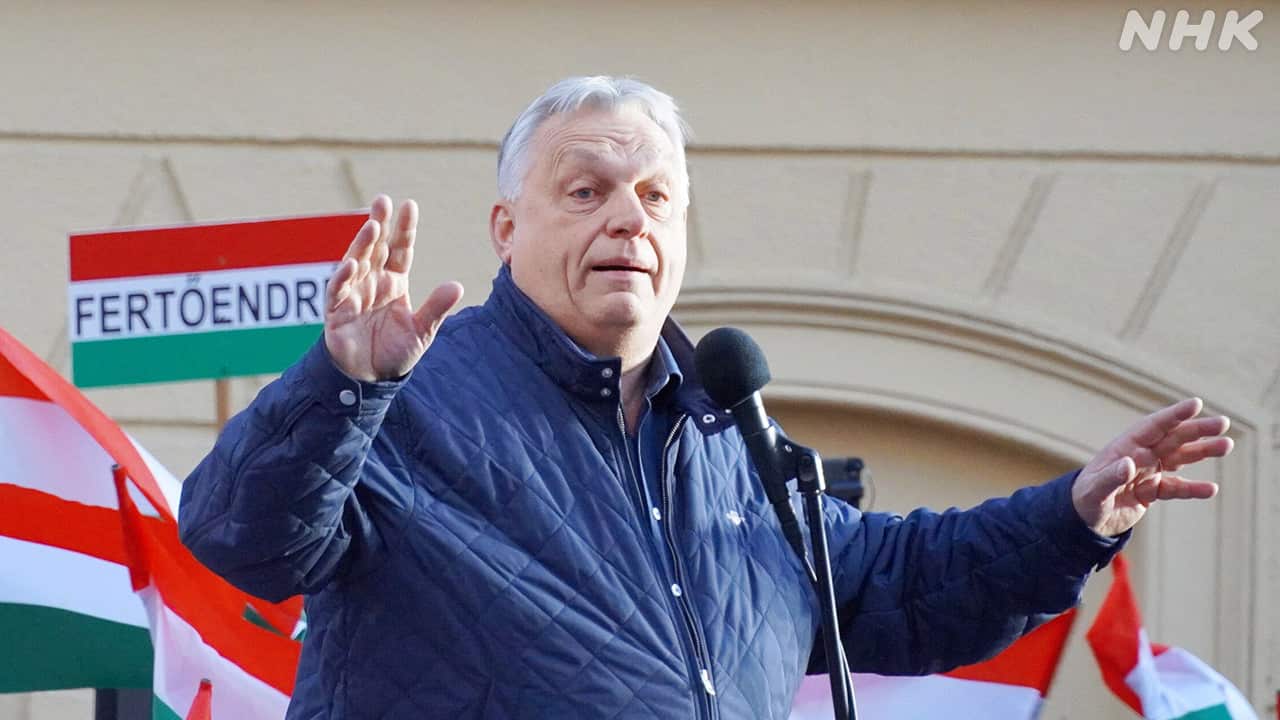
ウクライナの隣国ハンガリーでは12日、議会選挙の投票が行われています。ロシア寄りの姿勢で知られ、EU=ヨーロッパ連合のウクライナ支援に反対してきたオルバン首相の与党の苦戦が伝えられていて、選挙の行方に大きな注目が集まっています。
与党「フィデス」を率いるオルバン首相は、ロシア寄りの姿勢で知られ、ウクライナへの軍事侵攻を巡ってハンガリーも加盟するEUのウクライナ支援に反対し、EUと対立してきました。
また、自国第一主義を掲げ、アメリカのトランプ大統領と良好な関係を築いていて、トランプ大統領はバンス副大統領をハンガリーに派遣し、与党への投票を呼びかけるなど強く後押ししてきました。
ただ、独立系の世論調査によりますと、与党は、EUとの協調姿勢や反汚職を掲げる新興政党の「ティサ」に支持率でおよそ10ポイントリードされ、苦戦が伝えられています。
投票を終えた有権者に話を聞くと、与党支持者の男性は「16年間の政権運営は成功し、生活は安定している」と話し、新興政党を支持する女性は「すべてが変わり、若者にも高齢者にも住みやすい国になることを願う」と話していました。
オルバン首相の与党が敗れれば、EUのウクライナ支援が前に進む可能性があるとの見方もあり、選挙の行方に大きな注目が集まっています。
オルバン首相は1963年5月31日生まれの62歳。1998年に35歳の若さでハンガリーの首相に就任しました。ハンガリーは、東西冷戦で旧ソビエトの影響下に置かれましたが、オルバン首相は、就任翌年の1999年にハンガリーをNATO=北大西洋条約機構に加盟させ、EU=ヨーロッパ連合への加盟交渉も進めました。
しかし、2002年の議会選挙でみずからの与党が敗北したのをきっかけに、その政治姿勢をリベラル寄りから保守的で強権的なものに変えます。2010年の議会選挙で再び首相に返り咲いてからは、法令を次々と改正して司法や行政の要職を与党が独占できるようにし、権力を集中させます。政権に批判的なメディアへの統制も強め、大学やNGOに対しても圧力をかけたほか、性的マイノリティーの人たちにも厳しい姿勢を取ってきました。
また、2015年に中東などから多くの難民や移民がハンガリーに到着した際には、国境沿いにフェンスを設けて受け入れを拒むなどして、EUと対立してきました。
その一方で、国益を優先する姿勢、それに税の優遇や補助金の支給などを通じて支持を集め、2010年から2022年まで、4回連続で与党を議会選挙で勝利に導き、任期はEUの現職首脳で最も長い16年に及んでいます。
オルバン首相は、ロシア寄りの姿勢でも知られ、ウクライナへの軍事侵攻を巡っては、EUのウクライナ支援に反対を繰り返し、結束の乱れにつながってきました。EUからウクライナへの900億ユーロ、日本円で16兆円規模の融資はハンガリーの反対で今も実行されていません。
先月には、オルバン政権のシーヤールトー外相とロシアのラブロフ外相がおととし、EUの対ロシア制裁の一部解除について話したとされる電話の音声が独立系のメディアに報じられ、野党の批判を浴びるなど、ロシアとの関係の近さはヨーロッパで物議も醸しています。
今回の選挙戦を巡っては、政権寄りではない独立系の世論調査でオルバン首相の与党「フィデス」が新興政党の「ティサ」に支持率でおよそ10ポイントのリードを許し、苦戦していると伝えられています。
背景には、オルバン首相や与党が、自分たちに有利な形で国の制度や仕組みを変えてきた強権的な政治姿勢や、汚職の疑惑に加え、経済は低迷し、物価の高騰も続いていることへの不満の高まりがあります。
汚職の問題を巡っては、地元のメディアで、オルバン首相の知人や政権に近い人物が巨額の資産を蓄えていたとされる疑惑や、首都ブダペスト近郊にある首相一族の庭園の建設に巨額の公金が投じられていたといった疑惑が報じられています。
一方、去年のGDP=国内総生産の実質の伸び率は0.5%でEU加盟国の中で最低レベルとなり、インフレ率も3年前のピーク時は25%以上を記録しました。
ブダペスト市内で街の人に話を聞くと「オルバン氏らは、自分たちの一族以外がどうなっても構わないと考えている」とか「今の収入では少しも貯金できない。オルバン政権には退陣してほしい」といった厳しい声が聞かれました。
こうした不満の受け皿となり支持を拡大しているのが、ハンガリー語で「尊重と自由」という意味の新興政党「ティサ」です。
党を率いるマジャル氏は、元妻が以前オルバン政権の閣僚も務めるなど、もともと与党に近い立場でしたがおととし、SNSなどを通じてオルバン首相や与党に絡む汚職の疑惑などを批判し、知名度を急速に高めてきました。
「ティサ」は今回の選挙で反汚職を掲げているほか、EUに懐疑的な姿勢を示すオルバン首相とは異なり、EUとの協調姿勢や経済改革などを実行すると訴えています。
マジャル氏は選挙戦終盤に西部で開いた集会で演説し「EUの資金を国内に呼び込み、経済を活性化させ、腐敗防止策を導入する。国民の最低限の権利が保障される国を築く」と述べ、支持を訴えました。
その訴えは、根強い支持を誇ってきたオルバン首相の与党の支持者をも引き付けるようになっています。
マジャル氏が演説した集会に参加していた、研究機関で技術者として働くチカイさん(31)は、移民政策などを巡って与党を支持してきましたが、オルバン首相らが権力や富を独占する一方で医療や教育の充実などを後回しにしていると、強い危機感を抱くようになり、今回は「ティサ」を支持し、国の方向性を変えてほしいと期待を込めています。
チカイさんは「オルバン首相や与党の腐敗、ばく大な富の蓄積と集中によって、私の気持ちは変わった。私の世代にとって、いま最も大きな課題は、どうやって未来を設計していくかということだ」と話していました。
ハンガリーでは、オルバン首相のもとで、民主主義が大きく後退したと指摘されています。
【選挙の公正さ】2010年に首相に返り咲いて以降、議会の定員がそれまでのほぼ半数の199人に削減されました。また、小選挙区はオルバン首相の与党が強い地域が複数の選挙区に分割される一方、野党が強い地域は広域の1つの選挙区にまとめられるなどの変更が行われました。
区割りの変更について、ヨーロッパなどで選挙の監視活動などを行うOSCE=ヨーロッパ安全保障協力機構の民主制度・人権事務所は「与党に有利に働くよう行われている」と指摘しています。
【メディアへの締めつけ】また、オルバン氏のもとで、国は政権に批判的な報道を行うメディアへの広告掲載を停止したほか、民間の広告主が与党に批判的なメディアとの関係を断つよう警告を受けるなどメディアへの締めつけも強まりました。
司法の独立性も弱められたとされていて、EUはハンガリーの「法の支配」が不十分だとしておよそ170億ユーロ、日本円で3兆1000億円余りの巨額の資金の支払いを凍結させています。
アメリカのシンクタンク、CSIS=戦略国際問題研究所は、レポートで「ハンガリーは『選挙による専制主義』となっている」と指摘するとともに「与党がこれまで確立した公的機関への支配を終わらせるには、何年もかかる」として、野党が選挙で勝ったとしても、すみやかに政策を進めることは難しいとの見方も示しています。
アメリカのトランプ大統領は、自国第一主義を掲げ、移民や難民の受け入れに厳しい姿勢を示すオルバン首相の政治姿勢を高く評価し、良好な関係を築いてきました。
今回の選挙で苦戦が伝えられるオルバン首相の再選を強く後押ししていて、先月、首都ブダペストで開かれたアメリカの保守派の集会にビデオメッセージを送り「オルバン首相は、国境、文化、伝統、主権、そして価値観を守ることで何が可能になるかを全世界に示してきた強力なリーダーだ」と述べました。
さらに、選挙直前の今月7日にはバンス副大統領がハンガリーを訪れて集会に参加しオルバン氏への投票を呼びかけました。この集会ではバンス副大統領がトランプ大統領に電話をかけ、応じたトランプ大統領が「私はオルバン首相の大ファンだ。全面的に支持している」と参加者に語りかける場面もみられました。
トランプ政権は「国家安全保障戦略」で、EUの移民政策などに批判的な立場を示す一方、ヨーロッパ各国の自国第一主義を掲げる右派や極右勢力と連携する動きを見せてきました。
オルバン首相はヨーロッパの右派や極右勢力を代表する政治家のひとりで、トランプ大統領は再選を重視しているとみられます。
トランプ大統領は、9日のSNSへの投稿で「オルバン首相はハンガリーを守り、経済を成長させ、不法移民を阻止し、法と秩序を確保するために尽力している!」とたたえた上で「投票日は4月12日だ。オルバンのために投票に行ってくれ」と投票を呼びかけました。
ヨーロッパの政治や外交が専門でドイツに拠点を置くシンクタンクの副所長、ヘゲドゥシュ氏は、NHKの取材に対し今回の選挙について「民主的な社会の発展における重要な一歩だ」と述べ、オルバン首相のもとで大きく後退したとされる民主主義をハンガリーが取り戻せるかどうかの分岐点だと意義を強調しました。
その上で仮に与党「フィデス」が敗北した場合について「この10年ほど、ハンガリー外交や対EU政策を特徴づけてきた『拒否権外交』からの脱却は確実になると思う」と述べ、EUとの関係はより建設的なものに変わるという見方を示しました。
これまでハンガリーの反対で支援が実行できていないEUからウクライナへの900億ユーロ、日本円で16兆円規模の融資についても「ハンガリーによる妨害は解消されるだろう」と述べました。
そして「さらに広い視点で見れば、ルールに基づく国際秩序の側にいるパートナーとの関係も正常化するだろう」と述べ、EU加盟国などとの関係も改善されるという見通しを示しました。
ただ、与党が敗北した場合でも、与党側の妨害工作などによって、新しい政権が樹立されるまでには時間を要する可能性があるともしています。
一方、新興政党「ティサ」による新政権が発足した場合のロシアや中国との関係について「新政権はかなり現実的な姿勢を示すと思う」と述べ、エネルギーの調達や経済面から関係は維持されるという見通しを示しました。
さらにヘゲドゥシュ氏は、ヨーロッパ各国の右派や極右勢力を束ねてきたオルバン首相とフィデスについて「非自由主義的な政党などが、いかにして権力を掌握し、維持し続けるかという青写真を提供してきた」と指摘し、与党が敗北した場合、こうした勢力どうしの協力関係が今後、弱まるなど、影響が出る可能性に言及しました。
与党「フィデス」を率いるオルバン首相は、ロシア寄りの姿勢で知られ、ウクライナへの軍事侵攻を巡ってハンガリーも加盟するEUのウクライナ支援に反対し、EUと対立してきました。
また、自国第一主義を掲げ、アメリカのトランプ大統領と良好な関係を築いていて、トランプ大統領はバンス副大統領をハンガリーに派遣し、与党への投票を呼びかけるなど強く後押ししてきました。
ただ、独立系の世論調査によりますと、与党は、EUとの協調姿勢や反汚職を掲げる新興政党の「ティサ」に支持率でおよそ10ポイントリードされ、苦戦が伝えられています。
投票を終えた有権者に話を聞くと、与党支持者の男性は「16年間の政権運営は成功し、生活は安定している」と話し、新興政党を支持する女性は「すべてが変わり、若者にも高齢者にも住みやすい国になることを願う」と話していました。
オルバン首相の与党が敗れれば、EUのウクライナ支援が前に進む可能性があるとの見方もあり、選挙の行方に大きな注目が集まっています。
オルバン首相は1963年5月31日生まれの62歳。1998年に35歳の若さでハンガリーの首相に就任しました。ハンガリーは、東西冷戦で旧ソビエトの影響下に置かれましたが、オルバン首相は、就任翌年の1999年にハンガリーをNATO=北大西洋条約機構に加盟させ、EU=ヨーロッパ連合への加盟交渉も進めました。
しかし、2002年の議会選挙でみずからの与党が敗北したのをきっかけに、その政治姿勢をリベラル寄りから保守的で強権的なものに変えます。2010年の議会選挙で再び首相に返り咲いてからは、法令を次々と改正して司法や行政の要職を与党が独占できるようにし、権力を集中させます。政権に批判的なメディアへの統制も強め、大学やNGOに対しても圧力をかけたほか、性的マイノリティーの人たちにも厳しい姿勢を取ってきました。
また、2015年に中東などから多くの難民や移民がハンガリーに到着した際には、国境沿いにフェンスを設けて受け入れを拒むなどして、EUと対立してきました。
その一方で、国益を優先する姿勢、それに税の優遇や補助金の支給などを通じて支持を集め、2010年から2022年まで、4回連続で与党を議会選挙で勝利に導き、任期はEUの現職首脳で最も長い16年に及んでいます。
オルバン首相は、ロシア寄りの姿勢でも知られ、ウクライナへの軍事侵攻を巡っては、EUのウクライナ支援に反対を繰り返し、結束の乱れにつながってきました。EUからウクライナへの900億ユーロ、日本円で16兆円規模の融資はハンガリーの反対で今も実行されていません。
先月には、オルバン政権のシーヤールトー外相とロシアのラブロフ外相がおととし、EUの対ロシア制裁の一部解除について話したとされる電話の音声が独立系のメディアに報じられ、野党の批判を浴びるなど、ロシアとの関係の近さはヨーロッパで物議も醸しています。
今回の選挙戦を巡っては、政権寄りではない独立系の世論調査でオルバン首相の与党「フィデス」が新興政党の「ティサ」に支持率でおよそ10ポイントのリードを許し、苦戦していると伝えられています。
背景には、オルバン首相や与党が、自分たちに有利な形で国の制度や仕組みを変えてきた強権的な政治姿勢や、汚職の疑惑に加え、経済は低迷し、物価の高騰も続いていることへの不満の高まりがあります。
汚職の問題を巡っては、地元のメディアで、オルバン首相の知人や政権に近い人物が巨額の資産を蓄えていたとされる疑惑や、首都ブダペスト近郊にある首相一族の庭園の建設に巨額の公金が投じられていたといった疑惑が報じられています。
一方、去年のGDP=国内総生産の実質の伸び率は0.5%でEU加盟国の中で最低レベルとなり、インフレ率も3年前のピーク時は25%以上を記録しました。
ブダペスト市内で街の人に話を聞くと「オルバン氏らは、自分たちの一族以外がどうなっても構わないと考えている」とか「今の収入では少しも貯金できない。オルバン政権には退陣してほしい」といった厳しい声が聞かれました。
こうした不満の受け皿となり支持を拡大しているのが、ハンガリー語で「尊重と自由」という意味の新興政党「ティサ」です。
党を率いるマジャル氏は、元妻が以前オルバン政権の閣僚も務めるなど、もともと与党に近い立場でしたがおととし、SNSなどを通じてオルバン首相や与党に絡む汚職の疑惑などを批判し、知名度を急速に高めてきました。
「ティサ」は今回の選挙で反汚職を掲げているほか、EUに懐疑的な姿勢を示すオルバン首相とは異なり、EUとの協調姿勢や経済改革などを実行すると訴えています。
マジャル氏は選挙戦終盤に西部で開いた集会で演説し「EUの資金を国内に呼び込み、経済を活性化させ、腐敗防止策を導入する。国民の最低限の権利が保障される国を築く」と述べ、支持を訴えました。
その訴えは、根強い支持を誇ってきたオルバン首相の与党の支持者をも引き付けるようになっています。
マジャル氏が演説した集会に参加していた、研究機関で技術者として働くチカイさん(31)は、移民政策などを巡って与党を支持してきましたが、オルバン首相らが権力や富を独占する一方で医療や教育の充実などを後回しにしていると、強い危機感を抱くようになり、今回は「ティサ」を支持し、国の方向性を変えてほしいと期待を込めています。
チカイさんは「オルバン首相や与党の腐敗、ばく大な富の蓄積と集中によって、私の気持ちは変わった。私の世代にとって、いま最も大きな課題は、どうやって未来を設計していくかということだ」と話していました。
ハンガリーでは、オルバン首相のもとで、民主主義が大きく後退したと指摘されています。
【選挙の公正さ】2010年に首相に返り咲いて以降、議会の定員がそれまでのほぼ半数の199人に削減されました。また、小選挙区はオルバン首相の与党が強い地域が複数の選挙区に分割される一方、野党が強い地域は広域の1つの選挙区にまとめられるなどの変更が行われました。
区割りの変更について、ヨーロッパなどで選挙の監視活動などを行うOSCE=ヨーロッパ安全保障協力機構の民主制度・人権事務所は「与党に有利に働くよう行われている」と指摘しています。
【メディアへの締めつけ】また、オルバン氏のもとで、国は政権に批判的な報道を行うメディアへの広告掲載を停止したほか、民間の広告主が与党に批判的なメディアとの関係を断つよう警告を受けるなどメディアへの締めつけも強まりました。
司法の独立性も弱められたとされていて、EUはハンガリーの「法の支配」が不十分だとしておよそ170億ユーロ、日本円で3兆1000億円余りの巨額の資金の支払いを凍結させています。
アメリカのシンクタンク、CSIS=戦略国際問題研究所は、レポートで「ハンガリーは『選挙による専制主義』となっている」と指摘するとともに「与党がこれまで確立した公的機関への支配を終わらせるには、何年もかかる」として、野党が選挙で勝ったとしても、すみやかに政策を進めることは難しいとの見方も示しています。
アメリカのトランプ大統領は、自国第一主義を掲げ、移民や難民の受け入れに厳しい姿勢を示すオルバン首相の政治姿勢を高く評価し、良好な関係を築いてきました。
今回の選挙で苦戦が伝えられるオルバン首相の再選を強く後押ししていて、先月、首都ブダペストで開かれたアメリカの保守派の集会にビデオメッセージを送り「オルバン首相は、国境、文化、伝統、主権、そして価値観を守ることで何が可能になるかを全世界に示してきた強力なリーダーだ」と述べました。
さらに、選挙直前の今月7日にはバンス副大統領がハンガリーを訪れて集会に参加しオルバン氏への投票を呼びかけました。この集会ではバンス副大統領がトランプ大統領に電話をかけ、応じたトランプ大統領が「私はオルバン首相の大ファンだ。全面的に支持している」と参加者に語りかける場面もみられました。
トランプ政権は「国家安全保障戦略」で、EUの移民政策などに批判的な立場を示す一方、ヨーロッパ各国の自国第一主義を掲げる右派や極右勢力と連携する動きを見せてきました。
オルバン首相はヨーロッパの右派や極右勢力を代表する政治家のひとりで、トランプ大統領は再選を重視しているとみられます。
トランプ大統領は、9日のSNSへの投稿で「オルバン首相はハンガリーを守り、経済を成長させ、不法移民を阻止し、法と秩序を確保するために尽力している!」とたたえた上で「投票日は4月12日だ。オルバンのために投票に行ってくれ」と投票を呼びかけました。
ヨーロッパの政治や外交が専門でドイツに拠点を置くシンクタンクの副所長、ヘゲドゥシュ氏は、NHKの取材に対し今回の選挙について「民主的な社会の発展における重要な一歩だ」と述べ、オルバン首相のもとで大きく後退したとされる民主主義をハンガリーが取り戻せるかどうかの分岐点だと意義を強調しました。
その上で仮に与党「フィデス」が敗北した場合について「この10年ほど、ハンガリー外交や対EU政策を特徴づけてきた『拒否権外交』からの脱却は確実になると思う」と述べ、EUとの関係はより建設的なものに変わるという見方を示しました。
これまでハンガリーの反対で支援が実行できていないEUからウクライナへの900億ユーロ、日本円で16兆円規模の融資についても「ハンガリーによる妨害は解消されるだろう」と述べました。
そして「さらに広い視点で見れば、ルールに基づく国際秩序の側にいるパートナーとの関係も正常化するだろう」と述べ、EU加盟国などとの関係も改善されるという見通しを示しました。
ただ、与党が敗北した場合でも、与党側の妨害工作などによって、新しい政権が樹立されるまでには時間を要する可能性があるともしています。
一方、新興政党「ティサ」による新政権が発足した場合のロシアや中国との関係について「新政権はかなり現実的な姿勢を示すと思う」と述べ、エネルギーの調達や経済面から関係は維持されるという見通しを示しました。
さらにヘゲドゥシュ氏は、ヨーロッパ各国の右派や極右勢力を束ねてきたオルバン首相とフィデスについて「非自由主義的な政党などが、いかにして権力を掌握し、維持し続けるかという青写真を提供してきた」と指摘し、与党が敗北した場合、こうした勢力どうしの協力関係が今後、弱まるなど、影響が出る可能性に言及しました。
Vocabulary
General
Proper noun
JLPT N2
JLPT N1
| # | 言葉 | 意味 |
|---|---|---|
| 28 | 首相 | しゅしょう (首相) : prime minister; chancellor (Germany, Austria, etc.); premier |
| 24 | 与党 | よとう (与党) : ruling party; government party; party in power; government |
| 13 | 姿勢 | しせい (姿勢) : 1. posture; pose; position; stance; carriage (of the body) 2. attitude; approach; stance |
| 10 | 政権 | せいけん (政権) : (political) administration; political power |
| 9 | 選挙 | せんきょ (選挙) : election |
| 9 | 示す | しめす (示す) : 1. to (take out and) show; to demonstrate; to tell; to exemplify; to make apparent 2. to point out (finger, clock hand, needle, etc.) |
| 8 | 支持 | しじ (支持) : 1. support; backing; endorsement; approval 2. support; holding up; propping |
| 8 | 氏 | うじ (氏) : 1. family name; lineage; birth 2. clan |
| 7 | 述べる | のべる (述べる) : to state; to express; to mention |
| 6 | 投票 | とうひょう (投票) : voting; poll |
| 6 | 政党 | せいとう (政党) : political party |
| 5 | 寄り | より (寄り) : 1. pushing back one's opponent while locked in close quarters 2. having a tendency towards; being close to |
| 5 | 支援 | しえん (支援) : support; backing; aid; assistance |
| 5 | 巡る | めぐる (巡る) : 1. to go around 2. to return |
| 5 | 掲げる | かかげる (掲げる) : 1. to put up (a notice, sign, etc.); to hang out (e.g. a banner); to fly (e.g. a flag); to hoist; to raise; to display 2. to hold up high; to raise overhead |
| 5 | 汚職 | おしょく (汚職) : corruption |
| 5 | 新興 | しんこう (新興) : rising; developing; emergent; burgeoning; new |
| 5 | 集会 | しゅうかい (集会) : meeting; assembly; gathering; congregation; convention; rally |
| 4 | 議会選挙 | ぎかいせんきょ (議会選挙) : parliamentary election |
| 4 | 苦戦 | くせん (苦戦) : hard fight; close game; struggle; tight contest |
| 4 | 伝える | つたえる (伝える) : to convey; to report; to transmit; to communicate; to tell; to impart; to propagate; to teach; to bequeath |
| 4 | 主義 | しゅぎ (主義) : doctrine; rule; principle; -ism |
| 4 | 敗北 | はいぼく (敗北) : 1. defeat 2. to be defeated |
| 4 | 批判的 | ひはんてき (批判的) : critical; judgmental |
| 4 | 疑惑 | ぎわく (疑惑) : doubt; misgivings; distrust; suspicion |
| 4 | 指摘 | してき (指摘) : pointing out; identification |
| 4 | 勢力 | せいりょく (勢力) : influence; power; might; strength; potency; force; energy |
| 3 | 知る | しる (知る) : 1. to be aware of; to know; to be conscious of; to cognize; to cognise 2. to notice; to feel |
| 3 | 加盟 | かめい (加盟) : joining (an association, agreement, etc.); participation; affiliation; accession |
| 3 | 自国 | じこく (自国) : one's own country |
| 3 | 第一 | だいいち (第一) : 1. first; foremost; number one 2. most important |
| 3 | 築く | きずく (築く) : 1. to build; to construct; to erect 2. to amass (e.g. fortune); to pile up |
| 3 | 副大統領 | ふくだいとうりょう (副大統領) : vice president (of a country) |
| 3 | 呼びかける | よびかける (呼びかける) : 1. to call out to; to hail; to address 2. to appeal |
| 3 | 独立系 | どくりつけい (独立系) : independent; unaffiliated; self-funding |
| 3 | 可能性 | かのうせい (可能性) : potentiality; likelihood; possibility; availability |
| 3 | 見方 | みかた (見方) : 1. viewpoint; point of view 2. way of understanding; way of appreciating; how to look at something (e.g. noh, train schedule) |
| 3 | 変える | かえる (変える) : 1. to change; to alter; to transform; to convert; to turn; to vary 2. to reform; to revise; to amend |
| 3 | 権力 | けんりょく (権力) : (political) power; authority; influence |
| 3 | 日本円 | にほんえん (日本円) : Japanese yen |
| 3 | 実行 | じっこう (実行) : execution (e.g. of a plan); carrying out; practice; action; implementation; fulfillment; realization |
| 3 | 野党 | やとう (野党) : opposition party; political opposition; opposition |
| 3 | 巨額 | きょがく (巨額) : huge sum (esp. of money); enormous sum; massive amount |
| 3 | もと | もと (元) : 1. origin; source 2. base; basis; foundation; root |
| 3 | 右派 | うは (右派) : right wing |
| 3 | 極右 | きょくう (極右) : far right (in politics); extreme right; ultraconservative |
| 3 | 外交 | がいこう (外交) : 1. diplomacy 2. selling (e.g. door-to-door); canvassing |
| 2 | ヨーロッパ連合 | ヨーロッパれんごう (ヨーロッパ連合) : European Union; EU |
| 2 | 行方 | ゆくえ (行方) : 1. (one's) whereabouts 2. outcome |
| 2 | 注目 | ちゅうもく (注目) : notice; attention; observation |
| 2 | 集まる | あつまる (集まる) : to gather; to collect; to assemble |
| 2 | 率いる | ひきいる (率いる) : to lead; to spearhead (a group); to command (troops) |
| 2 | 対立 | たいりつ (対立) : confrontation; opposition; antagonism |
| 2 | 良好 | りょうこう (良好) : good; fine; excellent; favorable; favourable; satisfactory |
| 2 | 後押し | あとおし (後押し) : 1. pushing; backing; boosting; supporting 2. pushing from behind (a cart, etc.); pusher |
| 2 | ただ | ただ (只) : 1. ordinary; common; usual 2. free of charge |
| 2 | 世論調査 | よろんちょうさ (世論調査) : public opinion poll |
| 2 | 協調 | きょうちょう (協調) : cooperation; conciliation; harmony; coordination |
| 2 | 反 | たん (反) : 1. variable measure of fabric (28.8 cm in width); for kimonos: at least 10 m in length; for haori: at least 7.27 m in length; for other clothes: at least 6.06 m in length 2. 300 tsubo (991.74 meters square, 0.24506 acres) |
| 2 | 支持率 | しじりつ (支持率) : approval rating |
| 2 | 支持者 | しじしゃ (支持者) : supporter (e.g. of the arts); adherent; proponent |
| 2 | 変わる | かわる (変わる) : 1. to change; to be transformed; to be altered; to vary 2. to move to |
| 2 | 就任 | しゅうにん (就任) : assumption (of office); taking up (a post); inauguration; installation |
| 2 | 機構 | きこう (機構) : mechanism; organization; organisation |
| 2 | 進める | すすめる (進める) : 1. to advance; to move forward; to put (a clock, watch) forward 2. to carry forward (plans, work, etc.); to proceed with; to make progress in; to further; to advance; to hasten; to speed up |
| 2 | 強権 | きょうけん (強権) : strong power of the state; iron fist; heavy hand |
| 2 | 返り咲く | かえりざく (返り咲く) : to come back; to bloom a second time |
| 2 | 司法 | しほう (司法) : administration of justice |
| 2 | 独占 | どくせん (独占) : 1. monopoly; monopolization; exclusivity 2. hogging; keeping to oneself |
| 2 | 集中 | しゅうちゅう (集中) : 1. concentration; focusing; convergence; centralization; integration; gathering together 2. within a collection of works |
| 2 | 難民 | なんみん (難民) : 1. refugee; displaced person 2. person inconvenienced by (lack of something); person unable to satisfactorily (marry, shop, etc.) |
| 2 | 移民 | いみん (移民) : 1. emigration; immigration 2. emigrant; immigrant |
| 2 | 国境 | こっきょう (国境) : national border; provincial border |
| 2 | 受け入れ | うけいれ (受け入れ) : receiving; acceptance; reception |
| 2 | 通ずる | つうずる (通ずる) : 1. to be open (to traffic); to lead to; to communicate (with) 2. to flow (liquid, current); to pass; to get through to |
| 2 | 最も | もっとも (最も) : most; extremely |
| 2 | 規模 | きぼ (規模) : scale; scope; plan; structure |
| 2 | 融資 | ゆうし (融資) : financing; loan |
| 2 | 対 | たい (対) : 1. opposite; opposition 2. versus; vs.; v. |
| 2 | 報ずる | ほうずる (報ずる) : to inform; to report |
| 2 | 批判 | ひはん (批判) : criticism; judgement; judgment; comment |
| 2 | 選挙戦 | せんきょせん (選挙戦) : election campaign |
| 2 | 自分 | じぶん (自分) : 1. myself; yourself; oneself; himself; herself 2. I; me |
| 2 | たち | やかた (館) : 1. mansion; palace; manor house; castle 2. nobleman; noblewoman; dignitary |
| 2 | 有利 | ゆうり (有利) : 1. advantageous; favourable; better; stronger 2. profitable; lucrative; gainful; paying |
| 2 | 不満 | ふまん (不満) : dissatisfaction; discontent; displeasure; complaint; unhappiness |
| 2 | 首都 | しゅと (首都) : capital city; metropolis |
| 2 | 一族 | いちぞく (一族) : 1. family; relatives; dependents 2. household |
| 2 | 立場 | たちば (立場) : 1. position; situation 2. viewpoint; standpoint; point of view |
| 2 | 訴える | うったえる (訴える) : 1. to raise; to bring to (someone's attention) 2. to appeal to (reason, emotions, etc.); to work on (one's emotions); to play on (one's sympathies) |
| 2 | 開く | ひらく (開く) : 1. to open; to undo; to unseal; to unpack 2. to bloom; to unfold; to spread out |
| 2 | 演説 | えんぜつ (演説) : speech; address |
| 2 | 資金 | しきん (資金) : funds; capital |
| 2 | 腐敗 | ふはい (腐敗) : 1. decomposition; putrefaction; putrescence; spoilage 2. corruption; degeneracy; decay; depravity |
| 2 | 参加 | さんか (参加) : participation; joining; entry; adherence |
| 2 | 移民政策 | いみんせいさく (移民政策) : immigration policy |
| 2 | 富 | とみ (富) : 1. riches; wealth; fortune 2. resources |
| 2 | 民主主義 | みんしゅしゅぎ (民主主義) : democracy |
| 2 | 大きく | おおきく (大きく) : in a big way; on a grand scale |
| 2 | 後退 | こうたい (後退) : 1. retreat; falling back; moving backwards; reversing; retrogression; retraction 2. recession; waning |
| 2 | 地域 | ちいき (地域) : area; region |
| 2 | 選挙区 | せんきょく (選挙区) : electoral district; precinct |
| 2 | 変更 | へんこう (変更) : change; modification; alteration; revision; amendment |
| 2 | 安全保障 | あんぜんほしょう (安全保障) : security guarantee (e.g. military security, network security, etc.) |
| 2 | 締めつけ | しめつけ (締め付け) : pressure; clamping; tightening; fastening |
| 2 | 戦略 | せんりゃく (戦略) : strategy; tactics |
| 2 | 政策 | せいさく (政策) : political measures; policy |
| 2 | 再選 | さいせん (再選) : re-election |
| 2 | 守る | まもる (守る) : 1. to protect; to guard; to defend 2. to keep (i.e. a promise); to abide (by the rules); to observe; to obey; to follow |
| 2 | 各国 | かっこく (各国) : 1. each nation 2. many nations; many countries |
| 2 | 見通し | みとおし (見通し) : 1. unobstructed view; perspective; visibility; vista 2. forecast; outlook; prospect; prediction |
| 2 | 維持 | いじ (維持) : maintenance; preservation; improvement |
| 1 | 隣国 | りんごく (隣国) : neighbouring country; neighboring country; adjacent country |
| 1 | 派遣 | はけん (派遣) : 1. dispatch; despatch; deployment 2. temporary employee (esp. from an agency); temporary worker; agency temp |
| 1 | 有権者 | ゆうけんしゃ (有権者) : 1. (eligible) voter; elector; constituent; the electorate 2. holder of a right; rightsholder; right holder |
| 1 | 年間 | ねんかん (年間) : 1. (period of) a year 2. during an era |
| 1 | 政権運営 | せいけんうんえい (政権運営) : running a government administration; managing a cabinet |
| 1 | 成功 | せいこう (成功) : success; hit |
| 1 | 安定 | あんてい (安定) : stability; steadiness; equilibrium |
| 1 | 若者 | わかもの (若者) : young man; young woman; young people; youth; youngsters |
| 1 | 高齢者 | こうれいしゃ (高齢者) : old person; old people |
| 1 | 住む | すむ (住む) : to live (of humans); to reside; to inhabit; to dwell; to abide |
| 1 | 敗れる | やぶれる (敗れる) : to be defeated; to be beaten; to be unsuccessful; to lose |
| 1 | 生まれ | うまれ (生まれ) : 1. birth; birthplace 2. born in (country, month, imperial era, zodiac year, etc.) |
| 1 | 若 | わか (若) : 1. youth 2. child (esp. of the young son of someone of high social standing) |
| 1 | 東西 | とうざい (東西) : 1. east and west 2. Orient and Occident; East and West |
| 1 | 冷戦 | れいせん (冷戦) : cold war |
| 1 | 旧 | きゅう (旧) : 1. old; former; ex- 2. the old; old things; old customs |
| 1 | 影響下 | えいきょうか (影響下) : influenced (by); under an influence |
| 1 | 翌年 | よくねん (翌年) : following year |
| 1 | 大西洋 | たいせいよう (大西洋) : Atlantic Ocean |
| 1 | 条約 | じょうやく (条約) : treaty; pact; convention; agreement |
| 1 | 交渉 | こうしょう (交渉) : 1. negotiations; discussions 2. connection |
| 1 | みずから | みずから (自ら) : 1. oneself 2. oneself; for oneself; personally; in person |
| 1 | きっかけ | きっかけ (切っ掛け) : chance; start; cue; excuse; motive; impetus; occasion |
| 1 | 保守的 | ほしゅてき (保守的) : conservative |
| 1 | 再び | ふたたび (再び) : again; once more; a second time |
| 1 | 法令 | ほうれい (法令) : laws and ordinances; acts (of parliament, congress, etc.) |
| 1 | 次々 | つぎつぎ (次々) : in succession; one by one |
| 1 | 改正 | かいせい (改正) : revision; amendment; alteration |
| 1 | 行政 | ぎょうせい (行政) : administration; governance; the authorities; authority |
| 1 | 要職 | ようしょく (要職) : important post; important office; key position |
| 1 | 統制 | とうせい (統制) : regulation; control |
| 1 | 強める | つよめる (強める) : to strengthen; to emphasize; to emphasise |
| 1 | 圧力 | あつりょく (圧力) : 1. pressure; stress 2. pressure (e.g. political); coercion; arm-twisting |
| 1 | 性的マイノリティー | せいてきマイノリティー (性的マイノリティー) : sexual minority |
| 1 | 取る | とる (取る) : 1. to take; to pick up; to grab; to catch 2. to pass; to hand; to give |
| 1 | 中東 | ちゅうとう (中東) : Middle East |
| 1 | 到着 | とうちゃく (到着) : arrival |
| 1 | 際 | きわ (際) : 1. edge; brink; verge; side 2. time; moment of |
| 1 | 沿い | ぞい (沿い) : along |
| 1 | 設ける | もうける (設ける) : 1. to prepare; to provide 2. to set up; to establish; to organize; to lay down (rules); to make (an excuse) |
| 1 | 拒む | こばむ (拒む) : 1. to refuse; to reject; to decline 2. to prevent (from doing); to deny (e.g. access); to block |
| 1 | 国益 | こくえき (国益) : national interest |
| 1 | 優先 | ゆうせん (優先) : preference; priority; precedence |
| 1 | 税 | ぜい (税) : tax |
| 1 | 優遇 | ゆうぐう (優遇) : favorable treatment; favourable treatment; hospitality; warm reception; good treatment; hearty welcome |
| 1 | 補助金 | ほじょきん (補助金) : assistance payment; subsidiary aid |
| 1 | 支給 | しきゅう (支給) : provision; supply; payment; allowance; grant |
| 1 | 集める | あつめる (集める) : to collect; to assemble; to gather |
| 1 | 連続 | れんぞく (連続) : continuation; succession; series |
| 1 | 勝利 | しょうり (勝利) : victory; triumph; conquest; success; win |
| 1 | 導く | みちびく (導く) : 1. to guide; to lead; to show the way; to conduct 2. to derive; to deduce |
| 1 | 任期 | にんき (任期) : term of office |
| 1 | 現職 | げんしょく (現職) : present post; current office; (an) incumbent |
| 1 | 首脳 | しゅのう (首脳) : 1. head; leader; top 2. important part |
| 1 | 及ぶ | およぶ (及ぶ) : 1. to reach; to amount to; to befall; to happen to; to extend; to go on (for, until) 2. to be up to the task; to come up to |
| 1 | 繰り返す | くりかえす (繰り返す) : to repeat; to do something over again |
| 1 | 結束 | けっそく (結束) : 1. union; unity; solidarity 2. bundling; binding; tying |
| 1 | 乱れ | みだれ (乱れ) : disorder; disturbance; unrest |
| 1 | つながる | つながる (繋がる) : 1. to be tied together; to be connected to; to be linked to 2. to lead to; to be related to |
| 1 | 外相 | がいしょう (外相) : Foreign Minister |
| 1 | 制裁 | せいさい (制裁) : sanctions; punishment |
| 1 | 一部 | いちぶ (一部) : 1. one part; one portion; one section; some 2. one copy (e.g. of a document) |
| 1 | 解除 | かいじょ (解除) : cancellation; rescinding; release; calling off; lifting (sanctions); delisting |
| 1 | 音声 | おんせい (音声) : 1. voice; speech; sound of a voice 2. sound (e.g. of a TV) |
| 1 | 浴びる | あびる (浴びる) : 1. to dash over oneself (e.g. water); to take (e.g. shower); to bask in (e.g. the sun); to bathe in; to be flooded with (e.g. light); to be covered in 2. to suffer (e.g. an attack); to draw (e.g. criticism, attention, praise); to have heaped upon; to be showered with |
| 1 | 物議 | ぶつぎ (物議) : public discussion; public criticism; controversy |
| 1 | 醸す | かもす (醸す) : 1. to brew (sake, etc.) 2. to cause; to bring on; to bring about; to give rise to |
| 1 | 許す | ゆるす (許す) : 1. to permit; to allow; to approve; to consent to 2. to forgive; to pardon; to excuse; to tolerate |
| 1 | 背景 | はいけい (背景) : 1. background; scenery; backdrop; setting 2. background (of an incident, situation, etc.); circumstances; context |
| 1 | 制度 | せいど (制度) : system; institution; organization; organisation |
| 1 | 仕組み | しくみ (仕組み) : 1. structure; construction; arrangement; contrivance; mechanism; workings 2. plan; plot; contrivance |
| 1 | 低迷 | ていめい (低迷) : hanging low (over); hovering around (price level); low hanging (e.g. clouds); sluggish (e.g. economy); slump; recession |
| 1 | 物価 | ぶっか (物価) : prices of commodities; prices (in general); cost-of-living |
| 1 | 高騰 | こうとう (高騰) : sudden price jump; steep price rise |
| 1 | 高まり | たかまり (高まり) : rise; swell; elevation; upsurge |
| 1 | 地元 | じもと (地元) : 1. home area; home town 2. local |
| 1 | 知人 | ちじん (知人) : friend; acquaintance |
| 1 | 人物 | じんぶつ (人物) : 1. person; character; figure; personage; man; woman 2. one's character; one's personality |
| 1 | 資産 | しさん (資産) : property; fortune; means; assets |
| 1 | 蓄える | たくわえる (蓄える) : 1. to store; to save up; to stock up on; to lay in stock; to set aside 2. to accumulate (e.g. knowledge); to build up (e.g. experience); to develop (e.g. one's skills) |
| 1 | 近郊 | きんこう (近郊) : outskirts; environs (of a city); surrounding area; surroundings |
| 1 | 庭園 | ていえん (庭園) : garden; park |
| 1 | 建設 | けんせつ (建設) : construction; establishment |
| 1 | 公金 | こうきん (公金) : public funds |
| 1 | 投ずる | とうずる (投ずる) : 1. to throw; to cast (e.g. vote, light, shadow) 2. to devote oneself (e.g. to a cause) |
| 1 | 国内総生産 | こくないそうせいさん (国内総生産) : gross domestic product; GDP |
| 1 | 実質 | じっしつ (実質) : 1. substance; essence 2. real (in economics, vs. nominal, e.g. real interest rate); substantive; substantial; essential; tangible |
| 1 | 伸び率 | のびりつ (伸び率) : growth rate; coefficient of extension |
| 1 | 最低 | さいてい (最低) : 1. least; lowest; minimum 2. worst |
| 1 | インフレ率 | インフレりつ (インフレ率) : inflation rate |
| 1 | ピーク時 | ピークじ (ピーク時) : peak time; peak hours |
| 1 | 記録 | きろく (記録) : 1. record; minutes; document 2. record (e.g. in sports); results; score |
| 1 | 街 | がい (街) : ... street; ... quarter; ... district |
| 1 | 構う | かまう (構う) : 1. to mind; to care about; to be concerned about; to have a regard for 2. to be an issue; to matter; to create inconvenience |
| 1 | 考える | かんがえる (考える) : 1. to think (about, of); to think over; to ponder; to contemplate; to reflect (on); to meditate (on) 2. to consider; to bear in mind; to allow for; to take into consideration |
| 1 | 収入 | しゅうにゅう (収入) : income; receipts; revenue |
| 1 | 貯金 | ちょきん (貯金) : 1. putting money aside; savings; deposit (e.g. in a bank) 2. accumulated surplus of wins; wins in the bank |
| 1 | 退陣 | たいじん (退陣) : 1. resignation; stepping down; retirement 2. retreat; decamping; withdrawal |
| 1 | 聞く | きく (聞く) : 1. to hear 2. to listen (e.g. to music) |
| 1 | 受け皿 | うけざら (受け皿) : 1. saucer 2. person (group, institution, etc.) to take over a position or matter; receptacle (e.g. of funds); receiver |
| 1 | 拡大 | かくだい (拡大) : magnification; enlargement; expansion; amplification |
| 1 | ハンガリー語 | ハンガリーご (ハンガリー語) : Hungarian (language) |
| 1 | 尊重 | そんちょう (尊重) : respect; esteem; regard |
| 1 | 党 | とう (党) : 1. party (political) 2. person who is fond of; fan of |
| 1 | 元妻 | もとつま (元妻) : ex-wife; former wife |
| 1 | 以前 | いぜん (以前) : ago; since; before; previous |
| 1 | 閣僚 | かくりょう (閣僚) : cabinet ministers |
| 1 | 務める | つとめる (勤める) : 1. to work (for); to be employed (at); to serve (in) 2. to serve (as); to act (as); to fill (the position of); to play the role (of) |
| 1 | もともと | もともと (元々) : originally; by nature; from the start |
| 1 | 絡む | からむ (絡む) : 1. to entangle; to entwine 2. to pick a quarrel; to find fault |
| 1 | 知名度 | ちめいど (知名度) : degree of familiarity; popularity |
| 1 | 急速 | きゅうそく (急速) : rapid (e.g. progress) |
| 1 | 高める | たかめる (高める) : to raise; to lift; to boost; to enhance |
| 1 | 異なる | ことなる (異なる) : to differ; to vary; to disagree |
| 1 | 改革 | かいかく (改革) : reform; reformation; reorganization |
| 1 | 終盤 | しゅうばん (終盤) : endgame; final stage |
| 1 | 西部 | せいぶ (西部) : 1. western part; the west (of a region) 2. the West (United States) |
| 1 | 国内 | こくない (国内) : internal; domestic |
| 1 | 呼び込む | よびこむ (呼び込む) : to call in; to invite; to bring in |
| 1 | 活性化 | かっせいか (活性化) : 1. stimulation (e.g. of an economy); revitalization (e.g. of a town); rejuvenation; invigoration 2. activation |
| 1 | 防止策 | ぼうしさく (防止策) : prevention measure; preventive measures |
| 1 | 導入 | どうにゅう (導入) : introduction; bringing in; leading in; installation |
| 1 | 国民 | こくみん (国民) : people (of a country); nation; citizen; national |
| 1 | 最低限 | さいていげん (最低限) : 1. minimum 2. at the very least |
| 1 | 権利 | けんり (権利) : right; privilege |
| 1 | 保障 | ほしょう (保証) : guarantee; security; assurance; pledge; warranty |
| 1 | 訴え | うったえ (訴え) : lawsuit; complaint |
| 1 | 根強い | ねづよい (根強い) : firmly rooted; deep-seated |
| 1 | 誇る | ほこる (誇る) : to boast of; to be proud of; to take pride in |
| 1 | 引き付ける | ひきつける (引きつける) : 1. to attract; to draw near 2. to charm; to attract; to fascinate; to entice |
| 1 | 機関 | からくり (絡繰り) : 1. mechanism; machinery; contrivance; device 2. trick; dodge |
| 1 | 技術者 | ぎじゅつしゃ (技術者) : engineer; technical expert; technician; craftsperson |
| 1 | 医療 | いりょう (医療) : medical care; medical treatment |
| 1 | 充実 | じゅうじつ (充実) : 1. fullness; completion; perfection; substantiality 2. enhancement; improvement; enrichment; upgrading |
| 1 | 後回し | あとまわし (後回し) : putting off; postponing |
| 1 | 危機感 | ききかん (危機感) : sense of impending crisis; sense of danger |
| 1 | 抱く | いだく (抱く) : 1. to hold in one's arms (e.g. a baby); to embrace; to hug 2. to have (a thought or feeling); to hold; to harbour (suspicion, doubt, etc.); to harbor; to bear (a grudge, ill will, etc.); to entertain (hope, illusions, etc.); to cherish (e.g. an ambition) |
| 1 | 方向性 | ほうこうせい (方向性) : 1. trend; course of action; direction 2. directionality; directivity; orientation |
| 1 | 期待 | きたい (期待) : 1. expectation; anticipation; hope 2. promising; rising; up-and-coming |
| 1 | 込める | こめる (込める) : 1. to load (a gun, etc.); to charge 2. to put into (e.g. emotion, effort) |
| 1 | ばく大 | ばくだい (莫大) : 1. vast; huge; immense; enormous; colossal 2. malva nut (Sterculia lychnophora) |
| 1 | 蓄積 | ちくせき (蓄積) : accumulation; accumulate; store |
| 1 | 世代 | せだい (世代) : generation; the world; the age |
| 1 | 課題 | かだい (課題) : 1. subject; theme; issue; matter 2. homework; assignment |
| 1 | 未来 | みらい (未来) : 1. the future (usually distant) 2. future tense |
| 1 | 設計 | せっけい (設計) : plan; design; layout |
| 1 | 公正 | こうせい (公正) : justice; fairness; impartiality |
| 1 | 以降 | いこう (以降) : on and after; as from; hereafter; thereafter; since |
| 1 | 議会 | ぎかい (議会) : congress; parliament; diet; legislative assembly |
| 1 | 定員 | ていいん (定員) : 1. fixed number (of people); prescribed number (of regular personnel, students, etc.); quota; numerical limit; complement 2. capacity (of a bus, boat, theatre, etc.); seating capacity |
| 1 | ほぼ | ほぼ (略) : almost; roughly; approximately |
| 1 | 半数 | はんすう (半数) : 1. half the number 2. haploid |
| 1 | 削減 | さくげん (削減) : cut; reduction; curtailment |
| 1 | 小選挙区 | しょうせんきょく (小選挙区) : small electoral district; single-member constituency |
| 1 | 複数 | ふくすう (複数) : plural; multiple; several |
| 1 | 分割 | ぶんかつ (分割) : partition; division; separation; segmenting; splitting |
| 1 | 広域 | こういき (広域) : 1. wide area 2. wide view (of a digitally displayed map); zoomed-out view |
| 1 | まとめる | まとめる (纏める) : 1. to collect; to put (it all) together; to integrate; to consolidate; to unify 2. to summarize; to aggregate |
| 1 | 区割り | くわり (区割り) : demarcation; marking of boundaries |
| 1 | 監視 | かんし (監視) : monitoring; watching; observation; surveillance; guarding; supervision; lookout |
| 1 | 活動 | かつどう (活動) : 1. activity (of a person, organization, animal, volcano, etc.); action 2. movie (esp. during the silent movie period) |
| 1 | 協力 | きょうりょく (協力) : cooperation; collaboration |
| 1 | 民主制 | みんしゅせい (民主制) : democracy; democratic system of government |
| 1 | 人権 | じんけん (人権) : human rights; civil liberties |
| 1 | 報道 | ほうどう (報道) : report (of news); reporting; news; information; (media) coverage |
| 1 | 停止 | ていし (停止) : 1. stoppage; coming to a stop; halt; standstill 2. ceasing (movement, activity, etc.); suspension (of operations); interruption (e.g. of electricity supply); cutting off |
| 1 | 民間 | みんかん (民間) : 1. private; non-governmental; non-official; civilian; civil 2. folk; popular |
| 1 | 広告主 | こうこくぬし (広告主) : advertiser; advertising sponsor |
| 1 | 断つ | たつ (断つ) : 1. to sever; to cut off 2. to suppress; to eradicate; to exterminate |
| 1 | 警告 | けいこく (警告) : warning; advice |
| 1 | 強まる | つよまる (強まる) : to get strong; to gain strength |
| 1 | 独立性 | どくりつせい (独立性) : independence |
| 1 | 弱める | よわめる (弱める) : to weaken |
| 1 | 法の支配 | ほうのしはい (法の支配) : rule of law |
| 1 | 不十分 | ふじゅうぶん (不十分) : insufficient; inadequate; imperfect |
| 1 | 余り | あまり (余り) : 1. remainder; remnant; rest; balance; surplus; remains (of a meal); leftovers 2. (not) very; (not) much |
| 1 | 支払い | しはらい (支払い) : payment |
| 1 | 凍結 | とうけつ (凍結) : 1. freezing (e.g. water) 2. freezing (prices, wages, assets, etc.); moratorium; suspension (e.g. investment) |
| 1 | 国際問題 | こくさいもんだい (国際問題) : international problem |
| 1 | 研究所 | けんきゅうしょ (研究所) : research establishment; research institute; laboratory |
| 1 | 専制 | せんせい (専制) : despotism; autocracy |
| 1 | 確立 | かくりつ (確立) : establishment; settlement |
| 1 | 公的機関 | こうてききかん (公的機関) : public institution; public organization; official body |
| 1 | 支配 | しはい (支配) : 1. domination; rule; control 2. direction; management; guidance |
| 1 | 勝つ | かつ (勝つ) : to win; to gain victory |
| 1 | すみやか | すみやか (速やか) : quick; speedy; prompt; rapid; swift |
| 1 | 評価 | ひょうか (評価) : 1. valuation; appraisal; evaluation; assessment; estimation; rating; judging 2. appreciation; recognition; acknowledgement; rating highly; praising |
| 1 | 保守派 | ほしゅは (保守派) : conservatives |
| 1 | 送る | おくる (送る) : 1. to send (a thing); to dispatch; to despatch; to transmit 2. to take or escort (a person somewhere); to see off (a person) |
| 1 | 伝統 | でんとう (伝統) : tradition; convention |
| 1 | 主権 | しゅけん (主権) : sovereignty; supremacy; dominion |
| 1 | 価値観 | かちかん (価値観) : sense of values; values; value system |
| 1 | 可能 | かのう (可能) : possible; potential; practicable; feasible |
| 1 | 全世界 | ぜんせかい (全世界) : the whole world |
| 1 | 強力 | きょうりょく (強力) : powerful; strong |
| 1 | 訪れる | おとずれる (訪れる) : 1. to visit; to call on 2. to arrive (season, time, situation, etc.); to come; to appear |
| 1 | 応ずる | おうずる (応ずる) : 1. to answer; to respond; to meet 2. to satisfy; to accept |
| 1 | 全面的 | ぜんめんてき (全面的) : total; complete; all-out; general; extensive; full-scale |
| 1 | 参加者 | さんかしゃ (参加者) : participant; entrant |
| 1 | 語りかける | かたりかける (語りかける) : to make a speech; to address |
| 1 | 場面 | ばめん (場面) : 1. scene; setting; place (where something happens); scenario; case 2. scene (in a movie, play); shot |
| 1 | 国家 | こっか (国家) : state; country; nation |
| 1 | 連携 | れんけい (連携) : cooperation; coordination; link |
| 1 | 動き | うごき (動き) : 1. movement; move; motion 2. trend; development; change; fluctuation |
| 1 | 代表 | だいひょう (代表) : 1. representative; representation; delegation; type; example; model 2. switchboard number; main number |
| 1 | 政治家 | せいじか (政治家) : politician; statesman |
| 1 | 重視 | じゅうし (重視) : regarding as important; attaching importance to; taking a serious view of; putting emphasis on |
| 1 | 投稿 | とうこう (投稿) : contribution (to a newspaper, magazine, etc.); submission; post (on a blog, social media, etc.) |
| 1 | 成長 | せいちょう (成長) : 1. growth; development; growing up; becoming an adult 2. growth (of a company, the economy, etc.) |
| 1 | 不法移民 | ふほういみん (不法移民) : 1. illegal immigration 2. illegal immigrant |
| 1 | 阻止 | そし (阻止) : obstruction; check; hindrance; prevention; impediment; interdiction; preemption; blocking |
| 1 | 法 | ほう (法) : 1. law; act; principle 2. method |
| 1 | 秩序 | ちつじょ (秩序) : order; discipline; regularity; system; method |
| 1 | 確保 | かくほ (確保) : 1. securing; obtaining; ensuring; guarantee; maintaining 2. belay; belaying |
| 1 | 尽力 | じんりょく (尽力) : efforts; exertion; endeavour; assistance; services |
| 1 | たたえる | たたえる (称える) : to extol; to give praise |
| 1 | 投票日 | とうひょうび (投票日) : election day |
| 1 | 専門 | せんもん (専門) : speciality; specialty; subject of study; expert; area of expertise |
| 1 | 拠点 | きょてん (拠点) : position; location; base; point; site |
| 1 | 取材 | しゅざい (取材) : 1. news coverage; collecting data (e.g. for an article); covering (something for media) 2. interview |
| 1 | 民主的 | みんしゅてき (民主的) : democratic |
| 1 | 発展 | はってん (発展) : 1. development; growth; expansion; extension; flourishing 2. development (of a situation, story, etc.); advancement; progression; unfolding |
| 1 | 重要 | じゅうよう (重要) : important; momentous; essential; principal; major |
| 1 | 分岐点 | ぶんきてん (分岐点) : junction; crossroads; division point; parting of ways |
| 1 | 意義 | いぎ (意義) : meaning; significance |
| 1 | 強調 | きょうちょう (強調) : emphasis; highlight; stress; stressed point |
| 1 | 仮 | け (仮) : lacking substance and existing in name only; something without substance |
| 1 | 特徴 | とくちょう (特徴) : feature; trait; characteristic; peculiarity; distinction |
| 1 | 拒否権 | きょひけん (拒否権) : right of veto |
| 1 | 脱却 | だっきゃく (脱却) : ridding oneself; freeing oneself of; growing out of; overcoming; outgrowing |
| 1 | 確実 | かくじつ (確実) : certain; sure; definite; reliable; sound; solid; safe; secure |
| 1 | 建設的 | けんせつてき (建設的) : constructive |
| 1 | 妨害 | ぼうがい (妨害) : disturbance; obstruction; hindrance; jamming; interference |
| 1 | 解消 | かいしょう (解消) : cancellation; liquidation; resolution; reduction (e.g. of stress) |
| 1 | 視点 | してん (視点) : opinion; point of view; visual point |
| 1 | 基づく | もとづく (基づく) : to be grounded on; to be based on; to be due to; to originate from |
| 1 | 国際秩序 | こくさいちつじょ (国際秩序) : international order |
| 1 | 正常化 | せいじょうか (正常化) : normalization; normalisation |
| 1 | 改善 | かいぜん (改善) : 1. betterment; improvement 2. kaizen (Japanese business philosophy of continuous improvement) |
| 1 | 妨害工作 | ぼうがいこうさく (妨害工作) : sabotage |
| 1 | 樹立 | じゅりつ (樹立) : establishment; founding; setting (a record) |
| 1 | 要する | ようする (要する) : to need; to demand; to take; to require |
| 1 | 発足 | ほっそく (発足) : starting; inauguration; launch; founding; establishment; start-up |
| 1 | 中国 | ちゅうごく (中国) : 1. China 2. Chūgoku region of western Honshu (incl. Okayama, Hiroshima, Shimane, Tottori and Yamaguchi prefectures) |
| 1 | かなり | かなり (可也) : considerably; fairly; quite |
| 1 | 現実的 | げんじつてき (現実的) : realistic; pragmatic |
| 1 | 調達 | ちょうたつ (調達) : supply; provision; raising; procurement |
| 1 | 経済面 | けいざいめん (経済面) : 1. financial page (of newspaper) 2. financial aspects; economic front |
| 1 | 束ねる | たばねる (束ねる) : 1. to tie up in a bundle (e.g. straw, hair, bills, letters); to bundle; to sheathe 2. to govern; to manage; to control; to administer |
| 1 | 非 | ひ (非) : 1. fault; error; mistake 2. going poorly; being disadvantageous; being unfavorable |
| 1 | 自由主義 | じゆうしゅぎ (自由主義) : liberalism |
| 1 | いかに | いかに (如何に) : 1. how; in what way 2. how (much); to what extent |
| 1 | 掌握 | しょうあく (掌握) : grasping; seizing; holding; commanding; having control over |
| 1 | 青写真 | あおじゃしん (青写真) : 1. blueprint; cyanotype 2. blueprint (for the future); plan |
| 1 | 提供 | ていきょう (提供) : 1. offer; tender; providing; supplying; making available; donating (blood, organs, etc.) 2. sponsoring (a TV program) |
| 1 | どうし | どうし (動詞) : verb |
| 1 | 協力関係 | きょうりょくかんけい (協力関係) : cooperative relation; cooperative relationship; collaborative relationships; cooperative structure; cooperative ties; cooperative alliance; partnership; close ties; hookup |
| 1 | 今後 | こんご (今後) : from now on; hereafter |
| 1 | 弱まる | よわまる (弱まる) : to abate; to weaken; to be emaciated; to be dejected; to be perplexed |
| 1 | 影響 | えいきょう (影響) : 1. influence; effect 2. to influence; to affect; to have an influence on; to impact; to have an effect on |
| 1 | 言及 | げんきゅう (言及) : reference; allusion |