外国語学習が脳のアンチエイジングに役立つかも? バイリンガルは認知症が現れる年齢が遅くなるという研究も
予習
この記事のキーワード — タップで意味×13
外国語
がいこくご
foreign language
×15
脳
のう
1. brain 2. brains; mind
N1×11
認知
にんち
acknowledgement; acknowledgment; recognition; cognition
×7
加齢
かれい
aging; ageing; adding to one's years
×6
認知機能
にんちきのう
cognitive function
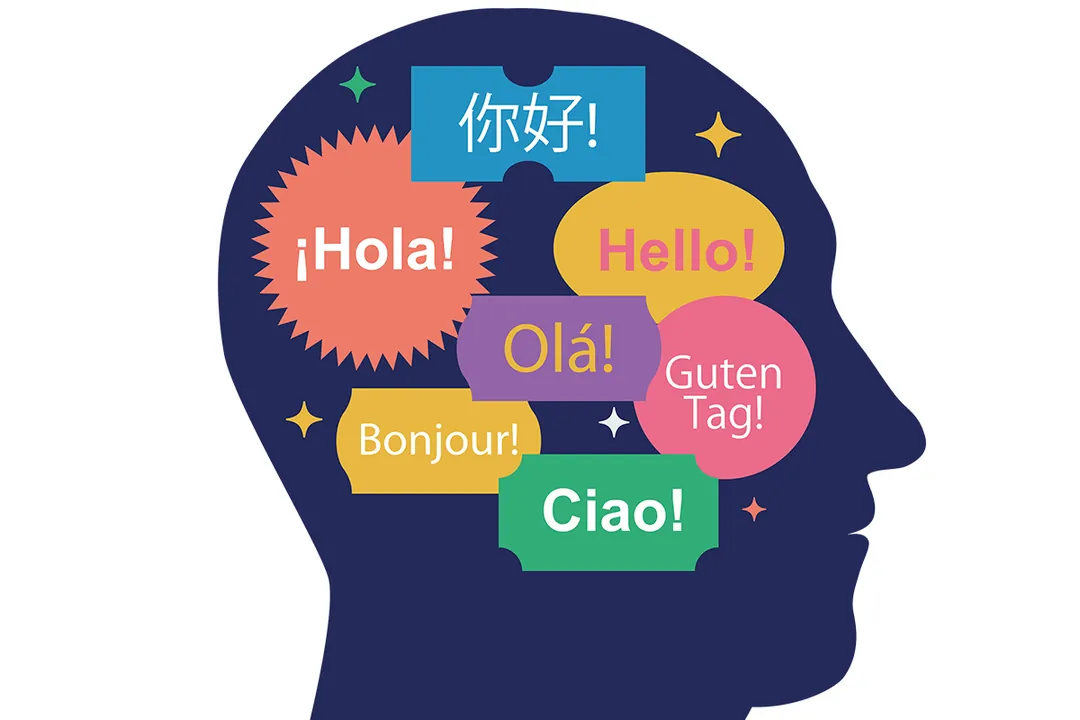
外国語を学ぶことは、頭を非常に複雑に使う活動だ。単語を覚え、聞き慣れない音を区別し、パターンを認識し、文法を理解し、適切なタイミングで正しい表現を思い出さなければならない。しかも相手の話を聞いて意味を理解し、返答を考えながらだ。
こうした知的活動は、老いゆく脳の健康維持にも役立つのだろうか。最近の研究によると、その可能性はある。
外国語の学習が高齢者の認知機能にいい効果を与える可能性を示す研究が増えている。外国語を学べば、コミュニケーションや人とのつながりを持つ機会も生まれる。
人間の脳は、生涯を通じて変化する能力がある。経験に応じて適応できるこの能力は、「神経可塑性」と呼ばれる。
聞き慣れない音や語彙、文法パターンを習得するには、脳が神経回路を形成し、強化する必要がある。外国語学習では、複数の認知プロセスが同時に働く。情報を取り込んで記憶から引き出し、うまくいかないときは修正する。持続的に頭を働かせるため、言語学習は中身の濃い認知トレーニングとなる。
脳には加齢に伴う変化や損傷があっても、認知機能を維持する能力がある。これを「認知予備能」という。
バイリンガルであることは、脳が加齢の影響に対処する助けになると考えられている。異なる言語を使い分けるには、注意力や認知制御を継続的に働かせる必要があり、それが最終的に認知予備能の強化につながるからだ。
外国語を学ぶことは、頭を非常に複雑に使う活動だ。単語を覚え、聞き慣れない音を区別し、パターンを認識し、文法を理解し、適切なタイミングで正しい表現を思い出さなければならない。しかも相手の話を聞いて意味を理解し、返答を考えながらだ。 こうした知的活動は、老いゆく脳の健康維持にも役立つのだろうか。最近の研究によると、その可能性はある。 外国語の学習が高齢者の認知機能にいい効果を与える可能性を示す研究が増えている。外国語を学べば、コミュニケーションや人とのつながりを持つ機会も生まれる。 人間の脳は、生涯を通じて変化する能力がある。経験に応じて適応できるこの能力は、「神経可塑性」と呼ばれる。 聞き慣れない音や語彙、文法パターンを習得するには、脳が神経回路を形成し、強化する必要がある。外国語学習では、複数の認知プロセスが同時に働く。情報を取り込んで記憶から引き出し、うまくいかないときは修正する。持続的に頭を働かせるため、言語学習は中身の濃い認知トレーニングとなる。 脳には加齢に伴う変化や損傷があっても、認知機能を維持する能力がある。これを「認知予備能」という。 バイリンガルであることは、脳が加齢の影響に対処する助けになると考えられている。異なる言語を使い分けるには、注意力や認知制御を継続的に働かせる必要があり、それが最終的に認知予備能の強化につながるからだ。
バイリンガルの人は、そうでない人より認知症の症状が現れる年齢が遅いことを示した研究もある。複数の言語を使うことで、加齢による影響から脳がある程度守られるのかもしれない。ただし、認知症やそれに伴う脳の変化を完全に防げるわけではない。 従って、期待できる効果は、病気の予防というより、変化に直面しても認知機能を保つ力が高まることだろう。 では、年を取ってから外国語を学び始めても、同じ効果を得られるのだろうか。子供と大人では言語の学び方が変わるが、いくつになっても新しい言語を学ぶことはできる。 高齢者を対象とした研究で、外国語学習が認知機能の維持に役立つ可能性があることは分かっているが、研究によって結果にばらつきがある。期待される効果は、外国語を流暢に話せるようになることより、学ぶ過程そのものから生じるのかもしれない。 外国語の学習は異文化理解やコミュニケーションの改善に加え、他者の視点や経験に共感するきっかけにもなる。言語や文化的背景が異なる人々との接点が生まれ、会話や友情を育む機会にもなる。ただし、加齢に対する万能薬ではなく、認知症の予防が保証されているわけではない。 外国語学習は脳を若く保つというより、「認知レジリエンス」を支える方法と考えるほうが有益だろう。つまり、学び、適応し、機能し続ける力だ。 加齢による脳の変化は避けられない。それでも人間には、生涯を通じて学び続ける能力がある。難しい新たな活動に取り組み、脳を使い続けることが、レジリエンスを高める一助になるのかもしれない。 The Conversation Karen Stollznow, Senior Research Fellow of Linguistics, University of Colorado Boulder; Griffith University; University of New England This article is republished from The Conversation under a Creative Commons license. Read the original article.
この記事の単語 (114)
×15
脳
のう
1. brain 2. brains; mind
×13
外国語
がいこくご
foreign language
×11
認知
にんち
acknowledgement; acknowledgment; recognition; cognition
×10
学ぶ
まなぶ
to study (in depth); to learn; to take lessons in
×9
学習
がくしゅう
study; learning; tutorial
×8
言語
げんご
language
×7
変化
へんか
1. change; variation; alteration; mutation; transition; transformation; transfiguration; metamorphosis 2. variety; diversity
×7
能力
のうりょく
ability; faculty
×7
加齢
かれい
aging; ageing; adding to one's years
×6
認知機能
にんちきのう
cognitive function
×5
活動
かつどう
1. activity (of a person, organization, animal, volcano, etc.); action 2. movie (esp. during the silent movie period)
×5
理解
りかい
understanding; comprehension; appreciation; sympathy
×5
維持
いじ
maintenance; preservation; improvement
×5
可能性
かのうせい
potentiality; likelihood; possibility; availability
×5
効果
こうか
1. effect; effectiveness; efficacy; result 2. effects (e.g. sound effects, visual effects, special effects)
×4
強化
きょうか
strengthening; intensifying; reinforcement; enhancement; solidification
×4
予備
よび
1. reserve; spare 2. preparation; preliminaries
×4
能
のう
1. talent; gift; function 2. noh (theatre)
×3
役立つ
やくだつ
to be useful; to be helpful; to serve the purpose
×3
高齢者
こうれいしゃ
old person; old people
×3
示す
しめす
1. to (take out and) show; to demonstrate; to tell; to exemplify; to make apparent 2. to point out (finger, clock hand, needle, etc.)
×3
人間
にんげん
1. human being; human; person; man; mankind; humankind 2. character (of a person)
×3
生涯
しょうがい
1. life; lifetime; career 2. for life; all one's life; throughout one's life; as long as one lives
×3
通じる
つうじる
1. to be open (to traffic); to lead to; to communicate (with) 2. to flow (liquid, current); to pass; to get through to
×3
適応
てきおう
adaptation; accommodation; conformity
×3
複数
ふくすう
plural; multiple; several
×3
伴う
ともなう
1. to accompany; to go hand in hand with; to be consequent upon 2. to be accompanied by; to bring with; to take with; to be involved in
×3
影響
えいきょう
1. influence; effect 2. to influence; to affect; to have an influence on; to impact; to have an effect on
×3
異なる
ことなる
to differ; to vary; to disagree
×3
認知症
にんちしょう
cognitive impairment; senility; dementia
×3
知れる
しれる
1. to become known; to come to light; to be discovered 2. to be known; to be understood
×2
非常
ひじょう
1. emergency 2. extraordinary; unusual
×2
単語
たんご
word; vocabulary; (usually) single-character word
×2
区別
くべつ
distinction; differentiation; classification
×2
認識
にんしき
recognition; awareness; perception; understanding; knowledge; cognition; cognizance; cognisance
×2
適切
てきせつ
appropriate; suitable; fitting; apt; proper; right; pertinent; relevant
×2
表現
ひょうげん
1. expression; presentation 2. representation; notation
×2
然も
しかも
1. moreover; furthermore 2. nevertheless; and yet
×2
相手
あいて
1. companion; partner; company 2. other party; addressee
×2
返答
へんとう
reply; answer
×2
知的
ちてき
intellectual
×2
老い
おい
old age; old person; the old; the aged
×2
健康
けんこう
1. health 2. healthy; sound; fit; wholesome
×2
与える
あたえる
1. to give (esp. to someone of lower status); to bestow; to grant; to confer; to present; to award 2. to provide; to afford; to offer; to supply
×2
繋がり
つながり
connection; link; relationship
×2
応じる
おうじる
to respond; to satisfy; to accept; to comply with; to apply for
×2
神経可塑性
しんけいかそせい
neuronal plasticity; neural plasticity; neuroplasticity
×2
語彙
ごい
vocabulary; lexicon; lexis; terminology
×2
習得
しゅうとく
learning; acquisition (of a skill, knowledge, etc.)
×2
神経
しんけい
1. nerve 2. nerves; sensitivity
×2
回路
かいろ
1. circuit (electric) 2. cycle (e.g. Krebs cycle)
×2
形成
けいせい
1. formation; molding; making up; taking form; giving form to 2. repair (e.g. plastic surgery); replacement; -plasty
×2
同時
どうじ
simultaneous; concurrent; same time; synchronous; together
×2
情報
じょうほう
1. information; news; intelligence; advices 2. information; data contained in characters, signals, code, etc.
×2
取り込む
とりこむ
1. to take in; to bring in; to adopt (e.g. behaviour); to introduce 2. to capture (e.g. image); to import
×2
記憶
きおく
1. memory; recollection; remembrance 2. storage
×2
旨い
うまい
1. skillful; skilful; clever; expert; wise; successful 2. delicious; appetizing; appetising; tasty
×2
修正
しゅうせい
amendment; correction; revision; modification; alteration; retouching; update; fix
×2
持続的
じぞくてき
continuous; sustained; sustainable; durable; persistent
×2
中身
なかみ
contents; interior; substance; filling; (sword) blade
×2
濃い
こい
1. deep (colour); dark 2. strong (flavour, smell, etc.)
×2
損傷
そんしょう
damage; injury
×2
対処
たいしょ
dealing with; coping with
×2
助け
たすけ
assistance; help; aid; support; reinforcement
×2
使い分ける
つかいわける
to use properly; to use (different things) for different purposes
×2
注意力
ちゅういりょく
attentiveness
×2
制御
せいぎょ
1. control (of a machine, device, etc.) 2. control (over an opponent, one's emotions, etc.); governing; management; suppression; keeping in check
×2
継続的
けいぞくてき
continuous
×2
最終的
さいしゅうてき
final; eventual; ultimate
×2
繋がる
つながる
1. to be tied together; to be connected to; to be linked to 2. to lead to; to be related to
×2
但し
ただし
but; however; provided that
×2
期待
きたい
1. expectation; anticipation; hope 2. promising; rising; up-and-coming
×2
予防
よぼう
prevention; precaution; protection against
×2
保つ
たもつ
1. to keep; to preserve; to hold; to retain; to maintain; to sustain 2. to last; to endure; to keep well (food); to wear well; to be durable
×1
症状
しょうじょう
symptoms; condition (of a patient)
×1
現れる
あらわれる
1. to appear; to come in sight; to become visible; to come out; to embody; to materialize; to materialise 2. to be expressed (e.g. emotions); to become apparent (e.g. trends, effects)
×1
年齢
ねんれい
age; years
×1
程度
ていど
degree; amount; grade; standard; of the order of (following a number); about; approximately
×1
守る
まもる
1. to protect; to guard; to defend 2. to keep (i.e. a promise); to abide (by the rules); to observe; to obey; to follow
×1
完全
かんぜん
perfect; complete
×1
防ぐ
ふせぐ
1. to defend against; to protect against 2. to prevent; to avert; to avoid
×1
従う
したがう
1. to obey (an order, law, etc.); to abide by (a rule, custom, etc.); to follow; to observe; to conform to; to yield to 2. to follow (a person); to accompany; to go with
×1
直面
ちょくめん
1. confrontation 2. to face; to confront; to encounter
×1
高まる
たかまる
to rise; to swell; to be promoted
×1
対象
たいしょう
target; object (of worship, study, etc.); subject (of taxation, etc.)
×1
結果
けっか
1. result; consequence; outcome; effect 2. coming to fruition; bearing fruit
×1
ばらつき
scattering (e.g. in statistics); scatter; dispersion; variation
×1
流暢
りゅうちょう
fluent (in a language); flowing
×1
過程
かてい
process; course; mechanism
×1
生じる
しょうじる
1. to produce; to yield; to cause 2. to result from; to arise; to be generated
×1
異文化
いぶんか
foreign culture; foreign cultures
×1
改善
かいぜん
1. betterment; improvement 2. kaizen (Japanese business philosophy of continuous improvement)
×1
他者
たしゃ
another person; others
×1
視点
してん
opinion; point of view; visual point
×1
共感
きょうかん
sympathy; empathy; response
×1
切っ掛け
きっかけ
chance; start; cue; excuse; motive; impetus; occasion
×1
文化的
ぶんかてき
cultural
×1
背景
はいけい
1. background; scenery; backdrop; setting 2. background (of an incident, situation, etc.); circumstances; context
×1
人々
ひとびと
1. people; men and women 2. each person; everybody
×1
接点
せってん
1. tangent point; point of contact 2. contact (electrical, etc.)
×1
友情
ゆうじょう
friendship; fellowship; camaraderie
×1
育む
はぐくむ
1. to raise; to bring up; to rear 2. to cultivate; to foster; to nurture
×1
万能薬
ばんのうやく
universal medicine; cure-all; panacea
×1
保証
ほしょう
guarantee; security; assurance; pledge; warranty
×1
支える
ささえる
1. to support; to prop; to sustain; to underlay; to hold up; to defend 2. to hold at bay; to stem; to check
×1
方法
ほうほう
method; process; manner; way; means; technique
×1
有益
ゆうえき
beneficial; profitable; useful; helpful; instructive
×1
詰まり
つまり
1. that is to say; that is; in other words; I mean; that (this, it) means 2. in short; in brief; to sum up; ultimately; in the end; in the long run; when all is said and done; what it all comes down to; when you get right down to it; basically
×1
機能
きのう
function; facility; faculty; feature
×1
避ける
さける
1. to avoid (physical contact with) 2. to avoid (situation)
×1
新た
あらた
new; fresh; novel
×1
取り組む
とりくむ
1. to grapple with; to wrestle with; to engage in a bout; to be matched against 2. to tackle (e.g. a problem); to come to grips with; to work hard on
×1
高める
たかめる
to raise; to lift; to boost; to enhance
×1
一助
いちじょ
a help; an aid; some assistance