「クレカ乗車」は社会インフラになる 「定期券」や乗車で「Vポイント」など新機能
三井住友カードは9日、「stera transit シンポジウム2026」を開催し、国内で推進しているクレジットカードのタッチ決済乗車の取り組みについて紹介した。新たに定期券サービスの導入のほか、乗車に応じてVポイントを貯められるサービスなどを導入し、「全国的な社会インフラ」を目指した展開を強化していく。
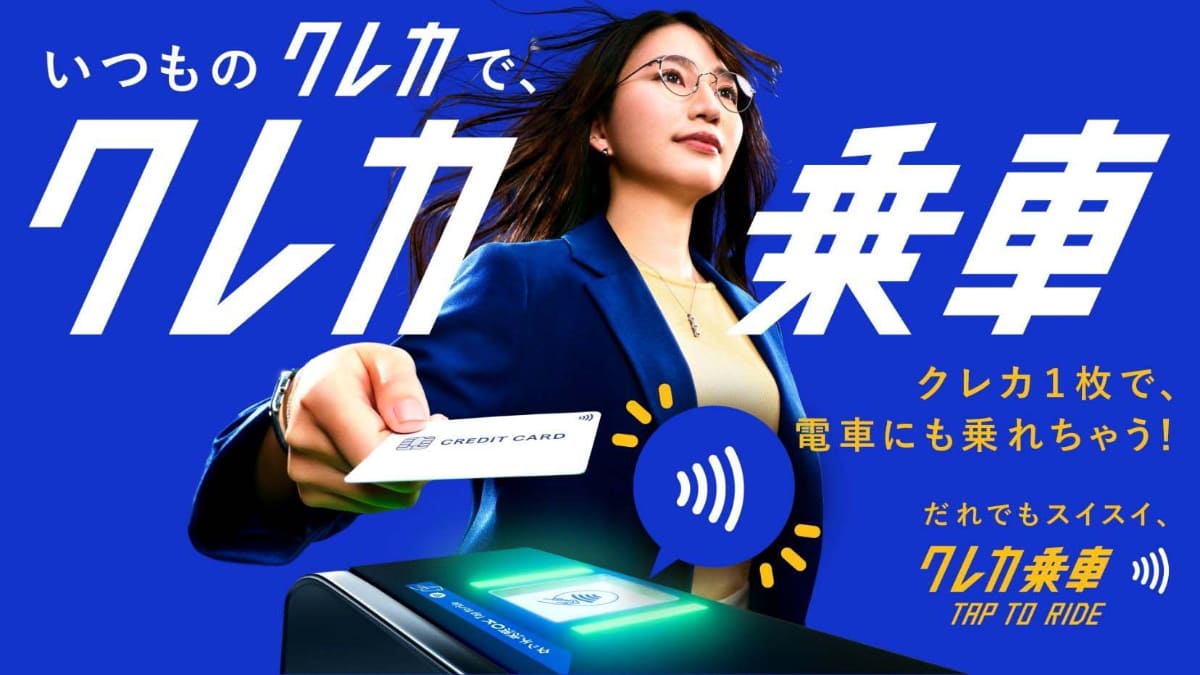
また、普及に向けて「タッチ決済乗車」として、アピールしてきたが、国内でもカードのタッチ決済が60%を超えるなど「当たり前」になってきたことから、「クレカ乗車」という名称に改めて、プロモーションを図っていく。「地方の生活インフラから全国共通の社会インフラを目指す」(三井住友カード大西 幸彦CEO)とした。
■ タッチ決済乗車から「クレカ乗車」に
日本における公共交通におけるクレジットカードのタッチ決済乗車の多くは、三井住友カードのstera transitが活用されている。2025年度は45都道府県、232事業がクレジットカードで電車やバスに乗車可能になる予定で、約7,000台のバス、約2,200の駅が対応する。
また、クレジットの「タッチ決済」の普及が進み、Visaだけでも1億6,000万枚のタッチ決済対応カードが発行され、対面取引でのタッチ決済比率は60%となっており、三井住友カードに限定すれば「70%を超えている」という。
「タッチ決済」が当たり前になってきたことから、キャッチコピーも「タッチ決済乗車」から「クレカ乗車」に変更。今後クレカ乗車としてアピールしていく。
実際の駅やバスへの導入では、大阪・関西万博において面的に整備したこともあり、大幅に拡大。さらに2026年3月には首都圏の大手私鉄各社での相互利用に対応開始予定で、4月にはJR九州の本格導入も見込まれる。26年には「地方部の生活インフラから全国共通の社会インフラへ成長する」(大西CEO)と語り、普及拡大から利用促進のフェーズに入るとする。
2026年2月のstera transit月間利用件数は598万件。3年前との比較では11倍に拡大している。
また、福岡市営地下鉄や西鉄、空港バスなどのデータでは、旅行者や出張者との親和性も高いこともわかっているという。2028年度までに月間1億件の利用、47都道府県、300事業への拡大を目指す。
3月25日からスタートする首都圏の相互利用については、11事業者54路線729駅にて相互利用サービスが開始され、すでに投入済みの横浜市営地下鉄やゆりかもめとあわせて約820駅に対応。2028年度まで1,000駅を目指すとした。
■ 定期券に対応 交通乗車で「Vポイント」も
今後の機能強化も予定しており、MaaS対応のほか、定期券対応、乗車にあわせたVポイント付与などを予定している。
定期券については定期に相当するサービスを2027年春頃より展開。まずはタッチ決済で上限制のサービスを27年春に開始し、27年秋ごろに一般的な定期券に近い「区間式」に対応する。また通学定期対応も予定している。定期券は特に導入済みの公共交通機関からのニーズの高い機能で、早期の実現を目指すとした。
また、乗車に応じたVポイント付与サービスも計画。電車やバスに「クレカ乗車」することで、Vポイントが貯まるというもので、利用者にとってはお得で、事業者にとってはデータ連携による移動と消費の循環が図れるとする。
Vポイント付与は、関西・九州の一部事業者で採用が決まっているほか、首都圏でもゆりかもめなどで検討中で、「2026年度は10社以上に拡大したい」(三井住友カード Transit本部長 兼 Transit事業企画部長 石塚 雅敏氏)とした。
MaaSにおいては、「Pass Case」アプリを活用。平日オフピーク割引のほか、シェアリングサービスや商業施設等と連携したサービスを順次展開予定としている。
マイナンバーカード連携による地域住民向けサービス予定。第1弾として、神戸市の「みなと観光バス」で70歳以上の人を対象に実証実験を行ない、マイナンバーカードと連携して、自動的に敬老割引サービスが適用されるようにする。これにより、利用者負担の削減のほか、事業者にとっても敬老割引サービス専用カードの発行や窓口での手続きが不要となるなどのメリットを創出していく。
イベント割引は、花火大会やイベント等の駅周辺の混雑解消を目的としたもので、特定の日時の駅の利用に対して、クレカ乗車でキャッシュバック等のお得感を発揮する仕組み。花火大会当日の切符売り場混雑などに対し、クレカ乗車を使うことで、一定の割引を行なうなどで、混雑緩和を目指すもの。26年度は複数の花火大会で導入予定としている。
発表会の模様は追ってレポートする。
三井住友カードは9日、「stera transit シンポジウム2026」を開催し、国内で推進しているクレジットカードのタッチ決済乗車の取り組みについて紹介した。新たに定期券サービスの導入のほか、乗車に応じてVポイントを貯められるサービスなどを導入し、「全国的な社会インフラ」を目指した展開を強化していく。 また、普及に向けて「タッチ決済乗車」として、アピールしてきたが、国内でもカードのタッチ決済が60%を超えるなど「当たり前」になってきたことから、「クレカ乗車」という名称に改めて、プロモーションを図っていく。「地方の生活インフラから全国共通の社会インフラを目指す」(三井住友カード大西 幸彦CEO)とした。 ■ タッチ決済乗車から「クレカ乗車」に 日本における公共交通におけるクレジットカードのタッチ決済乗車の多くは、三井住友カードのstera transitが活用されている。2025年度は45都道府県、232事業がクレジットカードで電車やバスに乗車可能になる予定で、約7,000台のバス、約2,200の駅が対応する。 また、クレジットの「タッチ決済」の普及が進み、Visaだけでも1億6,000万枚のタッチ決済対応カードが発行され、対面取引でのタッチ決済比率は60%となっており、三井住友カードに限定すれば「70%を超えている」という。 「タッチ決済」が当たり前になってきたことから、キャッチコピーも「タッチ決済乗車」から「クレカ乗車」に変更。今後クレカ乗車としてアピールしていく。 実際の駅やバスへの導入では、大阪・関西万博において面的に整備したこともあり、大幅に拡大。さらに2026年3月には首都圏の大手私鉄各社での相互利用に対応開始予定で、4月にはJR九州の本格導入も見込まれる。26年には「地方部の生活インフラから全国共通の社会インフラへ成長する」(大西CEO)と語り、普及拡大から利用促進のフェーズに入るとする。 2026年2月のstera transit月間利用件数は598万件。3年前との比較では11倍に拡大している。 また、福岡市営地下鉄や西鉄、空港バスなどのデータでは、旅行者や出張者との親和性も高いこともわかっているという。2028年度までに月間1億件の利用、47都道府県、300事業への拡大を目指す。 3月25日からスタートする首都圏の相互利用については、11事業者54路線729駅にて相互利用サービスが開始され、すでに投入済みの横浜市営地下鉄やゆりかもめとあわせて約820駅に対応。2028年度まで1,000駅を目指すとした。 ■ 定期券に対応 交通乗車で「Vポイント」も 今後の機能強化も予定しており、MaaS対応のほか、定期券対応、乗車にあわせたVポイント付与などを予定している。 定期券については定期に相当するサービスを2027年春頃より展開。まずはタッチ決済で上限制のサービスを27年春に開始し、27年秋ごろに一般的な定期券に近い「区間式」に対応する。また通学定期対応も予定している。定期券は特に導入済みの公共交通機関からのニーズの高い機能で、早期の実現を目指すとした。 また、乗車に応じたVポイント付与サービスも計画。電車やバスに「クレカ乗車」することで、Vポイントが貯まるというもので、利用者にとってはお得で、事業者にとってはデータ連携による移動と消費の循環が図れるとする。 Vポイント付与は、関西・九州の一部事業者で採用が決まっているほか、首都圏でもゆりかもめなどで検討中で、「2026年度は10社以上に拡大したい」(三井住友カード Transit本部長 兼 Transit事業企画部長 石塚 雅敏氏)とした。 MaaSにおいては、「Pass Case」アプリを活用。平日オフピーク割引のほか、シェアリングサービスや商業施設等と連携したサービスを順次展開予定としている。 マイナンバーカード連携による地域住民向けサービス予定。第1弾として、神戸市の「みなと観光バス」で70歳以上の人を対象に実証実験を行ない、マイナンバーカードと連携して、自動的に敬老割引サービスが適用されるようにする。これにより、利用者負担の削減のほか、事業者にとっても敬老割引サービス専用カードの発行や窓口での手続きが不要となるなどのメリットを創出していく。 イベント割引は、花火大会やイベント等の駅周辺の混雑解消を目的としたもので、特定の日時の駅の利用に対して、クレカ乗車でキャッシュバック等のお得感を発揮する仕組み。花火大会当日の切符売り場混雑などに対し、クレカ乗車を使うことで、一定の割引を行なうなどで、混雑緩和を目指すもの。26年度は複数の花火大会で導入予定としている。 発表会の模様は追ってレポートする。
三井住友カードは9日、「stera transit シンポジウム2026」を開催し、国内で推進しているクレジットカードのタッチ決済乗車の取り組みについて紹介した。新たに定期券サービスの導入のほか、乗車に応じてVポイントを貯められるサービスなどを導入し、「全国的な社会インフラ」を目指した展開を強化していく。 また、普及に向けて「タッチ決済乗車」として、アピールしてきたが、国内でもカードのタッチ決済が60%を超えるなど「当たり前」になってきたことから、「クレカ乗車」という名称に改めて、プロモーションを図っていく。「地方の生活インフラから全国共通の社会インフラを目指す」(三井住友カード大西 幸彦CEO)とした。 ■ タッチ決済乗車から「クレカ乗車」に 日本における公共交通におけるクレジットカードのタッチ決済乗車の多くは、三井住友カードのstera transitが活用されている。2025年度は45都道府県、232事業がクレジットカードで電車やバスに乗車可能になる予定で、約7,000台のバス、約2,200の駅が対応する。 また、クレジットの「タッチ決済」の普及が進み、Visaだけでも1億6,000万枚のタッチ決済対応カードが発行され、対面取引でのタッチ決済比率は60%となっており、三井住友カードに限定すれば「70%を超えている」という。 「タッチ決済」が当たり前になってきたことから、キャッチコピーも「タッチ決済乗車」から「クレカ乗車」に変更。今後クレカ乗車としてアピールしていく。 実際の駅やバスへの導入では、大阪・関西万博において面的に整備したこともあり、大幅に拡大。さらに2026年3月には首都圏の大手私鉄各社での相互利用に対応開始予定で、4月にはJR九州の本格導入も見込まれる。26年には「地方部の生活インフラから全国共通の社会インフラへ成長する」(大西CEO)と語り、普及拡大から利用促進のフェーズに入るとする。 2026年2月のstera transit月間利用件数は598万件。3年前との比較では11倍に拡大している。 また、福岡市営地下鉄や西鉄、空港バスなどのデータでは、旅行者や出張者との親和性も高いこともわかっているという。2028年度までに月間1億件の利用、47都道府県、300事業への拡大を目指す。 3月25日からスタートする首都圏の相互利用については、11事業者54路線729駅にて相互利用サービスが開始され、すでに投入済みの横浜市営地下鉄やゆりかもめとあわせて約820駅に対応。2028年度まで1,000駅を目指すとした。 ■ 定期券に対応 交通乗車で「Vポイント」も 今後の機能強化も予定しており、MaaS対応のほか、定期券対応、乗車にあわせたVポイント付与などを予定している。 定期券については定期に相当するサービスを2027年春頃より展開。まずはタッチ決済で上限制のサービスを27年春に開始し、27年秋ごろに一般的な定期券に近い「区間式」に対応する。また通学定期対応も予定している。定期券は特に導入済みの公共交通機関からのニーズの高い機能で、早期の実現を目指すとした。 また、乗車に応じたVポイント付与サービスも計画。電車やバスに「クレカ乗車」することで、Vポイントが貯まるというもので、利用者にとってはお得で、事業者にとってはデータ連携による移動と消費の循環が図れるとする。 Vポイント付与は、関西・九州の一部事業者で採用が決まっているほか、首都圏でもゆりかもめなどで検討中で、「2026年度は10社以上に拡大したい」(三井住友カード Transit本部長 兼 Transit事業企画部長 石塚 雅敏氏)とした。 MaaSにおいては、「Pass Case」アプリを活用。平日オフピーク割引のほか、シェアリングサービスや商業施設等と連携したサービスを順次展開予定としている。 マイナンバーカード連携による地域住民向けサービス予定。第1弾として、神戸市の「みなと観光バス」で70歳以上の人を対象に実証実験を行ない、マイナンバーカードと連携して、自動的に敬老割引サービスが適用されるようにする。これにより、利用者負担の削減のほか、事業者にとっても敬老割引サービス専用カードの発行や窓口での手続きが不要となるなどのメリットを創出していく。 イベント割引は、花火大会やイベント等の駅周辺の混雑解消を目的としたもので、特定の日時の駅の利用に対して、クレカ乗車でキャッシュバック等のお得感を発揮する仕組み。花火大会当日の切符売り場混雑などに対し、クレカ乗車を使うことで、一定の割引を行なうなどで、混雑緩和を目指すもの。26年度は複数の花火大会で導入予定としている。 発表会の模様は追ってレポートする。
Vocabulary
General
Proper noun
JLPT N2
JLPT N1
| # | 言葉 | 意味 |
|---|---|---|
| 34 | 乗車 | じょうしゃ (乗車) : boarding (a train, bus, etc.); getting into (e.g. a taxi) |
| 18 | 対応 | たいおう (対応) : 1. correspondence (to); equivalence 2. suitability; coordination; matching; being appropriate (for) |
| 12 | 定期券 | ていきけん (定期券) : commuter pass; season ticket |
| 12 | 導入 | どうにゅう (導入) : introduction; bringing in; leading in; installation |
| 12 | 目指す | めざす (目指す) : 1. to aim at (for, to do, to become); to try for; to have an eye on 2. to go toward; to head for |
| 10 | 三井住友 | みついすみとも (三井住友) : Mitsui Sumitomo; Sumitomo Mitsui (company) |
| 10 | 年度 | ねんど (年度) : 1. fiscal year (usu. April 1 to March 31 in Japan); financial year 2. academic year; school year |
| 10 | 拡大 | かくだい (拡大) : magnification; enlargement; expansion; amplification |
| 10 | 割引 | わりびき (割引) : 1. discount; reduction; rebate 2. tenths discounted; tenths reduced |
| 8 | 事業者 | じぎょうしゃ (事業者) : 1. business person 2. operator; carrier (telecommunications, transport, etc.) |
| 6 | 社会 | しゃかい (社会) : 1. society; public; community; the world 2. social studies |
| 6 | 展開 | てんかい (展開) : 1. development; evolution; progression; unfolding; (plot) twist 2. expansion; spreading out; extending; deployment; building up |
| 6 | 普及 | ふきゅう (普及) : diffusion; spread; popularization; promulgation; familiarization |
| 6 | 事業 | じぎょう (事業) : 1. project; enterprise; business; industry; operations; venture; service 2. act; deed; conduct |
| 6 | 首都圏 | しゅとけん (首都圏) : the capital city (often Tokyo) area (typically within 50 km of city's centre) (center) |
| 6 | 相互 | そうご (相互) : mutual; reciprocal |
| 6 | 付与 | ふよ (付与) : grant; allowance; endowment; bestowal; assignment; conferment |
| 6 | 等 | など (等) : 1. et cetera; etc.; and the like; and so forth 2. or something |
| 6 | 連携 | れんけい (連携) : cooperation; coordination; link |
| 6 | 花火大会 | はなびたいかい (花火大会) : display of fireworks; firework(s) display |
| 6 | 混雑 | こんざつ (混雑) : 1. congestion; crush; crowding; jam 2. confusion; disorder |
| 4 | 国内 | こくない (国内) : internal; domestic |
| 4 | 応ずる | おうずる (応ずる) : 1. to answer; to respond; to meet 2. to satisfy; to accept |
| 4 | 強化 | きょうか (強化) : strengthening; intensifying; reinforcement; enhancement; solidification |
| 4 | 超える | こえる (越える) : 1. to cross over; to cross; to pass through; to pass over (out of); to go beyond; to go past 2. to exceed; to surpass; to be more (than) |
| 4 | 当たり前 | あたりまえ (当たり前) : 1. natural; reasonable; obvious 2. usual; common; ordinary; commonplace; the norm |
| 4 | 地方 | ちほう (地方) : 1. district; region; area; locality 2. the country; countryside; the provinces; rural area |
| 4 | 生活 | せいかつ (生活) : living; life (one's daily existence); livelihood |
| 4 | 全国 | ぜんこく (全国) : the whole country |
| 4 | 共通 | きょうつう (共通) : 1. common; shared; mutual 2. to be common (to); to be shared (by) |
| 4 | 大西 | おうにし (大西) : Ounishi (surname) |
| 4 | 活用 | かつよう (活用) : 1. practical use; application 2. conjugation; inflection |
| 4 | 都道府県 | とどうふけん (都道府県) : prefectures (of Japan); largest administrative divisions of Japan: Tokyo-to, Osaka-fu, Kyoto-fu, Hokkaido and the remaining prefectures |
| 4 | 発行 | はっこう (発行) : 1. publication; issue (of journal, newspaper, etc.) 2. issue (of banknotes, bonds, passport, etc.) |
| 4 | 今後 | こんご (今後) : from now on; hereafter |
| 4 | 九州 | きゅうしゅう (九州) : Kyūshū (southernmost of the four main islands of Japan) |
| 4 | 月間 | げっかん (月間) : month-long period; (during) month |
| 4 | 件 | くだん (件) : 1. the aforementioned; the said; (man, incident, etc.) in question; the above-mentioned; the aforesaid 2. the usual |
| 4 | 開始 | かいし (開始) : start; commencement; beginning; initiation |
| 4 | 済み | ずみ (済み) : arranged; taken care of; settled; completed; finished |
| 4 | ゆりかもめ | ゆりかもめ (百合鴎) : black-headed gull (Chroicocephalus ridibundus); hooded gull |
| 4 | あわせる | あわせる (会わせる) : 1. to make (someone) to meet; to let (someone) meet 2. to expose to; to subject to |
| 4 | 機能 | きのう (機能) : function; facility; faculty; feature |
| 4 | 定期 | ていき (定期) : 1. fixed period; fixed term 2. regular; periodic; periodical |
| 4 | 得 | とく (得) : 1. profit; advantage; benefit; gain 2. rebirth in paradise, entering nirvana |
| 4 | 行なう | おこなう (行う) : to perform; to do; to conduct oneself; to carry out |
| 4 | 敬老 | けいろう (敬老) : respect for the aged |
| 2 | 開催 | かいさい (開催) : holding (a conference, exhibition, etc.); opening; hosting (e.g. the Olympics) |
| 2 | 推進 | すいしん (推進) : 1. propulsion; drive 2. promotion (e.g. of a government policy); furtherance; implementation |
| 2 | 取り組み | とりくみ (取り組み) : 1. bout (in sports, etc.); match 2. effort; initiative; dealing with; grappling with; wrestling with |
| 2 | 新た | あらた (新た) : new; fresh; novel |
| 2 | 貯める | ためる (貯める) : to save up (money) |
| 2 | 全国的 | ぜんこくてき (全国的) : nationwide; countrywide; national; throughout the country |
| 2 | 名称 | めいしょう (名称) : name; title |
| 2 | 改めて | あらためて (改めて) : 1. another time; again; over again; once again; anew 2. formally; especially; intentionally; deliberately |
| 2 | 図る | はかる (図る) : 1. to plan; to attempt; to devise 2. to plot; to conspire; to scheme |
| 2 | 幸彦 | さちひこ (幸彦) : Sachihiko (masc) |
| 2 | 公共 | こうきょう (公共) : public (facilities, service, etc.); communal |
| 2 | 可能 | かのう (可能) : possible; potential; practicable; feasible |
| 2 | 進む | すすむ (進む) : 1. to advance; to go forward 2. to precede; to go ahead (of) |
| 2 | 対面 | たいめん (対面) : 1. meeting face-to-face; seeing in person 2. facing (each other); opposing (traffic, etc.); confronting |
| 2 | 取引 | とりひき (取引) : transactions; dealings; business |
| 2 | 比率 | ひりつ (比率) : ratio; proportion; percentage |
| 2 | 限定 | げんてい (限定) : limit; restriction |
| 2 | 変更 | へんこう (変更) : change; modification; alteration; revision; amendment |
| 2 | 実際 | じっさい (実際) : 1. reality; actuality; truth; fact; actual conditions 2. practice (as opposed to theory) |
| 2 | 大阪 | おおさか (大阪) : 1. Osaka (city, prefecture) 2. large hill |
| 2 | 面的 | めんてき (面的) : whole area; entire region |
| 2 | 整備 | せいび (整備) : 1. maintenance; servicing 2. putting in place; establishment; development; preparation; provision; outfitting |
| 2 | 大幅 | おおはば (大幅) : 1. big; large; drastic; substantial 2. full-width cloth (approx. 72 cm wide for traditional Japanese clothing; approx. 140 cm wide for Western clothing) |
| 2 | 大手 | おおて (大手) : 1. major company; big company 2. front castle gate |
| 2 | 私鉄 | してつ (私鉄) : private railway |
| 2 | 各社 | かくしゃ (各社) : all companies; each company |
| 2 | JR | ジェイアール (JR) : Japan Railways; JR |
| 2 | 本格 | ほんかく (本格) : 1. original method or procedure 2. serious; orthodox; classical; genuine |
| 2 | 見込む | みこむ (見込む) : 1. to anticipate; to expect; to estimate; to count on; to allow for; to take into account 2. to place confidence in; to put trust in; to trust |
| 2 | 成長 | せいちょう (成長) : 1. growth; development; growing up; becoming an adult 2. growth (of a company, the economy, etc.) |
| 2 | 語る | かたる (語る) : 1. to talk about; to speak of; to tell; to narrate 2. to recite; to chant |
| 2 | 促進 | そくしん (促進) : promotion; acceleration; encouragement; facilitation; spurring on |
| 2 | 件数 | けんすう (件数) : number of events (e.g. accidents, crimes, meetings, housing starts, hits on a web page) |
| 2 | 比較 | ひかく (比較) : comparison |
| 2 | 福岡市 | ふくおかし (福岡市) : Fukuoka (city) (place) |
| 2 | 西鉄 | にしてつ (西鉄) : Nishitetsu (place; surname) |
| 2 | 旅行者 | りょこうしゃ (旅行者) : traveller; traveler |
| 2 | 親和性 | しんわせい (親和性) : affinity |
| 2 | わかる | わかる (分かる) : 1. to understand; to comprehend; to grasp; to see; to get; to follow 2. to become clear; to be known; to be discovered; to be realized; to be realised; to be found out |
| 2 | 路線 | ろせん (路線) : 1. route (bus, train, air, etc.); line 2. line (taken by a group, organization, etc.); policy; course |
| 2 | にて | で : 1. at; in 2. at; when |
| 2 | すでに | すでに (既に) : already; too late |
| 2 | 投入 | とうにゅう (投入) : 1. throwing in; inserting; depositing (e.g. a ballot) 2. investment; commitment (of funds, personnel, etc.); injection; infusion |
| 2 | 横浜市 | よこはまし (横浜市) : Yokohama (city) (place) |
| 2 | 相当 | そうとう (相当) : 1. corresponding to (in meaning, function, etc.); being equivalent to 2. appropriate; suitable; befitting; proportionate |
| 2 | 上限 | じょうげん (上限) : 1. upper limit 2. supremum |
| 2 | 制 | せい (制) : system; organization; organisation; imperial command; laws; regulation; control; government; suppression; restraint; holding back; establishment |
| 2 | 一般的 | いっぱんてき (一般的) : general; popular; common; typical |
| 2 | 区間 | くかん (区間) : 1. section (of track, etc.); segment; dimension 2. interval |
| 2 | 式 | しき (式) : 1. equation; formula; expression 2. ceremony |
| 2 | 通学 | つうがく (通学) : commuting to school; school commute |
| 2 | 公共交通機関 | こうきょうこうつうきかん (公共交通機関) : public transportation; public transport |
| 2 | 早期 | そうき (早期) : early stage |
| 2 | 実現 | じつげん (実現) : implementation (e.g. of a system); materialization; materialisation; realization; realisation; actualization; actualisation |
| 2 | 貯まる | たまる (貯まる) : to be saved up (of money) |
| 2 | 利用者 | りようしゃ (利用者) : user; end-user; consumer |
| 2 | 移動 | いどう (移動) : 1. movement; transfer; migration; removal; travel 2. mobile; moving; traveling; travelling; roving |
| 2 | 消費 | しょうひ (消費) : consumption; expenditure |
| 2 | 循環 | じゅんかん (循環) : circulation; rotation; cycle; loop |
| 2 | 関西 | かんさい (関西) : 1. Kansai; region consisting of Osaka, Kobe, Kyoto and surrounding prefectures 2. Kansai; south-western half of Japan (during the feudal era) |
| 2 | 一部 | いちぶ (一部) : 1. one part; one portion; one section; some 2. one copy (e.g. of a document) |
| 2 | 採用 | さいよう (採用) : 1. use; adoption; acceptance 2. appointment; employment; engagement; recruitment |
| 2 | 決まる | きまる (決まる) : 1. to be decided; to be settled; to be fixed; to be arranged 2. to be unchanging; to be the same (as always); to be fixed; to be set |
| 2 | 検討中 | けんとうちゅう (検討中) : under investigation; under consideration; under review; pending (decision, etc.); awaiting verification |
| 2 | 本部長 | ほんぶちょう (本部長) : general manager; director-general |
| 2 | 兼 | けん (兼) : cum (e.g. bedroom-cum-study); holding both roles (e.g. Prime Minister and Minister of Foreign Affairs); and; in addition; concurrently; at the same time |
| 2 | 企画部 | きかくぶ (企画部) : planning department |
| 2 | 石塚 | いしずか (石塚) : Ishizuka (surname) |
| 2 | 雅敏 | まさとし (雅敏) : Masatoshi (masc) |
| 2 | 氏 | うじ (氏) : 1. family name; lineage; birth 2. clan |
| 2 | 平日 | へいじつ (平日) : 1. weekday; ordinary days (i.e. non-holiday) 2. kanji radical 73 |
| 2 | 順次 | じゅんじ (順次) : in order; sequential; seriatim |
| 2 | 地域住民 | ちいきじゅうみん (地域住民) : local resident |
| 2 | 向け | むけ (向け) : intended for ...; oriented towards ...; aimed at ... |
| 2 | 第 | だい (第) : prefix for forming ordinal numbers |
| 2 | 弾 | たま (玉) : 1. ball; sphere; globe; orb 2. bead (of sweat, dew, etc.); drop; droplet |
| 2 | 神戸市 | こうべし (神戸市) : Kōbe (city) (place) |
| 2 | 観光 | かんこう (観光) : sightseeing; tourism |
| 2 | 対象 | たいしょう (対象) : target; object (of worship, study, etc.); subject (of taxation, etc.) |
| 2 | 実証実験 | じっしょうじっけん (実証実験) : proof-of-concept; demonstration experiment; verification test |
| 2 | 自動的 | じどうてき (自動的) : automatic |
| 2 | 適用 | てきよう (適用) : applying (e.g. a technology); adoption |
| 2 | 削減 | さくげん (削減) : cut; reduction; curtailment |
| 2 | 専用 | せんよう (専用) : 1. (one's) exclusive use; private use; personal use 2. dedicated use; use for a particular purpose |
| 2 | 窓口 | まどぐち (窓口) : 1. counter; window; teller window; ticket window 2. contact person; point of contact |
| 2 | 手続き | てつづき (手続き) : procedure; process; proceedings; formalities |
| 2 | 不要 | ふよう (不要) : unnecessary; unneeded |
| 2 | 創出 | そうしゅつ (創出) : creation; generation |
| 2 | 周辺 | しゅうへん (周辺) : 1. circumference; outskirts; environs; around; in the area of; in the vicinity of 2. (computer) peripheral |
| 2 | 解消 | かいしょう (解消) : cancellation; liquidation; resolution; reduction (e.g. of stress) |
| 2 | 目的 | もくてき (目的) : purpose; goal; aim; objective; intention |
| 2 | 特定 | とくてい (特定) : 1. specific; particular; designated; special 2. specifying; designating; identifying; pinpointing |
| 2 | 日時 | にちじ (日時) : date and time |
| 2 | 発揮 | はっき (発揮) : show (of power, ability, etc.); exhibition; demonstration; display; manifestation |
| 2 | 仕組み | しくみ (仕組み) : 1. structure; construction; arrangement; contrivance; mechanism; workings 2. plan; plot; contrivance |
| 2 | 当日 | とうじつ (当日) : day in question; appointed day; that very day; the day (of issue, publication, etc.) |
| 2 | 切符売り場 | きっぷうりば (切符売り場) : ticket window; box office; ticket |
| 2 | 一定 | いってい (一定) : fixed; settled; constant; definite; uniform; regularized; regularised; defined; standardized; standardised; certain; prescribed |
| 2 | 緩和 | かんわ (緩和) : relief; mitigation; alleviation; relaxation (of restrictions, tensions, etc.); easing; softening |
| 2 | 複数 | ふくすう (複数) : plural; multiple; several |
| 2 | 発表会 | はっぴょうかい (発表会) : 1. recital (i.e. of music, by a pupil) 2. presentation (e.g. product launch) |
| 2 | 模様 | もよう (模様) : 1. pattern; figure; design 2. state; condition |
| 2 | 追う | おう (追う) : 1. to chase; to run after; to pursue; to follow after 2. to follow (a set order, a trend, etc.) |