中学校教員の約4割 国の上限を超え残業 過労死ライン超えは7%に 文部科学省が調査
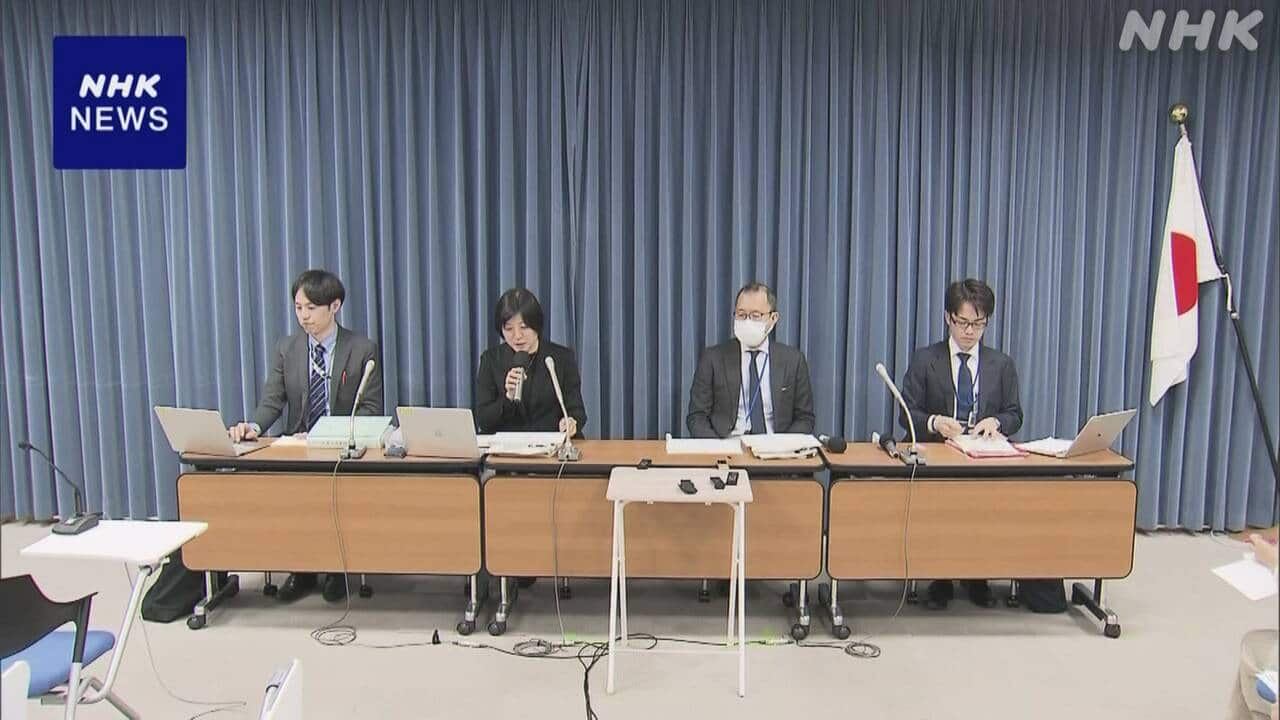
教員の長時間労働が問題となる中、国の上限を超えた残業をしている中学校の教員は、およそ4割にのぼり、さらに7%がいわゆる「過労死ライン」を超えていることが、文部科学省の調査で分かりました。
文部科学省は全国の教育委員会を通じて2024年度の公立学校の教員の勤務実態を調査し、9日に結果を公表しました。
それによりますと、国が残業の上限としている月45時間を超えた教員の割合は▽中学校が最も高く39.5%で、次いで、▽高校で27.4%▽小学校で22.2%などとなりました。
また、いわゆる「過労死ライン」の80時間を超えた教員は前の年度に比べて改善しているものの、▽中学校が7.4%と最も高く、次いで、▽高校で5.6%▽小学校で1.3%などとなっています。
文部科学省は4年後までに月の残業時間を平均30時間程度にすることを目標としていて、2026年度以降、教育委員会に働き方改革の取り組み状況を公表するよう義務づけています。
一方で、学校現場では、相次ぐ休職や採用倍率の低下で「教員不足」が深刻化し、1人当たりの業務量が増える悪循環が続いていて、実効性を伴った働き方改革を実現できるか課題となっています。
文部科学省は「少しずつ改善傾向にあるものの依然として長時間労働であることは間違いなく、強力に働き方改革を進めていく」としています。
文部科学省は全国の教育委員会を通じて2024年度の公立学校の教員の勤務実態を調査し、9日に結果を公表しました。
それによりますと、国が残業の上限としている月45時間を超えた教員の割合は▽中学校が最も高く39.5%で、次いで、▽高校で27.4%▽小学校で22.2%などとなりました。
また、いわゆる「過労死ライン」の80時間を超えた教員は前の年度に比べて改善しているものの、▽中学校が7.4%と最も高く、次いで、▽高校で5.6%▽小学校で1.3%などとなっています。
文部科学省は4年後までに月の残業時間を平均30時間程度にすることを目標としていて、2026年度以降、教育委員会に働き方改革の取り組み状況を公表するよう義務づけています。
一方で、学校現場では、相次ぐ休職や採用倍率の低下で「教員不足」が深刻化し、1人当たりの業務量が増える悪循環が続いていて、実効性を伴った働き方改革を実現できるか課題となっています。
文部科学省は「少しずつ改善傾向にあるものの依然として長時間労働であることは間違いなく、強力に働き方改革を進めていく」としています。
Vocabulary
General
Proper noun
JLPT N2
JLPT N1
| # | 言葉 | 意味 |
|---|---|---|
| 6 | 教員 | きょういん (教員) : teacher; instructor; teaching staff; faculty member |
| 4 | 超える | こえる (越える) : 1. to cross over; to cross; to pass through; to pass over (out of); to go beyond; to go past 2. to exceed; to surpass; to be more (than) |
| 4 | 文部科学省 | もんぶかがくしょう (文部科学省) : Ministry of Education, Culture, Sports, Science and Technology; MEXT |
| 3 | 年度 | ねんど (年度) : 1. fiscal year (usu. April 1 to March 31 in Japan); financial year 2. academic year; school year |
| 2 | 長時間労働 | ちょうじかんろうどう (長時間労働) : long working hours |
| 2 | 上限 | じょうげん (上限) : 1. upper limit 2. supremum |
| 2 | 残業 | ざんぎょう (残業) : overtime (work) |
| 2 | いわゆる | いわゆる (所謂) : what is called; as it is called; the so-called; so to speak |
| 2 | 過労死ライン | かろうしライン (過労死ライン) : karoshi line (official measure of excessive hours of overtime per month) |
| 2 | 調査 | ちょうさ (調査) : investigation; examination; inquiry; enquiry; survey |
| 2 | 教育委員会 | きょういくいいんかい (教育委員会) : Board of Education |
| 2 | 公表 | こうひょう (公表) : official announcement; proclamation |
| 2 | 最も | もっとも (最も) : most; extremely |
| 2 | 次いで | ついで (次いで) : next; secondly; subsequently |
| 2 | 改善 | かいぜん (改善) : 1. betterment; improvement 2. kaizen (Japanese business philosophy of continuous improvement) |
| 1 | 割 | わり (割り) : 1. rate; ratio; proportion; percentage 2. profit |
| 1 | のぼる | のぼる (上る) : 1. to ascend; to go up; to climb 2. to ascend (as a natural process, e.g. the Sun); to rise |
| 1 | 分かる | わかる (分かる) : 1. to understand; to comprehend; to grasp; to see; to get; to follow 2. to become clear; to be known; to be discovered; to be realized; to be realised; to be found out |
| 1 | 全国 | ぜんこく (全国) : the whole country |
| 1 | 通ずる | つうずる (通ずる) : 1. to be open (to traffic); to lead to; to communicate (with) 2. to flow (liquid, current); to pass; to get through to |
| 1 | 公立学校 | こうりつがっこう (公立学校) : public school |
| 1 | 結果 | けっか (結果) : 1. result; consequence; outcome; effect 2. coming to fruition; bearing fruit |
| 1 | 比べる | くらべる (比べる) : 1. to compare; to make a comparison 2. to compete; to vie |
| 1 | 平均 | へいきん (平均) : 1. average; mean 2. balance; equilibrium |
| 1 | 程度 | ていど (程度) : degree; amount; grade; standard; of the order of (following a number); about; approximately |
| 1 | 目標 | めじるし (目印) : 1. mark (for quick identification or recognition); sign 2. landmark; guide |
| 1 | 以降 | いこう (以降) : on and after; as from; hereafter; thereafter; since |
| 1 | 取り組む | とりくむ (取り組む) : 1. to grapple with; to wrestle with; to engage in a bout; to be matched against 2. to tackle (e.g. a problem); to come to grips with; to work hard on |
| 1 | 状況 | じょうきょう (状況) : state of affairs (around you); situation; circumstances |
| 1 | 義務 | ぎむ (義務) : duty; obligation; responsibility |
| 1 | 学校 | がっこう (学校) : school |
| 1 | 現場 | げんば (現場) : 1. actual spot; scene; scene of the crime; site; location; setting 2. shop floor; factory floor; (on) site |
| 1 | 相 | さが (性) : 1. one's nature; one's destiny 2. custom; tradition; habit; convention |
| 1 | 次ぐ | つぐ (次ぐ) : to rank next to; to come after |
| 1 | 休職 | きゅうしょく (休職) : temporary retirement; suspension from office |
| 1 | 採用 | さいよう (採用) : 1. use; adoption; acceptance 2. appointment; employment; engagement; recruitment |
| 1 | 倍率 | ばいりつ (倍率) : 1. magnification; leverage; amplification; scaling factor; scale factor 2. competitiveness rating (e.g. for university entrance); applicant-to-acceptance ratio |
| 1 | 低下 | ていか (低下) : fall; decline; lowering; deterioration; degradation |
| 1 | 不足 | ふそく (不足) : 1. insufficiency; deficiency; shortage; lack; scarcity; deficit 2. dissatisfaction; discontent; complaint |
| 1 | 深刻化 | しんこくか (深刻化) : becoming more serious or severe; aggravation; intensification |
| 1 | 当たり | あたり (当たり) : 1. hit 2. success |
| 1 | 悪循環 | あくじゅんかん (悪循環) : vicious circle; vicious cycle |
| 1 | 実効性 | じっこうせい (実効性) : effectiveness |
| 1 | 伴う | ともなう (伴う) : 1. to accompany; to go hand in hand with; to be consequent upon 2. to be accompanied by; to bring with; to take with; to be involved in |
| 1 | 実現 | じつげん (実現) : implementation (e.g. of a system); materialization; materialisation; realization; realisation; actualization; actualisation |
| 1 | 課題 | かだい (課題) : 1. subject; theme; issue; matter 2. homework; assignment |
| 1 | 傾向 | けいこう (傾向) : tendency; trend; inclination |
| 1 | 依然 | いぜん (依然) : still; as yet; as it has been |
| 1 | 間違い | まちがい (間違い) : 1. mistake; error; blunder 2. accident; mishap; trouble |
| 1 | 強力 | きょうりょく (強力) : powerful; strong |
| 1 | 進める | すすめる (進める) : 1. to advance; to move forward; to put (a clock, watch) forward 2. to carry forward (plans, work, etc.); to proceed with; to make progress in; to further; to advance; to hasten; to speed up |