【風、薫る】海軍中尉の小日向、まさかの正体にSNS驚き「ショック!」「すっかり騙されました」
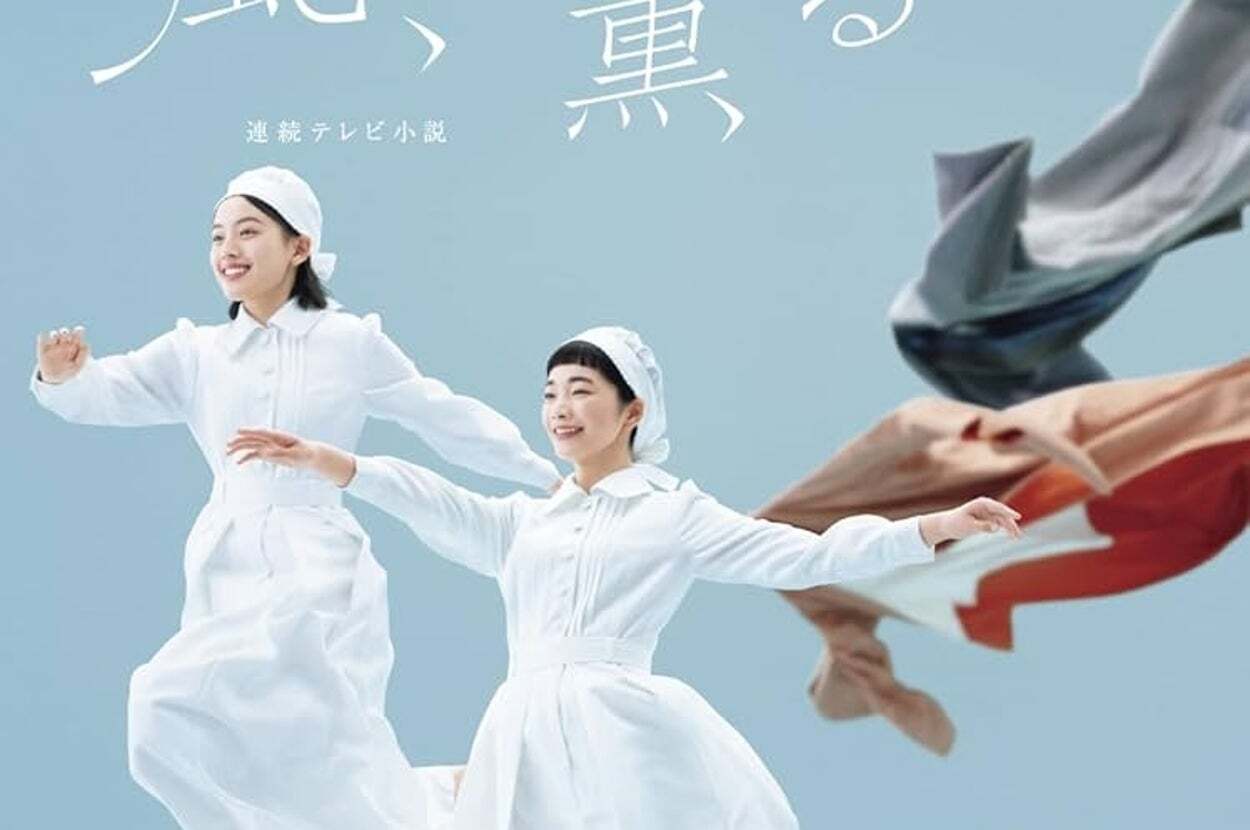
NHK連続テレビ小説『風、薫る』の公式アカウントが、4月14日にXとInstagramを更新。海軍中尉の小日向(藤原季節さん)の正体が詐欺師だったことが明らかになる場面を公開しました。
俳優の見上愛さんと上坂樹里さんがW主演を務める同作は、明治という激動の社会を舞台にした、ちょっと型破りな二人のナースの冒険物語です。 それぞれに生きづらさを抱えた二人の主人公・一ノ瀬りん(見上さん)と大家直美(上坂さん)が、当時まだ知られていなかった看護の世界に飛び込み、傷ついた人々を守るために奔走し、時に強き者と戦う姿が描かれます。 ※以下、ネタバレが含まれます。 身分を偽り鹿鳴館の給仕となった直美は、捨松(多部未華子さん)にトレインドナースにならないかと誘われる一方、鹿鳴館で出会った海軍中尉の小日向と結婚を考えていました。 そんな直美が、ある日、嘘の帳尻合わせのために街中を散策していると、和服に丸メガネ姿の小日向が、見知らぬ女性と腕を絡めて親しげに話しているのを目撃します。直美の前とは別人のような振る舞いを見せる小日向。さらに聞き耳を立てていると、女性は小日向を「欣二」と呼び、彼の生活の面倒まで見ているようでした。 怪しんだ直美は、小日向に近づき「今日はお休みですか?」と詰め寄りますが、振り向いた小日向は慌てる様子もなく、不適な笑みを浮かべるのでした。
その後、団子屋で直美と向かい合い、自分の正体が詐欺師で、本名は小日向でも欣二でもなく「寛太」であることを明かした小日向。 公式アカウントは、「海軍中尉の小日向栄介から 詐欺師・寛太へ。 直美が身分を偽っていたことにも気づいていたようです」とコメントを添え、その後の2人の会話の場面を収めた動画を投稿しました。
団子屋の座敷で向かい合った直美と小日向(寛太)。 「偽名まで使って軍人のふりをして、何が狙いですか?」と詰め寄る直美でしたが、 「あんたも嘘ついてるよね」「わかるんだよ、詐欺師だから。下手な嘘は」と、逆に身分を偽っていたことを指摘されてしまいます。 さらに小日向は、「帰る家くらいは用意しておかないと」「名前は表札に合わせて名乗るのがいい」と嘘のつき方のアドバイスまでしてくるなど、開き直ったような態度を見せます。 それを聞いた直美が、「何の財産もない私になぜ声をかけたのか」と問い詰めると、 「鹿鳴館に入れるなら誰でもよかった」と悪びれもなく理由を明かした小日向。 真剣な眼差しの直美をよそに、「中に入って、金持ちで暇な華族のおばさまでも何人か見つけたらしばらくは食いつなげる」と、団子を頬張りながら話すのでした。
一方で、以前、直美に語った「子どもの頃に世界地図を見て『どこか違う国に行ってみたい』と思ったこと」は本当だと述べた小日向。 「直美さんも、うなずいてたろ?」と尋ねられた直美は「あんたをだますために決まってるでしょ」と吐き捨てるように呟きます。 そんな直美に対し、あぐらに頬杖をついた小日向は、「直美さん、いい詐欺師になれるね」と、またしても余裕そうな笑みを浮かべるのでした。 公式アカウントは同日、「海軍中尉の小日向は、実は詐欺師・寛太でした」とコメントを添え、そのシーンの小日向の場面写真も投稿しています。
まさかの正体を明かした小日向。SNSでは、以下のようなコメントが寄せられています。 「ショック!」 「ビックリ!!別人すぎて誰か分からなかった」 「怪しいとは思ってたけど…」 「すっかり騙されました…」 「藤原季節さんの演技力に脱帽でした!」
俳優の見上愛さんと上坂樹里さんがW主演を務める同作は、明治という激動の社会を舞台にした、ちょっと型破りな二人のナースの冒険物語です。 それぞれに生きづらさを抱えた二人の主人公・一ノ瀬りん(見上さん)と大家直美(上坂さん)が、当時まだ知られていなかった看護の世界に飛び込み、傷ついた人々を守るために奔走し、時に強き者と戦う姿が描かれます。 ※以下、ネタバレが含まれます。 身分を偽り鹿鳴館の給仕となった直美は、捨松(多部未華子さん)にトレインドナースにならないかと誘われる一方、鹿鳴館で出会った海軍中尉の小日向と結婚を考えていました。 そんな直美が、ある日、嘘の帳尻合わせのために街中を散策していると、和服に丸メガネ姿の小日向が、見知らぬ女性と腕を絡めて親しげに話しているのを目撃します。直美の前とは別人のような振る舞いを見せる小日向。さらに聞き耳を立てていると、女性は小日向を「欣二」と呼び、彼の生活の面倒まで見ているようでした。 怪しんだ直美は、小日向に近づき「今日はお休みですか?」と詰め寄りますが、振り向いた小日向は慌てる様子もなく、不適な笑みを浮かべるのでした。
その後、団子屋で直美と向かい合い、自分の正体が詐欺師で、本名は小日向でも欣二でもなく「寛太」であることを明かした小日向。 公式アカウントは、「海軍中尉の小日向栄介から 詐欺師・寛太へ。 直美が身分を偽っていたことにも気づいていたようです」とコメントを添え、その後の2人の会話の場面を収めた動画を投稿しました。
団子屋の座敷で向かい合った直美と小日向(寛太)。 「偽名まで使って軍人のふりをして、何が狙いですか?」と詰め寄る直美でしたが、 「あんたも嘘ついてるよね」「わかるんだよ、詐欺師だから。下手な嘘は」と、逆に身分を偽っていたことを指摘されてしまいます。 さらに小日向は、「帰る家くらいは用意しておかないと」「名前は表札に合わせて名乗るのがいい」と嘘のつき方のアドバイスまでしてくるなど、開き直ったような態度を見せます。 それを聞いた直美が、「何の財産もない私になぜ声をかけたのか」と問い詰めると、 「鹿鳴館に入れるなら誰でもよかった」と悪びれもなく理由を明かした小日向。 真剣な眼差しの直美をよそに、「中に入って、金持ちで暇な華族のおばさまでも何人か見つけたらしばらくは食いつなげる」と、団子を頬張りながら話すのでした。
一方で、以前、直美に語った「子どもの頃に世界地図を見て『どこか違う国に行ってみたい』と思ったこと」は本当だと述べた小日向。 「直美さんも、うなずいてたろ?」と尋ねられた直美は「あんたをだますために決まってるでしょ」と吐き捨てるように呟きます。 そんな直美に対し、あぐらに頬杖をついた小日向は、「直美さん、いい詐欺師になれるね」と、またしても余裕そうな笑みを浮かべるのでした。 公式アカウントは同日、「海軍中尉の小日向は、実は詐欺師・寛太でした」とコメントを添え、そのシーンの小日向の場面写真も投稿しています。
まさかの正体を明かした小日向。SNSでは、以下のようなコメントが寄せられています。 「ショック!」 「ビックリ!!別人すぎて誰か分からなかった」 「怪しいとは思ってたけど…」 「すっかり騙されました…」 「藤原季節さんの演技力に脱帽でした!」
Vocabulary
General
Proper noun
JLPT N2
JLPT N1
| # | 言葉 | 意味 |
|---|---|---|
| 18 | 小日向 | おひなた (小日向) : Ohinata (surname) |
| 16 | 直美 | すぐみ (直美) : Sugumi (unclass) |
| 6 | 詐欺師 | さぎし (詐欺師) : swindler; imposter; crook; cheater |
| 4 | 海軍 | かいぐん (海軍) : navy |
| 4 | 中尉 | ちゅうい (中尉) : first lieutenant; lieutenant junior grade |
| 4 | 嘘 | うそ (嘘) : 1. lie; fib; falsehood; untruth 2. mistake; error |
| 4 | 寛太 | かんた (寛太) : Kanta (given) |
| 3 | 正体 | しょうたい (正体) : 1. true character; true form; true colors (colours); identity; truth (of a mystery, phenomenon, etc.); origin 2. consciousness; one's senses |
| 3 | 場面 | ばめん (場面) : 1. scene; setting; place (where something happens); scenario; case 2. scene (in a movie, play); shot |
| 3 | 身分 | みぶん (身分) : 1. (social) standing; status; position; rank 2. identity; birth; origin |
| 3 | 偽る | いつわる (偽る) : 1. to lie; to cheat; to pretend; to feign; to falsify 2. to trick; to deceive |
| 3 | 鹿鳴館 | ろくめいかん (鹿鳴館) : Meiji-era Western-style building in downtown Tokyo, constructed in 1883 for entertaining foreign diplomats and dignitaries (place) |
| 3 | 明かす | あかす (明かす) : 1. to pass (the night); to spend 2. to reveal; to divulge; to disclose; to expose |
| 2 | 藤原 | えりあね (藤原) : Eriane (surname) |
| 2 | 季節 | きせつ (季節) : season; time of year |
| 2 | 見上 | けんじょう (見上) : Kenjou (surname) |
| 2 | 上坂 | うえさか (上坂) : Uesaka (surname) |
| 2 | 姿 | すがた (姿) : 1. figure; form; shape 2. appearance; dress; guise |
| 2 | 別人 | べつじん (別人) : different person; another person; someone else; changed man |
| 2 | 欣二 | きんじ (欣二) : Kinji (given) |
| 2 | 詰め寄る | つめよる (詰め寄る) : 1. to draw near; to draw closer 2. to press (e.g. for an answer); to hound |
| 2 | 笑み | えみ (笑み) : smile |
| 2 | 浮かべる | うかべる (浮かべる) : 1. to float; to set afloat; to launch 2. to show on one's face (smile, sadness, etc.) |
| 2 | 団子屋 | だんごや (団子屋) : dumpling store; dumpling seller |
| 2 | 向かい合う | むかいあう (向かい合う) : to be opposite; to face each other |
| 2 | 添える | そえる (添える) : 1. to garnish; to accompany (as a card does a gift) 2. to add to as support; to prop up |
| 2 | 投稿 | とうこう (投稿) : contribution (to a newspaper, magazine, etc.); submission; post (on a blog, social media, etc.) |
| 2 | あんた | あんた (貴方) : you |
| 1 | NHK | エヌエイチケー (NHK) : NHK; Japan Broadcasting Corporation |
| 1 | 連続 | れんぞく (連続) : continuation; succession; series |
| 1 | 薫る | かおる (香る) : to smell sweet; to be fragrant |
| 1 | 更新 | こうしん (更新) : renewal; update; innovation; improvement |
| 1 | 明らか | あきらか (明らか) : 1. clear; obvious; evident; plain; definite 2. bright; light |
| 1 | 公開 | こうかい (公開) : opening to the public; making available to the public; putting on display; exhibiting; showing (play, movie, etc.); holding (interview, etc.); open; public |
| 1 | 俳優 | はいゆう (俳優) : actor; actress; player; performer |
| 1 | 樹里 | いつき (樹里) : Itsuki (fem) |
| 1 | 主演 | しゅえん (主演) : starring; playing the leading part |
| 1 | 務める | つとめる (勤める) : 1. to work (for); to be employed (at); to serve (in) 2. to serve (as); to act (as); to fill (the position of); to play the role (of) |
| 1 | 同作 | どうさく (同作) : 1. work by the same author (artist, etc.) 2. work in the same style; same way of making |
| 1 | 明治 | めいじ (明治) : Meiji era (1868.9.8-1912.7.30) |
| 1 | 激動 | げきどう (激動) : violent shock; agitation; turbulence; turmoil; upheaval; excitement |
| 1 | 舞台 | ぶたい (舞台) : 1. stage (theatre, theater) 2. scene or setting (e.g. of novel, play, etc.) |
| 1 | 型破り | かたやぶり (型破り) : unusual; unconventional; mold-breaking; outside the box |
| 1 | 冒険 | ぼうけん (冒険) : 1. adventure; venture 2. venture which is unlikely to succeed; risky attempt; danger; hazard; risk |
| 1 | 物語 | ものがたり (物語) : tale; story; legend |
| 1 | 生きる | いきる (生きる) : 1. to live; to exist 2. to make a living; to subsist |
| 1 | づら | づら : wig; hairpiece |
| 1 | 抱える | かかえる (抱える) : 1. to hold or carry under or in the arms 2. to have (esp. problems, debts, etc.) |
| 1 | 主人公 | しゅじんこう (主人公) : 1. protagonist; main character; hero(ine) (of a story) 2. head of household |
| 1 | 一ノ瀬 | いちのせ (一ノ瀬) : Ichinose (surname) |
| 1 | りん | りん (厘) : 1. one-hundredth; 0.3 mm (one-hundredth of a sun); 0.1 percent (one-hundredth of a wari); 0.0375 grams (one-hundredth of a monme) 2. rin (monetary unit; 0.001 yen) |
| 1 | 大家 | おおや (大家) : landlord; landlady |
| 1 | 当時 | とうじ (当時) : at that time; in those days |
| 1 | 知る | しる (知る) : 1. to be aware of; to know; to be conscious of; to cognize; to cognise 2. to notice; to feel |
| 1 | 看護 | かんご (看護) : nursing; (army) nurse |
| 1 | 飛び込む | とびこむ (飛び込む) : 1. to jump in; to leap in; to plunge into; to dive 2. to burst in; to barge in |
| 1 | 傷つく | きずつく (傷つく) : 1. to be wounded; to get injured 2. to get hurt feelings |
| 1 | 人々 | ひとびと (人々) : 1. people; men and women 2. each person; everybody |
| 1 | 守る | まもる (守る) : 1. to protect; to guard; to defend 2. to keep (i.e. a promise); to abide (by the rules); to observe; to obey; to follow |
| 1 | 奔走 | ほんそう (奔走) : running about; making every effort; being busily engaged (in something); good offices |
| 1 | 戦う | たたかう (戦う) : 1. to make war (on); to wage war (against); to go to war (with); to fight (with); to do battle (against) 2. to compete (against) |
| 1 | 描く | えがく (描く) : 1. to draw; to paint; to sketch 2. to depict; to describe |
| 1 | 含む | ふくむ (含む) : 1. to contain; to comprise; to have; to hold; to include; to embrace 2. to hold in the mouth |
| 1 | 給仕 | きゅうじ (給仕) : 1. waiting on a table; serving (at dinner) 2. waiter; waitress; waitperson; server; cabin boy; bellboy; page; pageboy |
| 1 | 捨松 | すてまつ (捨松) : Sutematsu (fem) |
| 1 | 多部未華子 | たべみかこ (多部未華子) : Tabe Mikako (1989.1.25-) (person) |
| 1 | 誘う | さそう (誘う) : 1. to invite; to ask (someone to do); to call (for); to take (someone) along 2. to tempt; to lure; to entice; to seduce |
| 1 | 出会う | であう (出会う) : 1. to meet (by chance); to come across; to run across; to encounter; to happen upon 2. to meet (e.g. of rivers, highways, etc.) |
| 1 | 考える | かんがえる (考える) : 1. to think (about, of); to think over; to ponder; to contemplate; to reflect (on); to meditate (on) 2. to consider; to bear in mind; to allow for; to take into consideration |
| 1 | 帳尻 | ちょうじり (帳尻) : closing part of a balance sheet; balance of accounts |
| 1 | 合わせ | あわせ (合わせ) : joint together; opposite; facing |
| 1 | 街中 | まちなか (町中) : downtown |
| 1 | 散策 | さんさく (散策) : walking; strolling; roaming; wandering; exploring |
| 1 | 和服 | わふく (和服) : Japanese clothes |
| 1 | 見知る | みしる (見知る) : to recognise; to recognize; to know by sight; to become acquainted with |
| 1 | 絡める | からめる (絡める) : 1. to entwine; to twine around; to mix together 2. to coordinate (with) |
| 1 | げ | げ (気) : seeming; giving the appearance of; giving one the feeling of |
| 1 | 目撃 | もくげき (目撃) : witnessing; observing; sighting |
| 1 | 振る舞い | ふるまい (振る舞い) : 1. behavior; behaviour; conduct 2. entertainment; treat; feast; banquet |
| 1 | 聞き耳 | ききみみ (聞き耳) : straining one's ears |
| 1 | 立てる | たてる (立てる) : 1. to stand up; to put up; to set up; to erect; to raise 2. to thrust into; to bury into; to dig into |
| 1 | 呼ぶ | よぶ (呼ぶ) : 1. to call out (to); to call; to invoke 2. to summon (a doctor, etc.) |
| 1 | 面倒 | めんどう (面倒) : 1. trouble; bother 2. trouble; difficulty |
| 1 | 怪しむ | あやしむ (怪しむ) : to suspect |
| 1 | 近づく | ちかづく (近づく) : 1. to approach; to draw near; to get close 2. to get acquainted with; to get closer to; to get to know |
| 1 | 振り向く | ふりむく (振り向く) : to turn one's face; to turn around; to look over one's shoulder |
| 1 | 慌てる | あわてる (慌てる) : 1. to become confused (disconcerted, disorganized, disorganised); to be flustered; to panic 2. to hurry; to rush; to hasten |
| 1 | 様子 | ようす (様子) : 1. state; state of affairs; situation; circumstances 2. appearance; look; aspect |
| 1 | 不適 | ふてき (不適) : inadequacy; inappropriateness; unfitness; impropriety |
| 1 | 本名 | ほんみょう (本名) : real name |
| 1 | 栄介 | えいすけ (栄介) : Eisuke (given) |
| 1 | 気づく | きづく (気づく) : to notice; to recognize; to recognise; to become aware of; to perceive; to realize; to realise |
| 1 | その後 | そのあと (その後) : after that; afterwards; thereafter |
| 1 | 収める | おさめる (収める) : 1. to dedicate; to make an offering; to pay (fees) 2. to supply |
| 1 | 動画 | どうが (動画) : 1. video; movie; moving picture 2. animation; animated cartoon |
| 1 | 座敷 | ざしき (座敷) : 1. tatami room; tatami mat room; formal Japanese room 2. dinner party in a tatami room (esp. when a geisha or maiko attends) |
| 1 | 偽名 | ぎめい (偽名) : false name; alias; assumed name; pseudonym |
| 1 | 軍人 | ぐんじん (軍人) : military personnel; soldier |
| 1 | ふり | ふり (振り) : 1. swing; shake; wave; swinging 2. appearance; behaviour |
| 1 | 狙い | ねらい (狙い) : aim |
| 1 | 逆 | ぎゃく (逆) : 1. reverse; opposite 2. converse (of a hypothesis, etc.) |
| 1 | 指摘 | してき (指摘) : pointing out; identification |
| 1 | 表札 | ひょうさつ (表札) : nameplate; doorplate |
| 1 | 合わせる | あわせる (合わせる) : 1. to match (rhythm, speed, etc.) 2. to join together; to unite; to combine; to add up |
| 1 | 名乗る | なのる (名乗る) : 1. to give one's name (as); to introduce oneself (as) 2. to claim to be; to call oneself; to wear the title of |
| 1 | 開き直る | ひらきなおる (開き直る) : to become defiant; to fight back; to turn upon; to take the offensive |
| 1 | 態度 | たいど (態度) : 1. attitude; manner; behaviour; demeanour; bearing 2. attitude (towards an issue, etc.); position; stance; stand |
| 1 | 聞く | きく (聞く) : 1. to hear 2. to listen (e.g. to music) |
| 1 | 財産 | ざいさん (財産) : property; fortune; assets |
| 1 | 問い詰める | といつめる (問い詰める) : to press a question; to cross-examine |
| 1 | 悪びれる | わるびれる (悪びれる) : to act timid (about doing); to show diffidence; to feel ashamed; to feel guilty |
| 1 | 真剣 | しんけん (真剣) : 1. serious; earnest 2. real sword (as opposed to a wooden practice weapon) |
| 1 | 眼差し | まなざし (眼差し) : (a) look; gaze |
| 1 | よそ | よそ (余所) : 1. another place; somewhere else; strange parts 2. outside (one's family or group); someone else; other people |
| 1 | 華族 | かぞく (華族) : peerage (in Japan, 1868-1946); nobility; aristocracy |
| 1 | おば | そぼ (祖母) : grandmother |
| 1 | さま | さま (様) : 1. Mr.; Mrs.; Miss; Ms. 2. makes a word more polite (usu. in fixed expressions) |
| 1 | 何人 | なんにん (何人) : how many people; a number of people |
| 1 | 見つける | みつける (見つける) : 1. to discover; to find (e.g. an error in a book); to come across; to detect; to spot 2. to locate; to find (e.g. something missing); to find fault |
| 1 | 団子 | だんご (団子) : 1. dango; dumpling (usu. sweet); doughboy 2. ball-shaped object; something round |
| 1 | 頬張る | ほおばる (頬張る) : to stuff one's cheeks; to fill one's mouth (with food) |
| 1 | 以前 | いぜん (以前) : ago; since; before; previous |
| 1 | 語る | かたる (語る) : 1. to talk about; to speak of; to tell; to narrate 2. to recite; to chant |
| 1 | 子ども | こども (子供) : child |
| 1 | 頃 | ころ (頃) : 1. (approximate) time; around; about; toward 2. suitable time (or condition) |
| 1 | 世界地図 | せかいちず (世界地図) : world map |
| 1 | 本当 | ほんとう (本当) : 1. truth; reality; actuality; fact 2. proper; right; correct; official |
| 1 | 述べる | のべる (述べる) : to state; to express; to mention |
| 1 | うなずく | うなずく (頷く) : to nod; to bow one's head in assent; to agree |
| 1 | 尋ねる | たずねる (尋ねる) : 1. to ask; to enquire; to inquire 2. to search; to look for; to look into; to investigate |
| 1 | だます | だます (騙す) : 1. to trick; to cheat; to deceive 2. to coax; to wheedle; to soothe and humor (humour) |
| 1 | 決まる | きまる (決まる) : 1. to be decided; to be settled; to be fixed; to be arranged 2. to be unchanging; to be the same (as always); to be fixed; to be set |
| 1 | 吐き捨てる | はきすてる (吐き捨てる) : to spit out; to eject; to dump |
| 1 | 呟く | つぶやく (呟く) : 1. to mutter; to murmur; to grumble 2. to tweet (Twitter) |
| 1 | あぐら | あぐら (胡座) : sitting cross-legged (i.e. Indian style) |
| 1 | 頬杖 | ほおづえ (頬杖) : 1. resting one's chin in one's hands 2. brace (in construction); angle brace |
| 1 | 余裕 | よゆう (余裕) : 1. surplus; margin; leeway; room; space; time; allowance; flexibility; scope 2. composure; placidity; complacency; calm |
| 1 | 同日 | どうじつ (同日) : the same day |
| 1 | 実 | じつ (実) : 1. truth; reality 2. sincerity; honesty; fidelity |
| 1 | 写真 | しゃしん (写真) : 1. photograph; photo; picture; snapshot; snap 2. moving picture; movie |
| 1 | まさか | まさか (真逆) : 1. by no means; never!; well, I never!; you don't say!; certainly (not) 2. something unexpected; emergency |
| 1 | 寄せる | よせる (寄せる) : 1. to come near; to let someone approach 2. to bring near; to bring together; to collect; to gather |
| 1 | 分かる | わかる (分かる) : 1. to understand; to comprehend; to grasp; to see; to get; to follow 2. to become clear; to be known; to be discovered; to be realized; to be realised; to be found out |
| 1 | 怪しい | あやしい (怪しい) : 1. suspicious; dubious; questionable; dodgy; shady; fishy 2. doubtful; unsure; uncertain; unlikely; implausible |
| 1 | 騙す | だます (騙す) : 1. to trick; to cheat; to deceive 2. to coax; to wheedle; to soothe and humor (humour) |
| 1 | 演技力 | えんぎりょく (演技力) : acting ability; talent as a performer |
| 1 | 脱帽 | だつぼう (脱帽) : 1. removing one's hat 2. admiring someone greatly; "taking off one's hat" to someone |