戦闘終結に向けた協議 依然難航か 米・イラン双方が不信感
予習
この記事のキーワード — タップで意味×7
協議
きょうぎ
conference; consultation; discussion; negotiation
N1×3
濃縮
のうしゅく
concentration (e.g. of a solution); enrichment; condensation
×4
外相
がいしょう
Foreign Minister
N1×3
除去
じょきょ
removal; getting rid of
×3
濃縮ウラン
のうしゅくウラン
enriched uranium
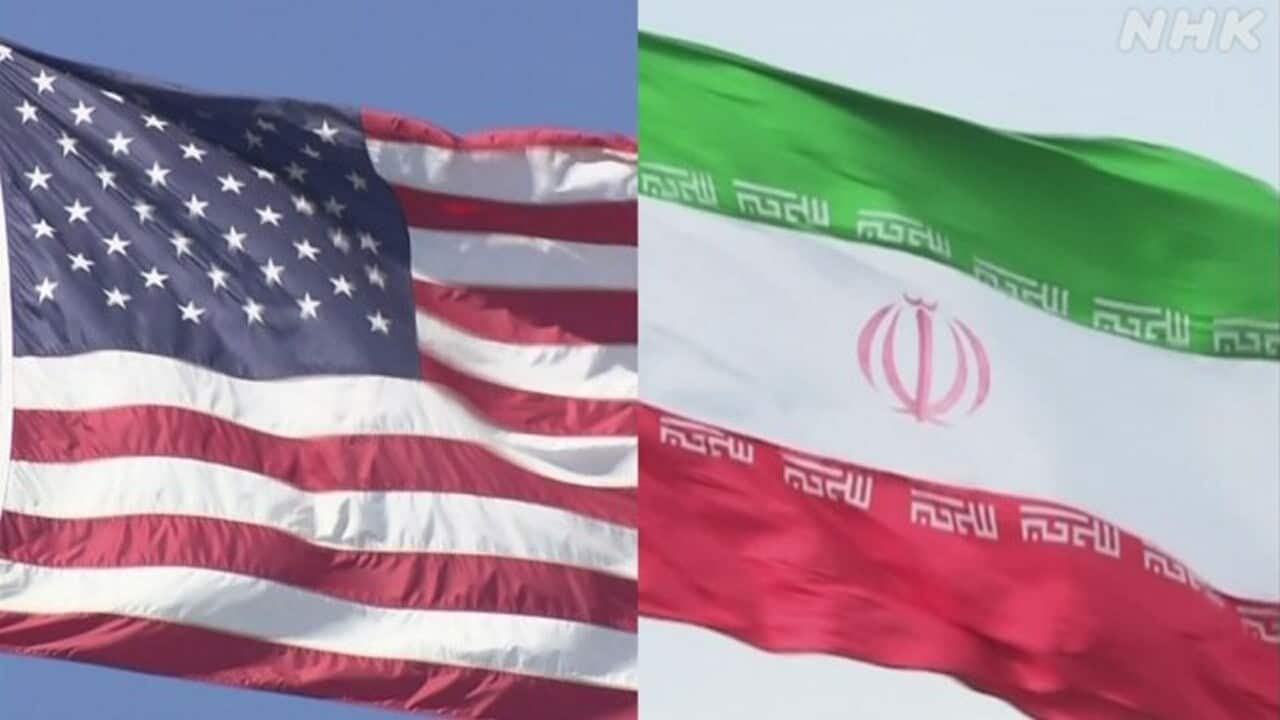
イランとの戦闘終結に向けた協議をめぐり、アメリカのトランプ大統領は、イランがウランの濃縮活動の停止を確実に履行する保証が必要だという考えを示しました。一方、イランのアラグチ外相は「われわれはアメリカを信用していない」と改めて強調していて、双方の不信感から協議は依然として難航しているものとみられます。
トランプ大統領は、訪問先の中国から帰国する大統領専用機の機内で記者団の取材に応じ、イランとの協議で焦点となっているウランの濃縮活動の停止期間について「20年で十分だ。ただ、彼らの保証のレベルが十分ではない」と述べ、イランが濃縮活動の停止を確実に履行する保証が必要だという考えを示しました。
また、濃縮ウランの国外への移送については「イランはすべてを取り除かなければならないが、われわれは話し合いすらしていない。彼らは除去する技術がないから取り除けないと言った」と述べ、議論が進んでいないことを明らかにしました。
さらに記者が「彼らはそれを除去しないのか」と問うと、トランプ大統領は「彼らは除去する技術がないから取り除けないと言った」と答えました。
そのうえで、「イランは最終的には同意するだろう」と述べて、アメリカがイランにある濃縮ウランを国外に移したいという考えを改めて示しました。
一方、15日、訪問先のインドで記者会見を開いたイランのアラグチ外相は、濃縮ウランをめぐり、「非常に複雑で、この問題ではほぼ行き詰まっているという認識でアメリカ側と一致している。当面は交渉の対象としない」と述べ、協議を先送りする考えを示しました。
また、アラグチ外相は「われわれはアメリカを信用していない。これがあらゆる外交努力において主要な障害となっている」と改めて強調していて、双方の不信感から協議は依然として難航しているものとみられます。
そのうえで、「現在の協議でも信頼の欠如に悩まされている。アメリカ側から届く矛盾したメッセージにも悩まされている。きょうのSNSへの投稿が前日とは異なることもある。アメリカが真剣になり、公正でバランスのとれた合意に向けて準備が整ったと感じた時点で、間違いなく協議を進める」と主張しました。
また、アラグチ外相は、トランプ大統領が中国の習近平国家主席との首脳会談の成果をアピールする中、「われわれは中国と非常に良好な関係にあり、互いに戦略的なパートナーでもある。外交を支援するために中国が行うことができるあらゆる取り組みを歓迎する」と述べました。
トランプ大統領は、訪問先の中国から帰国する大統領専用機の機内で記者団の取材に応じ、イランとの協議で焦点となっているウランの濃縮活動の停止期間について「20年で十分だ。ただ、彼らの保証のレベルが十分ではない」と述べ、イランが濃縮活動の停止を確実に履行する保証が必要だという考えを示しました。
また、濃縮ウランの国外への移送については「イランはすべてを取り除かなければならないが、われわれは話し合いすらしていない。彼らは除去する技術がないから取り除けないと言った」と述べ、議論が進んでいないことを明らかにしました。
さらに記者が「彼らはそれを除去しないのか」と問うと、トランプ大統領は「彼らは除去する技術がないから取り除けないと言った」と答えました。
そのうえで、「イランは最終的には同意するだろう」と述べて、アメリカがイランにある濃縮ウランを国外に移したいという考えを改めて示しました。
一方、15日、訪問先のインドで記者会見を開いたイランのアラグチ外相は、濃縮ウランをめぐり、「非常に複雑で、この問題ではほぼ行き詰まっているという認識でアメリカ側と一致している。当面は交渉の対象としない」と述べ、協議を先送りする考えを示しました。
また、アラグチ外相は「われわれはアメリカを信用していない。これがあらゆる外交努力において主要な障害となっている」と改めて強調していて、双方の不信感から協議は依然として難航しているものとみられます。
そのうえで、「現在の協議でも信頼の欠如に悩まされている。アメリカ側から届く矛盾したメッセージにも悩まされている。きょうのSNSへの投稿が前日とは異なることもある。アメリカが真剣になり、公正でバランスのとれた合意に向けて準備が整ったと感じた時点で、間違いなく協議を進める」と主張しました。
また、アラグチ外相は、トランプ大統領が中国の習近平国家主席との首脳会談の成果をアピールする中、「われわれは中国と非常に良好な関係にあり、互いに戦略的なパートナーでもある。外交を支援するために中国が行うことができるあらゆる取り組みを歓迎する」と述べました。
この記事の単語 (96)
×7
協議
きょうぎ
conference; consultation; discussion; negotiation
×5
述べる
のべる
to state; to express; to mention
×4
考え
かんがえ
1. thinking; thought; view; opinion; concept 2. idea; notion; imagination
×4
示す
しめす
1. to (take out and) show; to demonstrate; to tell; to exemplify; to make apparent 2. to point out (finger, clock hand, needle, etc.)
×4
外相
がいしょう
Foreign Minister
×4
我々
われわれ
we
×4
中国
ちゅうごく
1. China 2. Chūgoku region of western Honshu (incl. Okayama, Hiroshima, Shimane, Tottori and Yamaguchi prefectures)
×3
濃縮
のうしゅく
concentration (e.g. of a solution); enrichment; condensation
×3
活動
かつどう
1. activity (of a person, organization, animal, volcano, etc.); action 2. movie (esp. during the silent movie period)
×3
停止
ていし
1. stoppage; coming to a stop; halt; standstill 2. ceasing (movement, activity, etc.); suspension (of operations); interruption (e.g. of electricity supply); cutting off
×3
保証
ほしょう
guarantee; security; assurance; pledge; warranty
×3
改めて
あらためて
1. another time; again; over again; once again; anew 2. formally; especially; intentionally; deliberately
×3
濃縮ウラン
のうしゅくウラン
enriched uranium
×3
除去
じょきょ
removal; getting rid of
×2
巡る
めぐる
1. to go around 2. to return
×2
確実
かくじつ
certain; sure; definite; reliable; sound; solid; safe; secure
×2
履行
りこう
performance (of a duty); fulfillment (of a promise); fulfilment; execution (of a contract); discharge; implementation
×2
信用
しんよう
1. confidence; trust; faith; reputation 2. credit (finance)
×2
強調
きょうちょう
emphasis; highlight; stress; stressed point
×2
双方
そうほう
both parties; both sides
×2
不信感
ふしんかん
distrust; suspicion
×2
依然
いぜん
still; as yet; as it has been
×2
難航
なんこう
1. difficult voyage; hard flight 2. rough going; rough passage; running into trouble; stormy passage
×2
訪問先
ほうもんさき
destination; place where one is visiting
×2
国外
こくがい
outside the country; abroad
×2
取り除ける
とりのける
1. to remove; to clear away 2. to except from; to make an exception of
×2
非常
ひじょう
1. emergency 2. extraordinary; unusual
×2
あらゆる
all; every
×2
外交
がいこう
1. diplomacy 2. selling (e.g. door-to-door); canvassing
×2
悩ます
なやます
to afflict; to torment; to harass; to molest
×1
戦闘
せんとう
battle; fight; combat
×1
終結
しゅうけつ
end; close
×1
帰国
きこく
return to one's country
×1
大統領
だいとうりょう
1. president (of a nation) 2. big man; boss; buddy; mate
×1
専用機
せんようき
personal aeroplane; personal airplane
×1
機内
きない
inside a plane; in-flight
×1
記者団
きしゃだん
press group; press corps; group of reporters; press organization; press organisation
×1
取材
しゅざい
1. news coverage; collecting data (e.g. for an article); covering (something for media) 2. interview
×1
応じる
おうじる
to respond; to satisfy; to accept; to comply with; to apply for
×1
焦点
しょうてん
focus (e.g. photographic); focal point
×1
期間
きかん
period; term; interval
×1
唯
ただ
1. ordinary; common; usual 2. free of charge
×1
移送
いそう
transfer; transport; removal
×1
取り除く
とりのぞく
to remove; to deinstall; to take away; to set apart
×1
話し合い
はなしあい
discussion; talk; tête-à-tête; conference
×1
すら
しゅら
1. Asura; demigod; anti-god; titan; demigods that fight the Devas (gods) in Hindu mythology 2. fighting; carnage; conflict; strife
×1
議論
ぎろん
argument; discussion; dispute; controversy
×1
進む
すすむ
1. to advance; to go forward 2. to precede; to go ahead (of)
×1
明らか
あきらか
1. clear; obvious; evident; plain; definite 2. bright; light
×1
記者
きしゃ
reporter; journalist
×1
問う
とう
1. to ask; to inquire 2. to blame (someone) for; to accuse of; to pursue (question of responsibility); to charge with
×1
答える
こたえる
to answer; to reply
×1
最終的
さいしゅうてき
final; eventual; ultimate
×1
同意
どうい
1. agreement; consent; approval; assent 2. same opinion; same view
×1
移す
うつす
1. to change; to swap; to substitute; to transfer 2. to change the object of one's interest or focus
×1
記者会見
きしゃかいけん
press conference
×1
開く
ひらく
1. to open; to undo; to unseal; to unpack 2. to bloom; to unfold; to spread out
×1
ほぼ
almost; roughly; approximately
×1
行き詰まる
いきづまる
to come to a dead end; to come to a standstill; to reach a deadlock; to reach an impasse; to reach a stalemate
×1
認識
にんしき
recognition; awareness; perception; understanding; knowledge; cognition; cognizance; cognisance
×1
一致
いっち
1. coincidence; agreement; union; match 2. conformity; consistency
×1
当面
とうめん
1. current; urgent; pressing; impending 2. to confront (an issue); to face (up to something)
×1
交渉
こうしょう
1. negotiations; discussions 2. connection
×1
対象
たいしょう
target; object (of worship, study, etc.); subject (of taxation, etc.)
×1
先送り
さきおくり
postpone
×1
努力
どりょく
effort; exertion; endeavour; endeavor; hard work; striving
×1
主要
しゅよう
chief; main; principal; major
×1
障害
しょうがい
1. obstacle; impediment; hindrance; difficulty; barrier 2. handicap; impairment; disability; disorder; malfunction
×1
現在
げんざい
now; current; present; present time; as of
×1
信頼
しんらい
reliance; trust; faith; confidence
×1
欠如
けつじょ
lack; absence; shortage; deficiency; privation
×1
届く
とどく
1. to reach; to touch; to get to; to carry (of sound) 2. to be delivered; to arrive
×1
矛盾
むじゅん
contradiction; inconsistency
×1
投稿
とうこう
contribution (to a newspaper, magazine, etc.); submission; post (on a blog, social media, etc.)
×1
前日
ぜんじつ
previous day; day before; eve; prior day; preceding day
×1
異なる
ことなる
to differ; to vary; to disagree
×1
真剣
しんけん
1. serious; earnest 2. real sword (as opposed to a wooden practice weapon)
×1
公正
こうせい
justice; fairness; impartiality
×1
とれる
1. to come off; to be removed 2. to disappear (of pain, a fever, etc.)
×1
合意
ごうい
(coming to an) agreement; consent; mutual understanding; accord; consensus
×1
整う
ととのう
1. to be ready; to be prepared; to be arranged 2. to be in order; to be put in order; to be well-ordered; to be well-proportioned; to be harmonious
×1
感じる
かんじる
to feel; to sense; to experience
×1
時点
じてん
point in time; occasion
×1
間違い
まちがい
1. mistake; error; blunder 2. accident; mishap; trouble
×1
進める
すすめる
1. to advance; to move forward; to put (a clock, watch) forward 2. to carry forward (plans, work, etc.); to proceed with; to make progress in; to further; to advance; to hasten; to speed up
×1
主張
しゅちょう
claim; insistence; assertion; advocacy; emphasis; contention; opinion; tenet
×1
習近平
しゅうきんぺい
Xi Jinping (person)
×1
国家主席
こっかしゅせき
head of state
×1
首脳会談
しゅのうかいだん
leadership conference; summit meeting; top-level conference
×1
成果
せいか
(good) result; outcome; fruits (of one's labors); product; accomplishment
×1
良好
りょうこう
good; fine; excellent; favorable; favourable; satisfactory
×1
互い
たがい
each other; one another
×1
戦略的
せんりゃくてき
strategic
×1
支援
しえん
support; backing; aid; assistance
×1
取り組み
とりくみ
1. bout (in sports, etc.); match 2. effort; initiative; dealing with; grappling with; wrestling with
×1
歓迎
かんげい
welcome; reception