バブル期は「芸妓80人」「ストリップ劇場」の大繁盛→《大型ホテルは廃墟》に…年間30万人が来た温泉街の現在地
予習
この記事のキーワード — タップで意味×24
温泉
おんせん
1. hot spring 2. onsen; hot spring resort; hot spring spa
N2×18
温泉街
おんせんがい
hot spring district (within a town)
×6
芸妓
げいぎ
geisha
×7
朝日
あさひ
morning sun
×5
宿泊客
しゅくはくきゃく
guest spending the night (i.e. at a hotel)
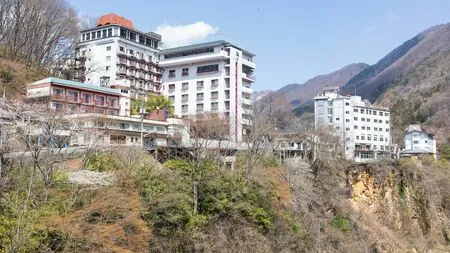
群馬県北部の山奥にある老神温泉。温泉街を歩いてみると、入り口には10階建ての巨大な廃墟ホテルがそびえたっている。そして看板だけが残る土産物店、かつての置屋やストリップ劇場の跡も目に入る。平日の昼間、通りを歩く人の姿はほとんどない。
しかし、かつてここには年間約30万人もの宿泊客が押し寄せ、大型ホテルの前には観光バスが一度に9台も並び、約80人の芸妓が街を行き交っていたという。
バブル期に多くの団体客で賑わった温泉街は、今どうなっているのか。現地を歩き、街の記憶をたどった。
群馬県北部の山奥にある老神温泉。温泉街を歩いてみると、入り口には10階建ての巨大な廃墟ホテルがそびえたっている。そして看板だけが残る土産物店、かつての置屋やストリップ劇場の跡も目に入る。平日の昼間、通りを歩く人の姿はほとんどない。 しかし、かつてここには年間約30万人もの宿泊客が押し寄せ、大型ホテルの前には観光バスが一度に9台も並び、約80人の芸妓が街を行き交っていたという。 バブル期に多くの団体客で賑わった温泉街は、今どうなっているのか。現地を歩き、街の記憶をたどった。
■バブル期の面影を残す温泉街を歩く 今や廃墟となって佇んでいる朝日ホテルは、明治時代の1911年に創業した老舗の温泉旅館だ。現地で聞いた話によると1970年代後半に10階建てに改築したそうだ。ホテルの屋上には露天風呂があり、大浴場にはサウナもあったという。 現在の老神温泉を訪れる宿泊客は1年間に約14万人だが、最盛期には2倍以上の約30万人に達していた。朝日ホテルはその多くを受け入れていたのだろう。
ホテルの入り口へ進んでいくと破産した旨を伝える通知書が貼られていた。どうやら2010年に廃業したようだ。さらに温泉街に歩みを進めていくと看板だけが残る土産物屋もあった。 土産物屋の先には、朝日ホテルより少し小さいホテルがそのまま残されている。ホテルの入り口には「ホテルニュー老神」と書かれていた。8階建のホテルだったようだ。 後日取り寄せた登記簿によると、1969年にビルが建築。2005年に最初の差し押さえとなるも、2010年に差し押さえは解除。しかし、2016年に再び差し押さえとなり、競売へ。その後、所有者が転々としている。
続いて温泉街の中心へ向かってみることに。道路を走る車はときおり見かけるものの、歩行者はほとんどいない。室外機の回る音が聞こえるほど静かであり、見知らぬ住宅街に迷い込んだような錯覚を覚えた。 温泉街には芸妓が所属した置屋やストリップ劇場の跡地も残っていた。かつて団体旅行で賑わった街の名残が感じられる。 街の外れには団体旅行客を受け入れていたと思われるペンションもあった。 筆者が訪れたのは平日の昼間ということもあり、街に人の姿が見られなかった。老神温泉はどのような歴史を紡いできた温泉地なのだろうか。
■温泉街の移転により最盛期へ ここで老神温泉の少し複雑な歴史について触れておきたい。 現在の温泉街は山を切り拓いた崖沿いにある。崖の下には片品川が流れており、その景観を楽しめる旅館も少なくない。しかし、もともとの老神温泉は崖の下にあった。片品川の河岸で数軒の旅館が営業していたそうだ。 1930年には東京新聞の前身の一つである国民新聞が主催する「全国温泉十六佳選」で7位に選ばれる。温泉地として一定の知名度を獲得していたようだ。
しかし、1953年に片品川に薗原ダムの建設が決定したことにより、老神温泉の歴史は大きく変わる。ダムの建設により、老神温泉にあった5世帯の旅館は水没することになったのだ。 当時の建設省は補償として新たな源泉を10本掘削した。その源泉を使った温泉旅館が1960年代の後半から建築され、温泉街も拡張した。1960年代は高度経済成長期の真っ只中であり、会社の慰安旅行などの団体旅行が盛んになった時期だ。結果だけ見ると、ダム建設により温泉旅館が移転したことは温泉街にとって好影響だったようだ。
■夕方に芸妓の靴音が響く温泉街 では老神温泉はどのように栄えていたのだろうか。 かつての温泉街を象徴する大型旅館「朝日ホテル」。その隣にある「金龍園」を訪れてみると、先代の女将を務めていた小尾るみ子さん(76)が当時の様子を教えてくれた。 「私がここに来たのは1975年。町にはストリップ劇場が2軒あってさ、芸妓も多くてね。温泉街全体で80人くらいいたのかな。夕方5時30分頃になると芸妓の草履の音が響いていたよ。それが1980年代の終わりまで続いたかな」
高度経済成長期を経て企業の社員旅行は一般的になった。老神温泉は首都圏から近いこともあり、大型観光バスを使った旅行先として選ばれていた。「みんなバスで来ていたよね。隣の朝日ホテルは多い時で9台くらいバスがとまっていたよ」と小尾さんは話す。 1980年代の後半にはスキーやゴルフなどのレジャーが全国的なブームになる。老神温泉は山の中にあり、近くにはゴルフ場やスキー場が点在する。1985年には東京と新潟をつなぐ関越道が開通。群馬県の北部にあり、関越道の沼田インターチェンジからアクセスできる老神温泉は、レジャーを目的とした旅行客の宿泊地にも選ばれた。
しかし、バブルが崩壊すると状況は徐々に変わっていく。福利厚生費を抑えるために企業の団体旅行は減少し、ゴルフやスキーブームも終焉する。大きな転換となったのは1995年だった。小尾さんは「阪神・淡路大震災の後に一気に落ち込んだんだよ」と振り返る。 1995年に公表された群馬県の統計を見てみると、老神温泉の宿泊客数は約27万人を記録しているか、翌年には約22万人にまで減少。環境省の統計でも宿泊施設数のピークは1995年であり、それ以降は施設数の減少が20年間続く。全国の温泉施設にとって冬の時代が訪れ始めた。
■団体旅行客が去った温泉地 2000年代に入るとインターネットの普及などもあり、温泉地を訪れる客は個人が多くなった。この時期に14部屋ある金龍園は改装を実施している。その時の調査によると2人の夫婦客が約7割を占めていたそうだ。 「昔は部屋の定員が5人だったんだ。泊まる客は大抵4人。それが2人に減ったわけだから単純に考えてお客さんの数が半分になっているよね」 一方で、朝日ホテルは個人客のニーズに合わせた業態へ転換できなかった。部屋数の多い旅館が改装する場合、多額の投資金額が必要になる。宿泊客数が減り続けるなか、その投資をする余力はなかったのだろう。
また大型ホテルほど人件費は嵩む。時代のニーズに応えられなくなり、徐々に資金繰りが悪化したことは想像にかたくない。2010年に老神温泉を象徴する朝日ホテルは破産した。 さらに温泉街も徐々に縮小していった。 「街にあるお饅頭屋さんやお土産屋さんも少しずつなくなっていってね。昔は3軒くらいあったんだよ。でも最後まで残っていたところもコロナ禍で店を畳んでしまったんだ」 ■気軽に訪れることのできる温泉街へ 街をもう一度歩いてみると、車から降りて旅館に入っていく高齢者の夫婦や幼い子どもを連れた家族の姿が見られた。現在の老神温泉は温泉街を楽しむのではなく、少ない人数で静かに休む宿泊地に変わっているようだ。
老神温泉には目玉となる観光スポットはない。泉質のいい温泉や心を打たれる雄大な景色もあるが、そのよさは訪れるまでわからない。初めて訪れる人が宿泊地として選ぶには、決め手に欠ける印象だ。 しかし、関東圏に住む人のプチ旅行先としてのポテンシャルは持っているように思える。老神温泉の周囲にはアウトドア施設やスキー場、ゴルフ場などバラエティ豊かなレジャースポットが点在する。これらの目的地と組み合わせることで個人の嗜好にあった旅行計画を実現できそうだ。
旅行価格が高騰する現代において、近隣への旅行需要は増えていくはずだ。その需要を取り込み、街が生まれ変わることを期待したい。
この記事の単語 (229)
×24
温泉
おんせん
1. hot spring 2. onsen; hot spring resort; hot spring spa
×18
老神
おいかみ
Oikami (place)
×18
温泉街
おんせんがい
hot spring district (within a town)
×10
街
まち
1. town; block; neighbourhood; neighborhood 2. downtown; main street
×8
訪れる
おとずれる
1. to visit; to call on 2. to arrive (season, time, situation, etc.); to come; to appear
×7
朝日
あさひ
morning sun
×6
嘗て
かつて
1. once; before; formerly; ever; former; ex- 2. never yet; never before; first time; still not happened
×6
芸妓
げいぎ
geisha
×6
数
すう
1. several; a number of 2. quantity; amount
×5
宿泊客
しゅくはくきゃく
guest spending the night (i.e. at a hotel)
×5
大型
おおがた
large; large-sized; large-scale; big
×4
群馬県
ぐんまけん
Gunma prefecture (Kanto area)
×4
入り口
いりぐち
entrance; entry; gate; approach; mouth
×4
ストリップ劇場
ストリップげきじょう
strip club
×4
姿
すがた
1. figure; form; shape 2. appearance; dress; guise
×4
年間
ねんかん
1. (period of) a year 2. during an era
×4
団体
だんたい
organization; organisation; association
×3
北部
ほくぶ
northern part; the north (of a region)
×3
廃虚
はいきょ
ruins; abandoned building
×3
看板
かんばん
1. signboard; sign; billboard; hoarding; doorplate 2. draw; attraction; feature; highlight; spokesman; figurehead
×3
置屋
おきや
geisha house; establishment with geisha on its books for whom it acts as an agency
×3
平日
へいじつ
1. weekday; ordinary days (i.e. non-holiday) 2. kanji radical 73
×3
観光
かんこう
sightseeing; tourism
×3
賑わう
にぎわう
1. to be crowded with people; to be bustling with 2. to prosper; to flourish; to do thriving business
×3
現地
げんち
actual place; local; on-site
×3
温泉旅館
おんせんりょかん
inn with hot spring facilities; hot spring inn; hot spring ryokan; onsen ryokan
×3
後半
こうはん
second half; latter half
×3
現在
げんざい
now; current; present; present time; as of
×3
差し押さえ
さしおさえ
seizure; attachment; foreclosure
×3
団体旅行
だんたいりょこう
group travel
×3
旅行客
りょこうきゃく
tourist; traveler; traveller; visitor
×3
崖
がけ
1. cliff; precipice 2. precipice; brink of a dangerous situation
×3
建設
けんせつ
construction; establishment
×3
小尾
おお
Oo (surname)
×3
徐々
じょじょ
1. slow; gradual; steady 2. calm; composed; relaxed
×3
減少
げんしょう
decrease; reduction; decline
×3
施設
しせつ
1. institution; establishment; facility 2. home (for elderly, orphans, etc.)
×2
山奥
やまおく
deep in the mountains; mountain recesses
×2
巨大
きょだい
huge; gigantic; enormous
×2
聳え立つ
そびえたつ
to tower over the surroundings
×2
跡
あと
1. trace; tracks; mark; sign 2. site; remains; ruins
×2
通り
とおり
1. avenue; street; way; road 2. coming and going; street traffic
×2
押し寄せる
おしよせる
to advance on; to close in; to march on; to descend on (the enemy); to move towards; to surge forward (crowd, wave of nostalgia, wave, etc.); to rush for (the door); to inundate; to overwhelm; to push aside
×2
行き交う
ゆきかう
to come and go; to go back and forth
×2
記憶
きおく
1. memory; recollection; remembrance 2. storage
×2
辿る
たどる
to follow (road); to pursue (course); to follow up; to follow (hyperlink)
×2
残す
のこす
1. to leave (behind) 2. to leave (undone); to not finish
×2
最盛期
さいせいき
1. golden age; prime; heyday; height of prosperity 2. season (for fruit, vegetables, etc.); best time
×2
受け入れる
うけいれる
to accept; to receive; to agree
×2
破産
はさん
bankruptcy; insolvency
×2
土産物屋
みやげものや
souvenir store; gift shop
×2
建築
けんちく
construction; architecture (of buildings)
×2
移転
いてん
1. moving; relocation; change of address 2. transfer (of deeds, property, etc.); demise
×2
楽しむ
たのしむ
to enjoy (oneself)
×2
片品川
かたしながわ
Katashinagawa (unclass)
×2
東京
とうきょう
Tokyo
×2
全国
ぜんこく
the whole country
×2
当時
とうじ
at that time; in those days
×2
源泉
げんせん
1. source (of a spring, etc.) 2. source (of payment, energy, knowledge, etc.); origin; wellspring
×2
高度経済成長
こうどけいざいせいちょう
rapid economic growth (esp. that of Japan in the post-WWII period)
×2
期
き
1. period; time 2. opportunity; chance; occasion
×2
時期
じき
time; season; period; phase; stage
×2
響く
ひびく
1. to resound; to be heard far away 2. to reverberate; to shake; to vibrate
×2
象徴
しょうちょう
(abstract) symbol; emblem; representation
×2
龍園
たつぞの
Tatsuzono (surname)
×2
企業
きぎょう
enterprise; business; company; corporation
×2
旅行先
りょこうさき
destination
×2
ゴルフ場
ゴルフじょう
golf course; golf links
×2
スキー場
スキーじょう
ski resort; ski area
×2
点在
てんざい
being dotted with; being scattered
×2
関越道
かんえつどう
Kan-Etsu Expressway (abbr) (place)
×2
転換
てんかん
conversion; diversion; changeover; commutation; switchover
×2
統計
とうけい
statistics
×2
個人
こじん
individual; private person; personal; private
×2
改装
かいそう
remodelling; remodeling; reorganization; reorganisation
×2
夫婦
ふうふ
1. married couple; husband and wife; man and wife 2. his and hers; pair of objects, one larger (for man), one smaller (for woman)
×2
減る
へる
to decrease (in size or number); to diminish; to abate
×2
投資
とうし
investment
×2
需要
じゅよう
demand; request
×1
面影
おもかげ
face; looks; vestiges; trace
×1
佇む
たたずむ
to stand (still) a while; to loiter; to stop
×1
明治時代
めいじじだい
Meiji period (1868-1912)
×1
創業
そうぎょう
establishment (of a business); founding
×1
老舗
しにせ
long-established shop; shop of long standing; old shop
×1
改築
かいちく
structural alteration (of a building); reconstruction; rebuilding; remodelling; remodeling
×1
露天風呂
ろてんぶろ
open air bath; rotemburo
×1
大浴場
だいよくじょう
large public bath
×1
達する
たっする
to reach; to get to; to arrive at
×1
旨
むね
1. principle; aim; main purpose; central part; pillar 2. purport; gist; drift; meaning
×1
通知書
つうちしょ
written notification; notification (written)
×1
やら
1. denotes uncertainty 2. such things as A and B; A and B and so on; A and B and the like; A and B and whatnot
×1
廃業
はいぎょう
discontinuation (of business); closing down; giving up (one's practice); retiring
×1
歩み
あゆみ
1. walking 2. pace; step
×1
進める
すすめる
1. to advance; to move forward; to put (a clock, watch) forward 2. to carry forward (plans, work, etc.); to proceed with; to make progress in; to further; to advance; to hasten; to speed up
×1
そのまま
1. without change; as is 2. just like; extremely similar
×1
後日
ごじつ
in the future; another day; later
×1
取り寄せる
とりよせる
1. to order; to send away for; to have (something) sent to one 2. to pull (something) closer
×1
登記簿
とうきぼ
register
×1
解除
かいじょ
cancellation; rescinding; release; calling off; lifting (sanctions); delisting
×1
再び
ふたたび
again; once more; a second time
×1
競売
きょうばい
auction
×1
所有者
しょゆうしゃ
owner
×1
転々
てんてん
1. moving from place to place; being passed around repeatedly 2. rolling about
×1
中心
ちゅうしん
1. center; centre; middle; heart; core; focus; pivot; emphasis; balance 2. -centered; -centred; -focused; -oriented; centered on; focused on
×1
道路
どうろ
road; highway
×1
時折
ときおり
sometimes
×1
見掛ける
みかける
to (happen to) see; to notice; to catch sight of
×1
歩行者
ほこうしゃ
pedestrian; walker
×1
室外機
しつがいき
outdoor unit (esp. air conditioner condenser)
×1
見知る
みしる
to recognise; to recognize; to know by sight; to become acquainted with
×1
住宅街
じゅうたくがい
residential area
×1
迷い込む
まよいこむ
to stray into; to lose one's way (and enter); to wander into
×1
錯覚
さっかく
1. optical illusion; hallucination 2. misapprehension; delusion
×1
所属
しょぞく
belonging to (a group, organization, etc.); affiliation (with); being attached to; being under the control of
×1
跡地
あとち
former site (of something); site (e.g. of a demolished building)
×1
名残り
なごり
1. remains; traces; vestiges; relics 2. (the sorrow of) parting
×1
感じる
かんじる
to feel; to sense; to experience
×1
外れ
はずれ
1. end; verge; extremity; tip; outskirts 2. miss; failure; blank (e.g. lottery ticket)
×1
筆者
ひっしゃ
writer; author
×1
紡ぐ
つむぐ
1. to spin; to make yarn 2. to spin (a tale); to assemble (e.g. words); to put together
×1
触れる
ふれる
1. to touch; to feel 2. to touch (with)
×1
切り開く
きりひらく
to clear (land); to open up; to cut through
×1
片品
かたしな
Katashina (place)
×1
流れる
ながれる
1. to stream; to flow (liquid, time, etc.); to run (ink) 2. to be washed away; to be carried
×1
景観
けいかん
scenery
×1
元々
もともと
originally; by nature; from the start
×1
河岸
かし
1. riverbank; riverside 2. market on the riverbank (esp. fish market)
×1
営業
えいぎょう
1. business; trade; operations 2. sales
×1
前身
ぜんしん
antecedents; ancestor; previous position; previous existence; predecessor organization; predecessor organisation
×1
国民新
こくみんしん
Kokumin Shinto; People's New Party (Japanese political party)
×1
主催
しゅさい
sponsorship (i.e. conducting under one's auspices); promotion; organizing; organising; hosting; staging
×1
一定
いってい
fixed; settled; constant; definite; uniform; regularized; regularised; defined; standardized; standardised; certain; prescribed
×1
知名度
ちめいど
degree of familiarity; popularity
×1
獲得
かくとく
acquisition; possession
×1
薗原ダム
そのはらダム
Sonohara dam (place)
×1
決定
けってい
decision; determination
×1
世帯
せたい
household; home; family; housekeeping
×1
水没
すいぼつ
submerge
×1
建設省
けんせつしょう
Ministry of Construction
×1
補償
ほしょう
compensation; reparation
×1
新た
あらた
new; fresh; novel
×1
掘削
くっさく
digging out; excavation
×1
拡張
かくちょう
1. expansion; extension; enlargement 2. escape; ESC
×1
真っ只中
まっただなか
right in the midst of; right at the height of
×1
慰安旅行
いあんりょこう
pleasure trip; company (office) trip
×1
結果
けっか
1. result; consequence; outcome; effect 2. coming to fruition; bearing fruit
×1
好影響
こうえいきょう
favorable influence; favourable influence
×1
靴音
くつおと
walking sound; footsteps
×1
栄える
さかえる
to prosper; to flourish
×1
先代
せんだい
1. previous generation (e.g. one's parents); family predecessor 2. predecessor
×1
女将
おかみ
proprietress (of a traditional Japanese inn or restaurant); landlady; hostess; mistress
×1
務める
つとめる
1. to work (for); to be employed (at); to serve (in) 2. to serve (as); to act (as); to fill (the position of); to play the role (of)
×1
るみ子
るみこ
Rumiko (fem)
×1
様子
ようす
1. state; state of affairs; situation; circumstances 2. appearance; look; aspect
×1
全体
ぜんたい
whole; entirety; whatever (is the matter)
×1
頃
ころ
1. (approximate) time; around; about; toward 2. suitable time (or condition)
×1
草履
ぞうり
zōri; traditional Japanese thonged sandals
×1
経る
へる
1. to pass; to elapse; to go by 2. to pass through; to go through
×1
社員旅行
しゃいんりょこう
company outing; company retreat
×1
一般的
いっぱんてき
general; popular; common; typical
×1
首都圏
しゅとけん
the capital city (often Tokyo) area (typically within 50 km of city's centre) (center)
×1
全国的
ぜんこくてき
nationwide; countrywide; national; throughout the country
×1
新潟
にいがた
Niigata (city, prefecture)
×1
繋ぐ
つなぐ
1. to connect; to link together 2. to tie; to fasten; to restrain
×1
開通
かいつう
1. opening (of a new road, railway, etc.); going into operation (e.g. telephone communication); beginning services 2. reopening (e.g. a road to traffic); resumption of services
×1
沼田
ぬまた
marshy rice field or paddy
×1
目的
もくてき
purpose; goal; aim; objective; intention
×1
崩壊
ほうかい
1. collapse; crumbling; breaking down; caving in 2. (radioactive) decay; disintegration
×1
状況
じょうきょう
state of affairs (around you); situation; circumstances
×1
福利厚生費
ふくりこうせいひ
welfare expense
×1
押さえる
おさえる
1. to pin down; to hold down; to press down 2. to cover (esp. a part of one's body with one's hand); to clutch (a body part in pain); to press (a body part)
×1
終焉
しゅうえん
demise
×1
阪神
はんしん
1. Osaka-Kobe 2. Hanshin (company name: railway, dept. store, baseball team, etc.)
×1
一気
いっき
1. one breath 2. chug!; drink!
×1
落ち込む
おちこむ
1. to feel down; to feel sad; to be depressed; to be in low spirits 2. to be in a slump (business, economy, etc.); to be in an unfavourable condition
×1
振り返る
ふりかえる
1. to turn one's head; to look over one's shoulder; to turn around; to look back 2. to think back (on); to reminisce; to look back (on); to reflect (on)
×1
公表
こうひょう
official announcement; proclamation
×1
記録
きろく
1. record; minutes; document 2. record (e.g. in sports); results; score
×1
翌年
よくねん
following year
×1
環境省
かんきょうしょう
Ministry of the Environment
×1
宿泊施設
しゅくはくしせつ
accommodation facility (e.g. hotel); lodging facility; boarding house
×1
以降
いこう
on and after; as from; hereafter; thereafter; since
×1
普及
ふきゅう
diffusion; spread; popularization; promulgation; familiarization
×1
実施
じっし
enforcement; implementation; putting into practice; carrying out; operation; working (e.g. working parameters); enactment
×1
調査
ちょうさ
investigation; examination; inquiry; enquiry; survey
×1
割
わり
1. rate; ratio; proportion; percentage 2. profit
×1
占める
しめる
1. to occupy; to hold 2. to account for; to make up; to take up
×1
定員
ていいん
1. fixed number (of people); prescribed number (of regular personnel, students, etc.); quota; numerical limit; complement 2. capacity (of a bus, boat, theatre, etc.); seating capacity
×1
大抵
たいてい
1. mostly; ordinarily; usually; generally 2. probably
×1
単純
たんじゅん
simple; plain; uncomplicated; straightforward
×1
お客さん
おきゃくさん
1. guest; visitor 2. customer; client; shopper; spectator; audience; tourist; sightseer; passenger
×1
合わせる
あわせる
1. to match (rhythm, speed, etc.) 2. to join together; to unite; to combine; to add up
×1
業態
ぎょうたい
1. business conditions 2. business category; line of business
×1
多額
たがく
large (amount of money); huge; hefty; expensive
×1
金額
きんがく
amount of money; sum of money
×1
余力
よりょく
spare energy, time or money; remaining strength; reserve power; money to spare
×1
人件費
じんけんひ
1. personnel expenses; labor cost; labour cost 2. indirect labour costs; indirect labor costs
×1
嵩む
かさむ
to mount up; to pile up; to accumulate; to increase
×1
資金
しきん
funds; capital
×1
悪化
あっか
(suffer) deterioration; growing worse; aggravation; degeneration; corruption
×1
想像
そうぞう
imagination; guess
×1
縮小
しゅくしょう
reduction; curtailment
×1
饅頭
まんじゅう
manjū; steamed yeast bun with filling
×1
コロナ禍
コロナか
coronavirus crisis; COVID-19 calamity
×1
畳む
たたむ
1. to fold (clothes, umbrella) 2. to close (a shop, business)
×1
気軽
きがる
1. carefree; buoyant; lighthearted; sprightly 2. ease
×1
高齢者
こうれいしゃ
old person; old people
×1
幼い
おさない
1. very young; little 2. childish; immature
×1
人数
にんずう
1. the number of people 2. many people; a large number of people
×1
目玉
めだま
1. eyeball 2. special feature; centerpiece; showpiece; drawcard
×1
観光スポット
かんこうスポット
tourist attraction; sight-seeing area
×1
泉質
せんしつ
hot spring water quality; spring quality; hot spring type
×1
雄大
ゆうだい
grand; magnificent; majestic; great; sublime
×1
決め手
きめて
1. decider; person who decides 2. deciding factor; clincher; trump card; winning move
×1
欠ける
かける
1. to be chipped; to be damaged; to be broken 2. to be lacking; to be missing
×1
印象
いんしょう
impression
×1
周囲
しゅうい
1. surroundings; environs 2. circumference
×1
豊か
ゆたか
1. abundant; wealthy; plentiful; rich; affluent 2. very; extremely; full of; great
×1
目的地
もくてきち
place of destination
×1
組み合わせる
くみあわせる
to join together; to combine; to join up
×1
嗜好
しこう
taste; liking; preference
×1
実現
じつげん
implementation (e.g. of a system); materialization; materialisation; realization; realisation; actualization; actualisation
×1
価格
かかく
price; value; cost
×1
高騰
こうとう
sudden price jump; steep price rise
×1
現代
げんだい
nowadays; modern era; modern times; present-day
×1
近隣
きんりん
neighbourhood; neighborhood; vicinity
×1
取り込む
とりこむ
1. to take in; to bring in; to adopt (e.g. behaviour); to introduce 2. to capture (e.g. image); to import
×1
生まれ変わる
うまれかわる
to be born again; to make a fresh start in life
×1
期待
きたい
1. expectation; anticipation; hope 2. promising; rising; up-and-coming