『VIVANT』壮大なモンゴルの風景を高校地理で読み解くと、遊牧民族や現代の都市問題まであらゆることが見えてきた
予習
この記事のキーワード — タップで意味×13
草原
そうげん
1. grassy field; grassland; meadow 2. grass-covered plain; savannah; prairie; steppe
×11
家畜
かちく
domestic animals; livestock; cattle
N1×14
暮らし
くらし
life; living; livelihood; life circumstances
×8
住まい
すまい
1. dwelling; house; residence; address 2. living; life
N2×5
住居
じゅうきょ
dwelling; house; residence; address
TBSドラマ『VIVANT』が人気だが、あの壮大な風景を地理の視点で見るとどうなるだろうか。書籍『勉強が面白くなった瞬間』を9月に上梓し「学びの楽しさ」を説く東大カルペ・ディエム代表の西岡壱誠氏が、高校で学ぶ地理の視点でドラマの舞台を読み解く。
■あの白くて丸い家は、なぜ草原に建つのか
7月から放送されている日曜劇場『VIVANT』の第2シーズンが、いよいよ明日11月8日、最終回を迎えます。
ところで、『VIVANT』を見ていて、気になったものはありませんか。
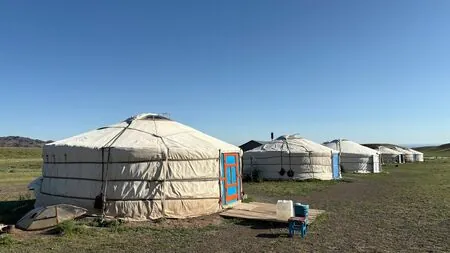
架空の国「バルカ共和国」の広大な風景の中に建つ、白くて丸い、テントのような住まい。あれは「ゲル」と呼ばれる、モンゴルの伝統的な住居です。そして、物語の中心にいる謎の組織の名前は「テント」でした。 なぜ、草原ではあのような家に住むのでしょうか。そして、人々が集まる「家」という視点から見ると、組織名の「テント」はどんな響きを持つのでしょうか。 今回は、高校で学ぶ地理を手がかりに、『VIVANT』の風景を読み解いてみたいと思います。
以降、第1シーズンの内容に触れますので、未視聴の人はネタバレに気をつけて読んでください。 ゲルは、モンゴル語で「家」を意味します。日本では「パオ」という呼び名で知っている人もいるかもしれません。見た目から、キャンプで使うテントを思い浮かべる人もいるでしょう。 ただ、遊牧民にとってのゲルは、旅先で一時的に泊まるためのものではありません。食事をし、眠り、子どもを育てる、日々の暮らしの場です。 その大きな特徴は、解体して運び、別の場所で組み立て直せること。いわば、「家ごと引っ越せる住まい」なのです。
私たちは引っ越しをするとき、家財道具を運びます。一方、遊牧の暮らしでは、家そのものも運びます。 なぜ、そんな仕組みが必要なのでしょうか。ここからが地理の出番です。 モンゴルには、乾燥した草原が広がっています。地理で習う「ステップ気候」は、こうした草原と結びつく気候です。 ただし、モンゴル全土が同じ環境というわけではなく、北部には森林もあり、南部にはゴビの乾燥地帯が広がっています。 草原地帯では雨が少なく、年や場所による降水量の変動も大きいため、作物を安定して育てるのが容易ではありません。さらに、冬の厳しい寒さも耕作の制約になります。
ここで注意したいのは、「木が育たないから農業ができない」ということではない、という点です。 樹木の育ちにくさも、耕作の難しさも、雨の少なさなどと関わっています。また、モンゴルでも条件の合う地域では畑作が行われています。 では、耕作が難しい草原で、人々はどうやって食料を得てきたのでしょうか。 ■人間が食べられない草を、家畜が食料に変える そこで活躍するのが、羊やヤギ、馬、牛、ラクダといった家畜です。人間は草原の草をそのまま主食にはできませんが、家畜はそれを食べて育ちます。そして人間は、家畜から乳や肉、毛などを得ることができます。
つまり、家畜を介して、草原の恵みを暮らしに取り込んでいるのです。 ただし、家畜を1カ所で飼い続けると、周囲の草に負担がかかります。草や水の得やすさも、季節によって変わります。 そこで人々は、家畜とともに牧地を移しながら暮らしてきました。これが「遊牧」です。 移動先は草の量だけでなく、水の確保や、冬の風雪を避けられる地形なども考えて選ばれます。家畜と一緒に移動するなら、住まいも移動できるほうがいい。ゲルの仕組みには、こうした暮らしの事情があるのです。
地理の学習で大切なのは、「モンゴルの住居はゲル」と名前だけを覚えて終わらないことです。 雨が少ない草原で、家畜を飼う。草や水、季節の条件に合わせて移動する。その暮らしを、運べる家が支える。 気候、植生、生業、住居をつなげて考えると、白くて丸い家の姿にも、理由が見えてきます。 ゲルは、材料や構造にも工夫があります。 基本となるのは木の骨組みで、その外側を羊毛のフェルトや布で覆います。壁の骨組みは格子状になっていて、折りたたむことができます。
解体すれば部材をまとめて運べるので、移動する暮らしに適しているのです。 なかでも面白いのが、フェルトです。 羊の毛は、衣服の材料になるだけではありません。ゲルを覆い、室内の暖かさを保つためにも使われます。寒い季節には覆いを厚くして、寒さに備えることもできます。家に重ね着をさせるようなイメージですね。 草を食べて育った羊の毛が、今度は人間の住まいを守る。家畜を飼うという営みが、食べ物と住まいの両方につながっているわけです。
ここで、地理で習う別の住居と比べてみましょう。乾燥した地域には、日干しれんがで造られた家もあります。土を成形し、日光で乾かしたれんがを積んだ、定住生活を支える住まいです。 同じ乾燥した土地でも、移動する暮らしでは「解体して運べること」が重要になります。定住する暮らしでは、別の条件を優先できます。 家の材料や形は、気候だけで決まるわけではありません。そこで暮らす人が、どのような生活を営んでいるのか。その視点を加えると、違いを理解しやすくなります。
■丸い家には、暮らしを支える知恵が詰まっている ゲルの屋根の中心には、「トーノ」と呼ばれる円形の開口部があります。光を取り込み、換気をするためのものです。 さらに、ここから差し込む日光の位置は、おおよその時刻を知る手がかりにもなってきました。家の構造が、時間を知る仕組みにもなっているのです。 私たちは普段、家の中の設備を別々のものとして考えがちです。明かり、換気、暖房、時計。それぞれに専用の道具があります。
ところが、ゲルを見ると、限られた材料と構造の中に、暮らしに必要な工夫が組み込まれていることがわかります。 解体できること。運べること。組み立て直せること。そして、厳しい自然の中で暮らせること。 「簡単な造りの家」と眺めていたものが、暮らしに合わせて受け継がれてきた知恵の集まりに見えてくるのではないでしょうか。 さて、ここで『VIVANT』の組織名「テント」に話を戻しましょう。 第1シーズン第9話では、ベキが名前に込めた思いを語っています。キャンプのテントに家族や仲間が集まるように、大切な人たちが集まれる場所にしたい。そのような思いが、名称の背景にありました。
ですから、「組織名はモンゴルのゲルに由来する」と説明することはできません。 ただ、ここからは僕自身の読み方ですが、遊牧の暮らしを知ると、その名前を受け止めるためのイメージが豊かになるように思います。 遊牧民の住む場所は、季節によって変わります。それでも、移動先でゲルを組み立てれば、そこに家族の暮らしが続いていく。場所が変わっても、一緒に食べ、眠り、過ごすための家があるのです。 ■「大切な人が集まる場所」という深い意味
一方、劇中の「テント」は、孤児たちを保護する活動を行う組織でもありました。もちろん、その目的によって、テロや犯罪という手段が正当化されるわけではありません。 それでも、「大切な人たちが集まれる場所をつくる」という命名の思いに、ゲルが支えてきた暮らしを重ねてみることはできます。 地理の知識が作品の唯一の正解を教えてくれるわけではありません。しかし、登場人物の言葉や、背景に映る住まいについて考える手がかりにはなるのです。
最後に、ゲルは昔の暮らしを伝えるだけの存在ではありません。今も使われ続けている住居です。 2013年には、モンゴルのゲルの伝統的な工芸技術と関連する慣習が、ユネスコの無形文化遺産に登録されました。 そして現代では、草原だけでなく、都市にもゲルがあります。 首都ウランバートルの「ゲル地区」には、ゲルや戸建て住宅が集まっています。こうした地区では、暖房などの都市基盤が十分に整っていないことが課題になっています。
一方で厳しい冬を越すために各家庭で石炭などを燃やすことが、市内の大気汚染の大きな原因にもなっています。その改善に向け、太陽光を活用した暖房などの取り組みも進められています。 ここで考えたいのは、ゲルそのものが問題なのではなく、暮らす場所や条件が変わることで、必要な仕組みも変わるということです。草原での移動生活を支えてきた住まいが、都市では住宅やエネルギーの問題とも関わっているのです。 ■ゲルから、今のモンゴルの都市問題を考える
ドラマの背景に映る、白くて丸い家。その姿から、気候、草原、家畜、人々の暮らし、そして現代の都市問題まで、話がつながっていきます。 『VIVANT』の草原のシーンをもう一度見る機会があったら、ぜひゲルにも目を向けてみてください。 「あれはゲルだ」と名前がわかる。その先に、「なぜ、あの土地に、あの形の家があるのか」がわかる。そこまで考えると、画面の中の風景が、人々の暮らす場所として見えてくるはずです。
この記事の単語 (242)
×14
暮らし
くらし
life; living; livelihood; life circumstances
×13
草原
そうげん
1. grassy field; grassland; meadow 2. grass-covered plain; savannah; prairie; steppe
×11
家畜
かちく
domestic animals; livestock; cattle
×8
住まい
すまい
1. dwelling; house; residence; address 2. living; life
×7
暮らす
くらす
1. to live; to get along 2. to spend (time)
×6
集まる
あつまる
to gather; to collect; to assemble
×6
移動
いどう
1. movement; transfer; migration; removal; travel 2. mobile; moving; traveling; travelling; roving
×5
住居
じゅうきょ
dwelling; house; residence; address
×5
人々
ひとびと
1. people; men and women 2. each person; everybody
×5
支える
ささえる
1. to support; to prop; to sustain; to underlay; to hold up; to defend 2. to hold at bay; to stem; to check
×5
都市
とし
town; city; municipal; urban
×4
風景
ふうけい
1. scenery; scene; landscape; view; sight 2. scene (e.g. of a crime)
×4
視点
してん
opinion; point of view; visual point
×4
第
だい
prefix for forming ordinal numbers
×4
解体
かいたい
1. demolition; taking down; dismantling; disassembly; taking apart 2. dissolution (of an organization, company, etc.); breaking up
×4
仕組み
しくみ
1. structure; construction; arrangement; contrivance; mechanism; workings 2. plan; plot; contrivance
×4
気候
きこう
climate
×4
育つ
そだつ
to be raised (e.g. child); to be brought up; to grow (up)
×4
条件
じょうけん
condition; term; requirement; qualification; prerequisite
×4
人間
にんげん
1. human being; human; person; man; mankind; humankind 2. character (of a person)
×4
材料
ざいりょう
1. ingredients; material 2. material (for a novel, experiment, etc.); subject matter; data
×3
組織名
そしきめい
organization name; organisation name
×3
手掛かり
てがかり
1. clue; lead; key; trail; scent; track 2. handhold; hold
×3
遊牧
ゆうぼく
nomadism
×3
乾燥
かんそう
1. dryness; aridity; drying (e.g. clothes); dehydration; desiccation 2. insipidity
×3
耕作
こうさく
cultivation; farming
×3
羊
ひつじ
sheep (Ovis aries)
×3
飼う
かう
to keep (a pet or other animal); to have; to own; to raise; to rear; to feed
×3
構造
こうぞう
structure; construction; makeup; framework; organization; pattern
×3
思い
おもい
1. thought 2. imagination; mind; heart
×3
背景
はいけい
1. background; scenery; backdrop; setting 2. background (of an incident, situation, etc.); circumstances; context
×2
面白い
おもしろい
1. interesting; fascinating; intriguing; enthralling 2. amusing; funny; comical
×2
学ぶ
まなぶ
to study (in depth); to learn; to take lessons in
×2
読み解く
よみとく
1. to read and understand; to subject to close analysis; to read deeply; to read carefully (esp. a difficult text) 2. to decipher; to decode
×2
建つ
たつ
to be erected; to be built
×2
伝統的
でんとうてき
traditional; conventional
×2
中心
ちゅうしん
1. center; centre; middle; heart; core; focus; pivot; emphasis; balance 2. -centered; -centred; -focused; -oriented; centered on; focused on
×2
組織
そしき
1. organization; organisation; formation 2. structure; construction; setup; constitution
×2
唯
ただ
1. ordinary; common; usual 2. free of charge
×2
遊牧民
ゆうぼくみん
nomad
×2
組み立てる
くみたてる
to assemble; to set up; to construct
×2
私達
わたしたち
we; us
×2
広がる
ひろがる
to spread (out); to extend; to stretch; to reach to; to get around; to fill (e.g. a space)
×2
但し
ただし
but; however; provided that
×2
寒さ
さむさ
coldness
×2
関わる
かかわる
1. to be affected; to be influenced 2. to be concerned with; to have to do with
×2
地域
ちいき
area; region
×2
食料
しょくりょう
food
×2
取り込む
とりこむ
1. to take in; to bring in; to adopt (e.g. behaviour); to introduce 2. to capture (e.g. image); to import
×2
合わせる
あわせる
1. to match (rhythm, speed, etc.) 2. to join together; to unite; to combine; to add up
×2
姿
すがた
1. figure; form; shape 2. appearance; dress; guise
×2
工夫
くふう
1. devising (a way); contriving; figuring out; coming up with; working out; inventing 2. device; design; idea; plan; invention
×2
骨組み
ほねぐみ
1. skeletal frame; skeleton; build; physique 2. framework; frame; structure
×2
覆う
おおう
to cover; to hide; to conceal; to wrap; to disguise
×2
繋がる
つながる
1. to be tied together; to be connected to; to be linked to 2. to lead to; to be related to
×2
れんが
brick
×2
日光
にっこう
sunlight; sunshine; sunbeams
×2
定住
ていじゅう
settlement; permanent residency
×2
土地
とち
1. plot of land; lot; soil 2. locality; region; place
×2
知恵
ちえ
1. wisdom; wit; sagacity; sense; intelligence 2. prajna (insight leading to enlightenment)
×2
換気
かんき
ventilation
×2
映る
うつる
to be reflected; to harmonize with (harmonise); to come out (photo); to be projected; to be displayed (on a screen)
×2
現代
げんだい
nowadays; modern era; modern times; present-day
×2
地区
ちく
district; section; sector
×2
住宅
じゅうたく
residence; housing; residential building
×1
人気
にんき
1. popularity; public favor 2. condition (e.g. market); tone; character; nature
×1
壮大
そうだい
magnificent; grand; majestic; splendid
×1
書籍
しょせき
book; publication
×1
瞬間
しゅんかん
moment; second; instant
×1
上梓
じょうし
1. wood-block printing 2. publication
×1
学び
まなび
learning; study
×1
説く
とく
to explain; to advocate; to preach; to persuade
×1
東大
とうだい
(abbr) Tokyo University (organization)
×1
代表
だいひょう
1. representative; representation; delegation; type; example; model 2. switchboard number; main number
×1
西岡
にしおか
Nishioka (place; surname)
×1
舞台
ぶたい
1. stage (theatre, theater) 2. scene or setting (e.g. of novel, play, etc.)
×1
日曜
にちよう
Sunday
×1
劇場
げきじょう
theatre; theater; playhouse
×1
愈
いよいよ
1. more and more; all the more; increasingly 2. at last; finally; beyond doubt
×1
最終回
さいしゅうかい
last time; last inning; last part; final episode (of a television program)
×1
架空
かくう
1. fictitious; imaginary; fanciful; fabricated 2. aerial; overhead
×1
共和国
きょうわこく
republic; commonwealth
×1
広大
こうだい
vast; extensive; immense; huge; large; grand; magnificent
×1
物語
ものがたり
tale; story; legend
×1
謎
なぞ
1. riddle; puzzle; enigma; mystery 2. enigmatic; mysterious
×1
響き
ひびき
1. echo; reverberation 2. sound (esp. the distinctive sound of an object or activity, e.g. rain, gun, gallop, drum); noise
×1
以降
いこう
on and after; as from; hereafter; thereafter; since
×1
内容
ないよう
contents; content; substance; matter; detail; import
×1
触れる
ふれる
1. to touch; to feel 2. to touch (with)
×1
未
み
not yet; un-
×1
視聴
しちょう
1. looking and listening; (television) viewing 2. attention; interest
×1
モンゴル語
モンゴルご
Mongolian (language)
×1
呼び名
よびな
popular name; common name; given name
×1
知れる
しれる
1. to become known; to come to light; to be discovered 2. to be known; to be understood
×1
見た目
みため
appearance; (outward) looks; exterior appearance
×1
思い浮かべる
おもいうかべる
to be reminded of; to call to mind
×1
旅先
たびさき
destination; goal (of travel); place one stays during a journey
×1
一時的
いちじてき
temporary
×1
日々
ひび
every day; daily; day after day; days (e.g. good old days)
×1
特徴
とくちょう
feature; trait; characteristic; peculiarity; distinction
×1
言わば
いわば
so to speak; so to call it; as it were
×1
引っ越し
ひっこし
moving (dwelling, office, etc.); changing residence
×1
家財道具
かざいどうぐ
household belongings; household possession; furniture and household goods; goods and chattels; home furnishings; household goods; traps
×1
出番
でばん
1. one's turn; one's shift 2. one's turn on stage; screen time; screentime
×1
結び付く
むすびつく
1. to be related; to be connected; to be joined together 2. to result in; to lead to; to bring about
×1
全土
ぜんど
whole nation; whole land; whole country
×1
環境
かんきょう
environment; circumstance
×1
北部
ほくぶ
northern part; the north (of a region)
×1
森林
しんりん
forest; woods
×1
南部
なんぶ
southern part; the south (of a region)
×1
乾燥地帯
かんそうちたい
arid region
×1
地帯
ちたい
area; zone; belt (of land)
×1
降水量
こうすいりょう
amount of precipitation; precipitation
×1
変動
へんどう
change; fluctuation
×1
作物
さくもつ
crop; crops; (agricultural) produce; farm products
×1
安定
あんてい
stability; steadiness; equilibrium
×1
容易
ようい
easy; simple; plain
×1
制約
せいやく
limitation; restriction; condition; constraints
×1
農業
のうぎょう
agriculture
×1
樹木
じゅもく
tree; trees and shrubs
×1
難しさ
むずかしさ
(degree of) difficulty
×1
畑作
はたさく
dry field farming; dry field crop
×1
活躍
かつやく
1. activity (esp. energetic); great efforts; conspicuous service 2. to flourish; to participate actively; to play an active role
×1
馬
うま
1. horse 2. horse racing
×1
そのまま
1. without change; as is 2. just like; extremely similar
×1
主食
しゅしょく
staple food
×1
乳
ちち
1. milk 2. breast
×1
詰まり
つまり
1. that is to say; that is; in other words; I mean; that (this, it) means 2. in short; in brief; to sum up; ultimately; in the end; in the long run; when all is said and done; what it all comes down to; when you get right down to it; basically
×1
介する
かいする
1. to use as an intermediary 2. to worry; to mind; to care
×1
恵み
めぐみ
blessing; grace
×1
箇所
かしょ
1. place; point; part; spot; area; passage; portion 2. counter for places, parts, passages, etc.
×1
周囲
しゅうい
1. surroundings; environs 2. circumference
×1
負担
ふたん
1. burden; load; responsibility 2. bearing (a cost, responsibility, etc.); shouldering
×1
牧地
ぼくち
pasture or grazing land
×1
移す
うつす
1. to change; to swap; to substitute; to transfer 2. to change the object of one's interest or focus
×1
量
りょう
1. quantity; amount; volume; capacity; portion (of food) 2. generosity; magnanimity; tolerance
×1
確保
かくほ
1. securing; obtaining; ensuring; guarantee; maintaining 2. belay; belaying
×1
風雪
ふうせつ
1. wind and snow; snowstorm; blizzard 2. hardships
×1
避ける
さける
1. to avoid (physical contact with) 2. to avoid (situation)
×1
地形
ちけい
terrain; geographical features; topography
×1
事情
じじょう
circumstances; conditions; situation; reasons; state of affairs
×1
学習
がくしゅう
study; learning; tutorial
×1
植生
しょくせい
vegetation
×1
生業
なりわい
1. occupation; calling 2. livelihood
×1
繋げる
つなげる
1. to connect 2. to tie; to fasten
×1
基本
きほん
basics; fundamentals; basis; foundation
×1
外側
そとがわ
exterior; outside; outer; external; lateral
×1
羊毛
ようもう
wool
×1
布
ぬの
1. cloth 2. bujian (spade-shaped bronze coin of ancient China)
×1
格子
こうし
lattice; latticework; window bars; grid; grating
×1
折り畳む
おりたたむ
to fold up; to fold into layers
×1
部材
ぶざい
component; part; material; member
×1
纏める
まとめる
1. to collect; to put (it all) together; to integrate; to consolidate; to unify 2. to summarize; to aggregate
×1
適する
てきする
to fit; to suit
×1
衣服
いふく
clothes
×1
室内
しつない
indoor; inside the room
×1
暖かさ
あたたかさ
warmth
×1
保つ
たもつ
1. to keep; to preserve; to hold; to retain; to maintain; to sustain 2. to last; to endure; to keep well (food); to wear well; to be durable
×1
覆い
おおい
cover; mantle; shroud; hood
×1
備える
そなえる
1. to furnish with; to equip with; to provide; to install 2. to prepare for; to make preparations for; to make provision for
×1
重ね着
かさねぎ
layering (clothing); wearing one garment over another
×1
守る
まもる
1. to protect; to guard; to defend 2. to keep (i.e. a promise); to abide (by the rules); to observe; to obey; to follow
×1
営み
いとなみ
1. activity; action; performance; execution 2. occupation; business; work
×1
日干し
ひぼし
sun-dried
×1
成型
せいけい
1. cast; mold; mould; casting; molding; moulding; compacting (e.g. in metallurgy) 2. forming; shaping; fashioning
×1
乾かす
かわかす
to dry (clothes, etc.); to desiccate
×1
積む
つむ
1. to pile up; to stack 2. to load (car, ship, etc.); to pack
×1
重要
じゅうよう
important; momentous; essential; principal; major
×1
優先
ゆうせん
preference; priority; precedence
×1
決まる
きまる
1. to be decided; to be settled; to be fixed; to be arranged 2. to be unchanging; to be the same (as always); to be fixed; to be set
×1
営む
いとなむ
1. to run (a business); to operate; to conduct; to practice (law, medicine, etc.) 2. to carry out; to perform; to lead (a life)
×1
違い
ちがい
1. difference; distinction; discrepancy 2. mistake; error
×1
理解
りかい
understanding; comprehension; appreciation; sympathy
×1
詰まる
つまる
1. to be packed (with); to be full (space, schedule, etc.) 2. to be blocked (road, pipe, nose, etc.); to be clogged; to be plugged up
×1
屋根
やね
roof
×1
円形
えんけい
round shape; circle; circular form
×1
開口部
かいこうぶ
aperture
×1
差し込む
さしこむ
1. to insert; to put in; to thrust in; to plug in 2. to have a griping pain
×1
位置
いち
place; situation; position; location
×1
大凡
おおよそ
1. about; roughly; approximately 2. generally; on the whole; as a rule
×1
時刻
じこく
1. time; (the) hour 2. favourable time; opportunity; chance
×1
普段
ふだん
1. usual; normal; everyday; habitual; ordinary 2. usually; normally; generally; habitually; always
×1
設備
せつび
equipment; facilities; installation; accommodations; conveniences; arrangements
×1
別々
べつべつ
separate; respective
×1
明かり
あかり
1. light; illumination; glow; gleam 2. lamp; light
×1
専用
せんよう
1. (one's) exclusive use; private use; personal use 2. dedicated use; use for a particular purpose
×1
限る
かぎる
1. to restrict; to limit; to confine 2. to be restricted to; to be limited to; to be confined to
×1
組み込む
くみこむ
to insert; to include; to incorporate; to cut in (printing)
×1
組み立て
くみたて
construction; framework; erection; assembly; organization; organisation
×1
自然
しぜん
1. nature 2. natural; spontaneous; automatic
×1
造り
つくり
1. making; producing; manufacturing; building; construction; make; structure 2. appearance (attire, make-up, etc.)
×1
眺める
ながめる
1. to look at; to gaze at; to watch; to stare at 2. to look out over; to get a view of; to admire (e.g. the scenery)
×1
受け継ぐ
うけつぐ
to inherit; to succeed; to take over
×1
集まり
あつまり
gathering; meeting; assembly; collection; attendance
×1
扠
さて
well; now; then
×1
戻す
もどす
1. to put back; to return; to give back; to restore (to a previous state, e.g. defrosting, reconstituting, reconciling); to turn back (e.g. clock hand) 2. to vomit; to throw up
×1
込める
こめる
1. to load (a gun, etc.); to charge 2. to put into (e.g. emotion, effort)
×1
語る
かたる
1. to talk about; to speak of; to tell; to narrate 2. to recite; to chant
×1
仲間
なかま
1. company; fellow; colleague; associate; comrade; mate; group; circle of friends; partner 2. member of the same category
×1
名称
めいしょう
name; title
×1
由来
ゆらい
1. origin; source; history; derivation 2. originally; from the start; by nature
×1
読み方
よみかた
1. pronunciation; reading (e.g. of a kanji) 2. way of reading (out loud)
×1
受け止める
うけとめる
1. to catch; to stop the blow 2. to react to; to take (advice, etc.); to accept; to come to grips with
×1
豊か
ゆたか
1. abundant; wealthy; plentiful; rich; affluent 2. very; extremely; full of; great
×1
過ごす
すごす
1. to pass (time); to spend 2. to overdo (esp. of one's alcohol consumption); to drink (alcohol)
×1
劇中
げきちゅう
during a play
×1
孤児
こじ
1. orphan 2. person without friends
×1
保護
ほご
1. protection; safeguard; guardianship; custody; patronage 2. preservation; conservation
×1
活動
かつどう
1. activity (of a person, organization, animal, volcano, etc.); action 2. movie (esp. during the silent movie period)
×1
目的
もくてき
purpose; goal; aim; objective; intention
×1
犯罪
はんざい
crime; offence; offense
×1
手段
しゅだん
means; way; measure
×1
正当化
せいとうか
justification; warrant
×1
命名
めいめい
naming; christening
×1
重ねる
かさねる
1. to pile up; to heap up; to stack up; to put on top of another 2. to repeat many times over; to go through repeatedly; to accumulate
×1
知識
ちしき
knowledge; information
×1
作品
さくひん
work (e.g. book, film, composition, etc.); opus; performance; production
×1
唯一
ゆいいつ
only; sole; unique
×1
正解
せいかい
correct; right; correct interpretation (answer, solution)
×1
登場人物
とうじょうじんぶつ
character (in a play or novel); dramatis personae
×1
存在
そんざい
existence; being
×1
工芸
こうげい
industrial arts; craft
×1
関連
かんれん
relation; connection; relevance
×1
慣習
かんしゅう
1. custom; convention; common practice 2. becoming accustomed (to)
×1
無形文化遺産
むけいぶんかいさん
intangible cultural heritage
×1
登録
とうろく
registration; accession; register; entry; record
×1
首都
しゅと
capital city; metropolis
×1
戸建て
こだて
(separate) house; detached house
×1
基盤
きばん
1. foundation; basis; base; footing; infrastructure 2. bedrock
×1
整う
ととのう
1. to be ready; to be prepared; to be arranged 2. to be in order; to be put in order; to be well-ordered; to be well-proportioned; to be harmonious
×1
課題
かだい
1. subject; theme; issue; matter 2. homework; assignment
×1
越す
こす
1. to cross over (e.g. mountain); to go across 2. to get over (e.g. hardship)
×1
各
かく
each; every; all
×1
石炭
せきたん
coal
×1
燃やす
もやす
1. to burn 2. to burn with (emotion, feeling); to be fired up
×1
大気汚染
たいきおせん
air pollution
×1
改善
かいぜん
1. betterment; improvement 2. kaizen (Japanese business philosophy of continuous improvement)
×1
太陽光
たいようこう
sunlight
×1
活用
かつよう
1. practical use; application 2. conjugation; inflection
×1
取り組み
とりくみ
1. bout (in sports, etc.); match 2. effort; initiative; dealing with; grappling with; wrestling with
×1
進める
すすめる
1. to advance; to move forward; to put (a clock, watch) forward 2. to carry forward (plans, work, etc.); to proceed with; to make progress in; to further; to advance; to hasten; to speed up
×1
画面
がめん
1. screen (of a TV, computer, etc.) 2. image (on a screen); picture; scene