パラリンピック2026 クロスカントリースキー男子立って滑るクラス 川除大輝が6位
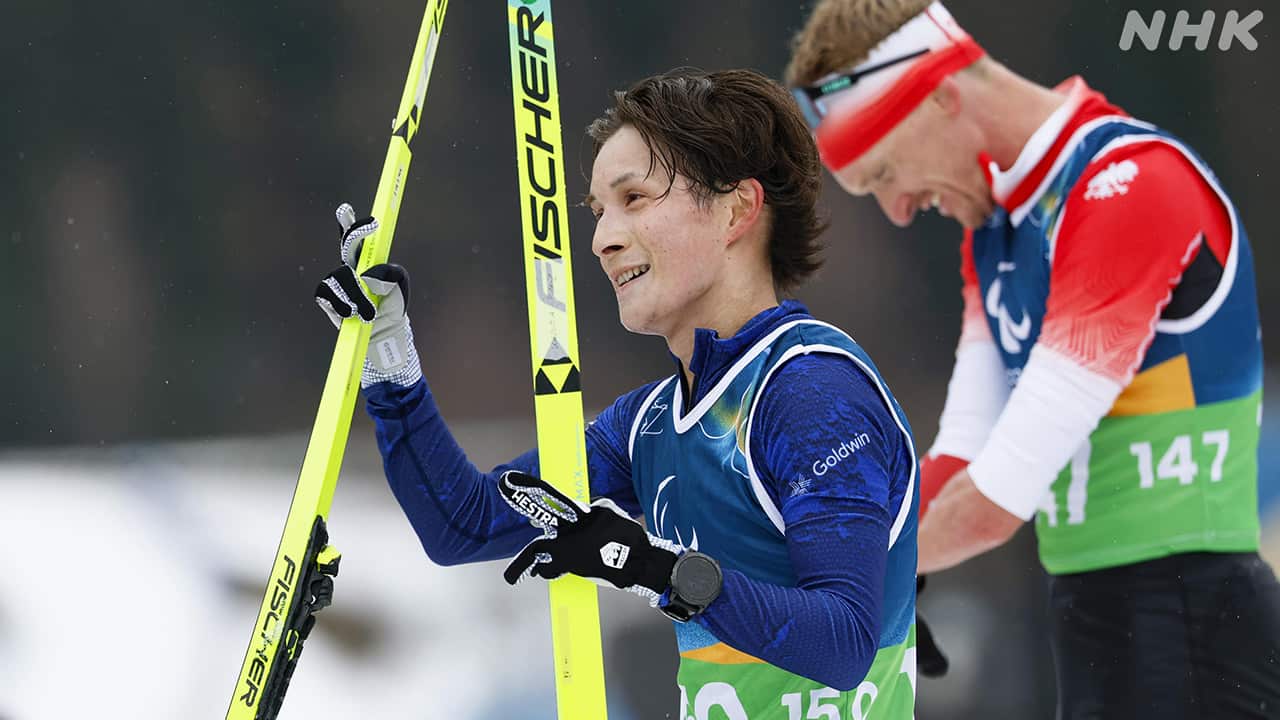
ミラノ・コルティナパラリンピック、クロスカントリースキーは、男女の20キロフリーが行われ、このうち男子の立って滑るクラスでは、日本のエース、川除大輝選手は6位で今大会を終えました。
川除選手はレース序盤からスピードに乗った滑りを見せますが、中盤以降、上位との差を縮めることができず44分11秒1の6位でフィニッシュしました。
また、8大会連続出場でこれまで金3個を含む5個のメダルを獲得している新田佳浩選手は49分16秒3で20位でした。
このほか、佐藤圭一選手は50分39秒0で21位、岩本啓吾選手は52分26秒8で24位でした。
金メダルは王晨陽選手、銀メダルは黄霊心選手銅メダルは劉暁彬選手と中国勢が表彰台を独占しました。
川除大輝選手は「最後の種目だったので気持ちよく滑って結果を出したいと思ったが、うまくいかず悔しいが、応援してくださった皆さんのおかげで最後まで走ることができたので本当に感謝しています」と話していました。
そのうえで、今回のパラリンピックについて「思いどおりの結果は出せなかった。いいことばかりではないと知ることができたパラリンピックでした」と振り返っていました。
21位の佐藤圭一選手は「かなり厳しいコンディションだったが最後は楽しんでレースができた」と振り返りました。
夏と冬のパラリンピックにあわせて6回出場した佐藤選手は今後について、「この大会が最後だと決めているので、この経験をいかしてパラリンピックのすばらしさを伝えていきたい」と話していました。
24位の岩本啓吾選手は「苦手なフリーだったがもう少し速く滑ることができたと思う。4年後にチャンスがあれば、今回以上の成績を残せるよう挑戦したい」と次の大会に向けた意気込みを見せていました。
45歳の新田佳浩選手は2大会連続でメダルを逃しましたが、終了後に第一線を退くことを考えた前回大会とは違い、4年後への意欲を示して8回目のパラリンピックを終えました。
新田選手は夏冬通じた連続出場記録を更新する8大会連続のパラリンピック出場で、これまで金3個を含む5個のメダルを獲得している日本のパラクロスカントリースキー界の“レジェンド”です。
メダルに届かなかった前回の北京大会のあと第一線を退くことを考えましたが、川除大輝選手などの説得で再びパラリンピックに挑むことを決めました。
ミラノ・コルティナ大会に向けては「新たなアプローチで取り組むことが必要」だと考え、体幹や股関節周りを鍛えてフォームの安定性を高めようとピラティスを始めるなど飽くなき向上心で強化に取り組んできました。
しかし、今大会はスプリントクラシカルで9位10キロクラシカルで7位、20キロフリーで20位と目指していた個人種目での表彰台はならず、2大会連続でメダルを逃しました。
それでも最後の種目のあとに取材に応じた新田選手に悲壮感はなく、充実感がにじんでいました。その理由は4年前とは違った立場で臨んだ大会だったからです。
おととしから育成選手と一緒に練習して指導する立場も担い、こうした経験で視野が広がり、競技に取り組むうえでの成長にもつながったと感じていて、選手としてまだまだできるという意欲につながっています。
新田選手は「今までの7大会とはまた違った部分で自分自身を成長させてもらった大会だった」と振り返りました。そのうえで「僕自身がまだできるということを示すためにも続けたい。選手でありながら育成世代の引き上げも含めて今後も継続してやっていきたい」と、現役生活と指導する立場を続けていく考えを示しました。
そして最後に記者が「次の大会で9大会連続となりますね」と声をかけると、「そこまでいくなら10大会までいくよ」と笑顔で答え、すがすがしい表情で取材エリアをあとにしました。
男子20キロの座って滑るクラスでは、45歳の源貴晴選手が1時間0分12秒1で21位でした。
源選手は「最後のレースだったので、感謝の気持ちを持って最後まで滑り切った。たくさんの人に支えられ、応援してくれたおかげでここに立つことができた。正直なところ、まだまだ自分の実力では勝てる場所ではないと痛感したので、チャンスあれば4年後、メダルを取れる力をつけてまた戻ってきたい」と話していました。
金メダルはロシアのイワン・ゴルブコフ選手、銀メダルは中国の毛忠武選手、銅メダルはイタリアのジュゼッペ・ロメーレ選手でした。
女子の20キロフリー、立って滑るクラスでは、6大会連続出場の51歳、出来島桃子選手は58分29秒4で11位、2大会連続出場の22歳、岩本美歌選手は1時間2分34秒1で13位でした。
出来島選手は「今、自分ができることはやりきったと思う。今までのパラリンピックより出場したレースが少なく不思議な感じだったが、最後はしっかり走り切れたので総合的にはよかったと思う」と話していました。
岩本選手は「掲げていた目標とは大きく離れた結果となり、内容もよくなかったが、諦めずに走り切れたことはこれからにつながると思う。日本チームのみんなは私にないものを持っていて本当に強いと感じたので、4年後は私もそういう姿を見せたい」と話していました。
金メダルは、アメリカのシドニー・ピーターソン選手、銀メダルは、ノルウェーのビルデ・ニールセン選手、銅メダルはウクライナのオレクサンドラ・コノノバ選手でした。
女子20キロフリーの視覚障害のクラスでは初出場の24歳、松土琴葉選手が1時間11分11秒4で10位でした。
松土選手は「まずはなんとか走り切れてよかった。あまり自分の動きができなかった部分があり、世界との差もかなりあるので、その差を埋めるべくフォームの見直しや心肺機能の強化をしていきたい」と話していました。
金メダルはロシアのアナスタシヤ・バギヤン選手、銀メダルはチェコのシモナ・ブベニーコバー選手、銅メダルは中国の王躍選手でした。
一方、男子の20キロフリー、視覚障害のクラスは、39歳の有安諒平選手が54分7秒0で16位でした。
有安選手は、体調を崩した影響で今大会、出場を予定していたクロスカントリースキーの2種目を棄権していました。
これを踏まえた上で、「ようやくレースに出られたが、4年間ここまで準備したことを発揮できなかったのが悔しい。それでも非常に大きな経験を得ることができたので、これからの競技人生やそのほかの行動で恩返しをしていきたい」と声を詰まらせながら話していました。
金メダルはアメリカのジェイク・アディコフ選手、銀メダルはウクライナのオレクサンドル・カジク選手、銅メダルはフランスのアントニー・シャランソン選手でした。
川除選手はレース序盤からスピードに乗った滑りを見せますが、中盤以降、上位との差を縮めることができず44分11秒1の6位でフィニッシュしました。
また、8大会連続出場でこれまで金3個を含む5個のメダルを獲得している新田佳浩選手は49分16秒3で20位でした。
このほか、佐藤圭一選手は50分39秒0で21位、岩本啓吾選手は52分26秒8で24位でした。
金メダルは王晨陽選手、銀メダルは黄霊心選手銅メダルは劉暁彬選手と中国勢が表彰台を独占しました。
川除大輝選手は「最後の種目だったので気持ちよく滑って結果を出したいと思ったが、うまくいかず悔しいが、応援してくださった皆さんのおかげで最後まで走ることができたので本当に感謝しています」と話していました。
そのうえで、今回のパラリンピックについて「思いどおりの結果は出せなかった。いいことばかりではないと知ることができたパラリンピックでした」と振り返っていました。
21位の佐藤圭一選手は「かなり厳しいコンディションだったが最後は楽しんでレースができた」と振り返りました。
夏と冬のパラリンピックにあわせて6回出場した佐藤選手は今後について、「この大会が最後だと決めているので、この経験をいかしてパラリンピックのすばらしさを伝えていきたい」と話していました。
24位の岩本啓吾選手は「苦手なフリーだったがもう少し速く滑ることができたと思う。4年後にチャンスがあれば、今回以上の成績を残せるよう挑戦したい」と次の大会に向けた意気込みを見せていました。
45歳の新田佳浩選手は2大会連続でメダルを逃しましたが、終了後に第一線を退くことを考えた前回大会とは違い、4年後への意欲を示して8回目のパラリンピックを終えました。
新田選手は夏冬通じた連続出場記録を更新する8大会連続のパラリンピック出場で、これまで金3個を含む5個のメダルを獲得している日本のパラクロスカントリースキー界の“レジェンド”です。
メダルに届かなかった前回の北京大会のあと第一線を退くことを考えましたが、川除大輝選手などの説得で再びパラリンピックに挑むことを決めました。
ミラノ・コルティナ大会に向けては「新たなアプローチで取り組むことが必要」だと考え、体幹や股関節周りを鍛えてフォームの安定性を高めようとピラティスを始めるなど飽くなき向上心で強化に取り組んできました。
しかし、今大会はスプリントクラシカルで9位10キロクラシカルで7位、20キロフリーで20位と目指していた個人種目での表彰台はならず、2大会連続でメダルを逃しました。
それでも最後の種目のあとに取材に応じた新田選手に悲壮感はなく、充実感がにじんでいました。その理由は4年前とは違った立場で臨んだ大会だったからです。
おととしから育成選手と一緒に練習して指導する立場も担い、こうした経験で視野が広がり、競技に取り組むうえでの成長にもつながったと感じていて、選手としてまだまだできるという意欲につながっています。
新田選手は「今までの7大会とはまた違った部分で自分自身を成長させてもらった大会だった」と振り返りました。そのうえで「僕自身がまだできるということを示すためにも続けたい。選手でありながら育成世代の引き上げも含めて今後も継続してやっていきたい」と、現役生活と指導する立場を続けていく考えを示しました。
そして最後に記者が「次の大会で9大会連続となりますね」と声をかけると、「そこまでいくなら10大会までいくよ」と笑顔で答え、すがすがしい表情で取材エリアをあとにしました。
男子20キロの座って滑るクラスでは、45歳の源貴晴選手が1時間0分12秒1で21位でした。
源選手は「最後のレースだったので、感謝の気持ちを持って最後まで滑り切った。たくさんの人に支えられ、応援してくれたおかげでここに立つことができた。正直なところ、まだまだ自分の実力では勝てる場所ではないと痛感したので、チャンスあれば4年後、メダルを取れる力をつけてまた戻ってきたい」と話していました。
金メダルはロシアのイワン・ゴルブコフ選手、銀メダルは中国の毛忠武選手、銅メダルはイタリアのジュゼッペ・ロメーレ選手でした。
女子の20キロフリー、立って滑るクラスでは、6大会連続出場の51歳、出来島桃子選手は58分29秒4で11位、2大会連続出場の22歳、岩本美歌選手は1時間2分34秒1で13位でした。
出来島選手は「今、自分ができることはやりきったと思う。今までのパラリンピックより出場したレースが少なく不思議な感じだったが、最後はしっかり走り切れたので総合的にはよかったと思う」と話していました。
岩本選手は「掲げていた目標とは大きく離れた結果となり、内容もよくなかったが、諦めずに走り切れたことはこれからにつながると思う。日本チームのみんなは私にないものを持っていて本当に強いと感じたので、4年後は私もそういう姿を見せたい」と話していました。
金メダルは、アメリカのシドニー・ピーターソン選手、銀メダルは、ノルウェーのビルデ・ニールセン選手、銅メダルはウクライナのオレクサンドラ・コノノバ選手でした。
女子20キロフリーの視覚障害のクラスでは初出場の24歳、松土琴葉選手が1時間11分11秒4で10位でした。
松土選手は「まずはなんとか走り切れてよかった。あまり自分の動きができなかった部分があり、世界との差もかなりあるので、その差を埋めるべくフォームの見直しや心肺機能の強化をしていきたい」と話していました。
金メダルはロシアのアナスタシヤ・バギヤン選手、銀メダルはチェコのシモナ・ブベニーコバー選手、銅メダルは中国の王躍選手でした。
一方、男子の20キロフリー、視覚障害のクラスは、39歳の有安諒平選手が54分7秒0で16位でした。
有安選手は、体調を崩した影響で今大会、出場を予定していたクロスカントリースキーの2種目を棄権していました。
これを踏まえた上で、「ようやくレースに出られたが、4年間ここまで準備したことを発揮できなかったのが悔しい。それでも非常に大きな経験を得ることができたので、これからの競技人生やそのほかの行動で恩返しをしていきたい」と声を詰まらせながら話していました。
金メダルはアメリカのジェイク・アディコフ選手、銀メダルはウクライナのオレクサンドル・カジク選手、銅メダルはフランスのアントニー・シャランソン選手でした。
Vocabulary
General
Proper noun
JLPT N2
JLPT N1
| # | 言葉 | 意味 |
|---|---|---|
| 41 | 選手 | せんしゅ (選手) : player (sports); athlete; team member |
| 19 | 大会 | たいかい (大会) : 1. mass meeting; convention; rally; conference; assembly; gathering 2. tournament; competition; contest; meet |
| 15 | 位 | くらい (位) : 1. throne; crown; (nobleman's) seat 2. government position; court rank |
| 9 | 秒 | びょう (秒) : 1. second (unit of time) 2. arc second |
| 8 | 連続 | れんぞく (連続) : continuation; succession; series |
| 8 | 出場 | しゅつじょう (出場) : 1. (stage) appearance; performance 2. participation (e.g. in a tournament) |
| 5 | 金メダル | きんメダル (金メダル) : gold medal |
| 5 | 銀メダル | ぎんメダル (銀メダル) : silver medal |
| 5 | 銅メダル | どうメダル (銅メダル) : bronze medal |
| 4 | 川除 | かわじょ (川除) : Kawajo (surname) |
| 4 | 岩本 | いもと (岩本) : Imoto (surname) |
| 4 | 種目 | しゅもく (種目) : item; event |
| 3 | 男子 | だんし (男子) : youth; young man |
| 3 | 大輝 | おおき (大輝) : Ooki (surname) |
| 3 | 差 | さ (差) : 1. difference; variation 2. difference |
| 3 | 佐藤 | さいう (佐藤) : Saiu (surname) |
| 3 | 中国 | ちゅうごく (中国) : 1. China 2. Chūgoku region of western Honshu (incl. Okayama, Hiroshima, Shimane, Tottori and Yamaguchi prefectures) |
| 3 | 結果 | けっか (結果) : 1. result; consequence; outcome; effect 2. coming to fruition; bearing fruit |
| 3 | 振り返る | ふりかえる (振り返る) : 1. to turn one's head; to look over one's shoulder; to turn around; to look back 2. to think back (on); to reminisce; to look back (on); to reflect (on) |
| 3 | 考える | かんがえる (考える) : 1. to think (about, of); to think over; to ponder; to contemplate; to reflect (on); to meditate (on) 2. to consider; to bear in mind; to allow for; to take into consideration |
| 3 | 違う | ちがう (違う) : 1. to differ (from); to vary 2. to not be in the usual condition |
| 3 | 示す | しめす (示す) : 1. to (take out and) show; to demonstrate; to tell; to exemplify; to make apparent 2. to point out (finger, clock hand, needle, etc.) |
| 3 | 新田 | しんでん (新田) : 1. new rice field; newly developed rice field 2. wasteland or marshland newly reclaimed as a rice field (Edo period) |
| 3 | 取り組む | とりくむ (取り組む) : 1. to grapple with; to wrestle with; to engage in a bout; to be matched against 2. to tackle (e.g. a problem); to come to grips with; to work hard on |
| 3 | 立場 | たちば (立場) : 1. position; situation 2. viewpoint; standpoint; point of view |
| 3 | つながる | つながる (繋がる) : 1. to be tied together; to be connected to; to be linked to 2. to lead to; to be related to |
| 3 | 走る | はしる (走る) : 1. to run 2. to run (of a vehicle); to drive; to travel; to move; to sail |
| 2 | 立つ | たつ (立つ) : 1. to stand; to rise; to stand up 2. to find oneself (e.g. in a difficult position) |
| 2 | 含む | ふくむ (含む) : 1. to contain; to comprise; to have; to hold; to include; to embrace 2. to hold in the mouth |
| 2 | 獲得 | かくとく (獲得) : acquisition; possession |
| 2 | 新田佳浩 | にったよしひろ (新田佳浩) : Nitta Yoshihiro (person) |
| 2 | 圭一 | きよかず (圭一) : Kiyokazu (unclass) |
| 2 | 啓吾 | けいご (啓吾) : Keigo (given) |
| 2 | 王 | おう (王) : 1. king; ruler; sovereign; monarch 2. tycoon; magnate; champion; master |
| 2 | 表彰台 | ひょうしょうだい (表彰台) : victory stand; winners' podium |
| 2 | 滑る | すべる (滑る) : 1. to glide; to slide (e.g. on skis); to slip 2. to fail (an examination); to bomb (when telling a joke) |
| 2 | 悔しい | くやしい (悔しい) : vexing; annoying; frustrating; regrettable; mortifying |
| 2 | 応援 | おうえん (応援) : 1. aid; assistance; help; support; reinforcement 2. cheering; rooting (for); support |
| 2 | 本当 | ほんとう (本当) : 1. truth; reality; actuality; fact 2. proper; right; correct; official |
| 2 | 感謝 | かんしゃ (感謝) : thanks; gratitude |
| 2 | かなり | かなり (可也) : considerably; fairly; quite |
| 2 | 今後 | こんご (今後) : from now on; hereafter |
| 2 | 決める | きめる (決める) : 1. to decide; to choose; to determine; to make up one's mind; to resolve; to set one's heart on; to settle; to arrange; to set; to appoint; to fix 2. to clinch (a victory); to decide (the outcome of a match) |
| 2 | 逃す | のがす (逃す) : 1. to miss (e.g. a chance); to lose; to let get away 2. to set free; to let go |
| 2 | 第一線 | だいいっせん (第一線) : the front (of a battlefield); forefront |
| 2 | 退く | どく (退く) : 1. to step aside; to move (i.e. out of the way); to make way 2. to resign; to retire; to quit; to secede |
| 2 | 意欲 | いよく (意欲) : will; desire; ambition; urge (e.g. creative urge) |
| 2 | 強化 | きょうか (強化) : strengthening; intensifying; reinforcement; enhancement; solidification |
| 2 | 取材 | しゅざい (取材) : 1. news coverage; collecting data (e.g. for an article); covering (something for media) 2. interview |
| 2 | 育成 | いくせい (育成) : rearing; training; nurture; cultivation; promotion |
| 2 | 指導 | しどう (指導) : 1. guidance; leadership; instruction; direction; coaching 2. shido (disciplinary action for a minor infringement of the rules of judo) |
| 2 | 競技 | きょうぎ (競技) : game; match; contest |
| 2 | 成長 | せいちょう (成長) : 1. growth; development; growing up; becoming an adult 2. growth (of a company, the economy, etc.) |
| 2 | 感ずる | かんずる (感ずる) : to feel; to sense |
| 2 | まだまだ | まだまだ (未だ未だ) : 1. still; much more; (not) yet 2. still a long way to go; still a long way off; not there yet |
| 2 | 今まで | いままで (今まで) : until now; so far; up to the present |
| 2 | 部分 | ぶぶん (部分) : portion; section; part |
| 2 | 持つ | もつ (持つ) : 1. to hold (in one's hand); to take; to carry 2. to possess; to have; to own |
| 2 | 女子 | じょし (女子) : woman; girl |
| 2 | 出来島 | できしま (出来島) : Dekishima (place) |
| 2 | 松土 | まつつち (松土) : Matsutsuchi (surname) |
| 2 | 有安 | ありやす (有安) : Ariyasu (place; surname) |
| 1 | 男女 | だんじょ (男女) : men and women; man and woman; both sexes; both genders |
| 1 | 序盤 | じょばん (序盤) : the opening(s) (e.g. in a game of go or chess) |
| 1 | 乗る | のる (乗る) : 1. to get on (train, plane, bus, ship, etc.); to get in; to board; to take; to embark 2. to get on (e.g. a footstool); to step on; to jump on; to sit on; to mount |
| 1 | 滑り | すべり (滑り) : sliding; slipping |
| 1 | 中盤 | ちゅうばん (中盤) : middle stage; middle phase; middle game; midfield |
| 1 | 以降 | いこう (以降) : on and after; as from; hereafter; thereafter; since |
| 1 | 上位 | じょうい (上位) : 1. superior (in rank); top; ranking 2. higher order (e.g. byte) |
| 1 | 縮める | ちぢめる (縮める) : 1. to shorten; to reduce; to condense; to shrink 2. to crumple (fabric); to wrinkle |
| 1 | 晨 | あさ (朝) : 1. morning 2. breakfast |
| 1 | 陽 | よう (陽) : 1. (the) positive 2. yang (in Chinese divination) |
| 1 | 霊 | れい (霊) : soul; spirit; departed soul; ghost |
| 1 | 勢 | せい (勢) : 1. energy 2. military strength |
| 1 | 独占 | どくせん (独占) : 1. monopoly; monopolization; exclusivity 2. hogging; keeping to oneself |
| 1 | うまく | うまく (上手く) : 1. skilfully; skillfully; well; aptly; cleverly 2. successfully; smoothly |
| 1 | 思い | おもい (思い) : 1. thought 2. imagination; mind; heart |
| 1 | どおり | どおり (通り) : 1. in accordance with; following 2. roughly; about |
| 1 | 楽しむ | たのしむ (楽しむ) : to enjoy (oneself) |
| 1 | あわせる | あわせる (会わせる) : 1. to make (someone) to meet; to let (someone) meet 2. to expose to; to subject to |
| 1 | いかす | いかす : to be smart; to be cool; to be sharp; to be stylish |
| 1 | 伝える | つたえる (伝える) : to convey; to report; to transmit; to communicate; to tell; to impart; to propagate; to teach; to bequeath |
| 1 | 苦手 | にがて (苦手) : 1. poor (at); weak (in); not very good (at) 2. not one's cup of tea; not one's favorite |
| 1 | もう少し | もうすこし (もう少し) : a bit more; a bit longer |
| 1 | 速く | はやく (早く) : 1. early; soon 2. quickly; swiftly; rapidly; fast |
| 1 | 成績 | せいせき (成績) : results; record; grades; marks |
| 1 | 挑戦 | ちょうせん (挑戦) : challenge; defiance; dare; attempt; try |
| 1 | 意気込み | いきごみ (意気込み) : ardor; enthusiasm |
| 1 | 終了 | しゅうりょう (終了) : end; close; termination |
| 1 | 通ずる | つうずる (通ずる) : 1. to be open (to traffic); to lead to; to communicate (with) 2. to flow (liquid, current); to pass; to get through to |
| 1 | 記録 | きろく (記録) : 1. record; minutes; document 2. record (e.g. in sports); results; score |
| 1 | 更新 | こうしん (更新) : renewal; update; innovation; improvement |
| 1 | 届く | とどく (届く) : 1. to reach; to touch; to get to; to carry (of sound) 2. to be delivered; to arrive |
| 1 | 前回 | ぜんかい (前回) : previous time; last time; previous installment; previous instalment; previous session |
| 1 | 北京 | ペキン (北京) : Beijing (China); Peking |
| 1 | 説得 | せっとく (説得) : persuasion |
| 1 | 再び | ふたたび (再び) : again; once more; a second time |
| 1 | 挑む | いどむ (挑む) : 1. to challenge to (a fight, game, etc.); to throw down the gauntlet; to contend for 2. to tackle (e.g. a problem); to attempt; to go after (a prize, record, etc.) |
| 1 | 新た | あらた (新た) : new; fresh; novel |
| 1 | 体幹 | たいかん (体幹) : trunk (of the body); soma |
| 1 | 股関節 | こかんせつ (股関節) : hip joint; coxa |
| 1 | 鍛える | きたえる (鍛える) : 1. to forge; to temper 2. to drill; to train; to discipline |
| 1 | 安定性 | あんていせい (安定性) : stability; security; equilibrium |
| 1 | 高める | たかめる (高める) : to raise; to lift; to boost; to enhance |
| 1 | 飽く | あく (飽く) : 1. to tire of; to lose interest in 2. to be satisfied; to enjoy |
| 1 | 向上心 | こうじょうしん (向上心) : ambition; aspiration; desire to improve oneself |
| 1 | 目指す | めざす (目指す) : 1. to aim at (for, to do, to become); to try for; to have an eye on 2. to go toward; to head for |
| 1 | 個人 | こじん (個人) : individual; private person; personal; private |
| 1 | 応ずる | おうずる (応ずる) : 1. to answer; to respond; to meet 2. to satisfy; to accept |
| 1 | 悲壮感 | ひそうかん (悲壮感) : feeling of tragic heroism; feeling of grim resolve; sense of determination |
| 1 | 充実感 | じゅうじつかん (充実感) : sense of fulfillment; sense of completeness; sense of accomplishment; sense of contentment |
| 1 | にじむ | にじむ (滲む) : 1. to run (of liquid); to spread 2. to blur; to blot; to be blurred |
| 1 | 臨む | のぞむ (臨む) : 1. to look out on; to overlook; to front onto 2. to face (a situation, crisis, etc.); to meet (e.g. death); to be confronted by |
| 1 | 担う | になう (担う) : 1. to carry on one's shoulder; to shoulder; to bear 2. to bear (burden, responsibility, etc.); to take upon oneself |
| 1 | 視野 | しや (視野) : 1. field of vision; view 2. one's outlook (e.g. on life); one's horizons |
| 1 | 広がる | ひろがる (広がる) : to spread (out); to extend; to stretch; to reach to; to get around; to fill (e.g. a space) |
| 1 | 自分自身 | じぶんじしん (自分自身) : oneself; myself |
| 1 | 世代 | せだい (世代) : generation; the world; the age |
| 1 | 引き上げ | ひきあげ (引き上げ) : 1. pulling up; drawing up; salvage; re-flotation 2. raising; increase; upward revision |
| 1 | 含める | ふくめる (含める) : 1. to include (in a group or scope) 2. to instruct; to make one understand |
| 1 | 継続 | けいぞく (継続) : continuation |
| 1 | 現役生 | げんえきせい (現役生) : student taking (university) entrance exams while still enrolled in school; student who passed their university entrance exams on the first try |
| 1 | 考え | かんがえ (考え) : 1. thinking; thought; view; opinion; concept 2. idea; notion; imagination |
| 1 | 記者 | きしゃ (記者) : reporter; journalist |
| 1 | 笑顔 | えがお (笑顔) : smiling face; smile |
| 1 | 答える | こたえる (答える) : to answer; to reply |
| 1 | すがすがしい | すがすがしい (清々しい) : refreshing (e.g. feeling, scene, wind, morning air); brisk; bracing; fresh; refreshed |
| 1 | 表情 | ひょうじょう (表情) : 1. facial expression; countenance 2. look; appearance; expression (vocal, etc.) |
| 1 | 座る | すわる (座る) : 1. to sit; to squat 2. to assume (a position) |
| 1 | 貴晴 | たかはる (貴晴) : Takaharu (given) |
| 1 | 支える | ささえる (支える) : 1. to support; to prop; to sustain; to underlay; to hold up; to defend 2. to hold at bay; to stem; to check |
| 1 | 正直 | しょうじき (正直) : 1. honest; frank; candid; straightforward 2. honestly; frankly |
| 1 | 実力 | じつりょく (実力) : 1. (real) ability; true strength; merit; efficiency; competency 2. arms; force |
| 1 | 痛感 | つうかん (痛感) : feeling keenly; fully realizing |
| 1 | 取れる | とれる (取れる) : 1. to come off; to be removed 2. to disappear (of pain, a fever, etc.) |
| 1 | 戻る | もどる (戻る) : 1. to turn back (e.g. half-way) 2. to return; to go back |
| 1 | 忠武 | ただたけ (忠武) : Tadatake (given) |
| 1 | 桃子 | あすか (桃子) : Asuka (fem) |
| 1 | 美歌 | びか (美歌) : Bika (fem) |
| 1 | 不思議 | ふしぎ (不思議) : 1. wonderful; marvelous; strange; incredible; amazing; curious; miraculous; mysterious 2. strangely enough; oddly enough; for some reason; curiously |
| 1 | 感じ | かんじ (感じ) : feeling; sense; impression |
| 1 | 総合的 | そうごうてき (総合的) : comprehensive; composite; all-embracing |
| 1 | 掲げる | かかげる (掲げる) : 1. to put up (a notice, sign, etc.); to hang out (e.g. a banner); to fly (e.g. a flag); to hoist; to raise; to display 2. to hold up high; to raise overhead |
| 1 | 目標 | めじるし (目印) : 1. mark (for quick identification or recognition); sign 2. landmark; guide |
| 1 | 大きく | おおきく (大きく) : in a big way; on a grand scale |
| 1 | 離れる | はなれる (離れる) : 1. to be separated; to be apart; to be distant 2. to leave; to go away |
| 1 | 内容 | ないよう (内容) : contents; content; substance; matter; detail; import |
| 1 | 諦める | あきらめる (諦める) : to give up; to abandon (hope, plans); to resign oneself (to) |
| 1 | 姿 | すがた (姿) : 1. figure; form; shape 2. appearance; dress; guise |
| 1 | 初出場 | はつしゅつじょう (初出場) : debut |
| 1 | 琴葉 | きんよう (琴葉) : Kin'you (given) |
| 1 | 動き | うごき (動き) : 1. movement; move; motion 2. trend; development; change; fluctuation |
| 1 | 埋める | うずめる (埋める) : 1. to cover; to bury (e.g. one's face in hands); to submerge 2. to fill (completely); to stuff; to pack; to cram; to fill up |
| 1 | 見直し | みなおし (見直し) : review; reconsideration; revision |
| 1 | 心肺 | しんぱい (心肺) : 1. heart and lungs 2. cardiopulmonary |
| 1 | 機能 | きのう (機能) : function; facility; faculty; feature |
| 1 | 諒平 | りょうへい (諒平) : Ryouhei (given) |
| 1 | 体調 | たいちょう (体調) : physical condition; state of health |
| 1 | 崩す | くずす (崩す) : 1. to destroy; to demolish; to pull down; to tear down; to level 2. to disturb; to put into disorder; to throw off balance; to make shaky |
| 1 | 影響 | えいきょう (影響) : 1. influence; effect 2. to influence; to affect; to have an influence on; to impact; to have an effect on |
| 1 | 棄権 | きけん (棄権) : abstention (from voting); renunciation (of a right); withdrawal (from a contest) |
| 1 | 踏まえる | ふまえる (踏まえる) : 1. to be based on; to take into account; to build upon; to have origin in 2. to have one's feet firmly planted on; to plant oneself on |
| 1 | ようやく | ようやく (漸く) : 1. finally; at last 2. barely; narrowly; hardly; only just |
| 1 | 年間 | ねんかん (年間) : 1. (period of) a year 2. during an era |
| 1 | 発揮 | はっき (発揮) : show (of power, ability, etc.); exhibition; demonstration; display; manifestation |
| 1 | 非常 | ひじょう (非常) : 1. emergency 2. extraordinary; unusual |
| 1 | 人生 | じんせい (人生) : (human) life (i.e. conception to death) |
| 1 | 行動 | こうどう (行動) : action; conduct; behaviour; behavior; mobilization; mobilisation |
| 1 | 恩返し | おんがえし (恩返し) : requital of a favour (favor); repayment (of an obligation, kindness, etc.) |
| 1 | 詰まる | つまる (詰まる) : 1. to be packed (with); to be full (space, schedule, etc.) 2. to be blocked (road, pipe, nose, etc.); to be clogged; to be plugged up |