トランプ大統領 ホルムズ海峡の船舶退避の取り組み開始へ
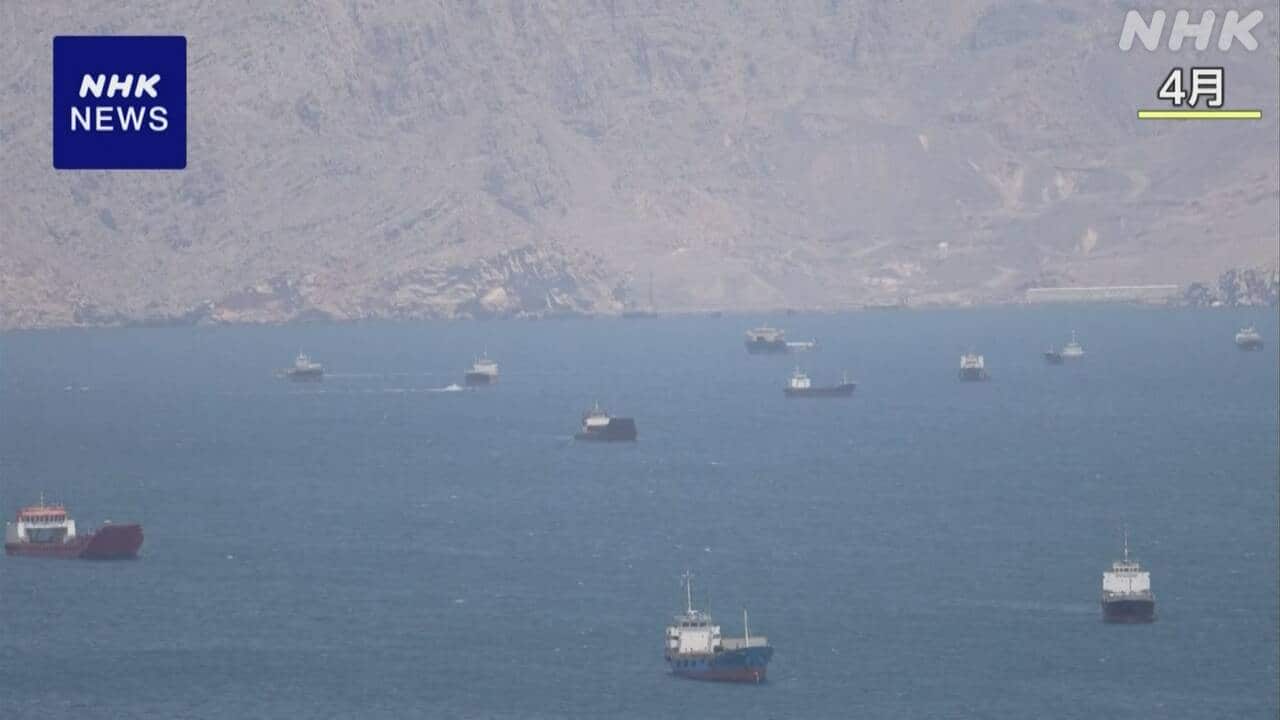
戦闘の終結に向けてイランがアメリカに示した新たな14項目の提案についてイラン側は、アメリカ側から回答があったと明らかにしこれを受けたイラン側の出方が焦点です。一方、アメリカのトランプ大統領は「プロジェクト・フリーダム」と名付け、ホルムズ海峡で足止めされている船舶を退避させるための取り組みを開始すると明らかにしました。
イランの革命防衛隊とつながりのある「タスニム通信」は、イランが仲介国のパキスタンを通じてアメリカに対し、攻撃しないという保証、海上封鎖の解除、ホルムズ海峡をめぐる新たな仕組みの確立などを含む14項目の提案を示したと伝えています。
この提案についてイランの国営メディアは3日、イラン外務省のバガイ報道官が「アメリカが、仲介国パキスタンを通じて回答し、見解を示した」と述べたと伝えました。
ただ、アメリカのトランプ大統領は、2日、SNSにイランの案について「すぐに検討するが、受け入れられるとは考えられない」と投稿し否定的な考えを示していました。
また、この投稿に先立ち記者団から攻撃の再開について問われると「言いたくない。彼らの行儀が悪かったり、悪いことをしたりするかだが、今は見てみよう。しかし起きる可能性はある」と述べ、軍事的な選択肢も排除しない姿勢を示していました。
アメリカ側が仲介国パキスタンを通じて行った回答の具体的な内容とそれを受けたイラン側の出方が焦点です。
一方、アメリカのベッセント財務長官は3日、FOXニュースのインタビューで、イランの石油生産について「貯蔵施設が急速に満杯になりつつあるため、油井を閉めざるを得なくなる。来週にもそうなる可能性がある」と述べました。
イランの港を出入りする船舶への封鎖措置により、近く石油の生産停止に追い込まれる可能性があるとの見方を示したものでイランを経済的に追い詰める構えを強調しました。
アメリカのトランプ大統領は3日、SNSへの投稿で、ホルムズ海峡で足止めされている船舶を誘導し、退避させるための取り組みを現地時間の4日朝から開始すると明らかにしました。
この取り組みを「プロジェクト・フリーダム」と名付け、対象は、現在中東で起きている事態に一切関係のない地域からの船舶だとしています。
投稿ではこの取り組みは人道的措置で、「何の落ち度もない人々や企業、それに国々を解放するためのものだ」としています。
そして「この取り組みは、数か月にわたり激しく戦ってきたすべての当事者にとって善意を示す大きな一歩になると考えている」として、関係国間の信頼醸成につながるという認識を示しました。
その一方で、トランプ大統領は「もしこの人道的な取り組みが何らかの形で妨害される場合、その妨害には残念ながら力によって対処せざるを得ない」としていて、取り組みを進める上では、軍事力の行使も辞さない考えを示しました。
トランプ大統領は3日、SNSへの投稿で「私はアメリカの代表団がイランと非常に前向きな協議を行っていて、これらの協議がすべての人にとって非常に前向きな結果につながる可能性があることを十分、認識している」として、イラン側と続けている交渉の先行きに期待を示しました。
アメリカのベッセント財務長官は3日、FOXニュースのインタビューで、イラン情勢が、今月中旬に予定されている米中首脳会談の日程に影響するかどうかについて「私が把握している限りでは、トランプ大統領は予定を変更するつもりはない」と述べました。
その上で「中国はエネルギーの購入を通じてイランに資金を提供してきた。われわれは中国に対して、そうしないよう働きかけている」と述べ、イランとの関係を見直すよう中国側と協議していることを明らかにしました。
イランの革命防衛隊とつながりのある「タスニム通信」は3日、アメリカ側との交渉についてイラン議会のガリバフ議長が「交渉の基礎は最高指導者の許可のもと作った」と説明したとして、最高指導者モジタバ・ハメネイ師の許可なしに交渉を進めないことを強調したと伝えました。
このなかでガリバフ議長は「交渉の内容もまた最高指導者が出した許可の範囲内で進められた。アメリカ側が専門的な核の協議に入ることを望んだ際、代表団がこの件を協議するのは最高指導者によって禁じられていた。今後、この分野における決定権は最高指導者のみが持つ」と述べたとして、イラン側としてはモジタバ師の意向で核の問題については譲れない姿勢を示唆した形とみられます。
イランの国営メディアは3日、イラン外務省のバガイ報道官が「アメリカが、イランが示した新たな提案に対して、仲介国パキスタンを通じて回答し、見解を示した」と述べたと伝えました。
バガイ報道官は「イラン側は内容を現在検討しており、必要に応じてあらゆる対応をとるつもりだ」としています。
イランの革命防衛隊とつながりのある「タスニム通信」は、イランが仲介国のパキスタンを通じてアメリカに対し、攻撃しないという保証、海上封鎖の解除、ホルムズ海峡をめぐる新たな仕組みの確立などを含む14項目の提案を示したと伝えています。
この提案についてイランの国営メディアは3日、イラン外務省のバガイ報道官が「アメリカが、仲介国パキスタンを通じて回答し、見解を示した」と述べたと伝えました。
ただ、アメリカのトランプ大統領は、2日、SNSにイランの案について「すぐに検討するが、受け入れられるとは考えられない」と投稿し否定的な考えを示していました。
また、この投稿に先立ち記者団から攻撃の再開について問われると「言いたくない。彼らの行儀が悪かったり、悪いことをしたりするかだが、今は見てみよう。しかし起きる可能性はある」と述べ、軍事的な選択肢も排除しない姿勢を示していました。
アメリカ側が仲介国パキスタンを通じて行った回答の具体的な内容とそれを受けたイラン側の出方が焦点です。
一方、アメリカのベッセント財務長官は3日、FOXニュースのインタビューで、イランの石油生産について「貯蔵施設が急速に満杯になりつつあるため、油井を閉めざるを得なくなる。来週にもそうなる可能性がある」と述べました。
イランの港を出入りする船舶への封鎖措置により、近く石油の生産停止に追い込まれる可能性があるとの見方を示したものでイランを経済的に追い詰める構えを強調しました。
アメリカのトランプ大統領は3日、SNSへの投稿で、ホルムズ海峡で足止めされている船舶を誘導し、退避させるための取り組みを現地時間の4日朝から開始すると明らかにしました。
この取り組みを「プロジェクト・フリーダム」と名付け、対象は、現在中東で起きている事態に一切関係のない地域からの船舶だとしています。
投稿ではこの取り組みは人道的措置で、「何の落ち度もない人々や企業、それに国々を解放するためのものだ」としています。
そして「この取り組みは、数か月にわたり激しく戦ってきたすべての当事者にとって善意を示す大きな一歩になると考えている」として、関係国間の信頼醸成につながるという認識を示しました。
その一方で、トランプ大統領は「もしこの人道的な取り組みが何らかの形で妨害される場合、その妨害には残念ながら力によって対処せざるを得ない」としていて、取り組みを進める上では、軍事力の行使も辞さない考えを示しました。
トランプ大統領は3日、SNSへの投稿で「私はアメリカの代表団がイランと非常に前向きな協議を行っていて、これらの協議がすべての人にとって非常に前向きな結果につながる可能性があることを十分、認識している」として、イラン側と続けている交渉の先行きに期待を示しました。
アメリカのベッセント財務長官は3日、FOXニュースのインタビューで、イラン情勢が、今月中旬に予定されている米中首脳会談の日程に影響するかどうかについて「私が把握している限りでは、トランプ大統領は予定を変更するつもりはない」と述べました。
その上で「中国はエネルギーの購入を通じてイランに資金を提供してきた。われわれは中国に対して、そうしないよう働きかけている」と述べ、イランとの関係を見直すよう中国側と協議していることを明らかにしました。
イランの革命防衛隊とつながりのある「タスニム通信」は3日、アメリカ側との交渉についてイラン議会のガリバフ議長が「交渉の基礎は最高指導者の許可のもと作った」と説明したとして、最高指導者モジタバ・ハメネイ師の許可なしに交渉を進めないことを強調したと伝えました。
このなかでガリバフ議長は「交渉の内容もまた最高指導者が出した許可の範囲内で進められた。アメリカ側が専門的な核の協議に入ることを望んだ際、代表団がこの件を協議するのは最高指導者によって禁じられていた。今後、この分野における決定権は最高指導者のみが持つ」と述べたとして、イラン側としてはモジタバ師の意向で核の問題については譲れない姿勢を示唆した形とみられます。
イランの国営メディアは3日、イラン外務省のバガイ報道官が「アメリカが、イランが示した新たな提案に対して、仲介国パキスタンを通じて回答し、見解を示した」と述べたと伝えました。
バガイ報道官は「イラン側は内容を現在検討しており、必要に応じてあらゆる対応をとるつもりだ」としています。
Vocabulary
General
Proper noun
JLPT N2
JLPT N1
| # | 言葉 | 意味 |
|---|---|---|
| 12 | 示す | しめす (示す) : 1. to (take out and) show; to demonstrate; to tell; to exemplify; to make apparent 2. to point out (finger, clock hand, needle, etc.) |
| 7 | 取り組み | とりくみ (取り組み) : 1. bout (in sports, etc.); match 2. effort; initiative; dealing with; grappling with; wrestling with |
| 7 | 述べる | のべる (述べる) : to state; to express; to mention |
| 5 | 通ずる | つうずる (通ずる) : 1. to be open (to traffic); to lead to; to communicate (with) 2. to flow (liquid, current); to pass; to get through to |
| 5 | 投稿 | とうこう (投稿) : contribution (to a newspaper, magazine, etc.); submission; post (on a blog, social media, etc.) |
| 5 | 協議 | きょうぎ (協議) : conference; consultation; discussion; negotiation |
| 5 | 交渉 | こうしょう (交渉) : 1. negotiations; discussions 2. connection |
| 5 | 最高指導者 | さいこうしどうしゃ (最高指導者) : supreme leader; ultimate leader |
| 4 | 提案 | ていあん (提案) : proposal; proposition; suggestion |
| 4 | 回答 | かいとう (回答) : reply; answer |
| 4 | 明らか | あきらか (明らか) : 1. clear; obvious; evident; plain; definite 2. bright; light |
| 4 | 船舶 | せんぱく (船舶) : vessel; ship; shipping; seacraft |
| 4 | 仲介 | ちゅうかい (仲介) : agency; intermediation |
| 4 | 伝える | つたえる (伝える) : to convey; to report; to transmit; to communicate; to tell; to impart; to propagate; to teach; to bequeath |
| 4 | 可能性 | かのうせい (可能性) : potentiality; likelihood; possibility; availability |
| 3 | 新た | あらた (新た) : new; fresh; novel |
| 3 | ホルムズ海峡 | ホルムズかいきょう (ホルムズ海峡) : Strait of Hormuz (place) |
| 3 | 報道官 | ほうどうかん (報道官) : press officer; press secretary |
| 3 | 内容 | ないよう (内容) : contents; content; substance; matter; detail; import |
| 3 | 進める | すすめる (進める) : 1. to advance; to move forward; to put (a clock, watch) forward 2. to carry forward (plans, work, etc.); to proceed with; to make progress in; to further; to advance; to hasten; to speed up |
| 3 | 許可 | きょか (許可) : 1. permission; approval; authorization; license 2. to permit; to authorize |
| 2 | 項目 | こうもく (項目) : 1. item; heading; category; clause 2. headword (in a dictionary, encyclopedia, etc.); entry |
| 2 | 焦点 | しょうてん (焦点) : focus (e.g. photographic); focal point |
| 2 | 名付ける | なづける (名付ける) : to name; to call; to christen; to term |
| 2 | 足止め | あしどめ (足止め) : 1. preventing (someone) from leaving; confinement; keeping indoors; inducement to stay 2. being stranded; grounding |
| 2 | 退避 | たいひ (退避) : 1. taking refuge; evacuation 2. backup (of data) |
| 2 | 開始 | かいし (開始) : start; commencement; beginning; initiation |
| 2 | 革命 | かくめい (革命) : 1. revolution 2. 58th year of the sexagenary cycle (in Onmyōdō) |
| 2 | つながり | つながり (繋がり) : connection; link; relationship |
| 2 | 通信 | つうしん (通信) : correspondence; communication; transmission; news; signal; telecommunications |
| 2 | 攻撃 | こうげき (攻撃) : 1. attack; assault; raid; onslaught; offensive 2. criticism; censure; denunciation; condemnation |
| 2 | 国営 | こくえい (国営) : government management; state management |
| 2 | 外務省 | がいむしょう (外務省) : Ministry of Foreign Affairs |
| 2 | 見解 | けんかい (見解) : opinion; point of view |
| 2 | 検討 | けんとう (検討) : consideration; examination; investigation; study; scrutiny; discussion; analysis; review |
| 2 | 考える | かんがえる (考える) : 1. to think (about, of); to think over; to ponder; to contemplate; to reflect (on); to meditate (on) 2. to consider; to bear in mind; to allow for; to take into consideration |
| 2 | 考え | かんがえ (考え) : 1. thinking; thought; view; opinion; concept 2. idea; notion; imagination |
| 2 | 姿勢 | しせい (姿勢) : 1. posture; pose; position; stance; carriage (of the body) 2. attitude; approach; stance |
| 2 | 財務 | ざいむ (財務) : financial affairs |
| 2 | 長官 | ちょうかん (長官) : secretary (government); director; chief |
| 2 | 石油 | せきゆ (石油) : 1. oil; petroleum 2. kerosene; paraffin |
| 2 | 措置 | そち (措置) : measure; step; action |
| 2 | 強調 | きょうちょう (強調) : emphasis; highlight; stress; stressed point |
| 2 | 現在 | げんざい (現在) : now; current; present; present time; as of |
| 2 | 人道的 | じんどうてき (人道的) : humane |
| 2 | つながる | つながる (繋がる) : 1. to be tied together; to be connected to; to be linked to 2. to lead to; to be related to |
| 2 | 認識 | にんしき (認識) : recognition; awareness; perception; understanding; knowledge; cognition; cognizance; cognisance |
| 2 | 妨害 | ぼうがい (妨害) : disturbance; obstruction; hindrance; jamming; interference |
| 2 | 代表団 | だいひょうだん (代表団) : delegation |
| 2 | 非常 | ひじょう (非常) : 1. emergency 2. extraordinary; unusual |
| 2 | 前向き | まえむき (前向き) : 1. front-facing 2. forward-looking; positive; constructive |
| 2 | 中国 | ちゅうごく (中国) : 1. China 2. Chūgoku region of western Honshu (incl. Okayama, Hiroshima, Shimane, Tottori and Yamaguchi prefectures) |
| 2 | 議長 | ぎちょう (議長) : chair; chairman; chairperson; speaker (of an assembly); president (of a council, senate, etc.) |
| 2 | 師 | し (師) : 1. teacher; master; one's mentor 2. religious leader |
| 2 | 核 | かく (核) : 1. stone (of a fruit); pit; pip 2. core (of an organization, team, etc.); nucleus; heart |
| 1 | 戦闘 | せんとう (戦闘) : battle; fight; combat |
| 1 | 終結 | しゅうけつ (終結) : end; close |
| 1 | 保証 | ほしょう (保証) : guarantee; security; assurance; pledge; warranty |
| 1 | 海上封鎖 | かいじょうふうさ (海上封鎖) : sea blockade |
| 1 | 解除 | かいじょ (解除) : cancellation; rescinding; release; calling off; lifting (sanctions); delisting |
| 1 | めぐる | めぐる (巡る) : 1. to go around 2. to return |
| 1 | 仕組み | しくみ (仕組み) : 1. structure; construction; arrangement; contrivance; mechanism; workings 2. plan; plot; contrivance |
| 1 | 確立 | かくりつ (確立) : establishment; settlement |
| 1 | 含む | ふくむ (含む) : 1. to contain; to comprise; to have; to hold; to include; to embrace 2. to hold in the mouth |
| 1 | ただ | ただ (只) : 1. ordinary; common; usual 2. free of charge |
| 1 | 案 | あん (案) : 1. idea; plan; proposal; suggestion; (government) bill 2. draft; rough copy |
| 1 | 受け入れる | うけいれる (受け入れる) : to accept; to receive; to agree |
| 1 | 否定的 | ひていてき (否定的) : negative; contradictory |
| 1 | 先立つ | さきだつ (先立つ) : 1. to lead; to take the lead (in doing something) 2. to precede; to go before; to take precedence |
| 1 | 記者団 | きしゃだん (記者団) : press group; press corps; group of reporters; press organization; press organisation |
| 1 | 再開 | さいかい (再開) : reopening; resumption; restarting |
| 1 | 問う | とう (問う) : 1. to ask; to inquire 2. to blame (someone) for; to accuse of; to pursue (question of responsibility); to charge with |
| 1 | 行儀 | ぎょうぎ (行儀) : manners; behavior; behaviour |
| 1 | 悪い | わるい (悪い) : 1. bad; poor; undesirable 2. poor (quality); inferior; insufficient |
| 1 | こと | こと (琴) : 1. koto (13-stringed Japanese zither) 2. stringed instrument |
| 1 | 軍事的 | ぐんじてき (軍事的) : military |
| 1 | 選択肢 | せんたくし (選択肢) : choices; alternatives; options |
| 1 | 排除 | はいじょ (排除) : exclusion; removal; rejection; elimination; abatement; lifting (sanctions, etc.) |
| 1 | 具体的 | ぐたいてき (具体的) : concrete; definite; specific; material; substantial |
| 1 | 貯蔵 | ちょぞう (貯蔵) : storage; preservation |
| 1 | 施設 | しせつ (施設) : 1. institution; establishment; facility 2. home (for elderly, orphans, etc.) |
| 1 | 急速 | きゅうそく (急速) : rapid (e.g. progress) |
| 1 | 満杯 | まんぱい (満杯) : full |
| 1 | 油井 | ゆせい (油井) : oil well |
| 1 | 閉める | しめる (閉める) : to close; to shut |
| 1 | 出入り | でいり (出入り) : 1. going in and out; entering and exiting 2. visiting regularly; frequenting; having regular dealings with |
| 1 | 封鎖 | ふうさ (封鎖) : 1. blockade; lockdown; sealing off (an area) 2. freezing (funds) |
| 1 | 停止 | ていし (停止) : 1. stoppage; coming to a stop; halt; standstill 2. ceasing (movement, activity, etc.); suspension (of operations); interruption (e.g. of electricity supply); cutting off |
| 1 | 追い込む | おいこむ (追い込む) : 1. to herd; to drive; to chase; to corral 2. to corner; to force someone into doing |
| 1 | 見方 | みかた (見方) : 1. viewpoint; point of view 2. way of understanding; way of appreciating; how to look at something (e.g. noh, train schedule) |
| 1 | 経済的 | けいざいてき (経済的) : economic; economical; financial |
| 1 | 追い詰める | おいつめる (追い詰める) : to corner; to drive to the wall; to run down; to track down; to chase after |
| 1 | 構え | かまえ (構え) : 1. structure; construction; appearance 2. posture (e.g. in martial arts); pose; stance |
| 1 | 誘導 | ゆうどう (誘導) : guidance; leading; induction; introduction; incitement; inducement |
| 1 | 現地時間 | げんちじかん (現地時間) : local time |
| 1 | 対象 | たいしょう (対象) : target; object (of worship, study, etc.); subject (of taxation, etc.) |
| 1 | 中東 | ちゅうとう (中東) : Middle East |
| 1 | 起きる | おきる (起きる) : 1. to get up; to rise; to blaze up (fire) 2. to wake up; to be awake; to stay awake |
| 1 | 事態 | じたい (事態) : situation; (present) state of affairs; circumstances |
| 1 | 一切 | いっさい (一切) : 1. all; everything; entirety; the whole 2. absolutely (not); (not) at all; (none) whatsoever; without exception |
| 1 | 地域 | ちいき (地域) : area; region |
| 1 | 落ち度 | おちど (落ち度) : mistake; error; fault; slip; blunder; omission; oversight; lapse |
| 1 | 人々 | ひとびと (人々) : 1. people; men and women 2. each person; everybody |
| 1 | 企業 | きぎょう (企業) : enterprise; business; company; corporation |
| 1 | 国々 | くにぐに (国々) : countries |
| 1 | 解放 | かいほう (解放) : 1. release; unleashing; liberation; emancipation; setting free 2. deallocation (of computer memory) |
| 1 | 数か月 | すうかげつ (数ヶ月) : several months |
| 1 | 戦う | たたかう (戦う) : 1. to make war (on); to wage war (against); to go to war (with); to fight (with); to do battle (against) 2. to compete (against) |
| 1 | 当事者 | とうじしゃ (当事者) : person concerned; interested party; related party |
| 1 | 善意 | ぜんい (善意) : 1. virtuous mind 2. good intentions; good will |
| 1 | 信頼 | しんらい (信頼) : reliance; trust; faith; confidence |
| 1 | 醸成 | じょうせい (醸成) : 1. brewing; fermenting 2. arousing; causing; creating; fermenting; bringing about |
| 1 | 対処 | たいしょ (対処) : dealing with; coping with |
| 1 | 軍事力 | ぐんじりょく (軍事力) : military force; military strength |
| 1 | 行使 | こうし (行使) : use; exercise (of one's right, authority, power, etc.) |
| 1 | 辞す | じす (辞す) : 1. to excuse oneself; to take one's leave 2. to quit; to resign; to retire; to leave post |
| 1 | 結果 | けっか (結果) : 1. result; consequence; outcome; effect 2. coming to fruition; bearing fruit |
| 1 | 先行き | さきゆき (先行き) : the future; future prospects |
| 1 | 期待 | きたい (期待) : 1. expectation; anticipation; hope 2. promising; rising; up-and-coming |
| 1 | 情勢 | じょうせい (情勢) : state of things; state of affairs; condition; situation; circumstances |
| 1 | 中旬 | ちゅうじゅん (中旬) : middle of a month; second third of a month; 11th to 20th day of a month |
| 1 | 米中 | べいちゅう (米中) : America and China; Sino-American |
| 1 | 首脳会談 | しゅのうかいだん (首脳会談) : leadership conference; summit meeting; top-level conference |
| 1 | 日程 | にってい (日程) : schedule; program; programme; agenda |
| 1 | 影響 | えいきょう (影響) : 1. influence; effect 2. to influence; to affect; to have an influence on; to impact; to have an effect on |
| 1 | 把握 | はあく (把握) : grasp; catch; understanding |
| 1 | 限り | かぎり (限り) : 1. limit; limits; bounds 2. degree; extent; scope |
| 1 | 変更 | へんこう (変更) : change; modification; alteration; revision; amendment |
| 1 | 購入 | こうにゅう (購入) : purchase; buy |
| 1 | 資金 | しきん (資金) : funds; capital |
| 1 | 提供 | ていきょう (提供) : 1. offer; tender; providing; supplying; making available; donating (blood, organs, etc.) 2. sponsoring (a TV program) |
| 1 | われわれ | われわれ (我々) : we |
| 1 | 働きかける | はたらきかける (働きかける) : 1. to work on (someone); to appeal to; to make approaches to; to pressure; to exert influence on; to seek action from 2. to begin to work |
| 1 | 見直す | みなおす (見直す) : 1. to look at again 2. to re-examine (policy, estimate, plan, etc.); to review |
| 1 | 議会 | ぎかい (議会) : congress; parliament; diet; legislative assembly |
| 1 | 基礎 | きそ (基礎) : foundation; basis |
| 1 | もと | もと (元) : 1. origin; source 2. base; basis; foundation; root |
| 1 | 作る | つくる (作る) : 1. to make; to produce; to manufacture; to build; to construct 2. to prepare (food); to brew (alcohol) |
| 1 | なし | なし (無し) : 1. without 2. unacceptable; not alright; unsatisfactory |
| 1 | 範囲 | はんい (範囲) : extent; scope; sphere; range; span |
| 1 | 専門的 | せんもんてき (専門的) : technical (e.g. discussion); exclusive; professional |
| 1 | 望む | のぞむ (望む) : 1. to desire 2. to wish for; to expect |
| 1 | 際 | きわ (際) : 1. edge; brink; verge; side 2. time; moment of |
| 1 | 件 | くだん (件) : 1. the aforementioned; the said; (man, incident, etc.) in question; the above-mentioned; the aforesaid 2. the usual |
| 1 | 禁ずる | きんずる (禁ずる) : to forbid; to suppress |
| 1 | 今後 | こんご (今後) : from now on; hereafter |
| 1 | 分野 | ぶんや (分野) : field; sphere; realm; division; branch |
| 1 | 決定権 | けっていけん (決定権) : right to decide; having say (in a decision) |
| 1 | のみ | のみ : only; nothing but |
| 1 | 意向 | いこう (意向) : intention; idea; inclination; wish |
| 1 | 示唆 | しさ (示唆) : suggestion; hint; implication |
| 1 | 応ずる | おうずる (応ずる) : 1. to answer; to respond; to meet 2. to satisfy; to accept |
| 1 | あらゆる | あらゆる (有らゆる) : all; every |
| 1 | 対応 | たいおう (対応) : 1. correspondence (to); equivalence 2. suitability; coordination; matching; being appropriate (for) |