米国務長官“キューバ外交解決望むも現状は可能性高くない”
予習
この記事のキーワード — タップで意味×2
空母
くうぼ
aircraft carrier
×3
交渉
こうしょう
1. negotiations; discussions 2. connection
N1×2
国務長官
こくむちょうかん
Secretary of State
×2
対処
たいしょ
dealing with; coping with
N1×2
牽制
けんせい
1. check; keeping in check; restraint; curbing; reining in; discouraging (from doing) 2. containment (of enemy forces); diversionary action; feint operation; show of force
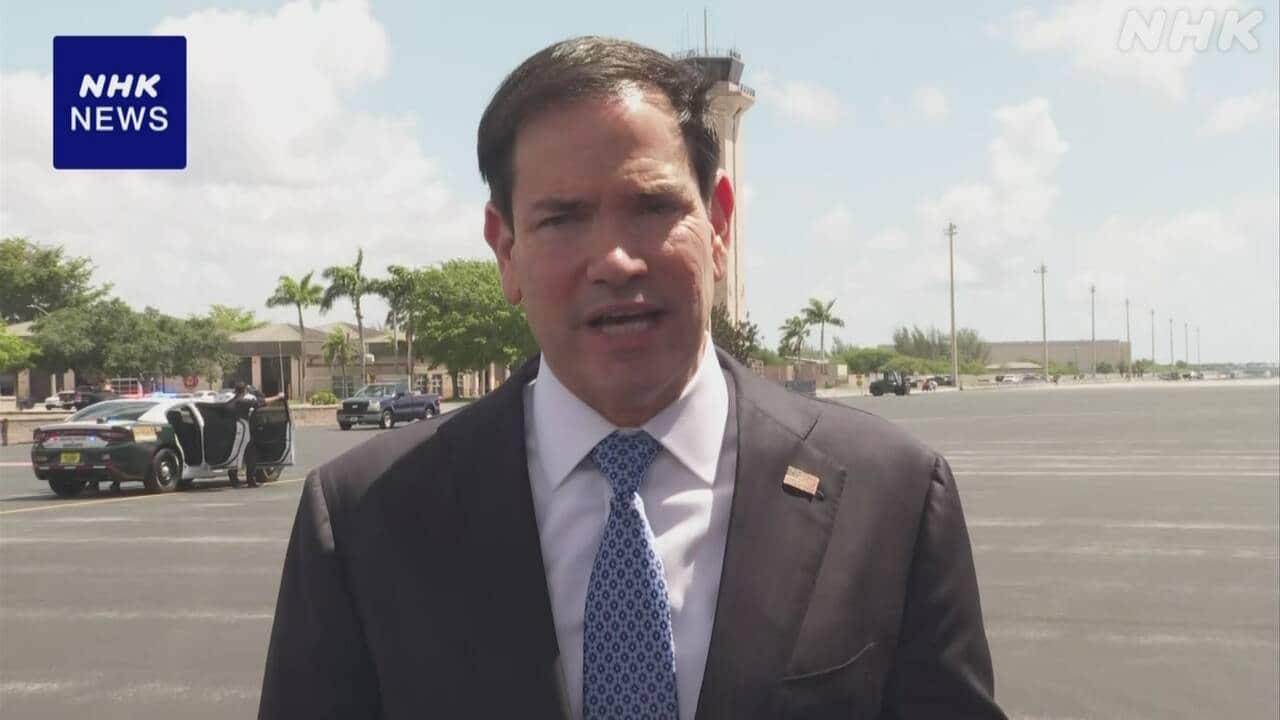
アメリカのトランプ政権がキューバへの圧力を強める中、ルビオ国務長官は交渉による外交的解決を望むとする一方、現在の交渉相手との間では、実現する可能性は高くはないとして、キューバ側をけん制しました。
キューバに対し、政治や経済の抜本的な改革を迫るトランプ政権は20日、30年前にキューバ軍がアメリカの民間小型機2機を撃墜した事件をめぐり、当時キューバの国防相だったラウル・カストロ元国家評議会議長の起訴を発表するなど圧力を強めています。
キューバ情勢について、ルビオ国務長官は21日、南部フロリダ州で記者団に対し、「大統領が常に望んでいるのは平和的な交渉による合意だ」と強調しました。
一方で、「正直に言うと、われわれが今、やりとりしている相手を考えると、それが起きる可能性は高くはない」と述べました。
その上で、「アメリカの国家の安全に対する脅威がある場合、大統領は対処する権利があるだけでなく、対処する義務がある」と述べ、キューバ側をけん制しました。
こうした中、中南米とカリブ海を担当するアメリカ南方軍は20日、原子力空母「ニミッツ」を中心とする空母打撃群がカリブ海地域に入ったと発表しました。
これについて、トランプ大統領は21日、ホワイトハウスで記者団から「キューバを威嚇するために空母を派遣しているのか」と問われると、「いや、まったく違う」と述べ、否定しました。
キューバに対し、政治や経済の抜本的な改革を迫るトランプ政権は20日、30年前にキューバ軍がアメリカの民間小型機2機を撃墜した事件をめぐり、当時キューバの国防相だったラウル・カストロ元国家評議会議長の起訴を発表するなど圧力を強めています。
キューバ情勢について、ルビオ国務長官は21日、南部フロリダ州で記者団に対し、「大統領が常に望んでいるのは平和的な交渉による合意だ」と強調しました。
一方で、「正直に言うと、われわれが今、やりとりしている相手を考えると、それが起きる可能性は高くはない」と述べました。
その上で、「アメリカの国家の安全に対する脅威がある場合、大統領は対処する権利があるだけでなく、対処する義務がある」と述べ、キューバ側をけん制しました。
こうした中、中南米とカリブ海を担当するアメリカ南方軍は20日、原子力空母「ニミッツ」を中心とする空母打撃群がカリブ海地域に入ったと発表しました。
これについて、トランプ大統領は21日、ホワイトハウスで記者団から「キューバを威嚇するために空母を派遣しているのか」と問われると、「いや、まったく違う」と述べ、否定しました。
この記事の単語 (57)
×3
交渉
こうしょう
1. negotiations; discussions 2. connection
×3
述べる
のべる
to state; to express; to mention
×2
圧力
あつりょく
1. pressure; stress 2. pressure (e.g. political); coercion; arm-twisting
×2
強める
つよめる
to strengthen; to emphasize; to emphasise
×2
国務長官
こくむちょうかん
Secretary of State
×2
望む
のぞむ
1. to desire 2. to wish for; to expect
×2
相手
あいて
1. companion; partner; company 2. other party; addressee
×2
可能性
かのうせい
potentiality; likelihood; possibility; availability
×2
高い
たかい
1. high; tall 2. expensive; high-priced
×2
牽制
けんせい
1. check; keeping in check; restraint; curbing; reining in; discouraging (from doing) 2. containment (of enemy forces); diversionary action; feint operation; show of force
×2
国家
こっか
state; country; nation
×2
発表
はっぴょう
announcement; publication; presenting; statement; communique; making known; breaking (news story); expressing (one's opinion); releasing; unveiling
×2
記者団
きしゃだん
press group; press corps; group of reporters; press organization; press organisation
×2
大統領
だいとうりょう
1. president (of a nation) 2. big man; boss; buddy; mate
×2
対処
たいしょ
dealing with; coping with
×2
空母
くうぼ
aircraft carrier
×1
外交的
がいこうてき
diplomatic
×1
解決
かいけつ
settlement; solution; resolution
×1
現在
げんざい
now; current; present; present time; as of
×1
実現
じつげん
implementation (e.g. of a system); materialization; materialisation; realization; realisation; actualization; actualisation
×1
抜本的
ばっぽんてき
drastic; radical
×1
改革
かいかく
reform; reformation; reorganization
×1
迫る
せまる
1. to approach; to draw near; to be imminent 2. to press (someone for something); to urge; to compel
×1
軍
ぐん
1. army; armed forces; troops 2. military authorities
×1
民間
みんかん
1. private; non-governmental; non-official; civilian; civil 2. folk; popular
×1
機
き
1. chance; opportunity 2. machine
×1
撃墜
げきつい
shooting down (aircraft)
×1
事件
じけん
event; affair; incident; case; plot; trouble; scandal
×1
巡る
めぐる
1. to go around 2. to return
×1
当時
とうじ
at that time; in those days
×1
国防相
こくぼうしょう
defense minister; defence minister
×1
評議会
ひょうぎかい
council (consultatory, advisory); board of trustees
×1
議長
ぎちょう
chair; chairman; chairperson; speaker (of an assembly); president (of a council, senate, etc.)
×1
起訴
きそ
prosecution; indictment
×1
情勢
じょうせい
state of things; state of affairs; condition; situation; circumstances
×1
南部
なんぶ
southern part; the south (of a region)
×1
常
つね
usual state of things
×1
平和的
へいわてき
peaceful
×1
合意
ごうい
(coming to an) agreement; consent; mutual understanding; accord; consensus
×1
強調
きょうちょう
emphasis; highlight; stress; stressed point
×1
正直
しょうじき
1. honest; frank; candid; straightforward 2. honestly; frankly
×1
我々
われわれ
we
×1
遣り取り
やりとり
giving and taking; exchange (of letters); arguing back and forth; (conversational) exchange
×1
脅威
きょうい
threat; menace
×1
権利
けんり
right; privilege
×1
義務
ぎむ
duty; obligation; responsibility
×1
中南米
ちゅうなんべい
Central and South America
×1
カリブ海
カリブかい
Caribbean Sea
×1
担当
たんとう
being in charge (of an area of responsibility); being responsible (for a work role, etc.)
×1
原子力空母
げんしりょくくうぼ
nuclear-powered aircraft carrier
×1
中心
ちゅうしん
1. center; centre; middle; heart; core; focus; pivot; emphasis; balance 2. -centered; -centred; -focused; -oriented; centered on; focused on
×1
打撃
だげき
1. blow; shock; strike; damage 2. batting
×1
威嚇
いかく
threat; intimidation; menace
×1
派遣
はけん
1. dispatch; despatch; deployment 2. temporary employee (esp. from an agency); temporary worker; agency temp
×1
問う
とう
1. to ask; to inquire 2. to blame (someone) for; to accuse of; to pursue (question of responsibility); to charge with
×1
全く
まったく
1. really; truly; entirely; completely; wholly; perfectly 2. indeed
×1
否定
ひてい
1. denial; negation; repudiation; disavowal 2. negation (logic)