日本の劇場はいつ独自の発展を遂げたのか?…能舞台から歌舞伎劇場まで、「日本的劇場」の系譜
予習
この記事のキーワード — タップで意味×98
劇場
げきじょう
theatre; theater; playhouse
×18
建築史
けんちくし
architectural history; history of architecture
×18
歌舞伎
かぶき
kabuki; Japanese classical drama
×22
本書
ほんしょ
text; script; this book
×20
建築
けんちく
construction; architecture (of buildings)
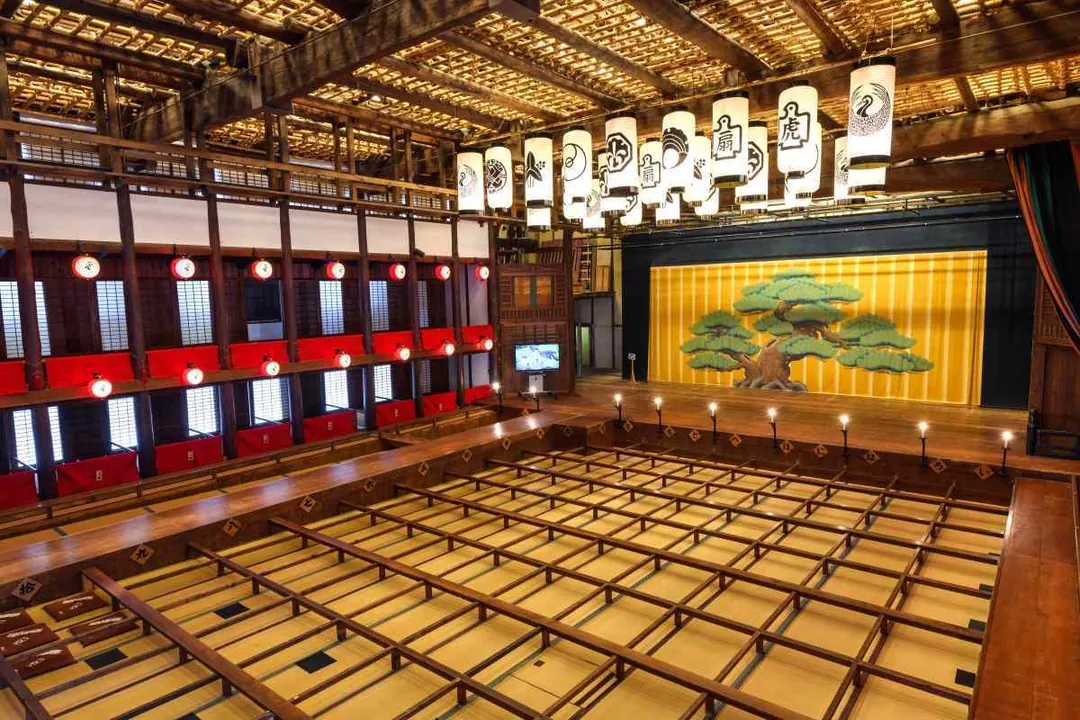
日本の実演芸術は、能楽・歌舞伎といった伝統芸能をはじめ、外国文化を取り入れたミュージカルやダンスパフォーマンスなど、そのジャンルは多岐に亘(わた)る。近年は「みる」側にも「推し活」なる偏愛的活動が流行し、上演と鑑賞の構図も多様化しつつある。
そして、実演芸術を上演するための「ハコ」となる劇場も、日本特有の舞台装置を備えた形式から外国の技術に影響を受けたものまで、やはり様々である。
そもそも日本の劇場は一体いつから発生し、どのように発展したのだろうか。
ごく簡単に整理するなら、日本の実演芸術は、古くは宗教組織や上流階級の儀礼・娯楽として根付きながら展開していったので、その上演空間も宗教建築あるいは住宅建築の付属装置として、まずは舞台のみの状態から始まった。やがて、舞台と客席を備え独立した建築が歌舞伎の世界から現れ、その形式が後続のジャンルにも普及した、ということになる。
こうした過程から、日本の劇場の通史は古代・中世を主な時代区分とする「舞台史」から、近世以降を主要範囲とする「劇場史」へと移行する段階があるが、須田敦夫『日本劇場史の研究』(相模書房、1957年、本書は須田の戦死の後刊行された)は、その歴史を知るにふさわしい金字塔である。
本書の範囲は極めて長大で、古代に中国・朝鮮半島から伝わった伎楽や蹈歌(とうか)、平安時代の田楽といった十分な舞台形式をもたぬものから、鎌倉・室町期の能舞台発生を経て、安土・桃山期の能舞台成立、そして近世の歌舞伎劇場と芝居町成立に至る。
圧巻は「中国劇場建築史論」で、補論でありながらその量は本書の1/5を占める。須田は1937年に小隊長として中国へ出征した折、戦地にもかかわらず部下と共に劇場を実測したというから、須田は研究の並々ならぬ熱意を遠い中国大陸にも向け、そこでの経験を余すことなく活かした。
とにかく網羅性の高さには舌を巻くが、本書で特筆すべきは、須田による劇場の定義、そして劇場の歴史性に対する国際的視点にある。私がそう思うのは、劇場の語が中々厄介で、その呼称を用いることに、しばしば頭を擡(もた)げることがあるからだ。
江戸後期に書かれた銅脈先生『唐土奇談』によると、「唐には芝居といふ事を演場とも戯場とも劇場共抅欄とも戯臺ともいふ」とあり、中国において劇場の語は実演芸術の施設を指す様々な表現の一種であったという。
一方日本では今とニュアンスが異なっていたと思しきところがあり、例えば近世の歌舞伎を画題とした錦絵には、劇場を「しばい」や「かぶき」と読ませるタイトルがみられるし、明治に刊行された大槻文彦編『言海』を参照しても、「劇塲」の意は「芝居。芝居小屋」としか書かれていない。どうも劇場は、元は歌舞伎劇場か、それに類する施設を指す狭義的な語だったらしい。
須田は劇場をどう捉えていたのか。須田は本書で、劇場の意を「演劇に関連を有する芸能」、すなわち歌舞伎以外も含む実演芸術の「場所ないし建築物」と説明する。そして、劇場という存在を「独自の発達過程を有する唯一の公共建築として最も刮目さるべき文化施設」と捉えた(本書序言5頁)。
まず劇場の定義は、現在の感覚からすればあまり違和感はない。しかし本書以前の研究と比べると、遥かに広義的である。例として後藤慶二『日本劇場史』(岩波書店、1925年)では、劇場は歌舞伎劇場の固有名詞として用いられた。少なくとも大正期頃までは、劇場の意は近世と変わらずにあったと思われるが、須田の定義はこの意の慣用を脱した点に最大の特徴がある。
もう1つの「独自の発達過程」とは、劇場の歴史的変遷の唯一性を指している。須田は、古代の大陸からの影響を明確に認めつつ、鎌倉期から安土・桃山期の能舞台を中心とする「近古劇場建築史」と、江戸期の歌舞伎劇場を中心とする「近世劇場建築史」には、「其の本質や発達史の本流に外国の影響がなかつた」と断言する(本書120頁)。
この捉え方は興味深いが、さらに須田は室町期の日中間の楽舞・演劇の交流が互いの劇場形式に影響を与えたことを示唆しながらも、室町末期の「所謂南蛮人の渡来」は劇場建築史に直接的な影響が認められないとする(本書119-120頁)。
中国との交流が長く続いた可能性は残しつつ、日本の劇場は中世後期以降、「日本的」な「自主性または純粋性」によって変化してきたというのだ。
戦前に書かれた背景からすれば、須田の意図にナショナリズムが潜んでいるとみることもできなくはない。私見としては、須田は劇場を通して、特定の文化・技術が「日本的」なるものに至る過程を、ただ純粋に描きたかったのではないかと考えている。
古代より大陸の建築技術を都度受け入れ、その度に長い年月をかけて固有の様式へ「日本化」してきたのが日本建築である。本格的な「西洋化」は明治以降だ。日本の劇場もまさしく同じ変化を遂げてきたのだから、劇場史も日本建築史の重要な潮流であることに変わりはないのではないか。
おそらくそう思惟をめぐらしたのだろう、須田は「日本建築史は、在来の宗教建築史住宅建築史と共に劇場建築史を鼎立せしめ、之を三大領域に区分すべき」と表明する(本書57頁)。このために劇場の定義を書き換え、その歴史的変遷を「日本的」と評し、中国建築との対照を試みたに違いない。
劇場史の学術的地位を高められると信じた須田の野心は、読者の目に逞しく映る。しかし今、建築史学における劇場史研究は、須田が望んだほど発展していない。近代劇場史研究はわずかばかりあるが、どうしても西洋の摂取に主題が偏る。須田が見出した「日本的」な「自主性または純粋性」を、劇場の歴史にみることは難しくなった。
ところで、本書では割愛されたらしい須田の遺稿には、当時の劇場を扱ったものがある。1936年に早稲田大学新聞に発表された「東宝の劇場史的考察」がそれで、確認できていないが東京宝塚劇場について述べているらしい。
同劇場は銀橋という独自の舞台機構を発明したから、須田は宝塚劇場を新たな「日本的」系統樹に位置付けようとしたのだろうか。
須田が描くはずだった近代劇場の歴史像は、今となっては知る術もない。もし須田が戦禍を乗り越え続編を著していたなら、と夢想するたび、後進の研究者は劇場の歴史から次に何を見出せるか、未だ重責が残されていると思えてならない。
辻 槙一郎(Shinichiro Tsuji)
京都府立大学大学院生命環境科学研究科准教授。専門は近代建築史、近代劇場史。東京藝術大学大学院美術研究科博士後期課程修了、博士(学術)。同大学美術学部建築科教育研究助手を経て現職。著書に『能楽堂の誕生 −「日本的近代化」を遂げた劇場空間−』(中央公論美術出版、2025年)。同書で日本演劇学会第58回河竹賞奨励賞受賞。「近代東京・大阪の劇場建築における劇場計画の変容過程に関する研究」にて、サントリー文化財団2019年度「若手研究者のためのチャレンジ研究助成」に採択。
日本の実演芸術は、能楽・歌舞伎といった伝統芸能をはじめ、外国文化を取り入れたミュージカルやダンスパフォーマンスなど、そのジャンルは多岐に亘(わた)る。近年は「みる」側にも「推し活」なる偏愛的活動が流行し、上演と鑑賞の構図も多様化しつつある。 そして、実演芸術を上演するための「ハコ」となる劇場も、日本特有の舞台装置を備えた形式から外国の技術に影響を受けたものまで、やはり様々である。 そもそも日本の劇場は一体いつから発生し、どのように発展したのだろうか。 ごく簡単に整理するなら、日本の実演芸術は、古くは宗教組織や上流階級の儀礼・娯楽として根付きながら展開していったので、その上演空間も宗教建築あるいは住宅建築の付属装置として、まずは舞台のみの状態から始まった。やがて、舞台と客席を備え独立した建築が歌舞伎の世界から現れ、その形式が後続のジャンルにも普及した、ということになる。 こうした過程から、日本の劇場の通史は古代・中世を主な時代区分とする「舞台史」から、近世以降を主要範囲とする「劇場史」へと移行する段階があるが、須田敦夫『日本劇場史の研究』(相模書房、1957年、本書は須田の戦死の後刊行された)は、その歴史を知るにふさわしい金字塔である。 本書の範囲は極めて長大で、古代に中国・朝鮮半島から伝わった伎楽や蹈歌(とうか)、平安時代の田楽といった十分な舞台形式をもたぬものから、鎌倉・室町期の能舞台発生を経て、安土・桃山期の能舞台成立、そして近世の歌舞伎劇場と芝居町成立に至る。 圧巻は「中国劇場建築史論」で、補論でありながらその量は本書の1/5を占める。須田は1937年に小隊長として中国へ出征した折、戦地にもかかわらず部下と共に劇場を実測したというから、須田は研究の並々ならぬ熱意を遠い中国大陸にも向け、そこでの経験を余すことなく活かした。 とにかく網羅性の高さには舌を巻くが、本書で特筆すべきは、須田による劇場の定義、そして劇場の歴史性に対する国際的視点にある。私がそう思うのは、劇場の語が中々厄介で、その呼称を用いることに、しばしば頭を擡(もた)げることがあるからだ。 江戸後期に書かれた銅脈先生『唐土奇談』によると、「唐には芝居といふ事を演場とも戯場とも劇場共抅欄とも戯臺ともいふ」とあり、中国において劇場の語は実演芸術の施設を指す様々な表現の一種であったという。 一方日本では今とニュアンスが異なっていたと思しきところがあり、例えば近世の歌舞伎を画題とした錦絵には、劇場を「しばい」や「かぶき」と読ませるタイトルがみられるし、明治に刊行された大槻文彦編『言海』を参照しても、「劇塲」の意は「芝居。芝居小屋」としか書かれていない。どうも劇場は、元は歌舞伎劇場か、それに類する施設を指す狭義的な語だったらしい。 須田は劇場をどう捉えていたのか。須田は本書で、劇場の意を「演劇に関連を有する芸能」、すなわち歌舞伎以外も含む実演芸術の「場所ないし建築物」と説明する。そして、劇場という存在を「独自の発達過程を有する唯一の公共建築として最も刮目さるべき文化施設」と捉えた(本書序言5頁)。 まず劇場の定義は、現在の感覚からすればあまり違和感はない。しかし本書以前の研究と比べると、遥かに広義的である。例として後藤慶二『日本劇場史』(岩波書店、1925年)では、劇場は歌舞伎劇場の固有名詞として用いられた。少なくとも大正期頃までは、劇場の意は近世と変わらずにあったと思われるが、須田の定義はこの意の慣用を脱した点に最大の特徴がある。 もう1つの「独自の発達過程」とは、劇場の歴史的変遷の唯一性を指している。須田は、古代の大陸からの影響を明確に認めつつ、鎌倉期から安土・桃山期の能舞台を中心とする「近古劇場建築史」と、江戸期の歌舞伎劇場を中心とする「近世劇場建築史」には、「其の本質や発達史の本流に外国の影響がなかつた」と断言する(本書120頁)。 この捉え方は興味深いが、さらに須田は室町期の日中間の楽舞・演劇の交流が互いの劇場形式に影響を与えたことを示唆しながらも、室町末期の「所謂南蛮人の渡来」は劇場建築史に直接的な影響が認められないとする(本書119-120頁)。 中国との交流が長く続いた可能性は残しつつ、日本の劇場は中世後期以降、「日本的」な「自主性または純粋性」によって変化してきたというのだ。 戦前に書かれた背景からすれば、須田の意図にナショナリズムが潜んでいるとみることもできなくはない。私見としては、須田は劇場を通して、特定の文化・技術が「日本的」なるものに至る過程を、ただ純粋に描きたかったのではないかと考えている。 古代より大陸の建築技術を都度受け入れ、その度に長い年月をかけて固有の様式へ「日本化」してきたのが日本建築である。本格的な「西洋化」は明治以降だ。日本の劇場もまさしく同じ変化を遂げてきたのだから、劇場史も日本建築史の重要な潮流であることに変わりはないのではないか。 おそらくそう思惟をめぐらしたのだろう、須田は「日本建築史は、在来の宗教建築史住宅建築史と共に劇場建築史を鼎立せしめ、之を三大領域に区分すべき」と表明する(本書57頁)。このために劇場の定義を書き換え、その歴史的変遷を「日本的」と評し、中国建築との対照を試みたに違いない。 劇場史の学術的地位を高められると信じた須田の野心は、読者の目に逞しく映る。しかし今、建築史学における劇場史研究は、須田が望んだほど発展していない。近代劇場史研究はわずかばかりあるが、どうしても西洋の摂取に主題が偏る。須田が見出した「日本的」な「自主性または純粋性」を、劇場の歴史にみることは難しくなった。 ところで、本書では割愛されたらしい須田の遺稿には、当時の劇場を扱ったものがある。1936年に早稲田大学新聞に発表された「東宝の劇場史的考察」がそれで、確認できていないが東京宝塚劇場について述べているらしい。 同劇場は銀橋という独自の舞台機構を発明したから、須田は宝塚劇場を新たな「日本的」系統樹に位置付けようとしたのだろうか。 須田が描くはずだった近代劇場の歴史像は、今となっては知る術もない。もし須田が戦禍を乗り越え続編を著していたなら、と夢想するたび、後進の研究者は劇場の歴史から次に何を見出せるか、未だ重責が残されていると思えてならない。 辻 槙一郎(Shinichiro Tsuji) 京都府立大学大学院生命環境科学研究科准教授。専門は近代建築史、近代劇場史。東京藝術大学大学院美術研究科博士後期課程修了、博士(学術)。同大学美術学部建築科教育研究助手を経て現職。著書に『能楽堂の誕生 −「日本的近代化」を遂げた劇場空間−』(中央公論美術出版、2025年)。同書で日本演劇学会第58回河竹賞奨励賞受賞。「近代東京・大阪の劇場建築における劇場計画の変容過程に関する研究」にて、サントリー文化財団2019年度「若手研究者のためのチャレンジ研究助成」に採択。
日本の実演芸術は、能楽・歌舞伎といった伝統芸能をはじめ、外国文化を取り入れたミュージカルやダンスパフォーマンスなど、そのジャンルは多岐に亘(わた)る。近年は「みる」側にも「推し活」なる偏愛的活動が流行し、上演と鑑賞の構図も多様化しつつある。 そして、実演芸術を上演するための「ハコ」となる劇場も、日本特有の舞台装置を備えた形式から外国の技術に影響を受けたものまで、やはり様々である。 そもそも日本の劇場は一体いつから発生し、どのように発展したのだろうか。 ごく簡単に整理するなら、日本の実演芸術は、古くは宗教組織や上流階級の儀礼・娯楽として根付きながら展開していったので、その上演空間も宗教建築あるいは住宅建築の付属装置として、まずは舞台のみの状態から始まった。やがて、舞台と客席を備え独立した建築が歌舞伎の世界から現れ、その形式が後続のジャンルにも普及した、ということになる。 こうした過程から、日本の劇場の通史は古代・中世を主な時代区分とする「舞台史」から、近世以降を主要範囲とする「劇場史」へと移行する段階があるが、須田敦夫『日本劇場史の研究』(相模書房、1957年、本書は須田の戦死の後刊行された)は、その歴史を知るにふさわしい金字塔である。 本書の範囲は極めて長大で、古代に中国・朝鮮半島から伝わった伎楽や蹈歌(とうか)、平安時代の田楽といった十分な舞台形式をもたぬものから、鎌倉・室町期の能舞台発生を経て、安土・桃山期の能舞台成立、そして近世の歌舞伎劇場と芝居町成立に至る。 圧巻は「中国劇場建築史論」で、補論でありながらその量は本書の1/5を占める。須田は1937年に小隊長として中国へ出征した折、戦地にもかかわらず部下と共に劇場を実測したというから、須田は研究の並々ならぬ熱意を遠い中国大陸にも向け、そこでの経験を余すことなく活かした。 とにかく網羅性の高さには舌を巻くが、本書で特筆すべきは、須田による劇場の定義、そして劇場の歴史性に対する国際的視点にある。私がそう思うのは、劇場の語が中々厄介で、その呼称を用いることに、しばしば頭を擡(もた)げることがあるからだ。 江戸後期に書かれた銅脈先生『唐土奇談』によると、「唐には芝居といふ事を演場とも戯場とも劇場共抅欄とも戯臺ともいふ」とあり、中国において劇場の語は実演芸術の施設を指す様々な表現の一種であったという。 一方日本では今とニュアンスが異なっていたと思しきところがあり、例えば近世の歌舞伎を画題とした錦絵には、劇場を「しばい」や「かぶき」と読ませるタイトルがみられるし、明治に刊行された大槻文彦編『言海』を参照しても、「劇塲」の意は「芝居。芝居小屋」としか書かれていない。どうも劇場は、元は歌舞伎劇場か、それに類する施設を指す狭義的な語だったらしい。 須田は劇場をどう捉えていたのか。須田は本書で、劇場の意を「演劇に関連を有する芸能」、すなわち歌舞伎以外も含む実演芸術の「場所ないし建築物」と説明する。そして、劇場という存在を「独自の発達過程を有する唯一の公共建築として最も刮目さるべき文化施設」と捉えた(本書序言5頁)。 まず劇場の定義は、現在の感覚からすればあまり違和感はない。しかし本書以前の研究と比べると、遥かに広義的である。例として後藤慶二『日本劇場史』(岩波書店、1925年)では、劇場は歌舞伎劇場の固有名詞として用いられた。少なくとも大正期頃までは、劇場の意は近世と変わらずにあったと思われるが、須田の定義はこの意の慣用を脱した点に最大の特徴がある。 もう1つの「独自の発達過程」とは、劇場の歴史的変遷の唯一性を指している。須田は、古代の大陸からの影響を明確に認めつつ、鎌倉期から安土・桃山期の能舞台を中心とする「近古劇場建築史」と、江戸期の歌舞伎劇場を中心とする「近世劇場建築史」には、「其の本質や発達史の本流に外国の影響がなかつた」と断言する(本書120頁)。 この捉え方は興味深いが、さらに須田は室町期の日中間の楽舞・演劇の交流が互いの劇場形式に影響を与えたことを示唆しながらも、室町末期の「所謂南蛮人の渡来」は劇場建築史に直接的な影響が認められないとする(本書119-120頁)。 中国との交流が長く続いた可能性は残しつつ、日本の劇場は中世後期以降、「日本的」な「自主性または純粋性」によって変化してきたというのだ。 戦前に書かれた背景からすれば、須田の意図にナショナリズムが潜んでいるとみることもできなくはない。私見としては、須田は劇場を通して、特定の文化・技術が「日本的」なるものに至る過程を、ただ純粋に描きたかったのではないかと考えている。 古代より大陸の建築技術を都度受け入れ、その度に長い年月をかけて固有の様式へ「日本化」してきたのが日本建築である。本格的な「西洋化」は明治以降だ。日本の劇場もまさしく同じ変化を遂げてきたのだから、劇場史も日本建築史の重要な潮流であることに変わりはないのではないか。 おそらくそう思惟をめぐらしたのだろう、須田は「日本建築史は、在来の宗教建築史住宅建築史と共に劇場建築史を鼎立せしめ、之を三大領域に区分すべき」と表明する(本書57頁)。このために劇場の定義を書き換え、その歴史的変遷を「日本的」と評し、中国建築との対照を試みたに違いない。 劇場史の学術的地位を高められると信じた須田の野心は、読者の目に逞しく映る。しかし今、建築史学における劇場史研究は、須田が望んだほど発展していない。近代劇場史研究はわずかばかりあるが、どうしても西洋の摂取に主題が偏る。須田が見出した「日本的」な「自主性または純粋性」を、劇場の歴史にみることは難しくなった。 ところで、本書では割愛されたらしい須田の遺稿には、当時の劇場を扱ったものがある。1936年に早稲田大学新聞に発表された「東宝の劇場史的考察」がそれで、確認できていないが東京宝塚劇場について述べているらしい。 同劇場は銀橋という独自の舞台機構を発明したから、須田は宝塚劇場を新たな「日本的」系統樹に位置付けようとしたのだろうか。 須田が描くはずだった近代劇場の歴史像は、今となっては知る術もない。もし須田が戦禍を乗り越え続編を著していたなら、と夢想するたび、後進の研究者は劇場の歴史から次に何を見出せるか、未だ重責が残されていると思えてならない。 辻 槙一郎(Shinichiro Tsuji) 京都府立大学大学院生命環境科学研究科准教授。専門は近代建築史、近代劇場史。東京藝術大学大学院美術研究科博士後期課程修了、博士(学術)。同大学美術学部建築科教育研究助手を経て現職。著書に『能楽堂の誕生 −「日本的近代化」を遂げた劇場空間−』(中央公論美術出版、2025年)。同書で日本演劇学会第58回河竹賞奨励賞受賞。「近代東京・大阪の劇場建築における劇場計画の変容過程に関する研究」にて、サントリー文化財団2019年度「若手研究者のためのチャレンジ研究助成」に採択。
この記事の単語 (324)
×98
劇場
げきじょう
theatre; theater; playhouse
×40
須田
すた
Suta (place; surname)
×22
本書
ほんしょ
text; script; this book
×20
建築
けんちく
construction; architecture (of buildings)
×18
歌舞伎
かぶき
kabuki; Japanese classical drama
×18
建築史
けんちくし
architectural history; history of architecture
×14
期
き
1. period; time 2. opportunity; chance; occasion
×12
舞台
ぶたい
1. stage (theatre, theater) 2. scene or setting (e.g. of novel, play, etc.)
×12
中国
ちゅうごく
1. China 2. Chūgoku region of western Honshu (incl. Okayama, Hiroshima, Shimane, Tottori and Yamaguchi prefectures)
×12
日本的
にほんてき
(typically) Japanese
×10
実演
じつえん
1. demonstration; presentation 2. stage show; performance
×10
芸術
げいじゅつ
(fine) art; the arts
×10
影響
えいきょう
1. influence; effect 2. to influence; to affect; to have an influence on; to impact; to have an effect on
×10
過程
かてい
process; course; mechanism
×10
近世
きんせい
1. recent past; recent times 2. early modern period (from the Azuchi-Momoyama period to the end of the Edo period)
×10
芝居
しばい
play; drama
×10
近代
きんだい
1. present day; modern times; recent times 2. early modern period (in Japan, usu. from the Meiji Restoration until the end of World War II)
×8
形式
けいしき
1. form (as opposed to substance); formality 2. method; system; style
×8
古代
こだい
ancient times
×8
定義
ていぎ
definition
×6
上演
じょうえん
performance (of a play, opera, etc.); staging; presentation
×6
宗教
しゅうきょう
1. religion; religious affiliation; belief; faith; creed 2. religious activity
×6
以降
いこう
on and after; as from; hereafter; thereafter; since
×6
室町
むろまち
Muromachi (era 1392-1573, or 1333-1573, or 1336-1573)
×6
能舞台
のうぶたい
noh stage
×6
後期
こうき
latter period; second half; late stage; third trimester; second semester
×6
指す
さす
1. to point 2. to nominate; to select someone; to specify some person
×6
捉える
とらえる
1. to catch; to capture; to seize; to arrest; to grab; to catch hold of 2. to grasp (e.g. meaning); to perceive; to capture (e.g. features)
×6
演劇
えんげき
drama; theatre; theater; play
×6
独自
どくじ
1. original; unique; distinctive; characteristic; peculiar 2. independent; one's own; personal
×6
発達
はったつ
development; growth
×6
純粋
じゅんすい
pure; true; genuine; unmixed
×4
装置
そうち
1. equipment; device; installation; apparatus 2. stage setting
×4
備える
そなえる
1. to furnish with; to equip with; to provide; to install 2. to prepare for; to make preparations for; to make provision for
×4
様々
さまざま
various; varied; diverse; all sorts of
×4
発生
はっせい
1. outbreak; spring forth; occurrence; incidence 2. generation (e.g. of power or heat); genesis; origin
×4
発展
はってん
1. development; growth; expansion; extension; flourishing 2. development (of a situation, story, etc.); advancement; progression; unfolding
×4
空間
くうかん
space; room; airspace
×4
住宅
じゅうたく
residence; housing; residential building
×4
中世
ちゅうせい
Middle Ages (in Japan esp. the Kamakura and Muromachi periods); medieval times; mediaeval times
×4
区分
くぶん
division; section; demarcation; partition; segmentation; subdivision; (traffic) lane; compartment; classification; sorting
×4
範囲
はんい
extent; scope; sphere; range; span
×4
刊行
かんこう
publication; issue
×4
鎌倉
かまくら
Kamakura (city)
×4
経る
へる
1. to pass; to elapse; to go by 2. to pass through; to go through
×4
安土
あずち
mound on which targets are placed (in archery); firing mound
×4
桃山
とうざん
Touzan (given)
×4
成立
せいりつ
1. formation; establishment; materialization; coming into existence 2. conclusion (e.g. of a deal); reaching (e.g. an agreement); approval; completion; closing; enacting; arrangement
×4
至る
いたる
1. to arrive at (e.g. a decision); to reach (a stage); to attain 2. to lead to (a place); to get to
×4
共
とも
1. together with 2. same
×4
用いる
もちいる
to use; to make use of; to utilize; to utilise
×4
江戸
えど
Edo (shogunate capital, now Tokyo); Yedo
×4
施設
しせつ
1. institution; establishment; facility 2. home (for elderly, orphans, etc.)
×4
明治
めいじ
Meiji era (1868.9.8-1912.7.30)
×4
有する
ゆうする
to have; to possess; to own; to be endowed with
×4
唯一
ゆいいつ
only; sole; unique
×4
歴史的
れきしてき
historic; historical; traditional
×4
変遷
へんせん
change; transition; vicissitudes
×4
大陸
たいりく
1. continent 2. continental Asia (esp. mainland China)
×4
認める
したためる
1. to write (e.g. a letter); to draw up (a document); to take down (e.g. notes) 2. to have (lunch, dinner, etc.); to eat
×4
中心
ちゅうしん
1. center; centre; middle; heart; core; focus; pivot; emphasis; balance 2. -centered; -centred; -focused; -oriented; centered on; focused on
×4
交流
こうりゅう
1. exchange (e.g. cultural); interchange; interaction; mingling; mixing; coming together 2. alternating current; AC
×4
残す
のこす
1. to leave (behind) 2. to leave (undone); to not finish
×4
自主性
じしゅせい
autonomy; independence
×4
変化
へんか
1. change; variation; alteration; mutation; transition; transformation; transfiguration; metamorphosis 2. variety; diversity
×4
描く
えがく
1. to draw; to paint; to sketch 2. to depict; to describe
×4
遂げる
とげる
1. to accomplish; to achieve; to carry out 2. to arrive at (a certain outcome); to come to; to end with
×4
見出だす
みいだす
1. to find out; to discover; to notice; to detect 2. to select; to pick out
×4
東京
とうきょう
Tokyo
×4
宝塚劇場
たからづかげきじょう
Takarazu Theatre (place)
×4
研究者
けんきゅうしゃ
researcher
×4
大学院
だいがくいん
graduate school
×4
博士
はかせ
1. expert; learned person 2. doctor; PhD; Dr.
×4
美術
びじゅつ
art; fine arts
×2
能楽
のうがく
noh play
×2
伝統芸能
でんとうげいのう
traditional art; traditional performance art
×2
取り入れる
とりいれる
1. to harvest; to reap 2. to take in; to gather in
×2
多岐
たき
digression; many divergences
×2
近年
きんねん
recent years
×2
偏愛
へんあい
favoritism; favouritism; partiality
×2
活動
かつどう
1. activity (of a person, organization, animal, volcano, etc.); action 2. movie (esp. during the silent movie period)
×2
流行
りゅうこう
1. fashion; trend; vogue; craze; fad; popularity 2. prevalence (of a disease); epidemic
×2
鑑賞
かんしょう
appreciation (of art, music, poetry, etc.)
×2
構図
こうず
composition
×2
多様化
たようか
diversification
×2
特有
とくゆう
characteristic (of); peculiar (to)
×2
抑
そもそも
1. in the first place; to begin with; from the start; originally; ab initio 2. after all; anyway; actually; well, ...; ... on earth (e.g. "what on earth?"); ... in the world (e.g. "why in the world?")
×2
一体
いったい
1. (what) the heck; (why) in the world; (who) on earth 2. one object; one body; unity
×2
極く
ごく
1. quite; very 2. 10^48; quindecillion
×2
整理
せいり
1. sorting; arrangement; organization; putting in order; adjustment; regulation 2. liquidation; settlement; consolidation; clearance (e.g. debt); paying off
×2
古く
ふるく
1. anciently; formerly 2. old times; a long time ago
×2
組織
そしき
1. organization; organisation; formation 2. structure; construction; setup; constitution
×2
上流階級
じょうりゅうかいきゅう
upper class; upper echelons of society; the rich and powerful; the elite
×2
儀礼
ぎれい
etiquette; courtesy
×2
娯楽
ごらく
pleasure; amusement
×2
根付く
ねづく
to take root; to strike
×2
展開
てんかい
1. development; evolution; progression; unfolding; (plot) twist 2. expansion; spreading out; extending; deployment; building up
×2
或いは
あるいは
1. or; either ... or 2. maybe; perhaps; possibly
×2
付属
ふぞく
attached; belonging (to); included; enclosed; affiliated; annexed; associated; subordinate; incidental; dependent; auxiliary
×2
のみ
only; nothing but
×2
状態
じょうたい
state; condition; situation; appearance; circumstances
×2
軈て
やがて
1. before long; soon; shortly 2. almost; nearly
×2
客席
きゃくせき
1. guest seating (e.g. theater, stadium); passenger seat (e.g. taxi) 2. audience
×2
独立
どくりつ
1. independence; self-reliance; supporting oneself; being on one's own 2. independence (e.g. of a nation); freedom
×2
現れる
あらわれる
1. to appear; to come in sight; to become visible; to come out; to embody; to materialize; to materialise 2. to be expressed (e.g. emotions); to become apparent (e.g. trends, effects)
×2
後続
こうぞく
succeeding; following; trailing; next
×2
普及
ふきゅう
diffusion; spread; popularization; promulgation; familiarization
×2
通史
つうし
overview of history
×2
主な
おもな
chief; main; principal; important
×2
主要
しゅよう
chief; main; principal; major
×2
移行
いこう
switching over to; migration; transition
×2
段階
だんかい
grade; level; stage; class; phase; steps; order; gradation
×2
敦夫
あつお
Atsuo (given)
×2
相模
さがみ
Sagami (former province located in present-day Kanagawa Prefecture)
×2
書房
しょぼう
1. study; library 2. bookstore; bookshop; publishing company
×2
戦死
せんし
death in battle
×2
相応しい
ふさわしい
appropriate; adequate; suitable; fitting; worthy
×2
金字塔
きんじとう
1. pyramid 2. monumental work; landmark achievement
×2
極めて
きわめて
exceedingly; extremely; decisively
×2
長大
ちょうだい
long and large; tall and large; grand; huge
×2
朝鮮半島
ちょうせんはんとう
Korean peninsula
×2
伝わる
つたわる
to be handed down; to be introduced; to be transmitted; to be circulated; to go along; to walk along
×2
伎楽
ぎがく
ancient music
×2
平安時代
へいあんじだい
Heian period (794-1185)
×2
田楽
でんがく
1. ritual music and dancing in shrines and temples 2. rice dance; rice festival
×2
圧巻
あっかん
1. highlight; best part 2. stunning; incredible; superb
×2
史論
しろん
historical treatise; historical discussion
×2
補論
ほろん
addendum
×2
量
りょう
1. quantity; amount; volume; capacity; portion (of food) 2. generosity; magnanimity; tolerance
×2
占める
しめる
1. to occupy; to hold 2. to account for; to make up; to take up
×2
小隊長
しょうたいちょう
platoon commander; section commander
×2
出征
しゅっせい
1. going to war; departure for the front 2. departure for military service (in response to a draft)
×2
折
おり
1. opportunity; chance; occasion; time 2. folding; fold; pleat; crease
×2
戦地
せんち
front (in battle)
×2
関わる
かかわる
1. to be affected; to be influenced 2. to be concerned with; to have to do with
×2
部下
ぶか
subordinate person
×2
実測
じっそく
survey; actual measurements
×2
並々
なみなみ
ordinary
×2
熱意
ねつい
zeal; enthusiasm; ardor; ardour
×2
中国大陸
ちゅうごくたいりく
mainland China
×2
余す
あます
to save; to leave over; to spare
×2
生かす
いかす
1. to make (the best) use of; to put to good use; to leverage (skills, attributes, experience, etc.); to capitalise on (experience, etc.) 2. to let live; to keep alive
×2
兎に角
とにかく
anyhow; at any rate; anyway; somehow or other; generally speaking; in any case; at least
×2
網羅
もうら
encompassing; covering (exhaustively); including (all of); comprising; comprehending
×2
高さ
たかさ
1. height; altitude; elevation; level 2. altitude; height
×2
舌
した
1. tongue 2. tongue-like object; clapper (of a bell); talon (of a lock)
×2
巻く
まく
1. to wind; to coil; to roll; to wear (e.g. turban, scarf) 2. to envelope; to shroud
×2
特筆
とくひつ
special mention
×2
国際的
こくさいてき
international
×2
視点
してん
opinion; point of view; visual point
×2
厄介
やっかい
1. trouble; burden; nuisance; bother; worry 2. care; dependence; support; kindness; obligation; staying (with a person)
×2
呼称
こしょう
1. naming; giving a name; designation; denomination 2. nominal
×2
屡々
しばしば
often; again and again; frequently; repeatedly
×2
擡げる
もたげる
to raise (one's head)
×2
銅脈
どうみゃく
Doumyaku (surname)
×2
唐土
もろこし
1. China 2. Chinese
×2
奇談
きだん
romantic story; colorful story; colourful story; highly embellished story
×2
戯れ
たわむれ
play; sport; fun; caprice; joke; jest; flirtation
×2
臺
うつ
Utsu (unclass)
×2
表現
ひょうげん
1. expression; presentation 2. representation; notation
×2
一種
いっしゅ
species; kind; variety
×2
異なる
ことなる
to differ; to vary; to disagree
×2
思しい
おぼしい
appears to be; apparently
×2
画題
がだい
1. subject (of a painting); motif; theme 2. title of a painting
×2
錦絵
にしきえ
nishiki-e; multi-colour woodblock print
×2
大槻文彦
おおつきふみひこ
Ootsuki Fumihiko (1847.12.22-1928.2.17) (person)
×2
編
へん
1. compilation (of a text); editing 2. volume (of a text)
×2
言海
げんかい
Genkai (1886 dictionary) (work)
×2
参照
さんしょう
reference; bibliographical reference; consultation; browsing (e.g. when selecting a file to upload on a computer); checking out
×2
劇
げき
1. drama; play 2. powerful drug
×2
小屋
こや
1. hut; cabin; shed; (animal) pen 2. small theatre (theater); temporary playhouse; circus tent; booth
×2
類する
るいする
to be similar to
×2
狭義
きょうぎ
narrow sense (e.g. of a word)
×2
関連
かんれん
relation; connection; relevance
×2
芸能
げいのう
1. public entertainment; performing arts 2. accomplishments; attainments
×2
即ち
すなわち
that is; namely; i.e.
×2
含む
ふくむ
1. to contain; to comprise; to have; to hold; to include; to embrace 2. to hold in the mouth
×2
乃至
ないし
1. from ... to; between ... and 2. or
×2
建築物
けんちくぶつ
building; structure
×2
存在
そんざい
existence; being
×2
公共
こうきょう
public (facilities, service, etc.); communal
×2
最も
もっとも
most; extremely
×2
刮目
かつもく
careful observation; close attention
×2
文化施設
ぶんかしせつ
cultural facilities (art galleries, tea rooms, etc.)
×2
序言
じょげん
foreword; preface; introduction
×2
現在
げんざい
now; current; present; present time; as of
×2
感覚
かんかく
sense; sensation; feeling; intuition
×2
違和感
いわかん
1. uncomfortable feeling; feeling out of place; sense of discomfort 2. malaise; physical unease
×2
以前
いぜん
ago; since; before; previous
×2
遥か
はるか
far; far away; distant; remote; far off
×2
広義
こうぎ
wide sense (e.g. of a word); broad sense
×2
例
れい
1. custom; practice; habit; usual 2. said; aforementioned
×2
後藤
がとう
Gatou (surname)
×2
慶二
けいじ
Keiji (given)
×2
岩波書店
いわなみしょてん
Iwanami Shoten, Publishers (publisher) (company)
×2
固有名詞
こゆうめいし
proper noun
×2
大正
たいしょう
Taishō era (1912.7.30-1926.12.25); Taisho era
×2
頃
ころ
1. (approximate) time; around; about; toward 2. suitable time (or condition)
×2
慣用
かんよう
customary use; common usage; general usage
×2
脱する
だっする
to escape from; to get out
×2
最大
さいだい
biggest; greatest; largest; maximum
×2
特徴
とくちょう
feature; trait; characteristic; peculiarity; distinction
×2
明確
めいかく
clear; precise; definite; distinct
×2
近古
きんこ
early modern age
×2
其の
その
1. that; the 2. part (as in "part two")
×2
本質
ほんしつ
essence; true nature; substance; reality
×2
本流
ほんりゅう
1. main course (of a river) 2. mainstream; main current (e.g. of thought)
×2
蔦
つた
ivy (esp. Boston ivy, Parthenocissus tricuspidata)
×2
断言
だんげん
assertion; declaration; affirmation
×2
日中
にっちゅう
1. daytime; during the day 2. Japan and China
×2
楽舞
がくぶ
singing and dancing; song and dance
×2
互い
たがい
each other; one another
×2
与える
あたえる
1. to give (esp. to someone of lower status); to bestow; to grant; to confer; to present; to award 2. to provide; to afford; to offer; to supply
×2
示唆
しさ
suggestion; hint; implication
×2
末期
まっき
1. closing years (period, days); last stage; end stage; end-of-life (care, decision making, etc.) 2. terminal (e.g. cancer, disease, etc.); final
×2
所謂
いわゆる
what is called; as it is called; the so-called; so to speak
×2
南蛮人
なんばんじん
Western European (esp. the Spanish and the Portuguese); southern barbarian
×2
渡来
とらい
1. visit (from abroad) 2. introduction (from abroad); importation
×2
直接的
ちょくせつてき
direct
×2
可能性
かのうせい
potentiality; likelihood; possibility; availability
×2
戦前
せんぜん
pre-war days; before the war
×2
背景
はいけい
1. background; scenery; backdrop; setting 2. background (of an incident, situation, etc.); circumstances; context
×2
意図
いと
intention; aim; design
×2
潜む
ひそむ
to lurk; to be hidden; to be concealed; to lie dormant; to be latent
×2
私見
しけん
personal opinion
×2
特定
とくてい
1. specific; particular; designated; special 2. specifying; designating; identifying; pinpointing
×2
唯
ただ
1. ordinary; common; usual 2. free of charge
×2
都度
つど
each (every) time; whenever
×2
受け入れる
うけいれる
to accept; to receive; to agree
×2
年月
としつき
months and years
×2
固有
こゆう
characteristic; traditional; peculiar; inherent; native; eigen-
×2
様式
ようしき
style; form; pattern
×2
日本化
にほんか
Japanization; Japanisation
×2
本格的
ほんかくてき
1. genuine; real; regular; normal; typical; standard; orthodox 2. full-scale; full-blown; all-out
×2
西洋化
せいようか
westernization; westernisation
×2
正しく
まさしく
1. certainly; surely; undoubtedly; evidently; really; truly 2. just; precisely; exactly
×2
重要
じゅうよう
important; momentous; essential; principal; major
×2
潮流
ちょうりゅう
1. tide; tidal current 2. tendency; drift; trend
×2
変わり
かわり
1. change; alteration 2. difference; distinction
×2
恐らく
おそらく
perhaps; likely; probably; I dare say
×2
思惟
しい
1. thought; thinking; contemplation; consideration 2. using wisdom to get to the bottom of things; focusing one's mind; deep contemplation; concentrated thought; deliberating; pondering; reflecting
×2
巡らす
めぐらす
1. to enclose (with); to surround (with); to encircle 2. to turn (one's head, heel, etc.)
×2
在来
ざいらい
pre-existing; already there; conventional
×2
鼎立
ていりつ
triangular position; three-cornered contest
×2
此れ
これ
1. this; this one 2. this person
×2
領域
りょういき
area; domain; territory; field; range; region; regime
×2
表明
ひょうめい
declaration; indication; representation; manifestation; demonstration; expression; announcement; assertion
×2
書き替える
かきかえる
to rewrite; to overwrite; to renew; to transfer
×2
評する
ひょうする
to evaluate; to appraise; to comment on
×2
対照
たいしょう
contrast; antithesis; comparison
×2
試みる
こころみる
to try; to attempt; to have a go (at something)
×2
違い
ちがい
1. difference; distinction; discrepancy 2. mistake; error
×2
地位
ちい
(social) position; status
×2
高める
たかめる
to raise; to lift; to boost; to enhance
×2
信じる
しんじる
to believe; to believe in; to place trust in; to confide in; to have faith in
×2
野心
やしん
1. ambition; aspiration 2. sinister designs; treachery
×2
読者
どくしゃ
reader
×2
逞しい
たくましい
1. burly; strong; sturdy 2. indomitable; indefatigable; strong-willed; resolute; bold
×2
映る
うつる
to be reflected; to harmonize with (harmonise); to come out (photo); to be projected; to be displayed (on a screen)
×2
史学
しがく
study of history
×2
望む
のぞむ
1. to desire 2. to wish for; to expect
×2
僅か
わずか
1. (a) little; (a) few; slight; small (amount); trifling; meagre; meager 2. only; just; merely
×2
摂取
せっしゅ
1. intake (e.g. of salt); ingestion 2. absorption (e.g. of new knowledge); adoption (e.g. of foreign culture); assimilation
×2
主題
しゅだい
subject; theme; motif
×2
偏る
かたよる
1. to lean (to one side); to incline 2. to be unbalanced (e.g. diet); to be unduly weighted towards; to be concentrated on
×2
割愛
かつあい
1. omitting; leaving out; sparing 2. giving something up reluctantly
×2
遺稿
いこう
posthumous manuscripts
×2
当時
とうじ
at that time; in those days
×2
扱う
あつかう
1. to deal with (a person); to treat; to handle; to take care of; to entertain 2. to deal with (a problem); to handle; to manage
×2
早稲田大学
わせだだいがく
Waseda University (organization)
×2
発表
はっぴょう
announcement; publication; presenting; statement; communique; making known; breaking (news story); expressing (one's opinion); releasing; unveiling
×2
東宝
とうほう
1. Touhou (place; surname) 2. Toho (film studio) (company)
×2
考察
こうさつ
consideration; inquiry; enquiry; investigation; study
×2
確認
かくにん
confirmation; verification; validation; review; check; affirmation; identification
×2
述べる
のべる
to state; to express; to mention
×2
機構
きこう
mechanism; organization; organisation
×2
発明
はつめい
1. invention 2. intelligent; clever; smart
×2
新た
あらた
new; fresh; novel
×2
系統樹
けいとうじゅ
phylogenetic tree; genealogical tree; family tree; evolutionary tree; dendrogram
×2
位置
いち
place; situation; position; location
×2
像
ぞう
1. image; figure; statue; picture; portrait 2. figure; form; shape; appearance
×2
術
じゅつ
1. art; technique 2. means; way
×2
戦禍
せんか
war damage; ravages of war; horrors of war
×2
乗り越える
のりこえる
1. to climb over; to get over; to ride across 2. to surmount; to overcome
×2
続編
ぞくへん
continuation; sequel
×2
著す
あらわす
to write; to publish
×2
夢想
むそう
dream; vision; reverie
×2
後進
こうしん
1. one's junior; younger generation; next generation 2. moving backwards; backing up; reversing
×2
未だ
まだ
1. still; as yet; only 2. (not) yet
×2
重責
じゅうせき
heavy responsibility
×2
一郎
いちお
Ichio (unclass)
×2
京都府立大学
きょうとふりつだいがく
Kyoto Prefectural University (organization)
×2
生命
せいめい
1. life; existence 2. (one's) working life; career
×2
環境科学
かんきょうかがく
environmental science
×2
研究科
けんきゅうか
postgraduate course; graduate course
×2
准教授
じゅんきょうじゅ
associate professor
×2
専門
せんもん
speciality; specialty; subject of study; expert; area of expertise
×2
東京藝術大学
とうきょうげいじゅつだいがく
Tokyo University of the Arts (formerly Tokyo National University of Fine Arts and Music) (organization)
×2
課程
かてい
course; curriculum
×2
修了
しゅうりょう
completion (of a course)
×2
学術
がくじゅつ
science; learning; scholarship; arts and sciences; academic pursuits
×2
学部
がくぶ
1. department of a university 2. undergraduate (course, program, etc.)
×2
助手
じょしゅ
1. assistant; helper 2. assistant (to a professor)
×2
現職
げんしょく
present post; current office; (an) incumbent
×2
著書
ちょしょ
(written) work; book; writings
×2
能楽堂
のうがくどう
noh theatre; noh theater
×2
誕生
たんじょう
birth; creation; formation
×2
近代化
きんだいか
modernization; modernisation
×2
中央公論
ちゅうおうこうろん
Chūōkōron (monthly literary magazine) (product)
×2
出版
しゅっぱん
publication
×2
同書
どうしょ
the same book; the said book; ibid.
×2
学会
がっかい
learned society; scientific society; academy; academic meeting; academic conference
×2
第
だい
prefix for forming ordinal numbers
×2
河竹
かわたけ
1. bamboo growing along a river bank 2. Japanese timber bamboo (Phyllostachys bambsoides); giant timber bamboo; madake
×2
奨励賞
しょうれいしょう
encouragement award; honorable mention (award); honourable mention
×2
受賞
じゅしょう
winning (a prize)
×2
大阪
おおさか
1. Osaka (city, prefecture) 2. large hill
×2
変容
へんよう
change in appearance; transformation
×2
関する
かんする
to concern; to be related
×2
にて
で
1. at; in 2. at; when
×2
年度
ねんど
1. fiscal year (usu. April 1 to March 31 in Japan); financial year 2. academic year; school year
×2
若手
わかて
young person
×2
助成
じょせい
assisting; assistance; fostering; aiding
×2
採択
さいたく
adoption; selection; choice