『マーティ・シュプリーム 世界をつかめ』──ティモシーはなぜ走り続けるのか
ティモシー・シャラメ主演の最高傑作『マーティ・シュプリーム 世界をつかめ』。先行公開されたポスタービジュアルや、トレイラーでは全速力で走るティモシーがフォーカスされ、物語自体もものすごいスピードで一気に駆け抜けていく。2時間超えの本作だが、息つく暇もなく気づくと映画が終わっているほど面白い。鑑賞後、自分は一体何を観たんだろうと呆然としてしまうだろう。しかしながら監督ジョシュ・サフディによるストーリーは緻密に組み立てられており、見逃せないポイントが多数ある。マーティことティモシーはなぜ走り続けるのか。走った先にあるものは何なのか。ネタバレありで解説する。
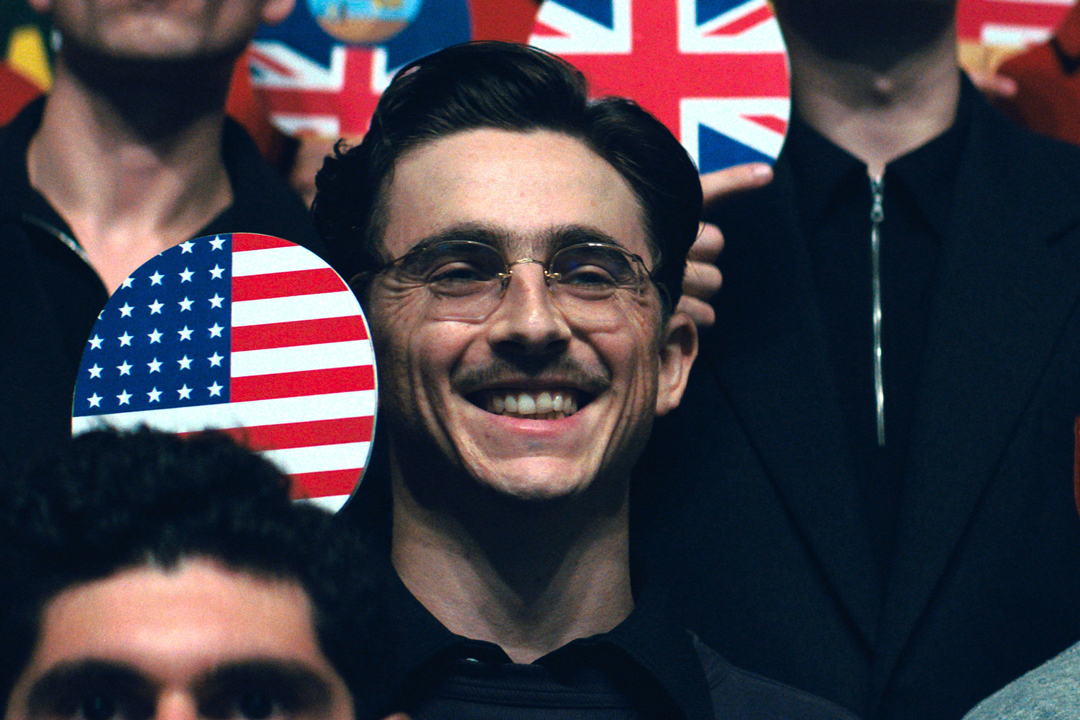
舞台は1952年のニューヨーク、ユダヤ系移民が多く住むロウアー・イースト・サイド。35ミリフィルムで撮影された画面のルックと、匂いまで立ち込めてきそうなほど精緻に再現されたストリートの美術デザイン、そして白黒写真からそのまま飛び出してきたような役者たちの顔、顔、顔。これは過去の名作映画だろうか?そんな錯覚に襲われる観客を一気に現代へと引き戻すのは主演その人。劇場の暗闇、巨大なスクリーンに光の彫刻として現れるティモシー・シャラメ。タイトル、『マーティ・シュプリーム 世界をつかめ』。2020年代に生まれた新たなクラシックだ。 本作のティモシー・シャラメは、左右がつながりそうなほど太い眉、ニキビ跡の目立つ頬、眼鏡のレンズの屈折で小さく見える目と、特徴的なメイクが施されているものの、本来の魅力はまったく損なわれていない。監督のジョシュ・サフディはわかっている。50年後、歴史に名を残す偉大な俳優の全盛期が、今まさに目の前にあることを。ロング、ミディアム、アップ、どの距離からのショットでもいい。カメラはとにかく彼を追いかける。画面を占有するティモシー、ティモシー、ティモシー。誰にもこのスクリーンを譲るものかと言わんばかりに、汗が飛び散る。この輝きをリアルタイムで目撃する喜びは、何ものにも代えがたい。 今回、彼が演じる主人公マーティ・マウザーは、50年代に活躍した実在の卓球選手マーティ・リーズマンに着想を得ているものの、物語自体はあくまでフィクションとして楽しむべきだろう。マーティは卓球で一番になるために、あちらこちらへと走り回る。本作の特徴のひとつは、彼がなぜそこまで卓球で一番になりたいのか、その動機の部分が脚本からごっそり抜け落ちていることだ。 動機のなさ、言い換えれば、本作における説話的力学が何によって駆動しているのかは、冒頭に挿入される「ある映像」によって、思わず笑ってしまうほど端的に示される。つまり、マーティは「精子」なのだ。精子は子宮の中を潮の流れに逆らうように進み、卵子を目指す。そこに動機などない。マーティもあらゆる人生の流れに逆らいながら一番を目指す。本作はニューヨークの街で本能のままに動き回る彼を、カメラという顕微鏡で観察する映画なのだ。そう考えれば、彼の闘争が金や名誉のためではなく、ただこの世界に生まれるための切実な戦いであることが見えてくる。では、なぜ彼はいま生まれようとしているのか。それは1952年の時代背景と密接に結びついている。 ■ティーンエイジャーの誕生 1950年代、子どもと大人のあいだに位置する新しい世代として、戦後のアメリカでティーンエイジャーが生まれた。『理由なき反抗』(1955)でジェームズ・ディーンが演じた主人公のように、マーティの奔放な振る舞い、ショーマンシップと自己表現を武器に世界へ飛び出していく姿は、まさに新しい世代の誕生を体現している。 そんなマーティの前にライバルとして立ちはだかるのは、日本の卓球選手エンドウだ。1952年、敗戦から7年が経った日本。1953年には『東京物語』が、1954年には『七人の侍』と『ゴジラ』が公開され、1958年には東京タワーが完成する。まさに東京という都市が新しく生まれ変わろうとしていた時代。戦後復興のさなかにある日本の「再生」のイメージと、アメリカの新しい世代の「誕生」の物語が重ねられていく。 マーティとエンドウ、ふたりの最後の対決の舞台となるのは日本だ。撮影も実際に日本で行われており、エキストラにはハリウッド映画にありがちなアジア系俳優による代役ではなく、日本で暮らす日本人をそのままキャスティングしている。そのことによって、当時の日本に生きる市井の人々の高揚感が、たしかな説得力をもって再現されている。 会場は上野公園の野外ステージ。四方を観客に囲まれる競技会場とは異なり、ここでは客席と舞台が正対する構造になっている。そのため、卓球はスポーツでありながら、演劇のような見世物として立ち現れる。劇中でマーティは、観客にも見えやすいように、卓球ボールをオレンジ色にしようと提案するなど、パフォーマンスに意識的な人物として描かれているが、ラストで、まさにそれにふさわしい舞台に辿り着くのだ。 しかし、この対決の舞台を仕組んでいるのは、20世紀の戦争と資本主義、まさに戦勝国アメリカを象徴するような企業家のキャラクターである。金を集めるためのゲームを観客席でただ眺めている彼らに対して、実際に卓球台を挟んで戦うことになるのは、日本人とユダヤ系アメリカ人の卓球選手ふたりだ。このグロテスクな構図の中でも、マーティは戦うことをやめない。この世界に生まれるために。 ■ポップカルチャーの産声 マーティの誕生をめぐる戦いの背後には、20世紀のポップカルチャーへの言及も潜んでいる。たとえば、劇中でマーティがアプローチをかける女優のキャラクターは、1930年代に活躍した映画スターという設定だ。また本作は1950年代を舞台にしながら、1980年代のポップソングを使用しており、ダニエル・ロパティンによる劇伴もそれに呼応するようにシンセサイザーのサウンドを響かせる。つまり本作は、20世紀のカルチャーの中心として、1950年代を見つめながら、その過去と未来に広がるポップカルチャーの歴史を同時に照らし出しているのだ。 テレビが急速に普及し、大量生産と大量消費の社会のなかで大衆文化が爆発的に広がっていく1950年代。その「胎動」を象徴するかのように、マーティの恋人は妊娠している。彼女の子どもは、いわば「メイド・イン・アメリカ」のポップカルチャーの申し子なのかもしれない。その産声が、やがて80年代のポップソングへと変わっていくのだから。 ■一番になるために生まれてきた さて、ここまで書いてきたように、本作には「誕生」のモチーフが通底している。精子に始まり、1950年代のティーンエイジャー、そして20世紀のポップカルチャーへの言及まで、その射程は多岐にわたる。しかし結局のところ、それらのメタファーやアナロジーは、本作が全編を通して放ち続けるエネルギーの前では、心底どうでもよくなる。比喩でもなんでもない。本作にあるのはただ、赤ん坊が生まれてくる純粋な喜びだ。 1950年代のアメリカにおいて、ボウリングの待ち時間に暇つぶしで遊ぶ程度のスポーツだった卓球で、一番になろうとした主人公の奮闘は、ひとまずの決着を迎える。帰路につくマーティの姿には「帰還兵」のイメージが重ねられている。戦争は終わった。これから戦後のベビーブーマー世代が生まれてくる。まるで大量のピンポン球のように。 彼らが成長してもろくなことにならないのは、今を生きる私たちがよく知っている。誰もが世界を支配したいと思っている。2020年代、再び戦争の足音が聞こえてくる世界情勢のなかで、本作が訴えてくるメッセージは驚くほどシンプルだ。みんな誰かの一番として生まれてきた。とても愛されて。そのために私たちは暗闇の中を走ってきたのだと、そう信じられる。 ティモシー・シャラメは、本作のプロモーションのためにラップを披露、ファッションブランドとのコラボアイテムを発売、ピンポンボール型のヘルメットをかぶった人たちと歩き、飛行船まで打ち上げ、世界中を駆け回ってきた。マーティさながらに、どんな手を使ってでも映画をヒットさせようとしているわけだが、その姿は、この映画同様、暗い時代のさらにその先まで駆け抜けてしまいそうなエネルギーに溢れている。どんな時代でも、走るしかない。この映画を観て、走る準備はもうできている。 ■『マーティ・シュプリーム 世界をつかめ』 3月13日(金) TOHO シネマズ 日比谷他全国ロードショー © 2025 ITTF Rights LLC. All Rights Reserved. 配給:ハピネットファントム・スタジオ 文・島崎ひろき 編集・遠藤加奈(GQ)
舞台は1952年のニューヨーク、ユダヤ系移民が多く住むロウアー・イースト・サイド。35ミリフィルムで撮影された画面のルックと、匂いまで立ち込めてきそうなほど精緻に再現されたストリートの美術デザイン、そして白黒写真からそのまま飛び出してきたような役者たちの顔、顔、顔。これは過去の名作映画だろうか?そんな錯覚に襲われる観客を一気に現代へと引き戻すのは主演その人。劇場の暗闇、巨大なスクリーンに光の彫刻として現れるティモシー・シャラメ。タイトル、『マーティ・シュプリーム 世界をつかめ』。2020年代に生まれた新たなクラシックだ。 本作のティモシー・シャラメは、左右がつながりそうなほど太い眉、ニキビ跡の目立つ頬、眼鏡のレンズの屈折で小さく見える目と、特徴的なメイクが施されているものの、本来の魅力はまったく損なわれていない。監督のジョシュ・サフディはわかっている。50年後、歴史に名を残す偉大な俳優の全盛期が、今まさに目の前にあることを。ロング、ミディアム、アップ、どの距離からのショットでもいい。カメラはとにかく彼を追いかける。画面を占有するティモシー、ティモシー、ティモシー。誰にもこのスクリーンを譲るものかと言わんばかりに、汗が飛び散る。この輝きをリアルタイムで目撃する喜びは、何ものにも代えがたい。 今回、彼が演じる主人公マーティ・マウザーは、50年代に活躍した実在の卓球選手マーティ・リーズマンに着想を得ているものの、物語自体はあくまでフィクションとして楽しむべきだろう。マーティは卓球で一番になるために、あちらこちらへと走り回る。本作の特徴のひとつは、彼がなぜそこまで卓球で一番になりたいのか、その動機の部分が脚本からごっそり抜け落ちていることだ。 動機のなさ、言い換えれば、本作における説話的力学が何によって駆動しているのかは、冒頭に挿入される「ある映像」によって、思わず笑ってしまうほど端的に示される。つまり、マーティは「精子」なのだ。精子は子宮の中を潮の流れに逆らうように進み、卵子を目指す。そこに動機などない。マーティもあらゆる人生の流れに逆らいながら一番を目指す。本作はニューヨークの街で本能のままに動き回る彼を、カメラという顕微鏡で観察する映画なのだ。そう考えれば、彼の闘争が金や名誉のためではなく、ただこの世界に生まれるための切実な戦いであることが見えてくる。では、なぜ彼はいま生まれようとしているのか。それは1952年の時代背景と密接に結びついている。 ■ティーンエイジャーの誕生 1950年代、子どもと大人のあいだに位置する新しい世代として、戦後のアメリカでティーンエイジャーが生まれた。『理由なき反抗』(1955)でジェームズ・ディーンが演じた主人公のように、マーティの奔放な振る舞い、ショーマンシップと自己表現を武器に世界へ飛び出していく姿は、まさに新しい世代の誕生を体現している。 そんなマーティの前にライバルとして立ちはだかるのは、日本の卓球選手エンドウだ。1952年、敗戦から7年が経った日本。1953年には『東京物語』が、1954年には『七人の侍』と『ゴジラ』が公開され、1958年には東京タワーが完成する。まさに東京という都市が新しく生まれ変わろうとしていた時代。戦後復興のさなかにある日本の「再生」のイメージと、アメリカの新しい世代の「誕生」の物語が重ねられていく。 マーティとエンドウ、ふたりの最後の対決の舞台となるのは日本だ。撮影も実際に日本で行われており、エキストラにはハリウッド映画にありがちなアジア系俳優による代役ではなく、日本で暮らす日本人をそのままキャスティングしている。そのことによって、当時の日本に生きる市井の人々の高揚感が、たしかな説得力をもって再現されている。 会場は上野公園の野外ステージ。四方を観客に囲まれる競技会場とは異なり、ここでは客席と舞台が正対する構造になっている。そのため、卓球はスポーツでありながら、演劇のような見世物として立ち現れる。劇中でマーティは、観客にも見えやすいように、卓球ボールをオレンジ色にしようと提案するなど、パフォーマンスに意識的な人物として描かれているが、ラストで、まさにそれにふさわしい舞台に辿り着くのだ。 しかし、この対決の舞台を仕組んでいるのは、20世紀の戦争と資本主義、まさに戦勝国アメリカを象徴するような企業家のキャラクターである。金を集めるためのゲームを観客席でただ眺めている彼らに対して、実際に卓球台を挟んで戦うことになるのは、日本人とユダヤ系アメリカ人の卓球選手ふたりだ。このグロテスクな構図の中でも、マーティは戦うことをやめない。この世界に生まれるために。 ■ポップカルチャーの産声 マーティの誕生をめぐる戦いの背後には、20世紀のポップカルチャーへの言及も潜んでいる。たとえば、劇中でマーティがアプローチをかける女優のキャラクターは、1930年代に活躍した映画スターという設定だ。また本作は1950年代を舞台にしながら、1980年代のポップソングを使用しており、ダニエル・ロパティンによる劇伴もそれに呼応するようにシンセサイザーのサウンドを響かせる。つまり本作は、20世紀のカルチャーの中心として、1950年代を見つめながら、その過去と未来に広がるポップカルチャーの歴史を同時に照らし出しているのだ。 テレビが急速に普及し、大量生産と大量消費の社会のなかで大衆文化が爆発的に広がっていく1950年代。その「胎動」を象徴するかのように、マーティの恋人は妊娠している。彼女の子どもは、いわば「メイド・イン・アメリカ」のポップカルチャーの申し子なのかもしれない。その産声が、やがて80年代のポップソングへと変わっていくのだから。 ■一番になるために生まれてきた さて、ここまで書いてきたように、本作には「誕生」のモチーフが通底している。精子に始まり、1950年代のティーンエイジャー、そして20世紀のポップカルチャーへの言及まで、その射程は多岐にわたる。しかし結局のところ、それらのメタファーやアナロジーは、本作が全編を通して放ち続けるエネルギーの前では、心底どうでもよくなる。比喩でもなんでもない。本作にあるのはただ、赤ん坊が生まれてくる純粋な喜びだ。 1950年代のアメリカにおいて、ボウリングの待ち時間に暇つぶしで遊ぶ程度のスポーツだった卓球で、一番になろうとした主人公の奮闘は、ひとまずの決着を迎える。帰路につくマーティの姿には「帰還兵」のイメージが重ねられている。戦争は終わった。これから戦後のベビーブーマー世代が生まれてくる。まるで大量のピンポン球のように。 彼らが成長してもろくなことにならないのは、今を生きる私たちがよく知っている。誰もが世界を支配したいと思っている。2020年代、再び戦争の足音が聞こえてくる世界情勢のなかで、本作が訴えてくるメッセージは驚くほどシンプルだ。みんな誰かの一番として生まれてきた。とても愛されて。そのために私たちは暗闇の中を走ってきたのだと、そう信じられる。 ティモシー・シャラメは、本作のプロモーションのためにラップを披露、ファッションブランドとのコラボアイテムを発売、ピンポンボール型のヘルメットをかぶった人たちと歩き、飛行船まで打ち上げ、世界中を駆け回ってきた。マーティさながらに、どんな手を使ってでも映画をヒットさせようとしているわけだが、その姿は、この映画同様、暗い時代のさらにその先まで駆け抜けてしまいそうなエネルギーに溢れている。どんな時代でも、走るしかない。この映画を観て、走る準備はもうできている。 ■『マーティ・シュプリーム 世界をつかめ』 3月13日(金) TOHO シネマズ 日比谷他全国ロードショー © 2025 ITTF Rights LLC. All Rights Reserved. 配給:ハピネットファントム・スタジオ 文・島崎ひろき 編集・遠藤加奈(GQ)
Vocabulary
General
Proper noun
JLPT N2
JLPT N1
| # | 言葉 | 意味 |
|---|---|---|
| 12 | 本作 | ほんさく (本作) : this piece; this work |
| 8 | 卓球 | たっきゅう (卓球) : table tennis; ping-pong |
| 7 | 生まれる | うまれる (生まれる) : to be born |
| 6 | 舞台 | ぶたい (舞台) : 1. stage (theatre, theater) 2. scene or setting (e.g. of novel, play, etc.) |
| 5 | まさに | まさに (正に) : 1. exactly; surely; certainly; just 2. right then; just then; at that moment |
| 5 | 誕生 | たんじょう (誕生) : birth; creation; formation |
| 4 | 物語 | ものがたり (物語) : tale; story; legend |
| 4 | 世代 | せだい (世代) : generation; the world; the age |
| 4 | 世紀 | せいき (世紀) : 1. century 2. era |
| 3 | 走る | はしる (走る) : 1. to run 2. to run (of a vehicle); to drive; to travel; to move; to sail |
| 3 | 観客 | かんきゃく (観客) : audience; spectator; spectators |
| 3 | 主人公 | しゅじんこう (主人公) : 1. protagonist; main character; hero(ine) (of a story) 2. head of household |
| 3 | 選手 | せんしゅ (選手) : player (sports); athlete; team member |
| 3 | 一番 | いちばん (一番) : 1. number one; first; first place 2. best; most |
| 3 | 動機 | どうき (動機) : 1. motive; incentive 2. motif |
| 3 | 精子 | せいし (精子) : sperm |
| 3 | ただ | ただ (只) : 1. ordinary; common; usual 2. free of charge |
| 3 | 戦後 | せんご (戦後) : postwar period; period after Second World War |
| 3 | 姿 | すがた (姿) : 1. figure; form; shape 2. appearance; dress; guise |
| 2 | 主演 | しゅえん (主演) : starring; playing the leading part |
| 2 | 自体 | じたい (自体) : 1. itself 2. one's own body; oneself |
| 2 | 一気 | いっき (一気) : 1. one breath 2. chug!; drink! |
| 2 | 駆け抜ける | かけぬける (駆け抜ける) : to run past from behind; to run through (e.g. gate, one's mind) |
| 2 | 監督 | かんとく (監督) : 1. supervision; control; superintendence; direction 2. director; superintendent; supervisor; coach; foreman; manager; overseer; controller; boss |
| 2 | ユダヤ系 | ユダヤけい (ユダヤ系) : Jewish |
| 2 | 撮影 | さつえい (撮影) : photography (still or motion); photographing; filming; shooting; (video) recording |
| 2 | 画面 | がめん (画面) : 1. screen (of a TV, computer, etc.) 2. image (on a screen); picture; scene |
| 2 | 再現 | さいげん (再現) : 1. reappearance; reemergence; return; revival 2. reproduction; reenactment; recreation |
| 2 | そのまま | そのまま (其のまま) : 1. without change; as is 2. just like; extremely similar |
| 2 | 飛び出す | とびだす (飛び出す) : 1. to jump out; to rush out; to fly out 2. to appear (suddenly) |
| 2 | 過去 | かこ (過去) : 1. the past; bygone days 2. one's past (that one would prefer remained secret) |
| 2 | 暗闇 | くらやみ (暗闇) : darkness; the dark |
| 2 | 俳優 | はいゆう (俳優) : actor; actress; player; performer |
| 2 | 喜び | よろこび (喜び) : joy; delight; rapture; pleasure; gratification; rejoicing; congratulations; felicitations |
| 2 | 活躍 | かつやく (活躍) : 1. activity (esp. energetic); great efforts; conspicuous service 2. to flourish; to participate actively; to play an active role |
| 2 | つまり | つまり (詰まり) : 1. that is to say; that is; in other words; I mean; that (this, it) means 2. in short; in brief; to sum up; ultimately; in the end; in the long run; when all is said and done; what it all comes down to; when you get right down to it; basically |
| 2 | 流れ | ながれ (流れ) : 1. flow (of a fluid or gas); stream; current 2. flow (of people, things); passage (of time); tide; passing; (changing) trends; tendency |
| 2 | 逆らう | さからう (逆らう) : to go against; to oppose; to disobey; to defy |
| 2 | 目指す | めざす (目指す) : 1. to aim at (for, to do, to become); to try for; to have an eye on 2. to go toward; to head for |
| 2 | 戦い | たたかい (戦い) : battle; fight; struggle; conflict |
| 2 | 見える | みえる (見える) : 1. to be seen; to be in sight 2. to look; to seem; to appear |
| 2 | 子ども | こども (子供) : child |
| 2 | 東京 | とうきょう (東京) : Tokyo |
| 2 | 重ねる | かさねる (重ねる) : 1. to pile up; to heap up; to stack up; to put on top of another 2. to repeat many times over; to go through repeatedly; to accumulate |
| 2 | 対決 | たいけつ (対決) : confrontation; showdown |
| 2 | 実際 | じっさい (実際) : 1. reality; actuality; truth; fact; actual conditions 2. practice (as opposed to theory) |
| 2 | 日本人 | にほんじん (日本人) : Japanese person; Japanese people |
| 2 | 劇中 | げきちゅう (劇中) : during a play |
| 2 | 象徴 | しょうちょう (象徴) : (abstract) symbol; emblem; representation |
| 2 | 戦う | たたかう (戦う) : 1. to make war (on); to wage war (against); to go to war (with); to fight (with); to do battle (against) 2. to compete (against) |
| 2 | 産声 | うぶごえ (産声) : first cry of a newborn baby |
| 2 | 言及 | げんきゅう (言及) : reference; allusion |
| 2 | 広がる | ひろがる (広がる) : to spread (out); to extend; to stretch; to reach to; to get around; to fill (e.g. a space) |
| 2 | 私たち | わたしたち (私たち) : we; us |
| 1 | 最高傑作 | さいこうけっさく (最高傑作) : masterwork; masterpiece; crowning work; one's magnum opus; work of the highest quality |
| 1 | 全速力 | ぜんそくりょく (全速力) : full speed |
| 1 | ものすごい | ものすごい (物凄い) : 1. terrific; staggering; tremendous; incredible; extreme 2. frightful; ghastly; horrific; terrible; awful; gruesome; eerie |
| 1 | 息 | いき (息) : 1. breath; breathing 2. tone; mood |
| 1 | 気づく | きづく (気づく) : to notice; to recognize; to recognise; to become aware of; to perceive; to realize; to realise |
| 1 | 面白い | おもしろい (面白い) : 1. interesting; fascinating; intriguing; enthralling 2. amusing; funny; comical |
| 1 | 鑑賞 | かんしょう (鑑賞) : appreciation (of art, music, poetry, etc.) |
| 1 | 一体 | いったい (一体) : 1. (what) the heck; (why) in the world; (who) on earth 2. one object; one body; unity |
| 1 | 呆然 | ぼうぜん (呆然) : dumbfounded; overcome with surprise; in blank amazement; in a daze |
| 1 | 緻密 | ちみつ (緻密) : minute; fine; delicate; accurate; precise; elaborate |
| 1 | 組み立てる | くみたてる (組み立てる) : to assemble; to set up; to construct |
| 1 | 多数 | たすう (多数) : 1. large number (of); many 2. majority |
| 1 | あり | あり (蟻) : ant |
| 1 | 解説 | かいせつ (解説) : explanation; commentary; exposition; elucidation |
| 1 | 移民 | いみん (移民) : 1. emigration; immigration 2. emigrant; immigrant |
| 1 | 匂い | におい (匂い) : 1. odour; odor; scent; smell; stench 2. aura; whiff; smacks of ...; sense; flavour; flavor |
| 1 | 立ち込める | たちこめる (立ち込める) : to hang over; to shroud; to enshroud; to envelop; to screen |
| 1 | 精緻 | せいち (精緻) : delicate; minute; fine; detailed; subtle |
| 1 | 美術 | びじゅつ (美術) : art; fine arts |
| 1 | 白黒 | しろくろ (白黒) : 1. black and white; monochrome 2. good and evil; right and wrong; guilt and innocence |
| 1 | 役者 | やくしゃ (役者) : 1. actor; actress 2. man of wits; clever person; cunning fellow |
| 1 | 名作 | めいさく (名作) : masterpiece |
| 1 | 錯覚 | さっかく (錯覚) : 1. optical illusion; hallucination 2. misapprehension; delusion |
| 1 | 襲う | おそう (襲う) : 1. to attack; to assail; to make an assault; to strike; to hunt down 2. to succeed (someone in a post, role, etc.) |
| 1 | 現代 | げんだい (現代) : nowadays; modern era; modern times; present-day |
| 1 | 引き戻す | ひきもどす (引き戻す) : to bring back; to restore |
| 1 | 劇場 | げきじょう (劇場) : theatre; theater; playhouse |
| 1 | 巨大 | きょだい (巨大) : huge; gigantic; enormous |
| 1 | 彫刻 | ちょうこく (彫刻) : carving; engraving; sculpture |
| 1 | 現れる | あらわれる (現れる) : 1. to appear; to come in sight; to become visible; to come out; to embody; to materialize; to materialise 2. to be expressed (e.g. emotions); to become apparent (e.g. trends, effects) |
| 1 | 新た | あらた (新た) : new; fresh; novel |
| 1 | 左右 | さゆう (左右) : 1. left and right; right and left 2. (asserting) control; influence; domination |
| 1 | つながる | つながる (繋がる) : 1. to be tied together; to be connected to; to be linked to 2. to lead to; to be related to |
| 1 | 眉 | まゆ (眉) : eyebrow; eyebrows |
| 1 | ニキビ跡 | ニキビあと (ニキビ跡) : pockmark (caused by a pimple); acne scarring |
| 1 | 目立つ | めだつ (目立つ) : to be conspicuous; to stand out |
| 1 | 頬 | ほお (頬) : cheek (of face) |
| 1 | 屈折 | くっせつ (屈折) : 1. bending; curving; twisting; turning; winding 2. warping (of feelings, logic, etc.); distortion; twisting |
| 1 | 特徴的 | とくちょうてき (特徴的) : characteristic |
| 1 | 施す | ほどこす (施す) : 1. to give (time, money, goods); to donate 2. to do; to perform; to conduct |
| 1 | 本来 | ほんらい (本来) : 1. originally; primarily 2. essentially; intrinsically; naturally; by nature; in (and of) itself |
| 1 | 魅力 | みりょく (魅力) : charm; fascination; glamour; glamor; attraction; appeal |
| 1 | まったく | まったく (全く) : 1. really; truly; entirely; completely; wholly; perfectly 2. indeed |
| 1 | わかる | わかる (分かる) : 1. to understand; to comprehend; to grasp; to see; to get; to follow 2. to become clear; to be known; to be discovered; to be realized; to be realised; to be found out |
| 1 | 残す | のこす (残す) : 1. to leave (behind) 2. to leave (undone); to not finish |
| 1 | 偉大 | いだい (偉大) : great; grand; magnificent; outstanding; mighty |
| 1 | 全盛期 | ぜんせいき (全盛期) : heyday; golden age |
| 1 | 距離 | きょり (距離) : distance; range |
| 1 | とにかく | とにかく (兎に角) : anyhow; at any rate; anyway; somehow or other; generally speaking; in any case; at least |
| 1 | 追いかける | おいかける (追いかける) : to chase; to run after; to pursue |
| 1 | 占有 | せんゆう (占有) : possession; occupation; occupancy |
| 1 | 譲る | ゆずる (譲る) : 1. to hand over; to transfer; to turn over; to assign; to convey; to bequeath 2. to give up (e.g. one's seat); to give way |
| 1 | 汗 | あせ (汗) : 1. sweat; perspiration 2. moisture; condensation |
| 1 | 飛び散る | とびちる (飛び散る) : to fly around; to scatter |
| 1 | 輝き | かがやき (輝き) : brightness; brilliance; brilliancy; radiance; glitter |
| 1 | 目撃 | もくげき (目撃) : witnessing; observing; sighting |
| 1 | 何もの | なにもの (何者) : who; what kind of person |
| 1 | 代える | かえる (換える) : 1. to replace 2. to exchange; to interchange |
| 1 | がたい | ガタイ : body build |
| 1 | 演じる | えんじる (演じる) : to perform (a play); to play (a part); to act (a part); to commit (a blunder) |
| 1 | 実在 | じつざい (実在) : actual existence; real existence; existing in real life |
| 1 | 着想 | ちゃくそう (着想) : conception; idea |
| 1 | あくまで | あくまで (飽くまで) : 1. to the end; to the bitter end; to the last; stubbornly; persistently; consistently; to the utmost 2. after all; it must be remembered; only; purely; simply |
| 1 | 楽しむ | たのしむ (楽しむ) : to enjoy (oneself) |
| 1 | あちらこちら | あちこち (彼方此方) : 1. here and there; all around; everywhere; throughout; all over 2. to get things in the wrong order (back to front); to become muddled up |
| 1 | 走り回る | はしりまわる (走り回る) : to run around |
| 1 | 特徴 | とくちょう (特徴) : feature; trait; characteristic; peculiarity; distinction |
| 1 | 部分 | ぶぶん (部分) : portion; section; part |
| 1 | 脚本 | きゃくほん (脚本) : script; screenplay; scenario |
| 1 | ごっそり | ごっそり : 1. completely; entirely; all 2. in large amounts; a lot |
| 1 | 抜け落ちる | ぬけおちる (抜け落ちる) : 1. to come out (e.g. hair); to fall out; to collapse (e.g. building, floor) 2. to be left out; to be omitted |
| 1 | 言い換える | いいかえる (言い換える) : to say in other words; to put another way; to express in different words; to reword; to rephrase |
| 1 | 説話 | せつわ (説話) : tale; narrative |
| 1 | 力学 | りきがく (力学) : mechanics; dynamics |
| 1 | 駆動 | くどう (駆動) : driving force |
| 1 | 冒頭 | ぼうとう (冒頭) : beginning; start; outset |
| 1 | 挿入 | そうにゅう (挿入) : insertion; incorporation; infixing |
| 1 | 映像 | えいぞう (映像) : 1. image (on a screen); picture (e.g. on a TV) 2. video; film; footage |
| 1 | 笑う | わらう (笑う) : 1. to laugh 2. to smile |
| 1 | 端的 | たんてき (端的) : frank; direct; plain; straightforward; point-blank; concise |
| 1 | 示す | しめす (示す) : 1. to (take out and) show; to demonstrate; to tell; to exemplify; to make apparent 2. to point out (finger, clock hand, needle, etc.) |
| 1 | 子宮 | しきゅう (子宮) : womb; uterus |
| 1 | 潮 | しお (潮) : 1. tide; current 2. sea water |
| 1 | 進む | すすむ (進む) : 1. to advance; to go forward 2. to precede; to go ahead (of) |
| 1 | 卵子 | らんし (卵子) : ovum; ovule; egg cell |
| 1 | あらゆる | あらゆる (有らゆる) : all; every |
| 1 | 人生 | じんせい (人生) : (human) life (i.e. conception to death) |
| 1 | 街 | がい (街) : ... street; ... quarter; ... district |
| 1 | 本能 | ほんのう (本能) : instinct |
| 1 | まま | うば (乳母) : wet nurse; nursing mother |
| 1 | 動き回る | うごきまわる (動き回る) : to move around |
| 1 | 顕微鏡 | けんびきょう (顕微鏡) : microscope |
| 1 | 観察 | かんさつ (観察) : observation; survey; watching |
| 1 | 考える | かんがえる (考える) : 1. to think (about, of); to think over; to ponder; to contemplate; to reflect (on); to meditate (on) 2. to consider; to bear in mind; to allow for; to take into consideration |
| 1 | 闘争 | とうそう (闘争) : 1. fight; battle; combat; conflict 2. struggle (for rights, higher wages, etc.); strife; (labor) dispute; strike |
| 1 | 名誉 | めいよ (名誉) : honor; honour; credit; prestige |
| 1 | 切実 | せつじつ (切実) : 1. earnest; sincere; acute; keen; fervent 2. pressing; urgent; serious; severe |
| 1 | 背景 | はいけい (背景) : 1. background; scenery; backdrop; setting 2. background (of an incident, situation, etc.); circumstances; context |
| 1 | 密接 | みっせつ (密接) : 1. close (relationship, connection, etc.); intimate; near 2. close (together) |
| 1 | 結びつく | むすびつく (結びつく) : 1. to be related; to be connected; to be joined together 2. to result in; to lead to; to bring about |
| 1 | 位置 | いち (位置) : place; situation; position; location |
| 1 | 理由 | りゆう (理由) : reason; pretext; motive |
| 1 | なき | なき (泣き) : weeping; lamenting |
| 1 | 反抗 | はんこう (反抗) : opposition; resistance; insubordination; defiance; hostility; rebellion |
| 1 | 演ずる | えんずる (演ずる) : to perform; to play |
| 1 | 奔放 | ほんぽう (奔放) : wild; uninhibited; extravagant; rampant |
| 1 | 振る舞う | ふるまう (振る舞う) : 1. to behave; to conduct oneself 2. to entertain; to treat someone (to a drink); to make tea for someone (tea ceremony) |
| 1 | 自己 | じこ (自己) : self; oneself |
| 1 | 表現 | ひょうげん (表現) : 1. expression; presentation 2. representation; notation |
| 1 | 武器 | ぶき (武器) : 1. weapon; arms; ordnance 2. weapon (something used to gain an advantage); asset |
| 1 | 体現 | たいげん (体現) : personification; impersonation; embodiment |
| 1 | 立ちはだかる | たちはだかる (立ちはだかる) : 1. to stand in the way (esp. with legs spread out); to block the way 2. to stand in the way (e.g. of progress); to obstruct |
| 1 | 敗戦 | はいせん (敗戦) : defeat; lost battle; losing a war |
| 1 | 経つ | たつ (経つ) : to pass (of time); to elapse |
| 1 | 侍 | さむらい (侍) : 1. warrior (esp. of military retainers of daimyos in the Edo period); samurai 2. man in attendance (on a person of high standing); retainer |
| 1 | 公開 | こうかい (公開) : opening to the public; making available to the public; putting on display; exhibiting; showing (play, movie, etc.); holding (interview, etc.); open; public |
| 1 | 東京タワー | とうきょうタワー (東京タワー) : Tokyo Tower (place) |
| 1 | 完成 | かんせい (完成) : 1. complete; completion 2. perfection; accomplishment |
| 1 | 都市 | とし (都市) : town; city; municipal; urban |
| 1 | 新しく | あたらしく (新しく) : newly; new; anew |
| 1 | 生まれ変わる | うまれかわる (生まれ変わる) : to be born again; to make a fresh start in life |
| 1 | 復興 | ふっこう (復興) : revival; reconstruction; restoration; rebuilding; recovery; renaissance |
| 1 | さなか | さいちゅう (最中) : (in) the middle of; (in) the midst of; (in) the course of; (at) the height of |
| 1 | 再生 | さいせい (再生) : 1. resuscitation; regeneration; restoration to life 2. reformation; rehabilitation |
| 1 | ハリウッド映画 | ハリウッドえいが (ハリウッド映画) : Hollywood movie |
| 1 | がち | がち (雅致) : artistry; good taste; elegance; grace |
| 1 | アジア系 | アジアけい (アジア系) : of Asian descent |
| 1 | 代役 | だいやく (代役) : substitute (e.g. actor); substitution; stand-in; double |
| 1 | 暮らす | くらす (暮らす) : 1. to live; to get along 2. to spend (time) |
| 1 | 当時 | とうじ (当時) : at that time; in those days |
| 1 | 市井 | しせい (市井) : the street; the town |
| 1 | 人々 | ひとびと (人々) : 1. people; men and women 2. each person; everybody |
| 1 | 高揚 | こうよう (高揚) : elevation (of spirits); raising (of morale); uplift; upsurge |
| 1 | 説得力 | せっとくりょく (説得力) : persuasiveness; powers of persuasion; cogency |
| 1 | 上野公園 | うえのこうえん (上野公園) : Ueno Park (place) |
| 1 | 四方 | しほう (四方) : 1. the four cardinal directions; north, east, south and west; all directions 2. surroundings |
| 1 | 囲む | かこむ (囲む) : 1. to surround; to encircle; to enclose; to fence; to wall in 2. to besiege; to lay siege to |
| 1 | 競技 | きょうぎ (競技) : game; match; contest |
| 1 | 異なる | ことなる (異なる) : to differ; to vary; to disagree |
| 1 | 客席 | きゃくせき (客席) : 1. guest seating (e.g. theater, stadium); passenger seat (e.g. taxi) 2. audience |
| 1 | 正対 | せいたい (正対) : confronting directly; meeting face-to-face |
| 1 | 構造 | こうぞう (構造) : structure; construction; makeup; framework; organization; pattern |
| 1 | 演劇 | えんげき (演劇) : drama; theatre; theater; play |
| 1 | 見世物 | みせもの (見世物) : show; exhibition; spectacle |
| 1 | 立ち現れる | たちあらわれる (立ち現れる) : to manifest itself; to manifest oneself |
| 1 | オレンジ色 | オレンジいろ (オレンジ色) : orange (colour, color) |
| 1 | 提案 | ていあん (提案) : proposal; proposition; suggestion |
| 1 | 意識的 | いしきてき (意識的) : conscious; deliberate; intentional |
| 1 | 人物 | じんぶつ (人物) : 1. person; character; figure; personage; man; woman 2. one's character; one's personality |
| 1 | 描く | えがく (描く) : 1. to draw; to paint; to sketch 2. to depict; to describe |
| 1 | ふさわしい | ふさわしい (相応しい) : appropriate; adequate; suitable; fitting; worthy |
| 1 | 辿り着く | たどりつく (たどり着く) : to arrive at (after a struggle); to finally reach; to find one's way to; to finally hit on (e.g. an idea) |
| 1 | 仕組む | しくむ (仕組む) : to devise; to arrange; to plan; to plot |
| 1 | 資本主義 | しほんしゅぎ (資本主義) : capitalism |
| 1 | 戦勝国 | せんしょうこく (戦勝国) : victorious nation |
| 1 | 企業家 | きぎょうか (企業家) : industrialist; entrepreneur |
| 1 | 観客席 | かんきゃくせき (観客席) : audience seating; (spectator) stands; auditorium; stadium |
| 1 | 眺める | ながめる (眺める) : 1. to look at; to gaze at; to watch; to stare at 2. to look out over; to get a view of; to admire (e.g. the scenery) |
| 1 | 卓球台 | たっきゅうだい (卓球台) : table tennis table; ping-pong table |
| 1 | 挟む | はさむ (挟む) : 1. to hold between (e.g. one's fingers, chopsticks); to grip (from both sides) 2. to put between; to sandwich between; to insert; to interpose |
| 1 | アメリカ人 | アメリカじん (アメリカ人) : American person |
| 1 | 構図 | こうず (構図) : composition |
| 1 | やめる | やめる (止める) : 1. to stop (an activity); to cease; to discontinue; to end; to quit 2. to cancel; to abandon; to give up; to abolish; to abstain; to refrain |
| 1 | めぐる | めぐる (巡る) : 1. to go around 2. to return |
| 1 | 背後 | はいご (背後) : 1. back; rear 2. background; behind the scenes |
| 1 | 潜む | ひそむ (潜む) : to lurk; to be hidden; to be concealed; to lie dormant; to be latent |
| 1 | 女優 | じょゆう (女優) : actress |
| 1 | 設定 | せってい (設定) : 1. establishment; creation; posing (a problem); setting (movie, novel, etc.); scene 2. options setting; preference settings; configuration; setup |
| 1 | 使用 | しよう (使用) : use; application; employment; utilization; utilisation |
| 1 | 劇 | げき (劇) : 1. drama; play 2. powerful drug |
| 1 | 伴 | とも (供) : companion; follower; attendant; retinue |
| 1 | 呼応 | こおう (呼応) : 1. hailing each other 2. acting in concert; responding (to); sympathizing (with) |
| 1 | 響く | ひびく (響く) : 1. to resound; to be heard far away 2. to reverberate; to shake; to vibrate |
| 1 | 中心 | ちゅうしん (中心) : 1. center; centre; middle; heart; core; focus; pivot; emphasis; balance 2. -centered; -centred; -focused; -oriented; centered on; focused on |
| 1 | 見つめる | みつめる (見つめる) : to stare at; to gaze at; to look hard at; to watch intently; to fix one's eyes on |
| 1 | 未来 | みらい (未来) : 1. the future (usually distant) 2. future tense |
| 1 | 同時 | どうじ (同時) : simultaneous; concurrent; same time; synchronous; together |
| 1 | 照らし出す | てらしだす (照らし出す) : to illuminate; to shine a light on; to light up |
| 1 | 急速 | きゅうそく (急速) : rapid (e.g. progress) |
| 1 | 普及 | ふきゅう (普及) : diffusion; spread; popularization; promulgation; familiarization |
| 1 | 大量生産 | たいりょうせいさん (大量生産) : mass production |
| 1 | 大衆文化 | たいしゅうぶんか (大衆文化) : mass culture; pop culture; popular culture; culture of the people (as opposed to the elite) |
| 1 | 爆発的 | ばくはつてき (爆発的) : 1. explosive 2. sudden and dramatic (of an increase in sales, popularity, etc.); explosive; rapid; abrupt; tremendous |
| 1 | 胎動 | たいどう (胎動) : quickening; foetal (fetal) movement; fomenting (trouble) |
| 1 | 恋人 | こいびと (恋人) : lover; sweetheart; boyfriend; girlfriend |
| 1 | 妊娠 | にんしん (妊娠) : conception; pregnancy |
| 1 | いわば | いわば (言わば) : so to speak; so to call it; as it were |
| 1 | 申し子 | もうしご (申し子) : 1. heaven-sent child (in answer to a Shinto or Buddhist prayer) 2. child (e.g. of an era); product |
| 1 | しれる | しれる (知れる) : 1. to become known; to come to light; to be discovered 2. to be known; to be understood |
| 1 | やがて | やがて (軈て) : 1. before long; soon; shortly 2. almost; nearly |
| 1 | 変わる | かわる (変わる) : 1. to change; to be transformed; to be altered; to vary 2. to move to |
| 1 | さて | さて (偖) : well; now; then |
| 1 | 書く | かく (書く) : 1. to write; to compose; to pen 2. to draw; to paint |
| 1 | 通底 | つうてい (通底) : being connected at a fundamental level; having an unseen commonality; underlying (both) |
| 1 | 始まる | はじまる (始まる) : 1. to begin; to start; to commence 2. to happen (again); to begin (anew) |
| 1 | 射程 | しゃてい (射程) : range (of a rifle, missile, etc.) |
| 1 | 多岐 | たき (多岐) : digression; many divergences |
| 1 | 結局 | けっきょく (結局) : 1. after all; in the end; ultimately; eventually 2. conclusion; end |
| 1 | 全編 | ぜんぺん (全編) : whole book (volume); complete episode |
| 1 | 放つ | はなつ (放つ) : 1. to fire (gun, arrow, questions, etc.); to shoot; to hit (e.g. baseball); to break wind 2. to set free; to release; to let loose |
| 1 | 心底 | しんそこ (心底) : 1. bottom of one's heart; depths of one's mind; innermost thoughts; real intentions 2. from the bottom of one's heart; wholeheartedly; truly; sincerely |
| 1 | 比喩 | ひゆ (比喩) : simile; metaphor; allegory; parable |
| 1 | 純粋 | じゅんすい (純粋) : pure; true; genuine; unmixed |
| 1 | 待つ | まつ (待つ) : 1. to wait 2. to await; to look forward to; to anticipate |
| 1 | 暇つぶし | ひまつぶし (暇つぶし) : waste of time; killing time |
| 1 | 程度 | ていど (程度) : degree; amount; grade; standard; of the order of (following a number); about; approximately |
| 1 | 奮闘 | ふんとう (奮闘) : hard struggle; strenuous effort |
| 1 | ひとまず | ひとまず (一先ず) : 1. for now; for the time being; for the present 2. though not quite satisfactorily; after a fashion |
| 1 | 決着 | けっちゃく (決着) : conclusion; decision; end; settlement |
| 1 | 帰路 | きろ (帰路) : one's way back; one's way home |
| 1 | 帰還兵 | きかんへい (帰還兵) : returned soldier |
| 1 | まるで | まるで (丸で) : 1. quite; entirely; completely; at all 2. as if; as though; just like |
| 1 | 大量 | たいりょう (大量) : large quantity; massive (quantity); mass (e.g. mass production, mass transit, mass destruction) |
| 1 | 球 | まり (鞠) : 1. ball (for sport, games, etc.) 2. kemari; type of football played by courtiers in ancient Japan |
| 1 | 成長 | せいちょう (成長) : 1. growth; development; growing up; becoming an adult 2. growth (of a company, the economy, etc.) |
| 1 | ろくな | ろくな (碌な) : satisfactory; decent |
| 1 | 知る | しる (知る) : 1. to be aware of; to know; to be conscious of; to cognize; to cognise 2. to notice; to feel |
| 1 | 支配 | しはい (支配) : 1. domination; rule; control 2. direction; management; guidance |
| 1 | 再び | ふたたび (再び) : again; once more; a second time |
| 1 | 足音 | あしおと (足音) : 1. sound of footsteps 2. sense or sign that something is approaching |
| 1 | 聞こえる | きこえる (聞こえる) : 1. to be heard; to be audible 2. to be said to be; to be reputed |
| 1 | 世界情勢 | せかいじょうせい (世界情勢) : world situation; world affairs |
| 1 | 訴える | うったえる (訴える) : 1. to raise; to bring to (someone's attention) 2. to appeal to (reason, emotions, etc.); to work on (one's emotions); to play on (one's sympathies) |
| 1 | 愛す | あいす (愛す) : to love |
| 1 | 信ずる | しんずる (信ずる) : to believe; to believe in; to place trust in; to confide in; to have faith in |
| 1 | 披露 | ひろう (披露) : announcement; presentation; demonstration; displaying; showing; introducing; exhibiting; unveiling; revealing; showcasing; performing; giving a rendition |
| 1 | 発売 | はつばい (発売) : sale; offering for sale; release (for sale); launch (product) |
| 1 | かぶる | かぶる (被る) : 1. to put on (one's head); to wear; to have on; to pull over (one's head); to crown (oneself) 2. to be covered with (dust, snow, etc.); to pour (water, etc.) on oneself; to dash on oneself; to ship water |
| 1 | 歩く | あるく (歩く) : to walk |
| 1 | 飛行船 | ひこうせん (飛行船) : airship; blimp |
| 1 | 打ち上げる | うちあげる (打ち上げる) : 1. to launch; to shoot up 2. (of waves) to dash; to wash up (ashore) |
| 1 | 世界中 | せかいじゅう (世界中) : around the world; throughout the world |
| 1 | 駆け回る | かけまわる (駆け回る) : to run around; to bustle about |
| 1 | さながら | さながら (宛ら) : just like |
| 1 | 同様 | どうよう (同様) : same; similar; (just) like; equal |
| 1 | 溢れる | あぶれる (溢れる) : 1. to fail (in getting a job); to miss out (at fishing, hunting, etc.) 2. to be left out; to be crowded out |
| 1 | 日比谷 | ひひたに (日比谷) : Hihitani (surname) |
| 1 | 他 | ほか (他) : 1. other (place, thing, person); the rest 2. outside; beyond |
| 1 | 全国 | ぜんこく (全国) : the whole country |
| 1 | 配給 | はいきゅう (配給) : 1. distribution (e.g. films, rice) 2. rationing (e.g. food, gasoline) |
| 1 | 島崎 | しのざき (島崎) : Shinozaki (surname) |
| 1 | ひろき | ひろい (従) : lesser (of equal court ranks); lower; junior |
| 1 | 編集 | へんしゅう (編集) : editing; compilation |
| 1 | 遠藤 | えとう (遠藤) : Etou (surname) |
| 1 | 加奈 | かな (加奈) : Kana (fem) |