献血の若者離れで医薬品安定供給に懸念も 国も対策
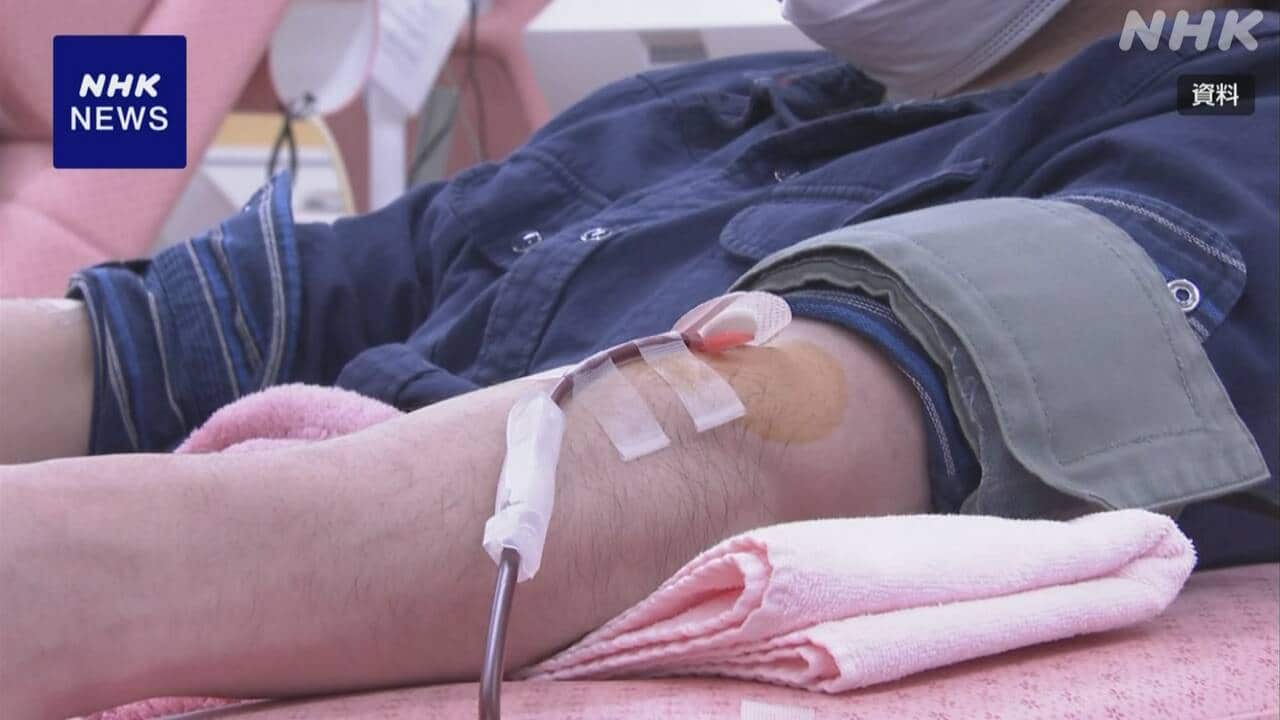
献血に協力する若い世代の減少が課題となる中、提供された血液から作られ、神経疾患やがんなど幅広い病気の治療にも使われる医薬品の安定供給に懸念が生じています。
厚生労働省によりますと、一昨年度の献血者の延べ人数はおよそ499万人で、近年は500万人前後で横ばいで推移しています。
しかし、若い世代の減少が課題で、2009年度と比べると、15年間で30代以下の献血者は283万人から158万人と4割以上減少しました。
一方で、50代と60代の献血者は2倍近く増えていて、50代や60代で複数回献血する、いわゆる“リピーター”に支えられているのが現状です。
こうした中、懸念されているのが、献血で提供された血液から作られる医薬品の安定供給です。
献血で提供された血液のうち、6割弱はたんぱく質を抽出して作る「血しょう分画製剤」という医薬品が作られていて、特にそのうちの1つ「免疫グロブリン製剤」の需要が近年伸びています。
この薬は▽子どもに多い全身の血管に炎症が起こる「川崎病」のほか▽神経疾患や▽がん▽重症化した肺炎や敗血症などの治療にも使われています。
一方で、特殊な製法が必要なことなどから限られた国内メーカーの3社で薬を供給していて、工場施設の老朽化などで生産が追いつかず、輸入に頼る事態となっています。
3年前には、病院の在庫がひっ迫し適切な治療が実施できないなどとして、日本小児科学会などから厚生労働省に安定供給を求める要望書が提出されていました。
このため厚生労働省は、製造メーカーの設備投資に必要な経費を補助するとともに、献血できる年齢の前の小中学生にパンフレットを配布するなどして、献血の若者離れを防ぐ対策に力を入れることにしています。
厚生労働省によりますと、一昨年度、献血をした人の延べ人数はおよそ499万人で、近年は500万人前後で横ばいで推移していますが、顕著になっているのが、献血の若者離れです。
2009年度と比べると、この15年で30代以下の献血者は283万人から158万人と、4割以上減少しました。
一方で、50代と60代の献血者は、118万人から232万人と2倍近く増えていて、日本赤十字社によりますと中高年の“リピーター”によって必要な血液量が支えられているということです。
日本赤十字社によりますとコロナ禍などで、高校や大学、企業で行われる集団献血が減少し、若いときに献血に触れる機会が少なくなったことが、理由の1つだと考えられるということです。
少子高齢化が進む中、献血ができる16歳から69歳までの「献血可能人口」は急速に減っていて、今後20年間で1500万人が減少すると推計されています。
このため、厚生労働省と日本赤十字社は、小中学生に献血に関するパンフレットを配布するなど若い世代への啓発活動を行うほか各地での学校での献血事業にも力を入れています。
先月25日、東京 渋谷区では、大学生が参加して同世代の若者に献血への協力を呼びかけました。
このイベントは東京都赤十字血液センターが行い、日本ラクロス協会に所属する大学生たちが参加しました。
大学生たちは、事前にそれぞれの大学のラクロス部のメンバーに呼びかけ、協力してくれる学生を集めていて、会場では道行く人たちにも協力を呼びかけていました。
初めて献血したという大学3年生の女子学生は「今まで献血バスを見かけたことはありましたが行ったことはなく、こうした呼びかけがあり、参加しやすかったです。初めてで少し怖かったですが、職員の人が優しく話しかけてくださったので、楽しく献血できました」と話していました。
東京都赤十字血液センターの木村学主事は「共感してもらうために、若い人からの献血の広報をお願いしています。これから少子高齢化も進み、若い世代の献血がより一層大切になるので、日常生活の一部になるように献血を広めていきたい」と話していました。
献血で提供された血液のうち▽およそ4割は手術などの際の輸血用の血液製剤になる一方▽6割弱は、たんぱく質を抽出して作る医薬品「血しょう分画製剤」が作られています。
「血しょう分画製剤」は、血液の血しょうからたんぱく質を種類ごとに分離して取り出して作るもので、このうち「免疫グロブリン製剤」という医薬品が多くを占めています。
免疫グロブリンとは、体内に侵入した細菌やウイルスなどを攻撃したり排除したりする抗体のことで、投与により不足分を補ったり、免疫機能を調整したりする作用があります。
近年、さまざまな病気に効果があることが分かっていて▽血管に炎症が起こる川崎病や▽神経疾患のほか▽がん患者が、治療で免疫が低下したときや▽入院治療が必要なほど重症化した肺炎や敗血症などの感染症にも使われています。
このため、製剤の需要が大きく伸びていて今年度の市場への供給量は、15年前と比べて、およそ2倍になり、今後も需要は増加する見込みです。
しかし「免疫グロブリン製剤」の国内での生産は需要の伸びに追いつかず限界に達していて、安定供給に懸念が生じています。
現在は海外からの輸入量を増やして需要に対応している状況で、国内メーカーによる自給率は15年前は95%でしたが、今年度は54%程度まで下がる見込みです。
「免疫グロブリン製剤」は海外でも需要が増えていることから、国は▽必要な量の確保が難しくなると予想されることや▽血液が先進国に偏らないようにする国際的公平性の観点などから国内での自給を原則として打ち出していますが、厳しい状況となっています。
川崎病は、全身の血管に炎症が起き、高熱が出たり、体に発疹が出たりする病気で、心臓の冠動脈に後遺症が残るのを防ぐため、発症から7日以内に免疫グロブリン製剤を投与することが必要です。
病院を受診したその日のうちに入院しましたが「早期に治療を始めないと心臓の合併症が起こる可能性が高くなる」と説明され、すぐに免疫グロブリン製剤の点滴が始まったといいます。
両親は「免疫グロブリン製剤を投与すれば、後遺症が残る可能性も低いと説明してもらい、安心感がありました。もし、薬がないとなると、焦っていたと思います。他の患者さんの治療にも使われるので薬が安定的に供給されてほしいです」と話していました。
川崎病に詳しい横浜市立大学大学院の伊藤秀一主任教授によりますと数年前に免疫グロブリン製剤の供給が大きくひっ迫し▽薬の在庫がないために患者に遠く離れた病院に転院してもらったり▽追加の投与ができなかったりするケースが起きたということです。
今は供給不安は一定程度、解消はされたものの、一部の病院では十分な量が確保できない所もあるといいます。
伊藤主任教授は「川崎病では緊急に免疫グロブリン製剤を投与することが必要で、ほかの薬に代替できません。子どもが入院する病院であれば絶えず手元にキープしておきたい重要な薬剤です。また、ほかの病気の治験も行いたいが供給量に余裕がなく断念した例もあり、いつも十分な供給量がほしいと感じています」と話していました。
国内で免疫グロブリン製剤などの血しょう分画製剤の生産が追いつかない背景には、この薬の特殊性や薬価の問題が指摘されています。
現在、血しょう分画製剤を国内で製造しているのは3社で、厚生労働省によりますと、品質や安全性についての規制が厳しいことなどから、新規の参入は難しいということです。
このうち、国内製造の半分以上のシェアを持つ「日本血液製剤機構」では、京都工場で免疫グロブリン製剤を生産していて、需要の高まりに応えるため24時間体制で工場を稼働しています。
工場の一部の施設は、建設から50年近くたち、機械や設備の老朽化が課題となっていて、検品作業や配管作業の一部を手作業で行っています。
設備の一部を入れ替えたり建物を増築したりして対応してきましたが、会社によりますと、製造能力は限界に達していて大幅な増産には数百億円から1000億円以上の大規模な設備投資が必要だといいます。
一方で、一般的な医薬品と比べて製造期間が長いことなどから利益率が低く、薬価の引き下げが続き、販売を開始した当初と比べて4割程度まで下落している品目もあり、事業の採算性が悪いため投資などには踏み切れないのが実情だといいます。
日本血液製剤機構の福田洋一経営戦略本部長は「工場をフル稼働させていますが現状の設備では製造量の限界に達していて、患者さんに必要な量をお届けすることができず、とても心苦しく感じています。設備投資などに対応するためにも一定水準の適切な薬価を確保させてほしいし、国で基盤を整備してほしい」と話していました。
こうした状況を受けて、厚生労働省は、メーカーの施設整備に必要な経費の補助や、薬価を一部引き上げるなどして財政的な支援を行っています。
川崎病に詳しく、国の血液事業の専門家部会の委員も務める横浜市立大学大学院の伊藤秀一主任教授は「献血の血液から作られる免疫グロブリン製剤の安定した供給には国内製品で賄えるようにすることが非常に重要だ。そのためには必要な医薬品としてしっかり供給できるように、国は十分な薬価を維持したり状況によっては上げたりすることが必要だと思う。さまざまな病気で使われる薬でもあり、国民には誰もがいつかお世話になる可能性があることを知ってもらい、まずは1回献血に行ってもらうことも大切だ」と話していました。
厚生労働省によりますと、一昨年度の献血者の延べ人数はおよそ499万人で、近年は500万人前後で横ばいで推移しています。
しかし、若い世代の減少が課題で、2009年度と比べると、15年間で30代以下の献血者は283万人から158万人と4割以上減少しました。
一方で、50代と60代の献血者は2倍近く増えていて、50代や60代で複数回献血する、いわゆる“リピーター”に支えられているのが現状です。
こうした中、懸念されているのが、献血で提供された血液から作られる医薬品の安定供給です。
献血で提供された血液のうち、6割弱はたんぱく質を抽出して作る「血しょう分画製剤」という医薬品が作られていて、特にそのうちの1つ「免疫グロブリン製剤」の需要が近年伸びています。
この薬は▽子どもに多い全身の血管に炎症が起こる「川崎病」のほか▽神経疾患や▽がん▽重症化した肺炎や敗血症などの治療にも使われています。
一方で、特殊な製法が必要なことなどから限られた国内メーカーの3社で薬を供給していて、工場施設の老朽化などで生産が追いつかず、輸入に頼る事態となっています。
3年前には、病院の在庫がひっ迫し適切な治療が実施できないなどとして、日本小児科学会などから厚生労働省に安定供給を求める要望書が提出されていました。
このため厚生労働省は、製造メーカーの設備投資に必要な経費を補助するとともに、献血できる年齢の前の小中学生にパンフレットを配布するなどして、献血の若者離れを防ぐ対策に力を入れることにしています。
厚生労働省によりますと、一昨年度、献血をした人の延べ人数はおよそ499万人で、近年は500万人前後で横ばいで推移していますが、顕著になっているのが、献血の若者離れです。
2009年度と比べると、この15年で30代以下の献血者は283万人から158万人と、4割以上減少しました。
一方で、50代と60代の献血者は、118万人から232万人と2倍近く増えていて、日本赤十字社によりますと中高年の“リピーター”によって必要な血液量が支えられているということです。
日本赤十字社によりますとコロナ禍などで、高校や大学、企業で行われる集団献血が減少し、若いときに献血に触れる機会が少なくなったことが、理由の1つだと考えられるということです。
少子高齢化が進む中、献血ができる16歳から69歳までの「献血可能人口」は急速に減っていて、今後20年間で1500万人が減少すると推計されています。
このため、厚生労働省と日本赤十字社は、小中学生に献血に関するパンフレットを配布するなど若い世代への啓発活動を行うほか各地での学校での献血事業にも力を入れています。
先月25日、東京 渋谷区では、大学生が参加して同世代の若者に献血への協力を呼びかけました。
このイベントは東京都赤十字血液センターが行い、日本ラクロス協会に所属する大学生たちが参加しました。
大学生たちは、事前にそれぞれの大学のラクロス部のメンバーに呼びかけ、協力してくれる学生を集めていて、会場では道行く人たちにも協力を呼びかけていました。
初めて献血したという大学3年生の女子学生は「今まで献血バスを見かけたことはありましたが行ったことはなく、こうした呼びかけがあり、参加しやすかったです。初めてで少し怖かったですが、職員の人が優しく話しかけてくださったので、楽しく献血できました」と話していました。
東京都赤十字血液センターの木村学主事は「共感してもらうために、若い人からの献血の広報をお願いしています。これから少子高齢化も進み、若い世代の献血がより一層大切になるので、日常生活の一部になるように献血を広めていきたい」と話していました。
献血で提供された血液のうち▽およそ4割は手術などの際の輸血用の血液製剤になる一方▽6割弱は、たんぱく質を抽出して作る医薬品「血しょう分画製剤」が作られています。
「血しょう分画製剤」は、血液の血しょうからたんぱく質を種類ごとに分離して取り出して作るもので、このうち「免疫グロブリン製剤」という医薬品が多くを占めています。
免疫グロブリンとは、体内に侵入した細菌やウイルスなどを攻撃したり排除したりする抗体のことで、投与により不足分を補ったり、免疫機能を調整したりする作用があります。
近年、さまざまな病気に効果があることが分かっていて▽血管に炎症が起こる川崎病や▽神経疾患のほか▽がん患者が、治療で免疫が低下したときや▽入院治療が必要なほど重症化した肺炎や敗血症などの感染症にも使われています。
このため、製剤の需要が大きく伸びていて今年度の市場への供給量は、15年前と比べて、およそ2倍になり、今後も需要は増加する見込みです。
しかし「免疫グロブリン製剤」の国内での生産は需要の伸びに追いつかず限界に達していて、安定供給に懸念が生じています。
現在は海外からの輸入量を増やして需要に対応している状況で、国内メーカーによる自給率は15年前は95%でしたが、今年度は54%程度まで下がる見込みです。
「免疫グロブリン製剤」は海外でも需要が増えていることから、国は▽必要な量の確保が難しくなると予想されることや▽血液が先進国に偏らないようにする国際的公平性の観点などから国内での自給を原則として打ち出していますが、厳しい状況となっています。
川崎病は、全身の血管に炎症が起き、高熱が出たり、体に発疹が出たりする病気で、心臓の冠動脈に後遺症が残るのを防ぐため、発症から7日以内に免疫グロブリン製剤を投与することが必要です。
病院を受診したその日のうちに入院しましたが「早期に治療を始めないと心臓の合併症が起こる可能性が高くなる」と説明され、すぐに免疫グロブリン製剤の点滴が始まったといいます。
両親は「免疫グロブリン製剤を投与すれば、後遺症が残る可能性も低いと説明してもらい、安心感がありました。もし、薬がないとなると、焦っていたと思います。他の患者さんの治療にも使われるので薬が安定的に供給されてほしいです」と話していました。
川崎病に詳しい横浜市立大学大学院の伊藤秀一主任教授によりますと数年前に免疫グロブリン製剤の供給が大きくひっ迫し▽薬の在庫がないために患者に遠く離れた病院に転院してもらったり▽追加の投与ができなかったりするケースが起きたということです。
今は供給不安は一定程度、解消はされたものの、一部の病院では十分な量が確保できない所もあるといいます。
伊藤主任教授は「川崎病では緊急に免疫グロブリン製剤を投与することが必要で、ほかの薬に代替できません。子どもが入院する病院であれば絶えず手元にキープしておきたい重要な薬剤です。また、ほかの病気の治験も行いたいが供給量に余裕がなく断念した例もあり、いつも十分な供給量がほしいと感じています」と話していました。
国内で免疫グロブリン製剤などの血しょう分画製剤の生産が追いつかない背景には、この薬の特殊性や薬価の問題が指摘されています。
現在、血しょう分画製剤を国内で製造しているのは3社で、厚生労働省によりますと、品質や安全性についての規制が厳しいことなどから、新規の参入は難しいということです。
このうち、国内製造の半分以上のシェアを持つ「日本血液製剤機構」では、京都工場で免疫グロブリン製剤を生産していて、需要の高まりに応えるため24時間体制で工場を稼働しています。
工場の一部の施設は、建設から50年近くたち、機械や設備の老朽化が課題となっていて、検品作業や配管作業の一部を手作業で行っています。
設備の一部を入れ替えたり建物を増築したりして対応してきましたが、会社によりますと、製造能力は限界に達していて大幅な増産には数百億円から1000億円以上の大規模な設備投資が必要だといいます。
一方で、一般的な医薬品と比べて製造期間が長いことなどから利益率が低く、薬価の引き下げが続き、販売を開始した当初と比べて4割程度まで下落している品目もあり、事業の採算性が悪いため投資などには踏み切れないのが実情だといいます。
日本血液製剤機構の福田洋一経営戦略本部長は「工場をフル稼働させていますが現状の設備では製造量の限界に達していて、患者さんに必要な量をお届けすることができず、とても心苦しく感じています。設備投資などに対応するためにも一定水準の適切な薬価を確保させてほしいし、国で基盤を整備してほしい」と話していました。
こうした状況を受けて、厚生労働省は、メーカーの施設整備に必要な経費の補助や、薬価を一部引き上げるなどして財政的な支援を行っています。
川崎病に詳しく、国の血液事業の専門家部会の委員も務める横浜市立大学大学院の伊藤秀一主任教授は「献血の血液から作られる免疫グロブリン製剤の安定した供給には国内製品で賄えるようにすることが非常に重要だ。そのためには必要な医薬品としてしっかり供給できるように、国は十分な薬価を維持したり状況によっては上げたりすることが必要だと思う。さまざまな病気で使われる薬でもあり、国民には誰もがいつかお世話になる可能性があることを知ってもらい、まずは1回献血に行ってもらうことも大切だ」と話していました。
Vocabulary
General
Proper noun
JLPT N2
JLPT N1
| # | 言葉 | 意味 |
|---|---|---|
| 29 | 献血 | けんけつ (献血) : blood donation |
| 18 | 製剤 | せいざい (製剤) : formulation (of pharmaceuticals); preparation; pharmaceutical production |
| 13 | 免疫グロブリン | めんえきグロブリン (免疫グロブリン) : immunoglobulin |
| 10 | 血液 | けつえき (血液) : blood |
| 10 | 供給 | きょうきゅう (供給) : supply; provision |
| 8 | 国内 | こくない (国内) : internal; domestic |
| 7 | 治療 | ちりょう (治療) : (medical) treatment; care; therapy; cure; remedy |
| 7 | 医薬品 | いやくひん (医薬品) : medical and pharmaceutical products; medicinal supplies; drugs; pharmaceuticals; medicine |
| 7 | 厚生労働省 | こうせいろうどうしょう (厚生労働省) : Ministry of Health, Labour and Welfare |
| 7 | 需要 | じゅよう (需要) : demand; request |
| 6 | 減少 | げんしょう (減少) : decrease; reduction; decline |
| 6 | 割 | わり (割り) : 1. rate; ratio; proportion; percentage 2. profit |
| 6 | 血しょう | けっしょう (血漿) : plasma; blood plasma |
| 6 | 川崎病 | かわさきびょう (川崎病) : Kawasaki disease; mucocutaneous lymph node syndrome; MCLS |
| 6 | 製造 | せいぞう (製造) : manufacture; production |
| 6 | 一部 | いちぶ (一部) : 1. one part; one portion; one section; some 2. one copy (e.g. of a document) |
| 5 | 作る | つくる (作る) : 1. to make; to produce; to manufacture; to build; to construct 2. to prepare (food); to brew (alcohol) |
| 5 | 安定 | あんてい (安定) : stability; steadiness; equilibrium |
| 5 | 分画 | ぶんかく (分画) : 1. demarcation; graduation 2. fractionation; fraction |
| 5 | 投与 | とうよ (投与) : administration (of medicine) |
| 5 | 薬価 | やっか (薬価) : National Health Insurance drug price; NHI drug price |
| 4 | 協力 | きょうりょく (協力) : cooperation; collaboration |
| 4 | 若い | わかい (若い) : 1. young; youthful 2. immature; green |
| 4 | 世代 | せだい (世代) : generation; the world; the age |
| 4 | 提供 | ていきょう (提供) : 1. offer; tender; providing; supplying; making available; donating (blood, organs, etc.) 2. sponsoring (a TV program) |
| 4 | 年度 | ねんど (年度) : 1. fiscal year (usu. April 1 to March 31 in Japan); financial year 2. academic year; school year |
| 4 | 近年 | きんねん (近年) : recent years |
| 4 | 患者 | かんじゃ (患者) : patient |
| 4 | 状況 | じょうきょう (状況) : state of affairs (around you); situation; circumstances |
| 4 | 量 | りょう (量) : 1. quantity; amount; volume; capacity; portion (of food) 2. generosity; magnanimity; tolerance |
| 3 | 課題 | かだい (課題) : 1. subject; theme; issue; matter 2. homework; assignment |
| 3 | 神経 | しんけい (神経) : 1. nerve 2. nerves; sensitivity |
| 3 | 疾患 | しっかん (疾患) : disease; ailment; illness |
| 3 | がん | がん (癌) : cancer |
| 3 | 懸念 | けねん (懸念) : worry; fear; anxiety; concern |
| 3 | 増える | ふえる (増える) : to increase; to multiply |
| 3 | たんぱく質 | タンパクしつ (タンパク質) : protein |
| 3 | 血管 | けっかん (血管) : blood vessel; vein |
| 3 | 炎症 | えんしょう (炎症) : inflammation; irritation |
| 3 | 起こる | おこる (起こる) : to occur; to happen |
| 3 | 施設 | しせつ (施設) : 1. institution; establishment; facility 2. home (for elderly, orphans, etc.) |
| 3 | 追いつく | おいつく (追いつく) : 1. to catch up (with); to draw level; to pull even; to reach 2. to be compensated; to make up for one's losses |
| 3 | 設備投資 | せつびとうし (設備投資) : capital investment; capital expenditure; investment in plant and equipment |
| 3 | 若者 | わかもの (若者) : young man; young woman; young people; youth; youngsters |
| 3 | 日本赤十字社 | にほんせきじゅうじしゃ (日本赤十字社) : Japanese Red Cross Society; JRC (organization) |
| 3 | 事業 | じぎょう (事業) : 1. project; enterprise; business; industry; operations; venture; service 2. act; deed; conduct |
| 3 | 参加 | さんか (参加) : participation; joining; entry; adherence |
| 3 | 呼びかける | よびかける (呼びかける) : 1. to call out to; to hail; to address 2. to appeal |
| 3 | 血液製剤 | けつえきせいざい (血液製剤) : blood products |
| 3 | 比べる | くらべる (比べる) : 1. to compare; to make a comparison 2. to compete; to vie |
| 3 | 限界 | げんかい (限界) : limit; bound |
| 3 | 達する | たっする (達する) : to reach; to get to; to arrive at |
| 3 | 対応 | たいおう (対応) : 1. correspondence (to); equivalence 2. suitability; coordination; matching; being appropriate (for) |
| 3 | 程度 | ていど (程度) : degree; amount; grade; standard; of the order of (following a number); about; approximately |
| 3 | 確保 | かくほ (確保) : 1. securing; obtaining; ensuring; guarantee; maintaining 2. belay; belaying |
| 3 | 可能性 | かのうせい (可能性) : potentiality; likelihood; possibility; availability |
| 3 | 伊藤 | いと (伊藤) : Ito (unclass) |
| 3 | 主任 | しゅにん (主任) : person in charge; senior staff; manager; chief; head |
| 3 | 教授 | きょうじゅ (教授) : 1. professor 2. teaching; instruction |
| 3 | 設備 | せつび (設備) : equipment; facilities; installation; accommodations; conveniences; arrangements |
| 2 | 生ずる | しょうずる (生ずる) : 1. to produce; to yield; to cause 2. to result from; to arise; to be generated |
| 2 | 一昨 | いっさく (一昨) : one previous |
| 2 | 延べ | のべ (延べ) : 1. futures 2. credit (buying) |
| 2 | 人数 | にんずう (人数) : 1. the number of people 2. many people; a large number of people |
| 2 | 前後 | ぜんご (前後) : 1. front and rear; front and back; before and behind; back and forth 2. before and after |
| 2 | 横ばい | よこばい (横ばい) : 1. sidewise crawl (e.g. of a crab); crawling sideways 2. leafhopper (insect); jassid |
| 2 | 推移 | すいい (推移) : 1. transition; change; progress; development; shift 2. passing (of time) |
| 2 | 年間 | ねんかん (年間) : 1. (period of) a year 2. during an era |
| 2 | 支える | ささえる (支える) : 1. to support; to prop; to sustain; to underlay; to hold up; to defend 2. to hold at bay; to stem; to check |
| 2 | 現状 | げんじょう (現状) : present condition; existing state; status quo; current state |
| 2 | 弱 | じゃく (弱) : 1. little less than; slightly fewer than; just under 2. weakness; the weak |
| 2 | 抽出 | ちゅうしゅつ (抽出) : 1. extraction; abstraction 2. selection (from a group); sampling |
| 2 | 伸びる | のびる (伸びる) : 1. to stretch; to extend; to lengthen; to grow (of hair, height, grass, etc.) 2. to straighten out; to be flattened; to become smooth |
| 2 | 子ども | こども (子供) : child |
| 2 | 全身 | ぜんしん (全身) : 1. whole (body); full-length (e.g. portrait) 2. systemic |
| 2 | 重症化 | じゅうしょうか (重症化) : aggravation (of an illness); exacerbation; worsening |
| 2 | 肺炎 | はいえん (肺炎) : pneumonia |
| 2 | 敗血症 | はいけつしょう (敗血症) : blood poisoning; septicemia; sepsis |
| 2 | 老朽化 | ろうきゅうか (老朽化) : aging; wearing out; deterioration |
| 2 | 在庫 | ざいこ (在庫) : inventory; stock; stockpile |
| 2 | ひっ迫 | ひっぱく (逼迫) : 1. tightness (of money, financial conditions, etc.); pressure; stringency 2. being strained (of a situation); being tense; being pressing; being tough |
| 2 | 適切 | てきせつ (適切) : appropriate; suitable; fitting; apt; proper; right; pertinent; relevant |
| 2 | 経費 | けいひ (経費) : expenses; expenditure; outgoings; outlays; costs |
| 2 | 補助 | ほじょ (補助) : 1. assistance; support; aid; help 2. subsidy; supplement; subvention; grant-in-aid |
| 2 | 小中学生 | しょうちゅうがくせい (小中学生) : elementary and middle school pupils |
| 2 | 配布 | はいふ (配布) : distribution |
| 2 | 離れ | はなれ (離れ) : 1. detached building; solitary house; room detached from main house 2. separation from; loss of interest in; independence of; distancing (of oneself) from; disillusionment with; alienation from (something) |
| 2 | 防ぐ | ふせぐ (防ぐ) : 1. to defend against; to protect against 2. to prevent; to avert; to avoid |
| 2 | 少子高齢化 | しょうしこうれいか (少子高齢化) : decreasing birthrate and aging population; aging population combined with the diminishing number of children; declining birthrate and a growing proportion of elderly people; dwindling birthrate and an aging population; low birthrate and longevity |
| 2 | 今後 | こんご (今後) : from now on; hereafter |
| 2 | 東京都 | とうきょうと (東京都) : Tokyo Metropolis (prefecture); Tokyo metropolitan area |
| 2 | 赤十字 | せきじゅうじ (赤十字) : Red Cross |
| 2 | 免疫 | めんえき (免疫) : 1. immunity; immunization; immunisation 2. being hardened (to); being unaffected (by); being accustomed (to) |
| 2 | 大きく | おおきく (大きく) : in a big way; on a grand scale |
| 2 | 今年度 | こんねんど (今年度) : this year; this fiscal year; this school year |
| 2 | 見込み | みこみ (見込み) : 1. hope; promise; possibility; chance; probability; likelihood 2. expectation; anticipation; forecast; estimate |
| 2 | 現在 | げんざい (現在) : now; current; present; present time; as of |
| 2 | 海外 | かいがい (海外) : foreign; abroad; overseas |
| 2 | 起きる | おきる (起きる) : 1. to get up; to rise; to blaze up (fire) 2. to wake up; to be awake; to stay awake |
| 2 | 心臓 | しんぞう (心臓) : 1. heart 2. guts; nerve; cheek; gall; spine |
| 2 | 後遺症 | こういしょう (後遺症) : prognostic symptoms; after-effect |
| 2 | 横浜市立大学 | よこはましりつだいがく (横浜市立大学) : Yokohama City University (organization) |
| 2 | 大学院 | だいがくいん (大学院) : graduate school |
| 2 | 秀一 | しゅういち (秀一) : Shuuichi (given) |
| 2 | 一定 | いってい (一定) : fixed; settled; constant; definite; uniform; regularized; regularised; defined; standardized; standardised; certain; prescribed |
| 2 | 重要 | じゅうよう (重要) : important; momentous; essential; principal; major |
| 2 | 感ずる | かんずる (感ずる) : to feel; to sense |
| 2 | 機構 | きこう (機構) : mechanism; organization; organisation |
| 2 | 稼働 | かどう (稼働) : operation (of machine); operating; running; working |
| 2 | 作業 | さぎょう (作業) : work; operation; manufacturing; fatigue duty |
| 2 | 整備 | せいび (整備) : 1. maintenance; servicing 2. putting in place; establishment; development; preparation; provision; outfitting |
| 1 | 幅広い | はばひろい (幅広い) : extensive; wide; broad |
| 1 | 複数回 | ふくすうかい (複数回) : several times |
| 1 | いわゆる | いわゆる (所謂) : what is called; as it is called; the so-called; so to speak |
| 1 | 特殊 | とくしゅ (特殊) : special; particular; peculiar; unique |
| 1 | 製法 | せいほう (製法) : manufacturing method; recipe; formula |
| 1 | 限る | かぎる (限る) : 1. to restrict; to limit; to confine 2. to be restricted to; to be limited to; to be confined to |
| 1 | 頼る | たよる (頼る) : to rely on; to depend on; to count on; to turn to (for help) |
| 1 | 事態 | じたい (事態) : situation; (present) state of affairs; circumstances |
| 1 | 実施 | じっし (実施) : enforcement; implementation; putting into practice; carrying out; operation; working (e.g. working parameters); enactment |
| 1 | 求める | もとめる (求める) : 1. to want; to wish for 2. to request; to demand; to require; to ask for |
| 1 | 要望書 | ようぼうしょ (要望書) : written request; written demand |
| 1 | 提出 | ていしゅつ (提出) : presentation (of documents); submission (of an application, report, etc.); production (e.g. of evidence); introduction (e.g. of a bill); filing; turning in |
| 1 | 年齢 | ねんれい (年齢) : age; years |
| 1 | 対策 | たいさく (対策) : measure; step; countermeasure; counterplan; countermove; strategy; preparation (e.g. for a test) |
| 1 | 顕著 | けんちょ (顕著) : remarkable; striking; obvious |
| 1 | 中高年 | ちゅうこうねん (中高年) : middle and old age |
| 1 | 液量 | えきりょう (液量) : liquid measure |
| 1 | コロナ禍 | コロナか (コロナ禍) : coronavirus crisis; COVID-19 calamity |
| 1 | 企業 | きぎょう (企業) : enterprise; business; company; corporation |
| 1 | 集団 | しゅうだん (集団) : group; mass |
| 1 | 触れる | ふれる (触れる) : 1. to touch; to feel 2. to touch (with) |
| 1 | 考える | かんがえる (考える) : 1. to think (about, of); to think over; to ponder; to contemplate; to reflect (on); to meditate (on) 2. to consider; to bear in mind; to allow for; to take into consideration |
| 1 | 可能 | かのう (可能) : possible; potential; practicable; feasible |
| 1 | 急速 | きゅうそく (急速) : rapid (e.g. progress) |
| 1 | 減る | へる (減る) : to decrease (in size or number); to diminish; to abate |
| 1 | 推計 | すいけい (推計) : estimate; estimation |
| 1 | 関する | かんする (関する) : to concern; to be related |
| 1 | 啓発 | けいはつ (啓発) : enlightenment; development; edification; public awareness; illumination; education; inspiration |
| 1 | 活動 | かつどう (活動) : 1. activity (of a person, organization, animal, volcano, etc.); action 2. movie (esp. during the silent movie period) |
| 1 | 各地 | かくち (各地) : every place; various places |
| 1 | 入れる | いれる (入れる) : 1. to put in; to let in; to take in; to bring in; to insert; to install (e.g. software); to set (a jewel, etc.); to ink in (e.g. tattoo) 2. to admit; to accept; to employ; to hire |
| 1 | 東京 | とうきょう (東京) : Tokyo |
| 1 | 渋谷区 | しぶやく (渋谷区) : Shibuya Ward (place) |
| 1 | 同世代 | どうせだい (同世代) : same generation; one's generation |
| 1 | 協会 | きょうかい (協会) : association; society; organization; organisation |
| 1 | 所属 | しょぞく (所属) : belonging to (a group, organization, etc.); affiliation (with); being attached to; being under the control of |
| 1 | 事前 | じぜん (事前) : prior; beforehand; in advance; before the fact; ex ante |
| 1 | 集める | あつめる (集める) : to collect; to assemble; to gather |
| 1 | 年生 | ねんせい (年生) : pupil in ... year; student in ... year |
| 1 | 女子学生 | じょしがくせい (女子学生) : female student |
| 1 | 今まで | いままで (今まで) : until now; so far; up to the present |
| 1 | 見かける | みかける (見かける) : to (happen to) see; to notice; to catch sight of |
| 1 | 呼びかけ | よびかけ (呼びかけ) : call; appeal |
| 1 | 職員 | しょくいん (職員) : staff member; personnel |
| 1 | 話しかける | はなしかける (話しかける) : 1. to address (someone); to accost a person; to talk (to someone) 2. to begin to talk; to start a conversation |
| 1 | 木村学 | きむらまなぶ (木村学) : Kimura Manabu (1981.8.26-) (person) |
| 1 | 主事 | しゅじ (主事) : manager; director; superintendent; overseer |
| 1 | 共感 | きょうかん (共感) : sympathy; empathy; response |
| 1 | 広報 | こうほう (広報) : 1. public relations; PR; publicity; public information 2. publicizing |
| 1 | 進む | すすむ (進む) : 1. to advance; to go forward 2. to precede; to go ahead (of) |
| 1 | 一層 | いっそう (一層) : 1. much more; still more; all the more; more than ever 2. single layer (or storey, etc.) |
| 1 | 日常生活 | にちじょうせいかつ (日常生活) : everyday life; daily life |
| 1 | 広める | ひろめる (広める) : 1. to spread; to propagate; to popularize; to disseminate 2. to broaden; to extend; to widen; to enlarge |
| 1 | 手術 | しゅじゅつ (手術) : 1. surgery; operation; procedure 2. skill with one's hands; sleight of hand |
| 1 | 際 | きわ (際) : 1. edge; brink; verge; side 2. time; moment of |
| 1 | 輸血 | ゆけつ (輸血) : blood transfusion |
| 1 | 種類 | しゅるい (種類) : 1. variety; kind; type; category 2. counter for kinds, species, etc. |
| 1 | ごと | ごと (毎) : each; every |
| 1 | 分離 | ぶんり (分離) : separation; partition; detachment; segregation; isolation |
| 1 | 取り出す | とりだす (取り出す) : 1. to take out; to produce; to pick out 2. to fetch; to retrieve |
| 1 | 占める | しめる (占める) : 1. to occupy; to hold 2. to account for; to make up; to take up |
| 1 | 体内 | たいない (体内) : interior of the body |
| 1 | 侵入 | しんにゅう (侵入) : invasion; incursion; raid; aggression; intrusion; trespass; penetration |
| 1 | 細菌 | さいきん (細菌) : bacterium; bacteria; germ |
| 1 | 攻撃 | こうげき (攻撃) : 1. attack; assault; raid; onslaught; offensive 2. criticism; censure; denunciation; condemnation |
| 1 | 排除 | はいじょ (排除) : exclusion; removal; rejection; elimination; abatement; lifting (sanctions, etc.) |
| 1 | 抗体 | こうたい (抗体) : antibody |
| 1 | 不足 | ふそく (不足) : 1. insufficiency; deficiency; shortage; lack; scarcity; deficit 2. dissatisfaction; discontent; complaint |
| 1 | 補う | おぎなう (補う) : to supplement; to make up for; to compensate for; to cover (a shortage, loss, etc.); to fill (e.g. a vacancy) |
| 1 | 機能 | きのう (機能) : function; facility; faculty; feature |
| 1 | 調整 | ちょうせい (調整) : adjustment; regulation; coordination; reconciliation; tuning; fixing; tailoring |
| 1 | 作用 | さよう (作用) : action; operation; effect; function |
| 1 | 効果 | こうか (効果) : 1. effect; effectiveness; efficacy; result 2. effects (e.g. sound effects, visual effects, special effects) |
| 1 | 分かる | わかる (分かる) : 1. to understand; to comprehend; to grasp; to see; to get; to follow 2. to become clear; to be known; to be discovered; to be realized; to be realised; to be found out |
| 1 | 低下 | ていか (低下) : fall; decline; lowering; deterioration; degradation |
| 1 | 感染症 | かんせんしょう (感染症) : infectious disease; infection |
| 1 | 市場 | いちば (市場) : (town) market; (street) market; marketplace |
| 1 | 増加 | ぞうか (増加) : increase; rise; growth; addition; increment |
| 1 | 伸び | のび (伸び) : 1. growth; development 2. stretching (one's body, e.g. when waking up) |
| 1 | 輸入量 | ゆにゅうりょう (輸入量) : import volume |
| 1 | 増やす | ふやす (増やす) : to increase; to add to; to augment |
| 1 | 自給率 | じきゅうりつ (自給率) : (the degree of) self-sufficiency (e.g. in oil) |
| 1 | 下がる | さがる (下がる) : 1. to come down; to go down; to fall; to drop; to sink; to get lower 2. to hang; to dangle |
| 1 | 予想 | よそう (予想) : expectation; anticipation; prediction; forecast; conjecture |
| 1 | 先進国 | せんしんこく (先進国) : advanced (developed) country; advanced nations |
| 1 | 偏る | かたよる (偏る) : 1. to lean (to one side); to incline 2. to be unbalanced (e.g. diet); to be unduly weighted towards; to be concentrated on |
| 1 | 国際的 | こくさいてき (国際的) : international |
| 1 | 観点 | かんてん (観点) : point of view |
| 1 | 自給 | じきゅう (自給) : self-support |
| 1 | 原則 | げんそく (原則) : 1. principle; general rule 2. as a rule; in principle; in general |
| 1 | 打ち出す | うちだす (打ち出す) : 1. to emboss 2. to print out; to print |
| 1 | 高熱 | こうねつ (高熱) : 1. high fever 2. pyro- |
| 1 | 発疹 | はっしん (発疹) : rash; eruption |
| 1 | 冠 | かんむり (冠) : 1. traditional cap worn by Shinto clergy and courtiers 2. crown; diadem; coronet |
| 1 | 動脈 | どうみゃく (動脈) : artery |
| 1 | 発症 | はっしょう (発症) : outbreak of an illness; onset of an illness; appearance of symptoms |
| 1 | 受診 | じゅしん (受診) : having a medical examination; seeing a doctor |
| 1 | 早期 | そうき (早期) : early stage |
| 1 | 合併症 | がっぺいしょう (合併症) : complications (in an illness) |
| 1 | 点滴 | てんてき (点滴) : 1. raindrops; falling drop of water 2. intravenous drip; IV; drip-feed |
| 1 | 始まる | はじまる (始まる) : 1. to begin; to start; to commence 2. to happen (again); to begin (anew) |
| 1 | 安心感 | あんしんかん (安心感) : sense of security |
| 1 | 焦る | あせる (焦る) : 1. to be in a hurry; to be impatient; to be anxious (to do); to fret 2. to get a fright; to panic; to get flustered; to be startled |
| 1 | 他 | ほか (他) : 1. other (place, thing, person); the rest 2. outside; beyond |
| 1 | 安定的 | あんていてき (安定的) : stable |
| 1 | 詳しい | くわしい (詳しい) : 1. detailed; full; minute 2. knowing very well; knowledgeable (about); well-acquainted (with); well-informed (about); familiar (with) |
| 1 | 離れる | はなれる (離れる) : 1. to be separated; to be apart; to be distant 2. to leave; to go away |
| 1 | 転院 | てんいん (転院) : transfer to a different hospital; hospital transfer |
| 1 | 追加 | ついか (追加) : addition; supplement; appending; appendix |
| 1 | 不安 | ふあん (不安) : anxiety; uneasiness; worry; apprehension; fear; insecurity; suspense |
| 1 | 解消 | かいしょう (解消) : cancellation; liquidation; resolution; reduction (e.g. of stress) |
| 1 | 緊急 | きんきゅう (緊急) : urgency; emergency |
| 1 | 代替 | だいたい (代替) : 1. substitution; alternation 2. alternative; substitute |
| 1 | 絶える | たえる (絶える) : 1. to die out; to peter out; to become extinct 2. to cease; to be stopped; to be discontinued; to be cut off |
| 1 | 手元 | てもと (手元) : 1. at hand; on hand; nearby; close at hand 2. way of moving one's arms; skill |
| 1 | 薬剤 | やくざい (薬剤) : medicine; drug; chemical |
| 1 | 治験 | ちけん (治験) : clinical trial |
| 1 | 余裕 | よゆう (余裕) : 1. surplus; margin; leeway; room; space; time; allowance; flexibility; scope 2. composure; placidity; complacency; calm |
| 1 | 断念 | だんねん (断念) : abandoning (hope, plans); giving up |
| 1 | 例 | れい (例) : 1. custom; practice; habit; usual 2. said; aforementioned |
| 1 | 背景 | はいけい (背景) : 1. background; scenery; backdrop; setting 2. background (of an incident, situation, etc.); circumstances; context |
| 1 | 特殊性 | とくしゅせい (特殊性) : special characteristics; peculiarity; distinctiveness |
| 1 | 指摘 | してき (指摘) : pointing out; identification |
| 1 | 品質 | ひんしつ (品質) : quality (of a product or a service) |
| 1 | 安全性 | あんぜんせい (安全性) : safety; security |
| 1 | 規制 | きせい (規制) : regulation; (traffic) policing; control; restriction |
| 1 | 新規 | しんき (新規) : 1. new; fresh 2. new item (e.g. customer, regulation); newly created object |
| 1 | 参入 | さんにゅう (参入) : 1. entering (the marketplace); introducing (something) to the market; access 2. visiting a high-class or noble individual |
| 1 | 京都 | きょうと (京都) : Kyoto (city, prefecture) |
| 1 | 高まり | たかまり (高まり) : rise; swell; elevation; upsurge |
| 1 | 応える | こたえる (応える) : 1. to respond; to answer; to meet (e.g. demands, expectations) 2. to affect; to take a toll; to strike home; to have an effect on; to be hard on someone (e.g. heat, cold, work, illness, etc.); to be a strain |
| 1 | 体制 | たいせい (体制) : order; system; structure; set-up; organization; organisation |
| 1 | 建設 | けんせつ (建設) : construction; establishment |
| 1 | 機械 | きかい (機械) : 1. machine; mechanism 2. instrument; appliance; apparatus |
| 1 | 検品 | けんぴん (検品) : inspection; checking (goods, products) |
| 1 | 配管 | はいかん (配管) : plumbing; piping |
| 1 | 手作業 | てさぎょう (手作業) : manual labor; manual labour; manual procedures |
| 1 | 入れ替える | いれかえる (入れ替える) : to replace; to substitute; to shift; to change places |
| 1 | 増築 | ぞうちく (増築) : addition to a building |
| 1 | 能力 | のうりょく (能力) : ability; faculty |
| 1 | 大幅 | おおはば (大幅) : 1. big; large; drastic; substantial 2. full-width cloth (approx. 72 cm wide for traditional Japanese clothing; approx. 140 cm wide for Western clothing) |
| 1 | 増産 | ぞうさん (増産) : production increase |
| 1 | 大規模 | だいきぼ (大規模) : large-scale |
| 1 | 一般的 | いっぱんてき (一般的) : general; popular; common; typical |
| 1 | 期間 | きかん (期間) : period; term; interval |
| 1 | 利益率 | りえきりつ (利益率) : profit ratio |
| 1 | 引き下げ | ひきさげ (引き下げ) : reduction; cut |
| 1 | 販売 | はんばい (販売) : sales; selling; marketing |
| 1 | 開始 | かいし (開始) : start; commencement; beginning; initiation |
| 1 | 当初 | とうしょ (当初) : 1. beginning; start; outset 2. at first; at the beginning; initially; originally |
| 1 | 下落 | げらく (下落) : depreciation; decline; fall; slump |
| 1 | 品目 | ひんもく (品目) : item; commodity; list of articles |
| 1 | 採算 | さいさん (採算) : profit |
| 1 | 投資 | とうし (投資) : investment |
| 1 | 実情 | じつじょう (実情) : real condition; actual circumstances; actual state of affairs |
| 1 | 福田 | しらいし (福田) : Shiraishi (surname) |
| 1 | 洋一 | ひろいち (洋一) : Hiroichi (given) |
| 1 | 経営戦略 | けいえいせんりゃく (経営戦略) : management strategy |
| 1 | 本部長 | ほんぶちょう (本部長) : general manager; director-general |
| 1 | 届ける | とどける (届ける) : 1. to deliver; to forward; to send 2. to report; to notify; to file notice (to the authorities); to give notice; to register |
| 1 | 水準 | すいじゅん (水準) : 1. level; standard 2. water level |
| 1 | 基盤 | きばん (基盤) : 1. foundation; basis; base; footing; infrastructure 2. bedrock |
| 1 | 引き上げる | ひきあげる (引き上げる) : 1. to pull up; to drag up; to lift up 2. to increase; to raise (e.g. taxes) |
| 1 | 財政 | ざいせい (財政) : 1. public finance 2. financial affairs; financial situation |
| 1 | 支援 | しえん (支援) : support; backing; aid; assistance |
| 1 | 詳しく | くわしく (詳しく) : in detail; fully; minutely; at length |
| 1 | 専門家 | せんもんか (専門家) : specialist; expert; professional; authority; pundit |
| 1 | 部会 | ぶかい (部会) : section meeting |
| 1 | 委員 | いいん (委員) : committee member |
| 1 | 務める | つとめる (勤める) : 1. to work (for); to be employed (at); to serve (in) 2. to serve (as); to act (as); to fill (the position of); to play the role (of) |
| 1 | 製品 | せいひん (製品) : manufactured goods; finished goods; product |
| 1 | 非常 | ひじょう (非常) : 1. emergency 2. extraordinary; unusual |
| 1 | 維持 | いじ (維持) : maintenance; preservation; improvement |
| 1 | 国民 | こくみん (国民) : people (of a country); nation; citizen; national |
| 1 | お世話 | おせわ (お世話) : help; aid; assistance |
| 1 | 知る | しる (知る) : 1. to be aware of; to know; to be conscious of; to cognize; to cognise 2. to notice; to feel |