高市首相 イラン情勢 長期化しても継続的に国民生活支援を検討 参議院予算委員会
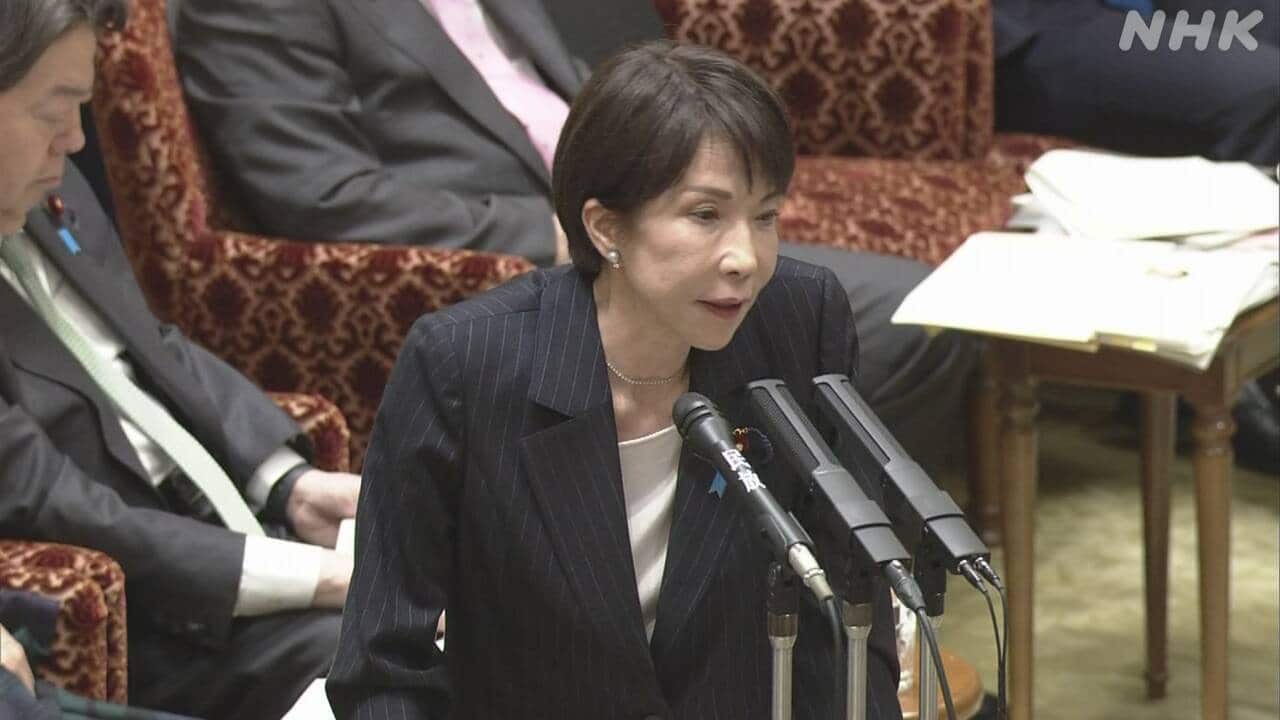
国会では、16日から参議院予算委員会で新年度予算案の実質的な審議が始まりました。イラン情勢の緊迫化を受けた支援策をめぐり、高市総理大臣は、事態が長期化した場合でも継続的に国民生活を支えられるよう柔軟に検討していく考えを示しました。
新年度予算案は、16日から参議院予算委員会で実質的な審議が始まり、高市総理大臣とすべての閣僚が出席して基本的質疑が行われました。
立憲民主党の蓮舫氏は、安定的な皇位継承のあり方をめぐり「世論では女性天皇容認という声もあるが、女性天皇への法改正へ歩みを進めることはあるか」とただしました。
これに対し、高市総理大臣は「政府の有識者会議の報告書では悠仁親王殿下の次代以降の皇位継承について具体的に議論するには機が熟しておらず、かえって皇位継承を不安定化させるとも考えられるということで、次世代の皇位継承資格者として悠仁親王殿下がいらっしゃることを前提に皇位継承の流れをゆるがせにしてはならないとある。また、内親王、女王が婚姻後も皇族の身分を保持することが提案されており報告書を政府としては尊重している。国会で議論してもらい、政府にその意思を示してもらい法制化を進めることになる」と述べました。
自民党の末松 元文部科学大臣は、イラン情勢をめぐり「わが国と関係の深い2つの国が紛争してしまった。国益上は唯一の同盟国のアメリカとの立場を最大限尊重する必要があるが、わが国に対し、人、モノ、カネなど何らかの負担を求められたら、どうするのか」と質問しました。
これに対し、高市総理大臣は「イランとも長年にわたる関係を築いてきたので、事案発生後、アメリカと緊密に意思疎通しているが、イラン政府との間でも必要なやり取りを継続している。日米首脳会談では、わが国の立場や考え方を伝えるが、今後の対応について予断することはしない。日本の国益に沿うように適切に対応していく」と述べました。
自民党の山谷 元拉致問題担当大臣は、北朝鮮による拉致問題について「高市総理大臣は、1月の衆議院解散表明の記者会見でも真っ先に冒頭で拉致問題の解決を訴えた。今度の日米首脳会談で拉致問題についても話し合われると思うが、解決への思いを聞かせてほしい」と質問しました。
これに対し、高市総理大臣は「問題解決のためには、わが国自身の主体的な取り組みに加えてアメリカをはじめとする国際社会との連携が重要だ。日米首脳会談でも解決に向けた私の決意を伝えて改めて協力を確認したい。あらゆる選択肢を排除せず、私の代で何としても突破口を開き解決したい」と述べました。
国民民主党の舟山参議院議員会長はイラン情勢の緊迫化を受けた支援策をめぐり「電気・ガスについては3月まで補助をしているが、4月以降、果たしてどうなっていくのか、国民に不安もあるのではないか。緊急対策補助を継続するなど、追加の対策を今すぐ講じるべきではないか」とただしました。
これに対し、高市総理大臣は「今月11日に発表したとおり、原油価格が高騰する中、国民の生活や経済活動を守るために緊急的な激変緩和措置で対応した。まだ予断を許さない状況なので事態が長期化した場合にも息切れすることなく、継続的に国民生活や産業を支えることができるよう支援のあり方は柔軟に検討していく」と述べました。
参議院で野党第1党の立憲民主党の水岡代表は、記者会見で「衆議院では拙速な審議だったが、参議院では充実した審議を熟議の府として進めたい。強引な委員会運営は困るので与党によって強行されるような理事会や審議日程の持っていき方があれば、野党が一致結束して対抗していきたい」と述べました。
新年度予算案は、16日から参議院予算委員会で実質的な審議が始まり、高市総理大臣とすべての閣僚が出席して基本的質疑が行われました。
立憲民主党の蓮舫氏は、安定的な皇位継承のあり方をめぐり「世論では女性天皇容認という声もあるが、女性天皇への法改正へ歩みを進めることはあるか」とただしました。
これに対し、高市総理大臣は「政府の有識者会議の報告書では悠仁親王殿下の次代以降の皇位継承について具体的に議論するには機が熟しておらず、かえって皇位継承を不安定化させるとも考えられるということで、次世代の皇位継承資格者として悠仁親王殿下がいらっしゃることを前提に皇位継承の流れをゆるがせにしてはならないとある。また、内親王、女王が婚姻後も皇族の身分を保持することが提案されており報告書を政府としては尊重している。国会で議論してもらい、政府にその意思を示してもらい法制化を進めることになる」と述べました。
自民党の末松 元文部科学大臣は、イラン情勢をめぐり「わが国と関係の深い2つの国が紛争してしまった。国益上は唯一の同盟国のアメリカとの立場を最大限尊重する必要があるが、わが国に対し、人、モノ、カネなど何らかの負担を求められたら、どうするのか」と質問しました。
これに対し、高市総理大臣は「イランとも長年にわたる関係を築いてきたので、事案発生後、アメリカと緊密に意思疎通しているが、イラン政府との間でも必要なやり取りを継続している。日米首脳会談では、わが国の立場や考え方を伝えるが、今後の対応について予断することはしない。日本の国益に沿うように適切に対応していく」と述べました。
自民党の山谷 元拉致問題担当大臣は、北朝鮮による拉致問題について「高市総理大臣は、1月の衆議院解散表明の記者会見でも真っ先に冒頭で拉致問題の解決を訴えた。今度の日米首脳会談で拉致問題についても話し合われると思うが、解決への思いを聞かせてほしい」と質問しました。
これに対し、高市総理大臣は「問題解決のためには、わが国自身の主体的な取り組みに加えてアメリカをはじめとする国際社会との連携が重要だ。日米首脳会談でも解決に向けた私の決意を伝えて改めて協力を確認したい。あらゆる選択肢を排除せず、私の代で何としても突破口を開き解決したい」と述べました。
国民民主党の舟山参議院議員会長はイラン情勢の緊迫化を受けた支援策をめぐり「電気・ガスについては3月まで補助をしているが、4月以降、果たしてどうなっていくのか、国民に不安もあるのではないか。緊急対策補助を継続するなど、追加の対策を今すぐ講じるべきではないか」とただしました。
これに対し、高市総理大臣は「今月11日に発表したとおり、原油価格が高騰する中、国民の生活や経済活動を守るために緊急的な激変緩和措置で対応した。まだ予断を許さない状況なので事態が長期化した場合にも息切れすることなく、継続的に国民生活や産業を支えることができるよう支援のあり方は柔軟に検討していく」と述べました。
参議院で野党第1党の立憲民主党の水岡代表は、記者会見で「衆議院では拙速な審議だったが、参議院では充実した審議を熟議の府として進めたい。強引な委員会運営は困るので与党によって強行されるような理事会や審議日程の持っていき方があれば、野党が一致結束して対抗していきたい」と述べました。
Vocabulary
General
Proper noun
JLPT N2
JLPT N1
| # | 言葉 | 意味 |
|---|---|---|
| 7 | 高市 | こういち (高市) : Kouichi (surname) |
| 7 | 総理大臣 | そうりだいじん (総理大臣) : prime minister (as the head of a cabinet government); premier |
| 5 | 審議 | しんぎ (審議) : deliberation |
| 5 | 国民 | こくみん (国民) : people (of a country); nation; citizen; national |
| 5 | 皇位継承 | こういけいしょう (皇位継承) : (Japanese) imperial succession |
| 5 | 述べる | のべる (述べる) : to state; to express; to mention |
| 4 | 参議院 | さんぎいん (参議院) : House of Councillors (upper house of the National Diet of Japan) |
| 4 | めぐる | めぐる (巡る) : 1. to go around 2. to return |
| 4 | わが | わが (我が) : my; our; one's own |
| 4 | 拉致問題 | らちもんだい (拉致問題) : abduction issue (esp. of those Japanese abducted by North Korea) |
| 4 | 解決 | かいけつ (解決) : settlement; solution; resolution |
| 3 | 情勢 | じょうせい (情勢) : state of things; state of affairs; condition; situation; circumstances |
| 3 | 化 | か (化) : action of making something; -ification |
| 3 | 進める | すすめる (進める) : 1. to advance; to move forward; to put (a clock, watch) forward 2. to carry forward (plans, work, etc.); to proceed with; to make progress in; to further; to advance; to hasten; to speed up |
| 3 | 政府 | せいふ (政府) : government; administration |
| 3 | 日米 | にちべい (日米) : Japan and the United States; Japanese-American |
| 3 | 首脳会談 | しゅのうかいだん (首脳会談) : leadership conference; summit meeting; top-level conference |
| 3 | 対応 | たいおう (対応) : 1. correspondence (to); equivalence 2. suitability; coordination; matching; being appropriate (for) |
| 2 | 国会 | こっかい (国会) : 1. National Diet; legislative assembly of Japan (1947-) 2. Imperial Diet; legislative assembly of Japan (1889-1947) |
| 2 | 予算委員会 | よさんいいんかい (予算委員会) : 1. Budget Committee (of the Upper and Lower Houses of the Diet) 2. budget committee |
| 2 | 予算案 | よさんあん (予算案) : draft budget |
| 2 | 実質的 | じっしつてき (実質的) : substantial; real (as opposed to nominal) |
| 2 | 始まる | はじまる (始まる) : 1. to begin; to start; to commence 2. to happen (again); to begin (anew) |
| 2 | 緊迫 | きんぱく (緊迫) : tension; strain |
| 2 | 支援策 | しえんさく (支援策) : support measures; assistance measures; support plan |
| 2 | 事態 | じたい (事態) : situation; (present) state of affairs; circumstances |
| 2 | 長期化 | ちょうきか (長期化) : lengthening |
| 2 | 継続的 | けいぞくてき (継続的) : continuous |
| 2 | 支える | ささえる (支える) : 1. to support; to prop; to sustain; to underlay; to hold up; to defend 2. to hold at bay; to stem; to check |
| 2 | 柔軟 | じゅうなん (柔軟) : flexible; lithe; soft; pliable |
| 2 | 検討 | けんとう (検討) : consideration; examination; investigation; study; scrutiny; discussion; analysis; review |
| 2 | 示す | しめす (示す) : 1. to (take out and) show; to demonstrate; to tell; to exemplify; to make apparent 2. to point out (finger, clock hand, needle, etc.) |
| 2 | 立憲民主党 | りっけんみんしゅとう (立憲民主党) : 1. Constitutional Democratic Party of Japan (2017-) 2. Constitutional Democratic Party (Russia, 1905-1917) |
| 2 | あり方 | ありかた (あり方) : 1. the way something ought to be 2. the (current) state of things; how things are |
| 2 | 女性天皇 | じょせいてんのう (女性天皇) : female emperor (of Japan) |
| 2 | ただす | ただす (質す) : to enquire of someone about something (inquire); to question |
| 2 | 報告書 | ほうこくしょ (報告書) : (written) report |
| 2 | 悠仁 | ひさひと (悠仁) : Hisahito (masc) |
| 2 | 親王 | しんのう (親王) : prince of royal blood; Imperial prince |
| 2 | 殿下 | でんか (殿下) : your Highness; his Highness; her Highness |
| 2 | 以降 | いこう (以降) : on and after; as from; hereafter; thereafter; since |
| 2 | 議論 | ぎろん (議論) : argument; discussion; dispute; controversy |
| 2 | 尊重 | そんちょう (尊重) : respect; esteem; regard |
| 2 | 自民党 | じみんとう (自民党) : Liberal Democratic Party; LDP |
| 2 | 国益 | こくえき (国益) : national interest |
| 2 | 立場 | たちば (立場) : 1. position; situation 2. viewpoint; standpoint; point of view |
| 2 | 継続 | けいぞく (継続) : continuation |
| 2 | 予断 | よだん (予断) : prediction; prejudgment; presupposition; foregone conclusion |
| 2 | 記者会見 | きしゃかいけん (記者会見) : press conference |
| 2 | 補助 | ほじょ (補助) : 1. assistance; support; aid; help 2. subsidy; supplement; subvention; grant-in-aid |
| 2 | 緊急 | きんきゅう (緊急) : urgency; emergency |
| 2 | 対策 | たいさく (対策) : measure; step; countermeasure; counterplan; countermove; strategy; preparation (e.g. for a test) |
| 2 | 野党 | やとう (野党) : opposition party; political opposition; opposition |
| 1 | 考え | かんがえ (考え) : 1. thinking; thought; view; opinion; concept 2. idea; notion; imagination |
| 1 | 閣僚 | かくりょう (閣僚) : cabinet ministers |
| 1 | 基本的 | きほんてき (基本的) : fundamental; basic |
| 1 | 質疑 | しつぎ (質疑) : 1. question 2. interpellation |
| 1 | 蓮舫 | れんほう (蓮舫) : Renhou (fem) |
| 1 | 氏 | うじ (氏) : 1. family name; lineage; birth 2. clan |
| 1 | 安定的 | あんていてき (安定的) : stable |
| 1 | 世論 | よろん (世論) : public opinion; popular voice; public sentiment; consensus |
| 1 | 容認 | ようにん (容認) : approval |
| 1 | 法改正 | ほうかいせい (法改正) : change in the law; legal reform |
| 1 | 歩み | あゆみ (歩み) : 1. walking 2. pace; step |
| 1 | 有識者 | ゆうしきしゃ (有識者) : expert; knowledgeable person; authority (on a subject) |
| 1 | 会議 | かいぎ (会議) : meeting; conference; session; assembly; council; convention; congress |
| 1 | 次代 | じだい (次代) : the next era |
| 1 | 具体的 | ぐたいてき (具体的) : concrete; definite; specific; material; substantial |
| 1 | 機 | はた (機) : loom |
| 1 | 熟する | じゅくする (熟する) : 1. to ripen; to mature 2. to be ready for action; to be the right time (to act) |
| 1 | かえって | かえって (却って) : on the contrary; rather; all the more; instead |
| 1 | 安定化 | あんていか (安定化) : stabilization; stabilisation |
| 1 | 考える | かんがえる (考える) : 1. to think (about, of); to think over; to ponder; to contemplate; to reflect (on); to meditate (on) 2. to consider; to bear in mind; to allow for; to take into consideration |
| 1 | 次世代 | じせだい (次世代) : next generation; future generation |
| 1 | 前提 | ぜんてい (前提) : 1. condition; assumption; prerequisite; hypothesis 2. intention; intent; aim; goal |
| 1 | 流れ | ながれ (流れ) : 1. flow (of a fluid or gas); stream; current 2. flow (of people, things); passage (of time); tide; passing; (changing) trends; tendency |
| 1 | ゆるがせ | ゆるがせ (忽せ) : 1. negligent; careless 2. easygoing; relaxed |
| 1 | 内親王 | ないしんのう (内親王) : imperial princess; royal princess |
| 1 | 女王 | じょおう (女王) : 1. queen 2. female champion |
| 1 | 婚姻 | こんいん (婚姻) : marriage; matrimony |
| 1 | 皇族 | こうぞく (皇族) : imperial family; royalty |
| 1 | 身分 | みぶん (身分) : 1. (social) standing; status; position; rank 2. identity; birth; origin |
| 1 | 保持 | ほじ (保持) : retention; maintenance; preservation |
| 1 | 提案 | ていあん (提案) : proposal; proposition; suggestion |
| 1 | 意思 | いし (意思) : intention; wish; purpose; mind (to do) |
| 1 | 法制 | ほうせい (法制) : legislation; laws |
| 1 | 末松 | すえまつ (末松) : Suematsu (place; surname; given) |
| 1 | 文部科学大臣 | もんぶかがくだいじん (文部科学大臣) : Minister of Education, Culture, Sports, Science and Technology |
| 1 | 紛争 | ふんそう (紛争) : dispute; conflict; trouble; strife |
| 1 | 唯一 | ゆいいつ (唯一) : only; sole; unique |
| 1 | 同盟国 | どうめいこく (同盟国) : ally (of another nation) |
| 1 | 最大限 | さいだいげん (最大限) : 1. maximum 2. to the maximum degree; to the full |
| 1 | 負担 | ふたん (負担) : 1. burden; load; responsibility 2. bearing (a cost, responsibility, etc.); shouldering |
| 1 | 求める | もとめる (求める) : 1. to want; to wish for 2. to request; to demand; to require; to ask for |
| 1 | 長年 | ながねん (長年) : long time; many years |
| 1 | 築く | きずく (築く) : 1. to build; to construct; to erect 2. to amass (e.g. fortune); to pile up |
| 1 | 事案 | じあん (事案) : concern; circumstance which is becoming a problem; case (court) |
| 1 | 発生 | はっせい (発生) : 1. outbreak; spring forth; occurrence; incidence 2. generation (e.g. of power or heat); genesis; origin |
| 1 | 緊密 | きんみつ (緊密) : rigour; rigor; closeness; compactness; tightly knit |
| 1 | 意思疎通 | いしそつう (意思疎通) : (coming to a) mutual understanding; understanding each other |
| 1 | やり取り | やりとり (やり取り) : giving and taking; exchange (of letters); arguing back and forth; (conversational) exchange |
| 1 | 考え方 | かんがえかた (考え方) : way of thinking |
| 1 | 今後 | こんご (今後) : from now on; hereafter |
| 1 | 沿う | そう (沿う) : 1. to run along; to run beside; to stick to (a line) 2. to follow (a policy, plan, etc.); to act in accordance with; to align with |
| 1 | 適切 | てきせつ (適切) : appropriate; suitable; fitting; apt; proper; right; pertinent; relevant |
| 1 | 山谷 | さんや (山谷) : San'ya (place; surname) |
| 1 | 担当 | たんとう (担当) : being in charge (of an area of responsibility); being responsible (for a work role, etc.) |
| 1 | 大臣 | だいじん (大臣) : cabinet minister |
| 1 | 北朝鮮 | きたちょうせん (北朝鮮) : North Korea |
| 1 | 衆議院解散 | しゅうぎいんかいさん (衆議院解散) : dissolution of the lower house of parliament |
| 1 | 表明 | ひょうめい (表明) : declaration; indication; representation; manifestation; demonstration; expression; announcement; assertion |
| 1 | 真っ先 | まっさき (真っ先) : the head; the foremost; beginning; the very front |
| 1 | 冒頭 | ぼうとう (冒頭) : beginning; start; outset |
| 1 | 訴える | うったえる (訴える) : 1. to raise; to bring to (someone's attention) 2. to appeal to (reason, emotions, etc.); to work on (one's emotions); to play on (one's sympathies) |
| 1 | 話し合う | はなしあう (話し合う) : to discuss; to talk together |
| 1 | 思い | おもい (思い) : 1. thought 2. imagination; mind; heart |
| 1 | 聞く | きく (聞く) : 1. to hear 2. to listen (e.g. to music) |
| 1 | 問題解決 | もんだいかいけつ (問題解決) : problem-solving |
| 1 | 自身 | じしん (自身) : (one's) self; oneself |
| 1 | 主体的 | しゅたいてき (主体的) : 1. independent; responsible; active; proactive 2. subjective |
| 1 | 取り組み | とりくみ (取り組み) : 1. bout (in sports, etc.); match 2. effort; initiative; dealing with; grappling with; wrestling with |
| 1 | 国際社会 | こくさいしゃかい (国際社会) : international community; international society; the world |
| 1 | 連携 | れんけい (連携) : cooperation; coordination; link |
| 1 | 重要 | じゅうよう (重要) : important; momentous; essential; principal; major |
| 1 | 決意 | けつい (決意) : decision; determination; resolution |
| 1 | 伝える | つたえる (伝える) : to convey; to report; to transmit; to communicate; to tell; to impart; to propagate; to teach; to bequeath |
| 1 | 改めて | あらためて (改めて) : 1. another time; again; over again; once again; anew 2. formally; especially; intentionally; deliberately |
| 1 | 協力 | きょうりょく (協力) : cooperation; collaboration |
| 1 | 確認 | かくにん (確認) : confirmation; verification; validation; review; check; affirmation; identification |
| 1 | あらゆる | あらゆる (有らゆる) : all; every |
| 1 | 選択肢 | せんたくし (選択肢) : choices; alternatives; options |
| 1 | 排除 | はいじょ (排除) : exclusion; removal; rejection; elimination; abatement; lifting (sanctions, etc.) |
| 1 | 突破 | とっぱ (突破) : 1. breaking through; breakthrough; penetration 2. surmounting; overcoming |
| 1 | 開く | ひらく (開く) : 1. to open; to undo; to unseal; to unpack 2. to bloom; to unfold; to spread out |
| 1 | 民主党 | みんしゅとう (民主党) : 1. Democratic Party (esp. DPJ or US Democratic Party) 2. Constitutional Democratic Party of Japan |
| 1 | 舟山 | しゅうざん (舟山) : Shuuzan (given) |
| 1 | 参議院議員 | さんぎいんぎいん (参議院議員) : member of the House of Councillors |
| 1 | 会長 | かいちょう (会長) : president (of a society); chairman |
| 1 | 果たして | はたして (果たして) : 1. as was expected; just as one thought; sure enough 2. really; actually; ever |
| 1 | 不安 | ふあん (不安) : anxiety; uneasiness; worry; apprehension; fear; insecurity; suspense |
| 1 | 追加 | ついか (追加) : addition; supplement; appending; appendix |
| 1 | 講じる | こうじる (講じる) : 1. to take measures; to work out a plan 2. to lecture; to read aloud |
| 1 | 発表 | はっぴょう (発表) : announcement; publication; presenting; statement; communique; making known; breaking (news story); expressing (one's opinion); releasing; unveiling |
| 1 | とおり | とおり (通り) : 1. avenue; street; way; road 2. coming and going; street traffic |
| 1 | 原油価格 | げんゆかかく (原油価格) : crude oil price |
| 1 | 高騰 | こうとう (高騰) : sudden price jump; steep price rise |
| 1 | 経済活動 | けいざいかつどう (経済活動) : economic activity |
| 1 | 守る | まもる (守る) : 1. to protect; to guard; to defend 2. to keep (i.e. a promise); to abide (by the rules); to observe; to obey; to follow |
| 1 | 激変 | げきへん (激変) : sudden change; upheaval |
| 1 | 緩和 | かんわ (緩和) : relief; mitigation; alleviation; relaxation (of restrictions, tensions, etc.); easing; softening |
| 1 | 措置 | そち (措置) : measure; step; action |
| 1 | 許す | ゆるす (許す) : 1. to permit; to allow; to approve; to consent to 2. to forgive; to pardon; to excuse; to tolerate |
| 1 | 状況 | じょうきょう (状況) : state of affairs (around you); situation; circumstances |
| 1 | 息切れ | いきぎれ (息切れ) : 1. shortness of breath; panting; puffing 2. running out of steam (e.g. economy); losing momentum |
| 1 | 支援 | しえん (支援) : support; backing; aid; assistance |
| 1 | 第 | だい (第) : prefix for forming ordinal numbers |
| 1 | 党 | とう (党) : 1. party (political) 2. person who is fond of; fan of |
| 1 | 水岡 | みずおか (水岡) : Mizuoka (place; surname) |
| 1 | 代表 | だいひょう (代表) : 1. representative; representation; delegation; type; example; model 2. switchboard number; main number |
| 1 | 衆議院 | しゅうぎいん (衆議院) : House of Representatives (lower house of the National Diet of Japan) |
| 1 | 拙速 | せっそく (拙速) : rough-and-ready; knocked-up; hasty; slipshod; slapdash |
| 1 | 充実 | じゅうじつ (充実) : 1. fullness; completion; perfection; substantiality 2. enhancement; improvement; enrichment; upgrading |
| 1 | 熟議 | じゅくぎ (熟議) : careful deliberation |
| 1 | 府 | ふ (府) : 1. (metropolitan) prefecture (of Osaka and Kyoto) 2. the centre or seat (of) (center) |
| 1 | 強引 | ごういん (強引) : overbearing; coercive; pushy; forcible; high-handed |
| 1 | 委員会 | いいんかい (委員会) : committee; commission; board; panel; committee meeting |
| 1 | 運営 | うんえい (運営) : management; administration; operation |
| 1 | 与党 | よとう (与党) : ruling party; government party; party in power; government |
| 1 | 強行 | きょうこう (強行) : 1. forcing; enforcement 2. forced; enforced |
| 1 | 理事会 | りじかい (理事会) : board of directors; board of trustees |
| 1 | 日程 | にってい (日程) : schedule; program; programme; agenda |
| 1 | 持つ | もつ (持つ) : 1. to hold (in one's hand); to take; to carry 2. to possess; to have; to own |
| 1 | 一致 | いっち (一致) : 1. coincidence; agreement; union; match 2. conformity; consistency |
| 1 | 結束 | けっそく (結束) : 1. union; unity; solidarity 2. bundling; binding; tying |
| 1 | 対抗 | たいこう (対抗) : opposition; rivalry; competition; antagonism |