宮城 気仙沼の高校生が語り部活動 東日本大震災 発生から15年
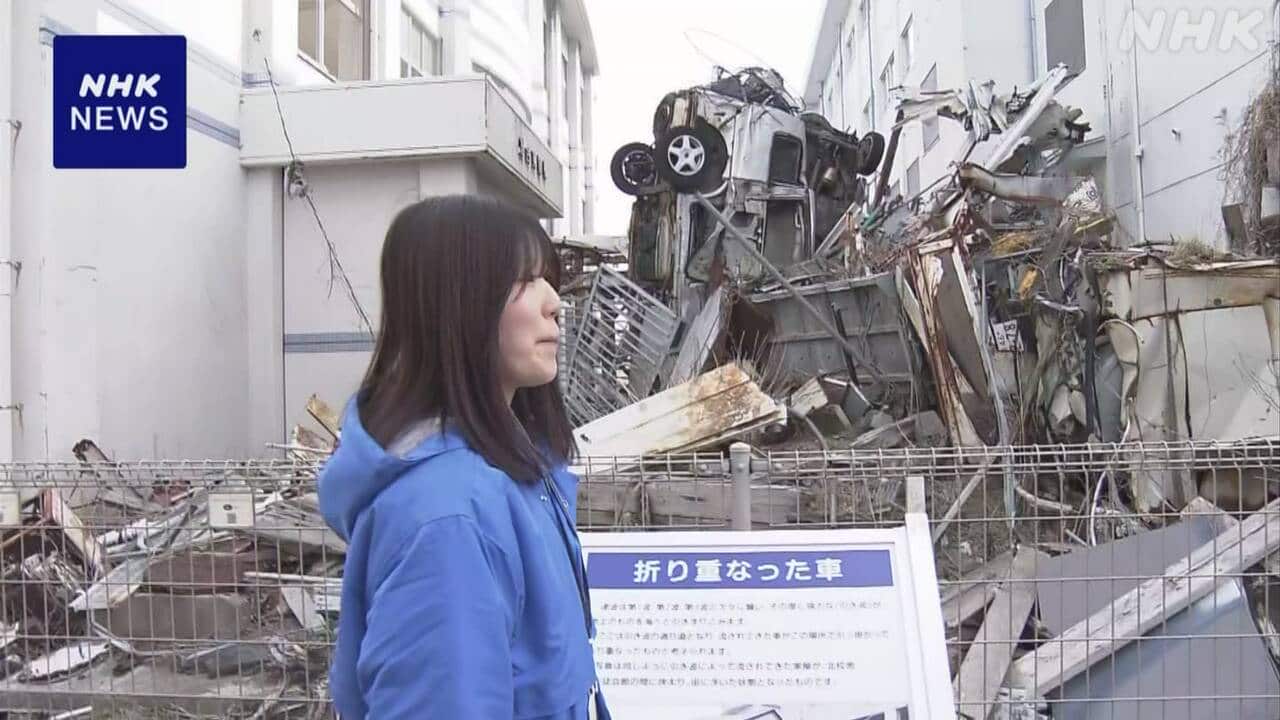
3月11日で東日本大震災の発生から15年です。宮城県気仙沼市では震災について語り継ごうと、地元の高校生がみずから学んだことなどをもとに語り部活動を行い、津波の恐ろしさなどを伝えました。
この活動は「気仙沼市東日本大震災遺構・伝承館」が企画していて、地元の高校生や大学生などが語り部となっています。
10日は気仙沼向洋高校2年の佐藤憂奈さん(17)が、震災遺構となっているかつての校舎を市内外から訪れた8人に案内しました。
佐藤さんは震災当時2歳で、はっきりとした記憶はありませんが、家族から聞いたことや自分で学んだことをもとに津波の恐ろしさや避難の大切さを伝えていました。
仙台市の20代の男性は「当時は関東にいたので、どうしてもひと事でした。今回参加したことをきっかけに、震災を自分事としてとらえていきたいです」と話していました。
語り部活動を行った佐藤さんは「だんだんと町が新しくなり、震災を知らない人も多くなると思います。風化すると震災に対する思いや災害への危機感が薄れるので、自分が語り部として伝えていきたいです」と話していました。
この活動は「気仙沼市東日本大震災遺構・伝承館」が企画していて、地元の高校生や大学生などが語り部となっています。
10日は気仙沼向洋高校2年の佐藤憂奈さん(17)が、震災遺構となっているかつての校舎を市内外から訪れた8人に案内しました。
佐藤さんは震災当時2歳で、はっきりとした記憶はありませんが、家族から聞いたことや自分で学んだことをもとに津波の恐ろしさや避難の大切さを伝えていました。
仙台市の20代の男性は「当時は関東にいたので、どうしてもひと事でした。今回参加したことをきっかけに、震災を自分事としてとらえていきたいです」と話していました。
語り部活動を行った佐藤さんは「だんだんと町が新しくなり、震災を知らない人も多くなると思います。風化すると震災に対する思いや災害への危機感が薄れるので、自分が語り部として伝えていきたいです」と話していました。
Vocabulary
General
Proper noun
JLPT N2
JLPT N1
| # | 言葉 | 意味 |
|---|---|---|
| 5 | 震災 | しんさい (震災) : 1. earthquake disaster 2. Great Kanto Earthquake (1923) |
| 4 | 語り部 | かたりべ (語り部) : 1. (professional) storyteller 2. hereditary role of narrator in early imperial court |
| 3 | 活動 | かつどう (活動) : 1. activity (of a person, organization, animal, volcano, etc.); action 2. movie (esp. during the silent movie period) |
| 3 | 伝える | つたえる (伝える) : to convey; to report; to transmit; to communicate; to tell; to impart; to propagate; to teach; to bequeath |
| 3 | 佐藤 | さいう (佐藤) : Saiu (surname) |
| 2 | 東日本大震災 | ひがしにほんだいしんさい (東日本大震災) : Great East Japan earthquake (March 11, 2011); Tōhoku earthquake; Tohoku earthquake; Sendai earthquake |
| 2 | 気仙沼市 | けせんぬまし (気仙沼市) : Kesennuma (city) (place) |
| 2 | 地元 | じもと (地元) : 1. home area; home town 2. local |
| 2 | 学ぶ | まなぶ (学ぶ) : to study (in depth); to learn; to take lessons in |
| 2 | もと | もと (元) : 1. origin; source 2. base; basis; foundation; root |
| 2 | 津波 | つなみ (津波) : tsunami; tidal wave |
| 2 | 当時 | とうじ (当時) : at that time; in those days |
| 1 | 発生 | はっせい (発生) : 1. outbreak; spring forth; occurrence; incidence 2. generation (e.g. of power or heat); genesis; origin |
| 1 | 宮城県 | みやぎけん (宮城県) : Miyagi prefecture (Tōhoku area) |
| 1 | 語り継ぐ | かたりつぐ (語り継ぐ) : to transmit; to hand down |
| 1 | みずから | みずから (自ら) : 1. oneself 2. oneself; for oneself; personally; in person |
| 1 | 遺構 | いこう (遺構) : (archaeological) remains; remnants (of ancient structures); ancient foundation |
| 1 | 企画 | きかく (企画) : planning; project; plan; design |
| 1 | 気仙沼 | きせんぬま (気仙沼) : Kisennuma (surname) |
| 1 | 向洋 | こうよう (向洋) : Kouyou (place) |
| 1 | 奈 | だい (奈) : Dai (surname) |
| 1 | かつて | かつて (嘗て) : 1. once; before; formerly; ever; former; ex- 2. never yet; never before; first time; still not happened |
| 1 | 校舎 | こうしゃ (校舎) : school building; schoolhouse |
| 1 | 訪れる | おとずれる (訪れる) : 1. to visit; to call on 2. to arrive (season, time, situation, etc.); to come; to appear |
| 1 | 記憶 | きおく (記憶) : 1. memory; recollection; remembrance 2. storage |
| 1 | 聞く | きく (聞く) : 1. to hear 2. to listen (e.g. to music) |
| 1 | 避難 | ひなん (避難) : taking refuge; finding shelter; evacuation; escape; seeking safe haven |
| 1 | 仙台市 | せんだいし (仙台市) : Sendai (city) (place) |
| 1 | 関東 | かんとう (関東) : 1. Kanto; region consisting of Tokyo and surrounding prefectures 2. Kanto; north-eastern half of Japan (during the feudal era) |
| 1 | ひと事 | ひとごと (人事) : other people's affairs; somebody else's problem |
| 1 | 参加 | さんか (参加) : participation; joining; entry; adherence |
| 1 | きっかけ | きっかけ (切っ掛け) : chance; start; cue; excuse; motive; impetus; occasion |
| 1 | 自分事 | じぶんごと (自分事) : one's own problem; one's own issues |
| 1 | とらえる | とらえる (捉える) : 1. to catch; to capture; to seize; to arrest; to grab; to catch hold of 2. to grasp (e.g. meaning); to perceive; to capture (e.g. features) |
| 1 | 新しく | あたらしく (新しく) : newly; new; anew |
| 1 | 知る | しる (知る) : 1. to be aware of; to know; to be conscious of; to cognize; to cognise 2. to notice; to feel |
| 1 | 風化 | ふうか (風化) : 1. weathering 2. fading (of memories) |
| 1 | 思い | おもい (思い) : 1. thought 2. imagination; mind; heart |
| 1 | 災害 | さいがい (災害) : calamity; disaster; misfortune |
| 1 | 危機感 | ききかん (危機感) : sense of impending crisis; sense of danger |
| 1 | 薄れる | うすれる (薄れる) : to fade; to become dim |