蓄電池置いて電気代3000円引き「auでんち」 設置無料で停電対策も
予習
この記事のキーワード — タップで意味×26
蓄電池
ちくでんち
storage battery
×16
でん
1. legend; tradition 2. biography; life
×16
電気代
でんきだい
electric utility expense
×16
ち
1. blood 2. blood; ancestry; lineage; stock
×10
節約
せつやく
economising; saving
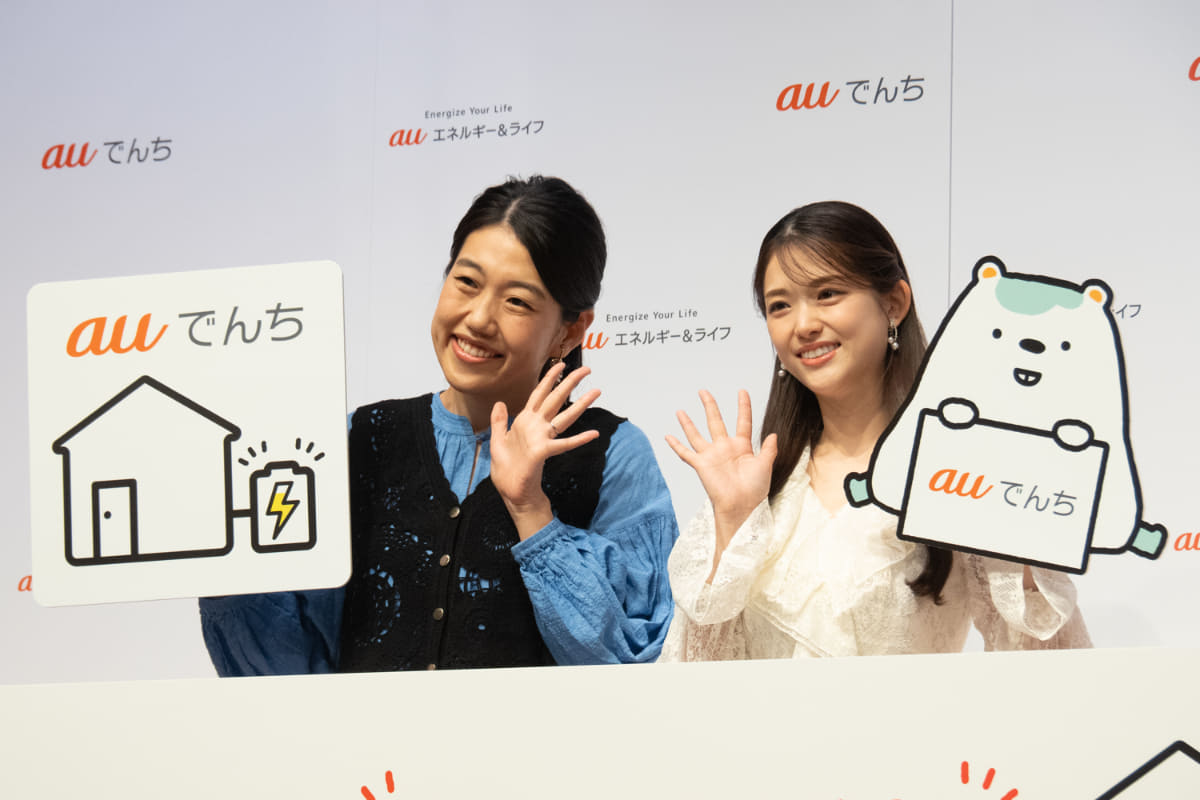
auエネルギー&ライフは、家庭用蓄電池を無料で設置でき、電気代が毎月最大3,000円割り引かれるサービス「auでんち」を提供開始した。「auでんき」と蓄電池を組み合わせ、電気代削減と停電時の備えを両立する。まずは東京都(離島除く)の「auでんき ecoプラン」契約者を対象に展開し、全国展開を目指す。
auでんちは、蓄電池の初期費用、設置工事費、月額利用料が無料で、電気代も毎月最大3,000円の割り引きを受けられるサービス。停電時には遠隔制御を停止し、蓄電池から自宅へ電力を供給することで非常用電源として機能する。
気象警報発令時には、蓄電池が自動で緊急充電モードに切り替わり、蓄電池残量を100%まで充電。一定時間電気を使用できる状態を確保する。
電気料金プランには、再生可能エネルギー比率実質100%、CO2排出量実質ゼロの環境に配慮した「auでんき ecoプラン」を採用。従来のauでんきと同水準の料金で利用できるほか、電気代に応じてPontaポイントも貯まる。
同サービスでは、家庭に設置した蓄電池を遠隔で統合制御し、電力市場や需給調整市場と連動して運用する。サービス設計はauエネルギー&ライフが担い、auエネルギーホールディングス子会社のエナリスが持つ電力制御技術や、VPP(仮想発電所)、需給予測の知見を活用する。
東京都の補助金活用に加え、蓄電池の遠隔制御・運用で得られる収益を活用することで、電気代割り引きを実現する仕組みとなる。
背景には、燃料価格の高騰や国際情勢の影響による電力価格の不確実性の高まりがある。再生可能エネルギーの普及拡大に伴い、電力需給の最適化や分散電源の活用が課題となるなか、夏場の電力需要増加や、地震・台風などによる停電リスクへの備えの重要性も高まっている。
2026年4月からは、家庭用蓄電池などの小規模電源を束ね、電力市場で取引できるようになった。auでんちはこうした制度環境のもと、家庭の蓄電池を活用したVPP型のサービスとして展開される。
申し込み条件は、戸建て住宅を所有していること(新築除く)、18歳以上65歳未満であること、蓄電池の設置場所を確保できること、遠隔制御に同意することなど。太陽光発電や蓄電池、V2H充電設備などが未設置であることも条件となる。
申し込みはWebサイト、電話、訪問で受け付け、auでんき ecoプランの同時申し込みも可能。採用する蓄電池は、住友電気工業の「POWER DEPO H」および「POWER DEPO Rx」。
今後、早期に1万件規模の導入を目指すほか、提供エリアの全国拡大、エコキュートやEVなどとの連携も進める。同社はauでんちを通じて、家庭の電力を使うだけでなく、暮らしと社会を支えるエネルギーとして活用するサービスの実現を目指す。
■ 横澤夏子さんと松村沙友理さん「我慢しない節約が嬉しい」
auでんちの発表会ではサービス紹介に加え、お笑いタレントの横澤夏子さんと、元乃木坂46の松村沙友理さんによるトークセッションが行なわれた。
横澤さんは、3人の子どもを育てる先輩ママとして登壇。電気代の節約術には目がないといい、朝から子どもたちのお弁当作りで電子レンジをフル活用するなど、日々の生活のなかで電気のありがたみを感じていると語った。
蓄電池については、これまで災害時に使用する防災グッズのようなイメージを持っていたが、auでんちが我慢を強いることなく日常的に電気代を抑え、電気を自分で生み出している感覚もあり嬉しいと魅力を述べた。
また、毎月最大3,000円の節約ができた場合の使い道について問われると、「高級フルーツ定期便」と回答。スーパーでフルーツの値段の高さを見て立ち止まってしまうことが多いという横澤さんは、節約できた分でフルーツが毎月定期便で届くようになれば心に余裕が生まれ、子どもの遠足のお弁当にも良いフルーツを入れてあげられると笑顔を見せた。
松村さんは、今年女の子を出産したばかりの新米ママとして登壇。独身時代は家にいる時間が短く電気代をあまり気にしていなかったが、現在は子育てで在宅時間が増え、暑い日には1日中エアコンをつけることもあり、電気料金を強く意識するようになったという。
そのため、エアコンの設定温度を上げて暑さを我慢するような無理な節約をしなくても、自然と電気代を抑えられ、さらに環境にも良いため電気を使うことへの罪悪感がない仕組みを評価。ママ友を作るためのキーワードとしてauでんちを教えたいと語った。
3,000円の使い道については、「レジャーの下見」と回答。大阪出身で東京近辺の遊園地や水族館などをあまり知らないため、子どもが好きそうな場所や乗れそうな乗り物を事前に確認しておきたいと、今後の子育てに向けた楽しみを膨らませていた。
トークセッションでは、auでんちの理解を深めるためのクイズ企画も実施。毎月最大3,000円の節約効果は、冷房を1日5~6時間使用した場合の夏のエアコン約1カ月分に相当することや、蓄電池を使用した場合、一般的な600Lの冷蔵庫だけなら約14日間稼働できることが紹介された。
auエネルギー&ライフは、家庭用蓄電池を無料で設置でき、電気代が毎月最大3,000円割り引かれるサービス「auでんち」を提供開始した。「auでんき」と蓄電池を組み合わせ、電気代削減と停電時の備えを両立する。まずは東京都(離島除く)の「auでんき ecoプラン」契約者を対象に展開し、全国展開を目指す。 auでんちは、蓄電池の初期費用、設置工事費、月額利用料が無料で、電気代も毎月最大3,000円の割り引きを受けられるサービス。停電時には遠隔制御を停止し、蓄電池から自宅へ電力を供給することで非常用電源として機能する。 気象警報発令時には、蓄電池が自動で緊急充電モードに切り替わり、蓄電池残量を100%まで充電。一定時間電気を使用できる状態を確保する。 電気料金プランには、再生可能エネルギー比率実質100%、CO2排出量実質ゼロの環境に配慮した「auでんき ecoプラン」を採用。従来のauでんきと同水準の料金で利用できるほか、電気代に応じてPontaポイントも貯まる。 同サービスでは、家庭に設置した蓄電池を遠隔で統合制御し、電力市場や需給調整市場と連動して運用する。サービス設計はauエネルギー&ライフが担い、auエネルギーホールディングス子会社のエナリスが持つ電力制御技術や、VPP(仮想発電所)、需給予測の知見を活用する。 東京都の補助金活用に加え、蓄電池の遠隔制御・運用で得られる収益を活用することで、電気代割り引きを実現する仕組みとなる。 背景には、燃料価格の高騰や国際情勢の影響による電力価格の不確実性の高まりがある。再生可能エネルギーの普及拡大に伴い、電力需給の最適化や分散電源の活用が課題となるなか、夏場の電力需要増加や、地震・台風などによる停電リスクへの備えの重要性も高まっている。 2026年4月からは、家庭用蓄電池などの小規模電源を束ね、電力市場で取引できるようになった。auでんちはこうした制度環境のもと、家庭の蓄電池を活用したVPP型のサービスとして展開される。 申し込み条件は、戸建て住宅を所有していること(新築除く)、18歳以上65歳未満であること、蓄電池の設置場所を確保できること、遠隔制御に同意することなど。太陽光発電や蓄電池、V2H充電設備などが未設置であることも条件となる。 申し込みはWebサイト、電話、訪問で受け付け、auでんき ecoプランの同時申し込みも可能。採用する蓄電池は、住友電気工業の「POWER DEPO H」および「POWER DEPO Rx」。 今後、早期に1万件規模の導入を目指すほか、提供エリアの全国拡大、エコキュートやEVなどとの連携も進める。同社はauでんちを通じて、家庭の電力を使うだけでなく、暮らしと社会を支えるエネルギーとして活用するサービスの実現を目指す。 ■ 横澤夏子さんと松村沙友理さん「我慢しない節約が嬉しい」 auでんちの発表会ではサービス紹介に加え、お笑いタレントの横澤夏子さんと、元乃木坂46の松村沙友理さんによるトークセッションが行なわれた。 横澤さんは、3人の子どもを育てる先輩ママとして登壇。電気代の節約術には目がないといい、朝から子どもたちのお弁当作りで電子レンジをフル活用するなど、日々の生活のなかで電気のありがたみを感じていると語った。 蓄電池については、これまで災害時に使用する防災グッズのようなイメージを持っていたが、auでんちが我慢を強いることなく日常的に電気代を抑え、電気を自分で生み出している感覚もあり嬉しいと魅力を述べた。 また、毎月最大3,000円の節約ができた場合の使い道について問われると、「高級フルーツ定期便」と回答。スーパーでフルーツの値段の高さを見て立ち止まってしまうことが多いという横澤さんは、節約できた分でフルーツが毎月定期便で届くようになれば心に余裕が生まれ、子どもの遠足のお弁当にも良いフルーツを入れてあげられると笑顔を見せた。 松村さんは、今年女の子を出産したばかりの新米ママとして登壇。独身時代は家にいる時間が短く電気代をあまり気にしていなかったが、現在は子育てで在宅時間が増え、暑い日には1日中エアコンをつけることもあり、電気料金を強く意識するようになったという。 そのため、エアコンの設定温度を上げて暑さを我慢するような無理な節約をしなくても、自然と電気代を抑えられ、さらに環境にも良いため電気を使うことへの罪悪感がない仕組みを評価。ママ友を作るためのキーワードとしてauでんちを教えたいと語った。 3,000円の使い道については、「レジャーの下見」と回答。大阪出身で東京近辺の遊園地や水族館などをあまり知らないため、子どもが好きそうな場所や乗れそうな乗り物を事前に確認しておきたいと、今後の子育てに向けた楽しみを膨らませていた。 トークセッションでは、auでんちの理解を深めるためのクイズ企画も実施。毎月最大3,000円の節約効果は、冷房を1日5~6時間使用した場合の夏のエアコン約1カ月分に相当することや、蓄電池を使用した場合、一般的な600Lの冷蔵庫だけなら約14日間稼働できることが紹介された。
auエネルギー&ライフは、家庭用蓄電池を無料で設置でき、電気代が毎月最大3,000円割り引かれるサービス「auでんち」を提供開始した。「auでんき」と蓄電池を組み合わせ、電気代削減と停電時の備えを両立する。まずは東京都(離島除く)の「auでんき ecoプラン」契約者を対象に展開し、全国展開を目指す。 auでんちは、蓄電池の初期費用、設置工事費、月額利用料が無料で、電気代も毎月最大3,000円の割り引きを受けられるサービス。停電時には遠隔制御を停止し、蓄電池から自宅へ電力を供給することで非常用電源として機能する。 気象警報発令時には、蓄電池が自動で緊急充電モードに切り替わり、蓄電池残量を100%まで充電。一定時間電気を使用できる状態を確保する。 電気料金プランには、再生可能エネルギー比率実質100%、CO2排出量実質ゼロの環境に配慮した「auでんき ecoプラン」を採用。従来のauでんきと同水準の料金で利用できるほか、電気代に応じてPontaポイントも貯まる。 同サービスでは、家庭に設置した蓄電池を遠隔で統合制御し、電力市場や需給調整市場と連動して運用する。サービス設計はauエネルギー&ライフが担い、auエネルギーホールディングス子会社のエナリスが持つ電力制御技術や、VPP(仮想発電所)、需給予測の知見を活用する。 東京都の補助金活用に加え、蓄電池の遠隔制御・運用で得られる収益を活用することで、電気代割り引きを実現する仕組みとなる。 背景には、燃料価格の高騰や国際情勢の影響による電力価格の不確実性の高まりがある。再生可能エネルギーの普及拡大に伴い、電力需給の最適化や分散電源の活用が課題となるなか、夏場の電力需要増加や、地震・台風などによる停電リスクへの備えの重要性も高まっている。 2026年4月からは、家庭用蓄電池などの小規模電源を束ね、電力市場で取引できるようになった。auでんちはこうした制度環境のもと、家庭の蓄電池を活用したVPP型のサービスとして展開される。 申し込み条件は、戸建て住宅を所有していること(新築除く)、18歳以上65歳未満であること、蓄電池の設置場所を確保できること、遠隔制御に同意することなど。太陽光発電や蓄電池、V2H充電設備などが未設置であることも条件となる。 申し込みはWebサイト、電話、訪問で受け付け、auでんき ecoプランの同時申し込みも可能。採用する蓄電池は、住友電気工業の「POWER DEPO H」および「POWER DEPO Rx」。 今後、早期に1万件規模の導入を目指すほか、提供エリアの全国拡大、エコキュートやEVなどとの連携も進める。同社はauでんちを通じて、家庭の電力を使うだけでなく、暮らしと社会を支えるエネルギーとして活用するサービスの実現を目指す。 ■ 横澤夏子さんと松村沙友理さん「我慢しない節約が嬉しい」 auでんちの発表会ではサービス紹介に加え、お笑いタレントの横澤夏子さんと、元乃木坂46の松村沙友理さんによるトークセッションが行なわれた。 横澤さんは、3人の子どもを育てる先輩ママとして登壇。電気代の節約術には目がないといい、朝から子どもたちのお弁当作りで電子レンジをフル活用するなど、日々の生活のなかで電気のありがたみを感じていると語った。 蓄電池については、これまで災害時に使用する防災グッズのようなイメージを持っていたが、auでんちが我慢を強いることなく日常的に電気代を抑え、電気を自分で生み出している感覚もあり嬉しいと魅力を述べた。 また、毎月最大3,000円の節約ができた場合の使い道について問われると、「高級フルーツ定期便」と回答。スーパーでフルーツの値段の高さを見て立ち止まってしまうことが多いという横澤さんは、節約できた分でフルーツが毎月定期便で届くようになれば心に余裕が生まれ、子どもの遠足のお弁当にも良いフルーツを入れてあげられると笑顔を見せた。 松村さんは、今年女の子を出産したばかりの新米ママとして登壇。独身時代は家にいる時間が短く電気代をあまり気にしていなかったが、現在は子育てで在宅時間が増え、暑い日には1日中エアコンをつけることもあり、電気料金を強く意識するようになったという。 そのため、エアコンの設定温度を上げて暑さを我慢するような無理な節約をしなくても、自然と電気代を抑えられ、さらに環境にも良いため電気を使うことへの罪悪感がない仕組みを評価。ママ友を作るためのキーワードとしてauでんちを教えたいと語った。 3,000円の使い道については、「レジャーの下見」と回答。大阪出身で東京近辺の遊園地や水族館などをあまり知らないため、子どもが好きそうな場所や乗れそうな乗り物を事前に確認しておきたいと、今後の子育てに向けた楽しみを膨らませていた。 トークセッションでは、auでんちの理解を深めるためのクイズ企画も実施。毎月最大3,000円の節約効果は、冷房を1日5~6時間使用した場合の夏のエアコン約1カ月分に相当することや、蓄電池を使用した場合、一般的な600Lの冷蔵庫だけなら約14日間稼働できることが紹介された。
この記事の単語 (211)
×26
蓄電池
ちくでんち
storage battery
×16
電気代
でんきだい
electric utility expense
×16
でん
1. legend; tradition 2. biography; life
×16
ち
1. blood 2. blood; ancestry; lineage; stock
×14
活用
かつよう
1. practical use; application 2. conjugation; inflection
×12
電力
でんりょく
electric power
×10
設置
せっち
1. establishment; institution 2. installation (of a machine or equipment)
×10
節約
せつやく
economising; saving
×8
最大
さいだい
biggest; greatest; largest; maximum
×8
使用
しよう
use; application; employment; utilization; utilisation
×8
横澤
よこさわ
Yokosawa (surname)
×6
停電
ていでん
power outage; electricity outage; blackout; failure of electricity supply
×6
目指す
めざす
1. to aim at (for, to do, to become); to try for; to have an eye on 2. to go toward; to head for
×6
電源
でんげん
1. source of electricity; electrical power 2. power (button on TV, etc.)
×6
充電
じゅうでん
1. charging (electrically) 2. electrification
×6
環境
かんきょう
environment; circumstance
×6
市場
しじょう
1. market (financial, stock, domestic, etc.); marketplace; exchange 2. (street) market
×6
申し込み
もうしこみ
application; entry; request; subscription; offer; proposal; overture; challenge
×6
松村
しょうそん
Shouson (given)
×6
我慢
がまん
1. endurance; patience; perseverance; bearing (with something) 2. self-control; self-restraint
×6
子供
こども
child
×4
無料
むりょう
free (of charge); gratuitous
×4
提供
ていきょう
1. offer; tender; providing; supplying; making available; donating (blood, organs, etc.) 2. sponsoring (a TV program)
×4
備え
そなえ
preparation; provision; guarding
×4
東京都
とうきょうと
Tokyo Metropolis (prefecture); Tokyo metropolitan area
×4
除く
のぞく
1. to remove; to eliminate; to eradicate 2. to exclude; to except
×4
展開
てんかい
1. development; evolution; progression; unfolding; (plot) twist 2. expansion; spreading out; extending; deployment; building up
×4
割り引き
わりびき
1. discount; reduction; rebate 2. tenths discounted; tenths reduced
×4
確保
かくほ
1. securing; obtaining; ensuring; guarantee; maintaining 2. belay; belaying
×4
電気料金
でんきりょうきん
electricity charges; power rates
×4
再生可能エネルギー
さいせいかのうエネルギー
renewable energy
×4
実質
じっしつ
1. substance; essence 2. real (in economics, vs. nominal, e.g. real interest rate); substantive; substantial; essential; tangible
×4
採用
さいよう
1. use; adoption; acceptance 2. appointment; employment; engagement; recruitment
×4
制御
せいぎょ
1. control (of a machine, device, etc.) 2. control (over an opponent, one's emotions, etc.); governing; management; suppression; keeping in check
×4
需給
じゅきゅう
supply and demand
×4
運用
うんよう
1. making use of; application; practical use; effective management (e.g. of funds) 2. operation; handling; steering (esp. a boat)
×4
実現
じつげん
implementation (e.g. of a system); materialization; materialisation; realization; realisation; actualization; actualisation
×4
仕組み
しくみ
1. structure; construction; arrangement; contrivance; mechanism; workings 2. plan; plot; contrivance
×4
価格
かかく
price; value; cost
×4
拡大
かくだい
magnification; enlargement; expansion; amplification
×4
条件
じょうけん
condition; term; requirement; qualification; prerequisite
×4
今後
こんご
from now on; hereafter
×4
夏子
かこ
Kako (fem)
×4
沙友理
さゆり
Sayuri (fem)
×4
嬉しい
うれしい
1. happy; glad; pleased; delighted; overjoyed 2. joyful; delightful; gratifying; pleasant
×4
登壇
とうだん
taking the podium; mounting the rostrum; going on stage to give a speech, etc.
×4
弁当
べんとう
bento; Japanese box lunch
×4
語る
かたる
1. to talk about; to speak of; to tell; to narrate 2. to recite; to chant
×4
押さえる
おさえる
1. to pin down; to hold down; to press down 2. to cover (esp. a part of one's body with one's hand); to clutch (a body part in pain); to press (a body part)
×4
使い道
つかいみち
1. purpose; utility; objective 2. way to use something
×4
定期便
ていきびん
regular service
×4
回答
かいとう
reply; answer
×4
子育て
こそだて
child rearing; child raising; raising children; parenting
×2
割り引く
わりびく
to discount
×2
開始
かいし
start; commencement; beginning; initiation
×2
組み合わせる
くみあわせる
to join together; to combine; to join up
×2
削減
さくげん
cut; reduction; curtailment
×2
両立
りょうりつ
compatibility; coexistence; standing together
×2
離島
りとう
1. isolated island; outlying island 2. leaving an island
×2
契約者
けいやくしゃ
party to a contract; subscriber; policy owner (insurance)
×2
対象
たいしょう
target; object (of worship, study, etc.); subject (of taxation, etc.)
×2
工事費
こうじひ
construction costs; installation cost
×2
月額
げつがく
monthly amount (sum)
×2
利用料
りようりょう
usage charge; usage fee
×2
停止
ていし
1. stoppage; coming to a stop; halt; standstill 2. ceasing (movement, activity, etc.); suspension (of operations); interruption (e.g. of electricity supply); cutting off
×2
自宅
じたく
one's home; one's house
×2
供給
きょうきゅう
supply; provision
×2
非常
ひじょう
1. emergency 2. extraordinary; unusual
×2
機能
きのう
function; facility; faculty; feature
×2
気象警報
きしょうけいほう
weather warning
×2
発令
はつれい
official announcement; proclamation
×2
自動
じどう
1. automatic 2. intransitive verb
×2
緊急
きんきゅう
urgency; emergency
×2
切り替わる
きりかわる
to change completely; to switch (to); to shift (to another mode)
×2
残量
ざんりょう
remaining quantity; residual quantity
×2
状態
じょうたい
state; condition; situation; appearance; circumstances
×2
比率
ひりつ
ratio; proportion; percentage
×2
配慮
はいりょ
consideration; concern; attention; thoughtfulness; making arrangements; care; trouble
×2
従来
じゅうらい
1. up to now; so far 2. traditional; conventional; usual; existing
×2
水準
すいじゅん
1. level; standard 2. water level
×2
料金
りょうきん
fee; charge; fare
×2
応じる
おうじる
to respond; to satisfy; to accept; to comply with; to apply for
×2
溜まる
たまる
to collect; to gather; to save; to accumulate; to pile up
×2
遠隔
えんかく
distant; remote; isolated
×2
統合
とうごう
integration; unification; unity; combination; consolidation; synthesis
×2
調整
ちょうせい
adjustment; regulation; coordination; reconciliation; tuning; fixing; tailoring
×2
連動
れんどう
operating together; working together; being linked (to); being tied (to); being connected (with); interlocking
×2
担う
になう
1. to carry on one's shoulder; to shoulder; to bear 2. to bear (burden, responsibility, etc.); to take upon oneself
×2
子会社
こがいしゃ
subsidiary (company)
×2
仮想
かそう
imagination; supposition; virtual; potential (enemy)
×2
発電所
はつでんしょ
power plant; power station
×2
予測
よそく
prediction; estimation
×2
知見
ちけん
expertise; experience; knowledge
×2
補助金
ほじょきん
assistance payment; subsidiary aid
×2
収益
しゅうえき
earnings; proceeds; returns; revenue
×2
背景
はいけい
1. background; scenery; backdrop; setting 2. background (of an incident, situation, etc.); circumstances; context
×2
燃料
ねんりょう
fuel
×2
高騰
こうとう
sudden price jump; steep price rise
×2
情勢
じょうせい
state of things; state of affairs; condition; situation; circumstances
×2
影響
えいきょう
1. influence; effect 2. to influence; to affect; to have an influence on; to impact; to have an effect on
×2
不確実性
ふかくじつせい
uncertainty; indeterminacy; unreliability; unauthenticity
×2
高まり
たかまり
rise; swell; elevation; upsurge
×2
普及
ふきゅう
diffusion; spread; popularization; promulgation; familiarization
×2
伴う
ともなう
1. to accompany; to go hand in hand with; to be consequent upon 2. to be accompanied by; to bring with; to take with; to be involved in
×2
最適化
さいてきか
optimization; optimisation
×2
分散
ぶんさん
1. dispersion; breakup; scattering; decentralization; decentralisation; distribution 2. variance
×2
課題
かだい
1. subject; theme; issue; matter 2. homework; assignment
×2
夏場
なつば
summertime
×2
電力需要
でんりょくじゅよう
demand for (electric) power
×2
増加
ぞうか
increase; rise; growth; addition; increment
×2
重要性
じゅうようせい
importance; gravity
×2
高まる
たかまる
to rise; to swell; to be promoted
×2
小規模
しょうきぼ
small scale
×2
束ねる
たばねる
1. to tie up in a bundle (e.g. straw, hair, bills, letters); to bundle; to sheathe 2. to govern; to manage; to control; to administer
×2
取り引き
とりひき
transactions; dealings; business
×2
制度
せいど
system; institution; organization; organisation
×2
下
もと
1. under (guidance, supervision, rules, the law, etc.) 2. under (a flag, the sun, etc.); beneath
×2
戸建て
こだて
(separate) house; detached house
×2
住宅
じゅうたく
residence; housing; residential building
×2
所有
しょゆう
one's possessions; ownership
×2
新築
しんちく
new building; new construction
×2
未満
みまん
less than; under; below
×2
場所
ばしょ
1. place; location; spot; position 2. room; space
×2
同意
どうい
1. agreement; consent; approval; assent 2. same opinion; same view
×2
太陽光発電
たいようこうはつでん
solar power (generation)
×2
設備
せつび
equipment; facilities; installation; accommodations; conveniences; arrangements
×2
未
み
not yet; un-
×2
訪問
ほうもん
call; visit
×2
受け付ける
うけつける
1. to accept; to receive (an application); to take up 2. to (be able to) take (food, medicine, etc.); to bear; to tolerate; to endure
×2
同時
どうじ
simultaneous; concurrent; same time; synchronous; together
×2
可能
かのう
possible; potential; practicable; feasible
×2
住友
すみとも
1. Sumitomo (surname) 2. Sumitomo group (company)
×2
電気工
でんきこう
electrician
×2
及び
および
and; as well as
×2
早期
そうき
early stage
×2
件
けん
1. matter; affair; case; item; subject 2. counter for (received) emails, text messages, voicemail messages, etc.
×2
規模
きぼ
scale; scope; plan; structure
×2
導入
どうにゅう
introduction; bringing in; leading in; installation
×2
全国
ぜんこく
the whole country
×2
連携
れんけい
cooperation; coordination; link
×2
進める
すすめる
1. to advance; to move forward; to put (a clock, watch) forward 2. to carry forward (plans, work, etc.); to proceed with; to make progress in; to further; to advance; to hasten; to speed up
×2
同社
どうしゃ
the same firm
×2
通じる
つうじる
1. to be open (to traffic); to lead to; to communicate (with) 2. to flow (liquid, current); to pass; to get through to
×2
暮らし
くらし
life; living; livelihood; life circumstances
×2
支える
ささえる
1. to support; to prop; to sustain; to underlay; to hold up; to defend 2. to hold at bay; to stem; to check
×2
発表会
はっぴょうかい
1. recital (i.e. of music, by a pupil) 2. presentation (e.g. product launch)
×2
お笑い
おわらい
1. comical (story, song); comic 2. the comedy business (rakugo, manzai, etc.)
×2
乃木坂
のぎざか
Nogizaka (place)
×2
子供達
こどもたち
children
×2
作り
つくり
1. making; producing; manufacturing; building; construction; make; structure 2. appearance (attire, make-up, etc.)
×2
電子レンジ
でんしレンジ
microwave oven
×2
日々
ひび
every day; daily; day after day; days (e.g. good old days)
×2
有難み
ありがたみ
value; worth; virtue; blessing
×2
感じる
かんじる
to feel; to sense; to experience
×2
持つ
もつ
1. to hold (in one's hand); to take; to carry 2. to possess; to have; to own
×2
強いる
しいる
to force; to compel; to coerce; to press; to impose
×2
日常的
にちじょうてき
mundane; routine; everyday; unremarkable; common; day-to-day
×2
生み出す
うみだす
1. to create; to bring forth; to produce 2. to invent; to think up and bring into being
×2
感覚
かんかく
sense; sensation; feeling; intuition
×2
魅力
みりょく
charm; fascination; glamour; glamor; attraction; appeal
×2
述べる
のべる
to state; to express; to mention
×2
問う
とう
1. to ask; to inquire 2. to blame (someone) for; to accuse of; to pursue (question of responsibility); to charge with
×2
高級
こうきゅう
1. high class; high grade 2. high rank; seniority
×2
値段
ねだん
price; cost
×2
高さ
たかさ
1. height; altitude; elevation; level 2. altitude; height
×2
立ち止まる
たちどまる
to stop (in one's tracks); to come to a stop; to halt; to pause; to stand still
×2
届く
とどく
1. to reach; to touch; to get to; to carry (of sound) 2. to be delivered; to arrive
×2
余裕
よゆう
1. surplus; margin; leeway; room; space; time; allowance; flexibility; scope 2. composure; placidity; complacency; calm
×2
生まれる
うまれる
to be born
×2
遠足
えんそく
excursion; outing; trip
×2
入れる
いれる
1. to put in; to let in; to take in; to bring in; to insert; to install (e.g. software); to set (a jewel, etc.); to ink in (e.g. tattoo) 2. to admit; to accept; to employ; to hire
×2
笑顔
えがお
smiling face; smile
×2
出産
しゅっさん
1. childbirth; (giving) birth; delivery; parturition; confinement 2. production (of goods)
×2
新米
しんまい
1. new rice; first rice crop of the year 2. novice; beginner; newcomer; new hand
×2
独身
どくしん
bachelorhood; single; unmarried; celibate
×2
短い
みじかい
1. short 2. brief
×2
現在
げんざい
now; current; present; present time; as of
×2
在宅
ざいたく
being in; being at home
×2
増える
ふえる
to increase; to multiply
×2
強い
つよい
1. strong; potent; competent; domineering; tough 2. strong; brawny; powerful; healthy; rugged
×2
意識
いしき
1. consciousness 2. becoming aware (of); awareness; sense
×2
設定
せってい
1. establishment; creation; posing (a problem); setting (movie, novel, etc.); scene 2. options setting; preference settings; configuration; setup
×2
温度
おんど
temperature
×2
暑さ
あつさ
heat (of the weather); hotness
×2
自然
しぜん
1. nature 2. natural; spontaneous; automatic
×2
罪悪感
ざいあくかん
feelings of guilt
×2
評価
ひょうか
1. valuation; appraisal; evaluation; assessment; estimation; rating; judging 2. appreciation; recognition; acknowledgement; rating highly; praising
×2
ママ友
ママとも
friend of a mother who is also a mother; mothers who are friends
×2
教える
おしえる
1. to teach; to instruct 2. to tell; to inform
×2
下見
したみ
1. preliminary inspection; having a look in advance 2. preparatory read-through (e.g. of lesson notes)
×2
大阪
おおさか
1. Osaka (city, prefecture) 2. large hill
×2
出身
しゅっしん
person's origin (e.g. city, country, parentage, school)
×2
東京
とうきょう
Tokyo
×2
近辺
きんぺん
neighbourhood; neighborhood; vicinity
×2
遊園地
ゆうえんち
amusement park
×2
水族館
すいぞくかん
aquarium
×2
知る
しる
1. to be aware of; to know; to be conscious of; to cognize; to cognise 2. to notice; to feel
×2
乗る
のる
1. to get on (train, plane, bus, ship, etc.); to get in; to board; to take; to embark 2. to get on (e.g. a footstool); to step on; to jump on; to sit on; to mount
×2
事前
じぜん
prior; beforehand; in advance; before the fact; ex ante
×2
確認
かくにん
confirmation; verification; validation; review; check; affirmation; identification
×2
膨らむ
ふくらむ
to expand; to swell (out); to get big; to become inflated
×2
理解
りかい
understanding; comprehension; appreciation; sympathy
×2
深める
ふかめる
to deepen; to heighten; to intensify
×2
企画
きかく
planning; project; plan; design
×2
実施
じっし
enforcement; implementation; putting into practice; carrying out; operation; working (e.g. working parameters); enactment
×2
効果
こうか
1. effect; effectiveness; efficacy; result 2. effects (e.g. sound effects, visual effects, special effects)
×2
箇月
かげつ
months (period of)
×2
相当
そうとう
1. corresponding to (in meaning, function, etc.); being equivalent to 2. appropriate; suitable; befitting; proportionate
×2
一般的
いっぱんてき
general; popular; common; typical
×2
日間
ひあい
1. number of days; period of days 2. daily interest rate
×2
稼働
かどう
operation (of machine); operating; running; working