イランの小学校攻撃 “米軍 古いデータで誤って標的設定”
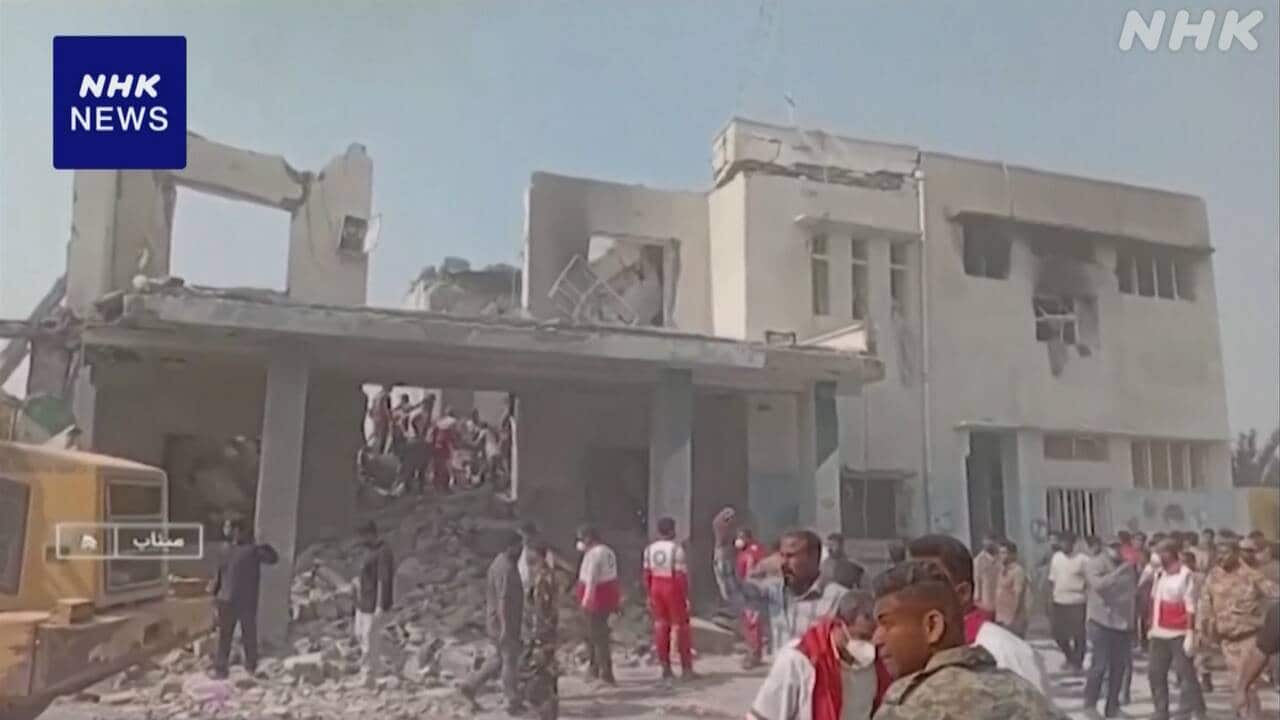
イラン南部で160人以上が死亡したとされる小学校への攻撃をめぐり、アメリカの有力紙は、アメリカ軍が古いデータに基づいて誤って標的を設定していたことが軍の初期の調査で明らかになったと伝えました。
先月28日、アメリカとイスラエルによるイランへの軍事作戦の初日に、イラン南部ホルムズガン州の小学校が攻撃され、イラン側は児童など160人以上が死亡したとしています。
この攻撃をめぐって、有力紙ニューヨーク・タイムズは11日、アメリカ軍が古いデータに基づいて誤って標的を設定していたことが軍の初期の調査で明らかになったと伝えました。
当時、アメリカ軍は小学校に隣接するイランの軍事施設を攻撃していましたが、作戦を担当する中央軍は、情報機関の国防情報局から提供された、小学校のある場所が軍事施設の一部だとする古い情報を利用したということです。
調査状況について説明を受けた関係者は、「なぜ古い情報が利用されていたのかなど、多くの疑問が残されている」と話しているということです。
アメリカ中央軍は、NHKの取材に対し「調査中の事案であり、コメントしない」と回答しています。
ニューヨーク・タイムズは「今回の攻撃はアメリカ軍の軍事作戦に影を落としている」と伝えています。
トランプ大統領は7日、この攻撃について「私が見たところ、イランによるものだ」と主張していましたが、11日、記者団から報道について問われ、「知らない」とだけ述べました。
先月28日、アメリカとイスラエルによるイランへの軍事作戦の初日に、イラン南部ホルムズガン州の小学校が攻撃され、イラン側は児童など160人以上が死亡したとしています。
この攻撃をめぐって、有力紙ニューヨーク・タイムズは11日、アメリカ軍が古いデータに基づいて誤って標的を設定していたことが軍の初期の調査で明らかになったと伝えました。
当時、アメリカ軍は小学校に隣接するイランの軍事施設を攻撃していましたが、作戦を担当する中央軍は、情報機関の国防情報局から提供された、小学校のある場所が軍事施設の一部だとする古い情報を利用したということです。
調査状況について説明を受けた関係者は、「なぜ古い情報が利用されていたのかなど、多くの疑問が残されている」と話しているということです。
アメリカ中央軍は、NHKの取材に対し「調査中の事案であり、コメントしない」と回答しています。
ニューヨーク・タイムズは「今回の攻撃はアメリカ軍の軍事作戦に影を落としている」と伝えています。
トランプ大統領は7日、この攻撃について「私が見たところ、イランによるものだ」と主張していましたが、11日、記者団から報道について問われ、「知らない」とだけ述べました。
Vocabulary
General
Proper noun
JLPT N2
JLPT N1
| # | 言葉 | 意味 |
|---|---|---|
| 6 | 攻撃 | こうげき (攻撃) : 1. attack; assault; raid; onslaught; offensive 2. criticism; censure; denunciation; condemnation |
| 4 | アメリカ軍 | アメリカぐん (アメリカ軍) : U.S. forces; American military |
| 4 | 調査 | ちょうさ (調査) : investigation; examination; inquiry; enquiry; survey |
| 3 | 軍 | ぐん (軍) : 1. army; armed forces; troops 2. military authorities |
| 3 | 伝える | つたえる (伝える) : to convey; to report; to transmit; to communicate; to tell; to impart; to propagate; to teach; to bequeath |
| 2 | 南部 | なんぶ (南部) : southern part; the south (of a region) |
| 2 | 死亡 | しぼう (死亡) : 1. death; mortality 2. to die; to pass away |
| 2 | めぐる | めぐる (巡る) : 1. to go around 2. to return |
| 2 | 有力 | ゆうりょく (有力) : 1. influential; prominent 2. strong; likely; plausible; potent |
| 2 | 基づく | もとづく (基づく) : to be grounded on; to be based on; to be due to; to originate from |
| 2 | 誤る | あやまる (誤る) : 1. to make a mistake (in); to commit an error; to do incorrectly; to err 2. to be wrong; to be incorrect; to be false; to be mistaken |
| 2 | 標的 | ひょうてき (標的) : target |
| 2 | 設定 | せってい (設定) : 1. establishment; creation; posing (a problem); setting (movie, novel, etc.); scene 2. options setting; preference settings; configuration; setup |
| 2 | 初期 | しょき (初期) : 1. early (days); initial stage 2. initial |
| 2 | 明らか | あきらか (明らか) : 1. clear; obvious; evident; plain; definite 2. bright; light |
| 2 | 軍事作戦 | ぐんじさくせん (軍事作戦) : 1. military operation 2. military tactics; military strategy |
| 2 | 軍事施設 | ぐんじしせつ (軍事施設) : military installations |
| 2 | 情報 | じょうほう (情報) : 1. information; news; intelligence; advices 2. information; data contained in characters, signals, code, etc. |
| 1 | 初日 | しょにち (初日) : first day; opening day |
| 1 | 州 | しゅう (州) : 1. state (US, Australia, India, Germany, etc.); province (e.g. Canada); canton (e.g. Switzerland); oblast (e.g. Russia); department (e.g. ancient China) 2. continent |
| 1 | 児童 | じどう (児童) : children; juvenile |
| 1 | 当時 | とうじ (当時) : at that time; in those days |
| 1 | 隣接 | りんせつ (隣接) : adjacency; contiguity; being adjoined |
| 1 | 作戦 | さくせん (作戦) : 1. tactics; strategy 2. military operation; naval operation |
| 1 | 担当 | たんとう (担当) : being in charge (of an area of responsibility); being responsible (for a work role, etc.) |
| 1 | 中央 | ちゅうおう (中央) : 1. centre; center; middle; heart 2. metropolis; capital city; central government |
| 1 | 情報機関 | じょうほうきかん (情報機関) : intelligence agency |
| 1 | 国防 | こくぼう (国防) : national defence; national defense |
| 1 | 情報局 | じょうほうきょく (情報局) : 1. intelligence agency; intelligence bureau 2. Cabinet Intelligence Bureau (1940-1945) |
| 1 | 提供 | ていきょう (提供) : 1. offer; tender; providing; supplying; making available; donating (blood, organs, etc.) 2. sponsoring (a TV program) |
| 1 | 一部 | いちぶ (一部) : 1. one part; one portion; one section; some 2. one copy (e.g. of a document) |
| 1 | 状況 | じょうきょう (状況) : state of affairs (around you); situation; circumstances |
| 1 | 関係者 | かんけいしゃ (関係者) : person concerned; people involved (in an event); those concerned; staff |
| 1 | 疑問 | ぎもん (疑問) : doubt; question; suspicion; dubiousness |
| 1 | 残す | のこす (残す) : 1. to leave (behind) 2. to leave (undone); to not finish |
| 1 | 取材 | しゅざい (取材) : 1. news coverage; collecting data (e.g. for an article); covering (something for media) 2. interview |
| 1 | 事案 | じあん (事案) : concern; circumstance which is becoming a problem; case (court) |
| 1 | 回答 | かいとう (回答) : reply; answer |
| 1 | 影 | かげ (影) : 1. shadow; silhouette; figure; shape 2. reflection; image |
| 1 | 落とす | おとす (落とす) : 1. to drop; to lose; to let fall; to shed (light); to cast (one's gaze); to pour in (liquid); to leave behind 2. to clean off (dirt, makeup, paint, etc.); to remove (e.g. stains or facial hair); to lose; to spend money at a certain place; to omit; to leave out; to secretly let escape |
| 1 | 主張 | しゅちょう (主張) : claim; insistence; assertion; advocacy; emphasis; contention; opinion; tenet |
| 1 | 記者団 | きしゃだん (記者団) : press group; press corps; group of reporters; press organization; press organisation |
| 1 | 報道 | ほうどう (報道) : report (of news); reporting; news; information; (media) coverage |
| 1 | 問う | とう (問う) : 1. to ask; to inquire 2. to blame (someone) for; to accuse of; to pursue (question of responsibility); to charge with |
| 1 | 知る | しる (知る) : 1. to be aware of; to know; to be conscious of; to cognize; to cognise 2. to notice; to feel |
| 1 | 述べる | のべる (述べる) : to state; to express; to mention |