3月の野菜価格見通し じゃがいも・たまねぎは平年より3割以上高くなる見込み 去年夏の暑さの影響 農水省
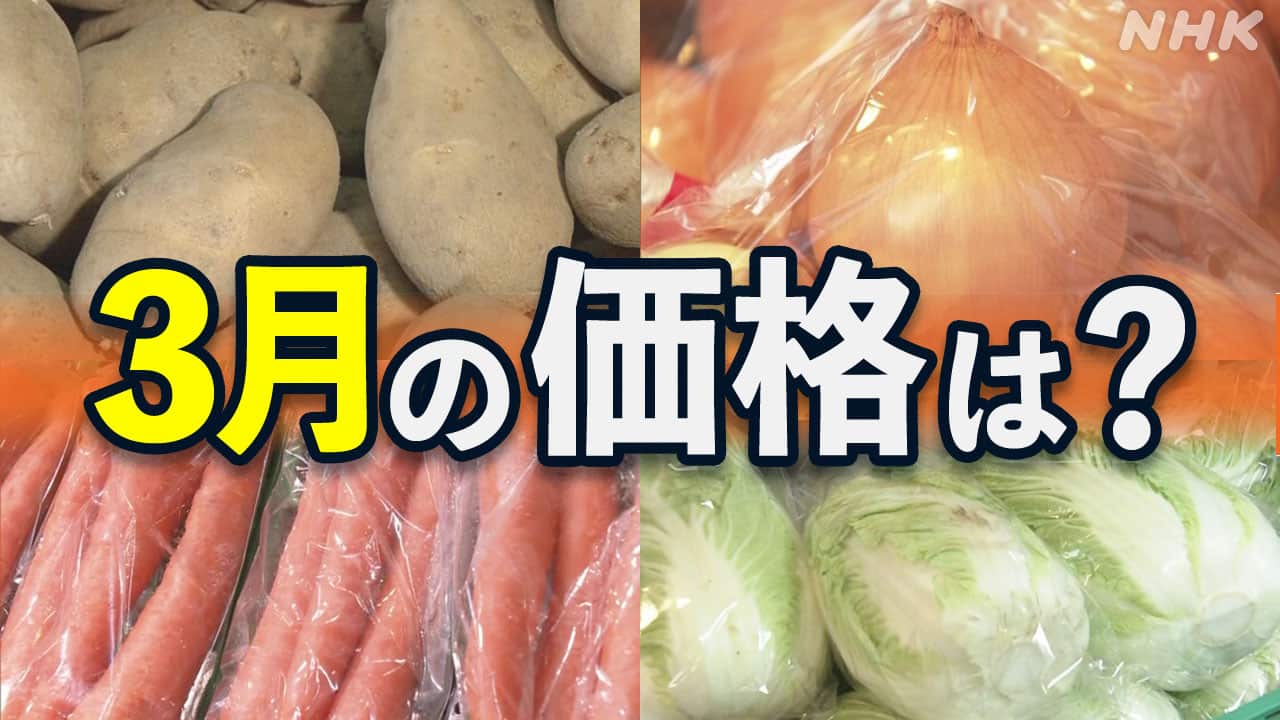
農林水産省は主な野菜について3月の価格の見通しを公表し、去年夏の暑さの影響で、じゃがいもとたまねぎが平年より3割以上高くなると見込んでいます。
農林水産省は東京都中央卸売市場に出荷される主な野菜15品目について、来月の卸売価格の見通しを公表しました。
このうち、じゃがいもとたまねぎは1か月を通して過去5年の平均価格より3割以上高くなる見込みです。
主産地の北海道で去年夏の暑さが影響し、いずれの品目も出荷量が平年を下回る見込みだとしています。
また、年明け以降の寒さや少雨の影響で、にんじんは1か月を通して、レタスは月の前半、はくさいは月の後半に、それぞれ平年より1割から3割ほど高値になると見込んでいます。
一方、だいこん、キャベツ、ねぎは、年明け以降の寒さなどの影響で小ぶりになるものの、出荷量には大きな変化はなく、1か月を通して平年並みの価格が見込まれるとしています。
じゃがいもの価格が高くなっている理由として、主産地の北海道で去年夏に記録的な暑さになったことなどが挙げられています。
このうち、およそ7.5ヘクタールの畑でじゃがいもを生産する帯広市の宮浦聖一さんは、去年、およそ200トンを収穫しましたが、このうち出荷量はおよそ120トンと、例年のおよそ半分にとどまりました。
これは去年、雨が少ないまま夏に入って生育が停滞したあと、まとまった雨と記録的な暑さが重なったことで形が悪いものが多くなったためで、規格外は例年なら多くて1割程度のところ、去年は3割から4割程度にのぼったとしています。
宮浦さんの畑ではことしの植え付けを4月に予定していますが、去年は種芋になるじゃがいもの収穫量も少なく、希望する量を仕入れられなかったことなどから、ことしはどのくらい生産量を確保できるのか不安を感じています。
宮浦聖一さん「おいしい野菜を手に取りやすい値段で消費者に届けたいので、ことしはあまり暑くならず、適度に雨が降ってほしい。植え付けの時期を早めるなど、工夫しながら量を確保していきたい」
東京 中野区の青果店では、去年の夏の暑さやこのところ雨が少ない状態が続いたことによる影響が、店頭に並ぶ野菜に出ているとしています。
店によりますと、じゃがいもやたまねぎは主な産地の北海道での去年夏の暑さの影響で、入荷する商品のうち8割ほどが従来よりも小ぶりなほか、大きいサイズの仕入れ価格は例年の2倍ほどになっているということです。
一方、一部の葉物野菜には、産地で雨が少ない状態が続いたことによる影響が出ていて、このうち白菜やキャベツは、見た目は通常の大きさですが、葉の数が少なく重さも軽いものがほとんどだということです。
こうしたなか、店ではほうれんそうや小松菜など、このところ価格が安定している商品の販売に力を入れていて、店頭の目立つ場所に陳列していました。
西日本と東日本では25日に広い範囲で雨が降り、久しぶりにまとまった雨となったこともあり、店では来週後半以降、質のよい葉物野菜の流通が増えるとみているということです。
買い物に訪れた60代の女性「たまねぎは小さいし、価格が高いです。小ぶりのものだと、1個でいいところを2個、3個と使わないといけないので、料理の手間もかかります。野菜は安くなっているときにまとめて買うようにしています」
青果店 鈴テツ 鈴木則昭 取締役「じゃがいもなどは仕入れ価格が上昇していますが、そのまま販売価格に上乗せできないため、利益が少なくなっています。最近の仕入れでは、自分の思ったような野菜がなかなかないため、よい野菜を仕入れるのが大変です」
野菜や果物を扱う卸の最大手「東京青果」の戸塚幹夫 常務取締役は、じゃがいもとたまねぎの価格の見通しについて、「主な産地の北海道で3月中旬ごろにはさらに出荷量が減るので、高値が続くと見込まれる。ただ今後、ほかの産地からの出荷が順調に進めば、5月か6月には供給が安定するとみられる」としています。
また、年明け以降の寒さや少雨の影響については、「例年と比べると、キャベツは非常に小さく、白菜も小さく巻きの悪いもの、だいこんも細いものが多かった。ただ今後は気温が高く、雨も降る見込みなので、生産も回復してくるだろう」と話しています。
農林水産省は東京都中央卸売市場に出荷される主な野菜15品目について、来月の卸売価格の見通しを公表しました。
このうち、じゃがいもとたまねぎは1か月を通して過去5年の平均価格より3割以上高くなる見込みです。
主産地の北海道で去年夏の暑さが影響し、いずれの品目も出荷量が平年を下回る見込みだとしています。
また、年明け以降の寒さや少雨の影響で、にんじんは1か月を通して、レタスは月の前半、はくさいは月の後半に、それぞれ平年より1割から3割ほど高値になると見込んでいます。
一方、だいこん、キャベツ、ねぎは、年明け以降の寒さなどの影響で小ぶりになるものの、出荷量には大きな変化はなく、1か月を通して平年並みの価格が見込まれるとしています。
じゃがいもの価格が高くなっている理由として、主産地の北海道で去年夏に記録的な暑さになったことなどが挙げられています。
このうち、およそ7.5ヘクタールの畑でじゃがいもを生産する帯広市の宮浦聖一さんは、去年、およそ200トンを収穫しましたが、このうち出荷量はおよそ120トンと、例年のおよそ半分にとどまりました。
これは去年、雨が少ないまま夏に入って生育が停滞したあと、まとまった雨と記録的な暑さが重なったことで形が悪いものが多くなったためで、規格外は例年なら多くて1割程度のところ、去年は3割から4割程度にのぼったとしています。
宮浦さんの畑ではことしの植え付けを4月に予定していますが、去年は種芋になるじゃがいもの収穫量も少なく、希望する量を仕入れられなかったことなどから、ことしはどのくらい生産量を確保できるのか不安を感じています。
宮浦聖一さん「おいしい野菜を手に取りやすい値段で消費者に届けたいので、ことしはあまり暑くならず、適度に雨が降ってほしい。植え付けの時期を早めるなど、工夫しながら量を確保していきたい」
東京 中野区の青果店では、去年の夏の暑さやこのところ雨が少ない状態が続いたことによる影響が、店頭に並ぶ野菜に出ているとしています。
店によりますと、じゃがいもやたまねぎは主な産地の北海道での去年夏の暑さの影響で、入荷する商品のうち8割ほどが従来よりも小ぶりなほか、大きいサイズの仕入れ価格は例年の2倍ほどになっているということです。
一方、一部の葉物野菜には、産地で雨が少ない状態が続いたことによる影響が出ていて、このうち白菜やキャベツは、見た目は通常の大きさですが、葉の数が少なく重さも軽いものがほとんどだということです。
こうしたなか、店ではほうれんそうや小松菜など、このところ価格が安定している商品の販売に力を入れていて、店頭の目立つ場所に陳列していました。
西日本と東日本では25日に広い範囲で雨が降り、久しぶりにまとまった雨となったこともあり、店では来週後半以降、質のよい葉物野菜の流通が増えるとみているということです。
買い物に訪れた60代の女性「たまねぎは小さいし、価格が高いです。小ぶりのものだと、1個でいいところを2個、3個と使わないといけないので、料理の手間もかかります。野菜は安くなっているときにまとめて買うようにしています」
青果店 鈴テツ 鈴木則昭 取締役「じゃがいもなどは仕入れ価格が上昇していますが、そのまま販売価格に上乗せできないため、利益が少なくなっています。最近の仕入れでは、自分の思ったような野菜がなかなかないため、よい野菜を仕入れるのが大変です」
野菜や果物を扱う卸の最大手「東京青果」の戸塚幹夫 常務取締役は、じゃがいもとたまねぎの価格の見通しについて、「主な産地の北海道で3月中旬ごろにはさらに出荷量が減るので、高値が続くと見込まれる。ただ今後、ほかの産地からの出荷が順調に進めば、5月か6月には供給が安定するとみられる」としています。
また、年明け以降の寒さや少雨の影響については、「例年と比べると、キャベツは非常に小さく、白菜も小さく巻きの悪いもの、だいこんも細いものが多かった。ただ今後は気温が高く、雨も降る見込みなので、生産も回復してくるだろう」と話しています。
Vocabulary
General
Proper noun
JLPT N2
JLPT N1
| # | 言葉 | 意味 |
|---|---|---|
| 8 | 影響 | えいきょう (影響) : 1. influence; effect 2. to influence; to affect; to have an influence on; to impact; to have an effect on |
| 8 | じゃがいも | じゃがいも (じゃが芋) : potato (Solanum tuberosum) |
| 8 | 割 | わり (割り) : 1. rate; ratio; proportion; percentage 2. profit |
| 7 | 価格 | かかく (価格) : price; value; cost |
| 6 | 暑さ | あつさ (暑さ) : heat (of the weather); hotness |
| 5 | たまねぎ | たまねぎ (玉ねぎ) : onion (Allium cepa) |
| 4 | 主な | おもな (主な) : chief; main; principal; important |
| 4 | 見込む | みこむ (見込む) : 1. to anticipate; to expect; to estimate; to count on; to allow for; to take into account 2. to place confidence in; to put trust in; to trust |
| 4 | 北海道 | ほっかいどう (北海道) : Hokkaido (island, prefectural-level administrative unit) |
| 4 | 以降 | いこう (以降) : on and after; as from; hereafter; thereafter; since |
| 4 | 例年 | れいねん (例年) : 1. average (normal, ordinary) year 2. every year; annually |
| 4 | 産地 | さんち (産地) : producing area |
| 3 | 見通し | みとおし (見通し) : 1. unobstructed view; perspective; visibility; vista 2. forecast; outlook; prospect; prediction |
| 3 | 平年 | へいねん (平年) : 1. non-leap year 2. normal year (esp. as pertains to weather patterns, vegetative growth, harvest yields, etc.) |
| 3 | 見込み | みこみ (見込み) : 1. hope; promise; possibility; chance; probability; likelihood 2. expectation; anticipation; forecast; estimate |
| 3 | 年明け | としあけ (年明け) : beginning of the year; early in the New Year |
| 3 | 寒さ | さむさ (寒さ) : coldness |
| 3 | 小ぶり | こぶり (小振り) : 1. smallish; on the small side; somewhat small; undersized; small size 2. short swing of a bat, racquet, etc. |
| 3 | 宮浦 | みやうら (宮浦) : Miyaura (place; surname) |
| 3 | 仕入れる | しいれる (仕入れる) : 1. to lay in stock; to replenish stock; to procure 2. to learn; to find out; to take in |
| 3 | 青果 | せいか (青果) : fruit(s) and vegetables; produce |
| 2 | 農林水産省 | のうりんすいさんしょう (農林水産省) : Ministry of Agriculture, Forestry and Fisheries; MAFF |
| 2 | 公表 | こうひょう (公表) : official announcement; proclamation |
| 2 | 出荷 | しゅっか (出荷) : shipping; shipment; forwarding |
| 2 | 品目 | ひんもく (品目) : item; commodity; list of articles |
| 2 | 主産地 | しゅさんち (主産地) : chief producing center; chief producing centre |
| 2 | 少雨 | しょうう (少雨) : small amount of rainfall; (a) light rainfall |
| 2 | 後半 | こうはん (後半) : second half; latter half |
| 2 | 高値 | たかね (高値) : high price |
| 2 | だいこん | だいこん (大根) : 1. daikon (variety of large white Oriental radish, Raphanus sativus var. longipinnatus) 2. ham actor |
| 2 | 記録的 | きろくてき (記録的) : record(-setting) |
| 2 | 畑 | はたけ (畑) : 1. field (for fruits, vegetables, etc.); cultivated land; vegetable plot; kitchen garden; plantation 2. field (of specialization); sphere; area |
| 2 | 聖一 | きよかづ (聖一) : Kiyokazu (unclass) |
| 2 | まとまる | まとまる (纏まる) : 1. to find resolution; to be settled; to be agreed on; to be completed 2. to be collected; to be assembled; to be brought together |
| 2 | 程度 | ていど (程度) : degree; amount; grade; standard; of the order of (following a number); about; approximately |
| 2 | 植え付け | うえつけ (植え付け) : planting; planting out; transplanting |
| 2 | 量 | りょう (量) : 1. quantity; amount; volume; capacity; portion (of food) 2. generosity; magnanimity; tolerance |
| 2 | 確保 | かくほ (確保) : 1. securing; obtaining; ensuring; guarantee; maintaining 2. belay; belaying |
| 2 | 降る | くだる (下る) : 1. to descend; to go down; to come down 2. to be handed down (of an order, judgment, etc.) |
| 2 | 東京 | とうきょう (東京) : Tokyo |
| 2 | 状態 | じょうたい (状態) : state; condition; situation; appearance; circumstances |
| 2 | 店頭 | てんとう (店頭) : 1. shopfront; storefront; shopwindow; (near the) shop entrance 2. over-the-counter |
| 2 | 商品 | しょうひん (商品) : commodity; article of commerce; goods; stock; merchandise |
| 2 | 葉物野菜 | はものやさい (葉物野菜) : leaf vegetable; green vegetable; edible herb |
| 2 | 白菜 | はくさい (白菜) : napa cabbage (Brassica rapa subsp. pekinensis); nappa cabbage; Chinese cabbage |
| 2 | 安定 | あんてい (安定) : stability; steadiness; equilibrium |
| 2 | ただ | ただ (只) : 1. ordinary; common; usual 2. free of charge |
| 2 | 今後 | こんご (今後) : from now on; hereafter |
| 1 | 東京都 | とうきょうと (東京都) : Tokyo Metropolis (prefecture); Tokyo metropolitan area |
| 1 | 中央卸売市場 | ちゅうおうおろしうりしじょう (中央卸売市場) : central wholesale market |
| 1 | 卸売価格 | おろしうりかかく (卸売価格) : wholesale price |
| 1 | 過去 | かこ (過去) : 1. the past; bygone days 2. one's past (that one would prefer remained secret) |
| 1 | いずれ | いずれ (何れ) : 1. where; which; who 2. anyway; anyhow; at any rate |
| 1 | 下回る | したまわる (下回る) : to fall below (esp. figures: profits, unemployment rate, etc.); to be less than; to be lower than; to fall just short of; to be just under |
| 1 | にんじん | にんじん (人参) : 1. carrot (Daucus carota) 2. Asian ginseng (Panax ginseng) |
| 1 | 前半 | ぜんはん (前半) : first half |
| 1 | はくさい | はくさい (白菜) : napa cabbage (Brassica rapa subsp. pekinensis); nappa cabbage; Chinese cabbage |
| 1 | ねぎ | ねぎ (葱) : Welsh onion (Allium fistulosum); green onion; spring onion |
| 1 | 変化 | へんか (変化) : 1. change; variation; alteration; mutation; transition; transformation; transfiguration; metamorphosis 2. variety; diversity |
| 1 | 平年並み | へいねんなみ (平年並み) : average year; normal year |
| 1 | 帯広市 | おびひろし (帯広市) : Obihiro (city) (place) |
| 1 | 収穫 | しゅうかく (収穫) : 1. harvest; crop; ingathering 2. fruits (of one's labors); gain; result; returns |
| 1 | とどまる | とどまる (止まる) : 1. to remain; to abide; to stay (in the one place) 2. to be limited to; to be confined to; to only account for |
| 1 | まま | うば (乳母) : wet nurse; nursing mother |
| 1 | 生育 | せいいく (生育) : birth and growth; giving birth and raising; development; breeding |
| 1 | 停滞 | ていたい (停滞) : stagnation; tie-up; standstill; congestion; delay; accumulation; falling into arrears |
| 1 | 重なる | かさなる (重なる) : 1. to be piled up; to lie on top of one another 2. to come one after another; to happen over and over; to pile up (e.g. stress); to accumulate |
| 1 | のぼる | のぼる (上る) : 1. to ascend; to go up; to climb 2. to ascend (as a natural process, e.g. the Sun); to rise |
| 1 | 種芋 | たねいも (種芋) : seed potato |
| 1 | 希望 | きぼう (希望) : hope; wish; aspiration |
| 1 | 生産量 | せいさんりょう (生産量) : production output; number of goods manufactured |
| 1 | 不安 | ふあん (不安) : anxiety; uneasiness; worry; apprehension; fear; insecurity; suspense |
| 1 | 感ずる | かんずる (感ずる) : to feel; to sense |
| 1 | 取る | とる (取る) : 1. to take; to pick up; to grab; to catch 2. to pass; to hand; to give |
| 1 | 値段 | ねだん (値段) : price; cost |
| 1 | 消費者 | しょうひしゃ (消費者) : consumer |
| 1 | 届ける | とどける (届ける) : 1. to deliver; to forward; to send 2. to report; to notify; to file notice (to the authorities); to give notice; to register |
| 1 | 適度 | てきど (適度) : moderate (degree); proper (amount); temperate; suitable |
| 1 | 時期 | じき (時期) : time; season; period; phase; stage |
| 1 | 早める | はやめる (早める) : 1. to bring forward (e.g. by 3 hours); to advance; to hasten (e.g. one's death); to expedite; to precipitate 2. to quicken (e.g. one's step); to speed up; to accelerate |
| 1 | 工夫 | くふう (工夫) : 1. devising (a way); contriving; figuring out; coming up with; working out; inventing 2. device; design; idea; plan; invention |
| 1 | 中野区 | なかのく (中野区) : Nakanoku (place) |
| 1 | 入荷 | にゅうか (入荷) : arrival of goods; goods received |
| 1 | 従来 | じゅうらい (従来) : 1. up to now; so far 2. traditional; conventional; usual; existing |
| 1 | 仕入れ価格 | しいれかかく (仕入れ価格) : cost price; buying price |
| 1 | 一部 | いちぶ (一部) : 1. one part; one portion; one section; some 2. one copy (e.g. of a document) |
| 1 | 見た目 | みため (見た目) : appearance; (outward) looks; exterior appearance |
| 1 | 通常 | つうじょう (通常) : usual; ordinary; normal; regular; general; common |
| 1 | 大きさ | おおきさ (大きさ) : size; dimensions; volume |
| 1 | 数 | しばしば (屡々) : often; again and again; frequently; repeatedly |
| 1 | 重さ | おもさ (重さ) : weight |
| 1 | ほうれんそう | ほうれんそう (ほうれん草) : spinach |
| 1 | 小松菜 | こまつな (小松菜) : Japanese mustard spinach (Brassica rapa var. perviridis) |
| 1 | 販売 | はんばい (販売) : sales; selling; marketing |
| 1 | 入れる | いれる (入れる) : 1. to put in; to let in; to take in; to bring in; to insert; to install (e.g. software); to set (a jewel, etc.); to ink in (e.g. tattoo) 2. to admit; to accept; to employ; to hire |
| 1 | 目立つ | めだつ (目立つ) : to be conspicuous; to stand out |
| 1 | 陳列 | ちんれつ (陳列) : exhibition; display; putting on show |
| 1 | 西日本 | にしにほん (西日本) : western Japan; Japan west of the Itoigawa-Shizuoka Tectonic Line, i.e. the Chūbu region and westward |
| 1 | 東日本 | ひがしにほん (東日本) : eastern Japan; Japan east of the Itoigawa-Shizuoka Tectonic Line, i.e. east of the Chūbu region |
| 1 | 範囲 | はんい (範囲) : extent; scope; sphere; range; span |
| 1 | 流通 | りゅうつう (流通) : 1. circulation (money, goods, etc.); distribution 2. circulation (air, water, etc.); ventilation; flow |
| 1 | 訪れる | おとずれる (訪れる) : 1. to visit; to call on 2. to arrive (season, time, situation, etc.); to come; to appear |
| 1 | 手間 | てま (手間) : time; labour; labor |
| 1 | 安く | やすく (安く) : inexpensively |
| 1 | まとめる | まとめる (纏める) : 1. to collect; to put (it all) together; to integrate; to consolidate; to unify 2. to summarize; to aggregate |
| 1 | 鈴 | すず (鈴) : bell (often globular) |
| 1 | 鈴木 | すすき (鈴木) : Susuki (surname) |
| 1 | 則昭 | のりあき (則昭) : Noriaki (given) |
| 1 | 取締役 | とりしまりやく (取締役) : company director; board member |
| 1 | 上昇 | じょうしょう (上昇) : rising; ascending; climbing |
| 1 | そのまま | そのまま (其のまま) : 1. without change; as is 2. just like; extremely similar |
| 1 | 販売価格 | はんばいかかく (販売価格) : selling price |
| 1 | 上乗せ | うわのせ (上乗せ) : adding; addition; extra |
| 1 | 利益 | りえき (利益) : 1. profit; gains 2. benefit; advantage; interest (of the public, etc.) |
| 1 | 仕入れ | しいれ (仕入れ) : stocking; buying up |
| 1 | 大変 | たいへん (大変) : 1. very; greatly; terribly; awfully 2. immense; enormous; great |
| 1 | 扱う | あつかう (扱う) : 1. to deal with (a person); to treat; to handle; to take care of; to entertain 2. to deal with (a problem); to handle; to manage |
| 1 | 卸 | おろし (下ろし) : 1. dropping; unloading; removing 2. grated vegetables, fruit, etc. |
| 1 | 最大手 | さいおおて (最大手) : largest company; industry leader |
| 1 | 戸塚 | とざき (戸塚) : Tozaki (surname) |
| 1 | 幹夫 | みきお (幹夫) : Mikio (given) |
| 1 | 常務取締役 | じょうむとりしまりやく (常務取締役) : managing director |
| 1 | 中旬 | ちゅうじゅん (中旬) : middle of a month; second third of a month; 11th to 20th day of a month |
| 1 | 減る | へる (減る) : to decrease (in size or number); to diminish; to abate |
| 1 | 順調 | じゅんちょう (順調) : favourable; favorable; doing well; OK; all right |
| 1 | 進む | すすむ (進む) : 1. to advance; to go forward 2. to precede; to go ahead (of) |
| 1 | 供給 | きょうきゅう (供給) : supply; provision |
| 1 | 非常 | ひじょう (非常) : 1. emergency 2. extraordinary; unusual |
| 1 | 巻き | まき (巻) : 1. roll (e.g. of cloth) 2. winding (e.g. watch) |
| 1 | 気温 | きおん (気温) : air temperature |
| 1 | 回復 | かいふく (回復) : 1. restoration; rehabilitation; recovery; return; replevin; improvement 2. recovery (from an illness); recuperation; convalescence |