「防衛装備品移転三原則」5類型撤廃 武器移転原則可能に 安全保障政策の転換
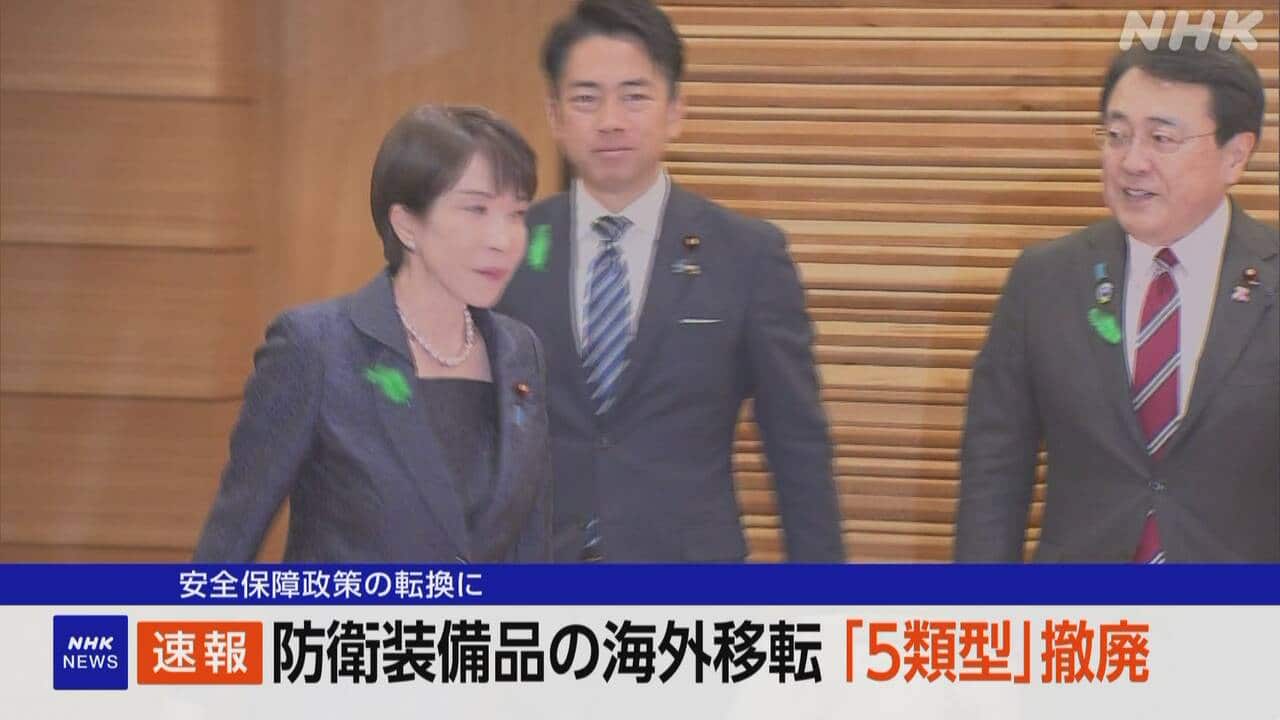
防衛装備品の海外への移転をめぐり、政府は「防衛装備移転三原則」と運用指針を改正し、これまで「救難」や「輸送」などに限定してきた「5類型」を撤廃しました。これにより、殺傷能力のある「武器」の移転が原則可能となり、安全保障政策の転換となります。
政府は21日、閣議と持ち回りのNSC=国家安全保障会議の閣僚会合で、「防衛装備移転三原則」と運用指針を改正しました。
改正された運用指針では、装備品の移転を「救難」や「輸送」などに限定してきた5類型を撤廃し、殺傷能力のある「武器」の移転を原則可能とするとしています。
「武器」の移転の可否は案件ごとに国家安全保障会議で審査し、「歯止め策」として、移転先は装備品の輸出に関する協定を結んだ国に限定するとしています。
また、戦闘が行われている国への移転は原則不可とする一方、「安全保障上の必要性を考慮し、特段の事情がある場合」は例外的に認めるとしています。
さらに、移転後の「武器」の管理状況を確認するため、必要に応じて現地調査を行うなどモニタリング体制を強化するとしています。
また、「防衛装備移転三原則」には国会の関与のあり方について、政府が移転を認める決定をした際に、すべての国会議員に事後的に通知することを盛り込みました。
今回の改正によって、護衛艦やミサイルなど殺傷能力のある「武器」の移転が原則可能となり、安全保障政策の転換となります。
木原官房長官は、閣議のあとの記者会見で「いまやどの国も、1か国のみでは自国の安全を守ることはできない。自国と地域の平和を守るには防衛装備移転をさらに推進し、同盟国や同志国の抑止力・対処力を強化することが重要だ」と述べました。
その上で「政府として、戦後80年以上にわたり築いてきた平和国家としての基本理念を堅持する。わが国にとって望ましい安全保障環境を創出するため、また、継戦能力を支える産業基盤を強化するため、防衛装備移転を戦略的に推進していく」と述べました。
小泉防衛大臣は、閣議のあとの記者会見で「見直しは同盟国、同志国の抑止力・対処力の強化に資するとともに、わが国の防衛生産・技術基盤の維持・強化につながる。引き続き『防衛装備移転三原則』に基づき、これまでの平和国家としての歩みを堅持しつつ、より厳正かつ慎重に移転の可否を判断していきたい」と述べました。
その上で「わが国の防衛装備には、すでに各国からさまざまなニーズや期待が寄せられていて、退役予定の護衛艦の調達に関心を示している国もある。私自身、地域や国際社会の平和と安定のため、各国に対するトップセールスをいっそう強化していきたい」と述べました。
中道改革連合の階幹事長は、記者団に対し「国会が関与することなく、政府の裁量で際限なく『武器』の輸出が行われることになれば、平和国家の根幹を損ないかねない。国会が民意を体現してブレーキをかけることが担保されるべきだ」と述べました。
「5類型」が撤廃されたことにより、今後、「武器」の移転に向けた諸外国との協議が具体化していく見通しです。
すでに東南アジアなどの複数の国から、日本の装備品への期待が寄せられているということです。
フィリピンは、中国と南シナ海の領有権をめぐり対立を深めていて、抑止力を強化するため、退役予定の海上自衛隊の「あぶくま」型護衛艦の調達を検討しています。
小泉防衛大臣は「トップセールスをいっそう強化したい」と話していて、大型連休中にフィリピンを訪問してテオドロ国防相と会談し、移転をめぐる協議を始めることにしています。
政府は21日、閣議と持ち回りのNSC=国家安全保障会議の閣僚会合で、「防衛装備移転三原則」と運用指針を改正しました。
改正された運用指針では、装備品の移転を「救難」や「輸送」などに限定してきた5類型を撤廃し、殺傷能力のある「武器」の移転を原則可能とするとしています。
「武器」の移転の可否は案件ごとに国家安全保障会議で審査し、「歯止め策」として、移転先は装備品の輸出に関する協定を結んだ国に限定するとしています。
また、戦闘が行われている国への移転は原則不可とする一方、「安全保障上の必要性を考慮し、特段の事情がある場合」は例外的に認めるとしています。
さらに、移転後の「武器」の管理状況を確認するため、必要に応じて現地調査を行うなどモニタリング体制を強化するとしています。
また、「防衛装備移転三原則」には国会の関与のあり方について、政府が移転を認める決定をした際に、すべての国会議員に事後的に通知することを盛り込みました。
今回の改正によって、護衛艦やミサイルなど殺傷能力のある「武器」の移転が原則可能となり、安全保障政策の転換となります。
木原官房長官は、閣議のあとの記者会見で「いまやどの国も、1か国のみでは自国の安全を守ることはできない。自国と地域の平和を守るには防衛装備移転をさらに推進し、同盟国や同志国の抑止力・対処力を強化することが重要だ」と述べました。
その上で「政府として、戦後80年以上にわたり築いてきた平和国家としての基本理念を堅持する。わが国にとって望ましい安全保障環境を創出するため、また、継戦能力を支える産業基盤を強化するため、防衛装備移転を戦略的に推進していく」と述べました。
小泉防衛大臣は、閣議のあとの記者会見で「見直しは同盟国、同志国の抑止力・対処力の強化に資するとともに、わが国の防衛生産・技術基盤の維持・強化につながる。引き続き『防衛装備移転三原則』に基づき、これまでの平和国家としての歩みを堅持しつつ、より厳正かつ慎重に移転の可否を判断していきたい」と述べました。
その上で「わが国の防衛装備には、すでに各国からさまざまなニーズや期待が寄せられていて、退役予定の護衛艦の調達に関心を示している国もある。私自身、地域や国際社会の平和と安定のため、各国に対するトップセールスをいっそう強化していきたい」と述べました。
中道改革連合の階幹事長は、記者団に対し「国会が関与することなく、政府の裁量で際限なく『武器』の輸出が行われることになれば、平和国家の根幹を損ないかねない。国会が民意を体現してブレーキをかけることが担保されるべきだ」と述べました。
「5類型」が撤廃されたことにより、今後、「武器」の移転に向けた諸外国との協議が具体化していく見通しです。
すでに東南アジアなどの複数の国から、日本の装備品への期待が寄せられているということです。
フィリピンは、中国と南シナ海の領有権をめぐり対立を深めていて、抑止力を強化するため、退役予定の海上自衛隊の「あぶくま」型護衛艦の調達を検討しています。
小泉防衛大臣は「トップセールスをいっそう強化したい」と話していて、大型連休中にフィリピンを訪問してテオドロ国防相と会談し、移転をめぐる協議を始めることにしています。
Vocabulary
General
Proper noun
JLPT N2
JLPT N1
| # | 言葉 | 意味 |
|---|---|---|
| 19 | 移転 | いてん (移転) : 1. moving; relocation; change of address 2. transfer (of deeds, property, etc.); demise |
| 8 | 強化 | きょうか (強化) : strengthening; intensifying; reinforcement; enhancement; solidification |
| 7 | 装備 | そうび (装備) : equipment |
| 7 | 武器 | ぶき (武器) : 1. weapon; arms; ordnance 2. weapon (something used to gain an advantage); asset |
| 6 | 防衛 | ぼうえい (防衛) : defense; defence; protection |
| 5 | 政府 | せいふ (政府) : government; administration |
| 5 | 述べる | のべる (述べる) : to state; to express; to mention |
| 4 | 三原 | さんばら (三原) : Sanbara (place) |
| 4 | 改正 | かいせい (改正) : revision; amendment; alteration |
| 4 | 能力 | のうりょく (能力) : ability; faculty |
| 4 | 原則 | げんそく (原則) : 1. principle; general rule 2. as a rule; in principle; in general |
| 4 | 安全保障 | あんぜんほしょう (安全保障) : security guarantee (e.g. military security, network security, etc.) |
| 3 | めぐる | めぐる (巡る) : 1. to go around 2. to return |
| 3 | 運用 | うんよう (運用) : 1. making use of; application; practical use; effective management (e.g. of funds) 2. operation; handling; steering (esp. a boat) |
| 3 | 指針 | ししん (指針) : 1. needle (compass, gauge, etc.); hand (clock); indicator; pointer; index 2. guiding principle; guideline; guide |
| 3 | 限定 | げんてい (限定) : limit; restriction |
| 3 | 類型 | るいけい (類型) : 1. type; pattern; shape; genre; breed 2. similar type; similar pattern |
| 3 | 撤廃 | てっぱい (撤廃) : annulment; abolition; repeal; rescission |
| 3 | 殺傷 | さっしょう (殺傷) : killing and wounding; bloodshed |
| 3 | 可能 | かのう (可能) : possible; potential; practicable; feasible |
| 3 | 閣議 | かくぎ (閣議) : cabinet meeting |
| 3 | 国会 | こっかい (国会) : 1. National Diet; legislative assembly of Japan (1947-) 2. Imperial Diet; legislative assembly of Japan (1889-1947) |
| 3 | 護衛艦 | ごえいかん (護衛艦) : escort vessel; destroyer (Japan Maritime Self-Defense Force) |
| 3 | 抑止力 | よくしりょく (抑止力) : deterrence; ability to deter (an attack, etc.) |
| 3 | 平和国家 | へいわこっか (平和国家) : peace-loving nation |
| 3 | わが | わが (我が) : my; our; one's own |
| 2 | 救難 | きゅうなん (救難) : rescue; salvage |
| 2 | 輸送 | ゆそう (輸送) : transport; transportation |
| 2 | 政策 | せいさく (政策) : political measures; policy |
| 2 | 転換 | てんかん (転換) : conversion; diversion; changeover; commutation; switchover |
| 2 | 国家安全保障会議 | こっかあんぜんほしょうかいぎ (国家安全保障会議) : National Security Council |
| 2 | 可否 | かひ (可否) : 1. propriety; right and wrong; advisability; possibility 2. pro and con; ayes and noes |
| 2 | 認める | したためる (認める) : 1. to write (e.g. a letter); to draw up (a document); to take down (e.g. notes) 2. to have (lunch, dinner, etc.); to eat |
| 2 | 関与 | かんよ (関与) : participation; taking part in; participating in; being concerned in |
| 2 | 記者会見 | きしゃかいけん (記者会見) : press conference |
| 2 | 自国 | じこく (自国) : one's own country |
| 2 | 守る | まもる (守る) : 1. to protect; to guard; to defend 2. to keep (i.e. a promise); to abide (by the rules); to observe; to obey; to follow |
| 2 | 地域 | ちいき (地域) : area; region |
| 2 | 平和 | へいわ (平和) : peace; harmony |
| 2 | 推進 | すいしん (推進) : 1. propulsion; drive 2. promotion (e.g. of a government policy); furtherance; implementation |
| 2 | 同盟国 | どうめいこく (同盟国) : ally (of another nation) |
| 2 | 同志 | どうし (同志) : 1. like-mindedness; (being of the) same mind; shared sentiment 2. comrade; fellow; kindred soul |
| 2 | 対処 | たいしょ (対処) : dealing with; coping with |
| 2 | 堅持 | けんじ (堅持) : holding on to; sticking to |
| 2 | 基盤 | きばん (基盤) : 1. foundation; basis; base; footing; infrastructure 2. bedrock |
| 2 | 小泉 | おいずみ (小泉) : Oizumi (unclass) |
| 2 | 防衛大臣 | ぼうえいだいじん (防衛大臣) : Minister of Defense; Minister of Defence |
| 2 | すでに | すでに (既に) : already; too late |
| 2 | 各国 | かっこく (各国) : 1. each nation 2. many nations; many countries |
| 2 | 期待 | きたい (期待) : 1. expectation; anticipation; hope 2. promising; rising; up-and-coming |
| 2 | 寄せる | よせる (寄せる) : 1. to come near; to let someone approach 2. to bring near; to bring together; to collect; to gather |
| 2 | 退役 | たいえき (退役) : retiring from military service |
| 2 | 調達 | ちょうたつ (調達) : supply; provision; raising; procurement |
| 2 | いっそう | いっそう (一双) : pair (esp. of folding screens) |
| 2 | 協議 | きょうぎ (協議) : conference; consultation; discussion; negotiation |
| 1 | 装備品 | そうびひん (装備品) : (item of) equipment; accessories (bike, auto) |
| 1 | 海外 | かいがい (海外) : foreign; abroad; overseas |
| 1 | 持ち回り | もちまわり (持ち回り) : rotation (of a post, role, etc.); taking turns |
| 1 | 閣僚 | かくりょう (閣僚) : cabinet ministers |
| 1 | 会合 | かいごう (会合) : 1. meeting; assembly; gathering 2. association |
| 1 | 案件 | あんけん (案件) : 1. matter (to discuss); item (on the agenda); issue; topic 2. (court) case |
| 1 | ごと | ごと (毎) : each; every |
| 1 | 審査 | しんさ (審査) : judging; inspection; examination; investigation; review |
| 1 | 歯止め | はどめ (歯止め) : 1. brake; drag; skid; pawl 2. restraint; curtailment; self-imposed limit; check |
| 1 | 策 | さく (策) : 1. plan; policy; means; measure; stratagem; scheme 2. fifth principle of the Eight Principles of Yong; right upward flick |
| 1 | 関する | かんする (関する) : to concern; to be related |
| 1 | 協定 | きょうてい (協定) : arrangement; pact; agreement |
| 1 | 結ぶ | むすぶ (結ぶ) : 1. to tie; to bind; to link 2. to bear (fruit) |
| 1 | 戦闘 | せんとう (戦闘) : battle; fight; combat |
| 1 | 不可 | ふか (不可) : 1. wrong; bad; improper; unjustifiable; inadvisable 2. not allowed; not possible |
| 1 | 必要性 | ひつようせい (必要性) : necessity |
| 1 | 考慮 | こうりょ (考慮) : consideration; taking into account |
| 1 | 特段 | とくだん (特段) : 1. exceptional; unusual; special 2. especially; exceptionally; unusually |
| 1 | 事情 | じじょう (事情) : circumstances; conditions; situation; reasons; state of affairs |
| 1 | 例外的 | れいがいてき (例外的) : exceptional |
| 1 | 管理 | かんり (管理) : control; management (e.g. of a business) |
| 1 | 状況 | じょうきょう (状況) : state of affairs (around you); situation; circumstances |
| 1 | 確認 | かくにん (確認) : confirmation; verification; validation; review; check; affirmation; identification |
| 1 | 応ずる | おうずる (応ずる) : 1. to answer; to respond; to meet 2. to satisfy; to accept |
| 1 | 現地 | げんち (現地) : actual place; local; on-site |
| 1 | 調査 | ちょうさ (調査) : investigation; examination; inquiry; enquiry; survey |
| 1 | 体制 | たいせい (体制) : order; system; structure; set-up; organization; organisation |
| 1 | あり方 | ありかた (あり方) : 1. the way something ought to be 2. the (current) state of things; how things are |
| 1 | 決定 | けってい (決定) : decision; determination |
| 1 | 際 | きわ (際) : 1. edge; brink; verge; side 2. time; moment of |
| 1 | 国会議員 | こっかいぎいん (国会議員) : member of the Diet; Diet member; member of parliament; MP |
| 1 | 事後 | じご (事後) : after; post; ex-; after the fact; ex post |
| 1 | 通知 | つうち (通知) : notice; notification; report; posting |
| 1 | 盛り込む | もりこむ (盛り込む) : 1. to incorporate; to include 2. to fill (a vessel) with |
| 1 | 木原 | きのはら (木原) : Kinohara (surname) |
| 1 | 官房長官 | かんぼうちょうかん (官房長官) : 1. Chief Cabinet Secretary 2. Chief of Staff of the Presidency |
| 1 | か国 | かこく (カ国) : counter for countries |
| 1 | のみ | のみ : only; nothing but |
| 1 | 重要 | じゅうよう (重要) : important; momentous; essential; principal; major |
| 1 | 戦後 | せんご (戦後) : postwar period; period after Second World War |
| 1 | 築く | きずく (築く) : 1. to build; to construct; to erect 2. to amass (e.g. fortune); to pile up |
| 1 | 基本理念 | きほんりねん (基本理念) : basic principle; fundamental principle |
| 1 | 望ましい | のぞましい (望ましい) : desirable; hoped for; preferable; advisable |
| 1 | 環境 | かんきょう (環境) : environment; circumstance |
| 1 | 創出 | そうしゅつ (創出) : creation; generation |
| 1 | 継戦 | けいせん (継戦) : continuation of war |
| 1 | 支える | ささえる (支える) : 1. to support; to prop; to sustain; to underlay; to hold up; to defend 2. to hold at bay; to stem; to check |
| 1 | 産業 | さんぎょう (産業) : 1. industry 2. livelihood; occupation |
| 1 | 戦略的 | せんりゃくてき (戦略的) : strategic |
| 1 | 見直し | みなおし (見直し) : review; reconsideration; revision |
| 1 | 資する | しする (資する) : 1. to contribute; to play a part in; to have a hand in; to be conducive to; to be instrumental in 2. to finance |
| 1 | 維持 | いじ (維持) : maintenance; preservation; improvement |
| 1 | つながる | つながる (繋がる) : 1. to be tied together; to be connected to; to be linked to 2. to lead to; to be related to |
| 1 | 引き続く | ひきつづく (引き続く) : to continue (for a long time); to occur in succession; to come next (e.g. on TV) |
| 1 | 基づく | もとづく (基づく) : to be grounded on; to be based on; to be due to; to originate from |
| 1 | 歩み | あゆみ (歩み) : 1. walking 2. pace; step |
| 1 | 厳正 | げんせい (厳正) : strict; rigid; exact; fair; impartial |
| 1 | 慎重 | しんちょう (慎重) : careful; cautious; prudent; discreet; deliberate |
| 1 | 判断 | はんだん (判断) : 1. judgment; judgement; decision; conclusion; adjudication 2. divination |
| 1 | 関心 | かんしん (関心) : concern; interest |
| 1 | 示す | しめす (示す) : 1. to (take out and) show; to demonstrate; to tell; to exemplify; to make apparent 2. to point out (finger, clock hand, needle, etc.) |
| 1 | 私自身 | わたしじしん (私自身) : myself |
| 1 | 国際社会 | こくさいしゃかい (国際社会) : international community; international society; the world |
| 1 | 安定 | あんてい (安定) : stability; steadiness; equilibrium |
| 1 | 中道 | ちゅうどう (中道) : 1. middle of the road; centrism; moderation; golden mean 2. the middle (of what one is doing); half-way |
| 1 | 改革 | かいかく (改革) : reform; reformation; reorganization |
| 1 | 連合 | れんごう (連合) : 1. union; alliance; combination 2. RENGO (Japanese Trade Union Confederation) |
| 1 | 幹事長 | かんじちょう (幹事長) : chief secretary (usu. of a party); secretary-general |
| 1 | 記者団 | きしゃだん (記者団) : press group; press corps; group of reporters; press organization; press organisation |
| 1 | 裁量 | さいりょう (裁量) : discretion; judgement |
| 1 | 際限 | さいげん (際限) : limits; end; bounds |
| 1 | 根幹 | こんかん (根幹) : 1. foundation; root; basis; core; fundamentals 2. root and trunk |
| 1 | かね | おはぐろ (お歯黒) : 1. tooth blackening 2. tooth-blackening dye |
| 1 | 民意 | みんい (民意) : popular will; will of the people |
| 1 | 体現 | たいげん (体現) : personification; impersonation; embodiment |
| 1 | 担保 | たんぽ (担保) : security; guarantee; collateral (e.g. mortgage) |
| 1 | 今後 | こんご (今後) : from now on; hereafter |
| 1 | 諸外国 | しょがいこく (諸外国) : various foreign countries; several foreign countries |
| 1 | 具体化 | ぐたいか (具体化) : embodiment; materialization; actualization; realization; taking form; taking shape |
| 1 | 見通し | みとおし (見通し) : 1. unobstructed view; perspective; visibility; vista 2. forecast; outlook; prospect; prediction |
| 1 | 東南アジア | とうなんアジア (東南アジア) : Southeast Asia |
| 1 | 複数 | ふくすう (複数) : plural; multiple; several |
| 1 | 中国 | ちゅうごく (中国) : 1. China 2. Chūgoku region of western Honshu (incl. Okayama, Hiroshima, Shimane, Tottori and Yamaguchi prefectures) |
| 1 | 南シナ海 | みなみシナかい (南シナ海) : South China Sea |
| 1 | 領有権 | りょうゆうけん (領有権) : territorial right; dominion |
| 1 | 対立 | たいりつ (対立) : confrontation; opposition; antagonism |
| 1 | 深める | ふかめる (深める) : to deepen; to heighten; to intensify |
| 1 | 海上自衛隊 | かいじょうじえいたい (海上自衛隊) : Maritime Self Defense Forces (Defence) |
| 1 | あぶくま | あぶくま (阿武隈) : Abukuma (place; surname) |
| 1 | 検討 | けんとう (検討) : consideration; examination; investigation; study; scrutiny; discussion; analysis; review |
| 1 | 大型連休 | おおがたれんきゅう (大型連休) : long holiday (esp. Golden Week in late April and early May) |
| 1 | 訪問 | ほうもん (訪問) : call; visit |
| 1 | 国防相 | こくぼうしょう (国防相) : defense minister; defence minister |
| 1 | 会談 | かいだん (会談) : conversation; conference (usu. between important people); discussion; interview |