中国大使館に数年前も不審者侵入 都心部の警備の課題浮き彫り
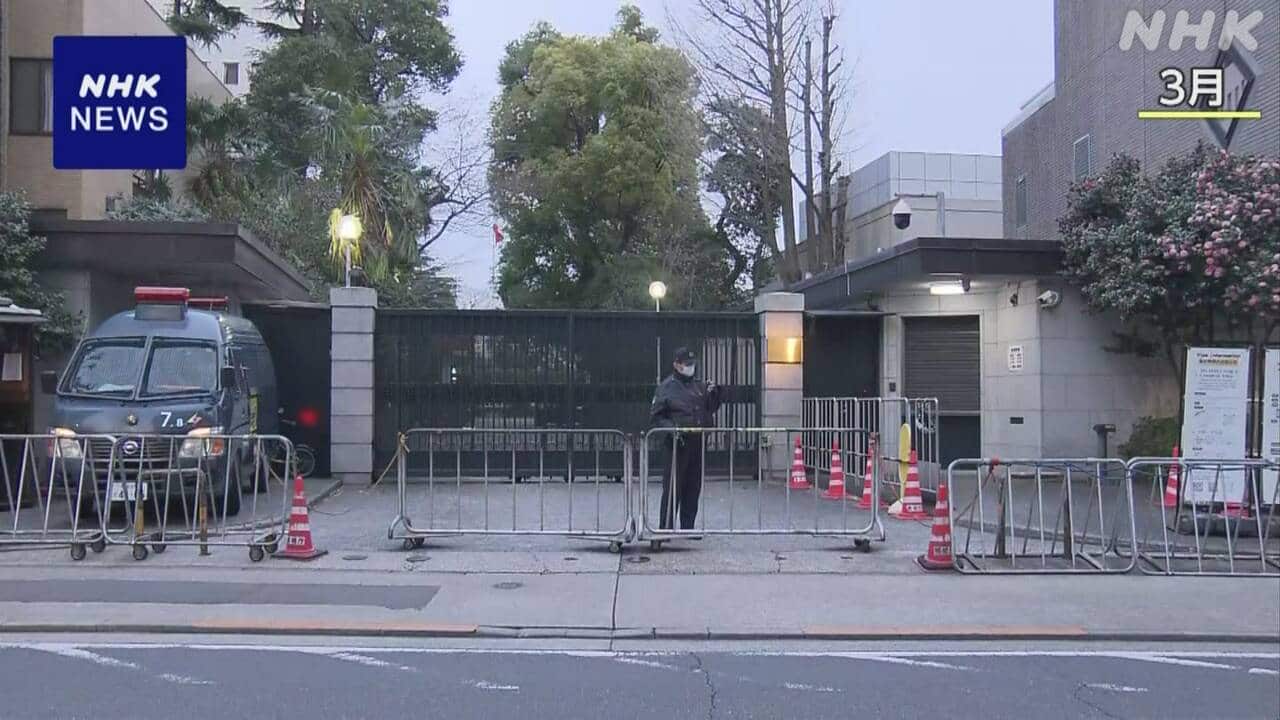
先月、東京 港区にある中国大使館の敷地内に侵入したとして陸上自衛官が逮捕された事件で、大使館に数年前にも不審者が侵入していたことが関係者への取材で分かりました。いずれも隣接する民間のビルから塀を乗り越えたとみられるということで、都心部にある大使館の警備の課題が浮き彫りになった形です。
宮崎県の陸上自衛隊えびの駐屯地に所属する自衛官で3等陸尉の村田晃大容疑者(23)は先月、東京 港区にある中国大使館の敷地内に侵入したとして建造物侵入の疑いで逮捕されました。
調べに対し容疑を認めた上で、「大使に面会し、日本に対する強硬発言を控えるよう伝えたかった」などと供述しているということです。
捜査関係者によりますと、容疑者は隣接する民間のビルの階段を上り、有刺鉄線のある塀を乗り越えて侵入したとみられていますが、中国大使館に数年前にも不審者が侵入していたことが関係者への取材で分かりました。
この時は隣接する別のビルから塀を乗り越えたとみられ、大使館の職員が確保して警視庁に引き渡したということです。
いずれのケースもビルの鍵がかかっていない場所から中に入り階段を上っていたということで、警視庁は数年前のケースを受けて周辺のビルの管理者に対策を要請していましたが、今回、侵入経路となったビルには未施錠の場所が残っていたということです。
ビルやマンションなどが密集する都心部にある大使館の警備の課題が浮き彫りになった形で、警視庁は今回の事件を受けて体制を強化するとともに、ビルの管理者などに改めて対策を要請することにしています。
日本にある大使館や総領事館などの多くは、東京や大阪、福岡などの大都市圏に位置しています。
特に東京ではオフィスビルやマンションなどが密集する都心部に集中しているため、警備にあたっては周囲の建物の管理者や住民の協力も欠かせないといいます。
今回の事件を受けて、警察庁は大使館などの施設がある12の都道府県の警察本部に対し、大使館などの関係者と面会して具体的な再発防止策を検討するとともに、侵入のおそれがある場所がないか周囲の建物の管理者とも一緒に点検し、警備上の課題を洗い出すよう指示しました。
一方、警備関係者によりますと、周囲の建物に課題が見つかった場合、その対策は費用も含めて管理者側に委ねるしかないのが現状で、中には協力が得られないケースもあるということです。
警視庁警備部の元幹部は「任意で協力を求めるしかないが、建物の管理者にとっては負担になる。かといって警戒にあたる警察官を増やしすぎると住民に過度な威圧感を与えてしまうという問題もあり、難しい」と指摘します。
その上で、「本来、警備は警察と大使館の双方で行うべきだが、徹底するためには民間の協力も不可欠だということを認識してもらい、防犯対策の強化などを可能な範囲で進めてほしい」と話しています。
宮崎県の陸上自衛隊えびの駐屯地に所属する自衛官で3等陸尉の村田晃大容疑者(23)は先月、東京 港区にある中国大使館の敷地内に侵入したとして建造物侵入の疑いで逮捕されました。
調べに対し容疑を認めた上で、「大使に面会し、日本に対する強硬発言を控えるよう伝えたかった」などと供述しているということです。
捜査関係者によりますと、容疑者は隣接する民間のビルの階段を上り、有刺鉄線のある塀を乗り越えて侵入したとみられていますが、中国大使館に数年前にも不審者が侵入していたことが関係者への取材で分かりました。
この時は隣接する別のビルから塀を乗り越えたとみられ、大使館の職員が確保して警視庁に引き渡したということです。
いずれのケースもビルの鍵がかかっていない場所から中に入り階段を上っていたということで、警視庁は数年前のケースを受けて周辺のビルの管理者に対策を要請していましたが、今回、侵入経路となったビルには未施錠の場所が残っていたということです。
ビルやマンションなどが密集する都心部にある大使館の警備の課題が浮き彫りになった形で、警視庁は今回の事件を受けて体制を強化するとともに、ビルの管理者などに改めて対策を要請することにしています。
日本にある大使館や総領事館などの多くは、東京や大阪、福岡などの大都市圏に位置しています。
特に東京ではオフィスビルやマンションなどが密集する都心部に集中しているため、警備にあたっては周囲の建物の管理者や住民の協力も欠かせないといいます。
今回の事件を受けて、警察庁は大使館などの施設がある12の都道府県の警察本部に対し、大使館などの関係者と面会して具体的な再発防止策を検討するとともに、侵入のおそれがある場所がないか周囲の建物の管理者とも一緒に点検し、警備上の課題を洗い出すよう指示しました。
一方、警備関係者によりますと、周囲の建物に課題が見つかった場合、その対策は費用も含めて管理者側に委ねるしかないのが現状で、中には協力が得られないケースもあるということです。
警視庁警備部の元幹部は「任意で協力を求めるしかないが、建物の管理者にとっては負担になる。かといって警戒にあたる警察官を増やしすぎると住民に過度な威圧感を与えてしまうという問題もあり、難しい」と指摘します。
その上で、「本来、警備は警察と大使館の双方で行うべきだが、徹底するためには民間の協力も不可欠だということを認識してもらい、防犯対策の強化などを可能な範囲で進めてほしい」と話しています。
Vocabulary
General
Proper noun
JLPT N2
JLPT N1
| # | 言葉 | 意味 |
|---|---|---|
| 8 | 侵入 | しんにゅう (侵入) : invasion; incursion; raid; aggression; intrusion; trespass; penetration |
| 6 | 警備 | けいび (警備) : defense; defence; guard; policing; security |
| 6 | 管理者 | かんりしゃ (管理者) : 1. manager; landlord; warden; superintendent; supervisor; custodian 2. root (user) |
| 4 | 東京 | とうきょう (東京) : Tokyo |
| 4 | 関係者 | かんけいしゃ (関係者) : person concerned; people involved (in an event); those concerned; staff |
| 4 | 課題 | かだい (課題) : 1. subject; theme; issue; matter 2. homework; assignment |
| 4 | 対策 | たいさく (対策) : measure; step; countermeasure; counterplan; countermove; strategy; preparation (e.g. for a test) |
| 4 | 協力 | きょうりょく (協力) : cooperation; collaboration |
| 3 | 中国 | ちゅうごく (中国) : 1. China 2. Chūgoku region of western Honshu (incl. Okayama, Hiroshima, Shimane, Tottori and Yamaguchi prefectures) |
| 3 | 大使館 | たいしかん (大使館) : embassy |
| 3 | 事件 | じけん (事件) : event; affair; incident; case; plot; trouble; scandal |
| 3 | 隣接 | りんせつ (隣接) : adjacency; contiguity; being adjoined |
| 3 | 民間 | みんかん (民間) : 1. private; non-governmental; non-official; civilian; civil 2. folk; popular |
| 3 | 塀 | へい (塀) : 1. wall 2. fence |
| 3 | 乗り越える | のりこえる (乗り越える) : 1. to climb over; to get over; to ride across 2. to surmount; to overcome |
| 3 | 都心部 | としんぶ (都心部) : inner-city area; city center |
| 3 | 警視庁 | けいしちょう (警視庁) : Metropolitan Police Department (esp. Tokyo) |
| 3 | 周囲 | しゅうい (周囲) : 1. surroundings; environs 2. circumference |
| 2 | 港区 | みなとく (港区) : Harbour Ward (e.g. in Tokyo) |
| 2 | 逮捕 | たいほ (逮捕) : arrest; apprehension; capture |
| 2 | 不審者 | ふしんしゃ (不審者) : suspicious person |
| 2 | 取材 | しゅざい (取材) : 1. news coverage; collecting data (e.g. for an article); covering (something for media) 2. interview |
| 2 | 分かる | わかる (分かる) : 1. to understand; to comprehend; to grasp; to see; to get; to follow 2. to become clear; to be known; to be discovered; to be realized; to be realised; to be found out |
| 2 | いずれ | いずれ (何れ) : 1. where; which; who 2. anyway; anyhow; at any rate |
| 2 | 浮き彫り | うきぼり (浮き彫り) : 1. relief; embossed carving 2. bringing to the fore; throwing something into relief |
| 2 | 容疑者 | ようぎしゃ (容疑者) : suspect (person) |
| 2 | 面会 | めんかい (面会) : meeting (face-to-face); seeing; visit; interview |
| 2 | 上る | あがる (上がる) : 1. to rise; to go up; to come up; to ascend; to be raised 2. to enter (esp. from outdoors); to come in; to go in |
| 2 | 要請 | ようせい (要請) : 1. appeal; call for something; request; claim; demand 2. axiom |
| 2 | 密集 | みっしゅう (密集) : crowding together; clustering together; close formation; swarm |
| 2 | 強化 | きょうか (強化) : strengthening; intensifying; reinforcement; enhancement; solidification |
| 2 | あたる | あたる (当たる) : 1. to be hit; to strike 2. to touch; to be in contact; to be affixed |
| 2 | 住民 | じゅうみん (住民) : inhabitant; resident; citizen; population |
| 1 | 宮崎県 | みやざきけん (宮崎県) : Miyazaki prefecture (Kyushu) |
| 1 | 陸上自衛隊 | りくじょうじえいたい (陸上自衛隊) : Japan Ground Self-Defense Force; JGSDF |
| 1 | えび | ぶどう (葡萄) : grape; grapevine |
| 1 | 駐屯地 | ちゅうとんち (駐屯地) : garrison; military base |
| 1 | 所属 | しょぞく (所属) : belonging to (a group, organization, etc.); affiliation (with); being attached to; being under the control of |
| 1 | 自衛官 | じえいかん (自衛官) : Japanese Self-Defense Force official; Self-Defense Force official |
| 1 | 等 | など (等) : 1. et cetera; etc.; and the like; and so forth 2. or something |
| 1 | 村田 | むらた (村田) : Murata (place; surname) |
| 1 | 晃大 | あきひろ (晃大) : Akihiro (given) |
| 1 | 建造物 | けんぞうぶつ (建造物) : structure; building |
| 1 | 疑い | うたがい (疑い) : doubt; question; uncertainty; skepticism; scepticism; suspicion; distrust |
| 1 | 調べ | しらべ (調べ) : 1. investigation; inspection; examination 2. tune; note; melody |
| 1 | 容疑 | ようぎ (容疑) : suspicion; charge |
| 1 | 認める | したためる (認める) : 1. to write (e.g. a letter); to draw up (a document); to take down (e.g. notes) 2. to have (lunch, dinner, etc.); to eat |
| 1 | 大使 | たいし (大使) : ambassador |
| 1 | 強硬 | きょうこう (強硬) : firm; strong; unbending; unyielding; uncompromising; stubborn; tough; hard-line |
| 1 | 発言 | はつげん (発言) : statement; remark; observation; utterance; speech; proposal |
| 1 | 控える | ひかえる (控える) : 1. to be temperate in; to refrain; to abstain; to hold back; to restrain oneself from excessive ... 2. to make notes; to jot down (e.g. phone number) |
| 1 | 伝える | つたえる (伝える) : to convey; to report; to transmit; to communicate; to tell; to impart; to propagate; to teach; to bequeath |
| 1 | 供述 | きょうじゅつ (供述) : affidavit; deposition; testimony |
| 1 | 鉄線 | てっせん (鉄線) : 1. iron (steel) wire 2. Chinese clematis; Clematis florida; leather flower |
| 1 | 職員 | しょくいん (職員) : staff member; personnel |
| 1 | 確保 | かくほ (確保) : 1. securing; obtaining; ensuring; guarantee; maintaining 2. belay; belaying |
| 1 | 引き渡す | ひきわたす (引き渡す) : to deliver; to extradite; to stretch across; to hand over |
| 1 | 鍵 | かぎ (鍵) : 1. key 2. lock |
| 1 | 周辺 | しゅうへん (周辺) : 1. circumference; outskirts; environs; around; in the area of; in the vicinity of 2. (computer) peripheral |
| 1 | 経路 | けいろ (経路) : 1. course; route; path; channel 2. process; means |
| 1 | 未 | ひつじ (未) : 1. the Sheep (eighth sign of the Chinese zodiac); the Ram; the Goat 2. hour of the Sheep (around 2pm, 1-3pm, or 2-4pm) |
| 1 | 施錠 | せじょう (施錠) : locking |
| 1 | 残る | のこる (残る) : to remain; to be left |
| 1 | 体制 | たいせい (体制) : order; system; structure; set-up; organization; organisation |
| 1 | 改めて | あらためて (改めて) : 1. another time; again; over again; once again; anew 2. formally; especially; intentionally; deliberately |
| 1 | 総領事館 | そうりょうじかん (総領事館) : consulate-general |
| 1 | 大阪 | おおさか (大阪) : 1. Osaka (city, prefecture) 2. large hill |
| 1 | 福岡 | ふくおか (福岡) : Fukuoka (city, prefecture) |
| 1 | 大都市圏 | だいとしけん (大都市圏) : greater metropolitan area; megalopolis; conurbation |
| 1 | 位置 | いち (位置) : place; situation; position; location |
| 1 | 集中 | しゅうちゅう (集中) : 1. concentration; focusing; convergence; centralization; integration; gathering together 2. within a collection of works |
| 1 | 警察庁 | けいさつちょう (警察庁) : National Police Agency |
| 1 | 施設 | しせつ (施設) : 1. institution; establishment; facility 2. home (for elderly, orphans, etc.) |
| 1 | 都道府県 | とどうふけん (都道府県) : prefectures (of Japan); largest administrative divisions of Japan: Tokyo-to, Osaka-fu, Kyoto-fu, Hokkaido and the remaining prefectures |
| 1 | 警察本部 | けいさつほんぶ (警察本部) : Police Headquarters (place) |
| 1 | 具体的 | ぐたいてき (具体的) : concrete; definite; specific; material; substantial |
| 1 | 検討 | けんとう (検討) : consideration; examination; investigation; study; scrutiny; discussion; analysis; review |
| 1 | おそれ | おそれ (恐れ) : fear; horror; anxiety; concern; uneasiness; reverence |
| 1 | 点検 | てんけん (点検) : inspection; examination; checking |
| 1 | 洗い出す | あらいだす (洗い出す) : 1. to reveal by washing the surface; to expose by washing away dirt, earth, etc. 2. to discover (by investigation); to bring to light; to find out; to dig up |
| 1 | 指示 | しじ (指示) : 1. indication; denotation; designation 2. instructions; directions |
| 1 | 見つかる | みつかる (見つかる) : to be found; to be discovered |
| 1 | 費用 | ひよう (費用) : cost; expense |
| 1 | 含める | ふくめる (含める) : 1. to include (in a group or scope) 2. to instruct; to make one understand |
| 1 | 委ねる | ゆだねる (委ねる) : 1. to entrust (a matter) to; to leave to 2. to abandon oneself to (e.g. pleasure); to yield to (e.g. anger); to devote oneself to |
| 1 | 現状 | げんじょう (現状) : present condition; existing state; status quo; current state |
| 1 | 任意 | にんい (任意) : 1. optional; voluntary; arbitrary; random; discretionary; facultative; spontaneous; any 2. arbitrary |
| 1 | 求める | もとめる (求める) : 1. to want; to wish for 2. to request; to demand; to require; to ask for |
| 1 | 負担 | ふたん (負担) : 1. burden; load; responsibility 2. bearing (a cost, responsibility, etc.); shouldering |
| 1 | 警戒 | けいかい (警戒) : vigilance; caution; alertness; precaution; being on guard |
| 1 | 警察官 | けいさつかん (警察官) : police officer; policeman; policewoman |
| 1 | 増やす | ふやす (増やす) : to increase; to add to; to augment |
| 1 | 過度 | かど (過度) : excessive; immoderate |
| 1 | 威圧 | いあつ (威圧) : 1. coercion; overpowering 2. to overpower; to overawe; to daunt |
| 1 | 与える | あたえる (与える) : 1. to give (esp. to someone of lower status); to bestow; to grant; to confer; to present; to award 2. to provide; to afford; to offer; to supply |
| 1 | 指摘 | してき (指摘) : pointing out; identification |
| 1 | 本来 | ほんらい (本来) : 1. originally; primarily 2. essentially; intrinsically; naturally; by nature; in (and of) itself |
| 1 | 双方 | そうほう (双方) : both parties; both sides |
| 1 | 徹底 | てってい (徹底) : 1. thoroughness; completeness; consistency 2. thorough enforcement; seeing to it that a policy, etc. is carried out without exception |
| 1 | 不可欠 | ふかけつ (不可欠) : indispensable; essential |
| 1 | 認識 | にんしき (認識) : recognition; awareness; perception; understanding; knowledge; cognition; cognizance; cognisance |
| 1 | 防犯 | ぼうはん (防犯) : 1. prevention of crime 2. security (device, camera, etc.) |
| 1 | 可能 | かのう (可能) : possible; potential; practicable; feasible |
| 1 | 範囲 | はんい (範囲) : extent; scope; sphere; range; span |
| 1 | 進める | すすめる (進める) : 1. to advance; to move forward; to put (a clock, watch) forward 2. to carry forward (plans, work, etc.); to proceed with; to make progress in; to further; to advance; to hasten; to speed up |