【高市首相「反省点なし」発言に疑問】国語辞典編纂者・飯間浩明が指摘する〈反省〉と〈後悔〉の決定的な違い
予習
この記事のキーワード — タップで意味×26
反省
はんせい
1. reflection; reconsideration; introspection; meditation; contemplation 2. regret; repentance; remorse; being sorry
N2×8
後悔
こうかい
regret; repentance; remorse
N1×6
首相
しゅしょう
prime minister; chancellor (Germany, Austria, etc.); premier
×6
検証
けんしょう
verification; inspection
×4
春秋
しゅんじゅう
1. spring and autumn; spring and fall 2. years; age
国語辞典編纂者の飯間浩明さんが“日本語のフシギ”を解き明かしていくコラム「日本語探偵」。今回は「反省」という言葉について考えます。
◆◆◆
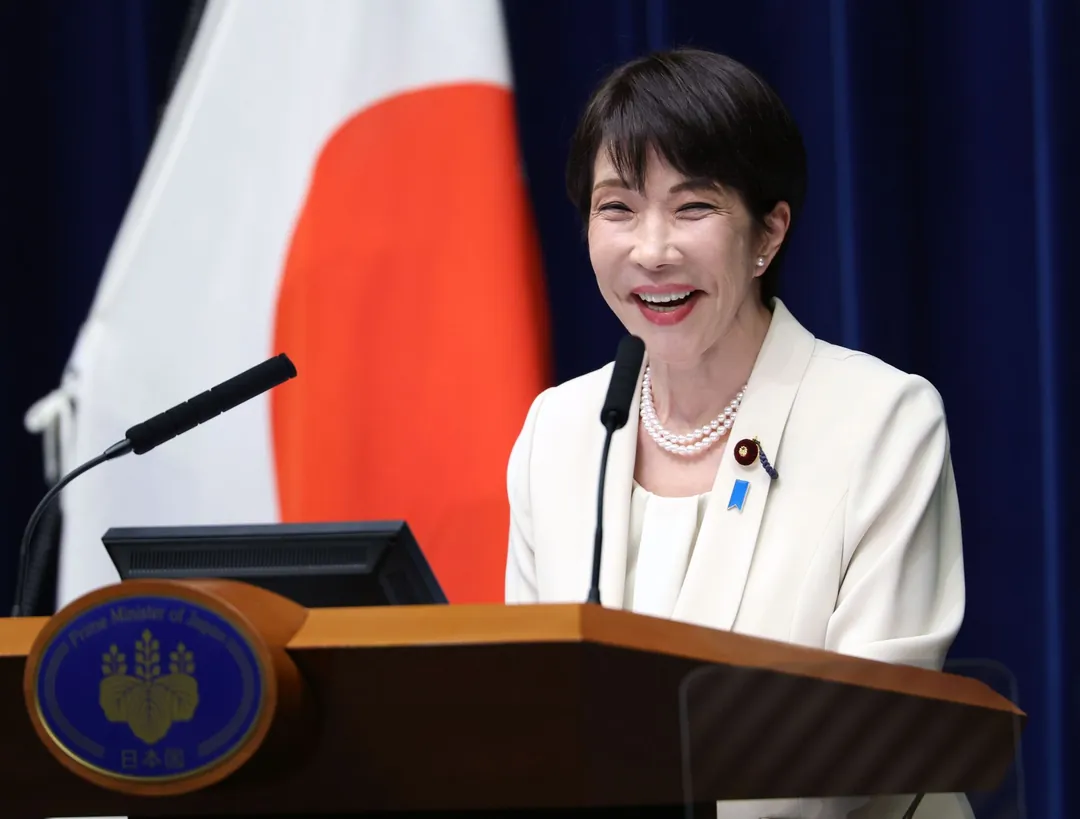
7月下旬、特別国会の閉幕を受けて、高市首相が記者会見を行いました。〈この国会の反省点、教訓〉についての記者の質問に、首相は〈謙虚に真摯に国家国民のために仕事をしていくだけ〉であり、〈反省点というのは特にございません〉と述べました。
このやりとりは主要メディアが一斉に報じ、「反省点なし」の発言に野党や識者などから批判や皮肉の声が聞かれました。私自身も「何事にも反省点はありうるのでは」と疑問に思いました。
思うに、「反省点」という質問の文言を、首相は「後悔する点」と捉えたのかもしれません。それならば、「わが国会対応に悔いなし」と自信を持って発言したのだ、とも解釈できます。
ただ、「反省」ということばは、歴史的には必ずしも「後悔」の類義語ではありません。後悔は「悪かった」と悔やむことですが、反省は、悪い点に限らず、自分の言動などを検証することです。「反」も「省」も「かえりみる」の意味で、自分を見つめ直すこと。どんどんやっていいわけです。
「反省点」も同様で、「この点はどうだったろうか」と検証すべき点を指します。たとえば、仏教学者の加藤咄堂(とつどう)は、自分の資力で贅沢(ぜいたく)をしてもいい、ただし〈二個の反省点〉があると述べました。その贅沢を後悔しないか、他人に害を及ぼさないか、という2点です(『社会教育通俗講話』1918年)。これは現在でも違和感のない使い方です。
「反省」も「反省点」も、過去や現在を広く検証する場合に使えます。ところが、今ではネガティブな用法が多くなり、本来の広い意味があまり意識されなくなっているらしいのは残念です。
※約1000字の全文は、月刊文藝春秋のウェブメディア『文藝春秋PLUS』に掲載されています(飯間浩明「 【は】「反省」は悪くない タブー視しなくてよし 」)。
国語辞典編纂者の飯間浩明さんが“日本語のフシギ”を解き明かしていくコラム「日本語探偵」。今回は「反省」という言葉について考えます。 ◆◆◆ 7月下旬、特別国会の閉幕を受けて、高市首相が記者会見を行いました。〈この国会の反省点、教訓〉についての記者の質問に、首相は〈謙虚に真摯に国家国民のために仕事をしていくだけ〉であり、〈反省点というのは特にございません〉と述べました。 このやりとりは主要メディアが一斉に報じ、「反省点なし」の発言に野党や識者などから批判や皮肉の声が聞かれました。私自身も「何事にも反省点はありうるのでは」と疑問に思いました。 思うに、「反省点」という質問の文言を、首相は「後悔する点」と捉えたのかもしれません。それならば、「わが国会対応に悔いなし」と自信を持って発言したのだ、とも解釈できます。 ただ、「反省」ということばは、歴史的には必ずしも「後悔」の類義語ではありません。後悔は「悪かった」と悔やむことですが、反省は、悪い点に限らず、自分の言動などを検証することです。「反」も「省」も「かえりみる」の意味で、自分を見つめ直すこと。どんどんやっていいわけです。 「反省点」も同様で、「この点はどうだったろうか」と検証すべき点を指します。たとえば、仏教学者の加藤咄堂(とつどう)は、自分の資力で贅沢(ぜいたく)をしてもいい、ただし〈二個の反省点〉があると述べました。その贅沢を後悔しないか、他人に害を及ぼさないか、という2点です(『社会教育通俗講話』1918年)。これは現在でも違和感のない使い方です。 「反省」も「反省点」も、過去や現在を広く検証する場合に使えます。ところが、今ではネガティブな用法が多くなり、本来の広い意味があまり意識されなくなっているらしいのは残念です。 ※約1000字の全文は、月刊文藝春秋のウェブメディア『文藝春秋PLUS』に掲載されています(飯間浩明「 【は】「反省」は悪くない タブー視しなくてよし 」)。
国語辞典編纂者の飯間浩明さんが“日本語のフシギ”を解き明かしていくコラム「日本語探偵」。今回は「反省」という言葉について考えます。 ◆◆◆ 7月下旬、特別国会の閉幕を受けて、高市首相が記者会見を行いました。〈この国会の反省点、教訓〉についての記者の質問に、首相は〈謙虚に真摯に国家国民のために仕事をしていくだけ〉であり、〈反省点というのは特にございません〉と述べました。 このやりとりは主要メディアが一斉に報じ、「反省点なし」の発言に野党や識者などから批判や皮肉の声が聞かれました。私自身も「何事にも反省点はありうるのでは」と疑問に思いました。 思うに、「反省点」という質問の文言を、首相は「後悔する点」と捉えたのかもしれません。それならば、「わが国会対応に悔いなし」と自信を持って発言したのだ、とも解釈できます。 ただ、「反省」ということばは、歴史的には必ずしも「後悔」の類義語ではありません。後悔は「悪かった」と悔やむことですが、反省は、悪い点に限らず、自分の言動などを検証することです。「反」も「省」も「かえりみる」の意味で、自分を見つめ直すこと。どんどんやっていいわけです。 「反省点」も同様で、「この点はどうだったろうか」と検証すべき点を指します。たとえば、仏教学者の加藤咄堂(とつどう)は、自分の資力で贅沢(ぜいたく)をしてもいい、ただし〈二個の反省点〉があると述べました。その贅沢を後悔しないか、他人に害を及ぼさないか、という2点です(『社会教育通俗講話』1918年)。これは現在でも違和感のない使い方です。 「反省」も「反省点」も、過去や現在を広く検証する場合に使えます。ところが、今ではネガティブな用法が多くなり、本来の広い意味があまり意識されなくなっているらしいのは残念です。 ※約1000字の全文は、月刊文藝春秋のウェブメディア『文藝春秋PLUS』に掲載されています(飯間浩明「 【は】「反省」は悪くない タブー視しなくてよし 」)。
この記事の単語 (83)
×26
反省
はんせい
1. reflection; reconsideration; introspection; meditation; contemplation 2. regret; repentance; remorse; being sorry
×8
後悔
こうかい
regret; repentance; remorse
×6
首相
しゅしょう
prime minister; chancellor (Germany, Austria, etc.); premier
×6
検証
けんしょう
verification; inspection
×4
飯間
いいま
Iima (surname)
×4
浩明
こうめい
Koumei (given)
×4
日本語
にほんご
Japanese (language)
×4
国会
こっかい
1. National Diet; legislative assembly of Japan (1947-) 2. Imperial Diet; legislative assembly of Japan (1889-1947)
×4
述べる
のべる
to state; to express; to mention
×4
発言
はつげん
statement; remark; observation; utterance; speech; proposal
×4
贅沢
ぜいたく
1. luxury; extravagance 2. to live in luxury; to indulge oneself
×4
現在
げんざい
now; current; present; present time; as of
×4
文芸
ぶんげい
1. literature 2. the arts; art and literature; liberal arts
×4
春秋
しゅんじゅう
1. spring and autumn; spring and fall 2. years; age
×2
国語辞典
こくごじてん
1. Japanese-language dictionary 2. dictionary of a national language
×2
編纂
へんさん
compilation (esp. dictionary, history, law code); editing
×2
解き明かす
ときあかす
to explain; to dispel doubts
×2
探偵
たんてい
1. detective; investigator; sleuth 2. detective work; secret investigation
×2
下旬
げじゅん
last third of a month; 21st to the last day of a month
×2
特別国会
とくべつこっかい
special Diet session; special session of the Diet; Diet session required to be convoked within thirty days of a general election
×2
閉幕
へいまく
falling of the curtain; coming to an end
×2
高市
こういち
Kouichi (surname)
×2
記者会見
きしゃかいけん
press conference
×2
教訓
きょうくん
lesson; precept; teachings; moral
×2
記者
きしゃ
reporter; journalist
×2
謙虚
けんきょ
modest; humble
×2
真摯
しんし
sincere; earnest; serious
×2
国家
こっか
state; country; nation
×2
国民
こくみん
people (of a country); nation; citizen; national
×2
遣り取り
やりとり
giving and taking; exchange (of letters); arguing back and forth; (conversational) exchange
×2
主要
しゅよう
chief; main; principal; major
×2
一斉
いっせい
simultaneous; all at once
×2
報じる
ほうじる
to inform; to report
×2
なし
1. without 2. unacceptable; not alright; unsatisfactory
×2
野党
やとう
opposition party; political opposition; opposition
×2
識者
しきしゃ
well-informed person; thinking person; intelligent person
×2
批判
ひはん
criticism; judgement; judgment; comment
×2
皮肉
ひにく
1. irony; sarcasm; cynicism; satire 2. unexpected; different from what one expected; not as one had planned
×2
私自身
わたしじしん
myself
×2
何事
なにごと
1. what; what sort of thing 2. everything; anything
×2
疑問
ぎもん
doubt; question; suspicion; dubiousness
×2
文言
もんごん
1. wording (esp. of written text) 2. classical Chinese literary style; traditional written Chinese
×2
捉える
とらえる
1. to catch; to capture; to seize; to arrest; to grab; to catch hold of 2. to grasp (e.g. meaning); to perceive; to capture (e.g. features)
×2
知れる
しれる
1. to become known; to come to light; to be discovered 2. to be known; to be understood
×2
我が
わが
my; our; one's own
×2
対応
たいおう
1. correspondence (to); equivalence 2. suitability; coordination; matching; being appropriate (for)
×2
悔いる
くいる
to regret
×2
自信
じしん
self-confidence; confidence (in oneself)
×2
解釈
かいしゃく
explanation; interpretation
×2
唯
ただ
1. ordinary; common; usual 2. free of charge
×2
歴史的
れきしてき
historic; historical; traditional
×2
しも
1. frost 2. white hair; grey hair; gray hair
×2
類義語
るいぎご
quasi-synonym (word that has a similar meaning to another, but is not interchangeable)
×2
悔やむ
くやむ
1. to mourn; to lament 2. to be sorry; to regret; to repent
×2
限る
かぎる
1. to restrict; to limit; to confine 2. to be restricted to; to be limited to; to be confined to
×2
言動
げんどう
speech and conduct; words and deeds
×2
反
はん
1. anti- 2. antithesis
×2
省
しょう
1. ministry; department 2. province (of China)
×2
顧みる
かえりみる
1. to look back on (the past); to reflect on; to reminisce about 2. to look behind (at); to turn round (and look); to look over one's shoulder
×2
見詰める
みつめる
to stare at; to gaze at; to look hard at; to watch intently; to fix one's eyes on
×2
同様
どうよう
same; similar; (just) like; equal
×2
指す
さす
1. to point 2. to nominate; to select someone; to specify some person
×2
仏教学
ぶっきょうがく
Buddhist studies; Buddhology
×2
加藤咄堂
かととつどう
Katou Totsudou (person)
×2
資力
しりょく
means; resources; wealth
×2
但し
ただし
but; however; provided that
×2
他人
たにん
1. another person; other people; others 2. unrelated person (i.e. not related by blood)
×2
害
がい
injury; harm; evil influence; damage
×2
及ぼす
およぼす
to exert (influence); to exercise; to cause (e.g. damage); to do (e.g. harm); to bring about (e.g. benefits); to extend; to have an effect (on)
×2
社会教育
しゃかいきょういく
social education
×2
通俗
つうぞく
popular; common
×2
講話
こうわ
lecture; discourse
×2
違和感
いわかん
1. uncomfortable feeling; feeling out of place; sense of discomfort 2. malaise; physical unease
×2
使い方
つかいかた
way to use something; treatment; management (of help)
×2
過去
かこ
1. the past; bygone days 2. one's past (that one would prefer remained secret)
×2
用法
ようほう
directions; rules of use
×2
本来
ほんらい
1. originally; primarily 2. essentially; intrinsically; naturally; by nature; in (and of) itself
×2
意識
いしき
1. consciousness 2. becoming aware (of); awareness; sense
×2
全文
ぜんぶん
whole passage; full text; whole sentence; full paragraph
×2
月刊
げっかん
monthly publication; monthly issue
×2
掲載
けいさい
publication (e.g. of an article in a newspaper); carrying (e.g. a story); running (e.g. a serial); insertion (e.g. of an advertisement); printing; posting (e.g. on the web)
×2
タブー視
タブーし
considering something taboo; treating something as taboo
×2
よし
あし
common reed (Phragmites australis)