相乗りタクシー「GOエコノミー」、都心と渋谷の相互移動に対応 エリアも拡大
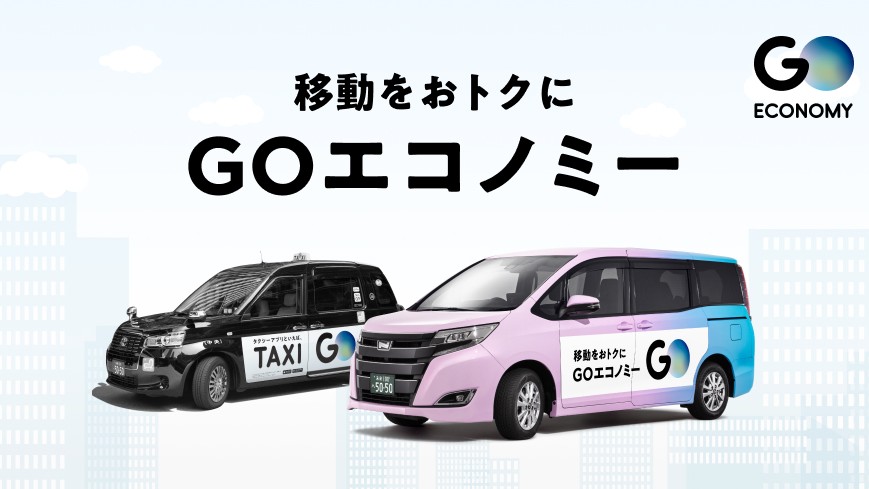
タクシーアプリ「GO」の相乗りサービス「GOエコノミー」は、東京都心エリアと渋谷エリアに分かれていた運行エリアを統合した。乗降スポットも従来の1.5倍以上となる約6,500カ所に拡大する。
GOエコノミーは、2024年12月より「GOシャトル」としてサービスを開始。都心部への通勤や休日の外出などで、日常的にタクシーを利用しないライトユーザーを中心に利用が広がっており、25年10月から26年2月にかけて月間乗車人数は3倍に成長しているという。
同サービスは、25年9月より渋谷区との実証実験のため、東京都心と渋谷で運行エリアが分かれていたが、両エリアを統合し相互移動が可能となった。
また、渋谷エリアは渋谷区北西部中心から渋谷区全域に拡大し、駒場東大前や池尻大橋、三軒茶屋などのエリアも追加。乗降スポットは従来の1.5倍以上となる約6,500カ所に拡大した。
これにより、サービス開始当初と比べて新たに13区が追加され、乗降スポット数は16倍に広がった。なお、渋谷区デマンド交通実証実験は継続して実施する。
このほか、注文時の乗降スポット選択や、車両との待ち合わせをスムーズにする機能改善も行なう。GOエコノミーの利用方法は、GOアプリの「エコノミー」タブから乗降スポットと希望日時を選択し、乗車を手配する。
タクシーアプリ「GO」の相乗りサービス「GOエコノミー」は、東京都心エリアと渋谷エリアに分かれていた運行エリアを統合した。乗降スポットも従来の1.5倍以上となる約6,500カ所に拡大する。 GOエコノミーは、2024年12月より「GOシャトル」としてサービスを開始。都心部への通勤や休日の外出などで、日常的にタクシーを利用しないライトユーザーを中心に利用が広がっており、25年10月から26年2月にかけて月間乗車人数は3倍に成長しているという。 同サービスは、25年9月より渋谷区との実証実験のため、東京都心と渋谷で運行エリアが分かれていたが、両エリアを統合し相互移動が可能となった。 また、渋谷エリアは渋谷区北西部中心から渋谷区全域に拡大し、駒場東大前や池尻大橋、三軒茶屋などのエリアも追加。乗降スポットは従来の1.5倍以上となる約6,500カ所に拡大した。 これにより、サービス開始当初と比べて新たに13区が追加され、乗降スポット数は16倍に広がった。なお、渋谷区デマンド交通実証実験は継続して実施する。 このほか、注文時の乗降スポット選択や、車両との待ち合わせをスムーズにする機能改善も行なう。GOエコノミーの利用方法は、GOアプリの「エコノミー」タブから乗降スポットと希望日時を選択し、乗車を手配する。
タクシーアプリ「GO」の相乗りサービス「GOエコノミー」は、東京都心エリアと渋谷エリアに分かれていた運行エリアを統合した。乗降スポットも従来の1.5倍以上となる約6,500カ所に拡大する。 GOエコノミーは、2024年12月より「GOシャトル」としてサービスを開始。都心部への通勤や休日の外出などで、日常的にタクシーを利用しないライトユーザーを中心に利用が広がっており、25年10月から26年2月にかけて月間乗車人数は3倍に成長しているという。 同サービスは、25年9月より渋谷区との実証実験のため、東京都心と渋谷で運行エリアが分かれていたが、両エリアを統合し相互移動が可能となった。 また、渋谷エリアは渋谷区北西部中心から渋谷区全域に拡大し、駒場東大前や池尻大橋、三軒茶屋などのエリアも追加。乗降スポットは従来の1.5倍以上となる約6,500カ所に拡大した。 これにより、サービス開始当初と比べて新たに13区が追加され、乗降スポット数は16倍に広がった。なお、渋谷区デマンド交通実証実験は継続して実施する。 このほか、注文時の乗降スポット選択や、車両との待ち合わせをスムーズにする機能改善も行なう。GOエコノミーの利用方法は、GOアプリの「エコノミー」タブから乗降スポットと希望日時を選択し、乗車を手配する。
Vocabulary
General
Proper noun
JLPT N2
JLPT N1
| # | 言葉 | 意味 |
|---|---|---|
| 10 | 乗降 | じょうこう (乗降) : getting on and off; embarking and disembarking |
| 8 | 渋谷区 | しぶやく (渋谷区) : Shibuya Ward (place) |
| 6 | 渋谷 | しだや (渋谷) : Shidaya (surname) |
| 6 | 拡大 | かくだい (拡大) : magnification; enlargement; expansion; amplification |
| 4 | 東京都 | とうきょうと (東京都) : Tokyo Metropolis (prefecture); Tokyo metropolitan area |
| 4 | 分かれる | わかれる (分かれる) : 1. to branch; to fork; to diverge 2. to separate; to split; to divide |
| 4 | 運行 | うんこう (運行) : 1. service (bus, train); operation 2. motion; revolution; movement |
| 4 | 統合 | とうごう (統合) : integration; unification; unity; combination; consolidation; synthesis |
| 4 | 従来 | じゅうらい (従来) : 1. up to now; so far 2. traditional; conventional; usual; existing |
| 4 | カ所 | かしょ (箇所) : 1. place; point; part; spot; area; passage; portion 2. counter for places, parts, passages, etc. |
| 4 | 中心 | ちゅうしん (中心) : 1. center; centre; middle; heart; core; focus; pivot; emphasis; balance 2. -centered; -centred; -focused; -oriented; centered on; focused on |
| 4 | 広がる | ひろがる (広がる) : to spread (out); to extend; to stretch; to reach to; to get around; to fill (e.g. a space) |
| 4 | 乗車 | じょうしゃ (乗車) : boarding (a train, bus, etc.); getting into (e.g. a taxi) |
| 4 | 実証実験 | じっしょうじっけん (実証実験) : proof-of-concept; demonstration experiment; verification test |
| 4 | 追加 | ついか (追加) : addition; supplement; appending; appendix |
| 4 | 選択 | せんたく (選択) : selection; choice; option |
| 2 | 相乗り | あいのり (相乗り) : 1. riding together; sharing a car (taxi, etc.) 2. doing in collaboration |
| 2 | 開始 | かいし (開始) : start; commencement; beginning; initiation |
| 2 | 都心部 | としんぶ (都心部) : inner-city area; city center |
| 2 | 通勤 | つうきん (通勤) : commuting to work |
| 2 | 休日 | きゅうじつ (休日) : holiday; day off |
| 2 | 外出 | がいしゅつ (外出) : going out; outing; leaving (one's home, office, etc.) |
| 2 | 日常的 | にちじょうてき (日常的) : mundane; routine; everyday; unremarkable; common; day-to-day |
| 2 | 月間 | げっかん (月間) : month-long period; (during) month |
| 2 | 人数 | にんずう (人数) : 1. the number of people 2. many people; a large number of people |
| 2 | 成長 | せいちょう (成長) : 1. growth; development; growing up; becoming an adult 2. growth (of a company, the economy, etc.) |
| 2 | 両 | りょう (両) : 1. both (hands, parents, sides, etc.) 2. counter for carriages (e.g. in a train); counter for vehicles |
| 2 | 相互 | そうご (相互) : mutual; reciprocal |
| 2 | 移動 | いどう (移動) : 1. movement; transfer; migration; removal; travel 2. mobile; moving; traveling; travelling; roving |
| 2 | 可能 | かのう (可能) : possible; potential; practicable; feasible |
| 2 | 全域 | ぜんいき (全域) : the whole area |
| 2 | 駒場東 | こまばひがし (駒場東) : Komabahigashi (place) |
| 2 | 大前 | おおまえ (大前) : presence (of a god, emperor, etc.) |
| 2 | 池尻大橋 | いけじりおおはし (池尻大橋) : Ikejirioohashi (unclass) |
| 2 | 三軒 | さんけん (三軒) : Sanken (place) |
| 2 | 当初 | とうしょ (当初) : 1. beginning; start; outset 2. at first; at the beginning; initially; originally |
| 2 | 比べる | くらべる (比べる) : 1. to compare; to make a comparison 2. to compete; to vie |
| 2 | 新た | あらた (新た) : new; fresh; novel |
| 2 | 区 | く (区) : 1. ward; borough; city (in Tokyo) 2. district (e.g. electoral); section; zone (e.g. postal) |
| 2 | 数 | しばしば (屡々) : often; again and again; frequently; repeatedly |
| 2 | なお | なお (尚) : 1. still; yet 2. more; still more; greater; further |
| 2 | 継続 | けいぞく (継続) : continuation |
| 2 | 実施 | じっし (実施) : enforcement; implementation; putting into practice; carrying out; operation; working (e.g. working parameters); enactment |
| 2 | 注文 | ちゅうもん (注文) : 1. order (for an item) 2. request; demand; condition |
| 2 | 車両 | しゃりょう (車両) : rolling stock; railroad cars; wheeled vehicles |
| 2 | 待ち合わせ | まちあわせ (待ち合わせ) : appointment |
| 2 | 機能 | きのう (機能) : function; facility; faculty; feature |
| 2 | 改善 | かいぜん (改善) : 1. betterment; improvement 2. kaizen (Japanese business philosophy of continuous improvement) |
| 2 | 行なう | おこなう (行う) : to perform; to do; to conduct oneself; to carry out |
| 2 | 利用方法 | りようほうほう (利用方法) : how to use; method for using; way of using |
| 2 | 希望 | きぼう (希望) : hope; wish; aspiration |
| 2 | 日時 | にちじ (日時) : date and time |
| 2 | 手配 | てはい (手配) : 1. arrangement; preparations 2. search (by police) |