国連人権理事会の専門家 米国とイスラエルの攻撃を違法と非難
国連の人権理事会でイランの人権状況を調べる専門家は16日、イラン当局による通信の規制などを批判する一方、アメリカとイスラエルによる攻撃について、「目的が何であれ、攻撃が違法であることに変わりはない」と厳しく非難しました。
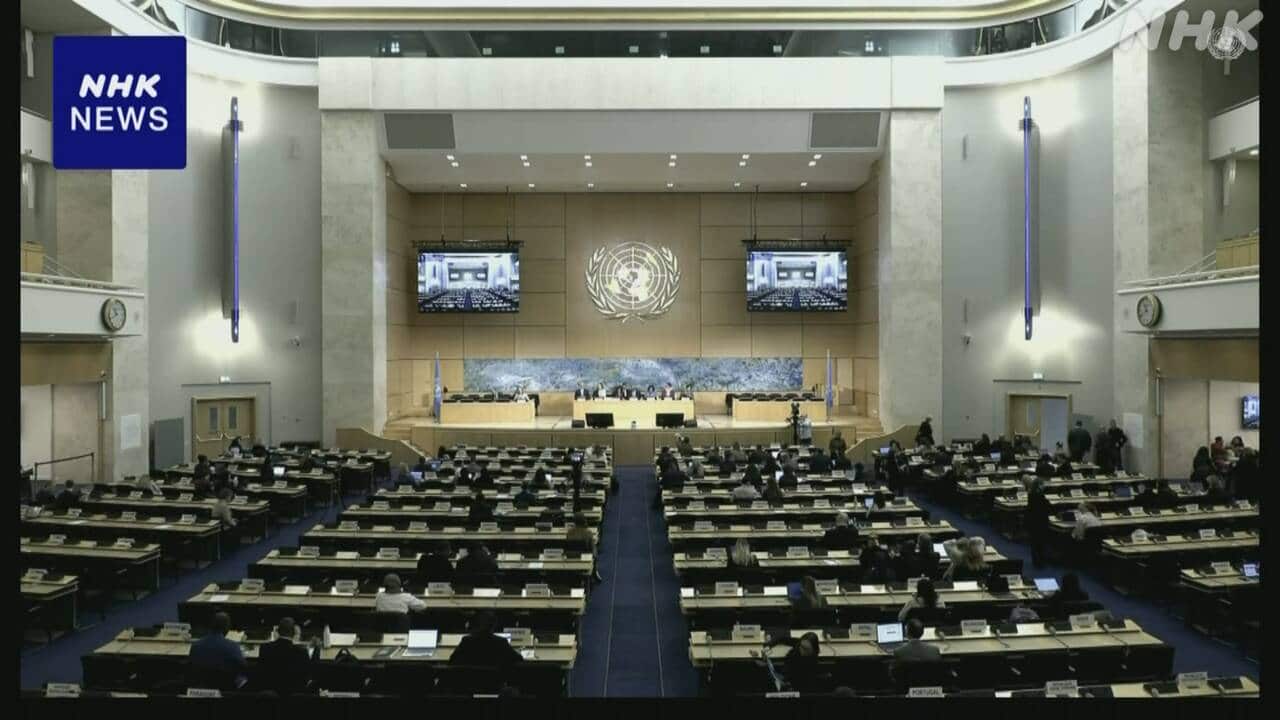
スイスで16日に開かれた国連の人権理事会では、イランの人権状況を独立した立場で調べる調査団や専門家が、最新の状況について報告を行いました。
この中で、イランに関する特別報告者を務めるロンドン大学バークベック校の佐藤舞教授は、イラン国内でインターネットの通信などが規制され、国民が十分な情報にアクセスできない状況にあるとして、当局の対応を批判しました。
一方で、アメリカやイスラエルによる攻撃について、1000人以上の民間人が犠牲となったほか、学校やインフラ施設、世界遺産なども被害を受けているとして「目的が何であれ、攻撃が違法であることに変わりはない」と述べ、原則として武力行使を禁じた国連憲章に反すると厳しく非難しました。
さらに、現地では防空シェルターなども十分になく、民間人が危険にさらされていると指摘しました。
佐藤氏は報告のあとの記者会見で「今回の攻撃によって、イランで以前から深刻化していた人権状況がさらに悪化している」と述べ、深い懸念を示しました。
スイスで16日に開かれた国連の人権理事会では、イランの人権状況を独立した立場で調べる調査団や専門家が、最新の状況について報告を行いました。
この中で、イランに関する特別報告者を務めるロンドン大学バークベック校の佐藤舞教授は、イラン国内でインターネットの通信などが規制され、国民が十分な情報にアクセスできない状況にあるとして、当局の対応を批判しました。
一方で、アメリカやイスラエルによる攻撃について、1000人以上の民間人が犠牲となったほか、学校やインフラ施設、世界遺産なども被害を受けているとして「目的が何であれ、攻撃が違法であることに変わりはない」と述べ、原則として武力行使を禁じた国連憲章に反すると厳しく非難しました。
さらに、現地では防空シェルターなども十分になく、民間人が危険にさらされていると指摘しました。
佐藤氏は報告のあとの記者会見で「今回の攻撃によって、イランで以前から深刻化していた人権状況がさらに悪化している」と述べ、深い懸念を示しました。
Vocabulary
General
Proper noun
JLPT N2
JLPT N1
| # | 言葉 | 意味 |
|---|---|---|
| 5 | 人権 | じんけん (人権) : human rights; civil liberties |
| 5 | 状況 | じょうきょう (状況) : state of affairs (around you); situation; circumstances |
| 5 | 攻撃 | こうげき (攻撃) : 1. attack; assault; raid; onslaught; offensive 2. criticism; censure; denunciation; condemnation |
| 3 | 報告 | ほうこく (報告) : report; information |
| 2 | 国連 | こくれん (国連) : United Nations; UN |
| 2 | 理事会 | りじかい (理事会) : board of directors; board of trustees |
| 2 | 専門家 | せんもんか (専門家) : specialist; expert; professional; authority; pundit |
| 2 | 当局 | とうきょく (当局) : 1. authorities; relevant authorities; authorities concerned 2. this office |
| 2 | 通信 | つうしん (通信) : correspondence; communication; transmission; news; signal; telecommunications |
| 2 | 規制 | きせい (規制) : regulation; (traffic) policing; control; restriction |
| 2 | 批判 | ひはん (批判) : criticism; judgement; judgment; comment |
| 2 | 目的 | もくてき (目的) : purpose; goal; aim; objective; intention |
| 2 | 違法 | いほう (違法) : illegal; illicit; unlawful |
| 2 | 変わり | かわり (変わり) : 1. change; alteration 2. difference; distinction |
| 2 | 非難 | ひなん (非難) : criticism; blame; censure; attack; reproach |
| 2 | 佐藤 | さいう (佐藤) : Saiu (surname) |
| 2 | 民間人 | みんかんじん (民間人) : private citizen; civilian |
| 2 | 述べる | のべる (述べる) : to state; to express; to mention |
| 1 | 開く | ひらく (開く) : 1. to open; to undo; to unseal; to unpack 2. to bloom; to unfold; to spread out |
| 1 | 独立 | どくりつ (独立) : 1. independence; self-reliance; supporting oneself; being on one's own 2. independence (e.g. of a nation); freedom |
| 1 | 立場 | たちば (立場) : 1. position; situation 2. viewpoint; standpoint; point of view |
| 1 | 調査団 | ちょうさだん (調査団) : inquiry commission; enquiry commission; research group |
| 1 | 最新 | さいしん (最新) : latest; newest; late-breaking (news) |
| 1 | 関する | かんする (関する) : to concern; to be related |
| 1 | 務める | つとめる (勤める) : 1. to work (for); to be employed (at); to serve (in) 2. to serve (as); to act (as); to fill (the position of); to play the role (of) |
| 1 | ロンドン大学 | ロンドンだいがく (ロンドン大学) : London University (organization) |
| 1 | 教授 | きょうじゅ (教授) : 1. professor 2. teaching; instruction |
| 1 | 国民 | こくみん (国民) : people (of a country); nation; citizen; national |
| 1 | 情報 | じょうほう (情報) : 1. information; news; intelligence; advices 2. information; data contained in characters, signals, code, etc. |
| 1 | 対応 | たいおう (対応) : 1. correspondence (to); equivalence 2. suitability; coordination; matching; being appropriate (for) |
| 1 | 犠牲 | ぎせい (犠牲) : 1. sacrifice; victim; scapegoat 2. sacrifice (to the gods) |
| 1 | 施設 | しせつ (施設) : 1. institution; establishment; facility 2. home (for elderly, orphans, etc.) |
| 1 | 世界遺産 | せかいいさん (世界遺産) : World Heritage (cultural, natural, etc.); World Cultural and Natural Heritage (UNESCO) |
| 1 | 被害 | ひがい (被害) : (suffering) damage; injury; harm |
| 1 | 原則 | げんそく (原則) : 1. principle; general rule 2. as a rule; in principle; in general |
| 1 | 武力行使 | ぶりょくこうし (武力行使) : use of (military) force |
| 1 | 禁ずる | きんずる (禁ずる) : to forbid; to suppress |
| 1 | 国連憲章 | こくれんけんしょう (国連憲章) : UN Charter; Charter of the United Nations |
| 1 | 反する | はんする (反する) : 1. to be contrary to; to be inconsistent with; to contradict 2. to act contrary to (rules or guidelines); to violate; to transgress |
| 1 | 現地 | げんち (現地) : actual place; local; on-site |
| 1 | 防空 | ぼうくう (防空) : air defense; air defence |
| 1 | さらす | さらす (晒す) : 1. to expose (to the sun, public, danger, etc.) 2. to bleach; to refine |
| 1 | 指摘 | してき (指摘) : pointing out; identification |
| 1 | 記者会見 | きしゃかいけん (記者会見) : press conference |
| 1 | 以前 | いぜん (以前) : ago; since; before; previous |
| 1 | 深刻化 | しんこくか (深刻化) : becoming more serious or severe; aggravation; intensification |
| 1 | 悪化 | あっか (悪化) : (suffer) deterioration; growing worse; aggravation; degeneration; corruption |
| 1 | 懸念 | けねん (懸念) : worry; fear; anxiety; concern |
| 1 | 示す | しめす (示す) : 1. to (take out and) show; to demonstrate; to tell; to exemplify; to make apparent 2. to point out (finger, clock hand, needle, etc.) |