大阪 和泉 母娘殺害事件 現場の部屋に血のついた足跡
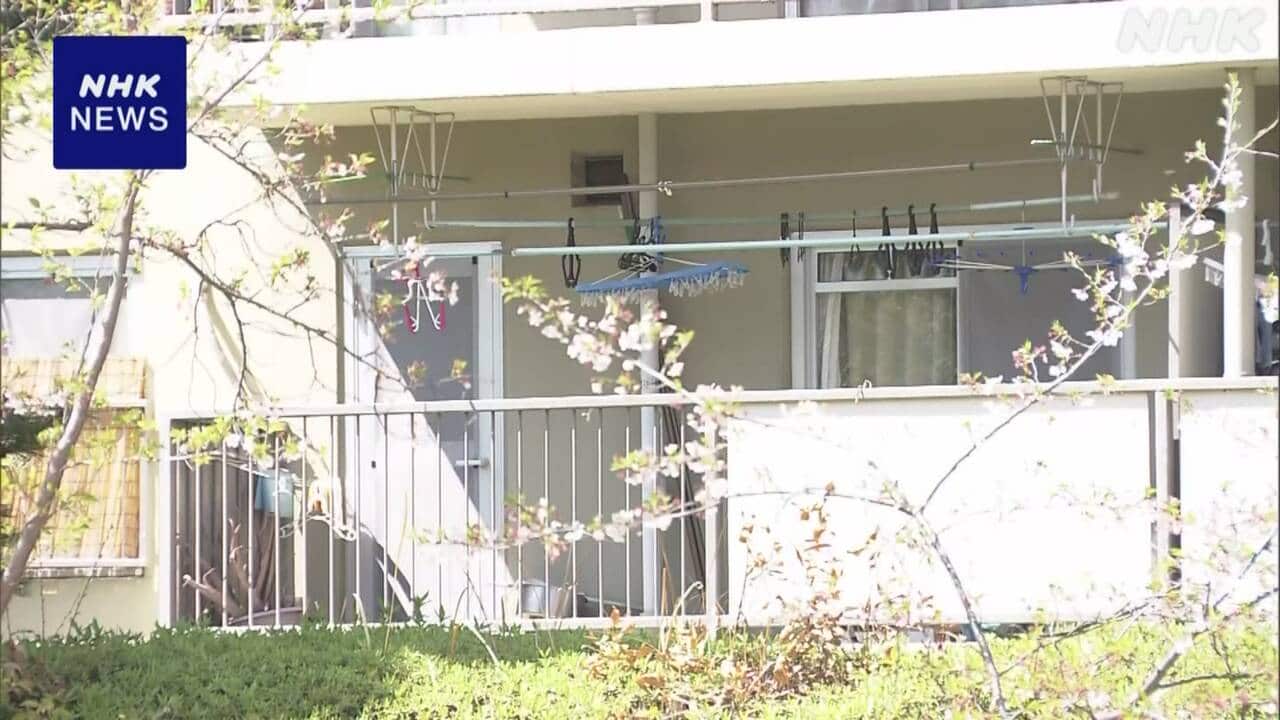
大阪 和泉市の集合住宅の1室で76歳の母親と41歳の娘が殺害されているのが見つかった事件で、現場の部屋に血のついた足跡が残されていたことが捜査関係者への取材で分かりました。警察は2人を襲った人物の足跡の可能性があるとみて捜査しています。
4月8日、和泉市鶴山台の集合住宅の1室でこの部屋に住む母親の村上和子さん(76)と、長女で社会福祉士の裕加さん(41)が血を流して死亡しているのが見つかり、警察は殺人事件として捜査しています。
事件で使われた凶器とみられる刃物は見つかっておらず、警察は11日も現場近くの池を捜索し、凶器が遺棄されていないか調べていました。
これまでの調べで、2人は発見された当時、ダイニングキッチンで寝巻きのような格好で倒れていて、いずれも頭や首などに刺し傷や切り傷が10か所以上あったことが分かっています。
その後の調べで、現場の部屋の室内や玄関に血のついた足跡が残されていたことが捜査関係者への取材で分かりました。
一方、室内には財布やスマートフォンが残され、物色されたような形跡はなかったということです。
警察は現場の状況をさらに詳しく調べるとともに、足跡が2人を襲った人物のものの可能性があるとみて捜査しています。
4月8日、和泉市鶴山台の集合住宅の1室でこの部屋に住む母親の村上和子さん(76)と、長女で社会福祉士の裕加さん(41)が血を流して死亡しているのが見つかり、警察は殺人事件として捜査しています。
事件で使われた凶器とみられる刃物は見つかっておらず、警察は11日も現場近くの池を捜索し、凶器が遺棄されていないか調べていました。
これまでの調べで、2人は発見された当時、ダイニングキッチンで寝巻きのような格好で倒れていて、いずれも頭や首などに刺し傷や切り傷が10か所以上あったことが分かっています。
その後の調べで、現場の部屋の室内や玄関に血のついた足跡が残されていたことが捜査関係者への取材で分かりました。
一方、室内には財布やスマートフォンが残され、物色されたような形跡はなかったということです。
警察は現場の状況をさらに詳しく調べるとともに、足跡が2人を襲った人物のものの可能性があるとみて捜査しています。
Vocabulary
General
Proper noun
JLPT N2
JLPT N1
| # | 言葉 | 意味 |
|---|---|---|
| 4 | 現場 | げんば (現場) : 1. actual spot; scene; scene of the crime; site; location; setting 2. shop floor; factory floor; (on) site |
| 4 | 足跡 | あしあと (足跡) : 1. footprints 2. record of page visitors (e.g. in social networking sites) |
| 3 | 見つかる | みつかる (見つかる) : to be found; to be discovered |
| 3 | 残す | のこす (残す) : 1. to leave (behind) 2. to leave (undone); to not finish |
| 3 | 分かる | わかる (分かる) : 1. to understand; to comprehend; to grasp; to see; to get; to follow 2. to become clear; to be known; to be discovered; to be realized; to be realised; to be found out |
| 3 | 捜査 | そうさ (捜査) : search (esp. in criminal investigations); investigation; inquiry; enquiry |
| 2 | 和泉市 | いずみし (和泉市) : Izumi (city) (place) |
| 2 | 集合住宅 | しゅうごうじゅうたく (集合住宅) : apartment building; housing complex |
| 2 | 母親 | ははおや (母親) : mother |
| 2 | 事件 | じけん (事件) : event; affair; incident; case; plot; trouble; scandal |
| 2 | 取材 | しゅざい (取材) : 1. news coverage; collecting data (e.g. for an article); covering (something for media) 2. interview |
| 2 | 襲う | おそう (襲う) : 1. to attack; to assail; to make an assault; to strike; to hunt down 2. to succeed (someone in a post, role, etc.) |
| 2 | 人物 | じんぶつ (人物) : 1. person; character; figure; personage; man; woman 2. one's character; one's personality |
| 2 | 可能性 | かのうせい (可能性) : potentiality; likelihood; possibility; availability |
| 2 | 凶器 | きょうき (凶器) : dangerous weapon; lethal weapon; deadly weapon; murder weapon |
| 2 | 調べ | しらべ (調べ) : 1. investigation; inspection; examination 2. tune; note; melody |
| 2 | 室内 | しつない (室内) : indoor; inside the room |
| 1 | 大阪 | おおさか (大阪) : 1. Osaka (city, prefecture) 2. large hill |
| 1 | 殺害 | さつがい (殺害) : killing; murder |
| 1 | 鶴山台 | つるやまだい (鶴山台) : Tsuruyamadai (place) |
| 1 | 村上 | さむらかみ (村上) : Samurakami (surname) |
| 1 | 和子 | わこ (和子) : son of a person of high social standing |
| 1 | 長女 | ちょうじょ (長女) : eldest daughter; first-born daughter |
| 1 | 社会福祉士 | しゃかいふくしし (社会福祉士) : licensed social worker; certified social worker |
| 1 | 裕加 | ひろか (裕加) : Hiroka (fem) |
| 1 | 流す | ながす (流す) : 1. to drain; to pour; to spill; to shed (blood, tears) 2. to wash away |
| 1 | 死亡 | しぼう (死亡) : 1. death; mortality 2. to die; to pass away |
| 1 | 殺人事件 | さつじんじけん (殺人事件) : murder case |
| 1 | 刃物 | はもの (刃物) : edged tool; cutlery |
| 1 | 近く | ちかく (近く) : 1. near; neighbourhood; neighborhood; vicinity 2. nearly (e.g. "it took nearly one year"); close to |
| 1 | 捜索 | そうさく (捜索) : 1. search (esp. for someone or something missing); manhunt 2. legally authorized search of a person, building, etc. |
| 1 | 遺棄 | いき (遺棄) : abandonment; desertion |
| 1 | 調べる | しらべる (調べる) : to examine; to look up; to investigate; to check up; to sense; to study; to inquire; to search |
| 1 | 発見 | はっけん (発見) : discovery; detection; finding |
| 1 | 当時 | とうじ (当時) : at that time; in those days |
| 1 | 寝巻き | ねまき (寝巻き) : sleep-wear; nightclothes; pyjamas; pajamas; nightgown; nightdress |
| 1 | 格好 | かっこう (格好) : 1. shape; form; figure; posture; pose 2. appearance |
| 1 | 倒れる | たおれる (倒れる) : 1. to fall (over, down); to collapse; to take a fall; to topple 2. to be destroyed (in a collapse); to collapse; to cave in; to crumble; to give away |
| 1 | いずれ | いずれ (何れ) : 1. where; which; who 2. anyway; anyhow; at any rate |
| 1 | 刺し傷 | さしきず (刺し傷) : stab wound; puncture wound; bite (e.g. from a insect); sting; prick |
| 1 | 切り傷 | きりきず (切り傷) : cut; gash; incision |
| 1 | か所 | かしょ (箇所) : 1. place; point; part; spot; area; passage; portion 2. counter for places, parts, passages, etc. |
| 1 | その後 | そのあと (その後) : after that; afterwards; thereafter |
| 1 | 物色 | ぶっしょく (物色) : 1. looking for a particular person or thing; searching high and low; hunting for; rummaging; scouring (a place) looking for (something) 2. picking out; singling out |
| 1 | 形跡 | けいせき (形跡) : traces; evidence |
| 1 | 状況 | じょうきょう (状況) : state of affairs (around you); situation; circumstances |
| 1 | 詳しく | くわしく (詳しく) : in detail; fully; minutely; at length |