《統合失調症の姉を南京錠で…》「両親を思い出して苦しくなった」日本のドキュメンタリーが韓国で“異例ヒット”の深い理由〈現地取材〉
予習
この記事のキーワード — タップで意味×20
統合失調症
とうごうしっちょうしょう
schizophrenia
×10
精神疾患
せいしんしっかん
mental disorder; mental disease
×16
患者
かんじゃ
patient
×8
鬱病
うつびょう
depression
×7
発症
はっしょう
outbreak of an illness; onset of an illness; appearance of symptoms
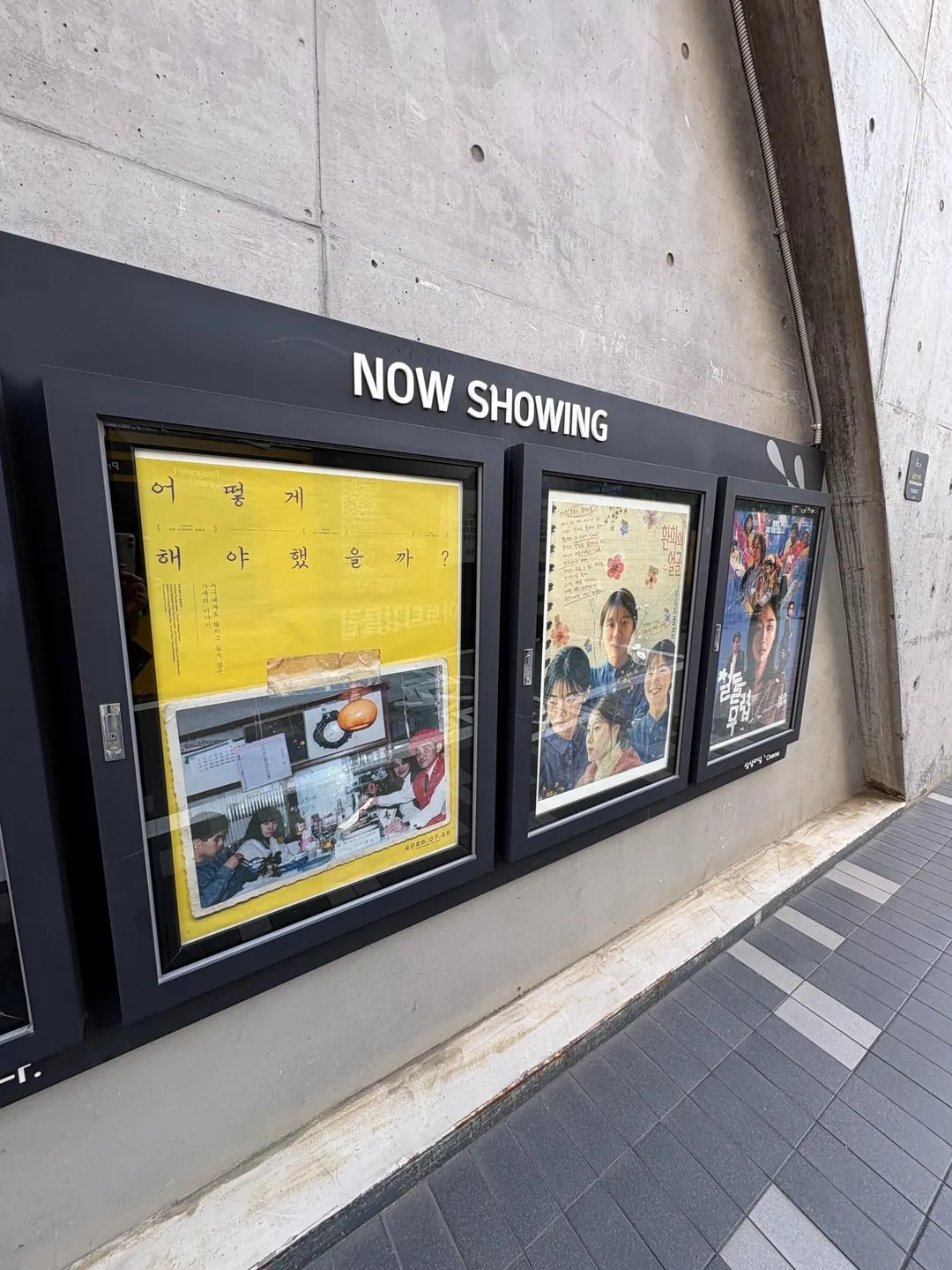
日本では2024年12月に公開された、映画『どうすればよかったか?』。統合失調症を発症した姉と、彼女を玄関に南京錠をかけて閉じ込めた両親の姿を、弟である藤野知明監督が、20年にわたって記録したドキュメンタリーだ。
日本でも大きな話題を呼び、ロングランを続けた同作が、いま、韓国で異例のヒットをみせている。その背景にあるものとは? 韓国在住のノンフィクションライター・菅野朋子氏が取材した。
◆◆◆
土曜日の正午。ソウルにある80席ほどのミニシアターは満席だった。意外だったのは、20〜30代と思われる若い世代の観客が圧倒的だったことだ。
日本では2024年12月に公開された、映画『どうすればよかったか?』。統合失調症を発症した姉と、彼女を玄関に南京錠をかけて閉じ込めた両親の姿を、弟である藤野知明監督が、20年にわたって記録したドキュメンタリーだ。 日本でも大きな話題を呼び、ロングランを続けた同作が、いま、韓国で異例のヒットをみせている。その背景にあるものとは? 韓国在住のノンフィクションライター・菅野朋子氏が取材した。 ◆◆◆ 土曜日の正午。ソウルにある80席ほどのミニシアターは満席だった。意外だったのは、20〜30代と思われる若い世代の観客が圧倒的だったことだ。
隣り合わせたのも30代半ばという男女で、この映画をどう知ったのかと訊くと、友人から「配信でもやらないし、これは必ず観ておくべき映画だから」と強く勧められて、久しぶりに映画館に足を運んだ、と言う。 統合失調症の姉と家族の様子を、弟である藤野知明監督が記録した日本のドキュメンタリー映画『どうすればよかったか?』が、韓国で静かなヒットを続けている。 1万人でヒットといわれる韓国ドキュメンタリー界で、7月29日の公開から3日間で観客数は1万人を超え、ミニシアターだけでの上映から大型シネマコンプレックスのアートハウス(インディペンデントや芸術作品を上映する)でも上映されるように。9月には観客動員数は10万人を超え、“異例のヒット”として韓国メディアがこぞって取り上げた。 インディペンデント映画を主に手がける配給会社「ATNINE FILM」は当初、目標観客数を3000人に設定し、「状況によっては、自社の映画館での単独上映も視野に入れていました」という。
実は、この映画が公開されると聞いた時、統合失調症を素材にした映画が韓国で受け入れられるだろうかと思っていた。それというのも、韓国では2010年代半ばに統合失調症患者に襲われ、担当医師やアパートの住民が死亡する事件が立て続けに起き、統合失調症=危険というイメージが広く認識された雰囲気があったためだ。再び同社の話。 「統合失調症という言葉が韓国でどう消費されてきたかを知っていましたから、(公開に)怖さもありましたが、韓国の観客がどんな反応をするかが知りたいと思いました。そのため、マーケティングにおいては、ストーリーが刺激的に消費されないようにすること、この疾患を理解できるよう十分な情報と議論の場を提供することなどを原則としました。 ところが、春に開催した『日本インディフィルムフェスティバル』で同作品だけが事前の前売りで完売。公開前から高い関心が集まっていたんです。すでに日本で大ヒットしたことを知っていて注目していた人がいたことや、作品のユニーク性、統合失調症の症状を見せる姉と家族の時間を、弟である監督が直接記録したドキュメンタリーという点が、観客の知的好奇心を刺激したようです」
口コミに乗り始めたきっかけはSNSだ。それも特定のインフルエンサーによるものではなく、映画を実際に観た人々のレビューや、OTTなどの二次配信サービスがないため「映画館でしか見られない」ことも話題になった。
大きな反応を見せたのは20〜30代。特に公開序盤は20代女性の観客の割合が多かったという。こうした背景には、最近、殊に若い世代を中心にメンタルヘルスへの関心が高まっていることがあるのではないかと同社は話す。 「精神疾患やカウンセリング・治療についても過去より積極的に語ろうとする雰囲気が醸成されていると感じています。 実際に映画公開後、SNS上でも統合失調症という疾患そのものだけでなくて、精神疾患を取り巻く社会的偏見、治療のタイミング、家族による介護と責任、当事者や家族を支援する社会システムなどについて、自身の体験や考えを共有する反応が多く見られます」 実際に、この映画を紹介したあるYouTubeチャンネルのコメント欄には、自身の経験や家族の精神疾患について赤裸々に吐露しているものが多かった。
たとえば、劇中で、父親が医学部に進学した姉に毎年、医師の国家試験のテキストを買っているのを見て、「受験のストレスから5年ほどうつ病で苦しみ、今は他の仕事に就いているにもかかわらず、毎年、司法試験を受けないのかと言ってくる両親を思い出して胸が苦しくなった」という人。 自身が受験のストレスから双極性障害(躁うつ状態の悪化)を発症し、閉鎖病棟で過ごした経験があるという人は、「発症年齢や治療が早かったおかげで外来で薬を服用しながら現在は1人で働いて暮らしている」と言い、「精神疾患は初期の診断、初期の服薬が一番重要です。周りに統合失調症でも双極性障害でもうつ病でも、精神病症状(psychotic)が見られる人がいたら、すぐに病院に連れて行ってあげてください」と呼びかけている。
統合失調症を持つ家族がいるという人も多かった。母親が統合失調症を発症したという人は、「家に統合失調症の家族がいると、残りの家族は地獄の中で生きることになります。そんな中で統合失調症に対する社会的偏見に直面すると、さらに打ちのめされます」とやり場のない思いを打ち明けている。 そして、知的障害と自閉症のある弟がいる人は、こう話している。「人の人生は無条件に幸せでなければならないと考えるのは、幸せになれる条件が整っている人たちが夢見る幸せですよね。運良く恵まれた暮らしをしている人も多いですが、このような人生を耐え抜かなければならない人生もあります」――。
映画が終わった後、隣の席の女性はなかなか立ち上がろうとしなかった。映画をどう観たかと訊くと、「うーん、どうすればよかったのでしょうか。ご両親なりにお姉さんのことを愛していたことは確かですし、でも、保護するというのは統制も伴うものですから。難しい。実際にこの立場になったらどうするのでしょうねえ」と考え込んでいた。
この映画への高い関心を、専門家はどう見たのか。カットゥンマウム(Like Minded)精神健康医学科医院のパク・ソンヒョン医師は、「この映画は、多くの人々がすでに経験してきたことに共感と慰めを与えたのではないか」と話す。 「実は、重度精神疾患患者を介護したり、ケアすることは思いのほか身近で普遍的な体験だからです。統合失調症だけでも100人に1人ほど存在し、双極性障害や重度のうつ病や発達障害などを合わせれば膨大な数になります。誰かが保護者や身内としてこうした患者に少なくとも一度は接したことがあり、ケアに関わった可能性がある確率は、実は非常に高いのです」 そして、こう続けた。 「保護者として患者と衝突したり、互いに傷つけ合ったりすることは日常茶飯事で、酷い場合は、患者からの暴力に晒されたり、患者の身体拘束や強制入院などを承認して見守らなければならない状況に直面します。これは情緒的に耐えられないことで、無条件に責めることなどできません。特に韓国と日本は、精神疾患を持つ個人の管理と保護が家族に大きく委ねられているという点で酷似していますから」 統合失調症は、地域や文化圏に関係なく全体の0.5%〜1.0%(約100人に1人)ほどといわれており、韓国には25万〜50万人の患者がいると推定されている。この中で受診が確認されているのは約18万人(2024年「国家精神健康現状報告書」)。相当数の患者が診療を受けていない可能性があるとしている。ちなみに日本では約80万人の統合失調症患者がいると推計されている(厚生労働省「精神疾患の患者数」)。
映画では、姉の統合失調症と思しき症状が現れてから両親は彼女の病気を認めず、やがて玄関に南京錠をかけて家に閉じ込めてしまう。治療を受けたのは発症から25年後だった。「どうすればよかったか」と考えさせられる姿だが、韓国では1995年に「精神保健法(現・精神健康福祉法)」が制定される前までは、社会的偏見や家族が恥だと感じる傾向が強く、相当数の精神疾患患者は自宅や無認可施設などに隠されていたという。 法制定以降、精神疾患への認識や治療へのアクセスなどが大きく改善されたといわれる。だが、実際に医療機関につながっているのは軽度の疾患に集中しており、「うつ病により診療を受ける患者がこの10年で倍近くに増えた一方で、統合失調症の場合は2010年代半ば以降大きな変化はなく診療を受けられていない人が相当数いる」とパク医師は語る。 2010年代半ばというと、前述した事件が起きた頃だ。パク医師は、「明らかに病理的で患者自身に危害を及ぼしかねないケースであっても、それを病気や症状として受け入れることが難しい場合が多い」と話したが、日本でも同じような状況ではないだろうか。
精神科を受診する人が増えた背景には、実際にうつ病を発症する層そのものが増加しているという実態もある。特にコロナ禍以降、20〜30代のうつ病患者が大幅に増え、最近では10代の患者が目立つという。 全国的に幼少期からのうつ病患者も増えているが、ソウル市内の江南(カンナム)エリアの中でもとりわけ有名な塾が集中する周辺3区では、他地域よりも3倍に近い(2025年「ソウル市教育庁教育情報院」資料)。この地域には幼児から通う英語塾や、小学生を対象とした医学部塾などもあり、幼少期から学歴社会のストレスに晒されているとして、社会問題にもなった。
韓国では、競争が見えやすく、他人と比較する傾向が強い。韓国の人と話をしていると、ちょっとした会話の中に「剥奪感」という言葉が出てくる時がある。「相対的剥奪感」の略で、これは自分が得られたはず、あるいは自分にも起こり得るはずだったことが他者に起きた場合の、羨望や嫉妬、敗北感などがない交ぜになった表現だ。 精神疾患の患者数は世界的に増加傾向にあり、日本でもうつ病患者は増えている。韓国と同じように、特に若年層の増加が顕著で、他者との比較がしやすくなったSNSの影響が、共通項として考えられるだろう。
映画『どうすればよかったか?』は10月6日から始まった釜山国際映画祭にも招待されている。韓国では年末までの上映を目標とし、さまざまな団体とともにコミュニティ上映なども進めていく予定だという(前出「ATNINE FILM」担当者談)。 ところで、韓国では統合失調症は、「調弦病(チョヒョンビョン)」と呼ばれる。2012年に精神分裂病から改称された。これは朝鮮時代の僧侶が「経典の勉強は弦を調律することに似ている」と記した一節からとったもので、神経系の緊張度が適切に調律されていない状態を比喩的に表現するために引用されたそうだ。
この記事の単語 (314)
×20
統合失調症
とうごうしっちょうしょう
schizophrenia
×19
韓国
かんこく
1. South Korea; Republic of Korea 2. Korean Empire (1897-1910)
×16
患者
かんじゃ
patient
×10
精神疾患
せいしんしっかん
mental disorder; mental disease
×8
鬱病
うつびょう
depression
×7
公開
こうかい
opening to the public; making available to the public; putting on display; exhibiting; showing (play, movie, etc.); holding (interview, etc.); open; public
×7
発症
はっしょう
outbreak of an illness; onset of an illness; appearance of symptoms
×6
上映
じょうえい
1. screening (a movie); showing 2. to screen a movie
×6
実際
じっさい
1. reality; actuality; truth; fact; actual conditions 2. practice (as opposed to theory)
×5
観客
かんきゃく
audience; spectator; spectators
×5
治療
ちりょう
(medical) treatment; care; therapy; cure; remedy
×4
監督
かんとく
1. supervision; control; superintendence; direction 2. director; superintendent; supervisor; coach; foreman; manager; overseer; controller; boss
×4
記録
きろく
1. record; minutes; document 2. record (e.g. in sports); results; score
×4
背景
はいけい
1. background; scenery; backdrop; setting 2. background (of an incident, situation, etc.); circumstances; context
×4
半ば
なかば
1. middle; halfway; midway 2. half (of); one half
×4
症状
しょうじょう
symptoms; condition (of a patient)
×4
自身
じしん
(one's) self; oneself
×4
医師
いし
doctor; physician
×3
南京錠
なんきんじょう
padlock
×3
閉じ込める
とじこめる
to lock up; to shut up; to imprison
×3
姿
すがた
1. figure; form; shape 2. appearance; dress; guise
×3
藤野
とうの
Touno (surname)
×3
知明
ちあき
Chiaki (fem)
×3
話題
わだい
topic; subject
×3
異例
いれい
exceptional; unusual; extraordinary; unprecedented; singular
×3
世代
せだい
generation; the world; the age
×3
状況
じょうきょう
state of affairs (around you); situation; circumstances
×3
実
じつ
1. truth; reality 2. sincerity; honesty; fidelity
×3
反応
はんのう
reaction; response
×3
疾患
しっかん
disease; ailment; illness
×3
関心
かんしん
concern; interest
×3
社会的
しゃかいてき
social; societal; societary
×3
偏見
へんけん
prejudice; bias; distorted view
×3
双極性障害
そうきょくせいしょうがい
bipolar disorder
×3
人生
じんせい
(human) life (i.e. conception to death)
×3
幸せ
しあわせ
happiness; good fortune; luck; blessing
×3
精神
せいしん
1. mind; spirit; soul; heart; ethos 2. attitude; mentality; will; intention
×3
健康
けんこう
1. health 2. healthy; sound; fit; wholesome
×3
地域
ちいき
area; region
×3
診療
しんりょう
diagnosis and treatment; medical care
×3
傾向
けいこう
tendency; trend; inclination
×3
以降
いこう
on and after; as from; hereafter; thereafter; since
×3
増加
ぞうか
increase; rise; growth; addition; increment
×3
塾
じゅく
cram school; private tutoring school; juku
×2
同作
どうさく
1. work by the same author (artist, etc.) 2. work in the same style; same way of making
×2
在住
ざいじゅう
residing; living; dwelling
×2
菅野
かんの
Kanno (place; surname)
×2
朋子
あきこ
Akiko (fem)
×2
取材
しゅざい
1. news coverage; collecting data (e.g. for an article); covering (something for media) 2. interview
×2
正午
しょうご
noon; midday
×2
満席
まんせき
full house; all seats occupied; fully occupied
×2
意外
いがい
unexpected; surprising
×2
圧倒的
あっとうてき
overwhelming
×2
配信
はいしん
distribution (of information, etc.); broadcast; delivery; transmission; streaming
×2
越える
こえる
1. to cross over; to cross; to pass through; to pass over (out of); to go beyond; to go past 2. to exceed; to surpass; to be more (than)
×2
目標
もくひょう
1. goal; target; aim; objective 2. mark; sign; landmark
×2
受け入れる
うけいれる
to accept; to receive; to agree
×2
事件
じけん
event; affair; incident; case; plot; trouble; scandal
×2
認識
にんしき
recognition; awareness; perception; understanding; knowledge; cognition; cognizance; cognisance
×2
雰囲気
ふんいき
1. atmosphere; mood; ambience; ambiance; aura; feel 2. a certain air; presence; special aura; something (about someone)
×2
同社
どうしゃ
the same firm
×2
消費
しょうひ
consumption; expenditure
×2
情報
じょうほう
1. information; news; intelligence; advices 2. information; data contained in characters, signals, code, etc.
×2
作品
さくひん
work (e.g. book, film, composition, etc.); opus; performance; production
×2
既に
すでに
already; too late
×2
人々
ひとびと
1. people; men and women 2. each person; everybody
×2
語る
かたる
1. to talk about; to speak of; to tell; to narrate 2. to recite; to chant
×2
感じる
かんじる
to feel; to sense; to experience
×2
介護
かいご
nursing; care; caregiving; caring
×2
体験
たいけん
(practical) experience; personal experience; hands-on experience; first-hand experience
×2
医学部
いがくぶ
medical faculty
×2
受験
じゅけん
taking an examination (esp. school and university entrance)
×2
他
た
other (esp. people and abstract matters)
×2
関わる
かかわる
1. to be affected; to be influenced 2. to be concerned with; to have to do with
×2
状態
じょうたい
state; condition; situation; appearance; circumstances
×2
初期
しょき
1. early (days); initial stage 2. initial
×2
直面
ちょくめん
1. confrontation 2. to face; to confront; to encounter
×2
無条件
むじょうけん
unconditional
×2
耐える
たえる
1. to bear; to stand; to endure; to put up with 2. to support; to withstand; to resist; to brave
×2
保護
ほご
1. protection; safeguard; guardianship; custody; patronage 2. preservation; conservation
×2
重度
じゅうど
severe (injury, handicap, etc.); serious
×2
数
かず
number; amount
×2
保護者
ほごしゃ
guardian; protector; patron; parent
×2
可能性
かのうせい
potentiality; likelihood; possibility; availability
×2
晒す
さらす
1. to expose (to the sun, public, danger, etc.) 2. to bleach; to refine
×2
受診
じゅしん
having a medical examination; seeing a doctor
×2
制定
せいてい
enactment; establishment; creation
×2
相当数
そうとうすう
a considerable number; a fair number
×2
集中
しゅうちゅう
1. concentration; focusing; convergence; centralization; integration; gathering together 2. within a collection of works
×2
幼少期
ようしょうき
(early) childhood
×2
比較
ひかく
comparison
×2
他者
たしゃ
another person; others
×2
表現
ひょうげん
1. expression; presentation 2. representation; notation
×2
調律
ちょうりつ
tuning (musical)
×1
隣り合わせる
となりあわせる
to adjoin
×1
男女
だんじょ
men and women; man and woman; both sexes; both genders
×1
友人
ゆうじん
friend
×1
勧める
すすめる
1. to recommend (someone to do); to advise; to encourage; to urge 2. to recommend (a book, someone for a position, etc.); to suggest
×1
様子
ようす
1. state; state of affairs; situation; circumstances 2. appearance; look; aspect
×1
ドキュメンタリー映画
ドキュメンタリーえいが
documentary film
×1
日間
ひあい
1. number of days; period of days 2. daily interest rate
×1
大型
おおがた
large; large-sized; large-scale; big
×1
芸術作品
げいじゅつさくひん
work of art; artwork; objet d'art
×1
挙る
こぞる
1. to assemble everything together 2. to do something as a group
×1
取り上げる
とりあげる
1. to pick up 2. to adopt (e.g. a proposal); to accept; to take up (a topic, complaint, etc.); to listen to; to deal with; to feature
×1
主に
おもに
mainly; primarily
×1
手掛ける
てがける
1. to handle; to manage; to deal with; to work with; to have experience with 2. to rear; to look after
×1
配給
はいきゅう
1. distribution (e.g. films, rice) 2. rationing (e.g. food, gasoline)
×1
当初
とうしょ
1. beginning; start; outset 2. at first; at the beginning; initially; originally
×1
設定
せってい
1. establishment; creation; posing (a problem); setting (movie, novel, etc.); scene 2. options setting; preference settings; configuration; setup
×1
自社
じしゃ
1. one's company; company one works for 2. in-house; belonging to the company
×1
単独
たんどく
1. sole; single; solo 2. independence; singleness; singularity
×1
視野
しや
1. field of vision; view 2. one's outlook (e.g. on life); one's horizons
×1
素材
そざい
1. ingredient; (raw) material; resource 2. unprocessed timber; raw timber
×1
襲う
おそう
1. to attack; to assail; to make an assault; to strike; to hunt down 2. to succeed (someone in a post, role, etc.)
×1
住民
じゅうみん
inhabitant; resident; citizen; population
×1
死亡
しぼう
1. death; mortality 2. to die; to pass away
×1
立て続け
たてつづけ
succession; continuation; series; sequence
×1
再び
ふたたび
again; once more; a second time
×1
刺激的
しげきてき
stimulating; exciting; provocative
×1
理解
りかい
understanding; comprehension; appreciation; sympathy
×1
議論
ぎろん
argument; discussion; dispute; controversy
×1
提供
ていきょう
1. offer; tender; providing; supplying; making available; donating (blood, organs, etc.) 2. sponsoring (a TV program)
×1
原則
げんそく
1. principle; general rule 2. as a rule; in principle; in general
×1
開催
かいさい
holding (a conference, exhibition, etc.); opening; hosting (e.g. the Olympics)
×1
事前
じぜん
prior; beforehand; in advance; before the fact; ex ante
×1
前売り
まえうり
advance sale; booking
×1
完売
かんばい
selling out; being sold out
×1
集まる
あつまる
to gather; to collect; to assemble
×1
大ヒット
だいヒット
big hit; smash hit; popular item (e.g. movie, music)
×1
注目
ちゅうもく
notice; attention; observation
×1
直接
ちょくせつ
direct; immediate; personal; firsthand
×1
知的好奇心
ちてきこうきしん
intellectual curiosity; out of curiosity; inquisitiveness
×1
刺激
しげき
stimulus; impetus; incentive; encouragement; motivation; provocation; excitement; thrill
×1
口コミ
くちコミ
1. word of mouth 2. comments written online (about a product, service, etc.); online reviews
×1
切っ掛け
きっかけ
chance; start; cue; excuse; motive; impetus; occasion
×1
特定
とくてい
1. specific; particular; designated; special 2. specifying; designating; identifying; pinpointing
×1
序盤
じょばん
the opening(s) (e.g. in a game of go or chess)
×1
殊に
ことに
1. especially; particularly; unusually; above all 2. additionally
×1
中心
ちゅうしん
1. center; centre; middle; heart; core; focus; pivot; emphasis; balance 2. -centered; -centred; -focused; -oriented; centered on; focused on
×1
高まる
たかまる
to rise; to swell; to be promoted
×1
過去
かこ
1. the past; bygone days 2. one's past (that one would prefer remained secret)
×1
積極的
せっきょくてき
positive; assertive; active; proactive; aggressive
×1
醸成
じょうせい
1. brewing; fermenting 2. arousing; causing; creating; fermenting; bringing about
×1
取り巻く
とりまく
to surround; to encircle; to enclose
×1
責任
せきにん
1. duty; responsibility (incl. supervision of staff) 2. liability; onus
×1
当事者
とうじしゃ
person concerned; interested party; related party
×1
支援
しえん
support; backing; aid; assistance
×1
社会システム
しゃかいシステム
social system
×1
考え
かんがえ
1. thinking; thought; view; opinion; concept 2. idea; notion; imagination
×1
共有
きょうゆう
1. joint ownership; co-ownership; sharing (e.g. a viewpoint) 2. sharing (files, devices on a network, posts on social media, etc.)
×1
コメント欄
コメントらん
comments section (on a blog, website, application, etc.); comment field
×1
赤裸々
せきらら
1. naked; nude 2. unvarnished (e.g. truth); plain (e.g. fact); frank; candid; outspoken
×1
吐露
とろ
expressing one's mind; speaking out
×1
劇中
げきちゅう
during a play
×1
父親
ちちおや
father
×1
進学
しんがく
entering a higher-level school, esp. going on to university
×1
国家試験
こっかしけん
state examination
×1
苦しむ
くるしむ
to suffer; to groan; to be worried
×1
司法試験
しほうしけん
bar examination
×1
胸
むね
1. chest; breast 2. breasts; bosom; bust
×1
苦しい
くるしい
1. painful; difficult; tough; hard 2. distressing; (psychologically) difficult; stressful; awkward (e.g. position)
×1
躁鬱
そううつ
manic depression; mood swing
×1
悪化
あっか
(suffer) deterioration; growing worse; aggravation; degeneration; corruption
×1
過ごす
すごす
1. to pass (time); to spend 2. to overdo (esp. of one's alcohol consumption); to drink (alcohol)
×1
年齢
ねんれい
age; years
×1
外来
がいらい
1. foreign; imported 2. outpatient; outpatient care; outpatient clinic; outpatient ward
×1
服用
ふくよう
taking medicine; dosing
×1
現在
げんざい
now; current; present; present time; as of
×1
暮らす
くらす
1. to live; to get along 2. to spend (time)
×1
診断
しんだん
diagnosis; medical examination
×1
服薬
ふくやく
taking medicine
×1
一番
いちばん
1. number one; first; first place 2. best; most
×1
重要
じゅうよう
important; momentous; essential; principal; major
×1
精神病
せいしんびょう
mental illness; psychosis
×1
呼び掛ける
よびかける
1. to call out to; to hail; to address 2. to appeal
×1
母親
ははおや
mother
×1
残り
のこり
remnant; residue; remaining; left-over
×1
地獄
じごく
hell
×1
打ちのめす
うちのめす
1. to knock down; to beat (someone) up 2. to injure (someone) so badly they cannot recover (esp. emotionally); to overwhelm (with mental anguish, etc.)
×1
遣り場
やりば
place of refuge (figurative); outlet (for an emotion, anger, etc.)
×1
思い
おもい
1. thought 2. imagination; mind; heart
×1
打ち明ける
うちあける
to confide; to reveal; to disclose; to lay bare; to speak frankly; to open (one's heart)
×1
知的障害
ちてきしょうがい
mental disability; mental retardation
×1
自閉症
じへいしょう
autism
×1
条件
じょうけん
condition; term; requirement; qualification; prerequisite
×1
整う
ととのう
1. to be ready; to be prepared; to be arranged 2. to be in order; to be put in order; to be well-ordered; to be well-proportioned; to be harmonious
×1
夢見る
ゆめみる
to dream (of)
×1
恵まれる
めぐまれる
to be blessed with; to be rich in; to abound in
×1
暮らし
くらし
life; living; livelihood; life circumstances
×1
立ち上がる
たちあがる
1. to stand up; to get up 2. to rise
×1
ううん
1. um; er; well 2. nuh-uh; no
×1
愛する
あいする
to love
×1
統制
とうせい
regulation; control
×1
伴う
ともなう
1. to accompany; to go hand in hand with; to be consequent upon 2. to be accompanied by; to bring with; to take with; to be involved in
×1
立場
たちば
1. position; situation 2. viewpoint; standpoint; point of view
×1
ね
1. right?; don't you think 2. hey; come on; listen
×1
考え込む
かんがえこむ
to ponder; to brood
×1
専門家
せんもんか
specialist; expert; professional; authority; pundit
×1
医院
いいん
doctor's office (surgery); clinic; dispensary
×1
共感
きょうかん
sympathy; empathy; response
×1
慰め
なぐさめ
comfort; consolation; diversion
×1
与える
あたえる
1. to give (esp. to someone of lower status); to bestow; to grant; to confer; to present; to award 2. to provide; to afford; to offer; to supply
×1
思いの外
おもいのほか
unexpectedly; surprisingly; unexpected
×1
身近
みぢか
near oneself; close to one; familiar
×1
普遍的
ふへんてき
universal; omnipresent; ubiquitous
×1
存在
そんざい
existence; being
×1
発達障害
はったつしょうがい
developmental disorder
×1
合わせる
あわせる
1. to match (rhythm, speed, etc.) 2. to join together; to unite; to combine; to add up
×1
膨大
ぼうだい
1. huge; vast; enormous; colossal; extensive; large 2. swelling; expansion
×1
身内
みうち
1. relatives; one's family 2. friends; members of the same organization
×1
接する
せっする
1. to touch; to come in contact with; to border on; to adjoin; to be adjacent; to be close 2. to receive (e.g. visitor); to attend to; to serve; to take care of; to look after; to act towards; to deal with; to see
×1
確率
かくりつ
probability; likelihood; chances
×1
非常
ひじょう
1. emergency 2. extraordinary; unusual
×1
衝突
しょうとつ
1. collision; crash; running into 2. conflict; quarrel; clashing
×1
互い
たがい
each other; one another
×1
傷付ける
きずつける
1. to wound; to injure 2. to hurt someone's feelings (pride, etc.)
×1
日常茶飯事
にちじょうさはんじ
everyday occurrence
×1
酷い
ひどい
1. cruel; heartless; hard; harsh; severe 2. violent; intense; strong; heavy; extreme
×1
暴力
ぼうりょく
violence; mayhem
×1
強制
きょうせい
compulsion; coercion; forcing (to do); enforcement
×1
承認
しょうにん
recognition; acknowledgement; acknowledgment; approval; consent; agreement
×1
見守る
みまもる
to watch over; to watch attentively
×1
責める
せめる
1. to condemn; to blame; to criticize; to criticise; to reproach; to accuse 2. to urge; to press; to pester
×1
個人
こじん
individual; private person; personal; private
×1
管理
かんり
control; management (e.g. of a business)
×1
委ねる
ゆだねる
1. to entrust (a matter) to; to leave to 2. to abandon oneself to (e.g. pleasure); to yield to (e.g. anger); to devote oneself to
×1
酷似
こくじ
resembling closely; being strikingly similar; bearing a strong likeness
×1
文化圏
ぶんかけん
cultural sphere
×1
全体
ぜんたい
whole; entirety; whatever (is the matter)
×1
推定
すいてい
1. presumption; assumption 2. estimation
×1
確認
かくにん
confirmation; verification; validation; review; check; affirmation; identification
×1
国家
こっか
state; country; nation
×1
現状
げんじょう
present condition; existing state; status quo; current state
×1
報告書
ほうこくしょ
(written) report
×1
相当
そうとう
1. corresponding to (in meaning, function, etc.); being equivalent to 2. appropriate; suitable; befitting; proportionate
×1
因み
ちなみ
1. association; link; connection 2. pledge (esp. for marriage); promise
×1
推計
すいけい
estimate; estimation
×1
厚生労働省
こうせいろうどうしょう
Ministry of Health, Labour and Welfare
×1
思しい
おぼしい
appears to be; apparently
×1
現れる
あらわれる
1. to appear; to come in sight; to become visible; to come out; to embody; to materialize; to materialise 2. to be expressed (e.g. emotions); to become apparent (e.g. trends, effects)
×1
認める
したためる
1. to write (e.g. a letter); to draw up (a document); to take down (e.g. notes) 2. to have (lunch, dinner, etc.); to eat
×1
軈て
やがて
1. before long; soon; shortly 2. almost; nearly
×1
精神保健
せいしんほけん
mental health
×1
現
げん
present (e.g. government, administration); current; existing
×1
恥
はじ
shame; embarrassment; disgrace
×1
自宅
じたく
one's home; one's house
×1
無認可
むにんか
unapproved; lack of approval
×1
施設
しせつ
1. institution; establishment; facility 2. home (for elderly, orphans, etc.)
×1
隠す
かくす
to hide; to conceal
×1
法
ほう
1. law; act; principle 2. method
×1
改善
かいぜん
1. betterment; improvement 2. kaizen (Japanese business philosophy of continuous improvement)
×1
医療機関
いりょうきかん
medical institution
×1
繋がる
つながる
1. to be tied together; to be connected to; to be linked to 2. to lead to; to be related to
×1
軽度
けいど
slight (degree); light
×1
変化
へんか
1. change; variation; alteration; mutation; transition; transformation; transfiguration; metamorphosis 2. variety; diversity
×1
前述
ぜんじゅつ
aforementioned; above-mentioned
×1
頃
ころ
1. (approximate) time; around; about; toward 2. suitable time (or condition)
×1
明らか
あきらか
1. clear; obvious; evident; plain; definite 2. bright; light
×1
病理
びょうり
pathology
×1
危害
きがい
injury; harm; danger
×1
及ぼす
およぼす
to exert (influence); to exercise; to cause (e.g. damage); to do (e.g. harm); to bring about (e.g. benefits); to extend; to have an effect (on)
×1
精神科
せいしんか
psychiatry
×1
層
そう
1. layer; stratum; seam; bed 2. class; stratum; bracket; group
×1
実態
じったい
true state; actual condition; reality
×1
コロナ禍
コロナか
coronavirus crisis; COVID-19 calamity
×1
大幅
おおはば
1. big; large; drastic; substantial 2. full-width cloth (approx. 72 cm wide for traditional Japanese clothing; approx. 140 cm wide for Western clothing)
×1
目立つ
めだつ
to be conspicuous; to stand out
×1
全国的
ぜんこくてき
nationwide; countrywide; national; throughout the country
×1
江南
えな
Ena (fem)
×1
取り分け
とりわけ
1. especially; above all 2. inter alia; among others
×1
周辺
しゅうへん
1. circumference; outskirts; environs; around; in the area of; in the vicinity of 2. (computer) peripheral
×1
資料
しりょう
materials; data; document
×1
幼児
ようじ
1. young child; toddler 2. child over 1 but not yet of school age
×1
小学生
しょうがくせい
elementary school student; primary school student; grade school student
×1
対象
たいしょう
target; object (of worship, study, etc.); subject (of taxation, etc.)
×1
学歴社会
がくれきしゃかい
academic meritocracy; education-conscious society; society that places (excessive) emphasis on academic records
×1
社会問題
しゃかいもんだい
social problem
×1
他人
たにん
1. another person; other people; others 2. unrelated person (i.e. not related by blood)
×1
剥奪
はくだつ
stripping (of rights, office, etc.); deprivation; divestiture; forfeit; revocation
×1
略
りゃく
1. abbreviation; omission 2. outline; gist
×1
或いは
あるいは
1. or; either ... or 2. maybe; perhaps; possibly
×1
起こる
おこる
to occur; to happen
×1
羨望
せんぼう
envy
×1
嫉妬
しっと
jealousy; envy
×1
敗北感
はいぼくかん
sense of defeat
×1
綯い交ぜ
ないまぜ
1. mixture; jumble 2. cord made by entwining threads of various colours
×1
世界的
せかいてき
1. worldwide; global; international; universal 2. world-famous; world-class
×1
若年層
じゃくねんそう
the young
×1
顕著
けんちょ
remarkable; striking; obvious
×1
影響
えいきょう
1. influence; effect 2. to influence; to affect; to have an influence on; to impact; to have an effect on
×1
共通項
きょうつうこう
point in common; common term; common trait; common denominator
×1
釜山
プサン
Busan (South Korea); Pusan
×1
映画祭
えいがさい
film festival
×1
年末
ねんまつ
end-of-year
×1
団体
だんたい
organization; organisation; association
×1
進める
すすめる
1. to advance; to move forward; to put (a clock, watch) forward 2. to carry forward (plans, work, etc.); to proceed with; to make progress in; to further; to advance; to hasten; to speed up
×1
前出
ぜんしゅつ
aforementioned; above-mentioned; given above; previous
×1
担当者
たんとうしゃ
person in charge (of an area of work); person responsible; contact (person)
×1
談
だん
talk; story; conversation
×1
調弦
ちょうげん
tuning
×1
精神分裂病
せいしんぶんれつびょう
schizophrenia
×1
改称
かいしょう
renaming; retitling
×1
朝鮮
ちょうせん
Korea
×1
僧侶
そうりょ
priest; monk; bonze
×1
経典
きょうてん
sacred books; sutras; scriptures; Bible
×1
弦
げん
1. bowstring 2. string (of a shamisen, etc.); stringed instrument
×1
記す
しるす
1. to write down; to note; to jot down 2. to remember
×1
一節
いっせつ
a verse (e.g. in the Bible); stanza; paragraph; passage; a joint; section; a tune; note; strain; measure
×1
神経系
しんけいけい
nervous system
×1
緊張
きんちょう
tension; mental strain; nervousness
×1
適切
てきせつ
appropriate; suitable; fitting; apt; proper; right; pertinent; relevant
×1
比喩的
ひゆてき
figurative
×1
引用
いんよう
quotation; citation; reference