「すっごく真面目」DV・マザコン夫役の朝ドラ俳優、撮影裏での姿が話題に「憎まれ役を見事に…」「すごい」
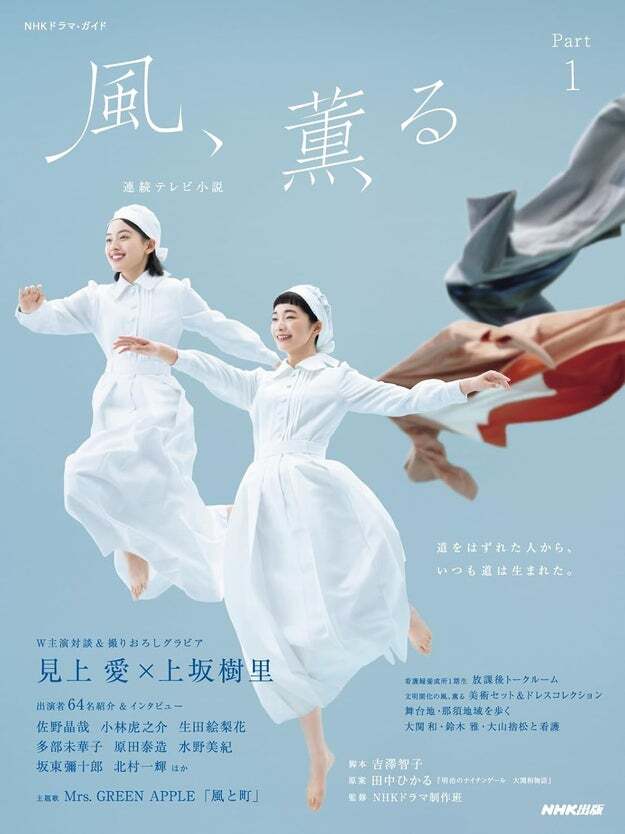
NHK連続テレビ小説『風、薫る』の公式アカウントが4月8日にInstagramを更新。俳優・三浦貴大さんが栃木ことばの指導を受けるメイキングを公開しました。
本作は、それぞれに生きづらさを抱えた二人の女性・一ノ瀬りん(見上愛さん)と大家直美(上坂樹里さん)が、明治時代を舞台に当時まだ知られていなかった看護の世界に飛び込み、傷ついた人々を守るために奔走し、時に強き者と戦う、ちょっと型破りなナースの冒険物語です。 公式アカウントは「風薫るメイキング」とハッシュタグを添え、りんの夫で一代で財を成した運送業者・奥田亀吉役を演じる三浦さんへの栃木ことば指導の様子を公開しました。 ※以下、ネタバレが含まれます。
動画には、着物を着た三浦さんが控え室で方言の指導を受けている様子が写っています。 7日放送の第7回では、我が子を出産したりんに「はぁ……女け」「(名前は)おめえの好きにすればいいべ」と冷ややかな言葉を投げかけていた亀吉。続く第8話では、「『環』、書きづれぇ名前だな」と名前に難癖をつける姿も見せていました。 三浦さんは、指導者からセリフのニュアンスを伝えられると「環、かーきづれぇ名前だなぁ。たまき、たまき……」と一つ一つの言葉を何度も繰り返しています。指導者に問いかけられ、方言を交えて「だいじ(大丈夫)です」と頷くのでした。 終盤には、「このぐらい真面目にやってます」とカメラに向かってにっこりと笑う三浦さんの様子も。「完璧です」と伝えられ、頷く姿が収められていました。 公式アカウントはこの投稿に「『勢いよく話すシーンは難しいんですよ』と話す亀吉役 三浦貴大さん。先生との指導中をキャッチ」と三浦さんのコメントを交えて添えています。 第8話ではその後、酒癖が悪い亀吉とりんが口論となり、亀吉が怒りに任せてりんと環に物を投げつける姿、それをきっかけにあんどんから火が回り、火事になるシーンが描かれます。炎を前に、亀吉はりんと環を置き去りにし、自身の母・奥田貞(根岸季衣さん)にすがるように「おっかあ! おっかあ!」と叫びながら二人で逃げてしまうのでした。
この投稿には 「三浦貴大さん、すっごく真面目に方言習得してるのにすっごく嫌な旦那さんの役」 「憎まれ役を見事に演じていて素晴らしいと思います」 「がんばれ! と言いたいけどひどい旦那笑 そう見える三浦さんすごい!」 「亀吉憎んで、貴大さん憎まず…」 などの反響が寄せられています。一方、練習していた栃木ことばにも注目が集まりました。 「初登場から栃木なまり完璧! 違和感なしです」 「栃木弁は聞き慣れていますが、三浦さんがすごくナチュラルで驚いてた」
本作は、それぞれに生きづらさを抱えた二人の女性・一ノ瀬りん(見上愛さん)と大家直美(上坂樹里さん)が、明治時代を舞台に当時まだ知られていなかった看護の世界に飛び込み、傷ついた人々を守るために奔走し、時に強き者と戦う、ちょっと型破りなナースの冒険物語です。 公式アカウントは「風薫るメイキング」とハッシュタグを添え、りんの夫で一代で財を成した運送業者・奥田亀吉役を演じる三浦さんへの栃木ことば指導の様子を公開しました。 ※以下、ネタバレが含まれます。
動画には、着物を着た三浦さんが控え室で方言の指導を受けている様子が写っています。 7日放送の第7回では、我が子を出産したりんに「はぁ……女け」「(名前は)おめえの好きにすればいいべ」と冷ややかな言葉を投げかけていた亀吉。続く第8話では、「『環』、書きづれぇ名前だな」と名前に難癖をつける姿も見せていました。 三浦さんは、指導者からセリフのニュアンスを伝えられると「環、かーきづれぇ名前だなぁ。たまき、たまき……」と一つ一つの言葉を何度も繰り返しています。指導者に問いかけられ、方言を交えて「だいじ(大丈夫)です」と頷くのでした。 終盤には、「このぐらい真面目にやってます」とカメラに向かってにっこりと笑う三浦さんの様子も。「完璧です」と伝えられ、頷く姿が収められていました。 公式アカウントはこの投稿に「『勢いよく話すシーンは難しいんですよ』と話す亀吉役 三浦貴大さん。先生との指導中をキャッチ」と三浦さんのコメントを交えて添えています。 第8話ではその後、酒癖が悪い亀吉とりんが口論となり、亀吉が怒りに任せてりんと環に物を投げつける姿、それをきっかけにあんどんから火が回り、火事になるシーンが描かれます。炎を前に、亀吉はりんと環を置き去りにし、自身の母・奥田貞(根岸季衣さん)にすがるように「おっかあ! おっかあ!」と叫びながら二人で逃げてしまうのでした。
この投稿には 「三浦貴大さん、すっごく真面目に方言習得してるのにすっごく嫌な旦那さんの役」 「憎まれ役を見事に演じていて素晴らしいと思います」 「がんばれ! と言いたいけどひどい旦那笑 そう見える三浦さんすごい!」 「亀吉憎んで、貴大さん憎まず…」 などの反響が寄せられています。一方、練習していた栃木ことばにも注目が集まりました。 「初登場から栃木なまり完璧! 違和感なしです」 「栃木弁は聞き慣れていますが、三浦さんがすごくナチュラルで驚いてた」
Vocabulary
General
Proper noun
JLPT N2
JLPT N1
| # | 言葉 | 意味 |
|---|---|---|
| 7 | 亀吉 | かめきち (亀吉) : Kamekichi (given) |
| 7 | 三浦 | みうら (三浦) : Miura (place; surname) |
| 4 | 栃木 | とちぎ (栃木) : Tochigi (city, prefecture) |
| 4 | 指導 | しどう (指導) : 1. guidance; leadership; instruction; direction; coaching 2. shido (disciplinary action for a minor infringement of the rules of judo) |
| 4 | りん | りん (厘) : 1. one-hundredth; 0.3 mm (one-hundredth of a sun); 0.1 percent (one-hundredth of a wari); 0.0375 grams (one-hundredth of a monme) 2. rin (monetary unit; 0.001 yen) |
| 4 | 役 | えき (役) : 1. war; campaign; battle 2. unpaid work (ritsuryo system); forced labor |
| 4 | 環 | わ (輪) : 1. ring; circle; loop 2. hoop |
| 3 | 三浦貴 | みうらたか (三浦貴) : Miura Taka (1978.5-) (person) |
| 3 | 様子 | ようす (様子) : 1. state; state of affairs; situation; circumstances 2. appearance; look; aspect |
| 3 | 方言 | ほうげん (方言) : dialect; provincialism |
| 3 | 第 | だい (第) : prefix for forming ordinal numbers |
| 3 | 姿 | すがた (姿) : 1. figure; form; shape 2. appearance; dress; guise |
| 3 | 憎む | にくむ (憎む) : to hate; to detest |
| 2 | 薫る | かおる (香る) : to smell sweet; to be fragrant |
| 2 | 公開 | こうかい (公開) : opening to the public; making available to the public; putting on display; exhibiting; showing (play, movie, etc.); holding (interview, etc.); open; public |
| 2 | 添える | そえる (添える) : 1. to garnish; to accompany (as a card does a gift) 2. to add to as support; to prop up |
| 2 | 奥田 | おくた (奥田) : Okuta (surname) |
| 2 | 指導者 | しどうしゃ (指導者) : leader; guide; mentor; coach |
| 2 | 伝える | つたえる (伝える) : to convey; to report; to transmit; to communicate; to tell; to impart; to propagate; to teach; to bequeath |
| 2 | たまき | たまき (手纏) : 1. bracelet (made of stringed jewels or bells and worn at the elbow) 2. bracer (for the elbow of an archer) |
| 2 | 交える | まじえる (交える) : 1. to mix; to combine; to include 2. to exchange (words, fire, etc.) |
| 2 | 頷く | うなずく (頷く) : to nod; to bow one's head in assent; to agree |
| 2 | 真面目 | しんめんもく (真面目) : 1. one's true character; one's true self; one's true worth 2. serious; earnest |
| 2 | 完璧 | かんぺき (完璧) : perfect; complete; flawless |
| 2 | 投稿 | とうこう (投稿) : contribution (to a newspaper, magazine, etc.); submission; post (on a blog, social media, etc.) |
| 2 | りんと | りんと (倫士) : Rinto (given) |
| 2 | すっごく | すっごく : awfully; very; immensely |
| 2 | 旦那 | だんな (旦那) : 1. master (of a house, shop, etc.) 2. husband |
| 1 | NHK | エヌエイチケー (NHK) : NHK; Japan Broadcasting Corporation |
| 1 | 連続 | れんぞく (連続) : continuation; succession; series |
| 1 | 更新 | こうしん (更新) : renewal; update; innovation; improvement |
| 1 | 俳優 | はいゆう (俳優) : actor; actress; player; performer |
| 1 | 本作 | ほんさく (本作) : this piece; this work |
| 1 | 生きる | いきる (生きる) : 1. to live; to exist 2. to make a living; to subsist |
| 1 | づら | づら : wig; hairpiece |
| 1 | 抱える | かかえる (抱える) : 1. to hold or carry under or in the arms 2. to have (esp. problems, debts, etc.) |
| 1 | 一ノ瀬 | いちのせ (一ノ瀬) : Ichinose (surname) |
| 1 | 見上 | けんじょう (見上) : Kenjou (surname) |
| 1 | 大家 | おおや (大家) : landlord; landlady |
| 1 | 直美 | すぐみ (直美) : Sugumi (unclass) |
| 1 | 上坂 | うえさか (上坂) : Uesaka (surname) |
| 1 | 樹里 | いつき (樹里) : Itsuki (fem) |
| 1 | 明治時代 | めいじじだい (明治時代) : Meiji period (1868-1912) |
| 1 | 舞台 | ぶたい (舞台) : 1. stage (theatre, theater) 2. scene or setting (e.g. of novel, play, etc.) |
| 1 | 当時 | とうじ (当時) : at that time; in those days |
| 1 | 知る | しる (知る) : 1. to be aware of; to know; to be conscious of; to cognize; to cognise 2. to notice; to feel |
| 1 | 看護 | かんご (看護) : nursing; (army) nurse |
| 1 | 飛び込む | とびこむ (飛び込む) : 1. to jump in; to leap in; to plunge into; to dive 2. to burst in; to barge in |
| 1 | 傷つく | きずつく (傷つく) : 1. to be wounded; to get injured 2. to get hurt feelings |
| 1 | 人々 | ひとびと (人々) : 1. people; men and women 2. each person; everybody |
| 1 | 守る | まもる (守る) : 1. to protect; to guard; to defend 2. to keep (i.e. a promise); to abide (by the rules); to observe; to obey; to follow |
| 1 | 奔走 | ほんそう (奔走) : running about; making every effort; being busily engaged (in something); good offices |
| 1 | 戦う | たたかう (戦う) : 1. to make war (on); to wage war (against); to go to war (with); to fight (with); to do battle (against) 2. to compete (against) |
| 1 | 型破り | かたやぶり (型破り) : unusual; unconventional; mold-breaking; outside the box |
| 1 | 冒険 | ぼうけん (冒険) : 1. adventure; venture 2. venture which is unlikely to succeed; risky attempt; danger; hazard; risk |
| 1 | 物語 | ものがたり (物語) : tale; story; legend |
| 1 | 財 | ざい (財) : 1. fortune; riches 2. goods |
| 1 | 成す | なす (為す) : 1. to build up; to establish 2. to form; to become (a state) |
| 1 | 運送業者 | うんそうぎょうしゃ (運送業者) : forwarding agent; carrier |
| 1 | 演じる | えんじる (演じる) : to perform (a play); to play (a part); to act (a part); to commit (a blunder) |
| 1 | 含む | ふくむ (含む) : 1. to contain; to comprise; to have; to hold; to include; to embrace 2. to hold in the mouth |
| 1 | 動画 | どうが (動画) : 1. video; movie; moving picture 2. animation; animated cartoon |
| 1 | 控え室 | ひかえしつ (控え室) : waiting room; anteroom; antechamber; green room |
| 1 | 写る | うつる (写る) : to be photographed; to be projected |
| 1 | 我が | わが (我が) : my; our; one's own |
| 1 | 出産 | しゅっさん (出産) : 1. childbirth; (giving) birth; delivery; parturition; confinement 2. production (of goods) |
| 1 | はぁ | はあ : 1. yes; indeed; well 2. ha! |
| 1 | け | け (仮) : lacking substance and existing in name only; something without substance |
| 1 | おめえ | おめー : you |
| 1 | べ | べ : 1. word used at sentence-end (like a particle) to indicate speculation, volition or invitation 2. familiar suffix used after a personal name |
| 1 | 冷ややか | ひややか (冷ややか) : 1. cold; chilly; cool 2. cold (attitude, stare, etc.); frigid; indifferent; distant; surly; curt |
| 1 | 投げかける | なげかける (投げかける) : to throw at; to turn; to raise |
| 1 | 書く | かく (書く) : 1. to write; to compose; to pen 2. to draw; to paint |
| 1 | づれ | づれ (連れ) : 1. in the company of; accompanied by ...; as a group comprising ... 2. likes of ... |
| 1 | 難癖 | なんくせ (難癖) : fault |
| 1 | きづ | きづ (岐津) : Kizu (surname) |
| 1 | なぁ | なあ : hey; say; look |
| 1 | 何度 | なんど (何度) : 1. how many times 2. how many degrees (temperature, angle, etc.) |
| 1 | 繰り返す | くりかえす (繰り返す) : to repeat; to do something over again |
| 1 | 問いかける | といかける (問いかける) : 1. to ask a question 2. to begin to ask a question |
| 1 | 終盤 | しゅうばん (終盤) : endgame; final stage |
| 1 | 向かう | むかう (向かう) : 1. to face 2. to go towards; to head towards |
| 1 | にっこり | にっこり : sweetly (smiling); broadly (grinning) |
| 1 | 収める | おさめる (収める) : 1. to dedicate; to make an offering; to pay (fees) 2. to supply |
| 1 | 勢い | いきおい (勢い) : 1. force; vigor; vigour; energy; spirit; life 2. influence; authority; power; might |
| 1 | 酒癖 | さけぐせ (酒癖) : drinking habits; drunken behavior; drunken behaviour |
| 1 | 口論 | こうろん (口論) : quarrel; argument; row; (verbal) dispute |
| 1 | 怒り | いかり (怒り) : anger; rage; fury; wrath; indignation |
| 1 | 任せる | まかせる (任せる) : 1. to entrust (e.g. a task) to another; to leave to 2. to passively leave to someone else's facilities |
| 1 | 投げつける | なげつける (投げつける) : to throw at; to throw something at a person; to throw a person down |
| 1 | きっかけ | きっかけ (切っ掛け) : chance; start; cue; excuse; motive; impetus; occasion |
| 1 | あんどん | あんどん (行灯) : fixed paper-enclosed lantern; paper-covered wooden stand housing an (oil) lamp |
| 1 | 描く | えがく (描く) : 1. to draw; to paint; to sketch 2. to depict; to describe |
| 1 | 炎 | ほのお (炎) : 1. flame; blaze 2. flames (of intense emotion, e.g. love, jealousy, anger); passion |
| 1 | 置き去り | おきざり (置き去り) : leaving behind; desertion; abandonment |
| 1 | 自身 | じしん (自身) : (one's) self; oneself |
| 1 | 根岸季衣 | ねぎしとしえ (根岸季衣) : Negishi Toshie (1954.2-) (person) |
| 1 | すがる | すがる (縋る) : 1. to cling to; to hang onto 2. to rely on; to depend on |
| 1 | 叫ぶ | さけぶ (叫ぶ) : 1. to shout; to cry; to scream; to shriek; to yell; to exclaim 2. to clamor (for or against); to clamour (for or against) |
| 1 | 逃げる | にげる (逃げる) : to escape; to run away |
| 1 | 習得 | しゅうとく (習得) : learning; acquisition (of a skill, knowledge, etc.) |
| 1 | さん | さん : 1. Mr.; Mrs.; Miss; Ms.; -san 2. politeness marker |
| 1 | 見事 | みごと (見事) : 1. splendid; magnificent; excellent; fine; superb; beautiful; admirable 2. utter (esp. defeat); total; complete |
| 1 | 演ずる | えんずる (演ずる) : to perform; to play |
| 1 | 素晴らしい | すばらしい (素晴らしい) : wonderful; splendid; magnificent |
| 1 | がんばる | がんばる (頑張る) : 1. to persevere; to persist; to keep at it; to hang on; to hold out; to do one's best 2. to insist that; to stick to (one's opinion) |
| 1 | 笑 | わらい (笑い) : 1. laugh; laughter 2. smile |
| 1 | 貴大 | たかひろ (貴大) : Takahiro (masc) |
| 1 | 反響 | はんきょう (反響) : 1. echo; reverberation 2. response; reaction; repercussions; sensation; influence |
| 1 | 寄せる | よせる (寄せる) : 1. to come near; to let someone approach 2. to bring near; to bring together; to collect; to gather |
| 1 | 注目 | ちゅうもく (注目) : notice; attention; observation |
| 1 | 集まる | あつまる (集まる) : to gather; to collect; to assemble |
| 1 | 初登場 | はつとうじょう (初登場) : debut; first appearance |
| 1 | なまり | なまり (鉛) : lead (Pb) |
| 1 | 違和感 | いわかん (違和感) : 1. uncomfortable feeling; feeling out of place; sense of discomfort 2. malaise; physical unease |
| 1 | なし | なし (無し) : 1. without 2. unacceptable; not alright; unsatisfactory |
| 1 | す | そろ (候) : 1. to be 2. to do |
| 1 | 聞く | きく (聞く) : 1. to hear 2. to listen (e.g. to music) |
| 1 | すごく | すごく (凄く) : awfully; very; immensely |
| 1 | 驚く | おどろく (驚く) : to be surprised; to be astonished |