9世紀には畿内の氏は3分の1が渡来系に…飛鳥時代の日本が中国由来の「仏教・儒教・道教」にすっかり染め上げられるまで
予習
この記事のキーワード — タップで意味×14
仏教
ぶっきょう
Buddhism
×7
儒教
じゅきょう
Confucianism
×6
臣
おみ
1. retainer; attendant 2. Omi (hereditary title; orig. one of the two highest such titles, later demoted to sixth highest of eight)
N2×7
渡来
とらい
1. visit (from abroad) 2. introduction (from abroad); importation
×6
朝廷
ちょうてい
Imperial Court
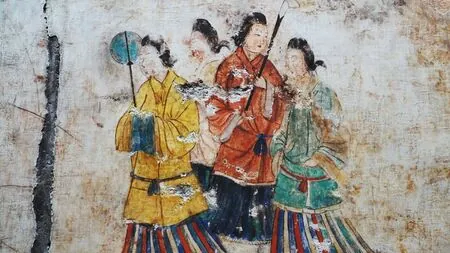
京都や奈良での観光で必ず目にする仏像はもちろんのこと、経営者が大好きな「論語」や、アニメや映画でもお馴染みの「陰陽師」など、私たちの暮らしの中には、中国から伝わった仏教・儒教・道教の影響が数多く残っていますが、駒澤大学名誉教授の瀧音能之氏によれば、こうした影響ははるか飛鳥時代に端を発したものだといいます。
本稿では、5世紀末以降、続々と海を渡ってやってきた渡来人が持っていたさまざまな技術と、飛鳥時代の日本に与えた大きな影響について、瀧音氏の監修書『カラーMAP付き 世界遺産「飛鳥・藤原の宮都」を歩く』から一部を抜粋・編集する形で紹介します。
■養蚕から機織り、酒造…飛鳥文化の根底を築いた渡来人 5世紀末頃、朝鮮半島での戦乱を逃れ、百済や新羅から多くの渡来人が日本に渡った。 国づくりや文化の向上を急務としていたヤマト政権にとって、渡来人を配下に置くことは願ってもないことだった。以来、ヤマト政権は渡来人の技術と知識によって支配体制を整え、国としての土台を築くこととなる。 渡来人のなかでもよく知られるのが秦氏、西文氏(かわちのふみうじ)、東漢氏(やまとのあやうじ)の三氏だ。
秦氏は新羅からの移住氏族といわれ、京都市右京区太秦辺りを拠点に養蚕や機織り、酒造、金工の技術を発揮。 西文氏は、5世紀前後、応神天皇に百済から招かれた王仁(わに)を祖とする一族で、大阪の南東部にあたる河内に定着する。日本に文字をもたらし、『論語』『千字文』を伝えた。文筆能力に優れたことから朝廷の文書事務に携わり、外交でも活躍したという。 そして、大和国高市郡檜隈村(現在の明日香村檜前・ひのくま)、つまり飛鳥を拠点に先進技術や知識をもって朝廷に仕えたのが東漢氏だ。彼らは錦織(にしごり)、鞍作(くらつくり)、金作(かなつくり)の技術者をまとめ、製鉄、武器生産に取り組んだ。その氏祖となった人物が阿知使主(あちのおみ)だ。
応神天皇の頃に、子の都加使主(つかのおみ)とともに大勢の人夫を率いて、加耶から渡来したと考えられている。阿知使主を中心に、東漢氏という大きな渡来系集団へと発展していった。 ■蘇我氏から重用され、坂上田村麻呂も輩出した東漢氏一族 阿知使主のなごりが今も飛鳥に残されている。近鉄吉野線の飛鳥駅から南に10分ほどの場所にたたずむ於美阿志(おみあし)神社だ。この神社で祀られているのが阿知使主なのだ。境内には7世紀後半に建立された東漢氏の氏寺、檜隈寺の遺構も残されている。
その後も奈良時代の末まで東漢氏一族は飛鳥の地で結束力を維持していたようだ。その証しとして檜隈寺跡には平安時代頃につくられた石塔が残っている。 東漢氏の拠点となった飛鳥は蘇我氏の基盤でもあり、両者の関わりはしだいに深くなる。蘇我氏は東漢氏の技術を独占することで政治的に圧倒的な影響力をもつことができたのだ。 また、『元興寺縁起』の「塔露盤銘」には、飛鳥寺創建の際に東漢氏が建設を担ったことが記録されている。百済から造営の指導のためのスペシャリストが派遣され、飛鳥寺の伽藍は6世紀末に大方が完成した。このときに実際に造営に従事したのは、東漢氏が統轄した造寺集団だった。
さらに7世紀の初頭には飛鳥寺の本尊であり、飛鳥大仏と呼ばれる釈迦如来坐像を仏師の鞍作止利(くらつくりのとり)が完成させた。鞍作氏も東漢氏系の渡来氏族だ。 鞍作氏は馬具職人の集団である鞍作部として東漢氏の配下に置かれていたが、しだいに金属加工技術を生かし、仏師として頭角を現す。中国の北魏様式の流れをくみながら、洗練された鞍作止利による作風は止利様式と呼ばれ、今も高い評価を得ている。法隆寺金堂の本尊、金銅造釈迦三尊像も、彼の手によるものだ。
また、崇峻天皇5年(592)、崇峻天皇を暗殺した首謀者は蘇我馬子だが、直接手を下したわけではない。自身の側近でもあった、東漢駒(やまとのあやのこま)を刺客として差し向けている。 大化元年(645)の乙巳(いっし)の変によって蘇我氏が滅亡すると、東漢氏は中大兄皇子が主導する改新政府に仕え、壬申の乱では大海人皇子側に身を置く。 また、恵美押勝(えみのおしかつ)の乱で活躍した坂上刈田麻呂(かりたまろ)や、平安時代に征夷大将軍に任じられた坂上田村麻呂も、東漢氏の支族の1つである坂上氏の出身だ。
飛鳥の渡来人とその末裔は日本の歴史に大きな影響力を与えていった。続々と朝鮮半島から渡ってきた渡来人だが、その数は不明。弘仁5年(814)に編纂された『新撰姓氏録』には畿内に居住する1182の氏のうち、324氏が渡来系であると記録されている。9世紀の畿内の氏は3分の1が渡来系だったことになる。 ■崇仏に傾倒する豪族と土着の精霊を崇拝する庶民 古代の日本は自然や祖先の魂が信仰の対象だった。人々は山や谷、川や海などの神秘的な場所に精霊を感じ、各地で土着の神として祀った。大和周辺の豪族たちが大王(おおきみ)のもとで朝廷をつくり、国内の統一が進むと、五穀豊穣のための祈祷や、天災・飢饉から身を守るために神祭りをつかさどる大王が信仰の中心を担うようになっていく。
そんななか伝わった仏教が、人々に与えた影響は、仏像の崇拝や読経などといった表面的なものにとどまらなかった。 造寺・造仏などを通して建築技術や仏教美術が伝わり、仏教学や医学などといった、それまでなかった学問も伝わった。また、大陸の奏楽なども取り入れられた。いわば仏教文化体系自体が日本に浸透していったのだ。 こういった渡来人の技術力や知識を背景に実権を握ったのが蘇我氏だ。蘇我氏は仏教啓蒙を加速させ、信仰と力のシンボルとして、推古天皇4年(596)に飛鳥寺を建立する。百済の技術と援助によって建てられたこの寺院は、釈迦如来像の圧倒的な存在感とあいまって、当時の日本人をおおいに驚かせた。
仏教への信仰の厚かった推古天皇や聖徳太子は仏教を国づくりの土台として積極的に取り入れることになる。こうして仏教は、まず朝廷や豪族に受け入れられた。ただし、民衆には依然、土着の精霊を崇拝する者も多かったようだ。 また、儒教も日本の儀礼整備に大きな影響を与えている。推古朝は仏教に加え、儒教にもとづく新しい政治秩序を目指し、小墾田宮(おはりだのみや)に儀礼空間をつくった。また、推古天皇11年(603)、冠位十二階を制定、大徳・小徳といった階位を示す言葉には、儒教的な考えが表されている。
聖徳太子が定めた憲法十七条も基本は儒教の思想をベースにしたもの。儒教的価値観が重んじるのは君、臣、民の秩序であり、豪族たちに正しい政治を行うように定め、豪族たちのパラダイムシフトを促した。 ■孝徳天皇が難波宮で思想改革を推し進める 大化元年(645)の乙巳の変により、蘇我本宗家は滅亡したが孝徳天皇はこれからは天皇が仏教を興隆すると宣言。仏教の啓蒙に励んだ。白雉3年(652)、難波宮に移った際も、宮で仏教儀礼を行い、遷宮仏事には2100人もの僧や尼を呼び集めている。難波宮は国家法会(ほうえ)を行う仏教普及の拠点としても機能していたのだ。
孝徳天皇は、儒教的な要素も大胆に取り入れている。新年ごとに君臣関係を確認する朝賀(ちょうが)という儀礼を定例化しており、難波宮はこうした国家的な儀礼を盛大に執り行うための空間としてつくられたのだ。 さらに、孝徳天皇は「難波朝廷の立札」を定め、推古天皇の朝礼を改めさせ、より中国的な傾向の強い内容の礼法を取り入れている。さらに十三階官位制、十九階官位制など儒教・礼制に関わる制度も施行した。 また、大化元年に制定された鐘匱(かねひつ)の制という制度は、朝廷の処置が不当である場合は鐘をつかせるという訴訟制度で、国王はつねに民の声を聞いて政治に反映させよ、という儒教的政治思想にもとづいている。
■仏教・儒教以外に道教の影響も見逃せない さらに、葬礼の面でもそうした傾向は進み、大化2年(646)に制定された薄葬令は、葬礼についての墳墓の規制を加えた。 身分に応じてつくってよい陵墓を制限し、人馬の殉死や殉葬を禁止、造築日数に制限をもうけるなど、民衆の犠牲軽減を図った。 また、仏教・儒教以外に道教の影響も見逃せない。 ことに斉明天皇は、不老長寿を目指す神仙思想とも結び付く道教思想に深く傾倒していたといわれる。
多武峰天宮(とうのみねのあまつみや)は、斉明天皇によって、仙人が住む宮殿を模してつくられたという。 さらに飛鳥各地には道教の影響と考えられる遺跡や石造物などが多数見られ、仙人思想を思わせる考え方がさまざまな場所から読み取れる。 このように、日本という国は古墳時代の後、飛鳥時代を通して中国の思想を混合させながら独自の思想を組み立ててきたのだ。
この記事の単語 (431)
×16
飛鳥
ひちょう
flying bird
×14
仏教
ぶっきょう
Buddhism
×10
東漢
とうかん
Eastern Han dynasty (China, 25-220 CE); Later Han dynasty
×8
影響
えいきょう
1. influence; effect 2. to influence; to affect; to have an influence on; to impact; to have an effect on
×8
蘇我
そが
Soga (place; surname)
×7
儒教
じゅきょう
Confucianism
×7
渡来
とらい
1. visit (from abroad) 2. introduction (from abroad); importation
×7
思想
しそう
thought; idea; ideology
×6
朝廷
ちょうてい
Imperial Court
×6
鞍作
くらさく
Kurasaku (surname)
×6
臣
おみ
1. retainer; attendant 2. Omi (hereditary title; orig. one of the two highest such titles, later demoted to sixth highest of eight)
×5
道教
どうきょう
Taoism; Daoism
×5
東漢氏
やまとのあやうじ
Yamato no Aya clan
×5
豪族
ごうぞく
powerful family; powerful clan
×5
儀礼
ぎれい
etiquette; courtesy
×5
難波
なにわ
Naniwa (former name for Osaka region)
×4
中国
ちゅうごく
1. China 2. Chūgoku region of western Honshu (incl. Okayama, Hiroshima, Shimane, Tottori and Yamaguchi prefectures)
×4
伝わる
つたわる
to be handed down; to be introduced; to be transmitted; to be circulated; to go along; to walk along
×4
渡来人
とらいじん
people from overseas, especially from China and Korea, who settled in early Japan and introduced Continental culture to the Japanese
×4
与える
あたえる
1. to give (esp. to someone of lower status); to bestow; to grant; to confer; to present; to award 2. to provide; to afford; to offer; to supply
×4
百済
くだら
Baekje; Paekche; ancient Korean kingdom (18 BCE-660 CE)
×4
拠点
きょてん
position; location; base; point; site
×4
世紀
せいき
1. century 2. era
×4
阿知
あち
Achi (place; surname)
×4
坂上
さかうえ
Sakaue (place; surname)
×4
大化
たいか
Taika era (645.6.19-650.2.15)
×4
信仰
しんこう
(religious) faith; belief; creed
×4
取り入れる
とりいれる
1. to harvest; to reap 2. to take in; to gather in
×4
推古天皇
すいこてんのう
Empress Suiko; Suiko Tenno (554-628 CE, reigning: 592-628 CE) (person)
×4
儒教的
じゅきょうてき
Confucian
×4
孝徳天皇
こうとくてんのう
Emperor Koutoku; Koutoku Tenno (597-654 CE, reigning 645-654 CE) (person)
×3
世紀末
せいきまつ
end of a century (esp. 19th); fin-de-siècle
×3
頃
ころ
1. (approximate) time; around; about; toward 2. suitable time (or condition)
×3
知識
ちしき
knowledge; information
×3
一族
いちぞく
1. family; relatives; dependents 2. household
×3
つくり
1. making; producing; manufacturing; building; construction; make; structure 2. appearance (attire, make-up, etc.)
×3
氏
し
1. Mr; Mrs; Ms; Miss 2. clan
×3
集団
しゅうだん
group; mass
×3
止利
とり
Tori (given)
×3
元年
がんねん
1. first year (of an imperial era) 2. year something (important) first happened or began
×3
土着
どちゃく
1. indigenousness; being native (to a region); settling (of people) 2. native; indigenous; aboriginal
×3
精霊
せいれい
spirit; soul; ghost
×3
崇拝
すうはい
worship; adoration; admiration; cult
×3
制定
せいてい
enactment; establishment; creation
×3
定める
さだめる
1. to decide; to determine 2. to establish; to lay down; to prescribe; to provide; to stipulate
×3
天皇
てんのう
Emperor of Japan
×3
制度
せいど
system; institution; organization; organisation
×2
仏像
ぶつぞう
statue of Buddha; image of Buddha; Buddhist statue; Buddhist image
×2
論語
ろんご
the Analects of Confucius (one of the Four Books)
×2
瀧音
たきおと
Takioto (surname)
×2
続々
ぞくぞく
successively; one after another
×2
養蚕
ようさん
sericulture; silkworm culture; silkworm raising
×2
機織り
はたおり
weaving; weaver
×2
酒造
しゅぞう
sake brewing
×2
築く
きずく
1. to build; to construct; to erect 2. to amass (e.g. fortune); to pile up
×2
朝鮮半島
ちょうせんはんとう
Korean peninsula
×2
新羅
しらぎ
Silla; ancient Korean kingdom (57 BCE-935 CE)
×2
国づくり
くにづくり
nation building
×2
政権
せいけん
(political) administration; political power
×2
配下
はいか
followers; subordinates; being under someone's command
×2
土台
どだい
1. foundation; base; basis 2. from the beginning; from the outset; by nature
×2
ち
1. blood 2. blood; ancestry; lineage; stock
×2
やまと
1. (ancient) Japan 2. Yamato (former province located in present-day Nara Prefecture)
×2
氏族
しぞく
clan; family
×2
応神天皇
おうじんてんのう
Emperor Oujin; Oujin Tenno (person)
×2
祖
そ
1. ancestor; forefather; progenitor 2. originator; pioneer; inventor; founder
×2
活躍
かつやく
1. activity (esp. energetic); great efforts; conspicuous service 2. to flourish; to participate actively; to play an active role
×2
大和
やまと
1. (ancient) Japan 2. Yamato (former province located in present-day Nara Prefecture)
×2
仕える
つかえる
to serve; to work for; to attend
×2
蔵
くら
warehouse; storehouse; cellar; magazine; granary; godown; depository; treasury; elevator
×2
あー
ああ
1. ah!; oh!; alas! 2. yes; indeed; that is correct
×2
み
うみ
sea; ocean; waters
×2
中心
ちゅうしん
1. center; centre; middle; heart; core; focus; pivot; emphasis; balance 2. -centered; -centred; -focused; -oriented; centered on; focused on
×2
田村麻呂
たむらまろ
Tamura Maro (person)
×2
残す
のこす
1. to leave (behind) 2. to leave (undone); to not finish
×2
祭る
まつる
1. to deify; to enshrine 2. to pray; to worship
×2
建立
こんりゅう
(act of) building (temple, monument, etc.); erection
×2
平安時代
へいあんじだい
Heian period (794-1185)
×2
次第
しだい
1. depending on 2. as soon as; immediately after; upon
×2
圧倒的
あっとうてき
overwhelming
×2
影響力
えいきょうりょく
influence; clout; leverage
×2
際
さい
on the occasion of; circumstances; juncture
×2
担う
になう
1. to carry on one's shoulder; to shoulder; to bear 2. to bear (burden, responsibility, etc.); to take upon oneself
×2
記録
きろく
1. record; minutes; document 2. record (e.g. in sports); results; score
×2
造営
ぞうえい
building (a temple, palace, etc.); construction; erection
×2
完成
かんせい
1. complete; completion 2. perfection; accomplishment
×2
本尊
ほんぞん
1. principal object of worship at a temple (usu. a buddha or bodhisattva); principal image; idol 2. the man himself; the person at the heart of the matter
×2
釈迦如来
しゃかにょらい
Gautama Buddha; Shakyamuni; the historical Buddha (5th c. BCE?)
×2
仏師
ぶっし
Buddhist image maker
×2
様式
ようしき
style; form; pattern
×2
崇峻天皇
すしゅんてんのう
Emperor Sushun; Sushun Tenno (?-592 CE, reigning: 587-592 CE) (person)
×2
乙巳
きのとみ
Wood Snake (42nd year of the sexagenary cycle, e.g. 1905, 1965, 2025)
×2
滅亡
めつぼう
downfall; ruin; collapse; destruction
×2
皇子
おうじ
imperial prince
×2
身
み
1. body 2. oneself
×2
麻呂
まろ
1. I; me 2. (person having) thin or shaved eyebrows
×2
畿内
きない
territories in the vicinity of the capital and under direct imperial rule; (in Japanese history) the five kuni in the immediate vicinity of Kyoto
×2
傾倒
けいとう
1. devoting oneself to; concentrating on; being an ardent admirer of; having great esteem for 2. tipping over and collapsing
×2
人々
ひとびと
1. people; men and women 2. each person; everybody
×2
各地
かくち
every place; various places
×2
大王
だいおう
great king
×2
啓蒙
けいもう
enlightenment; instruction
×2
聖徳太子
しょうとくたいし
Shōtoku Taishi (574CE-627CE); Prince Shōtoku (person)
×2
民衆
みんしゅう
people; populace; masses
×2
基づく
もとづく
to be grounded on; to be based on; to be due to; to originate from
×2
秩序
ちつじょ
order; discipline; regularity; system; method
×2
目指す
めざす
1. to aim at (for, to do, to become); to try for; to have an eye on 2. to go toward; to head for
×2
空間
くうかん
space; room; airspace
×2
民
みん
1. citizen; resident; person 2. user (of a website, esp. as a collective, e.g. Twittersphere)
×2
国家
こっか
state; country; nation
×2
傾向
けいこう
tendency; trend; inclination
×2
官位
かんい
office and rank; an official rank
×2
鐘
かね
bell (often a large hanging bell); chime
×2
見逃す
みのがす
1. to miss; to overlook; to fail to notice 2. to let pass (a matter); to overlook (e.g. a wrongdoing); to turn a blind eye to
×2
葬礼
そうれい
funeral
×2
制限
せいげん
restriction; restraint; limitation; limit
×2
斉明
さいめい
Saimei (surname; given)
×2
仙人
せんにん
1. immortal mountain wizard (in Taoism); mountain man (esp. a hermit) 2. person not bound by earthly desires
×1
京都
きょうと
Kyoto (city, prefecture)
×1
奈良
なら
Nara (city, prefecture)
×1
観光
かんこう
sightseeing; tourism
×1
経営者
けいえいしゃ
manager; proprietor
×1
馴染み
なじみ
intimacy; friendship; familiarity
×1
陰陽師
おんみょうじ
diviner; sorcerer; exorcist; medium
×1
私達
わたしたち
we; us
×1
暮らし
くらし
life; living; livelihood; life circumstances
×1
数多く
かずおおく
in great numbers
×1
駒澤大学
こまざわだいがく
Komazawa University (organization)
×1
名誉教授
めいよきょうじゅ
emeritus professor
×1
能之
よしゆき
Yoshiyuki (surname; given)
×1
遥か
はるか
far; far away; distant; remote; far off
×1
端
はし
1. end (e.g. of street); tip; point; edge; margin 2. beginning; start; first
×1
発する
はっする
1. to let out; to utter; to produce; to emit; to give forth; to discharge 2. to issue; to send; to give
×1
本稿
ほんこう
this manuscript
×1
以降
いこう
on and after; as from; hereafter; thereafter; since
×1
監修
かんしゅう
1. (editorial) supervision; general editorship 2. supervising director
×1
世界遺産
せかいいさん
World Heritage (cultural, natural, etc.); World Cultural and Natural Heritage (UNESCO)
×1
藤原
えりあね
Eriane (surname)
×1
宮都
くつ
Kutsu (unclass)
×1
一部
いちぶ
1. one part; one portion; one section; some 2. one copy (e.g. of a document)
×1
抜粋
ばっすい
extract; excerpt; selection
×1
編集
へんしゅう
editing; compilation
×1
根底
こんてい
root; basis; foundation
×1
戦乱
せんらん
wars; disturbances
×1
逃れる
のがれる
to escape
×1
向上
こうじょう
elevation; rise; improvement; advancement; progress
×1
急務
きゅうむ
urgent business; pressing need; imperative
×1
以来
いらい
since; henceforth
×1
支配体制
しはいたいせい
system of government
×1
整える
ととのえる
1. to put in order; to arrange; to tidy up; to straighten; to adjust; to fix 2. to get ready; to prepare; to arrange; to supply; to assemble; to buy
×1
うじ
1. family name; lineage; birth 2. clan
×1
危うい
あやうい
1. dangerous; in danger; facing imminent danger 2. precarious (situation); perilous (state, balance, etc.); in doubt; in jeopardy; uncertain; insecure; concerning; worrying
×1
移住
いじゅう
migration; immigration
×1
京都市右京区
きょうとしうきょうく
Kyoutoshiukyouku (place)
×1
太秦
うずまき
Uzumaki (surname)
×1
辺り
あたり
1. (in the) neighbourhood; neighborhood; vicinity; nearby; surroundings 2. around; about; or thereabouts
×1
金工
きんこう
metalwork; metalsmith; goldsmith
×1
発揮
はっき
show (of power, ability, etc.); exhibition; demonstration; display; manifestation
×1
前後
ぜんご
1. front and rear; front and back; before and behind; back and forth 2. before and after
×1
招く
まねく
1. to invite; to ask 2. to beckon; to wave someone in; to gesture to
×1
仁
じん
1. benevolence (esp. as a virtue of Confucianism); consideration; compassion; humanity; charity 2. human
×1
大阪
おおさか
1. Osaka (city, prefecture) 2. large hill
×1
当たる
あたる
1. to be hit; to strike 2. to touch; to be in contact; to be affixed
×1
河内
ハノイ
Hanoi (Vietnam)
×1
定着
ていちゃく
1. sticking (in one place, position, etc.); settling; fixing; adherence 2. becoming established (of a custom, system, etc.); taking hold; taking root
×1
文字
もじ
1. letter (of alphabet); character 2. writing
×1
齎す
もたらす
to bring; to take; to bring about
×1
千字文
せんじもん
The Thousand Character Classic (work)
×1
文筆
ぶんぴつ
literary art; literary activity; writing
×1
能力
のうりょく
ability; faculty
×1
優れる
すぐれる
to surpass; to outstrip; to excel
×1
文書
ぶんしょ
1. document; writing; letter; papers; notes; records; archives 2. document addressed to someone
×1
事務
じむ
office work; clerical work; administration; business; affairs
×1
携わる
たずさわる
to engage in; to participate in; to take part in; to be involved in
×1
外交
がいこう
1. diplomacy 2. selling (e.g. door-to-door); canvassing
×1
現在
げんざい
now; current; present; present time; as of
×1
明日香村
あすかむら
Asukamura (place)
×1
檜前
ひのくま
Hinokuma (place)
×1
ひ
fire; flame; blaze
×1
くま
bear (any mammal of family Ursidae)
×1
詰まり
つまり
1. that is to say; that is; in other words; I mean; that (this, it) means 2. in short; in brief; to sum up; ultimately; in the end; in the long run; when all is said and done; what it all comes down to; when you get right down to it; basically
×1
先進
せんしん
1. advanced; developed 2. seniority; senior; superior; elder
×1
錦織
にしきおり
brocade
×1
金作
かなさく
Kanasaku (surname)
×1
仮名
かな
kana; Japanese syllabary (i.e. hiragana, katakana)
×1
技術者
ぎじゅつしゃ
engineer; technical expert; technician; craftsperson
×1
纏める
まとめる
1. to collect; to put (it all) together; to integrate; to consolidate; to unify 2. to summarize; to aggregate
×1
製鉄
せいてつ
iron manufacture
×1
武器
ぶき
1. weapon; arms; ordnance 2. weapon (something used to gain an advantage); asset
×1
取り組む
とりくむ
1. to grapple with; to wrestle with; to engage in a bout; to be matched against 2. to tackle (e.g. a problem); to come to grips with; to work hard on
×1
人物
じんぶつ
1. person; character; figure; personage; man; woman 2. one's character; one's personality
×1
加
か
1. addition; increase 2. Canada
×1
つか
1. strut; short vertical post 2. thickness (of a book minus the cover, a sheaf of paper, etc.)
×1
人夫
にんぷ
laborer (labourer); construction worker; coolie
×1
率いる
ひきいる
to lead; to spearhead (a group); to command (troops)
×1
加耶
かや
Gaya (4th-6th century confederacy of chiefdoms in the Nakdong River valley of southern Korea) (place)
×1
発展
はってん
1. development; growth; expansion; extension; flourishing 2. development (of a situation, story, etc.); advancement; progression; unfolding
×1
重用
じゅうよう
appointing to a responsible post; making much of
×1
輩出
はいしゅつ
producing (people) in great numbers; appearing one after the other
×1
名残り
なごり
1. remains; traces; vestiges; relics 2. (the sorrow of) parting
×1
近鉄
きんてつ
1. Kintetsu (surname) 2. Kintetsu (abbr. of Kinki Nippon Tetsudou) (company)
×1
吉野線
よしのせん
Yoshinosen (unclass)
×1
飛鳥駅
あすかえき
Asuka Station (station)
×1
佇む
たたずむ
to stand (still) a while; to loiter; to stop
×1
於美
おび
Obi (fem)
×1
境内
けいだい
grounds (esp. of shrines and temples); compound; churchyard; precincts
×1
後半
こうはん
second half; latter half
×1
氏寺
うじでら
shrine built to a guardian deity
×1
遺構
いこう
(archaeological) remains; remnants (of ancient structures); ancient foundation
×1
その後
そのあと
after that; afterwards; thereafter
×1
奈良時代
ならじだい
Nara period (710-794 CE)
×1
末
すえ
1. end; tip; top 2. end (of the year, month, etc.); close
×1
結束
けっそく
1. union; unity; solidarity 2. bundling; binding; tying
×1
維持
いじ
maintenance; preservation; improvement
×1
証し
あかし
1. proof; evidence; sign; testimony; vindication 2. certificate; license; membership card
×1
跡
あと
1. trace; tracks; mark; sign 2. site; remains; ruins
×1
石塔
せきとう
1. stone tower; stone pagoda 2. tombstone; gravestone
×1
基盤
きばん
1. foundation; basis; base; footing; infrastructure 2. bedrock
×1
両者
りょうしゃ
pair; the two; both persons; both things
×1
関わり
かかわり
relation; connection
×1
独占
どくせん
1. monopoly; monopolization; exclusivity 2. hogging; keeping to oneself
×1
政治的
せいじてき
political
×1
元興寺
がんこうじ
Gankouji (unclass)
×1
縁起
えんぎ
1. omen; sign of luck 2. origin; history; causation
×1
塔
とう
1. tower; steeple; spire 2. stupa; pagoda; dagoba
×1
露盤
ろばん
roban; base of a pagoda finial
×1
銘
めい
1. inscription; epitaph 2. (manufacturer's) engraved signature
×1
創建
そうけん
establishment; foundation
×1
建設
けんせつ
construction; establishment
×1
指導
しどう
1. guidance; leadership; instruction; direction; coaching 2. shido (disciplinary action for a minor infringement of the rules of judo)
×1
派遣
はけん
1. dispatch; despatch; deployment 2. temporary employee (esp. from an agency); temporary worker; agency temp
×1
伽藍
がらん
1. temple (esp. large one); monastery 2. temple building
×1
大方
おおかた
1. large part; greater part; majority 2. people in general; general public; public at large
×1
実際
じっさい
1. reality; actuality; truth; fact; actual conditions 2. practice (as opposed to theory)
×1
従事
じゅうじ
engaging in (work); pursuing (e.g. studies); following (a profession); being involved in
×1
統轄
とうかつ
1. unification; bringing together; generalization 2. control; supervision
×1
初頭
しょとう
beginning (of a century, etc.)
×1
大仏
だいぶつ
large statue of Buddha (trad. at least 4.8m high)
×1
座像
ざぞう
seated figure (e.g. of Buddha); sedentary statue; sedentary image
×1
馬具
ばぐ
horse tack; horse gear; harness
×1
職人
しょくにん
craftsman; artisan; tradesman; worker; workman
×1
金属加工
きんぞくかこう
metalworking
×1
生かす
いかす
1. to make (the best) use of; to put to good use; to leverage (skills, attributes, experience, etc.); to capitalise on (experience, etc.) 2. to let live; to keep alive
×1
頭角を現す
とうかくをあらわす
to distinguish oneself; to stand out
×1
北魏
ほくぎ
Northern Wei dynasty (China, 386-535)
×1
流れ
ながれ
1. flow (of a fluid or gas); stream; current 2. flow (of people, things); passage (of time); tide; passing; (changing) trends; tendency
×1
くむ
1. to draw (water); to ladle; to dip up; to scoop up; to pump 2. to pour (into a cup); to drink (together)
×1
洗練
せんれん
polish; refinement
×1
作風
さくふう
style (of a work, author, artist, etc.); characteristics
×1
評価
ひょうか
1. valuation; appraisal; evaluation; assessment; estimation; rating; judging 2. appreciation; recognition; acknowledgement; rating highly; praising
×1
法隆寺
ほうりゅうじ
Houryuuji (place; surname)
×1
金堂
こんどう
main temple structure (sanctuary, hall)
×1
金銅
こんどう
gilt bronze; gilt copper
×1
暗殺
あんさつ
assassination
×1
首謀
しゅぼう
1. plotting; planning (crime, intrigue) 2. ringleader; mastermind; leader (of a plot)
×1
馬子
まご
packhorse driver
×1
直接
ちょくせつ
direct; immediate; personal; firsthand
×1
下す
くだす
1. to make a decision; to draw a conclusion 2. to give a judgement; to hand down a verdict; to pass a sentence; to give an order
×1
自身
じしん
(one's) self; oneself
×1
側近
そっきん
close associate; close aide; brains-truster
×1
あや
1. figure; design 2. twill weave; pattern of diagonal stripes
×1
こま
1. piece (in shogi, chess, etc.) 2. horse; foal
×1
刺客
しかく
1. assassin 2. to assassinate
×1
差し向ける
さしむける
to send or direct a person to
×1
中大
なかだい
Nakadai (surname)
×1
主導
しゅどう
leadership; initiative; spearhead
×1
改新
かいしん
reformation
×1
政府
せいふ
government; administration
×1
壬申の乱
じんしんのらん
Jinshin revolt (671CE)
×1
大海人
おおあま
Ooama (unclass)
×1
恵美
えび
Ebi (surname)
×1
押勝
えみ
Emi (unclass)
×1
笑み
えみ
smile
×1
然り
しかり
1. yes; yea; aye; affirmative 2. to be so
×1
乱
らん
revolt; rebellion; war
×1
刈田
かりた
harvested rice field
×1
征夷
せいい
defeating barbarians (esp. the Emishi); conquering barbarians
×1
大将軍
たいしょうぐん
1. commander-in-chief 2. Taishōgun; one of the eight gods of the koyomi
×1
任じる
にんじる
1. to appoint; to nominate 2. to assume (responsibility)
×1
支族
しぞく
tribe; branch family
×1
出身
しゅっしん
person's origin (e.g. city, country, parentage, school)
×1
末裔
まつえい
descendant
×1
数
すう
1. several; a number of 2. quantity; amount
×1
不明
ふめい
1. unclear; obscure; indistinct; uncertain; ambiguous 2. unknown; unidentified
×1
弘仁
こうにん
Kōnin era (810.9.19-824.1.5)
×1
編纂
へんさん
compilation (esp. dictionary, history, law code); editing
×1
新選
しんせん
1. newly compiled; newly edited 2. newly elected; newly returned
×1
姓氏
せいし
full name; family name
×1
居住
きょじゅう
residence; abode; dwelling
×1
庶民
しょみん
common people; ordinary people; masses
×1
古代
こだい
ancient times
×1
自然
しぜん
1. nature 2. natural; spontaneous; automatic
×1
祖先
そせん
ancestor
×1
魂
たましい
soul; spirit
×1
対象
たいしょう
target; object (of worship, study, etc.); subject (of taxation, etc.)
×1
谷
たに
valley
×1
神秘的
しんぴてき
mysterious; mystical
×1
感じる
かんじる
to feel; to sense; to experience
×1
神
かみ
1. god; deity; divinity; spirit; kami 2. incredible; fantastic; amazing
×1
周辺
しゅうへん
1. circumference; outskirts; environs; around; in the area of; in the vicinity of 2. (computer) peripheral
×1
国内
こくない
internal; domestic
×1
統一
とういつ
unity; consolidation; uniformity; unification; compatible
×1
五穀
ごこく
the five grains (wheat, rice, beans, millet (awa and kibi))
×1
豊穣
ほうじょう
abundant (grain) crop; good harvest
×1
祈祷
きとう
1. prayer; grace (at meals) 2. exorcism
×1
天災
てんさい
natural calamity; disaster
×1
飢饉
ききん
1. famine; crop failure 2. chronic shortage (e.g. of water)
×1
守る
まもる
1. to protect; to guard; to defend 2. to keep (i.e. a promise); to abide (by the rules); to observe; to obey; to follow
×1
司る
つかさどる
to rule; to govern; to administer
×1
読経
どきょう
sutra chanting
×1
表面的
ひょうめんてき
superficial; apparent; seeming; surface; cosmetic
×1
留まる
とまる
1. to stop (moving); to come to a stop 2. to stop (doing, working, being supplied); to come to a halt; to cease; to be stopped; to be suspended
×1
造仏
ぞうぶつ
making Buddhist images, implements, etc.
×1
建築
けんちく
construction; architecture (of buildings)
×1
仏教美術
ぶっきょうびじゅつ
Buddhist art
×1
仏教学
ぶっきょうがく
Buddhist studies; Buddhology
×1
学問
がくもん
1. scholarship; study; learning 2. discipline; branch of learning; (a) science
×1
大陸
たいりく
1. continent 2. continental Asia (esp. mainland China)
×1
奏楽
そうがく
musical performance
×1
言わば
いわば
so to speak; so to call it; as it were
×1
体系
たいけい
system; organization; organisation; architecture
×1
自体
じたい
1. itself 2. one's own body; oneself
×1
浸透
しんとう
1. penetration (e.g. market); pervasion (e.g. thought, ideology) 2. permeation; soaking; osmosis
×1
技術力
ぎじゅつりょく
1. technical prowess; technical ability; technical finesse 2. technological prowess; technological capabilities
×1
背景
はいけい
1. background; scenery; backdrop; setting 2. background (of an incident, situation, etc.); circumstances; context
×1
実権
じっけん
real power
×1
握る
にぎる
1. to clasp; to grasp; to grip; to clutch 2. to make (nigirizushi, rice ball, etc.); to form; to press into shape; to mold; to mould
×1
加速
かそく
acceleration; speeding up
×1
援助
えんじょ
assistance; aid; support
×1
寺院
じいん
1. Buddhist temple 2. religious building; church; cathedral; mosque
×1
像
ぞう
1. image; figure; statue; picture; portrait 2. figure; form; shape; appearance
×1
存在感
そんざいかん
presence (impressive quality)
×1
相
あい
together; mutually; fellow
×1
当時
とうじ
at that time; in those days
×1
日本人
にほんじん
Japanese person; Japanese people
×1
大いに
おおいに
very; much; greatly; a lot of
×1
積極的
せっきょくてき
positive; assertive; active; proactive; aggressive
×1
受け入れる
うけいれる
to accept; to receive; to agree
×1
但し
ただし
but; however; provided that
×1
依然
いぜん
still; as yet; as it has been
×1
整備
せいび
1. maintenance; servicing 2. putting in place; establishment; development; preparation; provision; outfitting
×1
推古
すいこ
Suiko (fem; surname)
×1
墾田
こんでん
new rice field
×1
はり
1. needle; pin 2. hook
×1
のみ
only; nothing but
×1
冠位十二階
かんいじゅうにかい
first system to rank officials into 12 levels (603 CE)
×1
大徳
だいとく
1. great virtue 2. virtuous priest; priest
×1
小徳
ことく
Kotoku (surname)
×1
階位
かいい
rank; order
×1
示す
しめす
1. to (take out and) show; to demonstrate; to tell; to exemplify; to make apparent 2. to point out (finger, clock hand, needle, etc.)
×1
考え
かんがえ
1. thinking; thought; view; opinion; concept 2. idea; notion; imagination
×1
表す
あらわす
1. to represent; to signify; to stand for 2. to reveal; to show; to display
×1
憲法
けんぽう
1. constitution 2. rules; regulation
×1
十七条
じゅうしちじょう
Juushichijou (place)
×1
基本
きほん
basics; fundamentals; basis; foundation
×1
価値観
かちかん
sense of values; values; value system
×1
重んじる
おもんじる
to respect; to honor; to honour; to esteem; to prize
×1
促す
うながす
1. to urge; to encourage; to press; to prompt; to draw (attention to) 2. to stimulate (e.g. growth); to hasten (e.g. development); to quicken; to accelerate; to promote
×1
改革
かいかく
reform; reformation; reorganization
×1
推し進める
おしすすめる
to press forward; to forge ahead; to push on
×1
興隆
こうりゅう
rise; prosperity
×1
宣言
せんげん
declaration; proclamation; announcement
×1
励む
はげむ
to strive; to endeavour; to endeavor; to make an effort; to be zealous
×1
白雉
はくち
Hakuchi era (650.2.15-654.10.?)
×1
宮
みや
1. shrine 2. palace; imperial residence
×1
遷宮
せんぐう
installation of a deity in a new shrine; transfer of a shrine
×1
仏事
ぶつじ
Buddhist memorial service
×1
僧
そう
1. monk; priest 2. sangha (the Buddhist community)
×1
尼
に
1. bhikkhuni (fully ordained Buddhist nun) 2. Indonesia
×1
呼び集める
よびあつめる
to call together; to convene
×1
法会
ほうえ
Buddhist service (e.g. memorial service)
×1
普及
ふきゅう
diffusion; spread; popularization; promulgation; familiarization
×1
機能
きのう
function; facility; faculty; feature
×1
要素
ようそ
1. component; factor; item (e.g. in list) 2. element (e.g. in array); member (e.g. data structure)
×1
大胆
だいたん
bold; daring; audacious
×1
新年
しんねん
New Year
×1
君臣
くんしん
ruler and ruled; master and servant
×1
確認
かくにん
confirmation; verification; validation; review; check; affirmation; identification
×1
朝賀
ちょうが
New Year's greetings or well-wishes offered by retainers to the Emperor
×1
定例
ていれい
1. regular; ordinary (e.g. session of parliament) 2. established usage; precedent; regular practice
×1
盛大
せいだい
1. grand; magnificent; lavish; large scale; prosperous; thriving; lively 2. forceful; powerful; vigorous
×1
執り行う
とりおこなう
to hold a ceremony
×1
立札
たてふだ
bulletin board; notice board; billboard; roadside sign; sign on a post, usu. wooden, esp. containing information about a sight, warning, congratulations, etc.
×1
朝礼
ちょうれい
morning assembly (at a company, school, etc.); morning gathering
×1
改める
あらためる
1. to change; to alter; to revise; to replace 2. to reform; to correct; to mend; to improve
×1
内容
ないよう
contents; content; substance; matter; detail; import
×1
礼法
れいほう
etiquette; courtesy; manners
×1
関わる
かかわる
1. to be affected; to be influenced 2. to be concerned with; to have to do with
×1
施行
しこう
1. execution; enforcing; carrying out 2. giving alms; giving food to the poor or monks
×1
処置
しょち
1. measure; step; dealing with 2. medical treatment
×1
不当
ふとう
injustice; impropriety; unreasonableness; undeserved; unfair; invalid
×1
訴訟
そしょう
litigation; lawsuit
×1
国王
こくおう
1. king; queen; monarch; sovereign 2. the Crown (as a focus of authority in the UK, etc.); the throne
×1
常
つね
usual state of things
×1
反映
はんえい
1. reflection (light, image, situation, attitude, etc.); reflecting 2. influence; application (e.g. of an update)
×1
政治思想
せいじしそう
political thought; political philosophy; political idea; idea about politics
×1
面
めん
1. face 2. mask; face guard
×1
墳墓
ふんぼ
grave; tomb
×1
規制
きせい
regulation; (traffic) policing; control; restriction
×1
身分
みぶん
1. (social) standing; status; position; rank 2. identity; birth; origin
×1
応じる
おうじる
to respond; to satisfy; to accept; to comply with; to apply for
×1
陵墓
りょうぼ
imperial tomb; imperial mausoleum
×1
人馬
じんば
1. man and horse; rider and horse 2. centaur
×1
殉死
じゅんし
following one's master into the grave; committing suicide after one's lord has died
×1
禁止
きんし
prohibition; inhibition; ban
×1
日数
にっすう
a number of days
×1
もうける
1. to prepare; to provide 2. to set up; to establish; to organize; to lay down (rules); to make (an excuse)
×1
犠牲
ぎせい
1. sacrifice; victim; scapegoat 2. sacrifice (to the gods)
×1
軽減
けいげん
abatement; reduction
×1
図る
はかる
1. to plan; to attempt; to devise 2. to plot; to conspire; to scheme
×1
不老
ふろう
perennial youth
×1
長寿
ちょうじゅ
long life; longevity
×1
神仙
しんせん
1. immortal mountain wizard (in Taoism); Taoist immortal; supernatural being 2. (in Japan) 11th note of the ancient chromatic scale (approx. C)
×1
結び付く
むすびつく
1. to be related; to be connected; to be joined together 2. to result in; to lead to; to bring about
×1
多武峰
とうのみね
Tounomine (place)
×1
天宮
てんきゅう
1. heavenly palace 2. sky
×1
とう
ほととぎす
lesser cuckoo (Cuculus poliocephalus)
×1
峰
みね
1. peak; summit; ridge; top 2. back of a blade
×1
まー
まあ
1. just (e.g. "just wait here"); come now; now, now 2. tolerably; passably; moderately; reasonably; fairly; rather; somewhat
×1
罪
つみ
1. crime; sin; wrongdoing; indiscretion 2. penalty; sentence; punishment
×1
宮殿
きゅうでん
palace
×1
模する
もする
1. to imitate; to copy; to mock; to replace; to model after 2. to trace; to forge
×1
遺跡
いせき
historic ruins (remains, relics); archeological site
×1
石造
せきぞう
stone-built
×1
多数
たすう
1. large number (of); many 2. majority
×1
考え方
かんがえかた
way of thinking
×1
読み取る
よみとる
1. to read and understand; to take in 2. to sense from external cues; to read (someone's) mind
×1
古墳時代
こふんじだい
Kofun period (of Japanese history, 250-538 CE); Tumulus period
×1
混合
こんごう
1. mixing; mixture; meld 2. miscegenation
×1
独自
どくじ
1. original; unique; distinctive; characteristic; peculiar 2. independent; one's own; personal
×1
組み立てる
くみたてる
to assemble; to set up; to construct