「城を考える時、どうしても目の前の天守や石垣にとらわれてしまう」日本中世史の専門家が1000年の史料から読み解いた、城の成り立ちと時代の“状況”
予習
この記事のキーワード — タップで意味×50
城
しろ
castle
N2×14
城郭
じょうかく
fortress; castle; citadel; enclosure; castle walls
×8
史料
しりょう
historical materials; historical records; historical sources; archives
×8
古代
こだい
ancient times
N1×6
中世
ちゅうせい
Middle Ages (in Japan esp. the Kamakura and Muromachi periods); medieval times; mediaeval times
N2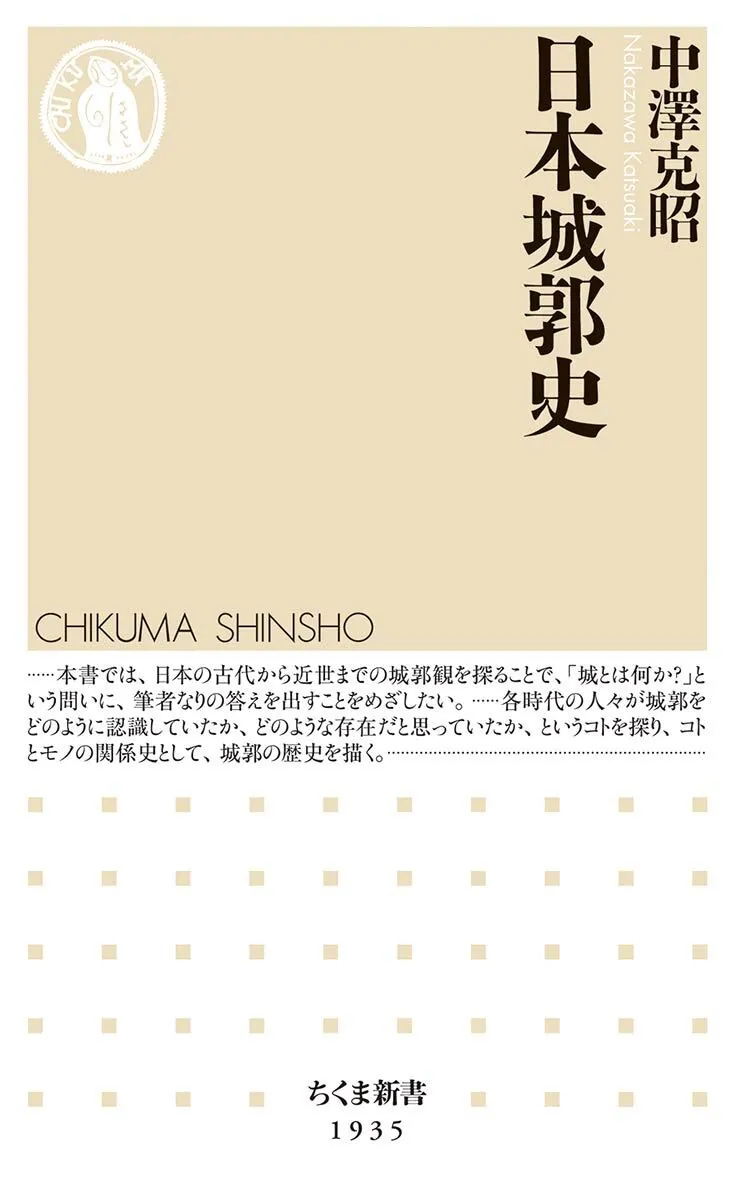
〈城とは何か〉
このシンプルで大きな問いに、上智大学文学部の中澤克昭教授は文献史料と絵画史料、そして多くの先行研究とともに向き合った。それは古代から近世まで、1000年の流れに浮かんでは消えた数多の城に想いを馳せる作業であっただろう。
「日本の城の通史は、戦前に出た『日本城郭史』と、10年前に2人の先生が共著で出された『日本城郭史』があります。どちらも研究者向けの本なので、私は城に関心を持つ一般の人や学生向けに城郭史をまとめたいと思っていました。そこに新書のお話をいただいたので、多くの方に読んでいただける新しい『日本城郭史』にしたいと思い、ズバリこの書名にしました」
城にまつわる物語や、城の機能の解説は他書に譲る。本書は、過去に生きた人々が記した「城郭」「柵」「要害」「御城」などの言葉のもつ意味や、構築された状況から城を見つめていく。
「城を考えるとき、どうしてもモノとして見てしまいますよね。目の前の天守や石垣が放つ力は強いから、その姿形にとらわれてしまう。それに比べ文献や絵画などの記録は“弱く”て、そこから考えることは後回しにされてきたと思います」
考える足場を、現代ではなく、史料が語る時代の出来事(コト)の上に構える。すると城は二類型に大別された。
(1)城とは「都市」「都市を囲む壁」である。これは古代中国からつながる考え方。
(2)防御施設、あるいは柵や堀を構えた臨戦態勢にある空間を意味する。
「古文書に記された『城』には、(1)の『都市』を指す『城』もあれば、(2)の『防御施設』を指す『城』もあり、それは何時代でも一貫しています。織豊時代以後の城下町を抱える防御施設の城と、平安京のような古代の都市とをつなげて議論されることもあるのですが、(1)と(2)は融合しません」
なぜ洛中(京市街)に城は築かれなかったのか。織田信長が足利義昭のために造営した二条御所はなぜ4年で破却されたのか。「聚楽第」は「城」ではないのか。
そこには「城」に宿る乱や穢(けがれ)への考えがあり、古代に大陸から入った思想に行きつく。この国は王の下、一つに治められているという「王土思想」だ。9世紀後半から、朝廷は五畿七道諸国の平定された国土に城は不要とした。そして静謐を希求した朝廷は、(2)の城を認めず、(1)のみが残った。
(2)の城が再び史料に現れるのは平安時代末期から。やがて登場する「悪党」や、鎌倉幕府が衰退して従来の権益が大きく揺らいだ時代に、自力救済のため、村人が「城」を構えはじめた。
「山野の土地や資源の領有権を主張し、支配することを『当知行』といいますが、その“縄張り”を占有するための実力行使が城だったのです。城は武士だけのものではなく、寺院で僧徒が対立し睨み合うなかで築かれるなど、様々な状況で生まれていきました」
全国に城跡は数万あるといわれている。その城の成り立ちを知ることは、そこに生きた人びとの精神を読み解く手がかりにもなろう。
「この本でお城のことを書ききったというつもりはありません。先行研究の中には取り上げきれなかったものもあり、誤りや見落としもあるかもしれません。歴史は常にアップデートされるべきものです。明らかになったと思われることでも固定化するのではなく、新しい視座から修正されていくのは健全だと思います。この本と別の考えがあるのは当然で、城の見方をめぐり議論になってこそ、この本を書いた意味があったと言えます」
なかざわかつあき/1966年、長野県生まれ。上智大学文学部教授。専門は日本中世史、特に城郭史や狩猟文化史。著書に『中世の武力と城郭』、『肉食の社会史』、『狩猟と権力――日本中世における野生の価値』などがある。
〈城とは何か〉 このシンプルで大きな問いに、上智大学文学部の中澤克昭教授は文献史料と絵画史料、そして多くの先行研究とともに向き合った。それは古代から近世まで、1000年の流れに浮かんでは消えた数多の城に想いを馳せる作業であっただろう。 「日本の城の通史は、戦前に出た『日本城郭史』と、10年前に2人の先生が共著で出された『日本城郭史』があります。どちらも研究者向けの本なので、私は城に関心を持つ一般の人や学生向けに城郭史をまとめたいと思っていました。そこに新書のお話をいただいたので、多くの方に読んでいただける新しい『日本城郭史』にしたいと思い、ズバリこの書名にしました」 城にまつわる物語や、城の機能の解説は他書に譲る。本書は、過去に生きた人々が記した「城郭」「柵」「要害」「御城」などの言葉のもつ意味や、構築された状況から城を見つめていく。 「城を考えるとき、どうしてもモノとして見てしまいますよね。目の前の天守や石垣が放つ力は強いから、その姿形にとらわれてしまう。それに比べ文献や絵画などの記録は“弱く”て、そこから考えることは後回しにされてきたと思います」 考える足場を、現代ではなく、史料が語る時代の出来事(コト)の上に構える。すると城は二類型に大別された。 (1)城とは「都市」「都市を囲む壁」である。これは古代中国からつながる考え方。 (2)防御施設、あるいは柵や堀を構えた臨戦態勢にある空間を意味する。 「古文書に記された『城』には、(1)の『都市』を指す『城』もあれば、(2)の『防御施設』を指す『城』もあり、それは何時代でも一貫しています。織豊時代以後の城下町を抱える防御施設の城と、平安京のような古代の都市とをつなげて議論されることもあるのですが、(1)と(2)は融合しません」 なぜ洛中(京市街)に城は築かれなかったのか。織田信長が足利義昭のために造営した二条御所はなぜ4年で破却されたのか。「聚楽第」は「城」ではないのか。 そこには「城」に宿る乱や穢(けがれ)への考えがあり、古代に大陸から入った思想に行きつく。この国は王の下、一つに治められているという「王土思想」だ。9世紀後半から、朝廷は五畿七道諸国の平定された国土に城は不要とした。そして静謐を希求した朝廷は、(2)の城を認めず、(1)のみが残った。 (2)の城が再び史料に現れるのは平安時代末期から。やがて登場する「悪党」や、鎌倉幕府が衰退して従来の権益が大きく揺らいだ時代に、自力救済のため、村人が「城」を構えはじめた。 「山野の土地や資源の領有権を主張し、支配することを『当知行』といいますが、その“縄張り”を占有するための実力行使が城だったのです。城は武士だけのものではなく、寺院で僧徒が対立し睨み合うなかで築かれるなど、様々な状況で生まれていきました」 全国に城跡は数万あるといわれている。その城の成り立ちを知ることは、そこに生きた人びとの精神を読み解く手がかりにもなろう。 「この本でお城のことを書ききったというつもりはありません。先行研究の中には取り上げきれなかったものもあり、誤りや見落としもあるかもしれません。歴史は常にアップデートされるべきものです。明らかになったと思われることでも固定化するのではなく、新しい視座から修正されていくのは健全だと思います。この本と別の考えがあるのは当然で、城の見方をめぐり議論になってこそ、この本を書いた意味があったと言えます」 なかざわかつあき/1966年、長野県生まれ。上智大学文学部教授。専門は日本中世史、特に城郭史や狩猟文化史。著書に『中世の武力と城郭』、『肉食の社会史』、『狩猟と権力――日本中世における野生の価値』などがある。
〈城とは何か〉 このシンプルで大きな問いに、上智大学文学部の中澤克昭教授は文献史料と絵画史料、そして多くの先行研究とともに向き合った。それは古代から近世まで、1000年の流れに浮かんでは消えた数多の城に想いを馳せる作業であっただろう。 「日本の城の通史は、戦前に出た『日本城郭史』と、10年前に2人の先生が共著で出された『日本城郭史』があります。どちらも研究者向けの本なので、私は城に関心を持つ一般の人や学生向けに城郭史をまとめたいと思っていました。そこに新書のお話をいただいたので、多くの方に読んでいただける新しい『日本城郭史』にしたいと思い、ズバリこの書名にしました」 城にまつわる物語や、城の機能の解説は他書に譲る。本書は、過去に生きた人々が記した「城郭」「柵」「要害」「御城」などの言葉のもつ意味や、構築された状況から城を見つめていく。 「城を考えるとき、どうしてもモノとして見てしまいますよね。目の前の天守や石垣が放つ力は強いから、その姿形にとらわれてしまう。それに比べ文献や絵画などの記録は“弱く”て、そこから考えることは後回しにされてきたと思います」 考える足場を、現代ではなく、史料が語る時代の出来事(コト)の上に構える。すると城は二類型に大別された。 (1)城とは「都市」「都市を囲む壁」である。これは古代中国からつながる考え方。 (2)防御施設、あるいは柵や堀を構えた臨戦態勢にある空間を意味する。 「古文書に記された『城』には、(1)の『都市』を指す『城』もあれば、(2)の『防御施設』を指す『城』もあり、それは何時代でも一貫しています。織豊時代以後の城下町を抱える防御施設の城と、平安京のような古代の都市とをつなげて議論されることもあるのですが、(1)と(2)は融合しません」 なぜ洛中(京市街)に城は築かれなかったのか。織田信長が足利義昭のために造営した二条御所はなぜ4年で破却されたのか。「聚楽第」は「城」ではないのか。 そこには「城」に宿る乱や穢(けがれ)への考えがあり、古代に大陸から入った思想に行きつく。この国は王の下、一つに治められているという「王土思想」だ。9世紀後半から、朝廷は五畿七道諸国の平定された国土に城は不要とした。そして静謐を希求した朝廷は、(2)の城を認めず、(1)のみが残った。 (2)の城が再び史料に現れるのは平安時代末期から。やがて登場する「悪党」や、鎌倉幕府が衰退して従来の権益が大きく揺らいだ時代に、自力救済のため、村人が「城」を構えはじめた。 「山野の土地や資源の領有権を主張し、支配することを『当知行』といいますが、その“縄張り”を占有するための実力行使が城だったのです。城は武士だけのものではなく、寺院で僧徒が対立し睨み合うなかで築かれるなど、様々な状況で生まれていきました」 全国に城跡は数万あるといわれている。その城の成り立ちを知ることは、そこに生きた人びとの精神を読み解く手がかりにもなろう。 「この本でお城のことを書ききったというつもりはありません。先行研究の中には取り上げきれなかったものもあり、誤りや見落としもあるかもしれません。歴史は常にアップデートされるべきものです。明らかになったと思われることでも固定化するのではなく、新しい視座から修正されていくのは健全だと思います。この本と別の考えがあるのは当然で、城の見方をめぐり議論になってこそ、この本を書いた意味があったと言えます」 なかざわかつあき/1966年、長野県生まれ。上智大学文学部教授。専門は日本中世史、特に城郭史や狩猟文化史。著書に『中世の武力と城郭』、『肉食の社会史』、『狩猟と権力――日本中世における野生の価値』などがある。
この記事の単語 (176)
×50
城
しろ
castle
×14
城郭
じょうかく
fortress; castle; citadel; enclosure; castle walls
×8
史料
しりょう
historical materials; historical records; historical sources; archives
×8
古代
こだい
ancient times
×8
都市
とし
town; city; municipal; urban
×6
構える
かまえる
1. to set up (a house, store, etc.); to build; to establish; to run; to maintain 2. to have at the ready (e.g. a gun); to hold in preparation (e.g. a camera); to prepare in advance (e.g. a meal)
×6
防御
ぼうぎょ
defense; defence; safeguard; protection
×6
施設
しせつ
1. institution; establishment; facility 2. home (for elderly, orphans, etc.)
×6
中世
ちゅうせい
Middle Ages (in Japan esp. the Kamakura and Muromachi periods); medieval times; mediaeval times
×4
上智大学
じょうちだいがく
Sophia University (organization)
×4
文学部
ぶんがくぶ
department (faculty) of literature
×4
教授
きょうじゅ
1. professor 2. teaching; instruction
×4
文献
ぶんけん
literature; books (reference); document
×4
絵画
かいが
painting; picture
×4
先行研究
せんこうけんきゅう
prior research; previous work
×4
人々
ひとびと
1. people; men and women 2. each person; everybody
×4
記す
しるす
1. to write down; to note; to jot down 2. to remember
×4
柵
さく
1. fence; paling; railing 2. fortress
×4
状況
じょうきょう
state of affairs (around you); situation; circumstances
×4
指す
さす
1. to point 2. to nominate; to select someone; to specify some person
×4
議論
ぎろん
argument; discussion; dispute; controversy
×4
築く
きずく
1. to build; to construct; to erect 2. to amass (e.g. fortune); to pile up
×4
考え
かんがえ
1. thinking; thought; view; opinion; concept 2. idea; notion; imagination
×4
思想
しそう
thought; idea; ideology
×4
朝廷
ちょうてい
Imperial Court
×4
狩猟
しゅりょう
hunting
×2
問い
とい
question; query
×2
中澤
なかさわ
Nakasawa (surname)
×2
克昭
かつあき
Katsuaki (given)
×2
向き合う
むきあう
1. to be opposite; to face each other 2. to confront (an issue); to face
×2
近世
きんせい
1. recent past; recent times 2. early modern period (from the Azuchi-Momoyama period to the end of the Edo period)
×2
流れ
ながれ
1. flow (of a fluid or gas); stream; current 2. flow (of people, things); passage (of time); tide; passing; (changing) trends; tendency
×2
浮かぶ
うかぶ
1. to float; to be suspended 2. to rise to the surface; to appear; to emerge; to show up; to loom (up)
×2
数多
あまた
many; a lot; much; multitude
×2
思い
おもい
1. thought 2. imagination; mind; heart
×2
馳せる
はせる
1. to run; to hurry (when going somewhere) 2. to drive (a car) quickly; to ride fast (on a horse)
×2
作業
さぎょう
work; operation; manufacturing; fatigue duty
×2
通史
つうし
overview of history
×2
戦前
せんぜん
pre-war days; before the war
×2
共著
きょうちょ
joint authorship; co-authorship; collaboration; joint work
×2
研究者
けんきゅうしゃ
researcher
×2
関心
かんしん
concern; interest
×2
一般
いっぱん
1. general; universal 2. ordinary; average; common; non-celebrity
×2
纏める
まとめる
1. to collect; to put (it all) together; to integrate; to consolidate; to unify 2. to summarize; to aggregate
×2
新書
しんしょ
1. new book 2. 17x11 cm paperback book
×2
書名
しょめい
book title
×2
纏わる
まつわる
1. to coil around; to follow about 2. to be related to; to concern; to be associated with
×2
物語
ものがたり
tale; story; legend
×2
機能
きのう
function; facility; faculty; feature
×2
解説
かいせつ
explanation; commentary; exposition; elucidation
×2
他書
たしょ
other book; another book
×2
譲る
ゆずる
1. to hand over; to transfer; to turn over; to assign; to convey; to bequeath 2. to give up (e.g. one's seat); to give way
×2
本書
ほんしょ
text; script; this book
×2
過去
かこ
1. the past; bygone days 2. one's past (that one would prefer remained secret)
×2
要害
ようがい
1. stronghold; fortress 2. strategic position; key position
×2
御城
おしろ
Oshiro (surname)
×2
構築
こうちく
construction; building; putting up; erecting; creation; formulation; architecture (systems, agreement, etc.)
×2
見詰める
みつめる
to stare at; to gaze at; to look hard at; to watch intently; to fix one's eyes on
×2
天守
てんしゅ
castle tower
×2
石垣
いしがき
stone wall
×2
放つ
はなつ
1. to fire (gun, arrow, questions, etc.); to shoot; to hit (e.g. baseball); to break wind 2. to set free; to release; to let loose
×2
姿形
すがたかたち
appearance; figure; shape; form
×2
捕らわれる
とらわれる
1. to be caught; to be captured; to be taken prisoner; to be arrested; to be apprehended 2. to be seized with (fear, etc.); to be a slave to; to stick to; to adhere to; to be swayed by
×2
記録
きろく
1. record; minutes; document 2. record (e.g. in sports); results; score
×2
後回し
あとまわし
putting off; postponing
×2
足場
あしば
1. scaffold; scaffolding 2. foothold; footing
×2
現代
げんだい
nowadays; modern era; modern times; present-day
×2
語る
かたる
1. to talk about; to speak of; to tell; to narrate 2. to recite; to chant
×2
出来事
できごと
incident; affair; happening; event
×2
類型
るいけい
1. type; pattern; shape; genre; breed 2. similar type; similar pattern
×2
大別
たいべつ
general classification; broad categorization
×2
囲む
かこむ
1. to surround; to encircle; to enclose; to fence; to wall in 2. to besiege; to lay siege to
×2
中国
ちゅうごく
1. China 2. Chūgoku region of western Honshu (incl. Okayama, Hiroshima, Shimane, Tottori and Yamaguchi prefectures)
×2
繋がる
つながる
1. to be tied together; to be connected to; to be linked to 2. to lead to; to be related to
×2
考え方
かんがえかた
way of thinking
×2
或いは
あるいは
1. or; either ... or 2. maybe; perhaps; possibly
×2
堀
ほり
1. moat; fosse 2. canal; ditch
×2
臨戦
りんせん
preparing for action or battle
×2
態勢
たいせい
attitude; posture; preparedness; readiness
×2
空間
くうかん
space; room; airspace
×2
古文書
こもんじょ
1. historical document; archives; old manuscript; paleograph 2. pre-Meiji era document addressed to someone in particular
×2
一貫
いっかん
1. consistency; coherence; integration 2. one kan (approx. 3.75 kg, 8.3 lb)
×2
織豊時代
しょくほうじだい
Shokuho period (i.e. the Azuchi-Momoyama period, approx. 1568-1600 CE)
×2
以後
いご
1. after this; from now on; hereafter 2. thereafter; since (then); after
×2
城下町
じょうかまち
castle town; city in Japan that developed around the castle of a feudal lord
×2
抱える
かかえる
1. to hold or carry under or in the arms 2. to have (esp. problems, debts, etc.)
×2
平安京
へいあんきょう
ancient Kyoto
×2
繋げる
つなげる
1. to connect 2. to tie; to fasten
×2
融合
ゆうごう
agglutination; adhesion; fusion; combination; blending; uniting
×2
洛中
らくちゅう
inside the capital
×2
京市
きょういち
Kyouichi (given)
×2
織田信長
おだのぶなが
Oda Nobunaga (1534-1582.6.21) (person)
×2
足利義昭
あしかがよしあき
Ashikaga Yoshiaki (1537-1597.10.9), Shougun 1568-1573 (person)
×2
造営
ぞうえい
building (a temple, palace, etc.); construction; erection
×2
二条
じじょう
Jijou (surname)
×2
御所
ごしょ
1. imperial palace (esp. Kyoto Imperial Palace); imperial residence; residence of a shogun, minister, etc. 2. emperor; ex-emperor; empress; imperial prince; shogun; minister
×2
破却
はきゃく
complete destruction; demolition
×2
聚楽第
じゅらくだい
Jurakudai; mansion of Toyotomi Hideyoshi (16th century) (place)
×2
宿る
やどる
1. to dwell; to live; to remain 2. to stay at; to take shelter at; to stop at; to lodge at
×2
乱
らん
revolt; rebellion; war
×2
大陸
たいりく
1. continent 2. continental Asia (esp. mainland China)
×2
行き着く
ゆきつく
to arrive at; to end up
×2
王
おう
1. king; ruler; sovereign; monarch 2. tycoon; magnate; champion; master
×2
治める
おさめる
1. to govern; to manage 2. to subdue
×2
王土
おうど
royal or imperial domain
×2
世紀
せいき
1. century 2. era
×2
後半
こうはん
second half; latter half
×2
七道
しちどう
the seven districts of ancient Japan
×2
諸国
しょこく
various countries; various regions; various provinces
×2
平定
へいてい
suppression; repression; subjugation
×2
国土
こくど
country; territory; domain; realm
×2
不要
ふよう
unnecessary; unneeded
×2
静謐
せいひつ
peace (esp. of the world); tranquillity; calm
×2
希求
ききゅう
longing; great desire; aspiration
×2
認める
したためる
1. to write (e.g. a letter); to draw up (a document); to take down (e.g. notes) 2. to have (lunch, dinner, etc.); to eat
×2
のみ
only; nothing but
×2
再び
ふたたび
again; once more; a second time
×2
現れる
あらわれる
1. to appear; to come in sight; to become visible; to come out; to embody; to materialize; to materialise 2. to be expressed (e.g. emotions); to become apparent (e.g. trends, effects)
×2
平安時代
へいあんじだい
Heian period (794-1185)
×2
末期
まっき
1. closing years (period, days); last stage; end stage; end-of-life (care, decision making, etc.) 2. terminal (e.g. cancer, disease, etc.); final
×2
軈て
やがて
1. before long; soon; shortly 2. almost; nearly
×2
登場
とうじょう
1. entry (on stage); appearance (on screen) 2. entrance; introduction (into a market)
×2
悪党
あくとう
scoundrel; rascal; villain
×2
鎌倉幕府
かまくらばくふ
Kamakura shogunate (1185-1333 CE)
×2
衰退
すいたい
decline; degeneration; decay; waning; ebbing
×2
従来
じゅうらい
1. up to now; so far 2. traditional; conventional; usual; existing
×2
権益
けんえき
(one's) interests
×2
揺らぐ
ゆらぐ
1. to swing; to sway; to shake; to tremble 2. to waver; to feel shaken; to become unstable
×2
自力
じりき
1. one's own strength; one's own efforts 2. self-salvation
×2
救済
きゅうさい
1. relief; aid; help; rescue 2. (religious) salvation; (Christian) grace
×2
村人
むらびと
villager
×2
山野
さんや
hills and fields; countryside
×2
土地
とち
1. plot of land; lot; soil 2. locality; region; place
×2
資源
しげん
resources
×2
領有権
りょうゆうけん
territorial right; dominion
×2
主張
しゅちょう
claim; insistence; assertion; advocacy; emphasis; contention; opinion; tenet
×2
支配
しはい
1. domination; rule; control 2. direction; management; guidance
×2
縄張り
なわばり
1. stretching a rope around; roping off; cordoning off; demarcation 2. one's turf; domain; territory; jurisdiction; sphere of influence
×2
占有
せんゆう
possession; occupation; occupancy
×2
実力行使
じつりょくこうし
use of force
×2
武士
ぶし
warrior; samurai
×2
寺院
じいん
1. Buddhist temple 2. religious building; church; cathedral; mosque
×2
僧徒
そうと
priests; monks
×2
対立
たいりつ
confrontation; opposition; antagonism
×2
睨み合う
にらみあう
1. to glare at each other 2. to confront each other
×2
様々
さまざま
various; varied; diverse; all sorts of
×2
全国
ぜんこく
the whole country
×2
城跡
しろあと
castle site; ruins of a castle
×2
成り立ち
なりたち
1. the way in which something came about; origin 2. structure; organization; the way something is constructed
×2
精神
せいしん
1. mind; spirit; soul; heart; ethos 2. attitude; mentality; will; intention
×2
読み解く
よみとく
1. to read and understand; to subject to close analysis; to read deeply; to read carefully (esp. a difficult text) 2. to decipher; to decode
×2
手掛かり
てがかり
1. clue; lead; key; trail; scent; track 2. handhold; hold
×2
取り上げる
とりあげる
1. to pick up 2. to adopt (e.g. a proposal); to accept; to take up (a topic, complaint, etc.); to listen to; to deal with; to feature
×2
誤り
あやまり
error; mistake; slip; bug
×2
見落とし
みおとし
oversight; omission; something overlooked; thing left unnoticed
×2
知れる
しれる
1. to become known; to come to light; to be discovered 2. to be known; to be understood
×2
常
つね
usual state of things
×2
明らか
あきらか
1. clear; obvious; evident; plain; definite 2. bright; light
×2
視座
しざ
vantage point; viewpoint; standpoint; outlook
×2
修正
しゅうせい
amendment; correction; revision; modification; alteration; retouching; update; fix
×2
健全
けんぜん
healthy; sound; wholesome
×2
当然
とうぜん
1. natural; right; proper; just; reasonable; appropriate; deserved 2. naturally; as a matter of course; rightly; deservedly; justly; of course
×2
見方
みかた
1. viewpoint; point of view 2. way of understanding; way of appreciating; how to look at something (e.g. noh, train schedule)
×2
巡る
めぐる
1. to go around 2. to return
×2
こそ
1. it is ... that ...; precisely; in particular; definitely; for sure; only (when, after, because, etc.) 2. although; while; it is the case that ... but
×2
なかざわ
Nakazawa (place; surname)
×2
長野県
ながのけん
Nagano prefecture (Chūbu area)
×2
生まれ
うまれ
1. birth; birthplace 2. born in (country, month, imperial era, zodiac year, etc.)
×2
専門
せんもん
speciality; specialty; subject of study; expert; area of expertise
×2
文化史
ぶんかし
cultural history
×2
著書
ちょしょ
(written) work; book; writings
×2
武力
ぶりょく
armed might; military power; the sword; force
×2
肉食
にくしょく
1. meat eating; eating of meat; meat diet 2. carnivorous
×2
権力
けんりょく
(political) power; authority; influence
×2
野生
やせい
1. wild; growing wild; living in the wild 2. I
×2
価値
かち
value; worth; merit