大川原化工機めぐるえん罪事件 元顧問の相嶋静夫さんの遺族 裁判官の責任問い提訴へ
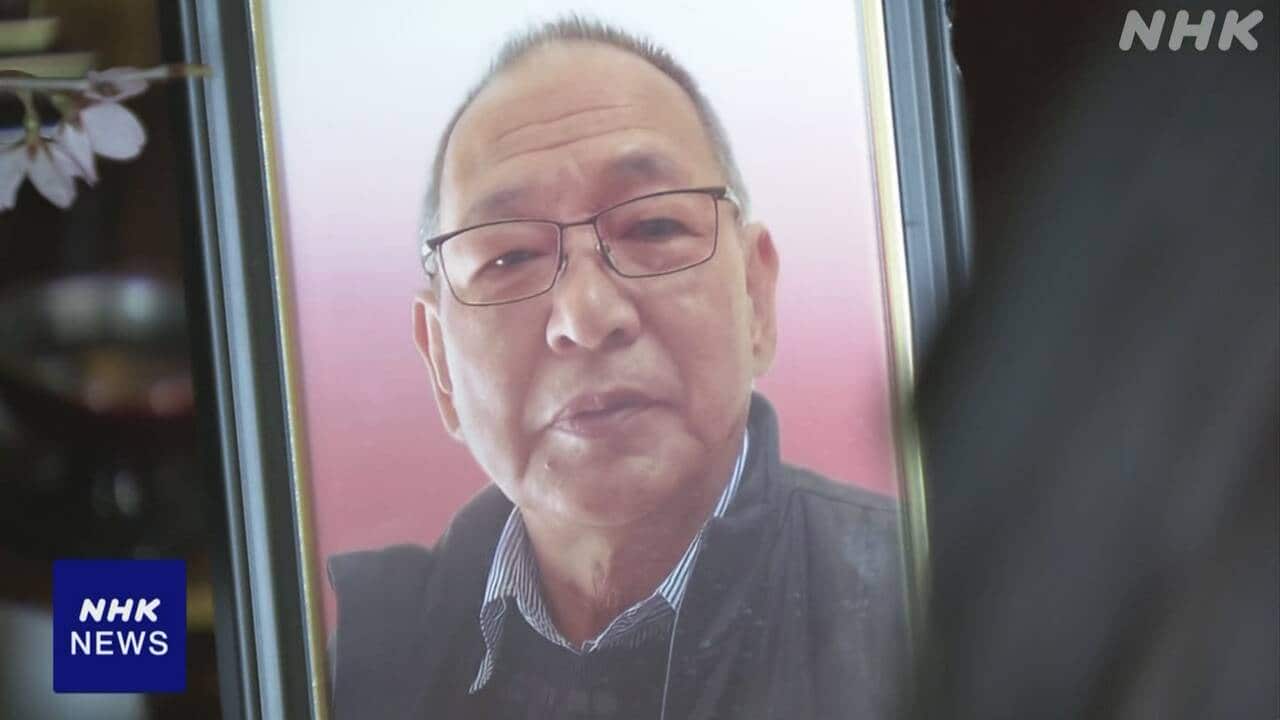
「大川原化工機」をめぐるえん罪事件で、勾留中にがんが見つかり、保釈が認められずに亡くなった、会社の元顧問の遺族が、「生命の危険が大きかったのに勾留を続けた裁判官の判断は違法だ」と主張して、近く、国に対して損害賠償を求める訴えを起こす方針を決めました。この事件に関連して、裁判官の責任を問う裁判は初めてです。
「大川原化工機」をめぐるえん罪事件で、元顧問の相嶋静夫さんは、勾留中にがんが見つかりましたが、東京地方裁判所に保釈を繰り返し求めても、「証拠隠滅のおそれがある」として認められず、2021年2月、無実が明らかになる前に72歳で亡くなりました。
遺族側の弁護士によりますと、逮捕や勾留の判断や、たび重なる保釈請求を退ける決定には、あわせて37人の裁判官が関わりました。
相嶋さんの妻と息子2人は「逮捕や勾留に理由がなかったことは明らかで、体調が悪化して以降は生命の危険が大きかったのに漫然と勾留を続けた。裁判官として尽くすべき注意義務を怠っていて違法だ」と主張して、近く、国に対しておよそ1億7000万円の賠償を求める訴えを東京地裁に起こす方針を決めました。
遺族側の弁護士によりますと、今月上旬に、勾留を継続する判断に関与した裁判官らに、その理由をただす文書を送付していますが、これまでに回答は得られていないということです。
元顧問の相嶋静夫さんの妻は、今月、NHKのインタビューに応じ、夫を亡くした当時の思いや提訴を決めた心境を明かしました。
妻は、まず、がんと診断されながらも保釈が認められなかった当時の相嶋さんとのやりとりについて、「このままでいても手遅れになってしまうから、『もう認めてしまって病院に行こう』と言いましたが、主人は無言で黙っていました。信念を曲げてまで病院に行きたいとは思っていないんだとわかりました」と振り返りました。
8回に及ぶ保釈請求が認められず、亡くなったことについては、「本人も悔しかっただろうし、私も本当に悔しくて、胸が張り裂けそうでした。裁判所は双方の意見を聞いて公正な判断をしてくれると思っていたので、あれだけ保釈請求が却下されて、何のための裁判所だろうと憤りを感じました」と述べました。
その上で、えん罪事件について、警視庁や検察は組織内で一定の検証を行い、謝罪もした一方で、裁判所は当時の保釈をめぐる判断を検証していないとして、「自分たちでそのような判断をしておきながら、知らぬ存ぜぬという感じで、良心が痛まないのかなと思います。なぜきちんと謝ってくれないのでしょうか。責任を取ってほしいですし、今回の訴えには向き合ってほしいです」と話しました。
そして、保釈の実務を担う裁判官に求めたいこととして、「命がかかっている保釈請求もあるので、紙切れ1枚に書かれていることばの重さをちゃんと感じてほしい。責任を持って1枚1枚を読んで判断してほしい」と述べました。
相嶋静夫さんは、不正輸出が疑われた機械の設計や開発を担っていて、2020年3月に逮捕・起訴されました。
弁護側は無実を訴えて繰り返し保釈を求めましたが、東京地裁の裁判官は「証拠隠滅のおそれがある」として認めませんでした。
勾留が長期化する中で相嶋さんは体調を崩し、2020年10月に拘置所の検査で胃がんが見つかります。
これを受けて、弁護側は5回目の保釈請求を行い、「がんは刻一刻と進行していて、生命の危険は増大している。証拠隠滅のおそれは極めて小さく、早急に保釈を認め、治療を開始させるべきだ」と訴えましたが、裁判官は「証拠隠滅のおそれ」を理由に保釈を認めませんでした。
弁護側は勾留を一時的に停止するよう申し立て、相嶋さんは11月にようやく外部の病院に入院しました。
保釈請求は入院後も含めてあわせて8回に及びましたが、認められないまま、相嶋さんは2021年2月に亡くなりました。
その後、ともに逮捕された大川原正明社長などの起訴が取り消され、無実が明らかになったことを受けて、社長や相嶋さんの遺族などは都と国に賠償を求める民事裁判を起こします。
去年5月、2審の東京高等裁判所は、1審に続いて警視庁と検察の捜査の違法性を認めて、1億6600万円余りの賠償を命じ、都と国は上告せず、判決は確定しました。
去年8月、警視庁と検察は捜査に問題があったと認める検証結果を公表し、幹部らが相嶋さんの遺族に直接謝罪しました。
一方、最高裁判所は、憲法が裁判官の独立を保障しているため、個別の事例については検証しないとした上で、ことし1月、全国の刑事裁判官を集めて保釈の運用のあり方について議論しました。
参加した裁判官からは「証拠隠滅のおそれを過度に意識しているのではないか」などの意見が出されたということです。
刑事訴訟法では、保釈は原則として許可すると定めた上で、認めない理由の1つに「証拠隠滅のおそれ」が挙げられています。
これについて、刑事手続きに詳しい青山学院大学の葛野尋之教授は「相嶋さんのケースでは、起訴されたあと、争点が絞られた段階で、どこまで証拠隠滅の可能性が高かったのかは大いに疑問だ。命の危険が差し迫った状況で、それを示す証拠が裁判官に出されていたのに、勾留の必要性があったと本当に言えるのか」と疑問を呈しました。
そして「裁判官の独立は憲法で保障されている重要な原則だが、それゆえに高い説明責任を負っていて、こうした疑問が呈されたときは、積極的に社会に対して説明していくべきだ。今回の訴訟を通じて、保釈を拒否する判断が果たして正しかったのか、検証する機会になるだろう」と述べました。
裁判官の裁量で保釈を認められる規定をめぐっては、2016年の法改正で、証拠隠滅のおそれのほか、被告が受ける健康上の不利益などを考慮することが定められました。
これについて葛野教授は「今回は亡くなる危険があり、健康上の不利益があることが正しく考慮されなかった。命を失ってしまうとそもそも裁判が続けられないので、何のために勾留したのか、大きな矛盾が生じてしまった。裁判官には、正しく考慮する責任があり、重要な役割を担っていることを再確認してほしい」と話しています。
「大川原化工機」をめぐるえん罪事件で、元顧問の相嶋静夫さんは、勾留中にがんが見つかりましたが、東京地方裁判所に保釈を繰り返し求めても、「証拠隠滅のおそれがある」として認められず、2021年2月、無実が明らかになる前に72歳で亡くなりました。
遺族側の弁護士によりますと、逮捕や勾留の判断や、たび重なる保釈請求を退ける決定には、あわせて37人の裁判官が関わりました。
相嶋さんの妻と息子2人は「逮捕や勾留に理由がなかったことは明らかで、体調が悪化して以降は生命の危険が大きかったのに漫然と勾留を続けた。裁判官として尽くすべき注意義務を怠っていて違法だ」と主張して、近く、国に対しておよそ1億7000万円の賠償を求める訴えを東京地裁に起こす方針を決めました。
遺族側の弁護士によりますと、今月上旬に、勾留を継続する判断に関与した裁判官らに、その理由をただす文書を送付していますが、これまでに回答は得られていないということです。
元顧問の相嶋静夫さんの妻は、今月、NHKのインタビューに応じ、夫を亡くした当時の思いや提訴を決めた心境を明かしました。
妻は、まず、がんと診断されながらも保釈が認められなかった当時の相嶋さんとのやりとりについて、「このままでいても手遅れになってしまうから、『もう認めてしまって病院に行こう』と言いましたが、主人は無言で黙っていました。信念を曲げてまで病院に行きたいとは思っていないんだとわかりました」と振り返りました。
8回に及ぶ保釈請求が認められず、亡くなったことについては、「本人も悔しかっただろうし、私も本当に悔しくて、胸が張り裂けそうでした。裁判所は双方の意見を聞いて公正な判断をしてくれると思っていたので、あれだけ保釈請求が却下されて、何のための裁判所だろうと憤りを感じました」と述べました。
その上で、えん罪事件について、警視庁や検察は組織内で一定の検証を行い、謝罪もした一方で、裁判所は当時の保釈をめぐる判断を検証していないとして、「自分たちでそのような判断をしておきながら、知らぬ存ぜぬという感じで、良心が痛まないのかなと思います。なぜきちんと謝ってくれないのでしょうか。責任を取ってほしいですし、今回の訴えには向き合ってほしいです」と話しました。
そして、保釈の実務を担う裁判官に求めたいこととして、「命がかかっている保釈請求もあるので、紙切れ1枚に書かれていることばの重さをちゃんと感じてほしい。責任を持って1枚1枚を読んで判断してほしい」と述べました。
相嶋静夫さんは、不正輸出が疑われた機械の設計や開発を担っていて、2020年3月に逮捕・起訴されました。
弁護側は無実を訴えて繰り返し保釈を求めましたが、東京地裁の裁判官は「証拠隠滅のおそれがある」として認めませんでした。
勾留が長期化する中で相嶋さんは体調を崩し、2020年10月に拘置所の検査で胃がんが見つかります。
これを受けて、弁護側は5回目の保釈請求を行い、「がんは刻一刻と進行していて、生命の危険は増大している。証拠隠滅のおそれは極めて小さく、早急に保釈を認め、治療を開始させるべきだ」と訴えましたが、裁判官は「証拠隠滅のおそれ」を理由に保釈を認めませんでした。
弁護側は勾留を一時的に停止するよう申し立て、相嶋さんは11月にようやく外部の病院に入院しました。
保釈請求は入院後も含めてあわせて8回に及びましたが、認められないまま、相嶋さんは2021年2月に亡くなりました。
その後、ともに逮捕された大川原正明社長などの起訴が取り消され、無実が明らかになったことを受けて、社長や相嶋さんの遺族などは都と国に賠償を求める民事裁判を起こします。
去年5月、2審の東京高等裁判所は、1審に続いて警視庁と検察の捜査の違法性を認めて、1億6600万円余りの賠償を命じ、都と国は上告せず、判決は確定しました。
去年8月、警視庁と検察は捜査に問題があったと認める検証結果を公表し、幹部らが相嶋さんの遺族に直接謝罪しました。
一方、最高裁判所は、憲法が裁判官の独立を保障しているため、個別の事例については検証しないとした上で、ことし1月、全国の刑事裁判官を集めて保釈の運用のあり方について議論しました。
参加した裁判官からは「証拠隠滅のおそれを過度に意識しているのではないか」などの意見が出されたということです。
刑事訴訟法では、保釈は原則として許可すると定めた上で、認めない理由の1つに「証拠隠滅のおそれ」が挙げられています。
これについて、刑事手続きに詳しい青山学院大学の葛野尋之教授は「相嶋さんのケースでは、起訴されたあと、争点が絞られた段階で、どこまで証拠隠滅の可能性が高かったのかは大いに疑問だ。命の危険が差し迫った状況で、それを示す証拠が裁判官に出されていたのに、勾留の必要性があったと本当に言えるのか」と疑問を呈しました。
そして「裁判官の独立は憲法で保障されている重要な原則だが、それゆえに高い説明責任を負っていて、こうした疑問が呈されたときは、積極的に社会に対して説明していくべきだ。今回の訴訟を通じて、保釈を拒否する判断が果たして正しかったのか、検証する機会になるだろう」と述べました。
裁判官の裁量で保釈を認められる規定をめぐっては、2016年の法改正で、証拠隠滅のおそれのほか、被告が受ける健康上の不利益などを考慮することが定められました。
これについて葛野教授は「今回は亡くなる危険があり、健康上の不利益があることが正しく考慮されなかった。命を失ってしまうとそもそも裁判が続けられないので、何のために勾留したのか、大きな矛盾が生じてしまった。裁判官には、正しく考慮する責任があり、重要な役割を担っていることを再確認してほしい」と話しています。
Vocabulary
General
Proper noun
JLPT N2
JLPT N1
| # | 言葉 | 意味 |
|---|---|---|
| 18 | 保釈 | ほしゃく (保釈) : bail; releasing on bail |
| 15 | 裁判官 | さいばんかん (裁判官) : judge |
| 13 | 認める | したためる (認める) : 1. to write (e.g. a letter); to draw up (a document); to take down (e.g. notes) 2. to have (lunch, dinner, etc.); to eat |
| 11 | 勾留 | こうりゅう (勾留) : detention pending trial; confinement; custody |
| 11 | 相嶋 | あいしま (相嶋) : Aishima (surname) |
| 8 | 判断 | はんだん (判断) : 1. judgment; judgement; decision; conclusion; adjudication 2. divination |
| 8 | 証拠隠滅 | しょうこいんめつ (証拠隠滅) : destruction of evidence |
| 7 | おそれ | おそれ (恐れ) : fear; horror; anxiety; concern; uneasiness; reverence |
| 6 | 求める | もとめる (求める) : 1. to want; to wish for 2. to request; to demand; to require; to ask for |
| 6 | 請求 | せいきゅう (請求) : claim; demand; charge; application; request; billing (for a service) |
| 5 | 遺族 | いぞく (遺族) : bereaved family; surviving family; family of the deceased |
| 5 | 検証 | けんしょう (検証) : verification; inspection |
| 4 | めぐる | めぐる (巡る) : 1. to go around 2. to return |
| 4 | 事件 | じけん (事件) : event; affair; incident; case; plot; trouble; scandal |
| 4 | がん | がん (癌) : cancer |
| 4 | 亡くなる | なくなる (亡くなる) : to die |
| 4 | 責任 | せきにん (責任) : 1. duty; responsibility (incl. supervision of staff) 2. liability; onus |
| 4 | 東京 | とうきょう (東京) : Tokyo |
| 4 | 逮捕 | たいほ (逮捕) : arrest; apprehension; capture |
| 3 | 大川原 | おおかはら (大川原) : Ookahara (surname) |
| 3 | えん罪 | えんざい (冤罪) : false charge; false accusation; misrepresentation |
| 3 | 見つかる | みつかる (見つかる) : to be found; to be discovered |
| 3 | 顧問 | こもん (顧問) : adviser; advisor; consultant |
| 3 | 生命 | せいめい (生命) : 1. life; existence 2. (one's) working life; career |
| 3 | 訴え | うったえ (訴え) : lawsuit; complaint |
| 3 | 起こす | おこす (起こす) : 1. to raise; to raise up; to set up; to pick up 2. to wake; to wake up; to waken; to awaken |
| 3 | 決める | きめる (決める) : 1. to decide; to choose; to determine; to make up one's mind; to resolve; to set one's heart on; to settle; to arrange; to set; to appoint; to fix 2. to clinch (a victory); to decide (the outcome of a match) |
| 3 | 静夫 | しずお (静夫) : Shizuo (given) |
| 3 | 無実 | むじつ (無実) : 1. innocence; guiltlessness; false accusation; false charge 2. absence of the fact; insubstantiality; lacking substance |
| 3 | 明らか | あきらか (明らか) : 1. clear; obvious; evident; plain; definite 2. bright; light |
| 3 | 賠償 | ばいしょう (賠償) : compensation; reparations; indemnity; damages |
| 3 | 当時 | とうじ (当時) : at that time; in those days |
| 3 | 裁判所 | さいばんしょ (裁判所) : court; courthouse |
| 3 | 述べる | のべる (述べる) : to state; to express; to mention |
| 3 | 警視庁 | けいしちょう (警視庁) : Metropolitan Police Department (esp. Tokyo) |
| 3 | 検察 | けんさつ (検察) : examination; investigation; prosecution |
| 3 | 担う | になう (担う) : 1. to carry on one's shoulder; to shoulder; to bear 2. to bear (burden, responsibility, etc.); to take upon oneself |
| 3 | 命 | いのち (命) : 1. life; life force 2. lifetime; lifespan |
| 3 | 起訴 | きそ (起訴) : prosecution; indictment |
| 3 | 弁護側 | べんごがわ (弁護側) : the defence; defence side |
| 3 | 疑問 | ぎもん (疑問) : doubt; question; suspicion; dubiousness |
| 3 | 考慮 | こうりょ (考慮) : consideration; taking into account |
| 2 | 化 | か (化) : action of making something; -ification |
| 2 | 違法 | いほう (違法) : illegal; illicit; unlawful |
| 2 | 主張 | しゅちょう (主張) : claim; insistence; assertion; advocacy; emphasis; contention; opinion; tenet |
| 2 | 方針 | ほうしん (方針) : 1. policy; course; plan (of action); principle 2. magnetic needle |
| 2 | 裁判 | さいばん (裁判) : trial; judgement; judgment |
| 2 | 繰り返す | くりかえす (繰り返す) : to repeat; to do something over again |
| 2 | 弁護士 | べんごし (弁護士) : lawyer; attorney |
| 2 | あわせる | あわせる (会わせる) : 1. to make (someone) to meet; to let (someone) meet 2. to expose to; to subject to |
| 2 | 体調 | たいちょう (体調) : physical condition; state of health |
| 2 | 地裁 | ちさい (地裁) : district court |
| 2 | まま | うば (乳母) : wet nurse; nursing mother |
| 2 | 及ぶ | およぶ (及ぶ) : 1. to reach; to amount to; to befall; to happen to; to extend; to go on (for, until) 2. to be up to the task; to come up to |
| 2 | 本当 | ほんとう (本当) : 1. truth; reality; actuality; fact 2. proper; right; correct; official |
| 2 | 感ずる | かんずる (感ずる) : to feel; to sense |
| 2 | 謝罪 | しゃざい (謝罪) : apology |
| 2 | 訴える | うったえる (訴える) : 1. to raise; to bring to (someone's attention) 2. to appeal to (reason, emotions, etc.); to work on (one's emotions); to play on (one's sympathies) |
| 2 | 審 | あきら (審) : Akira (surname; given) |
| 2 | 捜査 | そうさ (捜査) : search (esp. in criminal investigations); investigation; inquiry; enquiry |
| 2 | 憲法 | けんぽう (憲法) : 1. constitution 2. rules; regulation |
| 2 | 独立 | どくりつ (独立) : 1. independence; self-reliance; supporting oneself; being on one's own 2. independence (e.g. of a nation); freedom |
| 2 | 保障 | ほしょう (保証) : guarantee; security; assurance; pledge; warranty |
| 2 | 刑事 | けいじ (刑事) : 1. (police) detective 2. criminal matter |
| 2 | 原則 | げんそく (原則) : 1. principle; general rule 2. as a rule; in principle; in general |
| 2 | 定める | さだめる (定める) : 1. to decide; to determine 2. to establish; to lay down; to prescribe; to provide; to stipulate |
| 2 | 葛野 | かずらの (葛野) : Kazurano (place) |
| 2 | 教授 | きょうじゅ (教授) : 1. professor 2. teaching; instruction |
| 2 | 重要 | じゅうよう (重要) : important; momentous; essential; principal; major |
| 2 | 健康 | けんこう (健康) : 1. health 2. healthy; sound; fit; wholesome |
| 2 | 不利益 | ふりえき (不利益) : disadvantage; handicap; drawback; inadvisability; inexpediency; loss |
| 2 | 正しく | まさしく (正しく) : 1. certainly; surely; undoubtedly; evidently; really; truly 2. just; precisely; exactly |
| 1 | 損害賠償 | そんがいばいしょう (損害賠償) : restitution; damages; indemnity; compensation |
| 1 | 関連 | かんれん (関連) : relation; connection; relevance |
| 1 | 問う | とう (問う) : 1. to ask; to inquire 2. to blame (someone) for; to accuse of; to pursue (question of responsibility); to charge with |
| 1 | 地方裁判所 | ちほうさいばんしょ (地方裁判所) : district court; local court |
| 1 | たび | たび (足袋) : tabi; Japanese socks (with split toe) |
| 1 | 重なる | かさなる (重なる) : 1. to be piled up; to lie on top of one another 2. to come one after another; to happen over and over; to pile up (e.g. stress); to accumulate |
| 1 | 退ける | しりぞける (退ける) : to repel; to drive away; to repulse; to reject |
| 1 | 決定 | けってい (決定) : decision; determination |
| 1 | 関わる | かかわる (関わる) : 1. to be affected; to be influenced 2. to be concerned with; to have to do with |
| 1 | 悪化 | あっか (悪化) : (suffer) deterioration; growing worse; aggravation; degeneration; corruption |
| 1 | 以降 | いこう (以降) : on and after; as from; hereafter; thereafter; since |
| 1 | 漫然 | まんぜん (漫然) : aimless; rambling; desultory; casual |
| 1 | 注意義務 | ちゅういぎむ (注意義務) : duty of care |
| 1 | 怠る | おこたる (怠る) : to be negligent in doing something; to shirk; to be off one's guard |
| 1 | 上旬 | じょうじゅん (上旬) : first 10 days of month |
| 1 | 継続 | けいぞく (継続) : continuation |
| 1 | 関与 | かんよ (関与) : participation; taking part in; participating in; being concerned in |
| 1 | ただす | ただす (質す) : to enquire of someone about something (inquire); to question |
| 1 | 文書 | ぶんしょ (文書) : 1. document; writing; letter; papers; notes; records; archives 2. document addressed to someone |
| 1 | 送付 | そうふ (送付) : sending (esp. email attachments); forwarding; remitting |
| 1 | 回答 | かいとう (回答) : reply; answer |
| 1 | 応ずる | おうずる (応ずる) : 1. to answer; to respond; to meet 2. to satisfy; to accept |
| 1 | 亡くす | なくす (亡くす) : to lose (through death) (e.g. wife, child) |
| 1 | 思い | おもい (思い) : 1. thought 2. imagination; mind; heart |
| 1 | 提訴 | ていそ (提訴) : presenting a case; suing |
| 1 | 心境 | しんきょう (心境) : state of mind; mental state; mental attitude |
| 1 | 明かす | あかす (明かす) : 1. to pass (the night); to spend 2. to reveal; to divulge; to disclose; to expose |
| 1 | 診断 | しんだん (診断) : diagnosis; medical examination |
| 1 | やりとり | やりとり (やり取り) : giving and taking; exchange (of letters); arguing back and forth; (conversational) exchange |
| 1 | 手遅れ | ておくれ (手遅れ) : being too late; losing one's final chance |
| 1 | 主人 | しゅじん (主人) : 1. head (of a household); proprietor (of a store); proprietress; landlord; landlady 2. one's husband |
| 1 | 無言 | むごん (無言) : silence (not speaking); muteness |
| 1 | 黙る | だまる (黙る) : to be silent; to say nothing |
| 1 | 信念 | しんねん (信念) : belief; faith; conviction |
| 1 | 曲げる | まげる (曲げる) : 1. to bend; to crook; to bow; to curve; to curl 2. to lean; to tilt; to incline; to slant |
| 1 | わかる | わかる (分かる) : 1. to understand; to comprehend; to grasp; to see; to get; to follow 2. to become clear; to be known; to be discovered; to be realized; to be realised; to be found out |
| 1 | 振り返る | ふりかえる (振り返る) : 1. to turn one's head; to look over one's shoulder; to turn around; to look back 2. to think back (on); to reminisce; to look back (on); to reflect (on) |
| 1 | 本人 | ほんにん (本人) : the person in question; the person themselves; said person |
| 1 | 胸 | むね (胸) : 1. chest; breast 2. breasts; bosom; bust |
| 1 | 張り裂ける | はりさける (張り裂ける) : to burst (open); to break; to split |
| 1 | 双方 | そうほう (双方) : both parties; both sides |
| 1 | 聞く | きく (聞く) : 1. to hear 2. to listen (e.g. to music) |
| 1 | 公正 | こうせい (公正) : justice; fairness; impartiality |
| 1 | 却下 | きゃっか (却下) : rejection; dismissal |
| 1 | 憤り | いきどおり (憤り) : resentment; indignation; anger |
| 1 | 一定 | いってい (一定) : fixed; settled; constant; definite; uniform; regularized; regularised; defined; standardized; standardised; certain; prescribed |
| 1 | 自分 | じぶん (自分) : 1. myself; yourself; oneself; himself; herself 2. I; me |
| 1 | たち | やかた (館) : 1. mansion; palace; manor house; castle 2. nobleman; noblewoman; dignitary |
| 1 | 知る | しる (知る) : 1. to be aware of; to know; to be conscious of; to cognize; to cognise 2. to notice; to feel |
| 1 | 存ずる | ぞんずる (存ずる) : to think, feel, consider, know, etc. |
| 1 | 感じ | かんじ (感じ) : feeling; sense; impression |
| 1 | 良心 | りょうしん (良心) : conscience |
| 1 | 痛む | いたむ (痛む) : 1. to hurt; to ache; to feel a pain 2. to be injured; to be spoiled (e.g. food); to be damaged |
| 1 | きちんと | きちんと : 1. properly; accurately; exactly; precisely; regularly 2. neatly; tidily; orderly |
| 1 | 謝る | あやまる (謝る) : to apologize; to apologise |
| 1 | 取る | とる (取る) : 1. to take; to pick up; to grab; to catch 2. to pass; to hand; to give |
| 1 | 向き合う | むきあう (向き合う) : 1. to be opposite; to face each other 2. to confront (an issue); to face |
| 1 | 実務 | じつむ (実務) : practical business; practical work experience; practicum; practice |
| 1 | 紙切れ | かみきれ (紙切れ) : piece of paper; slip of paper; strip of paper; scrap of paper |
| 1 | 書く | かく (書く) : 1. to write; to compose; to pen 2. to draw; to paint |
| 1 | 重さ | おもさ (重さ) : weight |
| 1 | ちゃんと | ちゃんと : 1. diligently; seriously; earnestly; reliably; steadily; legitimately 2. perfectly; properly; exactly; orderly; punctually; regularly |
| 1 | 持つ | もつ (持つ) : 1. to hold (in one's hand); to take; to carry 2. to possess; to have; to own |
| 1 | 読む | よむ (読む) : 1. to read 2. to count |
| 1 | 疑う | うたがう (疑う) : to doubt; to distrust; to be suspicious of; to suspect |
| 1 | 機械 | きかい (機械) : 1. machine; mechanism 2. instrument; appliance; apparatus |
| 1 | 設計 | せっけい (設計) : plan; design; layout |
| 1 | 開発 | かいはつ (開発) : development; exploitation |
| 1 | 長期化 | ちょうきか (長期化) : lengthening |
| 1 | 崩す | くずす (崩す) : 1. to destroy; to demolish; to pull down; to tear down; to level 2. to disturb; to put into disorder; to throw off balance; to make shaky |
| 1 | 拘置所 | こうちしょ (拘置所) : prison; detention house; detention center; jail |
| 1 | 検査 | けんさ (検査) : inspection (e.g. customs, factory); examination; scan (e.g. MRI, PET, etc.) |
| 1 | 胃がん | いがん (胃がん) : stomach cancer |
| 1 | 刻 | きざ (刻) : scratch |
| 1 | 一刻 | いっこく (一刻) : 1. a minute; moment; an instant 2. stubborn; hot-headed |
| 1 | 進行 | しんこう (進行) : 1. moving forward (e.g. vehicle); onward movement 2. advance (work, procedure, etc.); advancement; progress |
| 1 | 増大 | ぞうだい (増大) : enlargement; increase |
| 1 | 極めて | きわめて (極めて) : exceedingly; extremely; decisively |
| 1 | 早急 | そうきゅう (早急) : immediate; prompt; quick; rapid; urgent; pressing |
| 1 | 治療 | ちりょう (治療) : (medical) treatment; care; therapy; cure; remedy |
| 1 | 開始 | かいし (開始) : start; commencement; beginning; initiation |
| 1 | 一時的 | いちじてき (一時的) : temporary |
| 1 | 停止 | ていし (停止) : 1. stoppage; coming to a stop; halt; standstill 2. ceasing (movement, activity, etc.); suspension (of operations); interruption (e.g. of electricity supply); cutting off |
| 1 | 申し立てる | もうしたてる (申し立てる) : to declare; to plead |
| 1 | ようやく | ようやく (漸く) : 1. finally; at last 2. barely; narrowly; hardly; only just |
| 1 | 外部 | がいぶ (外部) : 1. outside (e.g. of a building); exterior 2. outside (of a group, company, etc.); outside world |
| 1 | 含める | ふくめる (含める) : 1. to include (in a group or scope) 2. to instruct; to make one understand |
| 1 | 正明 | しょうみょう (正明) : Shoumyou (given) |
| 1 | 取り消す | とりけす (取り消す) : to cancel; to withdraw; to retract; to take back (words, etc.); to revoke |
| 1 | 民事裁判 | みんじさいばん (民事裁判) : civil trial |
| 1 | 高等裁判所 | こうとうさいばんしょ (高等裁判所) : High Court |
| 1 | 違法性 | いほうせい (違法性) : illegality |
| 1 | 余り | あまり (余り) : 1. remainder; remnant; rest; balance; surplus; remains (of a meal); leftovers 2. (not) very; (not) much |
| 1 | 命ずる | めいずる (命ずる) : 1. to order; to command 2. to appoint |
| 1 | 上告 | じょうこく (上告) : final appeal to the highest court |
| 1 | 判決 | はんけつ (判決) : judicial decision; judgement; judgment; sentence; decree |
| 1 | 確定 | かくてい (確定) : 1. decision; settlement 2. definition |
| 1 | 結果 | けっか (結果) : 1. result; consequence; outcome; effect 2. coming to fruition; bearing fruit |
| 1 | 公表 | こうひょう (公表) : official announcement; proclamation |
| 1 | 幹部 | かんぶ (幹部) : management; (executive) staff; leaders; leadership; top brass; upper echelons |
| 1 | 直接 | ちょくせつ (直接) : direct; immediate; personal; firsthand |
| 1 | 最高裁判所 | さいこうさいばんしょ (最高裁判所) : Supreme Court |
| 1 | 個別 | こべつ (個別) : individual; separate; personal; case-by-case |
| 1 | 事例 | じれい (事例) : example; precedent; case |
| 1 | 全国 | ぜんこく (全国) : the whole country |
| 1 | 集める | あつめる (集める) : to collect; to assemble; to gather |
| 1 | 運用 | うんよう (運用) : 1. making use of; application; practical use; effective management (e.g. of funds) 2. operation; handling; steering (esp. a boat) |
| 1 | あり方 | ありかた (あり方) : 1. the way something ought to be 2. the (current) state of things; how things are |
| 1 | 議論 | ぎろん (議論) : argument; discussion; dispute; controversy |
| 1 | 参加 | さんか (参加) : participation; joining; entry; adherence |
| 1 | 過度 | かど (過度) : excessive; immoderate |
| 1 | 意識 | いしき (意識) : 1. consciousness 2. becoming aware (of); awareness; sense |
| 1 | 刑事訴訟法 | けいじそしょうほう (刑事訴訟法) : Criminal Procedure Code |
| 1 | 許可 | きょか (許可) : 1. permission; approval; authorization; license 2. to permit; to authorize |
| 1 | 手続き | てつづき (手続き) : procedure; process; proceedings; formalities |
| 1 | 詳しい | くわしい (詳しい) : 1. detailed; full; minute 2. knowing very well; knowledgeable (about); well-acquainted (with); well-informed (about); familiar (with) |
| 1 | 青山学院大学 | あおやまがくいんだいがく (青山学院大学) : Aoyama Gakuin University (organization) |
| 1 | 尋之 | ひろし (尋之) : Hiroshi (given) |
| 1 | 争点 | そうてん (争点) : point at issue |
| 1 | 絞る | しぼる (絞る) : 1. to wring (towel, rag); to squeeze 2. to squeeze (fruit to extract juice); to press; to extract; to milk; to express milk |
| 1 | 段階 | だんかい (段階) : grade; level; stage; class; phase; steps; order; gradation |
| 1 | 可能性 | かのうせい (可能性) : potentiality; likelihood; possibility; availability |
| 1 | 大いに | おおいに (大いに) : very; much; greatly; a lot of |
| 1 | 差し迫る | さしせまる (差し迫る) : to be urgent; to be pressing; to be imminent |
| 1 | 状況 | じょうきょう (状況) : state of affairs (around you); situation; circumstances |
| 1 | 示す | しめす (示す) : 1. to (take out and) show; to demonstrate; to tell; to exemplify; to make apparent 2. to point out (finger, clock hand, needle, etc.) |
| 1 | 証拠 | しょうこ (証拠) : evidence; proof |
| 1 | 必要性 | ひつようせい (必要性) : necessity |
| 1 | 言える | いえる (言える) : 1. to be possible to say; to be able to say 2. said; have said |
| 1 | 呈する | ていする (呈する) : 1. to present; to offer 2. to show; to display; to exhibit |
| 1 | ゆえ | ゆえ (故) : reason; cause; circumstances |
| 1 | 説明責任 | せつめいせきにん (説明責任) : accountability; being held accountable |
| 1 | 負う | おう (負う) : 1. to bear; to carry on one's back 2. to take responsibility for; to accept a duty |
| 1 | 呈す | ていす (呈す) : 1. to present; to offer; to give 2. to show; to display; to exhibit |
| 1 | 積極的 | せっきょくてき (積極的) : positive; assertive; active; proactive; aggressive |
| 1 | 訴訟 | そしょう (訴訟) : litigation; lawsuit |
| 1 | 通ずる | つうずる (通ずる) : 1. to be open (to traffic); to lead to; to communicate (with) 2. to flow (liquid, current); to pass; to get through to |
| 1 | 拒否 | きょひ (拒否) : refusal; rejection; denial; veto |
| 1 | 果たして | はたして (果たして) : 1. as was expected; just as one thought; sure enough 2. really; actually; ever |
| 1 | 裁量 | さいりょう (裁量) : discretion; judgement |
| 1 | 規定 | きてい (規定) : stipulation; prescription; provision; regulation; rule |
| 1 | 法改正 | ほうかいせい (法改正) : change in the law; legal reform |
| 1 | 被告 | ひこく (被告) : defendant; the accused |
| 1 | 失う | うしなう (失う) : 1. to lose 2. to miss (a change, opportunity) |
| 1 | そもそも | そもそも (抑) : 1. in the first place; to begin with; from the start; originally; ab initio 2. after all; anyway; actually; well, ...; ... on earth (e.g. "what on earth?"); ... in the world (e.g. "why in the world?") |
| 1 | 矛盾 | むじゅん (矛盾) : contradiction; inconsistency |
| 1 | 生ずる | しょうずる (生ずる) : 1. to produce; to yield; to cause 2. to result from; to arise; to be generated |
| 1 | 役割 | やくわり (役割) : part; assigning (allotment of) parts; role; duties |
| 1 | 再確認 | さいかくにん (再確認) : reaffirmation; reconfirmation; revalidation |