新年度予算案審議 衆議院予算委 与党側“13日に締めくくり質疑を” 野党側反発
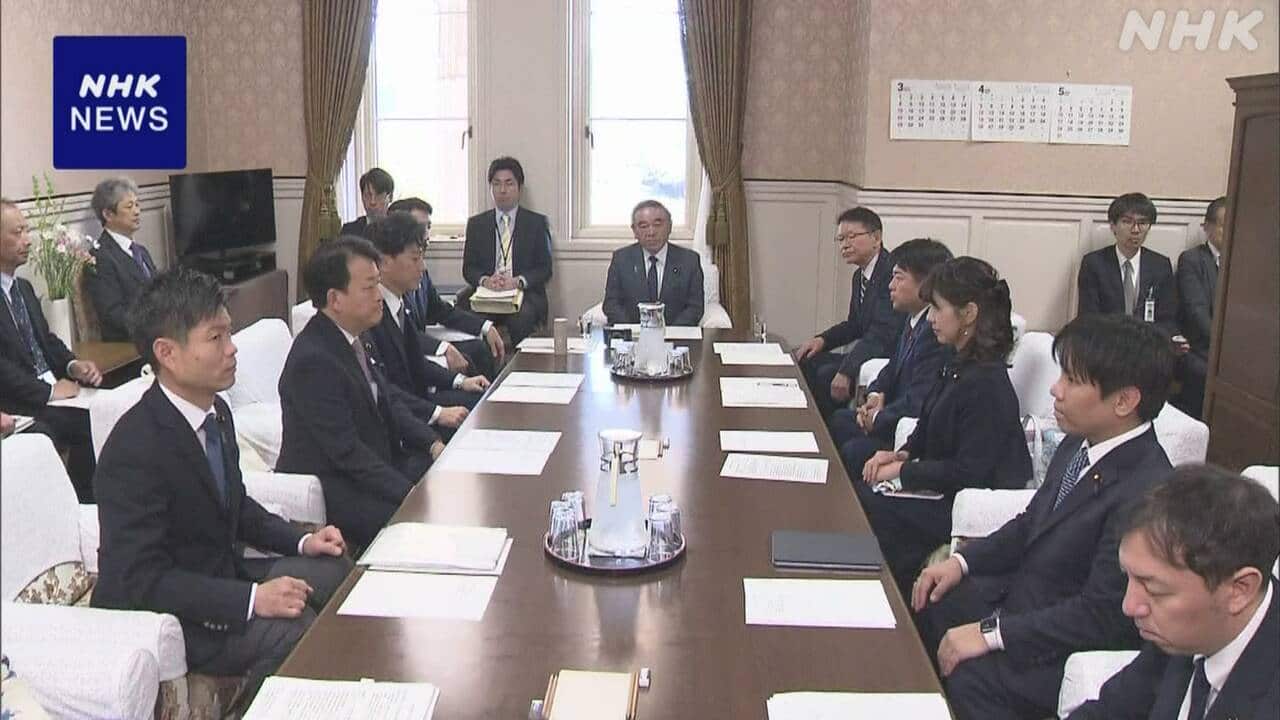
新年度予算案の審議をめぐって、衆議院予算委員会の理事会が開かれ、週内の衆議院通過を目指す与党側は、13日に締めくくりの質疑を行いたいと改めて提案しました。これに対して野党側は、採決を前提とした提案は認められないなどと反発し、引き続き協議することになりました。
新年度予算案を審議している衆議院予算委員会では、11日に一般質疑が行われたのに続いて、12日は高市総理大臣も出席して集中審議が行われることになっていて、昼の理事会でその後の日程について与野党の理事が協議しました。
この中で、週内の衆議院通過を目指す与党側は、13日に締めくくりの質疑を行いたいと改めて提案しました。
これに対して野党側は「締めくくりの質疑は採決とイコールであり、委員会審議を打ち切ることだ。とんでもない進め方であり、認められない」と反発しました。
そして、審議の充実に向けて、さらなる集中審議の開催などを求め、引き続き協議することになりました。
与党側の筆頭理事を務める自民党の齋藤 元経済産業大臣は記者団に対し「議会人として予算案の年度内成立を目指すべきだ。野党側は、先週土曜日に提案した一般質疑を『やらなくてよい』と言った。予算審議の充実と言いながら一般的な政策の質問が非常に多かったことを考えると、『もう潮時だ』と判断した」と述べました。
また、野党側がさらなる集中審議の開催を求めていることについては、「『第3次オイルショック』の直前にあるのではないかという状況で、自衛隊の最高指揮官でもある高市総理大臣を、準備も含めれば丸一日拘束することは受け入れられない」と述べました。
野党側の筆頭理事を務める中道改革連合の長妻 元厚生労働大臣は記者団に対し「異例中の異例のことがどんどん進められている。どう考えても理不尽な話で、国民の血税をチェックする国会の役割を小さくする動きを容認しては、税金の適切な使い方がないがしろになる。審議の体裁を欠いた予算委員会だ」と述べました。
日本維新の会の藤田共同代表は記者会見で「今週、衆議院でヤマ場となっているが、できるかぎり丁寧な議論に努めながらも、年度内成立をまだ諦めず目指していく。審議に日曜も使うなど、国民に見える形の議論をやろうという努力はしてきた。できるかぎり早く議論を終結して採決に向かうことを望みたい」と述べました。
国民民主党の古川国会対策委員長は記者会見で「ほぼ毎日、委員長の職権で委員会が立てられる、極めて異常な状況になっており、こういう形で参議院に予算案が送られても、衆議院と同じような形で審議を進められないと思う。まずは今週13日の出口ありきという日程を白紙にすることだ。採決に協力できるかは与党次第だ」と述べました。
また、野党内に坂本予算委員長の解任決議案の提出を検討すべきだという声があることについて、「効果があるなら別だが、今の状況では間違いなく否決され、委員長を信任することになる。逆に何も止めようがなくなってしまう」と述べました。
立憲民主党の斎藤国会対策委員長は、自民党の磯崎参議院国会対策委員長と会談し、衆議院での与党側の国会運営について「とんでもない運営で、許しがたい暴挙だ」と抗議しました。
そのうえで「不正常な状況で予算案が参議院に送られてきても、スムーズに審議は進められない」と述べました。
これに対して磯崎氏は「衆議院の審議状況を見ながら、引き続き協議したい」と述べました。
新年度予算案を審議している衆議院予算委員会では、11日に一般質疑が行われたのに続いて、12日は高市総理大臣も出席して集中審議が行われることになっていて、昼の理事会でその後の日程について与野党の理事が協議しました。
この中で、週内の衆議院通過を目指す与党側は、13日に締めくくりの質疑を行いたいと改めて提案しました。
これに対して野党側は「締めくくりの質疑は採決とイコールであり、委員会審議を打ち切ることだ。とんでもない進め方であり、認められない」と反発しました。
そして、審議の充実に向けて、さらなる集中審議の開催などを求め、引き続き協議することになりました。
与党側の筆頭理事を務める自民党の齋藤 元経済産業大臣は記者団に対し「議会人として予算案の年度内成立を目指すべきだ。野党側は、先週土曜日に提案した一般質疑を『やらなくてよい』と言った。予算審議の充実と言いながら一般的な政策の質問が非常に多かったことを考えると、『もう潮時だ』と判断した」と述べました。
また、野党側がさらなる集中審議の開催を求めていることについては、「『第3次オイルショック』の直前にあるのではないかという状況で、自衛隊の最高指揮官でもある高市総理大臣を、準備も含めれば丸一日拘束することは受け入れられない」と述べました。
野党側の筆頭理事を務める中道改革連合の長妻 元厚生労働大臣は記者団に対し「異例中の異例のことがどんどん進められている。どう考えても理不尽な話で、国民の血税をチェックする国会の役割を小さくする動きを容認しては、税金の適切な使い方がないがしろになる。審議の体裁を欠いた予算委員会だ」と述べました。
日本維新の会の藤田共同代表は記者会見で「今週、衆議院でヤマ場となっているが、できるかぎり丁寧な議論に努めながらも、年度内成立をまだ諦めず目指していく。審議に日曜も使うなど、国民に見える形の議論をやろうという努力はしてきた。できるかぎり早く議論を終結して採決に向かうことを望みたい」と述べました。
国民民主党の古川国会対策委員長は記者会見で「ほぼ毎日、委員長の職権で委員会が立てられる、極めて異常な状況になっており、こういう形で参議院に予算案が送られても、衆議院と同じような形で審議を進められないと思う。まずは今週13日の出口ありきという日程を白紙にすることだ。採決に協力できるかは与党次第だ」と述べました。
また、野党内に坂本予算委員長の解任決議案の提出を検討すべきだという声があることについて、「効果があるなら別だが、今の状況では間違いなく否決され、委員長を信任することになる。逆に何も止めようがなくなってしまう」と述べました。
立憲民主党の斎藤国会対策委員長は、自民党の磯崎参議院国会対策委員長と会談し、衆議院での与党側の国会運営について「とんでもない運営で、許しがたい暴挙だ」と抗議しました。
そのうえで「不正常な状況で予算案が参議院に送られてきても、スムーズに審議は進められない」と述べました。
これに対して磯崎氏は「衆議院の審議状況を見ながら、引き続き協議したい」と述べました。
Vocabulary
General
Proper noun
JLPT N2
JLPT N1
| # | 言葉 | 意味 |
|---|---|---|
| 10 | 審議 | しんぎ (審議) : deliberation |
| 8 | 衆議院 | しゅうぎいん (衆議院) : House of Representatives (lower house of the National Diet of Japan) |
| 8 | 述べる | のべる (述べる) : to state; to express; to mention |
| 6 | 野党 | やとう (野党) : opposition party; political opposition; opposition |
| 6 | 委員長 | いいんちょう (委員長) : (committee) chairman; president |
| 5 | 予算案 | よさんあん (予算案) : draft budget |
| 5 | 与党 | よとう (与党) : ruling party; government party; party in power; government |
| 5 | 質疑 | しつぎ (質疑) : 1. question 2. interpellation |
| 5 | 状況 | じょうきょう (状況) : state of affairs (around you); situation; circumstances |
| 4 | 目指す | めざす (目指す) : 1. to aim at (for, to do, to become); to try for; to have an eye on 2. to go toward; to head for |
| 4 | 提案 | ていあん (提案) : proposal; proposition; suggestion |
| 4 | 採決 | さいけつ (採決) : vote; ballot; division |
| 4 | 協議 | きょうぎ (協議) : conference; consultation; discussion; negotiation |
| 4 | 国会 | こっかい (国会) : 1. National Diet; legislative assembly of Japan (1947-) 2. Imperial Diet; legislative assembly of Japan (1889-1947) |
| 3 | 予算委員会 | よさんいいんかい (予算委員会) : 1. Budget Committee (of the Upper and Lower Houses of the Diet) 2. budget committee |
| 3 | 締めくくり | しめくくり (締めくくり) : conclusion; end; completion; summing up; supervision |
| 3 | 引き続く | ひきつづく (引き続く) : to continue (for a long time); to occur in succession; to come next (e.g. on TV) |
| 3 | 集中審議 | しゅうちゅうしんぎ (集中審議) : 1. intensive deliberation 2. televised parliamentary debate for an important issue (esp. the budget) |
| 3 | 理事 | りじ (理事) : director; trustee |
| 3 | 進める | すすめる (進める) : 1. to advance; to move forward; to put (a clock, watch) forward 2. to carry forward (plans, work, etc.); to proceed with; to make progress in; to further; to advance; to hasten; to speed up |
| 3 | 国民 | こくみん (国民) : people (of a country); nation; citizen; national |
| 3 | 議論 | ぎろん (議論) : argument; discussion; dispute; controversy |
| 3 | 対策 | たいさく (対策) : measure; step; countermeasure; counterplan; countermove; strategy; preparation (e.g. for a test) |
| 3 | 参議院 | さんぎいん (参議院) : House of Councillors (upper house of the National Diet of Japan) |
| 2 | 理事会 | りじかい (理事会) : board of directors; board of trustees |
| 2 | 週内 | しゅうない (週内) : by the end of this week; within the week |
| 2 | 通過 | つうか (通過) : 1. passing through (a tunnel, station, town, etc.); passing by (e.g. of a typhoon); transit 2. passage (of a bill, e.g. through parliament); carriage |
| 2 | 改めて | あらためて (改めて) : 1. another time; again; over again; once again; anew 2. formally; especially; intentionally; deliberately |
| 2 | 認める | したためる (認める) : 1. to write (e.g. a letter); to draw up (a document); to take down (e.g. notes) 2. to have (lunch, dinner, etc.); to eat |
| 2 | 反発 | はんぱつ (反発) : 1. opposition; rebellion; revolt; resistance; backlash; refusal 2. rebounding; recoiling; repulsion |
| 2 | 一般 | いっぱん (一般) : 1. general; universal 2. ordinary; average; common; non-celebrity |
| 2 | 高市 | こういち (高市) : Kouichi (surname) |
| 2 | 総理大臣 | そうりだいじん (総理大臣) : prime minister (as the head of a cabinet government); premier |
| 2 | 日程 | にってい (日程) : schedule; program; programme; agenda |
| 2 | 委員会 | いいんかい (委員会) : committee; commission; board; panel; committee meeting |
| 2 | とんでも | トンデモ : unthinkable; unexpected; outrageous; offensive |
| 2 | 充実 | じゅうじつ (充実) : 1. fullness; completion; perfection; substantiality 2. enhancement; improvement; enrichment; upgrading |
| 2 | さらなる | さらなる (更なる) : even more; still more; further |
| 2 | 開催 | かいさい (開催) : holding (a conference, exhibition, etc.); opening; hosting (e.g. the Olympics) |
| 2 | 求める | もとめる (求める) : 1. to want; to wish for 2. to request; to demand; to require; to ask for |
| 2 | 筆頭 | ひっとう (筆頭) : 1. brush tip 2. first on a list |
| 2 | 務める | つとめる (勤める) : 1. to work (for); to be employed (at); to serve (in) 2. to serve (as); to act (as); to fill (the position of); to play the role (of) |
| 2 | 自民党 | じみんとう (自民党) : Liberal Democratic Party; LDP |
| 2 | 記者団 | きしゃだん (記者団) : press group; press corps; group of reporters; press organization; press organisation |
| 2 | 成立 | せいりつ (成立) : 1. formation; establishment; materialization; coming into existence 2. conclusion (e.g. of a deal); reaching (e.g. an agreement); approval; completion; closing; enacting; arrangement |
| 2 | 予算 | よさん (予算) : estimate; budget |
| 2 | 異例 | いれい (異例) : exceptional; unusual; extraordinary; unprecedented; singular |
| 2 | 記者会見 | きしゃかいけん (記者会見) : press conference |
| 2 | かぎり | かぎり (限り) : 1. limit; limits; bounds 2. degree; extent; scope |
| 2 | 送る | おくる (送る) : 1. to send (a thing); to dispatch; to despatch; to transmit 2. to take or escort (a person somewhere); to see off (a person) |
| 2 | 磯崎 | いさき (磯崎) : Isaki (place) |
| 1 | めぐる | めぐる (巡る) : 1. to go around 2. to return |
| 1 | 開く | ひらく (開く) : 1. to open; to undo; to unseal; to unpack 2. to bloom; to unfold; to spread out |
| 1 | 前提 | ぜんてい (前提) : 1. condition; assumption; prerequisite; hypothesis 2. intention; intent; aim; goal |
| 1 | その後 | そのあと (その後) : after that; afterwards; thereafter |
| 1 | 与野党 | よやとう (与野党) : ruling and opposition parties; parties in and out of power |
| 1 | 打ち切る | うちきる (打ち切る) : to stop; to abort; to discontinue; to close |
| 1 | 進め方 | すすめかた (進め方) : format; procedure; way of proceeding |
| 1 | 齋藤 | かんどう (齋藤) : Kandou (surname) |
| 1 | 経済産業大臣 | けいざいさんぎょうだいじん (経済産業大臣) : Minister of Economy, Trade and Industry |
| 1 | 議会 | ぎかい (議会) : congress; parliament; diet; legislative assembly |
| 1 | 一般的 | いっぱんてき (一般的) : general; popular; common; typical |
| 1 | 政策 | せいさく (政策) : political measures; policy |
| 1 | 非常 | ひじょう (非常) : 1. emergency 2. extraordinary; unusual |
| 1 | 潮時 | しおどき (潮時) : 1. tidal hour 2. right time; favourable opportunity (favorable) |
| 1 | 判断 | はんだん (判断) : 1. judgment; judgement; decision; conclusion; adjudication 2. divination |
| 1 | 第 | だい (第) : prefix for forming ordinal numbers |
| 1 | 直前 | ちょくぜん (直前) : just before |
| 1 | 自衛隊 | じえいたい (自衛隊) : 1. self-defence force; self-defense force 2. Japan Self-Defense Force; JSDF |
| 1 | 含める | ふくめる (含める) : 1. to include (in a group or scope) 2. to instruct; to make one understand |
| 1 | 丸一日 | まるいちにち (丸一日) : the whole day; all the day |
| 1 | 拘束 | こうそく (拘束) : restriction; restraint; binding; constraint |
| 1 | 受け入れる | うけいれる (受け入れる) : to accept; to receive; to agree |
| 1 | 中道 | ちゅうどう (中道) : 1. middle of the road; centrism; moderation; golden mean 2. the middle (of what one is doing); half-way |
| 1 | 改革 | かいかく (改革) : reform; reformation; reorganization |
| 1 | 連合 | れんごう (連合) : 1. union; alliance; combination 2. RENGO (Japanese Trade Union Confederation) |
| 1 | 長妻 | ちょうつま (長妻) : Choutsuma (surname) |
| 1 | 厚生労働大臣 | こうせいろうどうだいじん (厚生労働大臣) : Minister of Health, Labour and Welfare |
| 1 | 考える | かんがえる (考える) : 1. to think (about, of); to think over; to ponder; to contemplate; to reflect (on); to meditate (on) 2. to consider; to bear in mind; to allow for; to take into consideration |
| 1 | 理不尽 | りふじん (理不尽) : unreasonable; irrational; outrageous; absurd |
| 1 | 血税 | けつぜい (血税) : 1. tax payers' money; hard-earned tax money; heavy taxation 2. conscription |
| 1 | 役割 | やくわり (役割) : part; assigning (allotment of) parts; role; duties |
| 1 | 動き | うごき (動き) : 1. movement; move; motion 2. trend; development; change; fluctuation |
| 1 | 容認 | ようにん (容認) : approval |
| 1 | 税金 | ぜいきん (税金) : tax; duty |
| 1 | 適切 | てきせつ (適切) : appropriate; suitable; fitting; apt; proper; right; pertinent; relevant |
| 1 | 使い方 | つかいかた (使い方) : way to use something; treatment; management (of help) |
| 1 | ないがしろ | ないがしろ (蔑ろ) : (a) slight; disrespect; making light (of); neglect |
| 1 | 体裁 | ていさい (体裁) : 1. (outward) appearance 2. (proper) format (e.g. of an essay); form; style |
| 1 | 欠く | かく (欠く) : 1. to chip; to nick; to break; to crack 2. to lack |
| 1 | 日本維新の会 | にっぽんいしんのかい (日本維新の会) : Nippon Ishin no Kai; Japan Innovation Party |
| 1 | 藤田 | とうだ (藤田) : Touda (place) |
| 1 | 共同 | きょうどう (共同) : doing together (as equals); sharing; common (land, etc.); joint (statement, etc.); cooperation; co-operation; collaboration; association |
| 1 | 代表 | だいひょう (代表) : 1. representative; representation; delegation; type; example; model 2. switchboard number; main number |
| 1 | 努める | つとめる (努める) : to endeavor (endeavour); to try; to strive; to make an effort; to exert oneself; to be diligent; to be committed (to doing something) |
| 1 | 諦める | あきらめる (諦める) : to give up; to abandon (hope, plans); to resign oneself (to) |
| 1 | 日曜 | にちよう (日曜) : Sunday |
| 1 | 努力 | どりょく (努力) : effort; exertion; endeavour; endeavor; hard work; striving |
| 1 | 早く | はやく (早く) : 1. early; soon 2. quickly; swiftly; rapidly; fast |
| 1 | 終結 | しゅうけつ (終結) : end; close |
| 1 | 望む | のぞむ (望む) : 1. to desire 2. to wish for; to expect |
| 1 | 民主党 | みんしゅとう (民主党) : 1. Democratic Party (esp. DPJ or US Democratic Party) 2. Constitutional Democratic Party of Japan |
| 1 | 古川 | ふるかわ (古川) : old river |
| 1 | ほぼ | ほぼ (略) : almost; roughly; approximately |
| 1 | 職権 | しょっけん (職権) : one's (official) authority; power |
| 1 | 立てる | たてる (立てる) : 1. to stand up; to put up; to set up; to erect; to raise 2. to thrust into; to bury into; to dig into |
| 1 | 極めて | きわめて (極めて) : exceedingly; extremely; decisively |
| 1 | 異常 | いじょう (異常) : strangeness; abnormality; disorder |
| 1 | 白紙 | はくし (白紙) : 1. white paper; flyleaf 2. blank paper |
| 1 | 協力 | きょうりょく (協力) : cooperation; collaboration |
| 1 | 次第 | しだい (次第) : 1. depending on 2. as soon as; immediately after; upon |
| 1 | 坂本 | かるめら (坂本) : Karumera (surname) |
| 1 | 提出 | ていしゅつ (提出) : presentation (of documents); submission (of an application, report, etc.); production (e.g. of evidence); introduction (e.g. of a bill); filing; turning in |
| 1 | 検討 | けんとう (検討) : consideration; examination; investigation; study; scrutiny; discussion; analysis; review |
| 1 | 効果 | こうか (効果) : 1. effect; effectiveness; efficacy; result 2. effects (e.g. sound effects, visual effects, special effects) |
| 1 | 間違い | まちがい (間違い) : 1. mistake; error; blunder 2. accident; mishap; trouble |
| 1 | 否決 | ひけつ (否決) : rejection; negation; voting down |
| 1 | 信任 | しんにん (信任) : trust; confidence; credence |
| 1 | 逆 | ぎゃく (逆) : 1. reverse; opposite 2. converse (of a hypothesis, etc.) |
| 1 | 止める | とめる (止める) : 1. to stop; to turn off 2. to park |
| 1 | なくなる | なくなる (亡くなる) : to die |
| 1 | 立憲民主党 | りっけんみんしゅとう (立憲民主党) : 1. Constitutional Democratic Party of Japan (2017-) 2. Constitutional Democratic Party (Russia, 1905-1917) |
| 1 | 斎藤 | さいとう (斎藤) : Saitou (place; surname) |
| 1 | 会談 | かいだん (会談) : conversation; conference (usu. between important people); discussion; interview |
| 1 | 国会運営 | こっかいうんえい (国会運営) : business in the Diet; managing Diet affairs |
| 1 | 運営 | うんえい (運営) : management; administration; operation |
| 1 | 許す | ゆるす (許す) : 1. to permit; to allow; to approve; to consent to 2. to forgive; to pardon; to excuse; to tolerate |
| 1 | がたい | ガタイ : body build |
| 1 | 暴挙 | ぼうきょ (暴挙) : violence; reckless action; (an) outrage |
| 1 | 抗議 | こうぎ (抗議) : protest; objection |
| 1 | 正常 | せいじょう (正常) : normalcy; normality; normal |
| 1 | 氏 | うじ (氏) : 1. family name; lineage; birth 2. clan |