外国人の「レンタカー事故増加」をどう見るか?「通行帯」「標識」の違い、そして実効性ある対策
予習
この記事のキーワード — タップで意味×5
講習
こうしゅう
short course; training
N1×5
右折
うせつ
turning to the right; right turn
×5
標識
ひょうしき
sign; mark; flag
N2×5
旅行者
りょこうしゃ
traveller; traveler
×3
右側通行
みぎがわつうこう
driving on the right-hand side; driving on the right side of the road
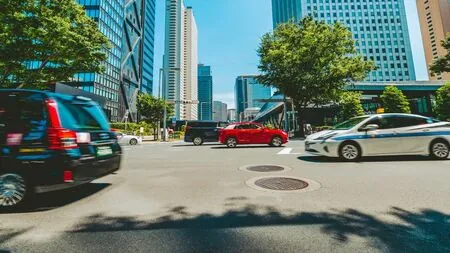
訪日外国人が運転するレンタカーによる事故が増えている――。そんな報道が最近になって目立つようになった。
今年7月20日に起きた、北海道富良野市の一般道で香港から訪日した4人家族が運転するレンタカーが対向車線にはみ出し、レンタカーの助手席に乗っていた53歳の女性が死亡するというショッキングな事故も、注目が集まるきっかけだったと思われる。
まず、いくつかデータを紹介したい。国土交通省のホームページには、2020年以降の外国人によるレンタカーの人身事故の件数が掲載されている。
訪日外国人が運転するレンタカーによる事故が増えている――。そんな報道が最近になって目立つようになった。 今年7月20日に起きた、北海道富良野市の一般道で香港から訪日した4人家族が運転するレンタカーが対向車線にはみ出し、レンタカーの助手席に乗っていた53歳の女性が死亡するというショッキングな事故も、注目が集まるきっかけだったと思われる。 まず、いくつかデータを紹介したい。国土交通省のホームページには、2020年以降の外国人によるレンタカーの人身事故の件数が掲載されている。
それによると20年の47件から、コロナ禍による激減の期間を経て、23年に120件、24年171件、25年212件と増加傾向がはっきりと見て取れる。ただし、20年も3月以降はコロナ禍でインバウンド自体がほぼ消滅しているので、増加の傾向は23年以降の数字だけを見ておけばよいだろう。 もうひとつ、富士山麓で事故が多いことから、山梨県警もインバウンドによるレンタカーの事故をカウントしている。こちらは物損事故や自損事故も含むので件数が多く、23年の461件が25年の1047件に、今年も半年ですでに600件を超えていて増加傾向に拍車がかかっていることを示している。
■事故は増えても事故率は? 注意しておきたいのは、インバウンドそのものが23年の2507万人から25年には4268万人へと1.7倍に増えていることがある。 また正確な統計はないが、外国人のレンタカー利用の割合も、リピーターが増えていることなどを考えれば高まっている可能性があるので、外国人の「事故率」が大幅に上昇したとまでは言いきれないことである。 単純に言えば、レンタカーを利用するインバウンドの総数が増えたので、必然的に事故も増えていると考えてよさそうだ。
とはいえ、レンタカー会社や事故の危険にさらされる観光地の住民などは、不安が尽きないだろう。レンタカーを示す「わ」及び「れ」ナンバーの車を見かけたらなるべく近づかないようにしている、という声も十分理解できる。 先述の国土交通省のホームページには、レンタカーを返却する空港別の外国人ランキングも掲載されており、24年度のデータでは、1位:那覇空港(32万9642人)、2位:福岡空港(24万0550人)、3位:成田空港(20万3791人)、以下関西、新千歳、中部、羽田、熊本、高松、下地島(沖縄県宮古島市)と10位までが示されている。
また、それぞれの空港で、訪日客の国籍が左右どちらの通行区分の国か(日本は右ハンドル・左側通行)というデータもあって興味深い。おそらく、日本とは逆の国ほど日本での運転に慣れないので事故を起こしやすいのではないか、という視点からの記述であろう。 右側通行・左ハンドル、つまり日本で運転すると母国とは逆になってしまう国籍の割合が一番高いのは、99%の下地島(沖縄県宮古島市)、最も低いのが羽田空港で58%となっている。
日本と同じ左側通行・右ハンドルの国は、イギリスとその植民地だった国を中心に世界で約30%と言われている。オーストラリア、ニュージーランド、インドなどの英連邦諸国の他、タイなども日本と同じだ。 下地島空港で右側通行国が圧倒的に高率なのは、国際線の就航地が韓国と台湾という、ともに「右側陣営」だけだからだと推察できる。ちなみに、地方空港への就航が多い香港は、国としては「中国の一部」だが、通行帯は日本と同じ。イギリスの植民地だった名残である。
■自分が海外で運転するときは? さて、筆者はこれまでに欧米を中心に41カ国でレンタカーを運転してきた経験がある。したがって、外国で運転する“戸惑い”と“慣れ”については、かなりの経験を積んでいるほうであろう。 まず、通行帯については、右側通行の国ではレンタカーを借りてしばらくは日本と逆なので、慎重にゆっくりと運転する。そうすると30分もすれば慣れてくる。 これまで通行帯を間違えてヒヤッとしたり事故を起こした経験は、幸いなことにない。ただし、左ハンドルの感覚に慣れないと、センターラインに寄って対向車と接近するのが少し怖いので、クルマがどうしても右寄り、つまり路肩に寄りがちである。
また、ウインカーとワイパーのレバーの位置が左右逆なので、ウインカーを出すつもりでうっかりしてワイパーを動かしてしまうことも慣れないうちは何度もあった。 道路標識については、「止まれ」や「進入禁止」「一方通行」などは、どこの国でもわかりやすいのですぐに覚えられた。 意味がわからない標識で、ちゃんと読まないと危なそうなものは、一旦停まって翻訳アプリなどで確認して確かめている。 アルファベットに慣れている私たちがキリル文字(ブルガリアやギリシャなどで遭遇した)やハングルだけの標識に出会うと戸惑うのと同様、日本の漢字やひらがなだけの標識は、非漢字圏の旅行者にすればかなり戸惑うことだろう。
とはいえ、行き先表示はローマ字の併記も増えているし、「止まれ」も「STOP」と併記されるようになってきているので、赤い逆三角形を見れば、日本語だけであっても「STOP」の意味だということはしばらくすれば慣れるに違いない。 ■現地で戸惑う3つのポイント ほかに現地で戸惑ったことを思い浮かべてみると、以下の3つがあった。 (1)常時右折可 欧米の一部では、前方の信号が赤で、なおかつ標識がなくても「常時右折可」(日本だと常時左折可)という国がいくつもある。右折しようとしても赤信号だからと停止していて、後ろから激しくクラクションを鳴らされたことが何度もある。
(2)縦列駐車 特にヨーロッパでは、路肩の縦列駐車でほとんど隙間を空けずに停めているクルマが多く、発進するとき少し前後のクルマのバンパーにぶつけることがある。地域によっては、ぶつけて出ていっても問題ないのだ。 かつてのクルマは、バンパーと車体がはっきりと分かれていたので、その感覚も理解できた。しかし最近は、ほとんどのクルマでバンパーとボディが一体となっているので、他車との接触で多少でも傷をつけることは、ありえなくなっている。
欧州でもその傾向は強くなっているが、それでも日本よりはおおらかで、あちこち傷がついたクルマが平気で走っている。その感覚の違いが、日本でクルマにレンタカーに傷をつけても平気でそのまま返却するといったことにつながっているのかもしれない。 (3)市街地の狭さ これもヨーロッパに多いが、市街地では細い道が多いうえ、路上駐車のクルマでさらに狭くなっている。レンタカー事故に関するテレビのレポートで、「日本の生活道路は狭いので大変だろう」という観光地の住民のコメントを聞いたが、これは国や地域によって大きく異なるだろう。
大きなクルマと広い道路が当たり前のアメリカからの旅行者にとっては、日本の市街地の道路や駐車場は狭く感じることは容易に想像できる。 そのほか、日本では珍しいロータリー(ラウンドアバウト、円形交差点)やナビゲーションシステムの違いなど、日本と外国との運転上の差異はいくつもある。 しかし、日本にはラウンドアバウトがほとんどなく、ナビも比較的精度が高いうえ、外国語への切り替えも可能だから、異国でも道に迷ったり一方通行を逆走したりという事態は起こりにくいであろう。そもそも、今では車載のナビがなくても使い慣れたスマートフォンの地図アプリだって使える。
■インバウンド向けの対策 国土交通省では、インバウンドのレンタカーの事故軽減策として、さまざまな対応策を講じている。 例えば、特に事故が多いと考えられる空港付近の道路で、交差点の右折レーン(レンタカーの右折時の事故は、日本人が全体の9%であるのに比して外国人は24%)に、英語で「STOP」などの目立つ表示を施したり、事故多発エリアが近づくと多言語で警告を発する「Japan Car Rental Safe Drive」という事故低減アプリを10月から本格導入したりするのも、その一環だ。
また、すでにいくつかのレンタカー会社が行っているように、特に事故を防ぐのに重要な日本の交通ルールや標識についてわかりやすく解説したパンフレットを手渡し、事前に目を通してもらうといったことをより徹底することも必要だろう。 インバウンドによるレンタカーの事故多発の情報を知って「運転前にきちんと日本のルールを教える講習を義務化すべきだ」などの意見をときどき見かける。 「たしかに」と感じる一方、ただでさえ人手不足の警察(あるいはレンタカー業界)で、日本語が話せない旅行者に多言語で講習を行う人的資源はまず出せないだろう。
また、国際的な運転免許に関する「ジュネーブ条約」に日本も加盟しているため、「相互主義」の原則上、日本人も海外で運転するたびにその国で観光やビジネスをする前に講習を受けるのかというと、これも実際問題として難しそうだ。例えばフランスの警察やレンタカー業者なりが、日本人に日本語で(あるいは英語で? )講習をしてくれることは想像しづらい。外国語による講習用の動画を見ることを義務化することなら可能かもしれないが。
■「外免切替」ドライバーも忘れてはいけない 外国人が絡む交通事故が起きると、「レンタカーを借りた外国人旅行者がまた事故を起こした」と受け取りがちだが、昨年5月に新名神で逆走の事故を起こしたペルー国籍の男性も、昨年6月に富士スバルラインで観光バスに衝突したパキスタン人も、旅行者ではなく日本の居住者だった。 つまり先ごろ取得のハードルが大きく上がった「外免切替」による免許だったと考えられる。こちらはすでに切り替えがかなり厳しくなっているので、その成果が表れるのを待ちたい。
今、開発が進み社会実装も現実的になってきた「自動運転車」が普及すれば、国を超えた運転のルールなどの違いも克服されるだろうか。そんな近未来の技術革新に期待したくなる昨今である。
この記事の単語 (292)
×7
件
けん
1. matter; affair; case; item; subject 2. counter for (received) emails, text messages, voicemail messages, etc.
×5
逆
ぎゃく
1. reverse; opposite 2. converse (of a hypothesis, etc.)
×5
標識
ひょうしき
sign; mark; flag
×5
旅行者
りょこうしゃ
traveller; traveler
×5
右折
うせつ
turning to the right; right turn
×5
講習
こうしゅう
short course; training
×4
訪日
ほうにち
visit to Japan
×4
国土交通省
こくどこうつうしょう
Ministry of Land, Infrastructure, Transport and Tourism
×4
以降
いこう
on and after; as from; hereafter; thereafter; since
×4
傾向
けいこう
tendency; trend; inclination
×4
通行
つうこう
1. passage (of people, traffic); passing 2. common usage
×4
起こす
おこす
1. to raise; to raise up; to set up; to pick up 2. to wake; to wake up; to waken; to awaken
×4
戸惑う
とまどう
to be bewildered; to be perplexed
×4
違い
ちがい
1. difference; distinction; discrepancy 2. mistake; error
×4
切り替え
きりかえ
exchange; conversion; replacement; switching (to); switchover
×3
目立つ
めだつ
to be conspicuous; to stand out
×3
香港
ホンコン
Hong Kong; Hongkong
×3
件数
けんすう
number of events (e.g. accidents, crimes, meetings, housing starts, hits on a web page)
×3
掲載
けいさい
publication (e.g. of an article in a newspaper); carrying (e.g. a story); running (e.g. a serial); insertion (e.g. of an advertisement); printing; posting (e.g. on the web)
×3
増加
ぞうか
increase; rise; growth; addition; increment
×3
既に
すでに
already; too late
×3
示す
しめす
1. to (take out and) show; to demonstrate; to tell; to exemplify; to make apparent 2. to point out (finger, clock hand, needle, etc.)
×3
国籍
こくせき
1. nationality; citizenship 2. nationality (ship, airplane, etc.); registration; flag
×3
右側通行
みぎがわつうこう
driving on the right-hand side; driving on the right side of the road
×3
詰まり
つまり
1. that is to say; that is; in other words; I mean; that (this, it) means 2. in short; in brief; to sum up; ultimately; in the end; in the long run; when all is said and done; what it all comes down to; when you get right down to it; basically
×3
可成
かなり
considerably; fairly; quite
×3
感覚
かんかく
sense; sensation; feeling; intuition
×3
日本語
にほんご
Japanese (language)
×3
常時
じょうじ
1. usually; ordinarily; always 2. continuous; 24-hour (operation, care, etc.); constant; always on
×3
可
か
1. acceptable; satisfactory; allowed; permitted 2. approval; being in favour; (a) vote in favour; aye
×3
傷
きず
1. wound; injury; cut; gash; bruise; scratch; scrape; scar 2. chip; crack; scratch; nick
×3
市街地
しがいち
town area; urban area; metropolitan area; built-up area
×3
道路
どうろ
road; highway
×3
日本人
にほんじん
Japanese person; Japanese people
×2
報道
ほうどう
report (of news); reporting; news; information; (media) coverage
×2
北海道
ほっかいどう
Hokkaido (island, prefectural-level administrative unit)
×2
富良野市
ふらのし
Furano (city) (place)
×2
一般道
いっぱんどう
public highway; local street; open road; ordinary road
×2
対向車線
たいこうしゃせん
opposite lane; oncoming lane; opposite side of the road
×2
食み出す
はみだす
1. to protrude; to stick out; to jut out; to hang out; to bulge out 2. to be forced out; to be pushed out; to be crowded out
×2
助手席
じょしゅせき
passenger seat; assistant driver's seat
×2
死亡
しぼう
1. death; mortality 2. to die; to pass away
×2
注目
ちゅうもく
notice; attention; observation
×2
集まる
あつまる
to gather; to collect; to assemble
×2
切っ掛け
きっかけ
chance; start; cue; excuse; motive; impetus; occasion
×2
人身事故
じんしんじこ
accident resulting in personal injury or death (esp. traffic, rail, etc.)
×2
コロナ禍
コロナか
coronavirus crisis; COVID-19 calamity
×2
但し
ただし
but; however; provided that
×2
越える
こえる
1. to cross over; to cross; to pass through; to pass over (out of); to go beyond; to go past 2. to exceed; to surpass; to be more (than)
×2
率
りつ
rate; ratio; proportion; percentage
×2
観光地
かんこうち
tourist attraction; sight-seeing area
×2
住民
じゅうみん
inhabitant; resident; citizen; population
×2
見掛ける
みかける
to (happen to) see; to notice; to catch sight of
×2
近付く
ちかづく
1. to approach; to draw near; to get close 2. to get acquainted with; to get closer to; to get to know
×2
理解
りかい
understanding; comprehension; appreciation; sympathy
×2
返却
へんきゃく
return of something; repayment
×2
下地島
しもじしま
Shimojishima (unclass)
×2
沖縄県
おきなわけん
Okinawa prefecture
×2
宮古島
みやこじま
Miyakojima (place)
×2
左右
さゆう
1. left and right; right and left 2. (asserting) control; influence; domination
×2
右ハンドル
みぎハンドル
right hand drive (of cars, etc.)
×2
左側通行
ひだりがわつうこう
driving on the left side of the road; driving on the left-hand side of the road; left-hand side driving
×2
左ハンドル
ひだりハンドル
left hand drive (of cars, etc.)
×2
植民地
しょくみんち
1. colony 2. (immigrant) community
×2
中心
ちゅうしん
1. center; centre; middle; heart; core; focus; pivot; emphasis; balance 2. -centered; -centred; -focused; -oriented; centered on; focused on
×2
就航
しゅうこう
entering service (on a route; of a plane or ship); going into commission; being in service
×2
一部
いちぶ
1. one part; one portion; one section; some 2. one copy (e.g. of a document)
×2
海外
かいがい
foreign; abroad; overseas
×2
欧米
おうべい
Europe and America; the West
×2
路肩
ろかた
shoulder (of a road); berm
×2
何度
なんど
1. how many times 2. how many degrees (temperature, angle, etc.)
×2
一方通行
いっぽうつうこう
one-way traffic
×2
表示
ひょうじ
1. indication; expression; showing; manifestation; demonstration 2. display; displaying
×2
併記
へいき
writing side by side
×2
現地
げんち
actual place; local; on-site
×2
縦列駐車
じゅうれつちゅうしゃ
parallel parking
×2
ぶつける
1. to hit (e.g. one's head); to strike; to crash into 2. to throw (e.g. a ball, a question, a demand)
×2
地域
ちいき
area; region
×2
平気
へいき
1. coolness; calmness; composure; unconcern 2. all right; fine; OK; okay
×2
知れる
しれる
1. to become known; to come to light; to be discovered 2. to be known; to be understood
×2
関する
かんする
to concern; to be related
×2
感じる
かんじる
to feel; to sense; to experience
×2
想像
そうぞう
imagination; guess
×2
外国語
がいこくご
foreign language
×2
可能
かのう
possible; potential; practicable; feasible
×2
逆走
ぎゃくそう
1. going in the opposite direction 2. going against the wind
×2
多発
たはつ
repeated occurrence
×2
多言語
たげんご
multilingual
×2
義務化
ぎむか
making obligatory; making compulsory
×2
或いは
あるいは
1. or; either ... or 2. maybe; perhaps; possibly
×2
観光
かんこう
sightseeing; tourism
×2
昨年
さくねん
last year
×1
激減
げきげん
dramatic decrease; sharp drop; sudden fall
×1
期間
きかん
period; term; interval
×1
経る
へる
1. to pass; to elapse; to go by 2. to pass through; to go through
×1
取れる
とれる
1. to come off; to be removed 2. to disappear (of pain, a fever, etc.)
×1
自体
じたい
1. itself 2. one's own body; oneself
×1
ほぼ
almost; roughly; approximately
×1
消滅
しょうめつ
1. extinction; extinguishment; disappearance; vanishing; termination; lapse 2. annihilation
×1
数字
すうじ
numeral; figure; digit; numeric character
×1
富士
とし
Toshi (fem)
×1
山麓
さんろく
foot of a mountain; base of a mountain
×1
山梨県
やまなしけん
Yamanashi prefecture (Chūbu area)
×1
物損
ぶっそん
property damage (i.e. as from an accident)
×1
自損
じそん
self-inflicted injury, loss, etc.
×1
含む
ふくむ
1. to contain; to comprise; to have; to hold; to include; to embrace 2. to hold in the mouth
×1
半年
はんとし
half a year; six months
×1
拍車
はくしゃ
(riding) spur
×1
正確
せいかく
accurate; correct; precise; exact
×1
統計
とうけい
statistics
×1
高まる
たかまる
to rise; to swell; to be promoted
×1
可能性
かのうせい
potentiality; likelihood; possibility; availability
×1
大幅
おおはば
1. big; large; drastic; substantial 2. full-width cloth (approx. 72 cm wide for traditional Japanese clothing; approx. 140 cm wide for Western clothing)
×1
上昇
じょうしょう
rising; ascending; climbing
×1
言い切る
いいきる
1. to declare; to assert; to state definitively 2. to finish saying; to say it all; to finish one's sentence
×1
単純
たんじゅん
simple; plain; uncomplicated; straightforward
×1
総数
そうすう
total (number); count
×1
必然的
ひつぜんてき
inevitable; necessary
×1
晒す
さらす
1. to expose (to the sun, public, danger, etc.) 2. to bleach; to refine
×1
不安
ふあん
anxiety; uneasiness; worry; apprehension; fear; insecurity; suspense
×1
尽きる
つきる
to be used up; to be run out; to be exhausted; to be consumed; to come to an end
×1
わあ
1. wow!; oh!; eek!; gee! 2. yeah!; alright!; hurray!
×1
及び
および
and; as well as
×1
先述
せんじゅつ
aforementioned; above-mentioned
×1
年度
ねんど
1. fiscal year (usu. April 1 to March 31 in Japan); financial year 2. academic year; school year
×1
那覇空港
なはくうこう
Naha Airport (place)
×1
福岡空港
ふくおかくうこう
Fukuoka Airport (place)
×1
成田空港
なりたくうこう
Narita Airport (place)
×1
関西
かんさい
1. Kansai; region consisting of Osaka, Kobe, Kyoto and surrounding prefectures 2. Kansai; south-western half of Japan (during the feudal era)
×1
千歳
せんねん
millennium; one thousand years; long time
×1
中部
ちゅうぶ
1. center; centre; middle; heart 2. Chūbu region (incl. Aichi, Nagano, Shizuoka, Niigata, Toyama, Ishikawa, Fukui, Yamanashi and Gifu prefectures)
×1
羽田
はた
Hata (surname)
×1
熊本
くまもと
Kumamoto (city, prefecture)
×1
高松
たかまつ
Takamatsu (city in Kagawa)
×1
区分
くぶん
division; section; demarcation; partition; segmentation; subdivision; (traffic) lane; compartment; classification; sorting
×1
恐らく
おそらく
perhaps; likely; probably; I dare say
×1
視点
してん
opinion; point of view; visual point
×1
記述
きじゅつ
description; account
×1
母国
ぼこく
one's home country; one's homeland
×1
一番
いちばん
1. number one; first; first place 2. best; most
×1
最も
もっとも
most; extremely
×1
羽田空港
はねだくうこう
Haneda Airport (place)
×1
英連邦
えいれんぽう
Commonwealth of Nations (formerly British Commonwealth)
×1
諸国
しょこく
various countries; various regions; various provinces
×1
他
た
other (esp. people and abstract matters)
×1
下地島空港
しもじしまくうこう
Shimojishima Airport (place)
×1
圧倒的
あっとうてき
overwhelming
×1
高率
こうりつ
high rate
×1
国際線
こくさいせん
international air route
×1
韓国
かんこく
1. South Korea; Republic of Korea 2. Korean Empire (1897-1910)
×1
台湾
たいわん
Taiwan
×1
右側
みぎがわ
right side; right-hand side
×1
陣営
じんえい
1. camp (supporters of a doctrine, party, etc.); faction (of a party) 2. military camp; encampment; cantonment
×1
推察
すいさつ
guess; conjecture; surmise
×1
因み
ちなみ
1. association; link; connection 2. pledge (esp. for marriage); promise
×1
地方
ちほう
1. district; region; area; locality 2. the country; countryside; the provinces; rural area
×1
中国
ちゅうごく
1. China 2. Chūgoku region of western Honshu (incl. Okayama, Hiroshima, Shimane, Tottori and Yamaguchi prefectures)
×1
名残り
なごり
1. remains; traces; vestiges; relics 2. (the sorrow of) parting
×1
扠
さて
well; now; then
×1
筆者
ひっしゃ
writer; author
×1
箇国
かこく
counter for countries
×1
従う
したがう
1. to obey (an order, law, etc.); to abide by (a rule, custom, etc.); to follow; to observe; to conform to; to yield to 2. to follow (a person); to accompany; to go with
×1
戸惑い
とまどい
1. being at sea; losing one's bearings; confusion; wonderment 2. disorientation upon waking at night
×1
慣れ
なれ
practice; practising; experience
×1
積む
つむ
1. to pile up; to stack 2. to load (car, ship, etc.); to pack
×1
慎重
しんちょう
careful; cautious; prudent; discreet; deliberate
×1
ゆっくり
1. slowly; unhurriedly; without haste; leisurely; at one's leisure 2. easily (e.g. in time); well; sufficiently; amply; with time to spare
×1
幸い
さいわい
1. happiness; blessedness; luck; fortune; felicity 2. luckily; fortunately
×1
対向車
たいこうしゃ
car (running) on the opposite lane; oncoming car
×1
接近
せっきん
1. getting closer; drawing nearer; approaching 2. being not much different; being near (age, skill, etc.)
×1
右寄り
みぎより
right of center (politically); right-leaning; tending to the right
×1
位置
いち
place; situation; position; location
×1
うっかり
carelessly; thoughtlessly; inadvertently
×1
動かす
うごかす
1. to move; to shift; to stir; to budge; to change position 2. to inspire; to rouse; to move (e.g. feeling); to influence
×1
道路標識
どうろひょうしき
road sign; signpost
×1
進入
しんにゅう
entry; approach; penetration
×1
禁止
きんし
prohibition; inhibition; ban
×1
ちゃんと
1. diligently; seriously; earnestly; reliably; steadily; legitimately 2. perfectly; properly; exactly; orderly; punctually; regularly
×1
一旦
いったん
1. once 2. for a short time; briefly; temporarily
×1
確認
かくにん
confirmation; verification; validation; review; check; affirmation; identification
×1
確かめる
たしかめる
to ascertain; to check; to make sure
×1
私達
わたしたち
we; us
×1
キリル文字
キリルもじ
Cyrillic alphabet; Cyrillic character
×1
遭遇
そうぐう
encounter; being confronted with (e.g. difficulty); meeting with (e.g. accident)
×1
出会う
であう
1. to meet (by chance); to come across; to run across; to encounter; to happen upon 2. to meet (e.g. of rivers, highways, etc.)
×1
同様
どうよう
same; similar; (just) like; equal
×1
非
ひ
1. fault; error; mistake 2. going poorly; being disadvantageous; being unfavorable
×1
漢字圏
かんじけん
countries where Chinese characters are used or were historically used
×1
行き先
いきさき
1. destination 2. whereabouts
×1
ローマ字
ローマじ
1. Latin alphabet; Roman alphabet 2. rōmaji; romanized Japanese; system of transliterating Japanese into the Latin alphabet
×1
三角形
さんかくけい
triangle
×1
思い浮かべる
おもいうかべる
to be reminded of; to call to mind
×1
前方
ぜんぽう
1. forward; frontward; ahead 2. rectangular front
×1
信号
しんごう
1. signal; signalling; signaling 2. traffic light; traffic signal
×1
尚且つ
なおかつ
1. besides; furthermore; on top of that 2. and yet; nevertheless; even so
×1
左折
させつ
turning to the left; left turn
×1
赤信号
あかしんごう
1. red light (traffic) 2. red light; signal to stop; sign of danger
×1
停止
ていし
1. stoppage; coming to a stop; halt; standstill 2. ceasing (movement, activity, etc.); suspension (of operations); interruption (e.g. of electricity supply); cutting off
×1
激しい
はげしい
1. violent; furious; tempestuous 2. extreme; intense; fierce; strong
×1
鳴らす
ならす
1. to ring; to sound; to chime; to beat; to snort (nose); to snap (fingers); to crack (joints) 2. to be popular; to be esteemed; to be reputed
×1
隙間
すきま
1. crevice; crack; gap; opening; clearance 2. spare moment; interval; break; pause; spare time
×1
空ける
あける
1. to open (a door, etc.); to unwrap (e.g. parcel, package); to unlock 2. to open (for business, etc.)
×1
発進
はっしん
departure; takeoff
×1
前後
ぜんご
1. front and rear; front and back; before and behind; back and forth 2. before and after
×1
嘗て
かつて
1. once; before; formerly; ever; former; ex- 2. never yet; never before; first time; still not happened
×1
車体
しゃたい
body (of car); frame
×1
分かれる
わかれる
1. to branch; to fork; to diverge 2. to separate; to split; to divide
×1
一体
いったい
1. (what) the heck; (why) in the world; (who) on earth 2. one object; one body; unity
×1
他車
たしゃ
other cars
×1
接触
せっしょく
touch; contact
×1
多少
たしょう
1. a little; some; somewhat; slightly; to some degree; to some extent 2. amount; quantity; number
×1
欧州
おうしゅう
Europe
×1
大らか
おおらか
1. placid; composed; serene; calm 2. big hearted; broad-minded; magnanimous
×1
彼方此方
あちこち
1. here and there; all around; everywhere; throughout; all over 2. to get things in the wrong order (back to front); to become muddled up
×1
そのまま
1. without change; as is 2. just like; extremely similar
×1
繋がる
つながる
1. to be tied together; to be connected to; to be linked to 2. to lead to; to be related to
×1
路上駐車
ろじょうちゅうしゃ
parking on the streets; on-street parking
×1
生活道路
せいかつどうろ
residential road; residential street; neighborhood road
×1
大変
たいへん
1. very; greatly; terribly; awfully 2. immense; enormous; great
×1
異なる
ことなる
to differ; to vary; to disagree
×1
当たり前
あたりまえ
1. natural; reasonable; obvious 2. usual; common; ordinary; commonplace; the norm
×1
容易
ようい
easy; simple; plain
×1
円形
えんけい
round shape; circle; circular form
×1
差異
さい
difference; disparity; gap
×1
比較的
ひかくてき
comparatively; relatively
×1
精度
せいど
precision; accuracy
×1
異国
いこく
foreign country
×1
迷う
まよう
1. to lose one's way; to get lost 2. to waver; to hesitate; to be of two minds over; to be puzzled; to be perplexed
×1
事態
じたい
situation; (present) state of affairs; circumstances
×1
起こる
おこる
to occur; to happen
×1
抑
そもそも
1. in the first place; to begin with; from the start; originally; ab initio 2. after all; anyway; actually; well, ...; ... on earth (e.g. "what on earth?"); ... in the world (e.g. "why in the world?")
×1
車載
しゃさい
in-vehicle; on-board
×1
って
1. you said; he said; she said; they said 2. if ... then
×1
対策
たいさく
measure; step; countermeasure; counterplan; countermove; strategy; preparation (e.g. for a test)
×1
軽減
けいげん
abatement; reduction
×1
策
さく
1. plan; policy; means; measure; stratagem; scheme 2. fifth principle of the Eight Principles of Yong; right upward flick
×1
対応策
たいおうさく
countermeasure; counter-measure
×1
講じる
こうじる
1. to take measures; to work out a plan 2. to lecture; to read aloud
×1
付近
ふきん
1. neighborhood; vicinity; environs; district 2. approaching
×1
全体
ぜんたい
whole; entirety; whatever (is the matter)
×1
比する
ひする
to compare
×1
施す
ほどこす
1. to give (time, money, goods); to donate 2. to do; to perform; to conduct
×1
警告
けいこく
warning; advice
×1
発する
はっする
1. to let out; to utter; to produce; to emit; to give forth; to discharge 2. to issue; to send; to give
×1
低減
ていげん
decrease; reduction; fall; depreciation; mitigation
×1
本格
ほんかく
1. original method or procedure 2. serious; orthodox; classical; genuine
×1
導入
どうにゅう
introduction; bringing in; leading in; installation
×1
一環
いっかん
1. link (e.g. in a chain of events); part (of a plan, campaign, activities, etc.) 2. monocyclic
×1
防ぐ
ふせぐ
1. to defend against; to protect against 2. to prevent; to avert; to avoid
×1
重要
じゅうよう
important; momentous; essential; principal; major
×1
解説
かいせつ
explanation; commentary; exposition; elucidation
×1
手渡す
てわたす
to hand over; to surrender
×1
事前
じぜん
prior; beforehand; in advance; before the fact; ex ante
×1
徹底
てってい
1. thoroughness; completeness; consistency 2. thorough enforcement; seeing to it that a policy, etc. is carried out without exception
×1
情報
じょうほう
1. information; news; intelligence; advices 2. information; data contained in characters, signals, code, etc.
×1
きちんと
1. properly; accurately; exactly; precisely; regularly 2. neatly; tidily; orderly
×1
只
ただ
1. ordinary; common; usual 2. free of charge
×1
さえ
1. even 2. (if) only; just; as long as
×1
人手不足
ひとでぶそく
labour shortage; labor shortage; shortage of workers; shortage of hands
×1
人的資源
じんてきしげん
human resources; man-power resources
×1
国際的
こくさいてき
international
×1
運転免許
うんてんめんきょ
driver's license; driver's licence
×1
ジュネーブ条約
ジュネーブじょうやく
Geneva Convention
×1
加盟
かめい
joining (an association, agreement, etc.); participation; affiliation; accession
×1
相互主義
そうごしゅぎ
principle of reciprocity
×1
原則
げんそく
1. principle; general rule 2. as a rule; in principle; in general
×1
実際問題
じっさいもんだい
practical question (problem); practical matter
×1
業者
ぎょうしゃ
1. trader; dealer; businessman; vendor; supplier; manufacturer 2. fellow trader; people in the same trade
×1
動画
どうが
1. video; movie; moving picture 2. animation; animated cartoon
×1
絡む
からむ
1. to entangle; to entwine 2. to pick a quarrel; to find fault
×1
交通事故
こうつうじこ
traffic accident
×1
受け取る
うけとる
1. to receive; to get; to accept 2. to take; to interpret; to understand
×1
新名
あたな
Atana (surname)
×1
富士スバルライン
ふじスバルライン
Fujisubarurain (unclass)
×1
衝突
しょうとつ
1. collision; crash; running into 2. conflict; quarrel; clashing
×1
居住者
きょじゅうしゃ
resident; inhabitant
×1
先頃
さきごろ
recently; the other day
×1
取得
しゅとく
acquisition; obtaining; gaining possession; purchase
×1
上がる
あがる
1. to rise; to go up; to come up; to ascend; to be raised 2. to enter (esp. from outdoors); to come in; to go in
×1
免許
めんきょ
license; permit; licence; certificate
×1
成果
せいか
(good) result; outcome; fruits (of one's labors); product; accomplishment
×1
表れる
あらわれる
1. to appear; to come in sight; to become visible; to come out; to embody; to materialize; to materialise 2. to be expressed (e.g. emotions); to become apparent (e.g. trends, effects)
×1
開発
かいはつ
development; exploitation
×1
実装
じっそう
implementation (e.g. of a feature); installation (of equipment); mounting; packaging
×1
現実的
げんじつてき
realistic; pragmatic
×1
自動運転車
じどううんてんしゃ
self-driving car; autonomous car
×1
普及
ふきゅう
diffusion; spread; popularization; promulgation; familiarization
×1
克服
こくふく
conquest (of a difficulty, illness, handicap, etc.); overcoming; bringing under control; subjugation; victory over
×1
近未来
きんみらい
near future
×1
技術革新
ぎじゅつかくしん
technological innovation
×1
期待
きたい
1. expectation; anticipation; hope 2. promising; rising; up-and-coming
×1
昨今
さっこん
nowadays; recently