ことしの外交青書 中国めぐり“最も重要な二国間関係の一つ”という表現の記載を見送る
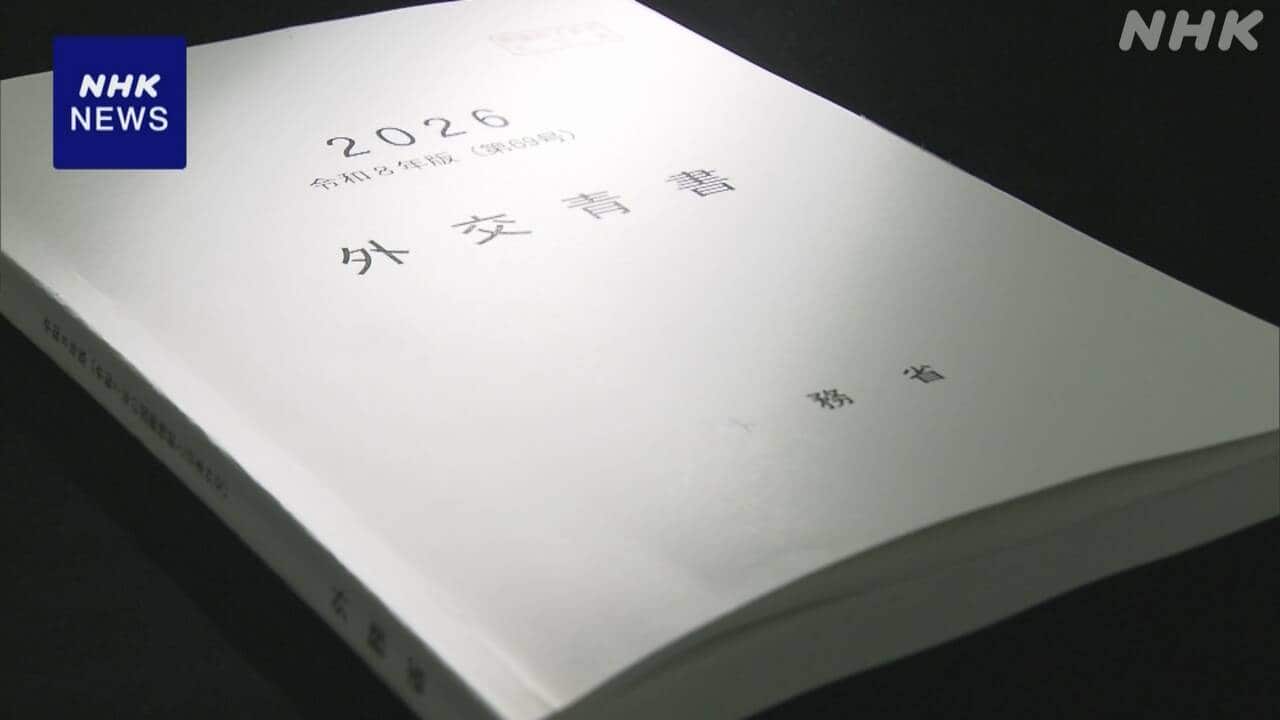
ことしの「外交青書」がまとまり、中国をめぐって去年まで使用していた「最も重要な二国間関係の一つ」という表現の記載を見送りました。日本に対する一方的な批判や威圧的措置を強めているとして、日本の立場に国際社会の理解を得ることが極めて重要だと強調しています。
10日の閣議で報告された「外交青書」は、去年1月からおよそ1年間の国際情勢や日本外交の取り組みなどをまとめたものです。
この中では、高市総理大臣のいわゆる「台湾有事」をめぐる国会答弁以降、関係が悪化している中国について「重要な隣国」とする一方、去年まで使用していた「最も重要な二国間関係の一つ」という表現の記載を見送っています。
中国軍の戦闘機による自衛隊機へのレーダー照射や軍民両用の品目の輸出規制強化などの事例を列挙し「日本に対して、一方的な批判や威圧的措置を強めている」と指摘したうえで、日本の立場や正しい事実関係について国際社会の理解を得ることが極めて重要だと強調しています。
一方、中国との関係をめぐり「戦略的互恵関係」の包括的な推進は一貫した方針として維持し、意思疎通を継続する姿勢も明記しています。
このほかイラン情勢をめぐっては、エネルギー安全保障を含む中東地域の平和と安定、それに、国際的な核不拡散体制の維持は、日本にとって極めて重要だとして事態の早期沈静化に向けて引き続き、必要なあらゆる外交努力を行っていく方針を示しています。
佐藤官房副長官は記者会見で「記載ぶりについて単純に比較することは適当ではない。外交青書の具体的な記述ぶりは分量や読みやすさ、構成など編集上の観点を総合的に勘案したものだ」と述べました。
そのうえで「中国との間で戦略的互恵関係を包括的に推進し、建設的かつ安定的な関係を構築していく方針は一貫しており、去年とことしの青書のいずれにも明記されている。日中間に懸案と課題があるからこそ意思疎通が重要で、中国とのさまざまな対話についてオープンであり、今後も冷静かつ適切に対応していく」と述べました。
10日の閣議で報告された「外交青書」は、去年1月からおよそ1年間の国際情勢や日本外交の取り組みなどをまとめたものです。
この中では、高市総理大臣のいわゆる「台湾有事」をめぐる国会答弁以降、関係が悪化している中国について「重要な隣国」とする一方、去年まで使用していた「最も重要な二国間関係の一つ」という表現の記載を見送っています。
中国軍の戦闘機による自衛隊機へのレーダー照射や軍民両用の品目の輸出規制強化などの事例を列挙し「日本に対して、一方的な批判や威圧的措置を強めている」と指摘したうえで、日本の立場や正しい事実関係について国際社会の理解を得ることが極めて重要だと強調しています。
一方、中国との関係をめぐり「戦略的互恵関係」の包括的な推進は一貫した方針として維持し、意思疎通を継続する姿勢も明記しています。
このほかイラン情勢をめぐっては、エネルギー安全保障を含む中東地域の平和と安定、それに、国際的な核不拡散体制の維持は、日本にとって極めて重要だとして事態の早期沈静化に向けて引き続き、必要なあらゆる外交努力を行っていく方針を示しています。
佐藤官房副長官は記者会見で「記載ぶりについて単純に比較することは適当ではない。外交青書の具体的な記述ぶりは分量や読みやすさ、構成など編集上の観点を総合的に勘案したものだ」と述べました。
そのうえで「中国との間で戦略的互恵関係を包括的に推進し、建設的かつ安定的な関係を構築していく方針は一貫しており、去年とことしの青書のいずれにも明記されている。日中間に懸案と課題があるからこそ意思疎通が重要で、中国とのさまざまな対話についてオープンであり、今後も冷静かつ適切に対応していく」と述べました。
Vocabulary
General
Proper noun
JLPT N2
JLPT N1
| # | 言葉 | 意味 |
|---|---|---|
| 7 | 重要 | じゅうよう (重要) : important; momentous; essential; principal; major |
| 5 | 外交 | がいこう (外交) : 1. diplomacy 2. selling (e.g. door-to-door); canvassing |
| 5 | 中国 | ちゅうごく (中国) : 1. China 2. Chūgoku region of western Honshu (incl. Okayama, Hiroshima, Shimane, Tottori and Yamaguchi prefectures) |
| 4 | 青書 | せいしょ (青書) : Blue Book (government-issued report) |
| 4 | めぐる | めぐる (巡る) : 1. to go around 2. to return |
| 3 | 記載 | きさい (記載) : mention (in a document); record; entry; statement; listing |
| 3 | 極めて | きわめて (極めて) : exceedingly; extremely; decisively |
| 3 | 方針 | ほうしん (方針) : 1. policy; course; plan (of action); principle 2. magnetic needle |
| 2 | 使用 | しよう (使用) : use; application; employment; utilization; utilisation |
| 2 | 最も | もっとも (最も) : most; extremely |
| 2 | 二国間 | にこくかん (二国間) : bilateral |
| 2 | 表現 | ひょうげん (表現) : 1. expression; presentation 2. representation; notation |
| 2 | 見送る | みおくる (見送る) : 1. to see someone off (at a station, an airport, etc.); to escort (e.g. home) 2. to follow something with one's eyes until it is out of sight |
| 2 | 一方的 | いっぽうてき (一方的) : one-sided; unilateral; arbitrary |
| 2 | 批判 | ひはん (批判) : criticism; judgement; judgment; comment |
| 2 | 威圧的 | いあつてき (威圧的) : coercive; overbearing |
| 2 | 措置 | そち (措置) : measure; step; action |
| 2 | 強める | つよめる (強める) : to strengthen; to emphasize; to emphasise |
| 2 | 立場 | たちば (立場) : 1. position; situation 2. viewpoint; standpoint; point of view |
| 2 | 国際社会 | こくさいしゃかい (国際社会) : international community; international society; the world |
| 2 | 理解 | りかい (理解) : understanding; comprehension; appreciation; sympathy |
| 2 | 強調 | きょうちょう (強調) : emphasis; highlight; stress; stressed point |
| 2 | 情勢 | じょうせい (情勢) : state of things; state of affairs; condition; situation; circumstances |
| 2 | 包括的 | ほうかつてき (包括的) : comprehensive; inclusive; encompassing |
| 2 | 推進 | すいしん (推進) : 1. propulsion; drive 2. promotion (e.g. of a government policy); furtherance; implementation |
| 2 | 一貫 | いっかん (一貫) : 1. consistency; coherence; integration 2. one kan (approx. 3.75 kg, 8.3 lb) |
| 2 | 維持 | いじ (維持) : maintenance; preservation; improvement |
| 2 | 意思疎通 | いしそつう (意思疎通) : (coming to a) mutual understanding; understanding each other |
| 2 | 明記 | めいき (明記) : clear writing; specification |
| 2 | ぶり | ぶり (振り) : 1. style; manner; way 2. after (period of time) again (e.g. meeting again after a year); for the first time in (period of time) |
| 2 | 述べる | のべる (述べる) : to state; to express; to mention |
| 1 | まとまる | まとまる (纏まる) : 1. to find resolution; to be settled; to be agreed on; to be completed 2. to be collected; to be assembled; to be brought together |
| 1 | 閣議 | かくぎ (閣議) : cabinet meeting |
| 1 | 報告 | ほうこく (報告) : report; information |
| 1 | 年間 | ねんかん (年間) : 1. (period of) a year 2. during an era |
| 1 | 取り組み | とりくみ (取り組み) : 1. bout (in sports, etc.); match 2. effort; initiative; dealing with; grappling with; wrestling with |
| 1 | まとめる | まとめる (纏める) : 1. to collect; to put (it all) together; to integrate; to consolidate; to unify 2. to summarize; to aggregate |
| 1 | 高市 | こういち (高市) : Kouichi (surname) |
| 1 | 総理大臣 | そうりだいじん (総理大臣) : prime minister (as the head of a cabinet government); premier |
| 1 | いわゆる | いわゆる (所謂) : what is called; as it is called; the so-called; so to speak |
| 1 | 台湾 | たいわん (台湾) : Taiwan |
| 1 | 有事 | ゆうじ (有事) : emergency |
| 1 | 国会 | こっかい (国会) : 1. National Diet; legislative assembly of Japan (1947-) 2. Imperial Diet; legislative assembly of Japan (1889-1947) |
| 1 | 答弁 | とうべん (答弁) : response; reply; answer; defence; defense |
| 1 | 以降 | いこう (以降) : on and after; as from; hereafter; thereafter; since |
| 1 | 悪化 | あっか (悪化) : (suffer) deterioration; growing worse; aggravation; degeneration; corruption |
| 1 | 隣国 | りんごく (隣国) : neighbouring country; neighboring country; adjacent country |
| 1 | 戦闘機 | せんとうき (戦闘機) : fighter (aircraft) |
| 1 | 自衛隊 | じえいたい (自衛隊) : 1. self-defence force; self-defense force 2. Japan Self-Defense Force; JSDF |
| 1 | レーダー照射 | レーダーしょうしゃ (レーダー照射) : radar irradiation |
| 1 | 軍民 | ぐんみん (軍民) : the military and civilians |
| 1 | 両用 | りょうよう (両用) : dual use |
| 1 | 品目 | ひんもく (品目) : item; commodity; list of articles |
| 1 | 規制 | きせい (規制) : regulation; (traffic) policing; control; restriction |
| 1 | 強化 | きょうか (強化) : strengthening; intensifying; reinforcement; enhancement; solidification |
| 1 | 事例 | じれい (事例) : example; precedent; case |
| 1 | 列挙 | れっきょ (列挙) : enumeration; list |
| 1 | 指摘 | してき (指摘) : pointing out; identification |
| 1 | 事実関係 | じじつかんけい (事実関係) : all facts (of a case) |
| 1 | 継続 | けいぞく (継続) : continuation |
| 1 | 姿勢 | しせい (姿勢) : 1. posture; pose; position; stance; carriage (of the body) 2. attitude; approach; stance |
| 1 | 含む | ふくむ (含む) : 1. to contain; to comprise; to have; to hold; to include; to embrace 2. to hold in the mouth |
| 1 | 中東 | ちゅうとう (中東) : Middle East |
| 1 | 地域 | ちいき (地域) : area; region |
| 1 | 平和 | へいわ (平和) : peace; harmony |
| 1 | 安定 | あんてい (安定) : stability; steadiness; equilibrium |
| 1 | 国際的 | こくさいてき (国際的) : international |
| 1 | 核 | かく (核) : 1. stone (of a fruit); pit; pip 2. core (of an organization, team, etc.); nucleus; heart |
| 1 | 体制 | たいせい (体制) : order; system; structure; set-up; organization; organisation |
| 1 | 事態 | じたい (事態) : situation; (present) state of affairs; circumstances |
| 1 | 早期 | そうき (早期) : early stage |
| 1 | 沈静 | ちんせい (沈静) : stillness; tranquility; tranquillity; dullness |
| 1 | 化 | か (化) : action of making something; -ification |
| 1 | 引き続く | ひきつづく (引き続く) : to continue (for a long time); to occur in succession; to come next (e.g. on TV) |
| 1 | あらゆる | あらゆる (有らゆる) : all; every |
| 1 | 努力 | どりょく (努力) : effort; exertion; endeavour; endeavor; hard work; striving |
| 1 | 示す | しめす (示す) : 1. to (take out and) show; to demonstrate; to tell; to exemplify; to make apparent 2. to point out (finger, clock hand, needle, etc.) |
| 1 | 佐藤 | さいう (佐藤) : Saiu (surname) |
| 1 | 記者会見 | きしゃかいけん (記者会見) : press conference |
| 1 | 単純 | たんじゅん (単純) : simple; plain; uncomplicated; straightforward |
| 1 | 比較 | ひかく (比較) : comparison |
| 1 | 具体的 | ぐたいてき (具体的) : concrete; definite; specific; material; substantial |
| 1 | 記述 | きじゅつ (記述) : description; account |
| 1 | 分量 | ぶんりょう (分量) : amount; quantity |
| 1 | 読む | よむ (読む) : 1. to read 2. to count |
| 1 | やす | やす (安) : 1. cheap 2. rash; thoughtless; careless; indiscreet; frivolous |
| 1 | 構成 | こうせい (構成) : composition; construction; formation; makeup; structure; organization; organisation |
| 1 | 編集 | へんしゅう (編集) : editing; compilation |
| 1 | 観点 | かんてん (観点) : point of view |
| 1 | 総合的 | そうごうてき (総合的) : comprehensive; composite; all-embracing |
| 1 | 勘案 | かんあん (勘案) : taking into consideration; giving consideration (to) |
| 1 | 建設的 | けんせつてき (建設的) : constructive |
| 1 | 安定的 | あんていてき (安定的) : stable |
| 1 | 構築 | こうちく (構築) : construction; building; putting up; erecting; creation; formulation; architecture (systems, agreement, etc.) |
| 1 | いずれ | いずれ (何れ) : 1. where; which; who 2. anyway; anyhow; at any rate |
| 1 | 日中 | にっちゅう (日中) : 1. daytime; during the day 2. Japan and China |
| 1 | 懸案 | けんあん (懸案) : pending question; unresolved problem |
| 1 | 課題 | かだい (課題) : 1. subject; theme; issue; matter 2. homework; assignment |
| 1 | こそ | こそ : 1. it is ... that ...; precisely; in particular; definitely; for sure; only (when, after, because, etc.) 2. although; while; it is the case that ... but |
| 1 | 対話 | たいわ (対話) : dialogue; discussion; conversation; interaction |
| 1 | 今後 | こんご (今後) : from now on; hereafter |
| 1 | 冷静 | れいせい (冷静) : calmness; composure; coolness; serenity; presence of mind |
| 1 | 適切 | てきせつ (適切) : appropriate; suitable; fitting; apt; proper; right; pertinent; relevant |
| 1 | 対応 | たいおう (対応) : 1. correspondence (to); equivalence 2. suitability; coordination; matching; being appropriate (for) |