「ニコタマみたいなタワマンは皆無」「しかし邸宅が多数存在」…世田谷区内でも実は「隠れた高級住宅地」の街の実態
予習
この記事のキーワード — タップで意味×12
九品
くほん
1. nine levels of Amitabha's Pure Land 2. Amitabha's Pure Land
×6
仏
ふつ
1. France 2. French language
N1×8
昭和
しょうわ
1. Shōwa era (1926.12.25-1989.1.7) 2. reminiscent of the Shōwa era; Shōwa-nostalgic; old-fashioned; quaint; old-school
×4
鷺草
さぎそう
fringed orchid (Pecteilis radiata); white egret flower; sagiso
×5
開通
かいつう
1. opening (of a new road, railway, etc.); going into operation (e.g. telephone communication); beginning services 2. reopening (e.g. a road to traffic); resumption of services
N2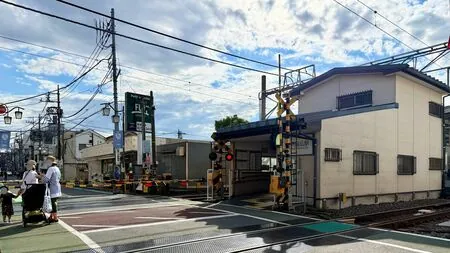
昔からの商店街、昭和の趣を残す家屋、狭く入り組んだ路地……さまざまな再開発が進む東京だが、中には再開発されないままの街もある。
タワマンや高層オフィス、大きな商業施設が生まれない街には、どんな理由があるのか――。ライター・坪川うたさんが、緻密なリサーチとフィールドワークで送る連載。第11回は「九品仏」を取り上げる。
■商店が軒を連ねる
世田谷区にある九品仏駅。「くほんぶつ」と読む。難読駅名として取り上げられるからか聞いたことはあるものの、よく知らない。そんな「九品仏」はどんな街なのか、歩いてみた。
昔からの商店街、昭和の趣を残す家屋、狭く入り組んだ路地……さまざまな再開発が進む東京だが、中には再開発されないままの街もある。 タワマンや高層オフィス、大きな商業施設が生まれない街には、どんな理由があるのか――。ライター・坪川うたさんが、緻密なリサーチとフィールドワークで送る連載。第11回は「九品仏」を取り上げる。 ■商店が軒を連ねる 世田谷区にある九品仏駅。「くほんぶつ」と読む。難読駅名として取り上げられるからか聞いたことはあるものの、よく知らない。そんな「九品仏」はどんな街なのか、歩いてみた。
大岡山で東急大井町線に乗り換え、九品仏へ向かう。自由が丘を過ぎ、次かと思っていたら「次は、二子玉川」と聞こえてきた。うっかり急行に乗ってしまったらしい。 せっかくなので二子玉川駅で降りてみたら、連休中とあってファミリーや若者であふれている。駅構内は人が多すぎて、ちょっと嫌気がさしてしまうほどの混雑だ。 今度こそしっかり確認して各停の電車に乗る。車窓から二子玉川ライズのタワマン群を眺め、わずか10分足らずで九品仏駅に到着した。
電車を降りると、ホームの目の前に建っている戸建てが目に入った。建物の背が低く、先ほどとまったく違う景色が広がっている。改札口を出るとすぐ踏切があり、「カンカン」と響いたので慌てて線路の外に出た。 駅前には九品仏商店会と書かれた街路灯が立ち、スーパーや飲食店、おしゃれな洋菓子店、カフェ、薬局などが並ぶ商店街が真っすぐ続いている。タバコ屋を併設した精肉店や酒屋もある。建物はだいたい2〜3階建て、高くても5階程度だ。
一大商業地といった様相ではないが、近隣住民と思しき買い物客が行き交う。想像以上に長く、のんびりと5分あまり歩くとゴール地点にたどり着いた。商店街とT字を描くようにして環状8号線が走っている。 なお九品仏という地名は存在せず、九品仏駅周辺は奥沢という地名で、環状8号線の対岸は玉川田園調布である。 ■浄真寺と閑静な住宅地 再び九品仏駅のほうへ引き返し、今度は商店街の両側に広がる住宅地を歩いてみる。 敷地にゆとりのある戸建てが多く、なかには邸宅という言葉がぴったりなお宅もある。虫の声がよく聞こえるほど閑静な雰囲気。おおむね碁盤の目状に真っすぐに道が伸び、きれいに整えられた印象を受ける住宅地だ。見晴らしが良く、遠くに建つ超高層ビルを望む。
九品仏駅に戻り反対側に出ると、すぐに浄真寺の参道入り口が現れる。秋のお彼岸ということもあってか、老若男女の参詣客がひっきりなしに出入りしていた。 参道の両側には、背の高いクロマツが並んでいる。この日は9月も後半だというのに汗ばむ陽気だったが、木陰になっていていくらか涼しく感じる。境内も豊かな緑に囲まれていた。 ■奥沢城から浄真寺へ 浄真寺は世田谷城主・吉良頼康氏の家臣、大平出羽守の館があった奥沢城跡である。吉良氏はここを仮住居としていたが、本城の世田谷城が完成すると、奥沢城を出城にして大平氏に与えた。
戦国時代、吉良氏の寵愛を受け、周囲に妬まれた大平氏の娘・常盤姫が遺書を結びつけた白鷺を放った。その白鷺を吉良氏が射落とし、白鷺を埋めたところから鷺草が咲いたという悲話が伝わっている。鷺草は世田谷区の「区の花」に定められ、浄真寺の境内には鷺草園がある。 1590(天正18)年、吉良氏の没落により奥沢城は廃城となり、徳川の支配で雑木林となったのち、1662(寛文2)年に開墾され奥沢新田となった。 1678(延宝6)年に高僧である珂碩上人が徳川家綱から奥沢城跡を賜り、衆生救済のために浄真寺を創建した。これが浄真寺のはじまりである。
浄真寺の正式名称は「九品山唯在念佛院淨眞寺」といい、上品、中品、下品の3つのお堂にそれぞれ3体の阿弥陀如来が安置されていることから九品仏の名で親しまれている。 江戸時代、浄真寺の縁日市(七日市)には参詣客向けの茶屋や煮売屋などが並んだ。 浄真寺では3年に一度、8月16日に「おめんかぶり」が行われていた(2017年から5月5日となり、2024年を最後に4年に一度に変更)。正式には「二十五菩薩来迎会」といい、仏が浄土から現世に救済に現れる様を体現する行事である。上品堂を極楽浄土、本堂を現世と見立ててその間に橋をかけ、菩薩の面をかぶった25人が渡る。これは都の無形民俗文化財に指定されている。
境内のカヤは1952(昭和27)年、イチョウは1963(昭和38)年に東京都の天然記念物に指定された。 ■明治以前まで「奥沢の底なし田圃」だった このあたりは水田地帯で、明治以前まで農家ばかりだった。浄真寺は「奥沢の底なし田圃」といわれる深田に囲まれており、大正時代まで鷺草が自生していたという。 水田が広がる九品仏駅周辺の宅地化が進むきっかけとなったのは、耕地整理と鉄道の開通である。 九品仏駅周辺を含む一帯では1925(大正14)年に「玉川全円耕地整理組合」が認可され、1954(昭和29)年にかけて事業が進められた。耕地整理は農地の形を整えるものだが、この一帯は実質的に郊外住宅地として整備されていった。先ほど触れたように、住宅地の道が真っすぐに整っているのはこのためだ。
1927(昭和2)年7月に大井町線の大井町〜大岡山間が開通。1929(昭和4)年11月に自由が丘〜二子玉川間が開通し、九品仏駅が開業した。同年12月に、大岡山〜自由が丘間が開通し、大井町〜二子玉川間が全通した。 もともと今の自由が丘駅が九品仏駅という名前だった。九品仏駅の開設に伴って、自由ヶ丘駅(1966年に自由が丘)へ変更された。 大井町線は交通が不便であった玉川村の中心地帯に開通されたものであり、これにより等々力から九品仏にかけて一帯が急速に発展していった。
■低層で静かな街並みを残している かつて九品仏には、浄真寺の池から流れ出て、自由が丘駅の南を通り、緑が丘で呑川と合流する九品仏川という川が流れていた。しかし下水道の普及に伴い、1960(昭和35)年に下水道幹線(暗渠)として利用すると決まった。そして暗渠化され、緑道として整備されている。 しかし、九品仏駅周辺では市街地再開発事業やその他の大規模な開発が行われることはなく、冒頭に伝えたような低層で静かな街並みを残している。
なぜ九品仏は再開発されないのか――。続く後編ではその理由を分析する。
昔からの商店街、昭和の趣を残す家屋、狭く入り組んだ路地……さまざまな再開発が進む東京だが、中には再開発されないままの街もある。 タワマンや高層オフィス、大きな商業施設が生まれない街には、どんな理由があるのか――。ライター・坪川うたさんが、緻密なリサーチとフィールドワークで送る連載。第11回は「九品仏」を取り上げる。 ■商店が軒を連ねる 世田谷区にある九品仏駅。「くほんぶつ」と読む。難読駅名として取り上げられるからか聞いたことはあるものの、よく知らない。そんな「九品仏」はどんな街なのか、歩いてみた。
大岡山で東急大井町線に乗り換え、九品仏へ向かう。自由が丘を過ぎ、次かと思っていたら「次は、二子玉川」と聞こえてきた。うっかり急行に乗ってしまったらしい。 せっかくなので二子玉川駅で降りてみたら、連休中とあってファミリーや若者であふれている。駅構内は人が多すぎて、ちょっと嫌気がさしてしまうほどの混雑だ。 今度こそしっかり確認して各停の電車に乗る。車窓から二子玉川ライズのタワマン群を眺め、わずか10分足らずで九品仏駅に到着した。
電車を降りると、ホームの目の前に建っている戸建てが目に入った。建物の背が低く、先ほどとまったく違う景色が広がっている。改札口を出るとすぐ踏切があり、「カンカン」と響いたので慌てて線路の外に出た。 駅前には九品仏商店会と書かれた街路灯が立ち、スーパーや飲食店、おしゃれな洋菓子店、カフェ、薬局などが並ぶ商店街が真っすぐ続いている。タバコ屋を併設した精肉店や酒屋もある。建物はだいたい2〜3階建て、高くても5階程度だ。
一大商業地といった様相ではないが、近隣住民と思しき買い物客が行き交う。想像以上に長く、のんびりと5分あまり歩くとゴール地点にたどり着いた。商店街とT字を描くようにして環状8号線が走っている。 なお九品仏という地名は存在せず、九品仏駅周辺は奥沢という地名で、環状8号線の対岸は玉川田園調布である。 ■浄真寺と閑静な住宅地 再び九品仏駅のほうへ引き返し、今度は商店街の両側に広がる住宅地を歩いてみる。 敷地にゆとりのある戸建てが多く、なかには邸宅という言葉がぴったりなお宅もある。虫の声がよく聞こえるほど閑静な雰囲気。おおむね碁盤の目状に真っすぐに道が伸び、きれいに整えられた印象を受ける住宅地だ。見晴らしが良く、遠くに建つ超高層ビルを望む。
九品仏駅に戻り反対側に出ると、すぐに浄真寺の参道入り口が現れる。秋のお彼岸ということもあってか、老若男女の参詣客がひっきりなしに出入りしていた。 参道の両側には、背の高いクロマツが並んでいる。この日は9月も後半だというのに汗ばむ陽気だったが、木陰になっていていくらか涼しく感じる。境内も豊かな緑に囲まれていた。 ■奥沢城から浄真寺へ 浄真寺は世田谷城主・吉良頼康氏の家臣、大平出羽守の館があった奥沢城跡である。吉良氏はここを仮住居としていたが、本城の世田谷城が完成すると、奥沢城を出城にして大平氏に与えた。
戦国時代、吉良氏の寵愛を受け、周囲に妬まれた大平氏の娘・常盤姫が遺書を結びつけた白鷺を放った。その白鷺を吉良氏が射落とし、白鷺を埋めたところから鷺草が咲いたという悲話が伝わっている。鷺草は世田谷区の「区の花」に定められ、浄真寺の境内には鷺草園がある。 1590(天正18)年、吉良氏の没落により奥沢城は廃城となり、徳川の支配で雑木林となったのち、1662(寛文2)年に開墾され奥沢新田となった。 1678(延宝6)年に高僧である珂碩上人が徳川家綱から奥沢城跡を賜り、衆生救済のために浄真寺を創建した。これが浄真寺のはじまりである。
浄真寺の正式名称は「九品山唯在念佛院淨眞寺」といい、上品、中品、下品の3つのお堂にそれぞれ3体の阿弥陀如来が安置されていることから九品仏の名で親しまれている。 江戸時代、浄真寺の縁日市(七日市)には参詣客向けの茶屋や煮売屋などが並んだ。 浄真寺では3年に一度、8月16日に「おめんかぶり」が行われていた(2017年から5月5日となり、2024年を最後に4年に一度に変更)。正式には「二十五菩薩来迎会」といい、仏が浄土から現世に救済に現れる様を体現する行事である。上品堂を極楽浄土、本堂を現世と見立ててその間に橋をかけ、菩薩の面をかぶった25人が渡る。これは都の無形民俗文化財に指定されている。
境内のカヤは1952(昭和27)年、イチョウは1963(昭和38)年に東京都の天然記念物に指定された。 ■明治以前まで「奥沢の底なし田圃」だった このあたりは水田地帯で、明治以前まで農家ばかりだった。浄真寺は「奥沢の底なし田圃」といわれる深田に囲まれており、大正時代まで鷺草が自生していたという。 水田が広がる九品仏駅周辺の宅地化が進むきっかけとなったのは、耕地整理と鉄道の開通である。 九品仏駅周辺を含む一帯では1925(大正14)年に「玉川全円耕地整理組合」が認可され、1954(昭和29)年にかけて事業が進められた。耕地整理は農地の形を整えるものだが、この一帯は実質的に郊外住宅地として整備されていった。先ほど触れたように、住宅地の道が真っすぐに整っているのはこのためだ。
1927(昭和2)年7月に大井町線の大井町〜大岡山間が開通。1929(昭和4)年11月に自由が丘〜二子玉川間が開通し、九品仏駅が開業した。同年12月に、大岡山〜自由が丘間が開通し、大井町〜二子玉川間が全通した。 もともと今の自由が丘駅が九品仏駅という名前だった。九品仏駅の開設に伴って、自由ヶ丘駅(1966年に自由が丘)へ変更された。 大井町線は交通が不便であった玉川村の中心地帯に開通されたものであり、これにより等々力から九品仏にかけて一帯が急速に発展していった。
■低層で静かな街並みを残している かつて九品仏には、浄真寺の池から流れ出て、自由が丘駅の南を通り、緑が丘で呑川と合流する九品仏川という川が流れていた。しかし下水道の普及に伴い、1960(昭和35)年に下水道幹線(暗渠)として利用すると決まった。そして暗渠化され、緑道として整備されている。 しかし、九品仏駅周辺では市街地再開発事業やその他の大規模な開発が行われることはなく、冒頭に伝えたような低層で静かな街並みを残している。
なぜ九品仏は再開発されないのか――。続く後編ではその理由を分析する。
この記事の単語 (271)
×12
九品
くほん
1. nine levels of Amitabha's Pure Land 2. Amitabha's Pure Land
×12
九品仏駅
くほんぶつえき
Kuhonbutsu Station (station)
×12
浄真寺
じょうしんじ
Joushinji (unclass)
×8
昭和
しょうわ
1. Shōwa era (1926.12.25-1989.1.7) 2. reminiscent of the Shōwa era; Shōwa-nostalgic; old-fashioned; quaint; old-school
×8
奥沢
おくさわ
Okusawa (place; surname)
×6
街
まち
1. town; block; neighbourhood; neighborhood 2. downtown; main street
×6
仏
ふつ
1. France 2. French language
×5
商店街
しょうてんがい
shopping district; shopping street; downtown
×5
再開発
さいかいはつ
redevelopment
×5
住宅地
じゅうたくち
housing district; residential district
×5
吉良
きちよし
Kichiyoshi (surname)
×5
開通
かいつう
1. opening (of a new road, railway, etc.); going into operation (e.g. telephone communication); beginning services 2. reopening (e.g. a road to traffic); resumption of services
×4
残す
のこす
1. to leave (behind) 2. to leave (undone); to not finish
×4
取り上げる
とりあげる
1. to pick up 2. to adopt (e.g. a proposal); to accept; to take up (a topic, complaint, etc.); to listen to; to deal with; to feature
×4
自由が丘
じゅうがおか
Juugaoka (place)
×4
二子玉川
ふたごたまがわ
Futagotamagawa (place)
×4
周辺
しゅうへん
1. circumference; outskirts; environs; around; in the area of; in the vicinity of 2. (computer) peripheral
×4
鷺草
さぎそう
fringed orchid (Pecteilis radiata); white egret flower; sagiso
×3
世田谷区
せたがやく
Setagayaku (place)
×3
大井町線
おおいまちせん
Ooimachisen (unclass)
×3
広がる
ひろがる
to spread (out); to extend; to stretch; to reach to; to get around; to fill (e.g. a space)
×3
真っ直ぐ
まっすぐ
1. straight (ahead); direct; upright; erect 2. straightforward; honest; frank
×3
境内
けいだい
grounds (esp. of shrines and temples); compound; churchyard; precincts
×3
大平
おいだいら
Oidaira (place)
×3
白鷺
しらさぎ
heron with all-white plumage (incl. egrets); white heron
×3
耕地整理
こうちせいり
redeployment of arable land
×3
一帯
いったい
1. whole area; whole region 2. stretch (of land); tract; belt; zone
×2
趣
おもむき
1. meaning; tenor; gist 2. effect; influence
×2
家屋
かおく
house; building
×2
入り組む
いりくむ
to become complicated
×2
路地
ろじ
1. alley; alleyway; lane 2. bare earth (i.e. ground not covered by a roof); open field; outdoors (non-greenhouse cultivation of crops)
×2
東京
とうきょう
Tokyo
×2
侭
まま
1. as it is; as one likes; because; as 2. condition; state
×2
高層
こうそう
1. high-rise (building); multistory; multistoried; tall 2. high (altitude); upper (atmosphere, air current, etc.)
×2
坪川
つぼかわ
Tsubokawa (place; surname)
×2
緻密
ちみつ
minute; fine; delicate; accurate; precise; elaborate
×2
連載
れんさい
serialization; serialisation; serial story
×2
第
だい
prefix for forming ordinal numbers
×2
商店
しょうてん
shop; small store; business; firm
×2
軒
のき
1. eaves 2. narrow aisle surrounding the core of a temple building
×2
連ねる
つらねる
1. to line up; to put in a row 2. to add (to a group); to accept (as a member of an organization, etc.); to join (e.g. a list)
×2
難読
なんどく
difficult to read (e.g. obscure kanji)
×2
大岡山
おおおかやま
Oookayama (place)
×2
建つ
たつ
to be erected; to be built
×2
戸建て
こだて
(separate) house; detached house
×2
環状
かんじょう
annulation; ring shape; loop shape
×2
地名
ちめい
place name; toponym
×2
閑静
かんせい
quiet (e.g. neighbourhood); peaceful; tranquil
×2
両側
りょうがわ
both sides
×2
整える
ととのえる
1. to put in order; to arrange; to tidy up; to straighten; to adjust; to fix 2. to get ready; to prepare; to arrange; to supply; to assemble; to buy
×2
参道
さんどう
road approaching a shrine
×2
現れる
あらわれる
1. to appear; to come in sight; to become visible; to come out; to embody; to materialize; to materialise 2. to be expressed (e.g. emotions); to become apparent (e.g. trends, effects)
×2
囲む
かこむ
1. to surround; to encircle; to enclose; to fence; to wall in 2. to besiege; to lay siege to
×2
世田谷
せたがや
Setagaya (place)
×2
跡
あと
1. trace; tracks; mark; sign 2. site; remains; ruins
×2
救済
きゅうさい
1. relief; aid; help; rescue 2. (religious) salvation; (Christian) grace
×2
上品
じょうぼん
Buddhism's highest paradise
×2
変更
へんこう
change; modification; alteration; revision; amendment
×2
菩薩
ぼさつ
1. bodhisattva; one who has reached enlightenment but vows to save all beings before becoming a buddha 2. High Monk (title bestowed by the imperial court)
×2
現世
げんせい
1. present world; present age; transient world; life 2. recent epoch (i.e. the Holocene epoch)
×2
指定
してい
designation; specification; assignment; appointment; pointing at
×2
明治
めいじ
Meiji era (1868.9.8-1912.7.30)
×2
以前
いぜん
ago; since; before; previous
×2
底無し
そこなし
bottomless; endlessly deep; infinite
×2
田圃
たんぼ
paddy field; farm
×2
水田
すいでん
(water-filled) paddy field
×2
地帯
ちたい
area; zone; belt (of land)
×2
事業
じぎょう
1. project; enterprise; business; industry; operations; venture; service 2. act; deed; conduct
×2
整備
せいび
1. maintenance; servicing 2. putting in place; establishment; development; preparation; provision; outfitting
×2
大井
おおい
Ooi (place; surname)
×2
自由が丘駅
じゆうがおかえき
Jiyuugaoka Station (station)
×2
伴う
ともなう
1. to accompany; to go hand in hand with; to be consequent upon 2. to be accompanied by; to bring with; to take with; to be involved in
×2
低層
ていそう
1. low-rise (architecture) 2. low-level; low-class
×2
町並み
まちなみ
townscape; street (of stores and houses); (look of) stores and houses on street
×2
下水道
げすいどう
sewer; sewer system; sewerage; drain
×2
暗渠
あんきょ
subterranean drain; culvert; conduit
×1
東急
とうきゅう
Toukyuu (surname)
×1
うっかり
carelessly; thoughtlessly; inadvertently
×1
折角
せっかく
1. with trouble; at great pains 2. rare; valuable; precious; long-awaited
×1
二子玉川駅
ふたこたまがわえき
Futakotamagawa Station (station)
×1
連休
れんきゅう
consecutive holidays
×1
若者
わかもの
young man; young woman; young people; youth; youngsters
×1
溢れる
あぶれる
1. to fail (in getting a job); to miss out (at fishing, hunting, etc.) 2. to be left out; to be crowded out
×1
構内
こうない
premises; grounds; campus; compound; precincts
×1
嫌気
いやき
dislike; disgust; disinclination; tired of
×1
混雑
こんざつ
1. congestion; crush; crowding; jam 2. confusion; disorder
×1
こそ
1. it is ... that ...; precisely; in particular; definitely; for sure; only (when, after, because, etc.) 2. although; while; it is the case that ... but
×1
確認
かくにん
confirmation; verification; validation; review; check; affirmation; identification
×1
各停
かくてい
train that stops at every station; local train
×1
車窓
しゃそう
train window; car window
×1
群
ぐん
1. group; bunch; crowd; throng; swarm; band 2. group
×1
眺める
ながめる
1. to look at; to gaze at; to watch; to stare at 2. to look out over; to get a view of; to admire (e.g. the scenery)
×1
僅か
わずか
1. (a) little; (a) few; slight; small (amount); trifling; meagre; meager 2. only; just; merely
×1
足る
たる
1. to be sufficient; to be enough 2. to be worth doing; to be worthy of; to deserve
×1
到着
とうちゃく
arrival
×1
先程
さきほど
a short while ago; a moment ago; just now; some time ago
×1
全く
まったく
1. really; truly; entirely; completely; wholly; perfectly 2. indeed
×1
改札口
かいさつぐち
ticket barrier; ticket gate; wicket
×1
踏切
ふみきり
1. railway crossing; railroad crossing; train crossing; level crossing 2. starting line; scratch
×1
響く
ひびく
1. to resound; to be heard far away 2. to reverberate; to shake; to vibrate
×1
慌てる
あわてる
1. to become confused (disconcerted, disorganized, disorganised); to be flustered; to panic 2. to hurry; to rush; to hasten
×1
線路
せんろ
railway track; railway line; railroad; railway; track; line
×1
駅前
えきまえ
in front of a station
×1
街路灯
がいろとう
street light; streetlamp
×1
飲食店
いんしょくてん
restaurant
×1
御洒落
おしゃれ
1. smartly dressed; stylish; fashion-conscious 2. someone smartly dressed
×1
洋菓子
ようがし
Western confectionery
×1
薬局
やっきょく
1. pharmacy; drugstore; chemist's (shop) 2. hospital pharmacy; dispensary
×1
煙草屋
タバコや
tobacconist
×1
併設
へいせつ
joint establishment (esp. schools of different levels or different courses of study); establishment as an annex (e.g. of a school); juxtaposition; placing side by side
×1
精肉店
せいにくてん
meat shop; butcher's shop
×1
酒屋
さかや
1. liquor store; wine shop; bottle shop 2. sake dealer; liquor-store owner; brewer
×1
程度
ていど
degree; amount; grade; standard; of the order of (following a number); about; approximately
×1
一大
いちだい
one large ...; a great ...
×1
商業地
しょうぎょうち
business district
×1
様相
ようそう
1. aspect; phase; condition 2. modality (philosophy)
×1
近隣
きんりん
neighbourhood; neighborhood; vicinity
×1
住民
じゅうみん
inhabitant; resident; citizen; population
×1
思しい
おぼしい
appears to be; apparently
×1
買い物客
かいものきゃく
shopper; customer
×1
行き交う
ゆきかう
to come and go; to go back and forth
×1
想像
そうぞう
imagination; guess
×1
のんびり
at leisure; in a relaxed manner; in a carefree manner; quietly; peacefully
×1
地点
ちてん
site; point on a map; spot
×1
辿り着く
たどりつく
to arrive at (after a struggle); to finally reach; to find one's way to; to finally hit on (e.g. an idea)
×1
描く
えがく
1. to draw; to paint; to sketch 2. to depict; to describe
×1
猶
なお
1. still; yet 2. more; still more; greater; further
×1
存在
そんざい
existence; being
×1
対岸
たいがん
opposite shore
×1
玉川田園調布
たまがわでんえんちょうふ
Tamagawaden'enchoufu (place)
×1
再び
ふたたび
again; once more; a second time
×1
引き返す
ひきかえす
to turn back; to go back; to come back; to return; to retrace one's steps
×1
敷地
しきち
site; plot; lot; grounds
×1
ゆとり
elbowroom; leeway; room; reserve; margin; allowance; latitude; time (to spare)
×1
邸宅
ていたく
mansion; residence
×1
ぴったり
1. tightly; closely 2. exactly; precisely
×1
雰囲気
ふんいき
1. atmosphere; mood; ambience; ambiance; aura; feel 2. a certain air; presence; special aura; something (about someone)
×1
概ね
おおむね
1. in general; generally; mostly; roughly; largely; mainly; on the whole; by and large 2. gist; point; main idea
×1
碁盤
ごばん
Go board
×1
伸びる
のびる
1. to stretch; to extend; to lengthen; to grow (of hair, height, grass, etc.) 2. to straighten out; to be flattened; to become smooth
×1
印象
いんしょう
impression
×1
見晴らし
みはらし
1. view; prospect; outlook 2. viewing platform; overlook
×1
超高層ビル
ちょうこうそうビル
skyscraper
×1
望む
のぞむ
1. to desire 2. to wish for; to expect
×1
入り口
いりぐち
entrance; entry; gate; approach; mouth
×1
彼岸
ひがん
1. equinoctial week (when Buddhist services are held) 2. Buddhist services during the equinoctial week
×1
老若男女
ろうにゃくなんにょ
men and women of all ages
×1
なし
1. without 2. unacceptable; not alright; unsatisfactory
×1
出入り
でいり
1. going in and out; entering and exiting 2. visiting regularly; frequenting; having regular dealings with
×1
後半
こうはん
second half; latter half
×1
汗
あせ
1. sweat; perspiration 2. moisture; condensation
×1
陽気
ようき
1. cheerful; jovial; merry; lively 2. weather; season
×1
木陰
こかげ
shade of tree; bower
×1
感じる
かんじる
to feel; to sense; to experience
×1
豊か
ゆたか
1. abundant; wealthy; plentiful; rich; affluent 2. very; extremely; full of; great
×1
城主
じょうしゅ
lord of a castle
×1
頼康
よりやす
Yoriyasu (unclass)
×1
家臣
かしん
vassal; retainer
×1
出羽守
でわのかみ
Dewanokami (given)
×1
仮
かり
1. temporary; provisional; interim 2. fictitious; assumed (name); alias
×1
住居
じゅうきょ
dwelling; house; residence; address
×1
本城
ほんじゅう
Honjuu (surname)
×1
完成
かんせい
1. complete; completion 2. perfection; accomplishment
×1
出城
でじろ
branch castle
×1
与える
あたえる
1. to give (esp. to someone of lower status); to bestow; to grant; to confer; to present; to award 2. to provide; to afford; to offer; to supply
×1
戦国時代
せんごくじだい
1. Warring States period (of Japanese history, approx. 1467-1568 CE); Sengoku period 2. Warring States period (of Chinese history, 403-221 BCE)
×1
寵愛
ちょうあい
favor; favour; affection
×1
周囲
しゅうい
1. surroundings; environs 2. circumference
×1
妬む
ねたむ
to be jealous of; to envy; to begrudge
×1
常盤
じょうばん
Jouban (place; surname)
×1
姫
ひめ
1. young lady of noble birth; princess (esp. in Western contexts, tales, etc.) 2. girl
×1
遺書
いしょ
1. note left by a dead person; suicide note; testamentary letter; will; testament 2. posthumous work
×1
結び付ける
むすびつける
to combine; to join; to tie on; to attach with a knot; to bind (e.g. an address)
×1
放つ
はなつ
1. to fire (gun, arrow, questions, etc.); to shoot; to hit (e.g. baseball); to break wind 2. to set free; to release; to let loose
×1
射落とす
いおとす
to shoot down; to win; to gain
×1
埋める
うずめる
1. to cover; to bury (e.g. one's face in hands); to submerge 2. to fill (completely); to stuff; to pack; to cram; to fill up
×1
悲話
ひわ
sad or tragic story
×1
伝わる
つたわる
to be handed down; to be introduced; to be transmitted; to be circulated; to go along; to walk along
×1
定める
さだめる
1. to decide; to determine 2. to establish; to lay down; to prescribe; to provide; to stipulate
×1
天正
てんしょう
Tenshō era (1573.7.28-1592.12.8)
×1
没落
ぼつらく
ruin; fall; collapse
×1
廃城
はいじょう
abandoned castle
×1
徳川
トクチョン
Tokchon (North Korea) (place)
×1
支配
しはい
1. domination; rule; control 2. direction; management; guidance
×1
雑木林
ぞうきばやし
grove of miscellaneous trees; copse; coppice; thicket
×1
寛文
かんぶん
Kanbun era (1661.4.25-1673.9.21)
×1
開墾
かいこん
cultivating new land; clearing; reclamation
×1
奥
おく
inner part; inside; interior; depths (e.g. of a forest); back (of a house, drawer, etc.); bottom (e.g. of one's heart); recesses; heart
×1
沢新田
さわしんでん
Sawashinden (place)
×1
延宝
えんぽう
Enpō era (1673.9.21-1681.9.29)
×1
高僧
こうそう
1. high priest; highly-ranked priest 2. virtuous priest; priest of great sanctity and learning
×1
上人
しょうにん
holy priest; saint
×1
徳川家綱
とくがわいえつな
Tokugawa Ietsuna (1641.9.7-1680.6.4), Shougun 1651-1680 (person)
×1
賜る
たまわる
1. to be given; to be granted; to be honored with; to be honoured with 2. to give; to bestow; to confer; to honor; to honour
×1
衆生
しゅじょう
all living things; mankind; the people; the world
×1
創建
そうけん
establishment; foundation
×1
始まり
はじまり
origin; beginning
×1
正式名称
せいしきめいしょう
official name; formal name
×1
念仏
ねんぶつ
1. nenbutsu; nianfo; prayer to Amitabha Buddha 2. visualizing a Buddha (in one's mind)
×1
眞寺
までら
Madera (surname)
×1
下品
げひん
vulgar; indecent; coarse; crude
×1
阿弥陀如来
あみだにょらい
Amitabha Tathagata; Amithaba
×1
安置
あんち
enshrinement; installation (of an image)
×1
親しむ
したしむ
to be intimate with; to befriend
×1
江戸時代
えどじだい
Edo period (1603-1868 CE)
×1
縁日
えんにち
temple festival; fair; fete day; day related to a particular deity and thought to bring divine blessing to those to celebrate it
×1
茶屋
ちゃや
1. teahouse; (Edo period) rest stop 2. (geisha) teahouse; establishment where patrons are entertained by geisha
×1
めん
めす
female (animal, plant)
×1
かぶり
overdraft
×1
正式
せいしき
due form; official; formality
×1
来迎
らいごう
the coming of Amida Buddha to welcome the spirits of the dead
×1
浄土
じょうど
1. pure land (esp. the Western Pure Land paradise of Amitabha); (Buddhist) paradise 2. Pure Land Buddhism
×1
体現
たいげん
personification; impersonation; embodiment
×1
行事
ぎょうじ
event; function
×1
極楽浄土
ごくらくじょうど
Amitabha's Pure Land; Sukhavati
×1
本堂
ほんどう
main temple building; nave
×1
見立てる
みたてる
1. to select; to choose 2. to diagnose (an illness); to judge
×1
面
めん
1. face 2. mask; face guard
×1
無形
むけい
abstract; immaterial; moral; spiritual; intangible
×1
民俗
みんぞく
folk customs; folkways; ethnic customs
×1
文化財
ぶんかざい
cultural assets; cultural property
×1
東京都
とうきょうと
Tokyo Metropolis (prefecture); Tokyo metropolitan area
×1
天然記念物
てんねんきねんぶつ
1. natural monument 2. protected species (animal, habitat, etc.)
×1
辺り
あたり
1. (in the) neighbourhood; neighborhood; vicinity; nearby; surroundings 2. around; about; or thereabouts
×1
農家
のうか
1. farmer; farming family 2. farmhouse
×1
深田
ふかだ
muddy rice field
×1
大正時代
たいしょうじだい
Taishō period (1912-1926); Taisho period
×1
自生
じせい
growing wild (naturally); native
×1
宅地
たくち
building lot; residential land
×1
切っ掛け
きっかけ
chance; start; cue; excuse; motive; impetus; occasion
×1
鉄道
てつどう
railroad; railway; rail transport
×1
含む
ふくむ
1. to contain; to comprise; to have; to hold; to include; to embrace 2. to hold in the mouth
×1
大正
たいしょう
Taishō era (1912.7.30-1926.12.25); Taisho era
×1
玉川
ぎょくせん
Gyokusen (unclass)
×1
組合
くみあい
association; union; guild
×1
認可
にんか
approval; license; licence; permission
×1
進める
すすめる
1. to advance; to move forward; to put (a clock, watch) forward 2. to carry forward (plans, work, etc.); to proceed with; to make progress in; to further; to advance; to hasten; to speed up
×1
農地
のうち
agricultural land; farmland
×1
実質的
じっしつてき
substantial; real (as opposed to nominal)
×1
触れる
ふれる
1. to touch; to feel 2. to touch (with)
×1
整う
ととのう
1. to be ready; to be prepared; to be arranged 2. to be in order; to be put in order; to be well-ordered; to be well-proportioned; to be harmonious
×1
大岡
おおおか
Oooka (place; surname)
×1
山間
さんかん
among the mountains
×1
開業
かいぎょう
opening a business; opening a practice
×1
同年
どうねん
that year; same year; same age
×1
全通
ぜんつう
opening of the whole (railway line)
×1
元々
もともと
originally; by nature; from the start
×1
開設
かいせつ
establishment; opening; setting up; inauguration
×1
自由ヶ丘駅
じゆうがおかえき
Jiyuugaoka Station (station)
×1
玉川村
たまがわむら
Tamagawamura (place)
×1
中心
ちゅうしん
1. center; centre; middle; heart; core; focus; pivot; emphasis; balance 2. -centered; -centred; -focused; -oriented; centered on; focused on
×1
等々力
とうとうりき
Toutouriki (surname)
×1
急速
きゅうそく
rapid (e.g. progress)
×1
発展
はってん
1. development; growth; expansion; extension; flourishing 2. development (of a situation, story, etc.); advancement; progression; unfolding
×1
嘗て
かつて
1. once; before; formerly; ever; former; ex- 2. never yet; never before; first time; still not happened
×1
流れ出る
ながれでる
to flow out; to stream out; to pour out; to gush forth; to leak; to ooze out; to drift away
×1
緑が丘
みどりがおか
Midorigaoka (place)
×1
呑川
のみかわ
Nomikawa (surname)
×1
合流
ごうりゅう
1. confluence (of rivers); merge (of traffic); conflux; junction; joining 2. union (e.g. of forces); linking up; merging; coming together
×1
九品仏
くほんぶつ
Kuhonbutsu (place)
×1
流れる
ながれる
1. to stream; to flow (liquid, time, etc.); to run (ink) 2. to be washed away; to be carried
×1
普及
ふきゅう
diffusion; spread; popularization; promulgation; familiarization
×1
幹線
かんせん
main line; trunk line
×1
決まる
きまる
1. to be decided; to be settled; to be fixed; to be arranged 2. to be unchanging; to be the same (as always); to be fixed; to be set
×1
緑道
りょくどう
greenway; greenwalk
×1
他
た
other (esp. people and abstract matters)
×1
大規模
だいきぼ
large-scale
×1
開発
かいはつ
development; exploitation
×1
冒頭
ぼうとう
beginning; start; outset
×1
後編
こうへん
latter part (of book, etc.); sequel; concluding part
×1
分析
ぶんせき
analysis