甲殻類や小麦で突然発症、放置で命に関わることも 始まりは「なんとなく不調」…増えている大人の“かくれアレルギー”
予習
この記事のキーワード — タップで意味×19
症状
しょうじょう
symptoms; condition (of a patient)
×5
食物アレルギー
しょくもつアレルギー
food allergy
×7
発症
はっしょう
outbreak of an illness; onset of an illness; appearance of symptoms
×4
消化管
しょうかかん
alimentary canal
×6
不調
ふちょう
bad condition; not to work out (i.e. a deal); disagreement; break-off; disorder; slump; out of form
N1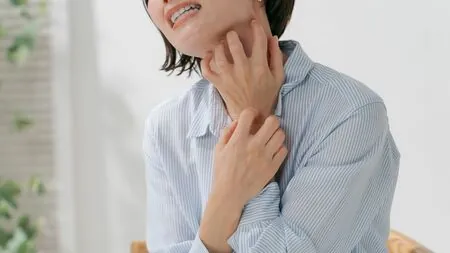
「なんとなく調子が悪い」「原因がはっきりしない不調が続いている」――。その症状、もしかすると自分では気づいていない「かくれアレルギー」が関係しているかもしれません。近年では、大人になってから初めて食物アレルギーなどを発症するケースも珍しくなく、中高年では症状が重く現れることもあります。
一方で、アレルギーは原因の特定が難しく、検査で陽性になったからといって、それが必ずしも症状の原因とは限りません。
アレルギーはなぜ起こり、どう調べ、どう向き合えばよいのでしょうか。将来の発症リスクを減らすために、日常生活でできることはあるのでしょうか。アレルギー専門医の鈴木慎太郎氏が、アレルギーの仕組みから検査・診断、日常生活でできる対策までを解説する『その不調、「かくれアレルギー」が原因かも』から一部を抜粋・編集してご紹介します。
■増えているアレルギーによる不調 近年、アレルギーによる不調は、世界的に増えているといわれています。 日本でも、アレルギー性鼻炎や花粉症、食物アレルギー、重いアレルギー反応であるアナフィラキシーなどが、この数十年で増えてきました。その背景には、生活環境の変化や、食生活の変化にともなう腸内環境の乱れ、大気中の微粒子(PM2.5など)への曝露(アレルゲンにさらされること)など、さまざまな要因が関係していると考えられています。
現在では、日本人の約2人に1人が何らかのアレルギーに関わる症状を持っているともいわれており、アレルギーはもはや、誰にとっても身近なものになっています。 こうしたアレルギーの増加とともに、「大人になってから発症するアレルギー」も目立つようになってきました。 多くのアレルギー疾患は、子どもの頃に発症する場合と、大人になってから発症する場合の大きく2つに分けられます。 例えば食物アレルギーは、かつては子どもの病気と考えられていましたが、近年では成人してから発症するケースも珍しくなく、全体の約半数を占めるともいわれています。特に、甲殻類や小麦、果物などは大人になってから初めて症状が出ることがあります。
また、近年注目されている“おなかの症状”を主体としたアレルギー関連疾患である好酸球性消化管疾患は、全年代で以前と比べて増えています。 好酸球性消化管疾患のうち好酸球性食道炎は、中高年の男性に多いことが知られています。そして、消化管に症状が現れるタイプの食物アレルギーは、成人人口の6%ほど存在すると報告されています。 こうした背景には、加齢にともなう体の変化があります。 年齢を重ねると免疫の働きは単に弱くなるだけでなく、炎症の調節がうまくいかなくなります。また、長年使ってきた消化管などの臓器は、飲食物や薬の影響、感染などによって粘膜のバリア機能が低下しやすくなります。
その結果、これまで問題なかったものに対しても体が過敏に反応し、アレルギー症状が現れたり、長引いたり、重くなったりする可能性があるのです。 ■中高年はアナフィラキシーが重症化 アレルギーは、年齢によってその現れ方や重さは大きく変わります。特に中高年では、見過ごせないリスクが潜んでいます。食物アレルギーや薬剤アレルギー、ハチなどの昆虫毒によるアレルギーでは、ときに全身に強い症状が現れることがあります。
これを「アナフィラキシー」といいます。 アナフィラキシーはどの年代でも起こり得ますが、特に高齢者では重症化しやすく、死亡率が高いことが知られています。実際に、国の統計でも、アナフィラキシーによる死亡の多くは成人、特に高齢者に集中しています。 その背景には、いくつかの要因があります。 心臓や血管の病気をもともと持っていること、高血圧の治療で使われる薬(β遮断薬やACE阻害薬など)の影響、さらに症状を「大したことはない」と軽く見てしまうことなどが、重症化につながっていると考えられています。
また、ぜんそくについても注意が必要です。吸入薬の普及によって、発作で救急受診する人や死亡者は減少しましたが、それでもなお毎年およそ1000人超が亡くなっており、その多くは高齢者です。 このように、アレルギーは年齢とともに軽くなるとは限らず、むしろ重く現れることがあります。高齢化が進む日本においては、決して見過ごすことのできない問題です。 これまで症状が軽かったから大丈夫、という考えは危険です。年齢による体の変化を踏まえ、アレルギーとの向き合い方を見直すことが、重症化を防ぐ第一歩となります。
■大人発症アレルギー放置のリスク アレルギーの症状には、大きく分けて2つのタイプがあります。 1つは、ぜんそく発作やアナフィラキシーのように、命に関わることもある急激な症状が現れるタイプです。もう1つは、症状自体は強くないものの、長く続くことで体にさまざまな影響を及ぼす「慢性的な炎症」のタイプです。 この慢性的な炎症が続くと、単なる不調にとどまらず、睡眠の質の低下や気分の落ち込み、集中力や記憶力の低下などにもつながる可能性があります。
■社会生活にも支障をきたす 多くの人は「症状が出ているかどうか」に意識が向きがちですが、症状だけでなく、体の内側で起きている変化も重要です。 例えば、代表的な呼吸器のアレルギーであるぜんそくを適切な治療を受けずにいると、気道の壁が厚く硬くなる「気道リモデリング」が進み、元に戻らない肺機能の低下を招くことがあります。 また、子どもと違い、成人は仕事や家事など日々の生活の中でさまざまな役割を担っています。アレルギー症状が十分にコントロールされていない状態では、こうした社会生活にも支障をきたし、思うように活動できなくなるおそれがあります。
症状の軽いアレルギーは「我慢できる不調」として見過ごされがちですが、積み重なることで確実に生活の質を下げていきます。症状の重さにかかわらず、早めに向き合い、適切に対処することが、将来の健康と生活を守ることにつながります。
この記事の単語 (174)
×19
症状
しょうじょう
symptoms; condition (of a patient)
×7
発症
はっしょう
outbreak of an illness; onset of an illness; appearance of symptoms
×7
現れる
あらわれる
1. to appear; to come in sight; to become visible; to come out; to embody; to materialize; to materialise 2. to be expressed (e.g. emotions); to become apparent (e.g. trends, effects)
×6
不調
ふちょう
bad condition; not to work out (i.e. a deal); disagreement; break-off; disorder; slump; out of form
×5
食物アレルギー
しょくもつアレルギー
food allergy
×5
変化
へんか
1. change; variation; alteration; mutation; transition; transformation; transfiguration; metamorphosis 2. variety; diversity
×4
近年
きんねん
recent years
×4
中高年
ちゅうこうねん
middle and old age
×4
疾患
しっかん
disease; ailment; illness
×4
成人
せいじん
1. adult (esp. person 20 years old or over); grownup 2. becoming an adult; coming of age; growing up (to be a man, woman)
×4
消化管
しょうかかん
alimentary canal
×4
年齢
ねんれい
age; years
×4
低下
ていか
fall; decline; lowering; deterioration; degradation
×4
重症化
じゅうしょうか
aggravation (of an illness); exacerbation; worsening
×3
向き合う
むきあう
1. to be opposite; to face each other 2. to confront (an issue); to face
×3
背景
はいけい
1. background; scenery; backdrop; setting 2. background (of an incident, situation, etc.); circumstances; context
×3
関わる
かかわる
1. to be affected; to be influenced 2. to be concerned with; to have to do with
×3
好酸球
こうさんきゅう
eosinophil; eosinophile; acidophil; acidophile; eosinophilic leukocyte; acidophilic leukocyte; eosinophilic granulocyte; eosinophil granulocyte; acidophilic granulocyte
×3
炎症
えんしょう
inflammation; irritation
×3
影響
えいきょう
1. influence; effect 2. to influence; to affect; to have an influence on; to impact; to have an effect on
×3
見過ごす
みすごす
to let go by; to let pass; to overlook; to miss
×3
高齢者
こうれいしゃ
old person; old people
×3
繋がる
つながる
1. to be tied together; to be connected to; to be linked to 2. to lead to; to be related to
×3
喘息
ぜんそく
asthma
×2
隠れ
かくれ
1. hidden; concealed; unknown; crypto- 2. passing away; dying; death
×2
検査
けんさ
inspection (e.g. customs, factory); examination; scan (e.g. MRI, PET, etc.)
×2
限る
かぎる
1. to restrict; to limit; to confine 2. to be restricted to; to be limited to; to be confined to
×2
起こる
おこる
to occur; to happen
×2
日常生活
にちじょうせいかつ
everyday life; daily life
×2
反応
はんのう
reaction; response
×2
伴う
ともなう
1. to accompany; to go hand in hand with; to be consequent upon 2. to be accompanied by; to bring with; to take with; to be involved in
×2
要因
よういん
main cause; primary factor
×2
分ける
わける
1. to divide (into); to split (into); to part; to separate; to divide up; to classify; to sort out; to divide out 2. to share; to distribute; to deal out; to dish out
×2
年代
ねんだい
age; era; period; date
×2
可能性
かのうせい
potentiality; likelihood; possibility; availability
×2
重さ
おもさ
weight
×2
治療
ちりょう
(medical) treatment; care; therapy; cure; remedy
×2
発作
ほっさ
fit; spasm; attack; seizure
×2
慢性的
まんせいてき
chronic
×2
社会生活
しゃかいせいかつ
social life
×2
支障
ししょう
obstacle; hindrance; impediment; difficulty
×2
来す
きたす
to cause; to induce; to bring about a result or state; to produce
×2
適切
てきせつ
appropriate; suitable; fitting; apt; proper; right; pertinent; relevant
×2
気道
きどう
respiratory tract; air duct
×1
調子
ちょうし
1. tune; tone; key; pitch; time; rhythm 2. vein; mood; way; manner; style; knack
×1
気付く
きづく
to notice; to recognize; to recognise; to become aware of; to perceive; to realize; to realise
×1
知れる
しれる
1. to become known; to come to light; to be discovered 2. to be known; to be understood
×1
特定
とくてい
1. specific; particular; designated; special 2. specifying; designating; identifying; pinpointing
×1
陽性
ようせい
positivity
×1
しも
1. frost 2. white hair; grey hair; gray hair
×1
減らす
へらす
to abate; to decrease; to diminish; to shorten
×1
専門医
せんもんい
medical specialist
×1
鈴木
すすき
Susuki (surname)
×1
慎太郎
しんたろ
Shintaro (masc)
×1
仕組み
しくみ
1. structure; construction; arrangement; contrivance; mechanism; workings 2. plan; plot; contrivance
×1
診断
しんだん
diagnosis; medical examination
×1
対策
たいさく
measure; step; countermeasure; counterplan; countermove; strategy; preparation (e.g. for a test)
×1
解説
かいせつ
explanation; commentary; exposition; elucidation
×1
一部
いちぶ
1. one part; one portion; one section; some 2. one copy (e.g. of a document)
×1
抜粋
ばっすい
extract; excerpt; selection
×1
編集
へんしゅう
editing; compilation
×1
世界的
せかいてき
1. worldwide; global; international; universal 2. world-famous; world-class
×1
アレルギー性鼻炎
アレルギーせいびえん
allergic rhinitis
×1
花粉症
かふんしょう
hay fever; pollinosis (allergy to pollen)
×1
生活環境
せいかつかんきょう
one's (living) environment
×1
食生活
しょくせいかつ
eating habits
×1
腸内
ちょうない
intestinal; inside the intestines
×1
環境
かんきょう
environment; circumstance
×1
乱れ
みだれ
disorder; disturbance; unrest
×1
大気
たいき
1. atmosphere; air 2. magnanimity; generosity
×1
微粒子
びりゅうし
corpuscle; minute particle; particulate
×1
暴露
ばくろ
disclosure; exposure; revelation
×1
晒す
さらす
1. to expose (to the sun, public, danger, etc.) 2. to bleach; to refine
×1
現在
げんざい
now; current; present; present time; as of
×1
日本人
にほんじん
Japanese person; Japanese people
×1
最早
もはや
1. already; now 2. no longer; not any more
×1
身近
みぢか
near oneself; close to one; familiar
×1
増加
ぞうか
increase; rise; growth; addition; increment
×1
目立つ
めだつ
to be conspicuous; to stand out
×1
頃
ころ
1. (approximate) time; around; about; toward 2. suitable time (or condition)
×1
嘗て
かつて
1. once; before; formerly; ever; former; ex- 2. never yet; never before; first time; still not happened
×1
全体
ぜんたい
whole; entirety; whatever (is the matter)
×1
半数
はんすう
1. half the number 2. haploid
×1
占める
しめる
1. to occupy; to hold 2. to account for; to make up; to take up
×1
甲殻類
こうかくるい
crustacean
×1
小麦
こむぎ
wheat
×1
注目
ちゅうもく
notice; attention; observation
×1
主体
しゅたい
1. main constituent; core; nucleus 2. subject (philosophical); protagonist
×1
関連
かんれん
relation; connection; relevance
×1
全
ぜん
1. all; whole; entire; complete; total; pan- 2. complete (set); in total
×1
以前
いぜん
ago; since; before; previous
×1
食道炎
しょくどうえん
esophagitis
×1
存在
そんざい
existence; being
×1
報告
ほうこく
report; information
×1
加齢
かれい
aging; ageing; adding to one's years
×1
重ねる
かさねる
1. to pile up; to heap up; to stack up; to put on top of another 2. to repeat many times over; to go through repeatedly; to accumulate
×1
免疫
めんえき
1. immunity; immunization; immunisation 2. being hardened (to); being unaffected (by); being accustomed (to)
×1
働き
はたらき
1. work; labor; labour 2. achievement; performance; ability; talent
×1
単に
たんに
simply; merely; only; solely
×1
調節
ちょうせつ
regulation; adjustment; control
×1
旨い
うまい
1. skillful; skilful; clever; expert; wise; successful 2. delicious; appetizing; appetising; tasty
×1
長年
ながねん
long time; many years
×1
臓器
ぞうき
internal organs; viscera; intestines
×1
飲食物
いんしょくぶつ
food and drink
×1
感染
かんせん
infection; contagion; becoming infected
×1
粘膜
ねんまく
mucous membrane
×1
結果
けっか
1. result; consequence; outcome; effect 2. coming to fruition; bearing fruit
×1
過敏
かびん
nervousness; oversensitivity
×1
長引く
ながびく
to be prolonged; to drag on
×1
潜む
ひそむ
to lurk; to be hidden; to be concealed; to lie dormant; to be latent
×1
薬剤
やくざい
medicine; drug; chemical
×1
昆虫
こんちゅう
insect; bug
×1
毒
どく
1. poison; toxicant 2. harm; evil influence
×1
全身
ぜんしん
1. whole (body); full-length (e.g. portrait) 2. systemic
×1
死亡率
しぼうりつ
death rate; mortality rate
×1
実際
じっさい
1. reality; actuality; truth; fact; actual conditions 2. practice (as opposed to theory)
×1
統計
とうけい
statistics
×1
死亡
しぼう
1. death; mortality 2. to die; to pass away
×1
集中
しゅうちゅう
1. concentration; focusing; convergence; centralization; integration; gathering together 2. within a collection of works
×1
心臓
しんぞう
1. heart 2. guts; nerve; cheek; gall; spine
×1
血管
けっかん
blood vessel; vein
×1
元々
もともと
originally; by nature; from the start
×1
高血圧
こうけつあつ
high blood pressure; hypertension
×1
β
ベータ
beta
×1
遮断
しゃだん
isolation; cut off; blockade; quarantine; interception; deprivation
×1
大した
たいした
considerable; great; important; significant; a big deal
×1
吸入
きゅうにゅう
inhalation
×1
普及
ふきゅう
diffusion; spread; popularization; promulgation; familiarization
×1
救急
きゅうきゅう
first-aid; emergency (aid)
×1
受診
じゅしん
having a medical examination; seeing a doctor
×1
死亡者
しぼうしゃ
the deceased; deaths; persons killed
×1
減少
げんしょう
decrease; reduction; decline
×1
猶
なお
1. still; yet 2. more; still more; greater; further
×1
寧ろ
むしろ
rather; better; instead; if anything
×1
高齢化
こうれいか
population ageing (aging)
×1
考え
かんがえ
1. thinking; thought; view; opinion; concept 2. idea; notion; imagination
×1
踏まえる
ふまえる
1. to be based on; to take into account; to build upon; to have origin in 2. to have one's feet firmly planted on; to plant oneself on
×1
見直す
みなおす
1. to look at again 2. to re-examine (policy, estimate, plan, etc.); to review
×1
防ぐ
ふせぐ
1. to defend against; to protect against 2. to prevent; to avert; to avoid
×1
第
だい
prefix for forming ordinal numbers
×1
放置
ほうち
leaving as is; leaving alone; leaving to chance; neglecting; abandoning
×1
命
いのち
1. life; life force 2. lifetime; lifespan
×1
急激
きゅうげき
sudden; abrupt; rapid; sharp; drastic; radical
×1
自体
じたい
1. itself 2. one's own body; oneself
×1
及ぼす
およぼす
to exert (influence); to exercise; to cause (e.g. damage); to do (e.g. harm); to bring about (e.g. benefits); to extend; to have an effect (on)
×1
単なる
たんなる
mere; simple; sheer
×1
留まる
とまる
1. to stop (moving); to come to a stop 2. to stop (doing, working, being supplied); to come to a halt; to cease; to be stopped; to be suspended
×1
睡眠
すいみん
sleep
×1
落ち込む
おちこむ
1. to feel down; to feel sad; to be depressed; to be in low spirits 2. to be in a slump (business, economy, etc.); to be in an unfavourable condition
×1
集中力
しゅうちゅうりょく
(powers of) concentration; ability to concentrate
×1
記憶力
きおくりょく
memory; ability to remember
×1
意識
いしき
1. consciousness 2. becoming aware (of); awareness; sense
×1
向く
むく
1. to turn toward; to look (up, down, etc.) 2. to face (e.g. east); to look out on
×1
内側
うちがわ
inside; interior; inner part
×1
重要
じゅうよう
important; momentous; essential; principal; major
×1
代表的
だいひょうてき
representative; exemplary; model
×1
呼吸器
こきゅうき
respiratory organs
×1
肺
はい
lung
×1
機能
きのう
function; facility; faculty; feature
×1
招く
まねく
1. to invite; to ask 2. to beckon; to wave someone in; to gesture to
×1
家事
かじ
1. housework; domestic chores 2. family affairs; household matters
×1
日々
ひび
every day; daily; day after day; days (e.g. good old days)
×1
役割
やくわり
part; assigning (allotment of) parts; role; duties
×1
担う
になう
1. to carry on one's shoulder; to shoulder; to bear 2. to bear (burden, responsibility, etc.); to take upon oneself
×1
状態
じょうたい
state; condition; situation; appearance; circumstances
×1
活動
かつどう
1. activity (of a person, organization, animal, volcano, etc.); action 2. movie (esp. during the silent movie period)
×1
恐れ
おそれ
fear; horror; anxiety; concern; uneasiness; reverence
×1
我慢
がまん
1. endurance; patience; perseverance; bearing (with something) 2. self-control; self-restraint
×1
積み重なる
つみかさなる
to pile up; to stack up; to accumulate
×1
確実
かくじつ
certain; sure; definite; reliable; sound; solid; safe; secure
×1
早め
はやめ
1. early; a little earlier than usual 2. a little faster than usual; slightly quicker
×1
対処
たいしょ
dealing with; coping with
×1
健康
けんこう
1. health 2. healthy; sound; fit; wholesome
×1
守る
まもる
1. to protect; to guard; to defend 2. to keep (i.e. a promise); to abide (by the rules); to observe; to obey; to follow