岐阜 高山 飛騨地方の風物詩「春の高山祭」始まる
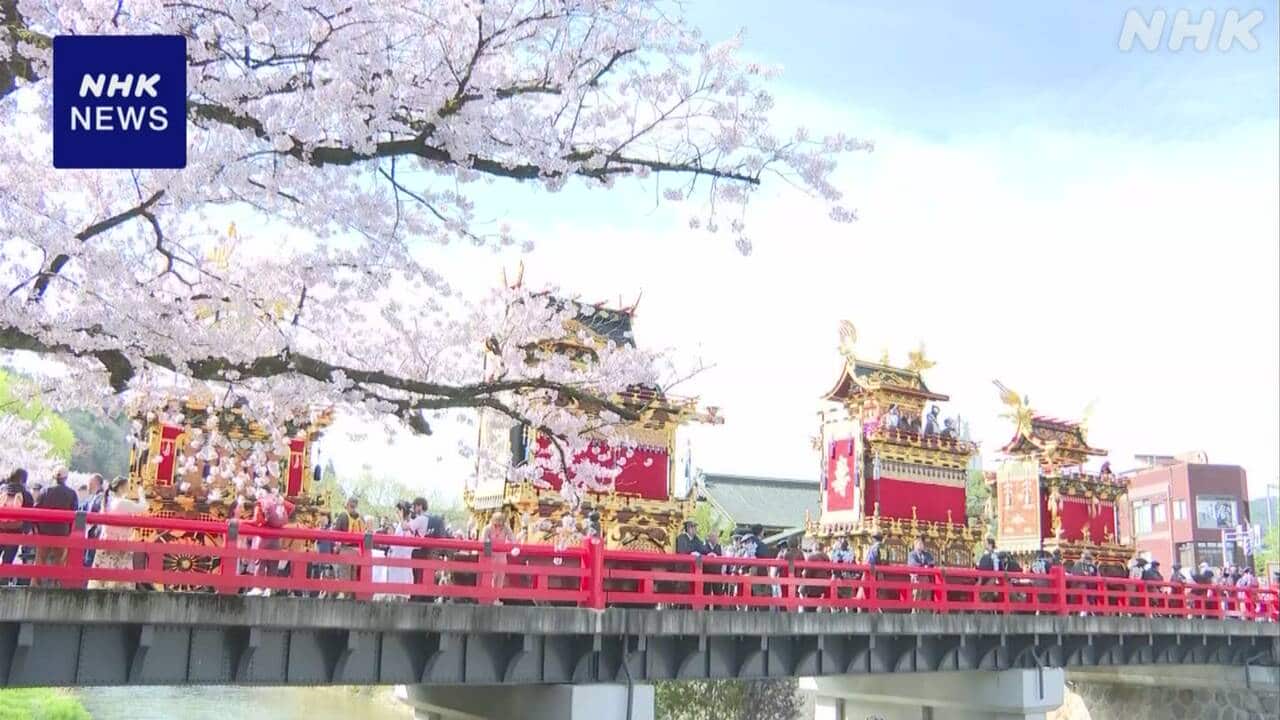
岐阜県飛騨地方の春の風物詩、「春の高山祭」が14日から始まり、きらびやかな祭屋台やからくり人形が、訪れた観光客を楽しませています。
岐阜県高山市で江戸時代から続く「春の高山祭」の屋台行事は、「山・鉾・屋台行事」の1つとしてユネスコの無形文化遺産に登録されています。
14日は晴天に恵まれ、それぞれの蔵から姿を現した12台の祭屋台がお囃子とともに人々の手でひかれ、市内中心部の通りに並べられました。
このうち3台の屋台では祭りの見どころのひとつ、「からくり奉納」が行われ、人形が運んできたつぼの中から龍神が紙吹雪とともに姿を現したり、踊る女性の人形が獅子舞へと姿を変えたりする様子に会場からは大きな拍手が送られていました。
スウェーデンから訪れた男性は、「とてもすばらしかったです。このような祭りは今まで見たことがありません」と話していました。
また、徳島県から訪れた女性は、「からくりがどのような仕掛けで動いているのかと不思議に思いながら見ていました。伝統を感じました」と話していました。
岐阜県高山市で江戸時代から続く「春の高山祭」の屋台行事は、「山・鉾・屋台行事」の1つとしてユネスコの無形文化遺産に登録されています。
14日は晴天に恵まれ、それぞれの蔵から姿を現した12台の祭屋台がお囃子とともに人々の手でひかれ、市内中心部の通りに並べられました。
このうち3台の屋台では祭りの見どころのひとつ、「からくり奉納」が行われ、人形が運んできたつぼの中から龍神が紙吹雪とともに姿を現したり、踊る女性の人形が獅子舞へと姿を変えたりする様子に会場からは大きな拍手が送られていました。
スウェーデンから訪れた男性は、「とてもすばらしかったです。このような祭りは今まで見たことがありません」と話していました。
また、徳島県から訪れた女性は、「からくりがどのような仕掛けで動いているのかと不思議に思いながら見ていました。伝統を感じました」と話していました。
Vocabulary
General
Proper noun
JLPT N2
JLPT N1
| # | 言葉 | 意味 |
|---|---|---|
| 5 | 屋台 | やたい (屋台) : 1. cart (esp. a food cart); stall; stand 2. festival float; portable shrine dedicated to a god and shaped like a house; dancing platform |
| 3 | 訪れる | おとずれる (訪れる) : 1. to visit; to call on 2. to arrive (season, time, situation, etc.); to come; to appear |
| 3 | 姿 | すがた (姿) : 1. figure; form; shape 2. appearance; dress; guise |
| 2 | 岐阜県 | ぎふけん (岐阜県) : Gifu prefecture (Chūbu area) |
| 2 | 高山祭 | たかやまさい (高山祭) : Takayamasai (unclass) |
| 2 | 祭 | まつり (祭り) : 1. festival; feast 2. harassment by an Internet pitchfork mob; online shaming; flaming |
| 2 | 行事 | ぎょうじ (行事) : event; function |
| 2 | 現す | あらわす (表す) : 1. to represent; to signify; to stand for 2. to reveal; to show; to display |
| 2 | 祭り | まつり (祭り) : 1. festival; feast 2. harassment by an Internet pitchfork mob; online shaming; flaming |
| 2 | からくり | からくり (絡繰り) : 1. mechanism; machinery; contrivance; device 2. trick; dodge |
| 1 | 飛騨 | ひだ (飛騨) : Hida (city, region of Gifu Prefecture, Edo-period province) |
| 1 | 地方 | ちほう (地方) : 1. district; region; area; locality 2. the country; countryside; the provinces; rural area |
| 1 | 始まる | はじまる (始まる) : 1. to begin; to start; to commence 2. to happen (again); to begin (anew) |
| 1 | きらびやか | きらびやか (煌びやか) : gorgeous; gaudy; dazzling; gay; resplendent |
| 1 | からくり人形 | からくりにんぎょう (からくり人形) : mechanical doll; automaton; string puppet; marionette; person who follows orders blindly |
| 1 | 観光客 | かんこうきゃく (観光客) : tourist |
| 1 | 楽しむ | たのしむ (楽しむ) : to enjoy (oneself) |
| 1 | 高山市 | こうやまいち (高山市) : Kouyamaichi (place) |
| 1 | 江戸時代 | えどじだい (江戸時代) : Edo period (1603-1868 CE) |
| 1 | 鉾 | ほこ (矛) : 1. long-handled Chinese spear; lance; pike 2. weapon; arms |
| 1 | 無形文化遺産 | むけいぶんかいさん (無形文化遺産) : intangible cultural heritage |
| 1 | 登録 | とうろく (登録) : registration; accession; register; entry; record |
| 1 | 晴天 | せいてん (晴天) : fine weather (i.e. little or no clouds); fair weather; clear weather; clear sky; fair skies |
| 1 | 恵まれる | めぐまれる (恵まれる) : to be blessed with; to be rich in; to abound in |
| 1 | 蔵 | くら (蔵) : warehouse; storehouse; cellar; magazine; granary; godown; depository; treasury; elevator |
| 1 | 人々 | ひとびと (人々) : 1. people; men and women 2. each person; everybody |
| 1 | ひく | ひく (引く) : 1. to pull; to tug; to lead (e.g. a horse) 2. to draw (attention, sympathy, etc.); to attract (e.g. interest) |
| 1 | 市内 | しない (市内) : (within a) city; local |
| 1 | 中心部 | ちゅうしんぶ (中心部) : central part; heart (of a city) |
| 1 | 通り | とおり (通り) : 1. avenue; street; way; road 2. coming and going; street traffic |
| 1 | 並べる | ならべる (並べる) : 1. to line up; to set up; to arrange in a line 2. to enumerate; to itemize |
| 1 | 見どころ | みどころ (見どころ) : 1. point worthy of note; highlight; high point; main attraction; thing to note 2. good prospects for the future; promise |
| 1 | 奉納 | ほうのう (奉納) : dedication; offering; presentation; oblation |
| 1 | 運ぶ | はこぶ (運ぶ) : 1. to carry; to transport; to move; to convey 2. to come; to go |
| 1 | つぼ | つぼ (坪) : 1. tsubo; traditional unit of land area, approx. 3.31 square meters 2. tsubo; traditional unit of fabric or paper area, approx. 9.18 square centimeters |
| 1 | 龍神 | りゅうじん (竜神) : 1. dragon god; dragon king 2. naga |
| 1 | 紙吹雪 | かみふぶき (紙吹雪) : confetti; ticker tape |
| 1 | 獅子舞 | ししまい (獅子舞) : lion dance; traditional dance performed by one or more dancers wearing a guardian lion costume |
| 1 | 変える | かえる (変える) : 1. to change; to alter; to transform; to convert; to turn; to vary 2. to reform; to revise; to amend |
| 1 | 様子 | ようす (様子) : 1. state; state of affairs; situation; circumstances 2. appearance; look; aspect |
| 1 | 拍手 | はくしゅ (拍手) : clapping hands; applause |
| 1 | 送る | おくる (送る) : 1. to send (a thing); to dispatch; to despatch; to transmit 2. to take or escort (a person somewhere); to see off (a person) |
| 1 | 今まで | いままで (今まで) : until now; so far; up to the present |
| 1 | 徳島県 | とくしまけん (徳島県) : Tokushima prefecture (Shikoku) |
| 1 | 仕掛け | しかけ (仕掛け) : 1. device; contrivance; mechanism; gadget 2. trick; trap; calculated manipulation; gambit |
| 1 | 動く | うごく (動く) : 1. to move; to stir; to shift; to shake; to swing 2. to operate; to run; to go; to work |
| 1 | 不思議 | ふしぎ (不思議) : 1. wonderful; marvelous; strange; incredible; amazing; curious; miraculous; mysterious 2. strangely enough; oddly enough; for some reason; curiously |
| 1 | 伝統 | でんとう (伝統) : tradition; convention |
| 1 | 感ずる | かんずる (感ずる) : to feel; to sense |