トランプ大統領 激しい攻撃を示唆 イラン側 徹底抗戦の構え
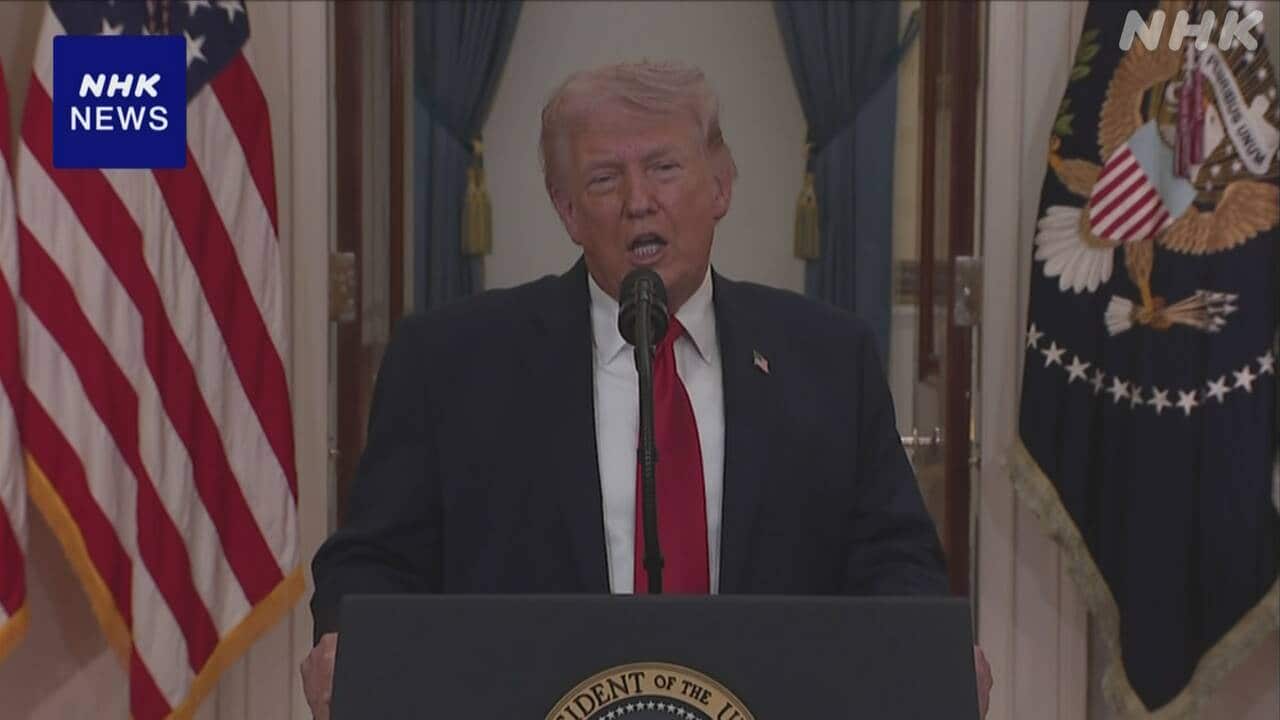
イラン情勢を巡り、アメリカのトランプ大統領が国民向けの演説を行い今後2週間から3週間、激しい攻撃を行う考えを示したのに対して、徹底抗戦の構えを示すイラン側からはアメリカの地上作戦をけん制する軍の司令官の発言も伝えられていて、攻撃の応酬がさらに続くことへの懸念が高まっています。
イラン情勢を巡りアメリカのトランプ大統領は、1日、国民向けの演説を行い、「イランの革命防衛隊の指揮統制はいままさに崩壊しつつある。核心的な戦略目標がほぼ達成されつつあることを喜んで伝える」と述べ、イランに対する軍事作戦が順調に進んでいるとの認識を示しました。
そして、「今後、2週間から3週間のうちに、彼らを本来あるべき場所、つまり石器時代へと逆戻りさせるつもりだ」と述べ、激しい攻撃を行う考えを示しました。
また、トランプ大統領は2日、SNSに、橋が崩れ落ちる様子が捉えられた映像を投稿し、「イラン最大の橋が崩れ落ちた。2度と使われることはない」と主張しました。
その上で「イランは手遅れになる前に合意を結ぶべきだ。さもなければ、偉大になりえるはずの国に何も残らないだろう」と投稿しました。
トランプ大統領の投稿では橋が崩れる映像の撮影された日時や場所など詳しい情報は明らかにされていません。
一方、イランメディアは2日、首都テヘラン郊外のカラジにある橋に攻撃があり、橋の周辺で過ごしていた家族連れなど8人が死亡、95人がけがをしたと伝えました。また、橋は完成間近で、近く供用が開始される予定だったとしています。
イラン側は中央司令部の報道官がトランプ大統領の演説のあとの声明で、「この戦争はあなたたちの恒久的かつ決定的な屈辱と後悔、そして降伏に至るまで続く」などとして、徹底抗戦の構えを改めて示しています。
また、イラン陸軍のハタミ総司令官も「敵が地上作戦をしかけようとするならば、1人たりとも生き残らせてはならない」と述べたと伝えられていて、攻撃の応酬がさらに続くことへの懸念が高まっています。
イランのアラグチ外相は、橋への攻撃を受けて2日、SNSに壊れた橋の画像と共に、「未完成の橋を含む民間の建造物を攻撃してもイランの人々を降伏に追い込むことはできない。混乱に陥った敵の敗北と道徳的な崩壊を示すに過ぎない」と投稿し非難しました。
そして「どの橋も建物も、より強固に再建されるだろう。決して回復しないもの、それはアメリカの地位へのダメージである」と主張しました。
イランメディアは2日、首都テヘラン郊外のカラジにある橋に攻撃があり、橋の周辺で過ごしていた家族連れなど8人が死亡、95人がけがをしたと伝えました。また、橋は完成間近で、近く供用が開始される予定だったとしています。
アメリカのトランプ大統領が1日に行った演説に対し、イランの国連代表部は2日、SNSへの投稿で「アメリカの大統領による『イランを石器時代へと逆戻りさせる』という露骨な脅迫は、強さではなく無知を反映したものであり、国際人道法のもとでの戦争犯罪を犯す意図を示す証拠となるものだ」と批判しました。
その上で「イランの文明は7000年以上に及ぶが、アメリカはわずか250年の歴史しかない。文明は爆撃によって破壊されるものではない」と両国の歴史を比較しながら反発しました。
イランメディアは2日、ガリブアバディ外務次官の話として、ホルムズ海峡の沿岸国のイランとオマーンが海峡を通過する船舶の安全な航行を確保するため、共同の文書の策定に取り組んでいることを明らかにしたと伝えました。
ガリブアバディ外務次官は「平時においても、海峡を通過するすべての船舶は事前にイランとオマーンの当局と調整し、安全確保のために必要な許可を得ることが求められる」としています。
また、「船舶の航行に制限を課すものではなく、安全な航行を促進するものだ」などと主張した上で、「草案の作成が最終段階に入っており、調整が終われば、オマーンと正式な交渉を開始する」としています。
アメリカ国防総省の当局者は2日、NHKの取材に対しヘグセス国防長官が、陸軍の制服組トップ、ジョージ参謀総長に辞任して退職するよう求めたと明らかにしました。
事実上の更迭と見られていて、アメリカメディアはイランへの軍事作戦が行われるなか、異例の措置だと伝えています。
トランプ政権はこれまで、制服組トップの統合参謀本部議長をはじめ、軍の高官を相次いで交代させています。
CBSテレビは、関係者の話として、ヘグセス長官が、バイデン政権で任命されたジョージ参謀総長を交代させ、トランプ大統領やみずからの意向に沿った施策を進める人物を参謀総長に就かせようとしたと伝えています。
国連のグテーレス事務総長が2日、記者会見し、「ホルムズ海峡が締めつけられれば、世界で最も貧しく弱い人々が息をすることさえできなくなる」と述べ、ホルムズ海峡の事実上の封鎖が長引けば世界中で燃料や食料価格が高騰し、深刻な影響を引き起こすとして強い危機感を示しました。
そのうえで「紛争は自然に終わるものではない。指導者が破壊ではなく、対話を選択したときに初めて終結する」と述べ、双方が一刻も早く停戦に取り組むよう訴えました。
国連の安全保障理事会で2日、中東のバーレーンのザヤーニ外相は「ホルムズ海峡での国際的な航行を支配しようとするイランの違法かつ不当な試みについて、安保理に決議案を提出した」と述べ、ホルムズ海峡の航行の自由を求める決議案を翌日の3日に開催が決まった安保理の緊急会合で採択を目指す考えを明らかにしました。
バーレーンの決議案では、ホルムズ海峡の安全な通航を確保するため、安保理に事前に通知したうえで海軍を派遣する国に対し、「必要かつ状況にみあった、あらゆる防衛手段を用いる権限を与える」という内容となっています。
これに対し、安保理の理事国の中には武力行使を容認しかねないと懸念する声もあり、採決の結果が注目されます。
中国の王毅外相はイラン情勢をめぐって2日、EU=ヨーロッパ連合やドイツ、サウジアラビア、バーレーンの外相と相次いで電話会談を行いました。
中国外務省によりますと王外相は、EUの外相にあたるカラス上級代表との会談で、「停戦は国際社会の強い要望でホルムズ海峡の安全な航行のための根本的な解決策だ」と述べ早期の停戦に向けてEUと連携していく考えを示しました。
また、王外相はドイツのワーデフール外相との会談で、「アメリカとイスラエルのイランへの軍事攻撃は国連安全保障理事会の承認を得ておらず、明らかに国際法違反だ」と述べ、サウジアラビアのファイサル外相との会談では、「国連安保理は対立のエスカレートを回避し承認のない軍事行動を合法化させてはならない」と述べたということです。
アメリカのトランプ大統領が今後2週間から3週間、イランへの激しい攻撃を行う考えを示す中、中国政府は「軍事的な手段は問題の根本的な解決にならない」と指摘していて、即時の停戦や和平交渉の開始などを呼びかけています。
イラン情勢を巡りアメリカのトランプ大統領は、1日、国民向けの演説を行い、「イランの革命防衛隊の指揮統制はいままさに崩壊しつつある。核心的な戦略目標がほぼ達成されつつあることを喜んで伝える」と述べ、イランに対する軍事作戦が順調に進んでいるとの認識を示しました。
そして、「今後、2週間から3週間のうちに、彼らを本来あるべき場所、つまり石器時代へと逆戻りさせるつもりだ」と述べ、激しい攻撃を行う考えを示しました。
また、トランプ大統領は2日、SNSに、橋が崩れ落ちる様子が捉えられた映像を投稿し、「イラン最大の橋が崩れ落ちた。2度と使われることはない」と主張しました。
その上で「イランは手遅れになる前に合意を結ぶべきだ。さもなければ、偉大になりえるはずの国に何も残らないだろう」と投稿しました。
トランプ大統領の投稿では橋が崩れる映像の撮影された日時や場所など詳しい情報は明らかにされていません。
一方、イランメディアは2日、首都テヘラン郊外のカラジにある橋に攻撃があり、橋の周辺で過ごしていた家族連れなど8人が死亡、95人がけがをしたと伝えました。また、橋は完成間近で、近く供用が開始される予定だったとしています。
イラン側は中央司令部の報道官がトランプ大統領の演説のあとの声明で、「この戦争はあなたたちの恒久的かつ決定的な屈辱と後悔、そして降伏に至るまで続く」などとして、徹底抗戦の構えを改めて示しています。
また、イラン陸軍のハタミ総司令官も「敵が地上作戦をしかけようとするならば、1人たりとも生き残らせてはならない」と述べたと伝えられていて、攻撃の応酬がさらに続くことへの懸念が高まっています。
イランのアラグチ外相は、橋への攻撃を受けて2日、SNSに壊れた橋の画像と共に、「未完成の橋を含む民間の建造物を攻撃してもイランの人々を降伏に追い込むことはできない。混乱に陥った敵の敗北と道徳的な崩壊を示すに過ぎない」と投稿し非難しました。
そして「どの橋も建物も、より強固に再建されるだろう。決して回復しないもの、それはアメリカの地位へのダメージである」と主張しました。
イランメディアは2日、首都テヘラン郊外のカラジにある橋に攻撃があり、橋の周辺で過ごしていた家族連れなど8人が死亡、95人がけがをしたと伝えました。また、橋は完成間近で、近く供用が開始される予定だったとしています。
アメリカのトランプ大統領が1日に行った演説に対し、イランの国連代表部は2日、SNSへの投稿で「アメリカの大統領による『イランを石器時代へと逆戻りさせる』という露骨な脅迫は、強さではなく無知を反映したものであり、国際人道法のもとでの戦争犯罪を犯す意図を示す証拠となるものだ」と批判しました。
その上で「イランの文明は7000年以上に及ぶが、アメリカはわずか250年の歴史しかない。文明は爆撃によって破壊されるものではない」と両国の歴史を比較しながら反発しました。
イランメディアは2日、ガリブアバディ外務次官の話として、ホルムズ海峡の沿岸国のイランとオマーンが海峡を通過する船舶の安全な航行を確保するため、共同の文書の策定に取り組んでいることを明らかにしたと伝えました。
ガリブアバディ外務次官は「平時においても、海峡を通過するすべての船舶は事前にイランとオマーンの当局と調整し、安全確保のために必要な許可を得ることが求められる」としています。
また、「船舶の航行に制限を課すものではなく、安全な航行を促進するものだ」などと主張した上で、「草案の作成が最終段階に入っており、調整が終われば、オマーンと正式な交渉を開始する」としています。
アメリカ国防総省の当局者は2日、NHKの取材に対しヘグセス国防長官が、陸軍の制服組トップ、ジョージ参謀総長に辞任して退職するよう求めたと明らかにしました。
事実上の更迭と見られていて、アメリカメディアはイランへの軍事作戦が行われるなか、異例の措置だと伝えています。
トランプ政権はこれまで、制服組トップの統合参謀本部議長をはじめ、軍の高官を相次いで交代させています。
CBSテレビは、関係者の話として、ヘグセス長官が、バイデン政権で任命されたジョージ参謀総長を交代させ、トランプ大統領やみずからの意向に沿った施策を進める人物を参謀総長に就かせようとしたと伝えています。
国連のグテーレス事務総長が2日、記者会見し、「ホルムズ海峡が締めつけられれば、世界で最も貧しく弱い人々が息をすることさえできなくなる」と述べ、ホルムズ海峡の事実上の封鎖が長引けば世界中で燃料や食料価格が高騰し、深刻な影響を引き起こすとして強い危機感を示しました。
そのうえで「紛争は自然に終わるものではない。指導者が破壊ではなく、対話を選択したときに初めて終結する」と述べ、双方が一刻も早く停戦に取り組むよう訴えました。
国連の安全保障理事会で2日、中東のバーレーンのザヤーニ外相は「ホルムズ海峡での国際的な航行を支配しようとするイランの違法かつ不当な試みについて、安保理に決議案を提出した」と述べ、ホルムズ海峡の航行の自由を求める決議案を翌日の3日に開催が決まった安保理の緊急会合で採択を目指す考えを明らかにしました。
バーレーンの決議案では、ホルムズ海峡の安全な通航を確保するため、安保理に事前に通知したうえで海軍を派遣する国に対し、「必要かつ状況にみあった、あらゆる防衛手段を用いる権限を与える」という内容となっています。
これに対し、安保理の理事国の中には武力行使を容認しかねないと懸念する声もあり、採決の結果が注目されます。
中国の王毅外相はイラン情勢をめぐって2日、EU=ヨーロッパ連合やドイツ、サウジアラビア、バーレーンの外相と相次いで電話会談を行いました。
中国外務省によりますと王外相は、EUの外相にあたるカラス上級代表との会談で、「停戦は国際社会の強い要望でホルムズ海峡の安全な航行のための根本的な解決策だ」と述べ早期の停戦に向けてEUと連携していく考えを示しました。
また、王外相はドイツのワーデフール外相との会談で、「アメリカとイスラエルのイランへの軍事攻撃は国連安全保障理事会の承認を得ておらず、明らかに国際法違反だ」と述べ、サウジアラビアのファイサル外相との会談では、「国連安保理は対立のエスカレートを回避し承認のない軍事行動を合法化させてはならない」と述べたということです。
アメリカのトランプ大統領が今後2週間から3週間、イランへの激しい攻撃を行う考えを示す中、中国政府は「軍事的な手段は問題の根本的な解決にならない」と指摘していて、即時の停戦や和平交渉の開始などを呼びかけています。
Vocabulary
General
Proper noun
JLPT N2
JLPT N1
| # | 言葉 | 意味 |
|---|---|---|
| 10 | 示す | しめす (示す) : 1. to (take out and) show; to demonstrate; to tell; to exemplify; to make apparent 2. to point out (finger, clock hand, needle, etc.) |
| 9 | 攻撃 | こうげき (攻撃) : 1. attack; assault; raid; onslaught; offensive 2. criticism; censure; denunciation; condemnation |
| 9 | 述べる | のべる (述べる) : to state; to express; to mention |
| 9 | 外相 | がいしょう (外相) : Foreign Minister |
| 7 | 伝える | つたえる (伝える) : to convey; to report; to transmit; to communicate; to tell; to impart; to propagate; to teach; to bequeath |
| 7 | ホルムズ海峡 | ホルムズかいきょう (ホルムズ海峡) : Strait of Hormuz (place) |
| 6 | 航行 | こうこう (航行) : cruise; navigation; sailing |
| 5 | 考え | かんがえ (考え) : 1. thinking; thought; view; opinion; concept 2. idea; notion; imagination |
| 5 | 投稿 | とうこう (投稿) : contribution (to a newspaper, magazine, etc.); submission; post (on a blog, social media, etc.) |
| 5 | 明らか | あきらか (明らか) : 1. clear; obvious; evident; plain; definite 2. bright; light |
| 5 | 国連 | こくれん (国連) : United Nations; UN |
| 5 | 安保理 | あんぽり (安保理) : UN Security Council |
| 4 | 演説 | えんぜつ (演説) : speech; address |
| 4 | 開始 | かいし (開始) : start; commencement; beginning; initiation |
| 4 | 停戦 | ていせん (停戦) : armistice; ceasefire |
| 3 | 情勢 | じょうせい (情勢) : state of things; state of affairs; condition; situation; circumstances |
| 3 | 今後 | こんご (今後) : from now on; hereafter |
| 3 | 激しい | はげしい (激しい) : 1. violent; furious; tempestuous 2. extreme; intense; fierce; strong |
| 3 | 懸念 | けねん (懸念) : worry; fear; anxiety; concern |
| 3 | 主張 | しゅちょう (主張) : claim; insistence; assertion; advocacy; emphasis; contention; opinion; tenet |
| 3 | 船舶 | せんぱく (船舶) : vessel; ship; shipping; seacraft |
| 3 | 求める | もとめる (求める) : 1. to want; to wish for 2. to request; to demand; to require; to ask for |
| 3 | 参謀総長 | さんぼうそうちょう (参謀総長) : chief of the general staff |
| 3 | 決議案 | けつぎあん (決議案) : resolutions |
| 3 | 中国 | ちゅうごく (中国) : 1. China 2. Chūgoku region of western Honshu (incl. Okayama, Hiroshima, Shimane, Tottori and Yamaguchi prefectures) |
| 3 | 会談 | かいだん (会談) : conversation; conference (usu. between important people); discussion; interview |
| 2 | 巡る | めぐる (巡る) : 1. to go around 2. to return |
| 2 | 国民 | こくみん (国民) : people (of a country); nation; citizen; national |
| 2 | 向け | むけ (向け) : intended for ...; oriented towards ...; aimed at ... |
| 2 | 徹底抗戦 | てっていこうせん (徹底抗戦) : do-or-die resistance; resistance to the bitter end |
| 2 | 構え | かまえ (構え) : 1. structure; construction; appearance 2. posture (e.g. in martial arts); pose; stance |
| 2 | 地上 | ちじょう (地上) : 1. above ground; surface; overground 2. earth; world |
| 2 | 作戦 | さくせん (作戦) : 1. tactics; strategy 2. military operation; naval operation |
| 2 | 軍 | ぐん (軍) : 1. army; armed forces; troops 2. military authorities |
| 2 | 応酬 | おうしゅう (応酬) : 1. exchange; reciprocation; give-and-take; return 2. reply; riposte |
| 2 | 高まる | たかまる (高まる) : to rise; to swell; to be promoted |
| 2 | 崩壊 | ほうかい (崩壊) : 1. collapse; crumbling; breaking down; caving in 2. (radioactive) decay; disintegration |
| 2 | 軍事作戦 | ぐんじさくせん (軍事作戦) : 1. military operation 2. military tactics; military strategy |
| 2 | 石器時代 | せっきじだい (石器時代) : Stone Age |
| 2 | 逆戻り | ぎゃくもどり (逆戻り) : retrogression; reversal; relapse; doubling back; backtracking |
| 2 | 崩れ落ちる | くずれおちる (崩れ落ちる) : to crumble down; to tumble down; to fall in |
| 2 | 映像 | えいぞう (映像) : 1. image (on a screen); picture (e.g. on a TV) 2. video; film; footage |
| 2 | 首都 | しゅと (首都) : capital city; metropolis |
| 2 | 周辺 | しゅうへん (周辺) : 1. circumference; outskirts; environs; around; in the area of; in the vicinity of 2. (computer) peripheral |
| 2 | 過ごす | すごす (過ごす) : 1. to pass (time); to spend 2. to overdo (esp. of one's alcohol consumption); to drink (alcohol) |
| 2 | 家族連れ | かぞくづれ (家族連れ) : taking the family along |
| 2 | 死亡 | しぼう (死亡) : 1. death; mortality 2. to die; to pass away |
| 2 | 完成 | かんせい (完成) : 1. complete; completion 2. perfection; accomplishment |
| 2 | 間近 | まぢか (間近) : proximity; nearness; soon; nearby |
| 2 | 供用 | きょうよう (供用) : offer for use |
| 2 | 降伏 | こうふく (降伏) : 1. capitulation; surrender; submission 2. yield |
| 2 | 陸軍 | りくぐん (陸軍) : army |
| 2 | 敵 | かたき (敵) : 1. rival; opponent; adversary; competitor; enemy (esp. one with which there is longstanding enmity); foe 2. revenge |
| 2 | 人々 | ひとびと (人々) : 1. people; men and women 2. each person; everybody |
| 2 | 代表 | だいひょう (代表) : 1. representative; representation; delegation; type; example; model 2. switchboard number; main number |
| 2 | 文明 | ぶんめい (文明) : 1. civilization; civilisation; culture 2. Bunmei era (1469.4.28-1487.7.20) |
| 2 | 破壊 | はかい (破壊) : 1. destruction; disruption 2. (application) crash |
| 2 | 外務 | がいむ (外務) : foreign affairs |
| 2 | 次官 | じかん (次官) : vice-minister; undersecretary |
| 2 | 海峡 | かいきょう (海峡) : channel (e.g. between two land masses); strait |
| 2 | 通過 | つうか (通過) : 1. passing through (a tunnel, station, town, etc.); passing by (e.g. of a typhoon); transit 2. passage (of a bill, e.g. through parliament); carriage |
| 2 | 確保 | かくほ (確保) : 1. securing; obtaining; ensuring; guarantee; maintaining 2. belay; belaying |
| 2 | 取り組む | とりくむ (取り組む) : 1. to grapple with; to wrestle with; to engage in a bout; to be matched against 2. to tackle (e.g. a problem); to come to grips with; to work hard on |
| 2 | 事前 | じぜん (事前) : prior; beforehand; in advance; before the fact; ex ante |
| 2 | 調整 | ちょうせい (調整) : adjustment; regulation; coordination; reconciliation; tuning; fixing; tailoring |
| 2 | 交渉 | こうしょう (交渉) : 1. negotiations; discussions 2. connection |
| 2 | 制服組 | せいふくぐみ (制服組) : uniformed personnel |
| 2 | 事実上 | じじつじょう (事実上) : as a matter of fact; actually; effectively; in reality; in effect |
| 2 | 相 | さが (性) : 1. one's nature; one's destiny 2. custom; tradition; habit; convention |
| 2 | 次ぐ | つぐ (次ぐ) : to rank next to; to come after |
| 2 | 交代 | こうたい (交代) : alternation; change; relief; relay; shift; substitution (sports, etc.); taking turns |
| 2 | 安全保障理事会 | あんぜんほしょうりじかい (安全保障理事会) : (UN) Security Council |
| 2 | 根本的 | こんぽんてき (根本的) : fundamental; basic |
| 2 | 承認 | しょうにん (承認) : recognition; acknowledgement; acknowledgment; approval; consent; agreement |
| 1 | けん制 | けんせい (牽制) : 1. check; keeping in check; restraint; curbing; reining in; discouraging (from doing) 2. containment (of enemy forces); diversionary action; feint operation; show of force |
| 1 | 司令官 | しれいかん (司令官) : commandant; commanding officer; general |
| 1 | 発言 | はつげん (発言) : statement; remark; observation; utterance; speech; proposal |
| 1 | 革命 | かくめい (革命) : 1. revolution 2. 58th year of the sexagenary cycle (in Onmyōdō) |
| 1 | 指揮 | しき (指揮) : command; direction |
| 1 | 統制 | とうせい (統制) : regulation; control |
| 1 | まさに | まさに (正に) : 1. exactly; surely; certainly; just 2. right then; just then; at that moment |
| 1 | 核心 | かくしん (核心) : core; heart (of the matter); point; crux; kernel |
| 1 | ほぼ | ほぼ (略) : almost; roughly; approximately |
| 1 | 達成 | たっせい (達成) : achievement; attainment; accomplishment; realization |
| 1 | 喜ぶ | よろこぶ (喜ぶ) : 1. to be delighted; to be glad; to be pleased 2. to congratulate |
| 1 | 順調 | じゅんちょう (順調) : favourable; favorable; doing well; OK; all right |
| 1 | 進む | すすむ (進む) : 1. to advance; to go forward 2. to precede; to go ahead (of) |
| 1 | 認識 | にんしき (認識) : recognition; awareness; perception; understanding; knowledge; cognition; cognizance; cognisance |
| 1 | 本来 | ほんらい (本来) : 1. originally; primarily 2. essentially; intrinsically; naturally; by nature; in (and of) itself |
| 1 | つまり | つまり (詰まり) : 1. that is to say; that is; in other words; I mean; that (this, it) means 2. in short; in brief; to sum up; ultimately; in the end; in the long run; when all is said and done; what it all comes down to; when you get right down to it; basically |
| 1 | 様子 | ようす (様子) : 1. state; state of affairs; situation; circumstances 2. appearance; look; aspect |
| 1 | 捉える | とらえる (捉える) : 1. to catch; to capture; to seize; to arrest; to grab; to catch hold of 2. to grasp (e.g. meaning); to perceive; to capture (e.g. features) |
| 1 | 最大 | さいだい (最大) : biggest; greatest; largest; maximum |
| 1 | 手遅れ | ておくれ (手遅れ) : being too late; losing one's final chance |
| 1 | 合意 | ごうい (合意) : (coming to an) agreement; consent; mutual understanding; accord; consensus |
| 1 | 結ぶ | むすぶ (結ぶ) : 1. to tie; to bind; to link 2. to bear (fruit) |
| 1 | さも | さも (然も) : 1. really (seem, appear, etc.); truly; evidently 2. in that way |
| 1 | 偉大 | いだい (偉大) : great; grand; magnificent; outstanding; mighty |
| 1 | 残る | のこる (残る) : to remain; to be left |
| 1 | 崩れる | くずれる (崩れる) : 1. to collapse; to crumble 2. to get out of shape; to lose one's shape; to become disorganized; to become untidy |
| 1 | 撮影 | さつえい (撮影) : photography (still or motion); photographing; filming; shooting; (video) recording |
| 1 | 日時 | にちじ (日時) : date and time |
| 1 | 詳しい | くわしい (詳しい) : 1. detailed; full; minute 2. knowing very well; knowledgeable (about); well-acquainted (with); well-informed (about); familiar (with) |
| 1 | 情報 | じょうほう (情報) : 1. information; news; intelligence; advices 2. information; data contained in characters, signals, code, etc. |
| 1 | 中央 | ちゅうおう (中央) : 1. centre; center; middle; heart 2. metropolis; capital city; central government |
| 1 | 司令部 | しれいぶ (司令部) : headquarters |
| 1 | 報道官 | ほうどうかん (報道官) : press officer; press secretary |
| 1 | 声明 | せいめい (声明) : declaration; statement; proclamation |
| 1 | 恒久 | こうきゅう (恒久) : permanence; perpetuity |
| 1 | 決定的 | けっていてき (決定的) : definite; final; decisive; conclusive |
| 1 | 屈辱 | くつじょく (屈辱) : disgrace; humiliation |
| 1 | 後悔 | こうかい (後悔) : regret; repentance; remorse |
| 1 | 至る | いたる (至る) : 1. to arrive at (e.g. a decision); to reach (a stage); to attain 2. to lead to (a place); to get to |
| 1 | 改めて | あらためて (改めて) : 1. another time; again; over again; once again; anew 2. formally; especially; intentionally; deliberately |
| 1 | 官 | かん (官) : government service; the bureaucracy |
| 1 | しかける | しかける (仕掛ける) : 1. to start; to begin; to commence 2. to challenge; to pick (a fight); to make (war); to draw (a reaction) from |
| 1 | 生き残る | いきのこる (生き残る) : to survive |
| 1 | 壊れる | こわれる (壊れる) : 1. to be broken; to break 2. to fall through; to come to nothing |
| 1 | 画像 | がぞう (画像) : image; picture; portrait |
| 1 | 共 | ども (共) : 1. first-person plural (or singular) 2. second or third person plural (implies speaker is of higher status than those referred to) |
| 1 | 未完成 | みかんせい (未完成) : incompletion; incomplete; unfinished |
| 1 | 含む | ふくむ (含む) : 1. to contain; to comprise; to have; to hold; to include; to embrace 2. to hold in the mouth |
| 1 | 民間 | みんかん (民間) : 1. private; non-governmental; non-official; civilian; civil 2. folk; popular |
| 1 | 建造物 | けんぞうぶつ (建造物) : structure; building |
| 1 | 追い込む | おいこむ (追い込む) : 1. to herd; to drive; to chase; to corral 2. to corner; to force someone into doing |
| 1 | 混乱 | こんらん (混乱) : disorder; chaos; confusion; mayhem |
| 1 | 陥る | おちいる (陥る) : 1. to fall into (e.g. a hole) 2. to fall into (chaos, depression, dilemma, illness, etc.) |
| 1 | 敗北 | はいぼく (敗北) : 1. defeat 2. to be defeated |
| 1 | 道徳的 | どうとくてき (道徳的) : ethical; moral |
| 1 | 非難 | ひなん (非難) : criticism; blame; censure; attack; reproach |
| 1 | 強固 | きょうこ (強固) : firm; strong; solid; stable |
| 1 | 再建 | さいけん (再建) : 1. rebuilding; reconstruction; rehabilitation 2. protoform reconstruction |
| 1 | 回復 | かいふく (回復) : 1. restoration; rehabilitation; recovery; return; replevin; improvement 2. recovery (from an illness); recuperation; convalescence |
| 1 | 地位 | ちい (地位) : (social) position; status |
| 1 | 大統領 | だいとうりょう (大統領) : 1. president (of a nation) 2. big man; boss; buddy; mate |
| 1 | 露骨 | ろこつ (露骨) : 1. open; unconcealed; undisguised; blatant; plain; frank 2. broad; lewd; indecent; crude |
| 1 | 脅迫 | きょうはく (脅迫) : threat; menace; coercion; terrorism |
| 1 | 強さ | つよさ (強さ) : strength; power |
| 1 | 無知 | むち (無知) : ignorance; innocence; stupidity |
| 1 | 反映 | はんえい (反映) : 1. reflection (light, image, situation, attitude, etc.); reflecting 2. influence; application (e.g. of an update) |
| 1 | 国際人道法 | こくさいじんどうほう (国際人道法) : international humanitarian law; IHL |
| 1 | もと | もと (元) : 1. origin; source 2. base; basis; foundation; root |
| 1 | 戦争犯罪 | せんそうはんざい (戦争犯罪) : war crime |
| 1 | 犯す | おかす (犯す) : 1. to commit (e.g. crime); to perpetrate; to make (e.g. mistake) 2. to break (e.g. rule); to violate; to transgress; to contravene |
| 1 | 意図 | いと (意図) : intention; aim; design |
| 1 | 証拠 | しょうこ (証拠) : evidence; proof |
| 1 | 批判 | ひはん (批判) : criticism; judgement; judgment; comment |
| 1 | 及ぶ | およぶ (及ぶ) : 1. to reach; to amount to; to befall; to happen to; to extend; to go on (for, until) 2. to be up to the task; to come up to |
| 1 | わずか | わずか (僅か) : 1. (a) little; (a) few; slight; small (amount); trifling; meagre; meager 2. only; just; merely |
| 1 | 爆撃 | ばくげき (爆撃) : bombing (raid) |
| 1 | 両国 | りょうこく (両国) : 1. both countries 2. Ryōgoku (area of Tokyo) |
| 1 | 比較 | ひかく (比較) : comparison |
| 1 | 反発 | はんぱつ (反発) : 1. opposition; rebellion; revolt; resistance; backlash; refusal 2. rebounding; recoiling; repulsion |
| 1 | 沿岸 | えんがん (沿岸) : coast; shore; littoral |
| 1 | 共同 | きょうどう (共同) : doing together (as equals); sharing; common (land, etc.); joint (statement, etc.); cooperation; co-operation; collaboration; association |
| 1 | 文書 | ぶんしょ (文書) : 1. document; writing; letter; papers; notes; records; archives 2. document addressed to someone |
| 1 | 策定 | さくてい (策定) : formulation (of a plan, policy, etc.); decision; settling on |
| 1 | 平時 | へいじ (平時) : 1. peacetime; time of peace 2. ordinary times; normal times |
| 1 | 当局 | とうきょく (当局) : 1. authorities; relevant authorities; authorities concerned 2. this office |
| 1 | 安全確保 | あんぜんかくほ (安全確保) : maintenance of safety; safety guarantee; ensuring safety |
| 1 | 許可 | きょか (許可) : 1. permission; approval; authorization; license 2. to permit; to authorize |
| 1 | 制限 | せいげん (制限) : restriction; restraint; limitation; limit |
| 1 | 課す | かす (課す) : to levy; to charge; to assess; to impose; to assign |
| 1 | 促進 | そくしん (促進) : promotion; acceleration; encouragement; facilitation; spurring on |
| 1 | 草案 | そうあん (草案) : draft (for a speech, bill, etc.) |
| 1 | 作成 | さくせい (作成) : drawing up (e.g. legal document, contract, will, etc.); preparing; writing; framing; making; producing; creating; creation |
| 1 | 最終 | さいしゅう (最終) : last; final; closing |
| 1 | 段階 | だんかい (段階) : grade; level; stage; class; phase; steps; order; gradation |
| 1 | 正式 | せいしき (正式) : due form; official; formality |
| 1 | 当局者 | とうきょくしゃ (当局者) : authority (person) |
| 1 | 取材 | しゅざい (取材) : 1. news coverage; collecting data (e.g. for an article); covering (something for media) 2. interview |
| 1 | 国防長官 | こくぼうちょうかん (国防長官) : Secretary of Defence (Defense) |
| 1 | 辞任 | じにん (辞任) : resignation (from a position) |
| 1 | 退職 | たいしょく (退職) : retirement; resignation |
| 1 | 更迭 | こうてつ (更迭) : change (of personnel); reshuffle (e.g. of a cabinet); shake-up; dismissal (e.g. of a minister); replacement |
| 1 | 異例 | いれい (異例) : exceptional; unusual; extraordinary; unprecedented; singular |
| 1 | 措置 | そち (措置) : measure; step; action |
| 1 | 統合参謀本部 | とうごうさんぼうほんぶ (統合参謀本部) : Joint Chiefs of Staff |
| 1 | 議長 | ぎちょう (議長) : chair; chairman; chairperson; speaker (of an assembly); president (of a council, senate, etc.) |
| 1 | 高官 | こうかん (高官) : high official |
| 1 | 関係者 | かんけいしゃ (関係者) : person concerned; people involved (in an event); those concerned; staff |
| 1 | 長官 | ちょうかん (長官) : secretary (government); director; chief |
| 1 | 政権 | せいけん (政権) : (political) administration; political power |
| 1 | 任命 | にんめい (任命) : appointment; nomination; ordination; commission; designation |
| 1 | みずから | みずから (自ら) : 1. oneself 2. oneself; for oneself; personally; in person |
| 1 | 意向 | いこう (意向) : intention; idea; inclination; wish |
| 1 | 沿う | そう (沿う) : 1. to run along; to run beside; to stick to (a line) 2. to follow (a policy, plan, etc.); to act in accordance with; to align with |
| 1 | 施策 | しさく (施策) : policy; measure |
| 1 | 進める | すすめる (進める) : 1. to advance; to move forward; to put (a clock, watch) forward 2. to carry forward (plans, work, etc.); to proceed with; to make progress in; to further; to advance; to hasten; to speed up |
| 1 | 人物 | じんぶつ (人物) : 1. person; character; figure; personage; man; woman 2. one's character; one's personality |
| 1 | 事務総長 | じむそうちょう (事務総長) : secretary-general; director |
| 1 | 記者会見 | きしゃかいけん (記者会見) : press conference |
| 1 | 締めつける | しめつける (締め付ける) : to tighten; to press hard |
| 1 | 最も | もっとも (最も) : most; extremely |
| 1 | 息 | いき (息) : 1. breath; breathing 2. tone; mood |
| 1 | さえ | さえ : 1. even 2. (if) only; just; as long as |
| 1 | 封鎖 | ふうさ (封鎖) : 1. blockade; lockdown; sealing off (an area) 2. freezing (funds) |
| 1 | 長引く | ながびく (長引く) : to be prolonged; to drag on |
| 1 | 世界中 | せかいじゅう (世界中) : around the world; throughout the world |
| 1 | 燃料 | ねんりょう (燃料) : fuel |
| 1 | 食料 | しょくりょう (食料) : food |
| 1 | 価格 | かかく (価格) : price; value; cost |
| 1 | 高騰 | こうとう (高騰) : sudden price jump; steep price rise |
| 1 | 深刻 | しんこく (深刻) : serious; severe; grave; acute |
| 1 | 影響 | えいきょう (影響) : 1. influence; effect 2. to influence; to affect; to have an influence on; to impact; to have an effect on |
| 1 | 引き起こす | ひきおこす (引き起こす) : 1. to cause; to induce; to bring about; to provoke 2. to pull upright; to help up (e.g. a fallen person) |
| 1 | 危機感 | ききかん (危機感) : sense of impending crisis; sense of danger |
| 1 | 紛争 | ふんそう (紛争) : dispute; conflict; trouble; strife |
| 1 | 自然 | しぜん (自然) : 1. nature 2. natural; spontaneous; automatic |
| 1 | 指導者 | しどうしゃ (指導者) : leader; guide; mentor; coach |
| 1 | 対話 | たいわ (対話) : dialogue; discussion; conversation; interaction |
| 1 | 選択 | せんたく (選択) : selection; choice; option |
| 1 | 終結 | しゅうけつ (終結) : end; close |
| 1 | 双方 | そうほう (双方) : both parties; both sides |
| 1 | 一刻 | いっこく (一刻) : 1. a minute; moment; an instant 2. stubborn; hot-headed |
| 1 | 早く | はやく (早く) : 1. early; soon 2. quickly; swiftly; rapidly; fast |
| 1 | 訴える | うったえる (訴える) : 1. to raise; to bring to (someone's attention) 2. to appeal to (reason, emotions, etc.); to work on (one's emotions); to play on (one's sympathies) |
| 1 | 中東 | ちゅうとう (中東) : Middle East |
| 1 | 国際的 | こくさいてき (国際的) : international |
| 1 | 支配 | しはい (支配) : 1. domination; rule; control 2. direction; management; guidance |
| 1 | 違法 | いほう (違法) : illegal; illicit; unlawful |
| 1 | 不当 | ふとう (不当) : injustice; impropriety; unreasonableness; undeserved; unfair; invalid |
| 1 | 試み | こころみ (試み) : 1. attempt; trial; experiment 2. endeavour (endeavor); effort; venture; initiative |
| 1 | 提出 | ていしゅつ (提出) : presentation (of documents); submission (of an application, report, etc.); production (e.g. of evidence); introduction (e.g. of a bill); filing; turning in |
| 1 | 翌日 | よくじつ (翌日) : next day |
| 1 | 開催 | かいさい (開催) : holding (a conference, exhibition, etc.); opening; hosting (e.g. the Olympics) |
| 1 | 決まる | きまる (決まる) : 1. to be decided; to be settled; to be fixed; to be arranged 2. to be unchanging; to be the same (as always); to be fixed; to be set |
| 1 | 緊急 | きんきゅう (緊急) : urgency; emergency |
| 1 | 会合 | かいごう (会合) : 1. meeting; assembly; gathering 2. association |
| 1 | 採択 | さいたく (採択) : adoption; selection; choice |
| 1 | 目指す | めざす (目指す) : 1. to aim at (for, to do, to become); to try for; to have an eye on 2. to go toward; to head for |
| 1 | 通航 | つうこう (通航) : navigation; sailing |
| 1 | 通知 | つうち (通知) : notice; notification; report; posting |
| 1 | 海軍 | かいぐん (海軍) : navy |
| 1 | 派遣 | はけん (派遣) : 1. dispatch; despatch; deployment 2. temporary employee (esp. from an agency); temporary worker; agency temp |
| 1 | 状況 | じょうきょう (状況) : state of affairs (around you); situation; circumstances |
| 1 | みあう | みあう (見合う) : 1. to exchange glances 2. to correspond; to counterbalance |
| 1 | あらゆる | あらゆる (有らゆる) : all; every |
| 1 | 用いる | もちいる (用いる) : to use; to make use of; to utilize; to utilise |
| 1 | 権限 | けんげん (権限) : power; authority; jurisdiction |
| 1 | 与える | あたえる (与える) : 1. to give (esp. to someone of lower status); to bestow; to grant; to confer; to present; to award 2. to provide; to afford; to offer; to supply |
| 1 | 内容 | ないよう (内容) : contents; content; substance; matter; detail; import |
| 1 | 理事国 | りじこく (理事国) : member country of the executive committee in an international organization (organisation) |
| 1 | 武力行使 | ぶりょくこうし (武力行使) : use of (military) force |
| 1 | 容認 | ようにん (容認) : approval |
| 1 | かね | おはぐろ (お歯黒) : 1. tooth blackening 2. tooth-blackening dye |
| 1 | 採決 | さいけつ (採決) : vote; ballot; division |
| 1 | 結果 | けっか (結果) : 1. result; consequence; outcome; effect 2. coming to fruition; bearing fruit |
| 1 | 注目 | ちゅうもく (注目) : notice; attention; observation |
| 1 | めぐる | めぐる (巡る) : 1. to go around 2. to return |
| 1 | ヨーロッパ連合 | ヨーロッパれんごう (ヨーロッパ連合) : European Union; EU |
| 1 | 外務省 | がいむしょう (外務省) : Ministry of Foreign Affairs |
| 1 | あたる | あたる (当たる) : 1. to be hit; to strike 2. to touch; to be in contact; to be affixed |
| 1 | 上級 | じょうきゅう (上級) : advanced level; high grade; senior |
| 1 | 国際社会 | こくさいしゃかい (国際社会) : international community; international society; the world |
| 1 | 要望 | ようぼう (要望) : demand for; request |
| 1 | 解決策 | かいけつさく (解決策) : solution; solution strategy |
| 1 | 早期 | そうき (早期) : early stage |
| 1 | 連携 | れんけい (連携) : cooperation; coordination; link |
| 1 | 王 | おう (王) : 1. king; ruler; sovereign; monarch 2. tycoon; magnate; champion; master |
| 1 | 軍事攻撃 | ぐんじこうげき (軍事攻撃) : military attack; military strike |
| 1 | 国際法 | こくさいほう (国際法) : international law; law of nations |
| 1 | 違反 | いはん (違反) : violation; offense; offence; breach; transgression; infringement; contravention |
| 1 | 対立 | たいりつ (対立) : confrontation; opposition; antagonism |
| 1 | 回避 | かいひ (回避) : evasion; avoidance |
| 1 | 軍事行動 | ぐんじこうどう (軍事行動) : military movements |
| 1 | 合法化 | ごうほうか (合法化) : legalization; legalisation |
| 1 | 政府 | せいふ (政府) : government; administration |
| 1 | 軍事的 | ぐんじてき (軍事的) : military |
| 1 | 手段 | しゅだん (手段) : means; way; measure |
| 1 | 解決 | かいけつ (解決) : settlement; solution; resolution |
| 1 | 指摘 | してき (指摘) : pointing out; identification |
| 1 | 即時 | そくじ (即時) : prompt; immediate; in real time |
| 1 | 和平 | わへい (和平) : peace |
| 1 | 呼びかける | よびかける (呼びかける) : 1. to call out to; to hail; to address 2. to appeal |