福島 磐越道 高校生1人死亡し20人重軽傷の事故 生徒は後部座席から投げ出されたか
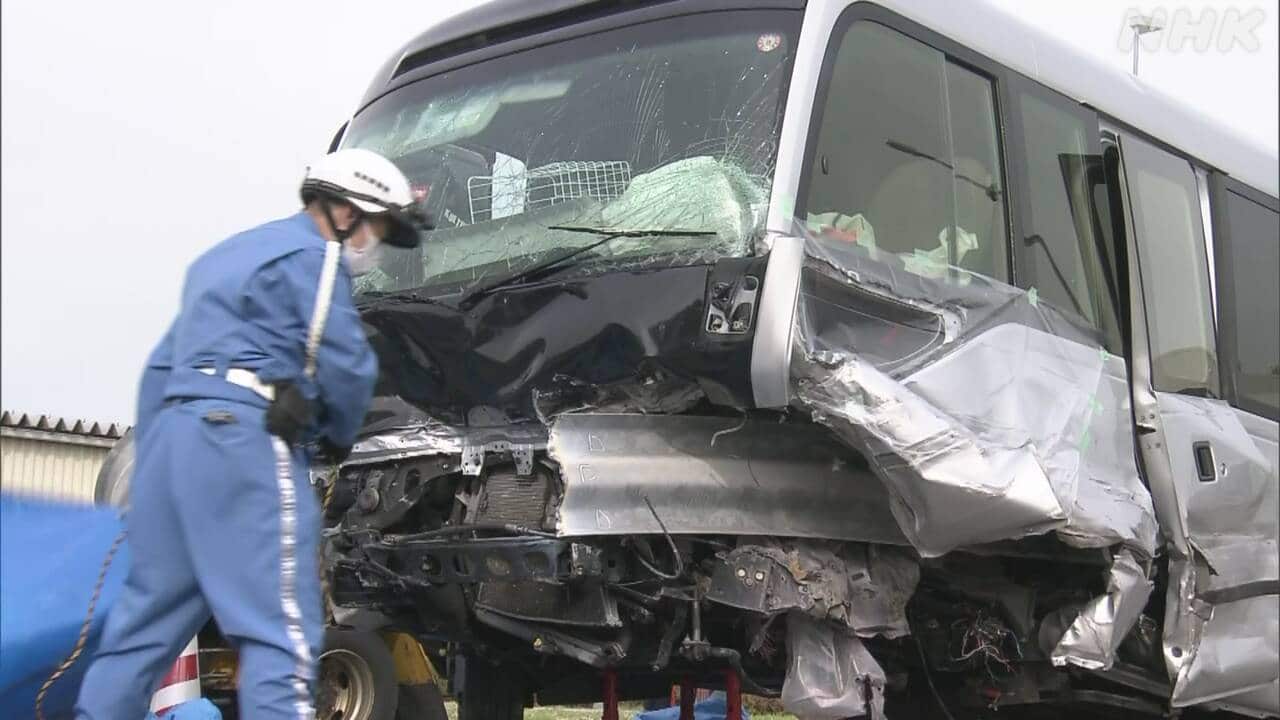
6日に福島県の磐越自動車道で、部活動で移動中の新潟県の高校生たちが乗ったマイクロバスがガードレールに突っ込むなどして生徒1人が死亡し20人が重軽傷を負った事故で、亡くなった生徒は後方の席に座っていたことが警察への取材で分かりました。
6日午前7時半ごろ、福島県郡山市の磐越自動車道の上り線で、新潟市にある北越高校のソフトテニス部の生徒20人が乗ったマイクロバスがガードレールに突っ込むなどして稲垣尋斗さん(17)が死亡し、ほかの生徒や68歳の運転手などあわせて20人が重軽傷を負いました。
これまでの調べで、亡くなった生徒は事故の際、車の外に投げ出されたことが分かっていますが、その後の調べで当時、バスの後方の席に座っていたことが警察への取材で分かりました。
バスは車体の左前方から後方にかけてガードレールが貫通する形で突き刺さるなどして後部が大きく壊れていた一方、側面の窓ガラスには大きな損傷はなかったということです。
こうした状況などから警察は、亡くなった生徒が壊れた後部から外に投げ出されたとみて調べています。
事故を受けて国土交通省の北陸信越運輸局は、7日午前11時前、マイクロバスの手配に関わった新潟県五泉市のバス運行会社「蒲原鉄道」に立ち入り調査に入りました。
会社は6日夜、報道陣の取材に対し学校側から依頼を受けてレンタカーのマイクロバスを借りて手配したほか、運転手を紹介したことを明らかにしました。
そのうえでこうした手配と紹介は無償で行われ「会社として引き受けたのではなくふだん貸し切りバスの仕事をさせてもらっているため、手伝ったという形だった」と説明していました。
運輸局では会社と学校、それに運転手との間で交わされたやりとりの内容やその経緯について確認することにしています。
学校側から、レンタカーのマイクロバスを使うことになったいきさつやバスの運行会社とのやりとりなどを聞き取ったということです。
新潟市にある北越高校では、7日午前8時ごろから生徒たちが通常通りに登校し、校舎に入っていきました。
6日午前7時半ごろ、福島県郡山市の磐越自動車道の上り線で、新潟市にある北越高校のソフトテニス部の生徒20人が乗ったマイクロバスがガードレールに突っ込むなどして稲垣尋斗さん(17)が死亡し、ほかの生徒や68歳の運転手などあわせて20人が重軽傷を負いました。
これまでの調べで、亡くなった生徒は事故の際、車の外に投げ出されたことが分かっていますが、その後の調べで当時、バスの後方の席に座っていたことが警察への取材で分かりました。
バスは車体の左前方から後方にかけてガードレールが貫通する形で突き刺さるなどして後部が大きく壊れていた一方、側面の窓ガラスには大きな損傷はなかったということです。
こうした状況などから警察は、亡くなった生徒が壊れた後部から外に投げ出されたとみて調べています。
事故を受けて国土交通省の北陸信越運輸局は、7日午前11時前、マイクロバスの手配に関わった新潟県五泉市のバス運行会社「蒲原鉄道」に立ち入り調査に入りました。
会社は6日夜、報道陣の取材に対し学校側から依頼を受けてレンタカーのマイクロバスを借りて手配したほか、運転手を紹介したことを明らかにしました。
そのうえでこうした手配と紹介は無償で行われ「会社として引き受けたのではなくふだん貸し切りバスの仕事をさせてもらっているため、手伝ったという形だった」と説明していました。
運輸局では会社と学校、それに運転手との間で交わされたやりとりの内容やその経緯について確認することにしています。
学校側から、レンタカーのマイクロバスを使うことになったいきさつやバスの運行会社とのやりとりなどを聞き取ったということです。
新潟市にある北越高校では、7日午前8時ごろから生徒たちが通常通りに登校し、校舎に入っていきました。
Vocabulary
General
Proper noun
JLPT N2
JLPT N1
| # | 言葉 | 意味 |
|---|---|---|
| 3 | 亡くなる | なくなる (亡くなる) : to die |
| 3 | 後方 | こうほう (後方) : behind; in the rear; in back |
| 3 | 取材 | しゅざい (取材) : 1. news coverage; collecting data (e.g. for an article); covering (something for media) 2. interview |
| 3 | 分かる | わかる (分かる) : 1. to understand; to comprehend; to grasp; to see; to get; to follow 2. to become clear; to be known; to be discovered; to be realized; to be realised; to be found out |
| 3 | 手配 | てはい (手配) : 1. arrangement; preparations 2. search (by police) |
| 2 | 福島県 | ふくしまけん (福島県) : Fukushima prefecture (Tōhoku area) |
| 2 | 磐越 | ばんえつ (磐越) : Ban'etsu (surname) |
| 2 | 自動車道 | じどうしゃどう (自動車道) : expressway; motorway |
| 2 | 新潟県 | にいがたけん (新潟県) : Niigata prefecture (Hokuriku area) |
| 2 | 乗る | のる (乗る) : 1. to get on (train, plane, bus, ship, etc.); to get in; to board; to take; to embark 2. to get on (e.g. a footstool); to step on; to jump on; to sit on; to mount |
| 2 | 突っ込む | つっこむ (突っ込む) : 1. to thrust (something) into (something); to cram; to stuff; to shove 2. to plunge into; to charge into; to rush into; to ram into; to crash into |
| 2 | 死亡 | しぼう (死亡) : 1. death; mortality 2. to die; to pass away |
| 2 | 重軽傷 | じゅうけいしょう (重軽傷) : serious or slight injury; major and minor injuries |
| 2 | 負う | おう (負う) : 1. to bear; to carry on one's back 2. to take responsibility for; to accept a duty |
| 2 | 座る | すわる (座る) : 1. to sit; to squat 2. to assume (a position) |
| 2 | 新潟市 | にいがたし (新潟市) : Niigata (city) (place) |
| 2 | 北越 | きたこし (北越) : Kitakoshi (surname) |
| 2 | 調べ | しらべ (調べ) : 1. investigation; inspection; examination 2. tune; note; melody |
| 2 | 投げ出す | なげだす (投げ出す) : 1. to throw down; to throw out; to stretch out (one's legs) 2. to abandon; to resign |
| 2 | 後部 | こうぶ (後部) : rear; stern |
| 2 | 壊れる | こわれる (壊れる) : 1. to be broken; to break 2. to fall through; to come to nothing |
| 2 | 運行 | うんこう (運行) : 1. service (bus, train); operation 2. motion; revolution; movement |
| 2 | やりとり | やりとり (やり取り) : giving and taking; exchange (of letters); arguing back and forth; (conversational) exchange |
| 1 | 部活動 | ぶかつどう (部活動) : club activities; extracurricular activities |
| 1 | 移動中 | いどうちゅう (移動中) : while moving; on the move |
| 1 | 時半 | じはん (時半) : half past (the hour) |
| 1 | 郡山市 | こおりやまし (郡山市) : Kooriyama (city) (place) |
| 1 | 上り線 | のぼりせん (上り線) : up line; in-bound line |
| 1 | 稲垣 | いたがき (稲垣) : Itagaki (surname) |
| 1 | あわせる | あわせる (会わせる) : 1. to make (someone) to meet; to let (someone) meet 2. to expose to; to subject to |
| 1 | 際 | きわ (際) : 1. edge; brink; verge; side 2. time; moment of |
| 1 | その後 | そのあと (その後) : after that; afterwards; thereafter |
| 1 | 当時 | とうじ (当時) : at that time; in those days |
| 1 | 車体 | しゃたい (車体) : body (of car); frame |
| 1 | 前方 | ぜんぽう (前方) : 1. forward; frontward; ahead 2. rectangular front |
| 1 | 貫通 | かんつう (貫通) : 1. piercing; penetrating; perforating; passing through 2. being well versed (in) |
| 1 | 突き刺さる | つきささる (突き刺さる) : to stick into; to pierce; to run into |
| 1 | 大きく | おおきく (大きく) : in a big way; on a grand scale |
| 1 | 側面 | そくめん (側面) : 1. side; flank; profile; sidelight; lateral 2. aspect; dimension |
| 1 | 窓ガラス | まどガラス (窓ガラス) : windowpane; window glass |
| 1 | 損傷 | そんしょう (損傷) : damage; injury |
| 1 | 状況 | じょうきょう (状況) : state of affairs (around you); situation; circumstances |
| 1 | 調べる | しらべる (調べる) : to examine; to look up; to investigate; to check up; to sense; to study; to inquire; to search |
| 1 | 国土交通省 | こくどこうつうしょう (国土交通省) : Ministry of Land, Infrastructure, Transport and Tourism |
| 1 | 北陸 | ほくりく (北陸) : Hokuriku region of Honshu (incl. Niigata, Toyama, Ishikawa and Fukui prefectures) |
| 1 | 信越 | しんえつ (信越) : region on Japan Sea side of Japan west of Tokyo; Nagano and Niigata |
| 1 | 運輸 | うんゆ (運輸) : transportation |
| 1 | 関わる | かかわる (関わる) : 1. to be affected; to be influenced 2. to be concerned with; to have to do with |
| 1 | 五泉市 | ごせんし (五泉市) : Gosen (city) (place) |
| 1 | 蒲原 | うらはら (蒲原) : Urahara (surname) |
| 1 | 鉄道 | てつどう (鉄道) : railroad; railway; rail transport |
| 1 | 立ち入る | たちいる (立ち入る) : 1. to enter; to trespass 2. to interfere; to meddle; to pry into |
| 1 | 調査 | ちょうさ (調査) : investigation; examination; inquiry; enquiry; survey |
| 1 | 報道陣 | ほうどうじん (報道陣) : press corps |
| 1 | 依頼 | いらい (依頼) : 1. request; commission; entrusting (with a matter) 2. dependence; reliance |
| 1 | 借りる | かりる (借りる) : 1. to borrow; to have a loan 2. to rent; to hire |
| 1 | 明らか | あきらか (明らか) : 1. clear; obvious; evident; plain; definite 2. bright; light |
| 1 | 無償 | むしょう (無償) : 1. without compensation; without reward; without pay 2. free (of charge) |
| 1 | 引き受ける | ひきうける (引き受ける) : 1. to take on; to undertake; to accept; to take charge of; to assume responsibility for 2. to take over; to inherit |
| 1 | ふだん | ふだん (不断) : 1. constant; persistent; unremitting; ceaseless 2. indecisiveness |
| 1 | 手伝う | てつだう (手伝う) : 1. to help; to assist; to aid 2. to contribute to; to be a factor in |
| 1 | 内容 | ないよう (内容) : contents; content; substance; matter; detail; import |
| 1 | 経緯 | いきさつ (経緯) : 1. details; particulars; whole story; sequence of events; chronology; circumstances; how it started; how things got this way 2. longitude and latitude |
| 1 | 確認 | かくにん (確認) : confirmation; verification; validation; review; check; affirmation; identification |
| 1 | いきさつ | いきさつ (経緯) : 1. details; particulars; whole story; sequence of events; chronology; circumstances; how it started; how things got this way 2. longitude and latitude |
| 1 | 聞き取る | ききとる (聞き取る) : 1. to catch (someone's words); to make out; to follow; to understand 2. to ask about (a situation, circumstances, etc.); to inquire |
| 1 | 通常 | つうじょう (通常) : usual; ordinary; normal; regular; general; common |
| 1 | 通り | とおり (通り) : 1. avenue; street; way; road 2. coming and going; street traffic |
| 1 | 登校 | とうこう (登校) : attendance (at school); going to school |
| 1 | 校舎 | こうしゃ (校舎) : school building; schoolhouse |