憲法九条は「高邁な理想」から生まれたのか、「押しつけられたのか」。そのどちらでもない。
予習
この記事のキーワード — タップで意味×16
草案
そうあん
draft (for a speech, bill, etc.)
×12
天皇制
てんのうせい
the Emperor System
×18
憲法
けんぽう
1. constitution 2. rules; regulation
×10
極東
きょくとう
Far East
×6
護持
ごじ
defend and maintain; support; protection
今こそ戦後を知ろう。なぜなら、現在の私たちはそれによってつくられているからだ。それを学び、何を受け継ぐべきかを腑分けすることで、これからの未来を変えていこう。
そのような志の下、近現代史研究者の辻田真佐憲氏が 『「戦後」とは何だったのか 未来を変える日本現代史』 (文春新書)を上梓した。
第一章「戦後日本は『平和国家』だったのか」で、辻田氏は憲法九条はリベラル派が言うように「高邁な理想」から生まれたのでも、保守派が言うように「押し付け」られたものでもない、と述べる。
本書から一部を抜粋してお届けする。
◆◆◆
そもそも憲法九条は、高邁(こうまい)な理想だけから生まれたものではない。むしろ、占領下の複雑な政治状況のなかで成立した“妥協の産物”だった。そのため、これを神聖視すること自体けっして好ましいことではない。
この点もまた“不都合な事実”なのか、一般にはあまり知られていない。むしろ、「九条を世界遺産に」といった耳ざわりのよいスローガンばかりが目立っている。
もちろん、平和を尊ぶべきだという意見に異論はない。だが、九条護憲というみずからの政治的な立場を守るために、現実から目をそらしてよいわけでもない。
そのいっぽうで、現憲法についてはGHQ(連合国軍最高司令官総司令部)による「押し付け」だったという主張も依然として根強く残っている。
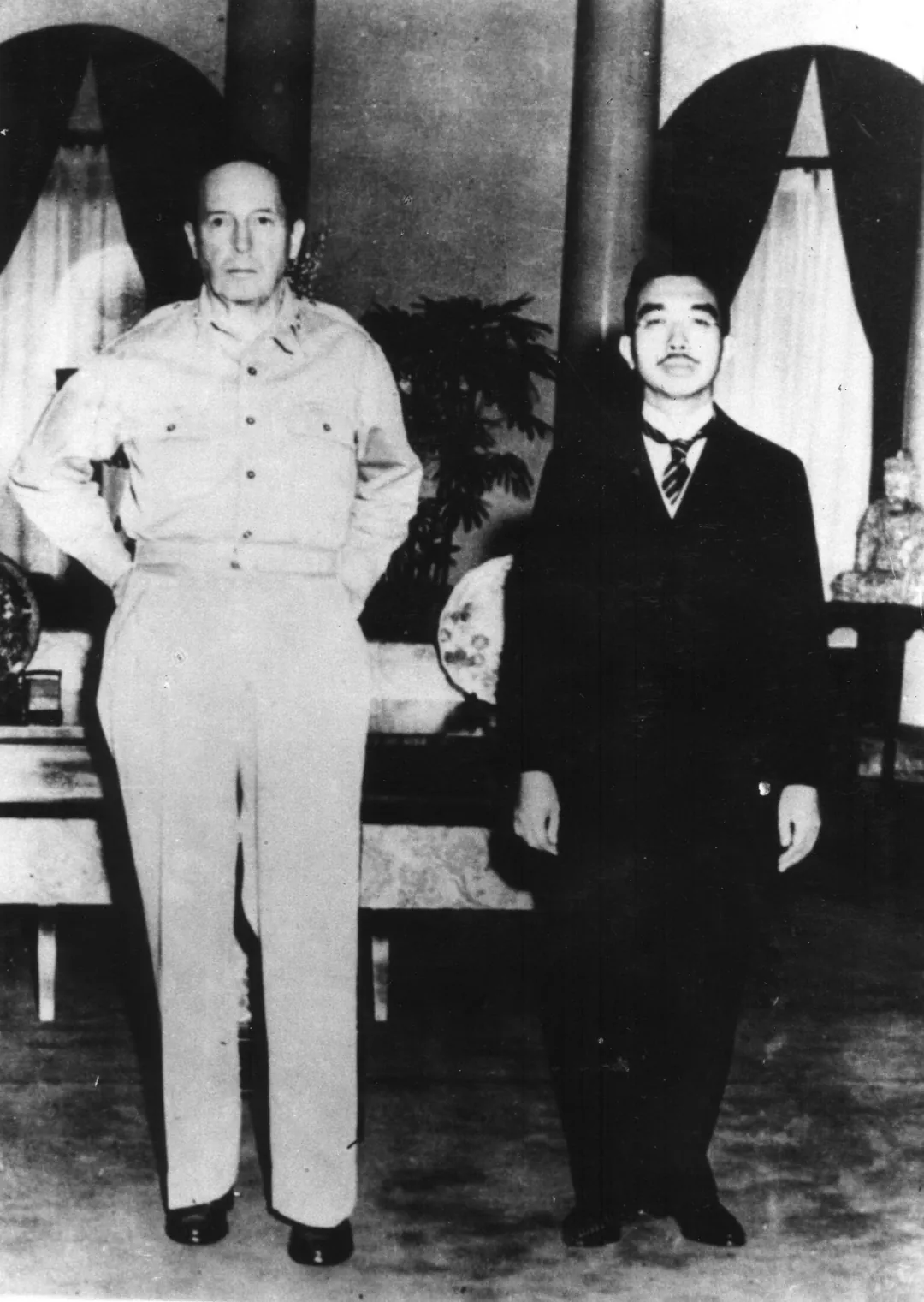
その象徴としてしばしば語られるのが、敗戦翌年の1946(昭和21)年2月13日のできごとだろう。
この日、幣原喜重郎(しではらきじゅうろう)内閣の吉田茂外相や松本烝治(じょうじ)国務相らにたいし、マッカーサーの側近で、GHQ民政局の局長として日本の民主化を進めていたコートニー・ホイットニーが突如として独自の憲法草案を示した。そして、これを受け入れなければ天皇の身体を保障できないと伝えたとされる。
日本側は、その5日前の2月8日、GHQの意向を受けて作成した「憲法改正要綱」を提出しており、この日はその回答を受け取る予定だった。
それだけに、GHQ側からまったく別の草案を突きつけられたことは、日本側にとってまさに青天の霹靂(へきれき)だった。
とはいえ、この「押し付け」論もまた、歴史の一面だけを強調した見方だという点で問題をはらんでいる。
では、GHQはなぜ、このように強い態度で憲法草案の受け入れを迫ったのだろうか。
それは、たんに占領者として強権的だったからではない。じつのところ、マッカーサーは早い段階から天皇制を存続させ、それを占領統治に利用する方針を固めていた。
少数の支配者が多数のひとびとを統治しようとする場合、力だけで一方的に押さえつければ、かえって激しい反発を招く。英国のインド統治に見られるように、安定した支配を続けるには、現地に存在する制度や文化をたくみに取り込むことが欠かせない。
米国の植民地だったフィリピンで長く勤務したマッカーサーも、その点をよく理解していた。天皇制を廃止すれば、日本の占領統治はうまくいかない。そのことがよくわかっていたのである。
ただし、「青い目の大君」と呼ばれたマッカーサーも、現実には何でも自由に決められたわけではなかった。この点も、日本ではしばしば見落とされている。
米軍人である以上、米本国の方針を無視することはできなかった。また、連合国軍最高司令官として日本に赴任している以上、英国やソ連をはじめとする他の連合国の意向にも配慮しなければならなかった。
とりわけマッカーサーに重くのしかかっていたのが、1946年2月26日に最初の会合を控えていた極東委員会の存在だった。
極東委員会は、連合国による対日占領政策の基本方針を決定するために1945年12月に設置された機関であり、そこで天皇制の廃止が決められれば、マッカーサーでもそれを覆(くつがえ)すことはできなかった。
その介入を避けるには、極東委員会が本格的に動き出すまえに新憲法の草案を整え、日本がすでに民主化を進め、軍国主義と決別しつつあることを示さなければならなかった。そのなかに天皇制の存続を組み込んでしまえば、それを既成事実にすることができる。
しかるに、日本政府が作成していた憲法改正案は、明治憲法の基本構造をほとんど変えない、きわめて保守的なものだった。
その内容の一部が1946年2月1日に『毎日新聞』によって報じられると、マッカーサーは2日後、民政局長ホイットニーに、GHQ独自の憲法草案を作成するように命じた。
その際に示された指針が、いわゆる「マッカーサー三原則」だった。
すなわち(1)天皇制は維持するが、国民主権に基づくこと、(2)戦争の放棄、(3)封建制の廃止である。このうち(2)の戦争の放棄が、のちの憲法九条の原形となった。
民政局はこの方針に基づいて作業を進め、わずか9日ほどで草案を完成させた。そのため、日本国憲法の原案は専門家の十分な参加もないまま、あまりに短期間で作成されたと批判されることがある。
たしかに、その指摘にはもっともな面がある。だが、すでに述べたように、極東委員会が2月26日に最初の会合を開く予定だったため、それよりまえに憲法改正の作業をできるだけ進めておく必要があった。
こうした経緯を踏まえると、ホイットニーの日本側への発言も少し違って見えてくる。それはたんに、「われわれの草案を受け入れよ」と威圧しただけではない。「この案こそ天皇を守るために必要なのだから、受け入れるべきだ」という意味も含んでいたと理解できる。
実際、2月21日には、マッカーサー自身が幣原首相にたいして、極東委員会の名まであげながら、GHQ案は「天皇護持の為めに努めてゐるもの」だと直接説明したとされる(『芦田均日記』)。
当時の日本の指導層にとって、「天皇護持」はなにより優先すべき課題だった。半藤一利の『日本のいちばん長い日』でも象徴的に描かれているように、ポツダム宣言を受諾するかどうかをめぐる議論でも、「国体の護持」は最大の焦点となっていた。
したがって、天皇制の存続が確実になるのであれば、それ以外の部分で大幅な譲歩を受け入れることも現実的な判断となりえた。こうしてGHQ案を土台とすることが決まり、日本政府はGHQ側との折衝を経て、3月6日に「憲法改正草案要綱」を決定・発表した。
なお、この折衝では日本政府とGHQのあいだで激しい応酬があった。ただ、その中心はあくまで天皇にかかわる条項であり、戦争放棄を定めた部分ではなかった。重要なのはあくまで「国体」であり、九条はそのまえではやはり“妥協の産物”にすぎなかった。
今こそ戦後を知ろう。なぜなら、現在の私たちはそれによってつくられているからだ。それを学び、何を受け継ぐべきかを腑分けすることで、これからの未来を変えていこう。 そのような志の下、近現代史研究者の辻田真佐憲氏が 『「戦後」とは何だったのか 未来を変える日本現代史』 (文春新書)を上梓した。 第一章「戦後日本は『平和国家』だったのか」で、辻田氏は憲法九条はリベラル派が言うように「高邁な理想」から生まれたのでも、保守派が言うように「押し付け」られたものでもない、と述べる。 本書から一部を抜粋してお届けする。 ◆◆◆ そもそも憲法九条は、高邁(こうまい)な理想だけから生まれたものではない。むしろ、占領下の複雑な政治状況のなかで成立した“妥協の産物”だった。そのため、これを神聖視すること自体けっして好ましいことではない。 この点もまた“不都合な事実”なのか、一般にはあまり知られていない。むしろ、「九条を世界遺産に」といった耳ざわりのよいスローガンばかりが目立っている。 もちろん、平和を尊ぶべきだという意見に異論はない。だが、九条護憲というみずからの政治的な立場を守るために、現実から目をそらしてよいわけでもない。 そのいっぽうで、現憲法についてはGHQ(連合国軍最高司令官総司令部)による「押し付け」だったという主張も依然として根強く残っている。 その象徴としてしばしば語られるのが、敗戦翌年の1946(昭和21)年2月13日のできごとだろう。 この日、幣原喜重郎(しではらきじゅうろう)内閣の吉田茂外相や松本烝治(じょうじ)国務相らにたいし、マッカーサーの側近で、GHQ民政局の局長として日本の民主化を進めていたコートニー・ホイットニーが突如として独自の憲法草案を示した。そして、これを受け入れなければ天皇の身体を保障できないと伝えたとされる。 日本側は、その5日前の2月8日、GHQの意向を受けて作成した「憲法改正要綱」を提出しており、この日はその回答を受け取る予定だった。 それだけに、GHQ側からまったく別の草案を突きつけられたことは、日本側にとってまさに青天の霹靂(へきれき)だった。 とはいえ、この「押し付け」論もまた、歴史の一面だけを強調した見方だという点で問題をはらんでいる。 では、GHQはなぜ、このように強い態度で憲法草案の受け入れを迫ったのだろうか。 それは、たんに占領者として強権的だったからではない。じつのところ、マッカーサーは早い段階から天皇制を存続させ、それを占領統治に利用する方針を固めていた。 少数の支配者が多数のひとびとを統治しようとする場合、力だけで一方的に押さえつければ、かえって激しい反発を招く。英国のインド統治に見られるように、安定した支配を続けるには、現地に存在する制度や文化をたくみに取り込むことが欠かせない。 米国の植民地だったフィリピンで長く勤務したマッカーサーも、その点をよく理解していた。天皇制を廃止すれば、日本の占領統治はうまくいかない。そのことがよくわかっていたのである。 ただし、「青い目の大君」と呼ばれたマッカーサーも、現実には何でも自由に決められたわけではなかった。この点も、日本ではしばしば見落とされている。 米軍人である以上、米本国の方針を無視することはできなかった。また、連合国軍最高司令官として日本に赴任している以上、英国やソ連をはじめとする他の連合国の意向にも配慮しなければならなかった。 とりわけマッカーサーに重くのしかかっていたのが、1946年2月26日に最初の会合を控えていた極東委員会の存在だった。 極東委員会は、連合国による対日占領政策の基本方針を決定するために1945年12月に設置された機関であり、そこで天皇制の廃止が決められれば、マッカーサーでもそれを覆(くつがえ)すことはできなかった。 その介入を避けるには、極東委員会が本格的に動き出すまえに新憲法の草案を整え、日本がすでに民主化を進め、軍国主義と決別しつつあることを示さなければならなかった。そのなかに天皇制の存続を組み込んでしまえば、それを既成事実にすることができる。 しかるに、日本政府が作成していた憲法改正案は、明治憲法の基本構造をほとんど変えない、きわめて保守的なものだった。 その内容の一部が1946年2月1日に『毎日新聞』によって報じられると、マッカーサーは2日後、民政局長ホイットニーに、GHQ独自の憲法草案を作成するように命じた。 その際に示された指針が、いわゆる「マッカーサー三原則」だった。 すなわち(1)天皇制は維持するが、国民主権に基づくこと、(2)戦争の放棄、(3)封建制の廃止である。このうち(2)の戦争の放棄が、のちの憲法九条の原形となった。 民政局はこの方針に基づいて作業を進め、わずか9日ほどで草案を完成させた。そのため、日本国憲法の原案は専門家の十分な参加もないまま、あまりに短期間で作成されたと批判されることがある。 たしかに、その指摘にはもっともな面がある。だが、すでに述べたように、極東委員会が2月26日に最初の会合を開く予定だったため、それよりまえに憲法改正の作業をできるだけ進めておく必要があった。 こうした経緯を踏まえると、ホイットニーの日本側への発言も少し違って見えてくる。それはたんに、「われわれの草案を受け入れよ」と威圧しただけではない。「この案こそ天皇を守るために必要なのだから、受け入れるべきだ」という意味も含んでいたと理解できる。 実際、2月21日には、マッカーサー自身が幣原首相にたいして、極東委員会の名まであげながら、GHQ案は「天皇護持の為めに努めてゐるもの」だと直接説明したとされる(『芦田均日記』)。 当時の日本の指導層にとって、「天皇護持」はなにより優先すべき課題だった。半藤一利の『日本のいちばん長い日』でも象徴的に描かれているように、ポツダム宣言を受諾するかどうかをめぐる議論でも、「国体の護持」は最大の焦点となっていた。 したがって、天皇制の存続が確実になるのであれば、それ以外の部分で大幅な譲歩を受け入れることも現実的な判断となりえた。こうしてGHQ案を土台とすることが決まり、日本政府はGHQ側との折衝を経て、3月6日に「憲法改正草案要綱」を決定・発表した。 なお、この折衝では日本政府とGHQのあいだで激しい応酬があった。ただ、その中心はあくまで天皇にかかわる条項であり、戦争放棄を定めた部分ではなかった。重要なのはあくまで「国体」であり、九条はそのまえではやはり“妥協の産物”にすぎなかった。
今こそ戦後を知ろう。なぜなら、現在の私たちはそれによってつくられているからだ。それを学び、何を受け継ぐべきかを腑分けすることで、これからの未来を変えていこう。 そのような志の下、近現代史研究者の辻田真佐憲氏が 『「戦後」とは何だったのか 未来を変える日本現代史』 (文春新書)を上梓した。 第一章「戦後日本は『平和国家』だったのか」で、辻田氏は憲法九条はリベラル派が言うように「高邁な理想」から生まれたのでも、保守派が言うように「押し付け」られたものでもない、と述べる。 本書から一部を抜粋してお届けする。 ◆◆◆ そもそも憲法九条は、高邁(こうまい)な理想だけから生まれたものではない。むしろ、占領下の複雑な政治状況のなかで成立した“妥協の産物”だった。そのため、これを神聖視すること自体けっして好ましいことではない。 この点もまた“不都合な事実”なのか、一般にはあまり知られていない。むしろ、「九条を世界遺産に」といった耳ざわりのよいスローガンばかりが目立っている。 もちろん、平和を尊ぶべきだという意見に異論はない。だが、九条護憲というみずからの政治的な立場を守るために、現実から目をそらしてよいわけでもない。 そのいっぽうで、現憲法についてはGHQ(連合国軍最高司令官総司令部)による「押し付け」だったという主張も依然として根強く残っている。 その象徴としてしばしば語られるのが、敗戦翌年の1946(昭和21)年2月13日のできごとだろう。 この日、幣原喜重郎(しではらきじゅうろう)内閣の吉田茂外相や松本烝治(じょうじ)国務相らにたいし、マッカーサーの側近で、GHQ民政局の局長として日本の民主化を進めていたコートニー・ホイットニーが突如として独自の憲法草案を示した。そして、これを受け入れなければ天皇の身体を保障できないと伝えたとされる。 日本側は、その5日前の2月8日、GHQの意向を受けて作成した「憲法改正要綱」を提出しており、この日はその回答を受け取る予定だった。 それだけに、GHQ側からまったく別の草案を突きつけられたことは、日本側にとってまさに青天の霹靂(へきれき)だった。 とはいえ、この「押し付け」論もまた、歴史の一面だけを強調した見方だという点で問題をはらんでいる。 では、GHQはなぜ、このように強い態度で憲法草案の受け入れを迫ったのだろうか。 それは、たんに占領者として強権的だったからではない。じつのところ、マッカーサーは早い段階から天皇制を存続させ、それを占領統治に利用する方針を固めていた。 少数の支配者が多数のひとびとを統治しようとする場合、力だけで一方的に押さえつければ、かえって激しい反発を招く。英国のインド統治に見られるように、安定した支配を続けるには、現地に存在する制度や文化をたくみに取り込むことが欠かせない。 米国の植民地だったフィリピンで長く勤務したマッカーサーも、その点をよく理解していた。天皇制を廃止すれば、日本の占領統治はうまくいかない。そのことがよくわかっていたのである。 ただし、「青い目の大君」と呼ばれたマッカーサーも、現実には何でも自由に決められたわけではなかった。この点も、日本ではしばしば見落とされている。 米軍人である以上、米本国の方針を無視することはできなかった。また、連合国軍最高司令官として日本に赴任している以上、英国やソ連をはじめとする他の連合国の意向にも配慮しなければならなかった。 とりわけマッカーサーに重くのしかかっていたのが、1946年2月26日に最初の会合を控えていた極東委員会の存在だった。 極東委員会は、連合国による対日占領政策の基本方針を決定するために1945年12月に設置された機関であり、そこで天皇制の廃止が決められれば、マッカーサーでもそれを覆(くつがえ)すことはできなかった。 その介入を避けるには、極東委員会が本格的に動き出すまえに新憲法の草案を整え、日本がすでに民主化を進め、軍国主義と決別しつつあることを示さなければならなかった。そのなかに天皇制の存続を組み込んでしまえば、それを既成事実にすることができる。 しかるに、日本政府が作成していた憲法改正案は、明治憲法の基本構造をほとんど変えない、きわめて保守的なものだった。 その内容の一部が1946年2月1日に『毎日新聞』によって報じられると、マッカーサーは2日後、民政局長ホイットニーに、GHQ独自の憲法草案を作成するように命じた。 その際に示された指針が、いわゆる「マッカーサー三原則」だった。 すなわち(1)天皇制は維持するが、国民主権に基づくこと、(2)戦争の放棄、(3)封建制の廃止である。このうち(2)の戦争の放棄が、のちの憲法九条の原形となった。 民政局はこの方針に基づいて作業を進め、わずか9日ほどで草案を完成させた。そのため、日本国憲法の原案は専門家の十分な参加もないまま、あまりに短期間で作成されたと批判されることがある。 たしかに、その指摘にはもっともな面がある。だが、すでに述べたように、極東委員会が2月26日に最初の会合を開く予定だったため、それよりまえに憲法改正の作業をできるだけ進めておく必要があった。 こうした経緯を踏まえると、ホイットニーの日本側への発言も少し違って見えてくる。それはたんに、「われわれの草案を受け入れよ」と威圧しただけではない。「この案こそ天皇を守るために必要なのだから、受け入れるべきだ」という意味も含んでいたと理解できる。 実際、2月21日には、マッカーサー自身が幣原首相にたいして、極東委員会の名まであげながら、GHQ案は「天皇護持の為めに努めてゐるもの」だと直接説明したとされる(『芦田均日記』)。 当時の日本の指導層にとって、「天皇護持」はなにより優先すべき課題だった。半藤一利の『日本のいちばん長い日』でも象徴的に描かれているように、ポツダム宣言を受諾するかどうかをめぐる議論でも、「国体の護持」は最大の焦点となっていた。 したがって、天皇制の存続が確実になるのであれば、それ以外の部分で大幅な譲歩を受け入れることも現実的な判断となりえた。こうしてGHQ案を土台とすることが決まり、日本政府はGHQ側との折衝を経て、3月6日に「憲法改正草案要綱」を決定・発表した。 なお、この折衝では日本政府とGHQのあいだで激しい応酬があった。ただ、その中心はあくまで天皇にかかわる条項であり、戦争放棄を定めた部分ではなかった。重要なのはあくまで「国体」であり、九条はそのまえではやはり“妥協の産物”にすぎなかった。
この記事の単語 (261)
×18
憲法
けんぽう
1. constitution 2. rules; regulation
×16
草案
そうあん
draft (for a speech, bill, etc.)
×12
天皇制
てんのうせい
the Emperor System
×10
天皇
てんのう
Emperor of Japan
×10
極東
きょくとう
Far East
×10
委員会
いいんかい
committee; commission; board; panel; committee meeting
×8
進める
すすめる
1. to advance; to move forward; to put (a clock, watch) forward 2. to carry forward (plans, work, etc.); to proceed with; to make progress in; to further; to advance; to hasten; to speed up
×8
受け入れる
うけいれる
to accept; to receive; to agree
×8
作成
さくせい
drawing up (e.g. legal document, contract, will, etc.); preparing; writing; framing; making; producing; creating; creation
×6
戦後
せんご
postwar period; period after Second World War
×6
九条
きゅうじょう
Kyuujou (surname)
×6
押し付け
おしつけ
imposition (i.e. of rules, of a decision); compulsion
×6
条
じょう
1. article (in document); provision 2. stripe; streak; line
×6
示す
しめす
1. to (take out and) show; to demonstrate; to tell; to exemplify; to make apparent 2. to point out (finger, clock hand, needle, etc.)
×6
憲法改正
けんぽうかいせい
constitutional reform; constitutional amendment
×6
存続
そんぞく
duration; continuance; survival; persistence; retention
×6
方針
ほうしん
1. policy; course; plan (of action); principle 2. magnetic needle
×6
廃止
はいし
abolition; repeal
×6
日本政府
にほんせいふ
Japanese government
×6
案
あん
1. idea; plan; proposal; suggestion; (government) bill 2. draft; rough copy
×6
護持
ごじ
defend and maintain; support; protection
×4
こそ
1. it is ... that ...; precisely; in particular; definitely; for sure; only (when, after, because, etc.) 2. although; while; it is the case that ... but
×4
未来
みらい
1. the future (usually distant) 2. future tense
×4
辻田
つじた
Tsujita (place; surname)
×4
高邁
こうまい
noble; lofty; high-minded
×4
理想
りそう
ideal; ideals
×4
述べる
のべる
to state; to express; to mention
×4
一部
いちぶ
1. one part; one portion; one section; some 2. one copy (e.g. of a document)
×4
寧ろ
むしろ
rather; better; instead; if anything
×4
妥協
だきょう
compromise; giving in
×4
産物
さんぶつ
1. product; produce 2. result; fruit
×4
事実
じじつ
fact; truth; reality
×4
守る
まもる
1. to protect; to guard; to defend 2. to keep (i.e. a promise); to abide (by the rules); to observe; to obey; to follow
×4
現実
げんじつ
reality; actuality; hard fact
×4
屡々
しばしば
often; again and again; frequently; repeatedly
×4
民主化
みんしゅか
democratization; democratisation
×4
独自
どくじ
1. original; unique; distinctive; characteristic; peculiar 2. independent; one's own; personal
×4
意向
いこう
intention; idea; inclination; wish
×4
要綱
ようこう
main principle; gist; general plan; guidelines; outline
×4
単に
たんに
simply; merely; only; solely
×4
占領
せんりょう
1. occupying; having (an area) all to oneself 2. military occupation; possession; capture; seizure
×4
占領統治
せんりょうとうち
rule of an occupying power
×4
統治
とうち
rule; reign; government; governing
×4
激しい
はげしい
1. violent; furious; tempestuous 2. extreme; intense; fierce; strong
×4
英国
えいこく
United Kingdom; Britain; Great Britain
×4
存在
そんざい
existence; being
×4
理解
りかい
understanding; comprehension; appreciation; sympathy
×4
連合国
れんごうこく
1. allied nations 2. the Allies (World War I, World War II)
×4
会合
かいごう
1. meeting; assembly; gathering 2. association
×4
決定
けってい
decision; determination
×4
既に
すでに
already; too late
×4
基づく
もとづく
to be grounded on; to be based on; to be due to; to originate from
×4
放棄
ほうき
abandonment; renunciation; resignation; abdication (responsibility, right)
×4
作業
さぎょう
work; operation; manufacturing; fatigue duty
×4
国体
こくたい
1. national polity 2. National Athletic Meet
×4
部分
ぶぶん
portion; section; part
×4
折衝
せっしょう
negotiation
×4
飽くまで
あくまで
1. to the end; to the bitter end; to the last; stubbornly; persistently; consistently; to the utmost 2. after all; it must be remembered; only; purely; simply
×2
現在
げんざい
now; current; present; present time; as of
×2
私達
わたしたち
we; us
×2
学ぶ
まなぶ
to study (in depth); to learn; to take lessons in
×2
受け継ぐ
うけつぐ
to inherit; to succeed; to take over
×2
腑分け
ふわけ
dissection; autopsy
×2
志
こころざし
1. will; resolution; intention; ambition; aim; goal 2. kindness; goodwill; kind offer
×2
近現代史
きんげんだいし
modern history; modern and current history; recent history; recent contemporary history
×2
研究者
けんきゅうしゃ
researcher
×2
真佐
しんすけ
Shinsuke (unclass)
×2
現代史
げんだいし
contemporary history
×2
文春
ふみはる
Fumiharu (given)
×2
新書
しんしょ
1. new book 2. 17x11 cm paperback book
×2
上梓
じょうし
1. wood-block printing 2. publication
×2
第
だい
prefix for forming ordinal numbers
×2
章
しょう
1. chapter; section 2. medal; badge; insignia
×2
平和国家
へいわこっか
peace-loving nation
×2
保守派
ほしゅは
conservatives
×2
本書
ほんしょ
text; script; this book
×2
抜粋
ばっすい
extract; excerpt; selection
×2
抑
そもそも
1. in the first place; to begin with; from the start; originally; ab initio 2. after all; anyway; actually; well, ...; ... on earth (e.g. "what on earth?"); ... in the world (e.g. "why in the world?")
×2
占領下
せんりょうか
being under military occupation
×2
状況
じょうきょう
state of affairs (around you); situation; circumstances
×2
成立
せいりつ
1. formation; establishment; materialization; coming into existence 2. conclusion (e.g. of a deal); reaching (e.g. an agreement); approval; completion; closing; enacting; arrangement
×2
神聖
しんせい
holiness; sacredness; sanctity; dignity
×2
自体
じたい
1. itself 2. one's own body; oneself
×2
好ましい
このましい
nice; likeable; desirable
×2
不都合
ふつごう
1. inconvenient; inexpedient; unfavourable; troublesome; difficult 2. wrong; improper; objectionable; unjustifiable
×2
一般
いっぱん
1. general; universal 2. ordinary; average; common; non-celebrity
×2
世界遺産
せかいいさん
World Heritage (cultural, natural, etc.); World Cultural and Natural Heritage (UNESCO)
×2
耳触り
みみざわり
feeling one gets from listening to something
×2
目立つ
めだつ
to be conspicuous; to stand out
×2
平和
へいわ
peace; harmony
×2
尊ぶ
とうとぶ
to value; to prize; to esteem; to respect
×2
異論
いろん
different opinion; objection
×2
護憲
ごけん
protecting the constitution
×2
自ら
みずから
1. oneself 2. oneself; for oneself; personally; in person
×2
政治的
せいじてき
political
×2
立場
たちば
1. position; situation 2. viewpoint; standpoint; point of view
×2
そらす
1. to turn away (one's eyes, face, etc.); to avert; to divert (e.g. one's attention); to evade (e.g. a question); to change (e.g. the subject) 2. to displease; to annoy; to offend; to upset
×2
現
げん
present (e.g. government, administration); current; existing
×2
連合国軍最高司令官総司令部
れんごうこくぐんさいこうしれいかんそうしれいぶ
General Headquarters (office of the Supreme Commander of the Allied Powers); GHQ
×2
主張
しゅちょう
claim; insistence; assertion; advocacy; emphasis; contention; opinion; tenet
×2
依然
いぜん
still; as yet; as it has been
×2
根強い
ねづよい
firmly rooted; deep-seated
×2
象徴
しょうちょう
(abstract) symbol; emblem; representation
×2
語る
かたる
1. to talk about; to speak of; to tell; to narrate 2. to recite; to chant
×2
敗戦
はいせん
defeat; lost battle; losing a war
×2
翌年
よくねん
following year
×2
昭和
しょうわ
1. Shōwa era (1926.12.25-1989.1.7) 2. reminiscent of the Shōwa era; Shōwa-nostalgic; old-fashioned; quaint; old-school
×2
出来事
できごと
incident; affair; happening; event
×2
幣原喜重郎
しではらきじゅうろう
Shidehara Kijuurou (person)
×2
ろう
labor; labour; toil; trouble; pains; work; effort; striving
×2
内閣
ないかく
cabinet (of a government); ministry
×2
吉田茂
よしだしげる
Yoshida Shigeru (1940.1-) (person)
×2
外相
がいしょう
Foreign Minister
×2
松本
まさもと
Masamoto (surname)
×2
烝治
じょうじ
Jouji (given)
×2
側近
そっきん
close associate; close aide; brains-truster
×2
局長
きょくちょう
bureau director; office chief
×2
突如
とつじょ
suddenly; all of a sudden
×2
身体
からだ
1. body 2. torso; trunk
×2
保障
ほしょう
guarantee; security; assurance; pledge; warranty
×2
提出
ていしゅつ
presentation (of documents); submission (of an application, report, etc.); production (e.g. of evidence); introduction (e.g. of a bill); filing; turning in
×2
回答
かいとう
reply; answer
×2
受け取る
うけとる
1. to receive; to get; to accept 2. to take; to interpret; to understand
×2
全く
まったく
1. really; truly; entirely; completely; wholly; perfectly 2. indeed
×2
突き付ける
つきつける
to thrust before; to thrust at
×2
正に
まさに
1. exactly; surely; certainly; just 2. right then; just then; at that moment
×2
青天の霹靂
せいてんのへきれき
a bolt out of the blue
×2
論
ろん
1. argument; discussion; dispute; controversy; discourse; debate 2. theory (e.g. of evolution); doctrine
×2
一面
いちめん
1. one face; one surface 2. the whole surface
×2
強調
きょうちょう
emphasis; highlight; stress; stressed point
×2
見方
みかた
1. viewpoint; point of view 2. way of understanding; way of appreciating; how to look at something (e.g. noh, train schedule)
×2
孕む
はらむ
1. to conceive; to become pregnant 2. to get filled with (e.g. sails filled with wind); to be swollen with
×2
態度
たいど
1. attitude; manner; behaviour; demeanour; bearing 2. attitude (towards an issue, etc.); position; stance; stand
×2
受け入れ
うけいれ
receiving; acceptance; reception
×2
迫る
せまる
1. to approach; to draw near; to be imminent 2. to press (someone for something); to urge; to compel
×2
強権
きょうけん
strong power of the state; iron fist; heavy hand
×2
実
じつ
1. truth; reality 2. sincerity; honesty; fidelity
×2
段階
だんかい
grade; level; stage; class; phase; steps; order; gradation
×2
固める
かためる
1. to harden; to freeze; to strengthen; to solidify; to make (a fist); to tramp down (snow, dirt) 2. to put together; to collect; to gather; to consolidate
×2
少数
しょうすう
small number; few; minority
×2
支配者
しはいしゃ
governor; leader; ruler
×2
多数
たすう
1. large number (of); many 2. majority
×2
人々
ひとびと
1. people; men and women 2. each person; everybody
×2
一方的
いっぽうてき
one-sided; unilateral; arbitrary
×2
押さえ付ける
おさえつける
1. to press down; to hold down; to pin down 2. to suppress (feelings, disorder, opposition, etc.); to repress
×2
却って
かえって
on the contrary; rather; all the more; instead
×2
反発
はんぱつ
1. opposition; rebellion; revolt; resistance; backlash; refusal 2. rebounding; recoiling; repulsion
×2
招く
まねく
1. to invite; to ask 2. to beckon; to wave someone in; to gesture to
×2
安定
あんてい
stability; steadiness; equilibrium
×2
支配
しはい
1. domination; rule; control 2. direction; management; guidance
×2
現地
げんち
actual place; local; on-site
×2
制度
せいど
system; institution; organization; organisation
×2
巧み
たくみ
skillful; adroit; dexterous; masterful; clever; ingenious; cunning
×2
取り込む
とりこむ
1. to take in; to bring in; to adopt (e.g. behaviour); to introduce 2. to capture (e.g. image); to import
×2
欠かす
かかす
to miss (doing); to fail (to do)
×2
米国
べいこく
(United States of) America; USA; US
×2
植民地
しょくみんち
1. colony 2. (immigrant) community
×2
勤務
きんむ
service; duty; work
×2
旨い
うまい
1. skillful; skilful; clever; expert; wise; successful 2. delicious; appetizing; appetising; tasty
×2
但し
ただし
but; however; provided that
×2
大君
おおきみ
emperor; king; prince
×2
見落とす
みおとす
to overlook; to fail to notice; to miss (seeing)
×2
軍人
ぐんじん
military personnel; soldier
×2
本国
ほんごく
1. home country; one's own country 2. suzerain country (from the perspective of the vassal state); colonizing country
×2
無視
むし
disregarding; ignoring
×2
赴任
ふにん
moving to a different location to start a new job; (proceeding to) new appointment
×2
ソ連
ソれん
Soviet Union; Union of Soviet Socialist Republics; USSR
×2
他
た
other (esp. people and abstract matters)
×2
配慮
はいりょ
consideration; concern; attention; thoughtfulness; making arrangements; care; trouble
×2
取り分け
とりわけ
1. especially; above all 2. inter alia; among others
×2
伸し掛かる
のしかかる
1. to lean over (someone); to bend over; to lean on 2. to weigh on one; to bear (heavily) on one; to lie on one
×2
控える
ひかえる
1. to be temperate in; to refrain; to abstain; to hold back; to restrain oneself from excessive ... 2. to make notes; to jot down (e.g. phone number)
×2
対日
たいにち
toward Japan; with Japan
×2
政策
せいさく
political measures; policy
×2
基本方針
きほんほうしん
basic policy; fundamental policy; fundamental plan of action
×2
設置
せっち
1. establishment; institution 2. installation (of a machine or equipment)
×2
機関
きかん
1. engine 2. agency; organisation; organization; institution; organ; body
×2
覆す
くつがえす
1. to overturn; to capsize; to upset 2. to overthrow (government etc.)
×2
介入
かいにゅう
intervention
×2
避ける
さける
1. to avoid (physical contact with) 2. to avoid (situation)
×2
本格的
ほんかくてき
1. genuine; real; regular; normal; typical; standard; orthodox 2. full-scale; full-blown; all-out
×2
新憲法
しんけんぽう
new constitution (esp. Japan's postwar constitution)
×2
整える
ととのえる
1. to put in order; to arrange; to tidy up; to straighten; to adjust; to fix 2. to get ready; to prepare; to arrange; to supply; to assemble; to buy
×2
軍国主義
ぐんこくしゅぎ
militarism
×2
決別
けつべつ
separation; farewell; parting
×2
組み込む
くみこむ
to insert; to include; to incorporate; to cut in (printing)
×2
既成
きせい
established; existing; accomplished; accepted; completed
×2
改正案
かいせいあん
reform bill; reform proposal; amendment
×2
明治憲法
めいじけんぽう
Meiji Constitution (Constitution of the Empire of Japan)
×2
基本
きほん
basics; fundamentals; basis; foundation
×2
構造
こうぞう
structure; construction; makeup; framework; organization; pattern
×2
極めて
きわめて
exceedingly; extremely; decisively
×2
保守的
ほしゅてき
conservative
×2
内容
ないよう
contents; content; substance; matter; detail; import
×2
毎日新聞
まいにちしんぶん
Mainichi Shimbun (newspaper) (product)
×2
報じる
ほうじる
to inform; to report
×2
命じる
めいじる
1. to order; to command 2. to appoint
×2
際
さい
on the occasion of; circumstances; juncture
×2
指針
ししん
1. needle (compass, gauge, etc.); hand (clock); indicator; pointer; index 2. guiding principle; guideline; guide
×2
所謂
いわゆる
what is called; as it is called; the so-called; so to speak
×2
即ち
すなわち
that is; namely; i.e.
×2
維持
いじ
maintenance; preservation; improvement
×2
国民主権
こくみんしゅけん
sovereignty of the people
×2
封建制
ほうけんせい
feudal system; feudalism
×2
原形
げんけい
original form; base form
×2
僅か
わずか
1. (a) little; (a) few; slight; small (amount); trifling; meagre; meager 2. only; just; merely
×2
完成
かんせい
1. complete; completion 2. perfection; accomplishment
×2
日本国
にほんこく
Japan
×2
原案
げんあん
original plan; original bill; original motion; draft
×2
専門家
せんもんか
specialist; expert; professional; authority; pundit
×2
参加
さんか
participation; joining; entry; adherence
×2
侭
まま
1. as it is; as one likes; because; as 2. condition; state
×2
短期間
たんきかん
short term; short time
×2
批判
ひはん
criticism; judgement; judgment; comment
×2
指摘
してき
pointing out; identification
×2
面
めん
1. face 2. mask; face guard
×2
経緯
いきさつ
1. details; particulars; whole story; sequence of events; chronology; circumstances; how it started; how things got this way 2. longitude and latitude
×2
踏まえる
ふまえる
1. to be based on; to take into account; to build upon; to have origin in 2. to have one's feet firmly planted on; to plant oneself on
×2
発言
はつげん
statement; remark; observation; utterance; speech; proposal
×2
我々
われわれ
we
×2
威圧
いあつ
1. coercion; overpowering 2. to overpower; to overawe; to daunt
×2
含む
ふくむ
1. to contain; to comprise; to have; to hold; to include; to embrace 2. to hold in the mouth
×2
実際
じっさい
1. reality; actuality; truth; fact; actual conditions 2. practice (as opposed to theory)
×2
自身
じしん
(one's) self; oneself
×2
幣原
しではら
Shidehara (surname)
×2
首相
しゅしょう
prime minister; chancellor (Germany, Austria, etc.); premier
×2
努める
つとめる
to endeavor (endeavour); to try; to strive; to make an effort; to exert oneself; to be diligent; to be committed (to doing something)
×2
直接
ちょくせつ
direct; immediate; personal; firsthand
×2
芦田均
あしだひとし
Ashida Hitoshi (person)
×2
当時
とうじ
at that time; in those days
×2
指導
しどう
1. guidance; leadership; instruction; direction; coaching 2. shido (disciplinary action for a minor infringement of the rules of judo)
×2
層
そう
1. layer; stratum; seam; bed 2. class; stratum; bracket; group
×2
優先
ゆうせん
preference; priority; precedence
×2
課題
かだい
1. subject; theme; issue; matter 2. homework; assignment
×2
半藤一利
はんどうかずとし
Handou Kazutoshi (1930.5.21-) (person)
×2
象徴的
しょうちょうてき
symbolic
×2
描く
えがく
1. to draw; to paint; to sketch 2. to depict; to describe
×2
ポツダム宣言
ポツダムせんげん
Potsdam Declaration (July 26, 1945 statement establishing the terms of a Japanese surrender)
×2
受諾
じゅだく
acceptance
×2
巡る
めぐる
1. to go around 2. to return
×2
議論
ぎろん
argument; discussion; dispute; controversy
×2
最大
さいだい
biggest; greatest; largest; maximum
×2
焦点
しょうてん
focus (e.g. photographic); focal point
×2
従う
したがう
1. to obey (an order, law, etc.); to abide by (a rule, custom, etc.); to follow; to observe; to conform to; to yield to 2. to follow (a person); to accompany; to go with
×2
確実
かくじつ
certain; sure; definite; reliable; sound; solid; safe; secure
×2
大幅
おおはば
1. big; large; drastic; substantial 2. full-width cloth (approx. 72 cm wide for traditional Japanese clothing; approx. 140 cm wide for Western clothing)
×2
譲歩
じょうほ
concession; conciliation; compromise
×2
現実的
げんじつてき
realistic; pragmatic
×2
判断
はんだん
1. judgment; judgement; decision; conclusion; adjudication 2. divination
×2
土台
どだい
1. foundation; base; basis 2. from the beginning; from the outset; by nature
×2
決まる
きまる
1. to be decided; to be settled; to be fixed; to be arranged 2. to be unchanging; to be the same (as always); to be fixed; to be set
×2
経る
へる
1. to pass; to elapse; to go by 2. to pass through; to go through
×2
発表
はっぴょう
announcement; publication; presenting; statement; communique; making known; breaking (news story); expressing (one's opinion); releasing; unveiling
×2
猶
なお
1. still; yet 2. more; still more; greater; further
×2
応酬
おうしゅう
1. exchange; reciprocation; give-and-take; return 2. reply; riposte
×2
唯
ただ
1. ordinary; common; usual 2. free of charge
×2
中心
ちゅうしん
1. center; centre; middle; heart; core; focus; pivot; emphasis; balance 2. -centered; -centred; -focused; -oriented; centered on; focused on
×2
関わる
かかわる
1. to be affected; to be influenced 2. to be concerned with; to have to do with
×2
条項
じょうこう
clause; article; stipulations
×2
定める
さだめる
1. to decide; to determine 2. to establish; to lay down; to prescribe; to provide; to stipulate
×2
重要
じゅうよう
important; momentous; essential; principal; major