「清掃を科学する」でビルメンテナンス業界の課題を解決。テルウェル西日本の「清掃コンサルティング」ってどんなサービス?
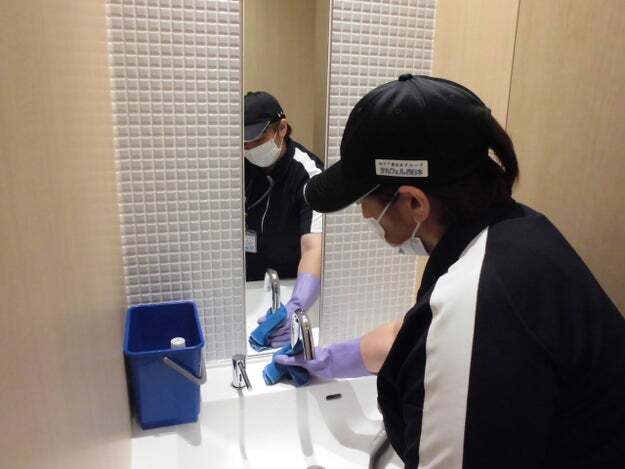
オフィスビルの清掃・管理業務をはじめ、さまざまな事業を展開しているテルウェル西日本(大阪市天王寺区)では、2024年から「清掃コンサルティング」というサービスを提供しています。
美しい職場環境の維持は、働く人にとっての生産性や健康にも影響する重要なポイントです。多くのオフィスビルで、専門の業者に委託する形で行われている清掃ですが、そのコンサルティングサービスと聞くとあまりイメージがわかない、という人も多いのではないでしょうか。
「清掃コンサルティング」とはどのようなサービスで、どんなメリットがあるのか。BuzzFeed Japanでは、清掃業界で新たな取り組みを行うテルウェル西日本の清掃コンサルティング部門課長の大汐幸正さん、岡本和也さんに詳しく話を聞きました。
オフィスビルの清掃・管理業務をはじめ、さまざまな事業を展開しているテルウェル西日本(大阪市天王寺区)では、2024年から「清掃コンサルティング」というサービスを提供しています。 美しい職場環境の維持は、働く人にとっての生産性や健康にも影響する重要なポイントです。多くのオフィスビルで、専門の業者に委託する形で行われている清掃ですが、そのコンサルティングサービスと聞くとあまりイメージがわかない、という人も多いのではないでしょうか。 「清掃コンサルティング」とはどのようなサービスで、どんなメリットがあるのか。BuzzFeed Japanでは、清掃業界で新たな取り組みを行うテルウェル西日本の清掃コンサルティング部門課長の大汐幸正さん、岡本和也さんに詳しく話を聞きました。
――「清掃コンサルティング」を始めたきっかけを教えてください。 近年、清掃業界では人手不足や人件費の高騰、人材の高齢化といったさまざまな理由から、どうしてもコストカットの方向に向かいがちで、結果として清掃品質の低下を招いてしまっているという課題があります。 一方で、経産省が提唱している「健康経営※」の考え方にのっとって、従業員の健康を「コスト」ではなく「投資」と捉える考え方が広がりを見せています。 ※従業員などの健康管理を経営的な視点で考え、戦略的に実践すること。 そんな中で、ビルオーナー様が清掃の品質に疑問をいだいても、現状の清掃内容や金額が適正かどうかという判断をするのはなかなか難しいのが現実です。 我々は、これまで長年培ってきたビルメンテナンスに関わる事業の知見を活かして、プロの視点で「清掃の内容を可視化・評価」することで品質とコストのバランスを見直し、オーナー様の悩みを解消したいという思いから「清掃コンサルティング」を始めました。 ビルの清掃は、これまで「見た目の綺麗さ」に重きを置いて行われることが主流でした。 しかし、実際の清掃では衛生面、安全面、建物の維持管理といったポイントも踏まえて適切に行う必要があります。我々はオーナー様に適切な清掃の評価基準を提供すると同時に、「清掃にしっかりと予算をかけて、明確な目的を持って行うこと」の重要性も訴えていき、予算と清掃内容の最適化を図っていきたいと考えています。
――「清掃コンサルティング」とはどういうサービスなのでしょうか。 清掃コンサルティングは、「清掃を科学する」をコンセプトに、見た目だけの綺麗さだけではなく、衛生や安全、建物維持の観点から清掃の品質を「数値化」し、最適な清掃業務の運用を設計するサービスです。 具体的には大きく4つのステップがあります。 1つ目のステップは、「インスペクション」という形で、実際に現地に赴いて現状行われている清掃の品質を可視化し、課題の明確化を行います。これにより、従来の清掃のやりとりで発生しがちだった、仕様書の清掃内容が不明確なためにオーナー側も清掃内容の良し悪しがわからない、といった課題を解消します。 2つ目は、インスペクションによる診断結果から、清掃仕様書や手順書をオーナーからの要望や現場に適した形に最適化します。人手不足などの理由からこの段階で清掃ロボットの導入が必要だと判断した場合は、その選定なども行います。 3つ目は、お客様からの要望があれば、新しく作成した清掃仕様書や手順書を清掃の研修や指導を実施します。 最後のステップでは、新たに設計し直した清掃の運用がうまく回っているのかどうかを定期的にチェックし、品質の維持や改善にいたるまで継続的にサポートしていきます。 「清掃コンサルティング」の狙いは、これまで属人的な勘や経験に依存しがちだった清掃の実態を、データに基づいた客観的な運用に変えていくためのサポートをする、という点にあります。
――清掃コンサルティングを受けることで、ビルのオーナー側にはどんなメリットがあるのでしょうか。 仮にビルのオーナー様が「うちは安い価格で清掃できている!」と思っていたとしたら、その清掃内容は不十分である可能性が高いです。清掃は人の労働力を基準とした労働集約型の業務のため、値段と品質がそのまま比例しやすく、「安い=作業量が少ない」という状態に陥りやすいからです。 そのため、当社では各エリアで標準的な清掃内容と価格の整合をとっています。 一般的にはビルのオーナー様が清掃の仕様書を定めて、それを元に委託先を選定しているケースが多く、清掃の基準が人による主観的なものになりがちです。また、たとえば数十年単位で長期にわたって同じ清掃会社を利用している物件の場合、担当者どうしの長年のやり取りの中で、清掃内容と仕様書に乖離が生じているにもかかわらず、清掃担当者の暗黙知で運用され続けているというケースもあります。これでは人によって該当の清掃をしたりしなかったりとなります。 結果として、オーナー側にとっても清掃会社側にとっても、仕様書と実際の清掃品質のギャップはどうしても生まれてきますし、それが改善されることなく長年放置されているという状況も多く見られます。 清掃コンサルティングでは、オーナー様の提示した清掃仕様書をそのまま受け入れるのではなく、現場調査をした上で最適な清掃業務の運用を提案します。これにより、オーナー様と清掃会社双方のズレをなくすことができます。 また、導入後も定期的にインスペクションを実施し、実際に行われている清掃の品質を評価しつつ、必要に応じて仕様書や手順書の見直しも行っている点も特徴です。
――「清掃コンサルティング」では、オーナーが元々契約している清掃会社業者と連携する形で改善していくのでしょうか? はい、基本的なスタンスとしては、オーナー様と清掃会社様の間に入って、中立的な立場で清掃の品質改善に向けたサポートを行う形です。 清掃コンサルティングでは契約書の内容を改めて見直したり、当初からの流れを紐解いたりといった作業も行うので、お客様から「元々のやり取りの内容が整理できて良かった」と言っていただけることも多いです。 また、お客様から清掃会社の見直しの相談を受けることもありますが、そこはもともと契約されていた清掃会社様とのこれまでのやり取りなどを鑑みて、慎重に行わせていただいています。
――清掃品質の評価基準についての信頼性は、どのような形で担保しているのでしょうか? 清掃コンサルティングのインスペクションでは、「ATPふき取り検査」や「光沢度計」などの汚れ具合を測る測定器を用いたデータを組み合わせ、「どれだけ汚れているか」を可視化します。 収集したデータを元に、ビル清掃に関する技術の有資格者が、目視による清掃状態と計測したデータを総合的に評価します。評価の妥当性は、弊社の有資格者が長年ビルメンテナンスに携わる中で蓄積してきた膨大なデータを元にした、独自の清掃基準と評価指標を用いています。 これにより、どうしても目視で確認するだけでは限界があった建物の衛生状態について、「仕様書通りにしっかりと清掃できているか」を誰がみても客観的な形で評価することができるようになるわけです。
――「清掃コンサルティング」を通じて、どのような社会課題を解決したいと考えていますか? 清掃コンサルティングを通じて「無駄を排除した効率的な清掃」を実現することで、冒頭でお伝えした人材不足や高齢化などによる、清掃業界の抱える課題を解決したいと考えています。 昨今、インバウンドの影響もあり、外国人旅行者が SNS 上で「日本のトイレは驚くほど清潔だ」「共用部の待合スペースが美しい」と発信しています。 こうした評価は、まさに我が国が育んできた わびさびの美意識 と 高い衛生意識・実践 によるものです。この文化を未来へ、そして世界へと広げていける形をつくりたいと考えています。 弊社では、清掃ロボットなどを用いた「DX」も推進しています。これにより、清掃業界に対する汚い、きついといったネガティブなイメージを払拭し、若手の働き手にとっても働きたいと思えるような業界に変えていきたいです。
――DX化によって実際に現場の負担が軽減されているという実感はありますか? 我々は実際に1200台を超える清掃ロボットを日々運用しているのですが、ロボットを導入した現場の清掃スタッフからも、「ロボットを入れたことで体力的にとても楽になった」という声は実際に多く出ているので、やはり恩恵の大きさを実感しています。 現場の負担軽減という点では、清掃業界特有の「業務開始前までに清掃を終わらせておく必要がある」という点も、人材不足の大きな理由の一つになっています。 たとえば早朝や深夜の作業が発生する点などが、若手の労働者にとって敬遠されるポイントになりがちなので、こうした時間帯の作業はロボットに任せるなど、DXを進めることで負担の軽減をはかっていきたいです。
――良い清掃会社を選ぶ際のポイントは、どのようなものがあるでしょうか。 まず「提案力」があるかどうかという点が大事です。 建物の種類や用途、利用状況といった情報を照らし合わせて、しっかりコストと品質、効率のバランスについて根拠のある提案ができる清掃会社は信頼がおけると思います。 続いて「契約後も改善や見直しをしてくれる」というところもポイントです。契約後も定期的にインスペクションを行ったり、業務の内容を振り返ったりして、改善につなげられるようなチェック体制が整った清掃会社が良いと思います。 さらに、誰が清掃しても一定の品質を保てるような、教育体制や運用体制が整っているかどうか、その清掃会社の直営の社員や、有資格者がどれくらいいるか、といった点も選定のポイントになります。
――「清掃コンサルティング」事業の今後の展望について教えてください。 今後の展望として「清掃DX」という観点で、3つの目標を掲げています。 1つは、清掃コンサルティングによる点検、教育、運用設計を通じた再現性と品質の高い清掃を実現したいと考えています。 2つ目は、清掃ロボットの運用実績で培ったノウハウを元に、清掃ロボットと人によるハイブリッド運用の標準化を成し遂げ、今後ますます加速する人手不足に対応していきたいです。 3つ目は、将来的には、ICT を活用した運用プラットフォームを構築し、AI と連携しながら清掃データをはじめとするあらゆる現場データを収集・活用することで、ビルメンテナンス業界が抱える「3K(きつい、汚い、危険)イメージ」を払拭し、次世代を担う若手が「働きたい」と思える魅力的な産業へ転換していきたいと考えています。
営業推進部 コアビジネスプロデュース部門 ロボティクス事業担当 担当課長 大汐 幸正 営業推進部 コアビジネスプロデュース部門 ロボティクス事業担当 岡本 和也
オフィスビルの清掃・管理業務をはじめ、さまざまな事業を展開しているテルウェル西日本(大阪市天王寺区)では、2024年から「清掃コンサルティング」というサービスを提供しています。 美しい職場環境の維持は、働く人にとっての生産性や健康にも影響する重要なポイントです。多くのオフィスビルで、専門の業者に委託する形で行われている清掃ですが、そのコンサルティングサービスと聞くとあまりイメージがわかない、という人も多いのではないでしょうか。 「清掃コンサルティング」とはどのようなサービスで、どんなメリットがあるのか。BuzzFeed Japanでは、清掃業界で新たな取り組みを行うテルウェル西日本の清掃コンサルティング部門課長の大汐幸正さん、岡本和也さんに詳しく話を聞きました。
――「清掃コンサルティング」を始めたきっかけを教えてください。 近年、清掃業界では人手不足や人件費の高騰、人材の高齢化といったさまざまな理由から、どうしてもコストカットの方向に向かいがちで、結果として清掃品質の低下を招いてしまっているという課題があります。 一方で、経産省が提唱している「健康経営※」の考え方にのっとって、従業員の健康を「コスト」ではなく「投資」と捉える考え方が広がりを見せています。 ※従業員などの健康管理を経営的な視点で考え、戦略的に実践すること。 そんな中で、ビルオーナー様が清掃の品質に疑問をいだいても、現状の清掃内容や金額が適正かどうかという判断をするのはなかなか難しいのが現実です。 我々は、これまで長年培ってきたビルメンテナンスに関わる事業の知見を活かして、プロの視点で「清掃の内容を可視化・評価」することで品質とコストのバランスを見直し、オーナー様の悩みを解消したいという思いから「清掃コンサルティング」を始めました。 ビルの清掃は、これまで「見た目の綺麗さ」に重きを置いて行われることが主流でした。 しかし、実際の清掃では衛生面、安全面、建物の維持管理といったポイントも踏まえて適切に行う必要があります。我々はオーナー様に適切な清掃の評価基準を提供すると同時に、「清掃にしっかりと予算をかけて、明確な目的を持って行うこと」の重要性も訴えていき、予算と清掃内容の最適化を図っていきたいと考えています。
――「清掃コンサルティング」とはどういうサービスなのでしょうか。 清掃コンサルティングは、「清掃を科学する」をコンセプトに、見た目だけの綺麗さだけではなく、衛生や安全、建物維持の観点から清掃の品質を「数値化」し、最適な清掃業務の運用を設計するサービスです。 具体的には大きく4つのステップがあります。 1つ目のステップは、「インスペクション」という形で、実際に現地に赴いて現状行われている清掃の品質を可視化し、課題の明確化を行います。これにより、従来の清掃のやりとりで発生しがちだった、仕様書の清掃内容が不明確なためにオーナー側も清掃内容の良し悪しがわからない、といった課題を解消します。 2つ目は、インスペクションによる診断結果から、清掃仕様書や手順書をオーナーからの要望や現場に適した形に最適化します。人手不足などの理由からこの段階で清掃ロボットの導入が必要だと判断した場合は、その選定なども行います。 3つ目は、お客様からの要望があれば、新しく作成した清掃仕様書や手順書を清掃の研修や指導を実施します。 最後のステップでは、新たに設計し直した清掃の運用がうまく回っているのかどうかを定期的にチェックし、品質の維持や改善にいたるまで継続的にサポートしていきます。 「清掃コンサルティング」の狙いは、これまで属人的な勘や経験に依存しがちだった清掃の実態を、データに基づいた客観的な運用に変えていくためのサポートをする、という点にあります。
――清掃コンサルティングを受けることで、ビルのオーナー側にはどんなメリットがあるのでしょうか。 仮にビルのオーナー様が「うちは安い価格で清掃できている!」と思っていたとしたら、その清掃内容は不十分である可能性が高いです。清掃は人の労働力を基準とした労働集約型の業務のため、値段と品質がそのまま比例しやすく、「安い=作業量が少ない」という状態に陥りやすいからです。 そのため、当社では各エリアで標準的な清掃内容と価格の整合をとっています。 一般的にはビルのオーナー様が清掃の仕様書を定めて、それを元に委託先を選定しているケースが多く、清掃の基準が人による主観的なものになりがちです。また、たとえば数十年単位で長期にわたって同じ清掃会社を利用している物件の場合、担当者どうしの長年のやり取りの中で、清掃内容と仕様書に乖離が生じているにもかかわらず、清掃担当者の暗黙知で運用され続けているというケースもあります。これでは人によって該当の清掃をしたりしなかったりとなります。 結果として、オーナー側にとっても清掃会社側にとっても、仕様書と実際の清掃品質のギャップはどうしても生まれてきますし、それが改善されることなく長年放置されているという状況も多く見られます。 清掃コンサルティングでは、オーナー様の提示した清掃仕様書をそのまま受け入れるのではなく、現場調査をした上で最適な清掃業務の運用を提案します。これにより、オーナー様と清掃会社双方のズレをなくすことができます。 また、導入後も定期的にインスペクションを実施し、実際に行われている清掃の品質を評価しつつ、必要に応じて仕様書や手順書の見直しも行っている点も特徴です。
――「清掃コンサルティング」では、オーナーが元々契約している清掃会社業者と連携する形で改善していくのでしょうか? はい、基本的なスタンスとしては、オーナー様と清掃会社様の間に入って、中立的な立場で清掃の品質改善に向けたサポートを行う形です。 清掃コンサルティングでは契約書の内容を改めて見直したり、当初からの流れを紐解いたりといった作業も行うので、お客様から「元々のやり取りの内容が整理できて良かった」と言っていただけることも多いです。 また、お客様から清掃会社の見直しの相談を受けることもありますが、そこはもともと契約されていた清掃会社様とのこれまでのやり取りなどを鑑みて、慎重に行わせていただいています。
――清掃品質の評価基準についての信頼性は、どのような形で担保しているのでしょうか? 清掃コンサルティングのインスペクションでは、「ATPふき取り検査」や「光沢度計」などの汚れ具合を測る測定器を用いたデータを組み合わせ、「どれだけ汚れているか」を可視化します。 収集したデータを元に、ビル清掃に関する技術の有資格者が、目視による清掃状態と計測したデータを総合的に評価します。評価の妥当性は、弊社の有資格者が長年ビルメンテナンスに携わる中で蓄積してきた膨大なデータを元にした、独自の清掃基準と評価指標を用いています。 これにより、どうしても目視で確認するだけでは限界があった建物の衛生状態について、「仕様書通りにしっかりと清掃できているか」を誰がみても客観的な形で評価することができるようになるわけです。
――「清掃コンサルティング」を通じて、どのような社会課題を解決したいと考えていますか? 清掃コンサルティングを通じて「無駄を排除した効率的な清掃」を実現することで、冒頭でお伝えした人材不足や高齢化などによる、清掃業界の抱える課題を解決したいと考えています。 昨今、インバウンドの影響もあり、外国人旅行者が SNS 上で「日本のトイレは驚くほど清潔だ」「共用部の待合スペースが美しい」と発信しています。 こうした評価は、まさに我が国が育んできた わびさびの美意識 と 高い衛生意識・実践 によるものです。この文化を未来へ、そして世界へと広げていける形をつくりたいと考えています。 弊社では、清掃ロボットなどを用いた「DX」も推進しています。これにより、清掃業界に対する汚い、きついといったネガティブなイメージを払拭し、若手の働き手にとっても働きたいと思えるような業界に変えていきたいです。
――DX化によって実際に現場の負担が軽減されているという実感はありますか? 我々は実際に1200台を超える清掃ロボットを日々運用しているのですが、ロボットを導入した現場の清掃スタッフからも、「ロボットを入れたことで体力的にとても楽になった」という声は実際に多く出ているので、やはり恩恵の大きさを実感しています。 現場の負担軽減という点では、清掃業界特有の「業務開始前までに清掃を終わらせておく必要がある」という点も、人材不足の大きな理由の一つになっています。 たとえば早朝や深夜の作業が発生する点などが、若手の労働者にとって敬遠されるポイントになりがちなので、こうした時間帯の作業はロボットに任せるなど、DXを進めることで負担の軽減をはかっていきたいです。
――良い清掃会社を選ぶ際のポイントは、どのようなものがあるでしょうか。 まず「提案力」があるかどうかという点が大事です。 建物の種類や用途、利用状況といった情報を照らし合わせて、しっかりコストと品質、効率のバランスについて根拠のある提案ができる清掃会社は信頼がおけると思います。 続いて「契約後も改善や見直しをしてくれる」というところもポイントです。契約後も定期的にインスペクションを行ったり、業務の内容を振り返ったりして、改善につなげられるようなチェック体制が整った清掃会社が良いと思います。 さらに、誰が清掃しても一定の品質を保てるような、教育体制や運用体制が整っているかどうか、その清掃会社の直営の社員や、有資格者がどれくらいいるか、といった点も選定のポイントになります。
――「清掃コンサルティング」事業の今後の展望について教えてください。 今後の展望として「清掃DX」という観点で、3つの目標を掲げています。 1つは、清掃コンサルティングによる点検、教育、運用設計を通じた再現性と品質の高い清掃を実現したいと考えています。 2つ目は、清掃ロボットの運用実績で培ったノウハウを元に、清掃ロボットと人によるハイブリッド運用の標準化を成し遂げ、今後ますます加速する人手不足に対応していきたいです。 3つ目は、将来的には、ICT を活用した運用プラットフォームを構築し、AI と連携しながら清掃データをはじめとするあらゆる現場データを収集・活用することで、ビルメンテナンス業界が抱える「3K(きつい、汚い、危険)イメージ」を払拭し、次世代を担う若手が「働きたい」と思える魅力的な産業へ転換していきたいと考えています。
営業推進部 コアビジネスプロデュース部門 ロボティクス事業担当 担当課長 大汐 幸正 営業推進部 コアビジネスプロデュース部門 ロボティクス事業担当 岡本 和也
Vocabulary
General
Proper noun
JLPT N2
JLPT N1
| # | 言葉 | 意味 |
|---|---|---|
| 87 | 清掃 | せいそう (清掃) : cleaning; clean-up; garbage collection; scavenging |
| 14 | 品質 | ひんしつ (品質) : quality (of a product or a service) |
| 11 | 内容 | ないよう (内容) : contents; content; substance; matter; detail; import |
| 10 | 様 | ざま (様) : 1. mess; sorry state; plight; sad sight 2. -ways; -wards |
| 10 | 運用 | うんよう (運用) : 1. making use of; application; practical use; effective management (e.g. of funds) 2. operation; handling; steering (esp. a boat) |
| 9 | 仕様書 | しようしょ (仕様書) : specification document |
| 7 | 業務 | ぎょうむ (業務) : business; affairs; duties; work; procedure; task; action; function; (business) operations; operational |
| 7 | 考える | かんがえる (考える) : 1. to think (about, of); to think over; to ponder; to contemplate; to reflect (on); to meditate (on) 2. to consider; to bear in mind; to allow for; to take into consideration |
| 7 | 評価 | ひょうか (評価) : 1. valuation; appraisal; evaluation; assessment; estimation; rating; judging 2. appreciation; recognition; acknowledgement; rating highly; praising |
| 7 | 実際 | じっさい (実際) : 1. reality; actuality; truth; fact; actual conditions 2. practice (as opposed to theory) |
| 6 | 事業 | じぎょう (事業) : 1. project; enterprise; business; industry; operations; venture; service 2. act; deed; conduct |
| 6 | 現場 | げんば (現場) : 1. actual spot; scene; scene of the crime; site; location; setting 2. shop floor; factory floor; (on) site |
| 6 | 改善 | かいぜん (改善) : 1. betterment; improvement 2. kaizen (Japanese business philosophy of continuous improvement) |
| 5 | がち | がち (雅致) : artistry; good taste; elegance; grace |
| 5 | 課題 | かだい (課題) : 1. subject; theme; issue; matter 2. homework; assignment |
| 4 | 維持 | いじ (維持) : maintenance; preservation; improvement |
| 4 | 部門 | ぶもん (部門) : division (of a larger group); branch; field; class (subclass); group; category; department |
| 4 | 長年 | ながねん (長年) : long time; many years |
| 4 | 契約 | けいやく (契約) : contract; compact; agreement |
| 3 | 提供 | ていきょう (提供) : 1. offer; tender; providing; supplying; making available; donating (blood, organs, etc.) 2. sponsoring (a TV program) |
| 3 | 健康 | けんこう (健康) : 1. health 2. healthy; sound; fit; wholesome |
| 3 | 影響 | えいきょう (影響) : 1. influence; effect 2. to influence; to affect; to have an influence on; to impact; to have an effect on |
| 3 | 新た | あらた (新た) : new; fresh; novel |
| 3 | 大汐 | おおしお (大汐) : Ooshio (surname) |
| 3 | 幸正 | こうしょう (幸正) : Koushou (surname; given) |
| 3 | 岡本 | おかほん (岡本) : Okahon (place) |
| 3 | 和也 | かずなり (和也) : Kazunari (given) |
| 3 | 人手不足 | ひとでぶそく (人手不足) : labour shortage; labor shortage; shortage of workers; shortage of hands |
| 3 | 結果 | けっか (結果) : 1. result; consequence; outcome; effect 2. coming to fruition; bearing fruit |
| 3 | 我々 | われわれ (我々) : we |
| 3 | 可視化 | かしか (可視化) : 1. visualization (data, results, etc.); visualisation 2. making something visible (that was previously unseen) |
| 3 | 衛生 | えいせい (衛生) : hygiene; sanitation; health |
| 3 | 設計 | せっけい (設計) : plan; design; layout |
| 3 | 手順 | てじゅん (手順) : process; procedure; sequence; protocol; instruction |
| 3 | 導入 | どうにゅう (導入) : introduction; bringing in; leading in; installation |
| 3 | 選定 | せんてい (選定) : selection |
| 3 | お客様 | おきゃくさま (お客様) : 1. guest; visitor 2. customer; client; shopper; spectator; audience; tourist; sightseer; passenger |
| 3 | 定期的 | ていきてき (定期的) : periodic; regular; routine |
| 3 | 基準 | きじゅん (基準) : standard; basis; criterion; norm; reference; datum |
| 3 | やり取り | やりとり (やり取り) : giving and taking; exchange (of letters); arguing back and forth; (conversational) exchange |
| 3 | 提案 | ていあん (提案) : proposal; proposition; suggestion |
| 3 | 見直し | みなおし (見直し) : review; reconsideration; revision |
| 3 | 作業 | さぎょう (作業) : work; operation; manufacturing; fatigue duty |
| 3 | 用いる | もちいる (用いる) : to use; to make use of; to utilize; to utilise |
| 3 | 通ずる | つうずる (通ずる) : 1. to be open (to traffic); to lead to; to communicate (with) 2. to flow (liquid, current); to pass; to get through to |
| 3 | 推進 | すいしん (推進) : 1. propulsion; drive 2. promotion (e.g. of a government policy); furtherance; implementation |
| 3 | 若手 | わかて (若手) : young person |
| 3 | 体制 | たいせい (体制) : order; system; structure; set-up; organization; organisation |
| 3 | 今後 | こんご (今後) : from now on; hereafter |
| 2 | 管理 | かんり (管理) : control; management (e.g. of a business) |
| 2 | 展開 | てんかい (展開) : 1. development; evolution; progression; unfolding; (plot) twist 2. expansion; spreading out; extending; deployment; building up |
| 2 | 西日本 | にしにほん (西日本) : western Japan; Japan west of the Itoigawa-Shizuoka Tectonic Line, i.e. the Chūbu region and westward |
| 2 | 大阪市天王寺区 | おおさかしてんのうじく (大阪市天王寺区) : Oosakashitennoujiku (place) |
| 2 | 職場環境 | しょくばかんきょう (職場環境) : one's work environment |
| 2 | 生産性 | せいさんせい (生産性) : productivity |
| 2 | 重要 | じゅうよう (重要) : important; momentous; essential; principal; major |
| 2 | 専門 | せんもん (専門) : speciality; specialty; subject of study; expert; area of expertise |
| 2 | 業者 | ぎょうしゃ (業者) : 1. trader; dealer; businessman; vendor; supplier; manufacturer 2. fellow trader; people in the same trade |
| 2 | 委託 | いたく (委託) : entrusting (something to a person); consignment (of goods); putting in someone's charge; trust; commission |
| 2 | わく | わく (枠) : 1. frame; framework 2. border; box |
| 2 | 取り組み | とりくみ (取り組み) : 1. bout (in sports, etc.); match 2. effort; initiative; dealing with; grappling with; wrestling with |
| 2 | 課 | か (課) : 1. lesson 2. section (in an organization); division; department |
| 2 | 詳しく | くわしく (詳しく) : in detail; fully; minutely; at length |
| 2 | 聞く | きく (聞く) : 1. to hear 2. to listen (e.g. to music) |
| 2 | 教える | おしえる (教える) : 1. to teach; to instruct 2. to tell; to inform |
| 2 | 高齢化 | こうれいか (高齢化) : population ageing (aging) |
| 2 | 考え方 | かんがえかた (考え方) : way of thinking |
| 2 | 従業員 | じゅうぎょういん (従業員) : employee; worker |
| 2 | 視点 | してん (視点) : opinion; point of view; visual point |
| 2 | 実践 | じっせん (実践) : 1. practice; putting into practice; implementation 2. praxis (philosophy) |
| 2 | 現状 | げんじょう (現状) : present condition; existing state; status quo; current state |
| 2 | 判断 | はんだん (判断) : 1. judgment; judgement; decision; conclusion; adjudication 2. divination |
| 2 | 培う | つちかう (培う) : to cultivate; to foster |
| 2 | 見直す | みなおす (見直す) : 1. to look at again 2. to re-examine (policy, estimate, plan, etc.); to review |
| 2 | 解消 | かいしょう (解消) : cancellation; liquidation; resolution; reduction (e.g. of stress) |
| 2 | 見た目 | みため (見た目) : appearance; (outward) looks; exterior appearance |
| 2 | 綺麗 | きれい (綺麗) : 1. pretty; lovely; beautiful; fair 2. clean; clear; pure; tidy; neat |
| 2 | 面 | おもて (面) : 1. face 2. surface |
| 2 | 適切 | てきせつ (適切) : appropriate; suitable; fitting; apt; proper; right; pertinent; relevant |
| 2 | 評価基準 | ひょうかきじゅん (評価基準) : valuation basis; appraisal standard |
| 2 | 予算 | よさん (予算) : estimate; budget |
| 2 | 最適化 | さいてきか (最適化) : optimization; optimisation |
| 2 | 観点 | かんてん (観点) : point of view |
| 2 | 最適 | さいてき (最適) : most suitable; optimum; optimal; best |
| 2 | 発生 | はっせい (発生) : 1. outbreak; spring forth; occurrence; incidence 2. generation (e.g. of power or heat); genesis; origin |
| 2 | 要望 | ようぼう (要望) : demand for; request |
| 2 | 実施 | じっし (実施) : enforcement; implementation; putting into practice; carrying out; operation; working (e.g. working parameters); enactment |
| 2 | 客観的 | きゃっかんてき (客観的) : objective |
| 2 | 変える | かえる (変える) : 1. to change; to alter; to transform; to convert; to turn; to vary 2. to reform; to revise; to amend |
| 2 | 価格 | かかく (価格) : price; value; cost |
| 2 | そのまま | そのまま (其のまま) : 1. without change; as is 2. just like; extremely similar |
| 2 | 状態 | じょうたい (状態) : state; condition; situation; appearance; circumstances |
| 2 | 担当者 | たんとうしゃ (担当者) : person in charge (of an area of work); person responsible; contact (person) |
| 2 | 元々 | もともと (元々) : originally; by nature; from the start |
| 2 | 連携 | れんけい (連携) : cooperation; coordination; link |
| 2 | 収集 | しゅうしゅう (収集) : 1. collecting; accumulating; gathering 2. collection (of art, stamps, insects, etc.) |
| 2 | 目視 | もくし (目視) : eyesight; seeing |
| 2 | 弊社 | へいしゃ (弊社) : our company; our firm |
| 2 | 解決 | かいけつ (解決) : settlement; solution; resolution |
| 2 | 実現 | じつげん (実現) : implementation (e.g. of a system); materialization; materialisation; realization; realisation; actualization; actualisation |
| 2 | 人材不足 | じんざいぶそく (人材不足) : shortage of talented people; shortfall in human resources |
| 2 | 抱える | かかえる (抱える) : 1. to hold or carry under or in the arms 2. to have (esp. problems, debts, etc.) |
| 2 | きつい | きつい : 1. tough; hard; severe; demanding; harsh 2. determined; strong-minded; forceful; formidable; fierce |
| 2 | 払拭 | ふっしょく (払拭) : wiping out; sweeping away; eradicating; dispelling |
| 2 | 働く | はたらく (働く) : 1. to work; to labor; to labour 2. to function; to operate; to be effective; to work (i.e. ... works); to come into play |
| 2 | 思える | おもえる (思える) : to seem; to appear likely |
| 2 | 負担 | ふたん (負担) : 1. burden; load; responsibility 2. bearing (a cost, responsibility, etc.); shouldering |
| 2 | 軽減 | けいげん (軽減) : abatement; reduction |
| 2 | 実感 | じっかん (実感) : 1. real feeling; actual feeling 2. to actually feel; to have a real feeling (that ...); to experience personally |
| 2 | 整う | ととのう (整う) : 1. to be ready; to be prepared; to be arranged 2. to be in order; to be put in order; to be well-ordered; to be well-proportioned; to be harmonious |
| 2 | 展望 | てんぼう (展望) : view; outlook; prospect |
| 2 | 活用 | かつよう (活用) : 1. practical use; application 2. conjugation; inflection |
| 2 | 営業 | えいぎょう (営業) : 1. business; trade; operations 2. sales |
| 2 | 担当 | たんとう (担当) : being in charge (of an area of responsibility); being responsible (for a work role, etc.) |
| 1 | きっかけ | きっかけ (切っ掛け) : chance; start; cue; excuse; motive; impetus; occasion |
| 1 | 近年 | きんねん (近年) : recent years |
| 1 | 人件費 | じんけんひ (人件費) : 1. personnel expenses; labor cost; labour cost 2. indirect labour costs; indirect labor costs |
| 1 | 高騰 | こうとう (高騰) : sudden price jump; steep price rise |
| 1 | 人材 | じんざい (人材) : 1. capable person; talented person 2. human resources; personnel |
| 1 | 方向 | ほうこう (方向) : 1. direction; orientation; bearing; way 2. course (e.g. of action) |
| 1 | 向かう | むかう (向かう) : 1. to face 2. to go towards; to head towards |
| 1 | 低下 | ていか (低下) : fall; decline; lowering; deterioration; degradation |
| 1 | 招く | まねく (招く) : 1. to invite; to ask 2. to beckon; to wave someone in; to gesture to |
| 1 | 経産省 | けいさんしょう (経産省) : Ministry of Economy, Trade and Industry; METI |
| 1 | 提唱 | ていしょう (提唱) : advocacy; proposal |
| 1 | のっとる | のっとる (乗っ取る) : 1. to take over; to capture; to seize; to commandeer; to occupy; to usurp 2. to hijack (vehicle, account, etc.) |
| 1 | 投資 | とうし (投資) : investment |
| 1 | 捉える | とらえる (捉える) : 1. to catch; to capture; to seize; to arrest; to grab; to catch hold of 2. to grasp (e.g. meaning); to perceive; to capture (e.g. features) |
| 1 | 広がり | ひろがり (広がり) : spread; span; expanse; extent |
| 1 | 健康管理 | けんこうかんり (健康管理) : health management; health maintenance; health care |
| 1 | 経営 | けいえい (経営) : management; administration; operation; running (business); conducting |
| 1 | 戦略的 | せんりゃくてき (戦略的) : strategic |
| 1 | 疑問 | ぎもん (疑問) : doubt; question; suspicion; dubiousness |
| 1 | いだく | いだく (抱く) : 1. to hold in one's arms (e.g. a baby); to embrace; to hug 2. to have (a thought or feeling); to hold; to harbour (suspicion, doubt, etc.); to harbor; to bear (a grudge, ill will, etc.); to entertain (hope, illusions, etc.); to cherish (e.g. an ambition) |
| 1 | 金額 | きんがく (金額) : amount of money; sum of money |
| 1 | 適正 | てきせい (適正) : reasonable; suitable |
| 1 | 現実 | げんじつ (現実) : reality; actuality; hard fact |
| 1 | 関わる | かかわる (関わる) : 1. to be affected; to be influenced 2. to be concerned with; to have to do with |
| 1 | 知見 | ちけん (知見) : expertise; experience; knowledge |
| 1 | 活かす | いかす (生かす) : 1. to make (the best) use of; to put to good use; to leverage (skills, attributes, experience, etc.); to capitalise on (experience, etc.) 2. to let live; to keep alive |
| 1 | 悩み | なやみ (悩み) : trouble; troubles; worry; distress; sorrows; anguish; agony; problem |
| 1 | 思い | おもい (思い) : 1. thought 2. imagination; mind; heart |
| 1 | 重き | おもき (重き) : importance; emphasis; stress |
| 1 | 主流 | しゅりゅう (主流) : 1. mainstream; commonplace 2. main course (of a river); main stream |
| 1 | 踏まえる | ふまえる (踏まえる) : 1. to be based on; to take into account; to build upon; to have origin in 2. to have one's feet firmly planted on; to plant oneself on |
| 1 | 同時 | どうじ (同時) : simultaneous; concurrent; same time; synchronous; together |
| 1 | 明確 | めいかく (明確) : clear; precise; definite; distinct |
| 1 | 目的 | もくてき (目的) : purpose; goal; aim; objective; intention |
| 1 | 持つ | もつ (持つ) : 1. to hold (in one's hand); to take; to carry 2. to possess; to have; to own |
| 1 | 重要性 | じゅうようせい (重要性) : importance; gravity |
| 1 | 訴える | うったえる (訴える) : 1. to raise; to bring to (someone's attention) 2. to appeal to (reason, emotions, etc.); to work on (one's emotions); to play on (one's sympathies) |
| 1 | 図る | はかる (図る) : 1. to plan; to attempt; to devise 2. to plot; to conspire; to scheme |
| 1 | どういう | どういう (どう言う) : somehow; how; in what way; why; what kind of |
| 1 | 数値化 | すうちか (数値化) : quantification; expressing in numerical form; conversion to numerical form |
| 1 | 具体的 | ぐたいてき (具体的) : concrete; definite; specific; material; substantial |
| 1 | 大きく | おおきく (大きく) : in a big way; on a grand scale |
| 1 | 現地 | げんち (現地) : actual place; local; on-site |
| 1 | 赴く | おもむく (赴く) : 1. to go in the direction of; to proceed toward; to proceed according to; to repair to; to betake oneself to 2. to become; to face (facts, circumstances, etc.) |
| 1 | 明確化 | めいかくか (明確化) : clarification; definition |
| 1 | 従来 | じゅうらい (従来) : 1. up to now; so far 2. traditional; conventional; usual; existing |
| 1 | やりとり | やりとり (やり取り) : giving and taking; exchange (of letters); arguing back and forth; (conversational) exchange |
| 1 | 不明確 | ふめいかく (不明確) : inaccurate; indistinct; imprecise; unclear; indecisive |
| 1 | 良し悪し | よしあし (良し悪し) : 1. right or wrong; good or bad; quality; suitability 2. having both merits and demerits; having both advantages and disadvantages |
| 1 | わかる | わかる (分かる) : 1. to understand; to comprehend; to grasp; to see; to get; to follow 2. to become clear; to be known; to be discovered; to be realized; to be realised; to be found out |
| 1 | 診断 | しんだん (診断) : diagnosis; medical examination |
| 1 | 適する | てきする (適する) : to fit; to suit |
| 1 | 段階 | だんかい (段階) : grade; level; stage; class; phase; steps; order; gradation |
| 1 | 新しく | あたらしく (新しく) : newly; new; anew |
| 1 | 作成 | さくせい (作成) : drawing up (e.g. legal document, contract, will, etc.); preparing; writing; framing; making; producing; creating; creation |
| 1 | 研修 | けんしゅう (研修) : training (esp. in-service); induction course |
| 1 | 指導 | しどう (指導) : 1. guidance; leadership; instruction; direction; coaching 2. shido (disciplinary action for a minor infringement of the rules of judo) |
| 1 | うまく | うまく (上手く) : 1. skilfully; skillfully; well; aptly; cleverly 2. successfully; smoothly |
| 1 | いたる | いたる (至る) : 1. to arrive at (e.g. a decision); to reach (a stage); to attain 2. to lead to (a place); to get to |
| 1 | 継続的 | けいぞくてき (継続的) : continuous |
| 1 | 狙い | ねらい (狙い) : aim |
| 1 | 勘 | かん (勘) : perception; intuition; the sixth sense |
| 1 | 依存 | いぞん (依存) : dependence; reliance |
| 1 | 実態 | じったい (実態) : true state; actual condition; reality |
| 1 | 基づく | もとづく (基づく) : to be grounded on; to be based on; to be due to; to originate from |
| 1 | 仮 | け (仮) : lacking substance and existing in name only; something without substance |
| 1 | 不十分 | ふじゅうぶん (不十分) : insufficient; inadequate; imperfect |
| 1 | 可能性 | かのうせい (可能性) : potentiality; likelihood; possibility; availability |
| 1 | 労働力 | ろうどうりょく (労働力) : labor; labour; manpower; working force |
| 1 | 労働集約 | ろうどうしゅうやく (労働集約) : labour intensive |
| 1 | 値段 | ねだん (値段) : price; cost |
| 1 | 比例 | ひれい (比例) : proportion |
| 1 | やすく | やすく (安く) : inexpensively |
| 1 | 作業量 | さぎょうりょう (作業量) : workload; quantity of work; work rate; units produced |
| 1 | 陥る | おちいる (陥る) : 1. to fall into (e.g. a hole) 2. to fall into (chaos, depression, dilemma, illness, etc.) |
| 1 | 当社 | とうしゃ (当社) : 1. (this) shrine 2. (this) company; (this) firm |
| 1 | 各 | かく (各) : each; every; all |
| 1 | 標準的 | ひょうじゅんてき (標準的) : standard; standardized; average; normal; ordinary |
| 1 | 整合 | せいごう (整合) : adjustment; coordination; integration; conformity |
| 1 | 一般的 | いっぱんてき (一般的) : general; popular; common; typical |
| 1 | 定める | さだめる (定める) : 1. to decide; to determine 2. to establish; to lay down; to prescribe; to provide; to stipulate |
| 1 | 主観的 | しゅかんてき (主観的) : subjective |
| 1 | 単位 | たんい (単位) : 1. unit; denomination 2. credit (in school) |
| 1 | 長期 | ちょうき (長期) : long-term |
| 1 | 物件 | ぶっけん (物件) : article; thing; object; property (real estate) |
| 1 | どうし | どうし (動詞) : verb |
| 1 | 乖離 | かいり (乖離) : divergence; alienation; deviation; estrangement; separation; detachment |
| 1 | 生ずる | しょうずる (生ずる) : 1. to produce; to yield; to cause 2. to result from; to arise; to be generated |
| 1 | かかわる | かかわる (関わる) : 1. to be affected; to be influenced 2. to be concerned with; to have to do with |
| 1 | 暗黙知 | あんもくち (暗黙知) : tacit knowledge (knowledge management terminology) |
| 1 | 該当 | がいとう (該当) : corresponding to; being applicable to; being relevant to; coming under; falling under; fulfilling (requirements); meeting (conditions); qualifying for |
| 1 | 生まれる | うまれる (生まれる) : to be born |
| 1 | 放置 | ほうち (放置) : leaving as is; leaving alone; leaving to chance; neglecting; abandoning |
| 1 | 状況 | じょうきょう (状況) : state of affairs (around you); situation; circumstances |
| 1 | 提示 | ていじ (提示) : presentation; exhibit; suggest; citation |
| 1 | 受け入れる | うけいれる (受け入れる) : to accept; to receive; to agree |
| 1 | 調査 | ちょうさ (調査) : investigation; examination; inquiry; enquiry; survey |
| 1 | 双方 | そうほう (双方) : both parties; both sides |
| 1 | 応ずる | おうずる (応ずる) : 1. to answer; to respond; to meet 2. to satisfy; to accept |
| 1 | 特徴 | とくちょう (特徴) : feature; trait; characteristic; peculiarity; distinction |
| 1 | 基本的 | きほんてき (基本的) : fundamental; basic |
| 1 | 立場 | たちば (立場) : 1. position; situation 2. viewpoint; standpoint; point of view |
| 1 | 契約書 | けいやくしょ (契約書) : (written) contract; agreement |
| 1 | 改めて | あらためて (改めて) : 1. another time; again; over again; once again; anew 2. formally; especially; intentionally; deliberately |
| 1 | 当初 | とうしょ (当初) : 1. beginning; start; outset 2. at first; at the beginning; initially; originally |
| 1 | 流れ | ながれ (流れ) : 1. flow (of a fluid or gas); stream; current 2. flow (of people, things); passage (of time); tide; passing; (changing) trends; tendency |
| 1 | 紐解く | ひもとく (紐解く) : 1. to read (a book); to open (a book) to read 2. to unravel (e.g. a mystery); to discover (the truth) |
| 1 | 整理 | せいり (整理) : 1. sorting; arrangement; organization; putting in order; adjustment; regulation 2. liquidation; settlement; consolidation; clearance (e.g. debt); paying off |
| 1 | もともと | もともと (元々) : originally; by nature; from the start |
| 1 | 鑑みる | かんがみる (鑑みる) : to take into account; to bear in mind; to consider; to learn from; to take warning from |
| 1 | 慎重 | しんちょう (慎重) : careful; cautious; prudent; discreet; deliberate |
| 1 | 信頼性 | しんらいせい (信頼性) : credibility; authenticity; confidence; reliability |
| 1 | 担保 | たんぽ (担保) : security; guarantee; collateral (e.g. mortgage) |
| 1 | ふき取る | ふきとる (拭き取る) : to wipe off; to wipe up |
| 1 | 検査 | けんさ (検査) : inspection (e.g. customs, factory); examination; scan (e.g. MRI, PET, etc.) |
| 1 | 光沢 | こうたく (光沢) : brilliance; polish; lustre; luster; glossy finish (of photographs) |
| 1 | 汚れ | けがれ (汚れ) : 1. uncleanness; impurity; defilement 2. disgrace; shame; stain; blot; corruption; depravity |
| 1 | 測る | はかる (計る) : 1. to measure; to weigh; to survey; to time (sound, gauge, estimate) 2. to conjecture; to infer; to surmise |
| 1 | 測定器 | そくていき (測定器) : measuring instrument |
| 1 | 組み合わせる | くみあわせる (組み合わせる) : to join together; to combine; to join up |
| 1 | 汚れる | けがれる (汚れる) : to be violated; to be corrupted; to be polluted; to be stained |
| 1 | 関する | かんする (関する) : to concern; to be related |
| 1 | 計測 | けいそく (計測) : measuring; measurement |
| 1 | 総合的 | そうごうてき (総合的) : comprehensive; composite; all-embracing |
| 1 | 妥当性 | だとうせい (妥当性) : validity; verification; propriety |
| 1 | 携わる | たずさわる (携わる) : to engage in; to participate in; to take part in; to be involved in |
| 1 | 蓄積 | ちくせき (蓄積) : accumulation; accumulate; store |
| 1 | 膨大 | ぼうだい (膨大) : 1. huge; vast; enormous; colossal; extensive; large 2. swelling; expansion |
| 1 | 独自 | どくじ (独自) : 1. original; unique; distinctive; characteristic; peculiar 2. independent; one's own; personal |
| 1 | 指標 | しひょう (指標) : index; indices; indicator |
| 1 | 確認 | かくにん (確認) : confirmation; verification; validation; review; check; affirmation; identification |
| 1 | 限界 | げんかい (限界) : limit; bound |
| 1 | 衛生状態 | えいせいじょうたい (衛生状態) : sanitary conditions |
| 1 | 通り | とおり (通り) : 1. avenue; street; way; road 2. coming and going; street traffic |
| 1 | 無駄 | むだ (無駄) : futility; waste; uselessness; pointlessness; idleness |
| 1 | 排除 | はいじょ (排除) : exclusion; removal; rejection; elimination; abatement; lifting (sanctions, etc.) |
| 1 | 効率的 | こうりつてき (効率的) : efficient |
| 1 | 冒頭 | ぼうとう (冒頭) : beginning; start; outset |
| 1 | 伝える | つたえる (伝える) : to convey; to report; to transmit; to communicate; to tell; to impart; to propagate; to teach; to bequeath |
| 1 | 昨今 | さっこん (昨今) : nowadays; recently |
| 1 | 旅行者 | りょこうしゃ (旅行者) : traveller; traveler |
| 1 | 清潔 | せいけつ (清潔) : 1. clean; hygienic; sanitary 2. pure; virtuous; immaculate |
| 1 | 共用 | きょうよう (共用) : common use; communal use; sharing |
| 1 | 待合 | まちあい (待合) : 1. rendezvous; meeting; assignation 2. area where guests gather before the start of a tea ceremony |
| 1 | 発信 | はっしん (発信) : 1. dispatch; despatch; transmission; submission 2. informing (e.g. of opinion); sharing (thoughts, etc.); telling |
| 1 | まさに | まさに (正に) : 1. exactly; surely; certainly; just 2. right then; just then; at that moment |
| 1 | 我が国 | わがくに (我が国) : our country; our land; one's own country |
| 1 | 育む | はぐくむ (育む) : 1. to raise; to bring up; to rear 2. to cultivate; to foster; to nurture |
| 1 | わびさび | わびさび (侘び寂び) : wabi-sabi; aesthetic sense in Japanese art centered on the acceptance of transience and imperfection |
| 1 | 美意識 | びいしき (美意識) : sense of beauty; aesthetic sense |
| 1 | 意識 | いしき (意識) : 1. consciousness 2. becoming aware (of); awareness; sense |
| 1 | 未来 | みらい (未来) : 1. the future (usually distant) 2. future tense |
| 1 | 広げる | ひろげる (広げる) : 1. to spread; to extend; to expand; to enlarge; to widen; to broaden 2. to unfold; to open; to unroll; to unwrap |
| 1 | つくる | つくる (作る) : 1. to make; to produce; to manufacture; to build; to construct 2. to prepare (food); to brew (alcohol) |
| 1 | 働き手 | はたらきて (働き手) : 1. worker; breadwinner; supporter 2. able person; able man; productive worker |
| 1 | 業界 | ぎょうかい (業界) : business world; business circles; (the) industry |
| 1 | 超える | こえる (越える) : 1. to cross over; to cross; to pass through; to pass over (out of); to go beyond; to go past 2. to exceed; to surpass; to be more (than) |
| 1 | 日々 | ひび (日々) : every day; daily; day after day; days (e.g. good old days) |
| 1 | 入れる | いれる (入れる) : 1. to put in; to let in; to take in; to bring in; to insert; to install (e.g. software); to set (a jewel, etc.); to ink in (e.g. tattoo) 2. to admit; to accept; to employ; to hire |
| 1 | 恩恵 | おんけい (恩恵) : grace; favor; favour; blessing; benefit |
| 1 | 大きさ | おおきさ (大きさ) : size; dimensions; volume |
| 1 | 負担軽減 | ふたんけいげん (負担軽減) : burden reduction; alleviation of a burden |
| 1 | 特有 | とくゆう (特有) : characteristic (of); peculiar (to) |
| 1 | 開始 | かいし (開始) : start; commencement; beginning; initiation |
| 1 | 早朝 | そうちょう (早朝) : early morning |
| 1 | 深夜 | しんや (深夜) : late at night |
| 1 | 労働者 | ろうどうしゃ (労働者) : 1. employee; worker 2. laborer (labourer); blue-collar worker |
| 1 | 敬遠 | けいえん (敬遠) : 1. pretending to respect someone while in fact staying distant; keeping at arm's length; giving a wide berth 2. avoiding (something unpleasant); shying away from |
| 1 | 時間帯 | じかんたい (時間帯) : period of time; time slot; time zone |
| 1 | 任せる | まかせる (任せる) : 1. to entrust (e.g. a task) to another; to leave to 2. to passively leave to someone else's facilities |
| 1 | 進める | すすめる (進める) : 1. to advance; to move forward; to put (a clock, watch) forward 2. to carry forward (plans, work, etc.); to proceed with; to make progress in; to further; to advance; to hasten; to speed up |
| 1 | はかる | はかる (諮る) : to consult with; to discuss; to confer; to deliberate |
| 1 | 際 | きわ (際) : 1. edge; brink; verge; side 2. time; moment of |
| 1 | 種類 | しゅるい (種類) : 1. variety; kind; type; category 2. counter for kinds, species, etc. |
| 1 | 用途 | ようと (用途) : use; service; purpose |
| 1 | 情報 | じょうほう (情報) : 1. information; news; intelligence; advices 2. information; data contained in characters, signals, code, etc. |
| 1 | 照らし合わせる | てらしあわせる (照らし合わせる) : to check; to compare |
| 1 | 効率 | こうりつ (効率) : efficiency |
| 1 | 根拠 | こんきょ (根拠) : basis; foundation; grounds; authority |
| 1 | 信頼 | しんらい (信頼) : reliance; trust; faith; confidence |
| 1 | 振り返る | ふりかえる (振り返る) : 1. to turn one's head; to look over one's shoulder; to turn around; to look back 2. to think back (on); to reminisce; to look back (on); to reflect (on) |
| 1 | つなげる | つなげる (繋げる) : 1. to connect 2. to tie; to fasten |
| 1 | 一定 | いってい (一定) : fixed; settled; constant; definite; uniform; regularized; regularised; defined; standardized; standardised; certain; prescribed |
| 1 | 直営 | ちょくえい (直営) : direct management |
| 1 | 社員 | しゃいん (社員) : 1. company employee 2. member of a corporation; company stockholder (esp. in legal contexts) |
| 1 | 目標 | めじるし (目印) : 1. mark (for quick identification or recognition); sign 2. landmark; guide |
| 1 | 掲げる | かかげる (掲げる) : 1. to put up (a notice, sign, etc.); to hang out (e.g. a banner); to fly (e.g. a flag); to hoist; to raise; to display 2. to hold up high; to raise overhead |
| 1 | 点検 | てんけん (点検) : inspection; examination; checking |
| 1 | 再現性 | さいげんせい (再現性) : reproducibility; repeatability; duplicability |
| 1 | 標準化 | ひょうじゅんか (標準化) : standardization; standardisation |
| 1 | 成し遂げる | なしとげる (成し遂げる) : to accomplish; to finish; to fulfill |
| 1 | ますます | ますます (益々) : increasingly; more and more; decreasingly (when declining); less and less |
| 1 | 加速 | かそく (加速) : acceleration; speeding up |
| 1 | 対応 | たいおう (対応) : 1. correspondence (to); equivalence 2. suitability; coordination; matching; being appropriate (for) |
| 1 | 将来的 | しょうらいてき (将来的) : future; possible; potential; prospective |
| 1 | 構築 | こうちく (構築) : construction; building; putting up; erecting; creation; formulation; architecture (systems, agreement, etc.) |
| 1 | あらゆる | あらゆる (有らゆる) : all; every |
| 1 | 次世代 | じせだい (次世代) : next generation; future generation |
| 1 | 担う | になう (担う) : 1. to carry on one's shoulder; to shoulder; to bear 2. to bear (burden, responsibility, etc.); to take upon oneself |
| 1 | 魅力的 | みりょくてき (魅力的) : charming; fascinating; attractive |
| 1 | 転換 | てんかん (転換) : conversion; diversion; changeover; commutation; switchover |