トランプ大統領 イランとの協議主張 “合意結びたがっている”
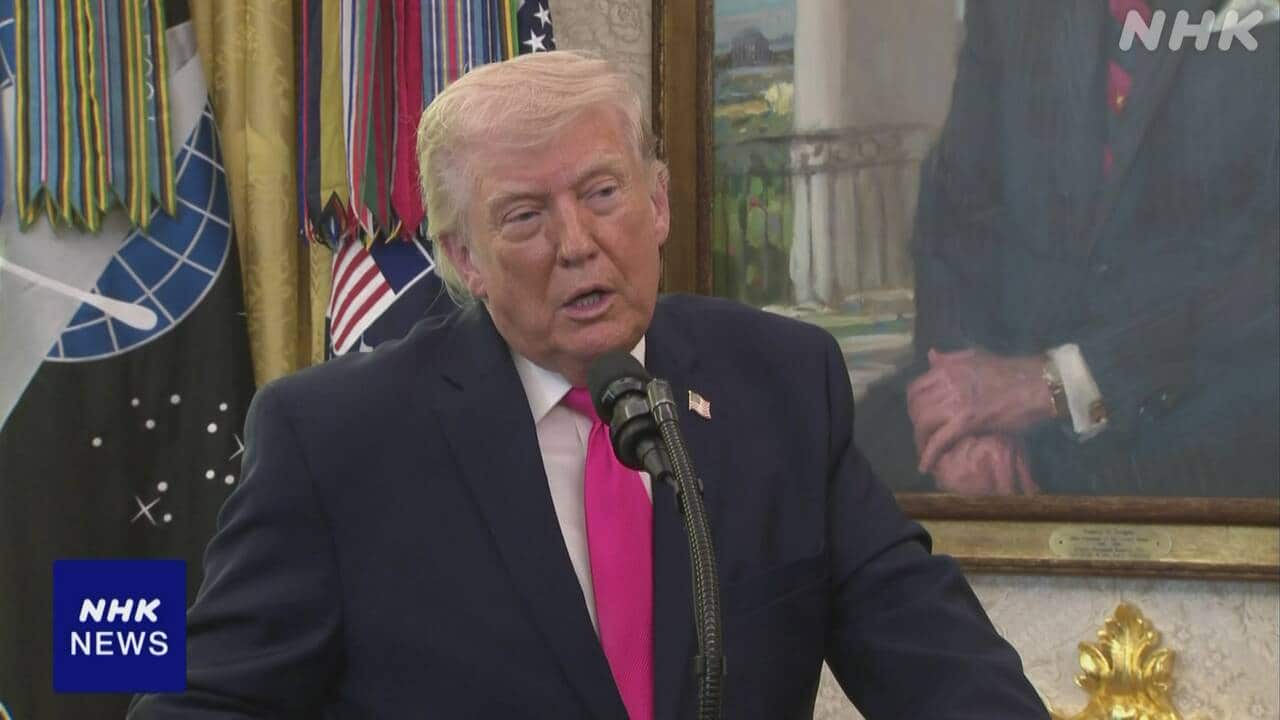
アメリカのトランプ大統領は、イラン情勢をめぐり、「われわれは適切な人物と話をしている。向こう側が強く合意を結びたがっている」と述べ、イランとの協議を行っていると主張しました。一方のイラン側は、これまで協議自体を否定していますが、両国の会合が調整されていると伝えられるパキスタンは、開催に意欲を示していて、事態の打開につながるのかが焦点です。
アメリカのトランプ大統領は、イラン情勢をめぐり、24日、ホワイトハウスで記者団に対し、「イランで非常に大きな成功を収めている」とした上で「われわれは適切な人物と話をしている。あなたたちが想像できないほど向こう側が強く合意を結びたがっている」と述べ、イランとの協議を行っていると主張しました。
また、「われわれはイランの指導部を全員殺害した。その後、新たな指導者を選ぶために集まったが、全員殺害した。今、新たなグループがいて、容易に同じことができるが、どうなるか様子を見てみよう。これはまさに体制転換だ」として、現在のイラン側の交渉相手の出方を見極める姿勢を示しました。
これに先立ち、アメリカとイランの会合が調整されていると伝えられるパキスタンのシャリフ首相はSNSに「アメリカとイランの同意を前提に、パキスタンは紛争の包括的な解決に向けて有意義な協議を開催する用意がある」などと投稿し開催に意欲を示しました。
一方、イラン側は、アメリカのメディアなどが協議相手の1人として挙げていて保守強硬派とされる、イラン議会のガリバフ議長が、23日、SNSに「アメリカとの交渉は行われていない」と投稿するなど、協議自体を否定しています。
こうした中、中国の外務省によりますと、王毅外相が24日、イランのアラグチ外相と電話で会談し、関係各国が和平交渉のプロセスを開始することに期待を示しました。
これに対し、アラグチ外相は、「イラン国民はより一層団結し、外部からの侵略行為に抵抗して国家の主権と独立を守る」とした上で「イラン側は一時的な停戦にとどまらず全面的な停戦に尽力している」と述べたということです。
アメリカのCNNテレビは、イランの情報筋の話として、「ここ数日、アメリカとイランの間で接触があったが本格的な交渉の段階には至っていない。イランは会談や直接交渉を求めているわけではないが、イランの国益を守る持続可能な合意案が示されれば聞く用意はある」と伝えています。
攻撃の応酬が続き、エネルギー供給への影響も広がる中で、アメリカとイランの対話が進み、事態の打開につながるのかが焦点です。
トランプ大統領は24日、ホワイトハウスで記者団に対し、「きのう、イランはわれわれに贈り物をくれた。きょう届いた。莫大な金額に相当するとても大きな贈り物だ」と述べ、イラン側からアメリカの望む提案があったと主張しました。
そして「核ではなく、石油とガスに関連するものだ」とした上でホルムズ海峡に関わるものだと説明しましたが、それ以上の具体的な内容は明らかにしませんでした。
トランプ大統領は「われわれは望むことは何でもコントロールできるだろう。これ以上、人命が失われることなく、発電所を破壊することなく、この戦争を終わらせられるか考えてみよう。そうできることを望んでいる」と述べ、イラン側との協議に自信を示しました。
ロイター通信は24日、カタール国営のエネルギー会社、「カタール・エナジー」がLNG=液化天然ガスを販売する一部の長期契約について、戦争や災害などによって契約どおりに供給できないとする「フォースマジュール」を宣言したと伝えました。
「フォースマジュール」とは、戦争などが要因となって生産を停止した場合、会社が顧客に対して契約上の供給義務を負わなくなる状態を意味するものです。
国営会社は19日、LNGを生産する2つのプラントがミサイル攻撃の被害を受け、修復に3年から5年かかることから、4か国向けの契約は履行できない可能性が高いと説明していました。
アメリカなどによるイランへの軍事作戦について、ドイツのシュタインマイヤー大統領は24日、首都ベルリンで行われた式典での演説で、「私の見解では、この戦争は国際法に反している。正当化する根拠がないことはほぼ疑いの余地がない」と述べ、厳しく非難しました。
そのうえで「政治的に致命的な過ちだ。イランの核兵器開発を阻止することが目的だったのならば、この戦争は回避が可能で全く不必要だった」と指摘しました。
ドイツの国家元首であるシュタインマイヤー大統領の今回の発言をめぐり、地元メディアは軍事作戦の合法性について言及を避けてきたメルツ首相とは対照的だと伝えています。
アメリカのトランプ大統領は、イラン情勢をめぐり、24日、ホワイトハウスで記者団に対し、「イランで非常に大きな成功を収めている」とした上で「われわれは適切な人物と話をしている。あなたたちが想像できないほど向こう側が強く合意を結びたがっている」と述べ、イランとの協議を行っていると主張しました。
また、「われわれはイランの指導部を全員殺害した。その後、新たな指導者を選ぶために集まったが、全員殺害した。今、新たなグループがいて、容易に同じことができるが、どうなるか様子を見てみよう。これはまさに体制転換だ」として、現在のイラン側の交渉相手の出方を見極める姿勢を示しました。
これに先立ち、アメリカとイランの会合が調整されていると伝えられるパキスタンのシャリフ首相はSNSに「アメリカとイランの同意を前提に、パキスタンは紛争の包括的な解決に向けて有意義な協議を開催する用意がある」などと投稿し開催に意欲を示しました。
一方、イラン側は、アメリカのメディアなどが協議相手の1人として挙げていて保守強硬派とされる、イラン議会のガリバフ議長が、23日、SNSに「アメリカとの交渉は行われていない」と投稿するなど、協議自体を否定しています。
こうした中、中国の外務省によりますと、王毅外相が24日、イランのアラグチ外相と電話で会談し、関係各国が和平交渉のプロセスを開始することに期待を示しました。
これに対し、アラグチ外相は、「イラン国民はより一層団結し、外部からの侵略行為に抵抗して国家の主権と独立を守る」とした上で「イラン側は一時的な停戦にとどまらず全面的な停戦に尽力している」と述べたということです。
アメリカのCNNテレビは、イランの情報筋の話として、「ここ数日、アメリカとイランの間で接触があったが本格的な交渉の段階には至っていない。イランは会談や直接交渉を求めているわけではないが、イランの国益を守る持続可能な合意案が示されれば聞く用意はある」と伝えています。
攻撃の応酬が続き、エネルギー供給への影響も広がる中で、アメリカとイランの対話が進み、事態の打開につながるのかが焦点です。
トランプ大統領は24日、ホワイトハウスで記者団に対し、「きのう、イランはわれわれに贈り物をくれた。きょう届いた。莫大な金額に相当するとても大きな贈り物だ」と述べ、イラン側からアメリカの望む提案があったと主張しました。
そして「核ではなく、石油とガスに関連するものだ」とした上でホルムズ海峡に関わるものだと説明しましたが、それ以上の具体的な内容は明らかにしませんでした。
トランプ大統領は「われわれは望むことは何でもコントロールできるだろう。これ以上、人命が失われることなく、発電所を破壊することなく、この戦争を終わらせられるか考えてみよう。そうできることを望んでいる」と述べ、イラン側との協議に自信を示しました。
ロイター通信は24日、カタール国営のエネルギー会社、「カタール・エナジー」がLNG=液化天然ガスを販売する一部の長期契約について、戦争や災害などによって契約どおりに供給できないとする「フォースマジュール」を宣言したと伝えました。
「フォースマジュール」とは、戦争などが要因となって生産を停止した場合、会社が顧客に対して契約上の供給義務を負わなくなる状態を意味するものです。
国営会社は19日、LNGを生産する2つのプラントがミサイル攻撃の被害を受け、修復に3年から5年かかることから、4か国向けの契約は履行できない可能性が高いと説明していました。
アメリカなどによるイランへの軍事作戦について、ドイツのシュタインマイヤー大統領は24日、首都ベルリンで行われた式典での演説で、「私の見解では、この戦争は国際法に反している。正当化する根拠がないことはほぼ疑いの余地がない」と述べ、厳しく非難しました。
そのうえで「政治的に致命的な過ちだ。イランの核兵器開発を阻止することが目的だったのならば、この戦争は回避が可能で全く不必要だった」と指摘しました。
ドイツの国家元首であるシュタインマイヤー大統領の今回の発言をめぐり、地元メディアは軍事作戦の合法性について言及を避けてきたメルツ首相とは対照的だと伝えています。
Vocabulary
General
Proper noun
JLPT N2
JLPT N1
| # | 言葉 | 意味 |
|---|---|---|
| 7 | 協議 | きょうぎ (協議) : conference; consultation; discussion; negotiation |
| 6 | 述べる | のべる (述べる) : to state; to express; to mention |
| 6 | 示す | しめす (示す) : 1. to (take out and) show; to demonstrate; to tell; to exemplify; to make apparent 2. to point out (finger, clock hand, needle, etc.) |
| 5 | われわれ | われわれ (我々) : we |
| 5 | 伝える | つたえる (伝える) : to convey; to report; to transmit; to communicate; to tell; to impart; to propagate; to teach; to bequeath |
| 5 | 交渉 | こうしょう (交渉) : 1. negotiations; discussions 2. connection |
| 3 | めぐる | めぐる (巡る) : 1. to go around 2. to return |
| 3 | 合意 | ごうい (合意) : (coming to an) agreement; consent; mutual understanding; accord; consensus |
| 3 | 主張 | しゅちょう (主張) : claim; insistence; assertion; advocacy; emphasis; contention; opinion; tenet |
| 3 | 開催 | かいさい (開催) : holding (a conference, exhibition, etc.); opening; hosting (e.g. the Olympics) |
| 3 | 外相 | がいしょう (外相) : Foreign Minister |
| 3 | 供給 | きょうきゅう (供給) : supply; provision |
| 3 | 望む | のぞむ (望む) : 1. to desire 2. to wish for; to expect |
| 3 | 契約 | けいやく (契約) : contract; compact; agreement |
| 2 | 情勢 | じょうせい (情勢) : state of things; state of affairs; condition; situation; circumstances |
| 2 | 適切 | てきせつ (適切) : appropriate; suitable; fitting; apt; proper; right; pertinent; relevant |
| 2 | 人物 | じんぶつ (人物) : 1. person; character; figure; personage; man; woman 2. one's character; one's personality |
| 2 | 向こう側 | むこうがわ (向こう側) : other side; opposite side; other party |
| 2 | 結ぶ | むすぶ (結ぶ) : 1. to tie; to bind; to link 2. to bear (fruit) |
| 2 | 自体 | じたい (自体) : 1. itself 2. one's own body; oneself |
| 2 | 否定 | ひてい (否定) : 1. denial; negation; repudiation; disavowal 2. negation (logic) |
| 2 | 会合 | かいごう (会合) : 1. meeting; assembly; gathering 2. association |
| 2 | 調整 | ちょうせい (調整) : adjustment; regulation; coordination; reconciliation; tuning; fixing; tailoring |
| 2 | 意欲 | いよく (意欲) : will; desire; ambition; urge (e.g. creative urge) |
| 2 | 事態 | じたい (事態) : situation; (present) state of affairs; circumstances |
| 2 | 打開 | だかい (打開) : break in the deadlock |
| 2 | つながる | つながる (繋がる) : 1. to be tied together; to be connected to; to be linked to 2. to lead to; to be related to |
| 2 | 焦点 | しょうてん (焦点) : focus (e.g. photographic); focal point |
| 2 | 記者団 | きしゃだん (記者団) : press group; press corps; group of reporters; press organization; press organisation |
| 2 | 全員 | ぜんいん (全員) : all members; all hands; everyone; everybody; whole crew |
| 2 | 殺害 | さつがい (殺害) : killing; murder |
| 2 | 新た | あらた (新た) : new; fresh; novel |
| 2 | 相手 | あいて (相手) : 1. companion; partner; company 2. other party; addressee |
| 2 | 首相 | しゅしょう (首相) : prime minister; chancellor (Germany, Austria, etc.); premier |
| 2 | 投稿 | とうこう (投稿) : contribution (to a newspaper, magazine, etc.); submission; post (on a blog, social media, etc.) |
| 2 | 会談 | かいだん (会談) : conversation; conference (usu. between important people); discussion; interview |
| 2 | 守る | まもる (守る) : 1. to protect; to guard; to defend 2. to keep (i.e. a promise); to abide (by the rules); to observe; to obey; to follow |
| 2 | 停戦 | ていせん (停戦) : armistice; ceasefire |
| 2 | 攻撃 | こうげき (攻撃) : 1. attack; assault; raid; onslaught; offensive 2. criticism; censure; denunciation; condemnation |
| 2 | 国営 | こくえい (国営) : government management; state management |
| 2 | 軍事作戦 | ぐんじさくせん (軍事作戦) : 1. military operation 2. military tactics; military strategy |
| 2 | 大統領 | だいとうりょう (大統領) : 1. president (of a nation) 2. big man; boss; buddy; mate |
| 1 | 両国 | りょうこく (両国) : 1. both countries 2. Ryōgoku (area of Tokyo) |
| 1 | 非常 | ひじょう (非常) : 1. emergency 2. extraordinary; unusual |
| 1 | 成功 | せいこう (成功) : success; hit |
| 1 | 収める | おさめる (収める) : 1. to dedicate; to make an offering; to pay (fees) 2. to supply |
| 1 | 想像 | そうぞう (想像) : imagination; guess |
| 1 | 指導部 | しどうぶ (指導部) : leadership |
| 1 | 指導者 | しどうしゃ (指導者) : leader; guide; mentor; coach |
| 1 | 集まる | あつまる (集まる) : to gather; to collect; to assemble |
| 1 | 容易 | ようい (容易) : easy; simple; plain |
| 1 | 様子 | ようす (様子) : 1. state; state of affairs; situation; circumstances 2. appearance; look; aspect |
| 1 | まさに | まさに (正に) : 1. exactly; surely; certainly; just 2. right then; just then; at that moment |
| 1 | 体制 | たいせい (体制) : order; system; structure; set-up; organization; organisation |
| 1 | 転換 | てんかん (転換) : conversion; diversion; changeover; commutation; switchover |
| 1 | 現在 | げんざい (現在) : now; current; present; present time; as of |
| 1 | 見極める | みきわめる (見極める) : to ascertain; to make sure of; to determine; to probe; to get to the bottom (of something) |
| 1 | 姿勢 | しせい (姿勢) : 1. posture; pose; position; stance; carriage (of the body) 2. attitude; approach; stance |
| 1 | 先立つ | さきだつ (先立つ) : 1. to lead; to take the lead (in doing something) 2. to precede; to go before; to take precedence |
| 1 | 同意 | どうい (同意) : 1. agreement; consent; approval; assent 2. same opinion; same view |
| 1 | 前提 | ぜんてい (前提) : 1. condition; assumption; prerequisite; hypothesis 2. intention; intent; aim; goal |
| 1 | 紛争 | ふんそう (紛争) : dispute; conflict; trouble; strife |
| 1 | 包括的 | ほうかつてき (包括的) : comprehensive; inclusive; encompassing |
| 1 | 解決 | かいけつ (解決) : settlement; solution; resolution |
| 1 | 有意義 | ゆういぎ (有意義) : significant; useful; meaningful; worthwhile; valuable; of interest |
| 1 | 議会 | ぎかい (議会) : congress; parliament; diet; legislative assembly |
| 1 | 議長 | ぎちょう (議長) : chair; chairman; chairperson; speaker (of an assembly); president (of a council, senate, etc.) |
| 1 | 中国 | ちゅうごく (中国) : 1. China 2. Chūgoku region of western Honshu (incl. Okayama, Hiroshima, Shimane, Tottori and Yamaguchi prefectures) |
| 1 | 外務省 | がいむしょう (外務省) : Ministry of Foreign Affairs |
| 1 | 各国 | かっこく (各国) : 1. each nation 2. many nations; many countries |
| 1 | 和平 | わへい (和平) : peace |
| 1 | 開始 | かいし (開始) : start; commencement; beginning; initiation |
| 1 | 期待 | きたい (期待) : 1. expectation; anticipation; hope 2. promising; rising; up-and-coming |
| 1 | 国民 | こくみん (国民) : people (of a country); nation; citizen; national |
| 1 | 一層 | いっそう (一層) : 1. much more; still more; all the more; more than ever 2. single layer (or storey, etc.) |
| 1 | 団結 | だんけつ (団結) : unity; union; solidarity; combination; teaming up |
| 1 | 外部 | がいぶ (外部) : 1. outside (e.g. of a building); exterior 2. outside (of a group, company, etc.); outside world |
| 1 | 侵略 | しんりゃく (侵略) : aggression; invasion; raid |
| 1 | 行為 | こうい (行為) : act; deed; conduct |
| 1 | 抵抗 | ていこう (抵抗) : 1. resistance; opposition; standing up to 2. reluctance; repulsion; repugnance |
| 1 | 国家 | こっか (国家) : state; country; nation |
| 1 | 主権 | しゅけん (主権) : sovereignty; supremacy; dominion |
| 1 | 独立 | どくりつ (独立) : 1. independence; self-reliance; supporting oneself; being on one's own 2. independence (e.g. of a nation); freedom |
| 1 | 一時的 | いちじてき (一時的) : temporary |
| 1 | とどまる | とどまる (止まる) : 1. to remain; to abide; to stay (in the one place) 2. to be limited to; to be confined to; to only account for |
| 1 | 全面的 | ぜんめんてき (全面的) : total; complete; all-out; general; extensive; full-scale |
| 1 | 尽力 | じんりょく (尽力) : efforts; exertion; endeavour; assistance; services |
| 1 | 接触 | せっしょく (接触) : touch; contact |
| 1 | 本格的 | ほんかくてき (本格的) : 1. genuine; real; regular; normal; typical; standard; orthodox 2. full-scale; full-blown; all-out |
| 1 | 段階 | だんかい (段階) : grade; level; stage; class; phase; steps; order; gradation |
| 1 | 至る | いたる (至る) : 1. to arrive at (e.g. a decision); to reach (a stage); to attain 2. to lead to (a place); to get to |
| 1 | 直接 | ちょくせつ (直接) : direct; immediate; personal; firsthand |
| 1 | 求める | もとめる (求める) : 1. to want; to wish for 2. to request; to demand; to require; to ask for |
| 1 | 国益 | こくえき (国益) : national interest |
| 1 | 持続可能 | じぞくかのう (持続可能) : sustainable |
| 1 | 案 | あん (案) : 1. idea; plan; proposal; suggestion; (government) bill 2. draft; rough copy |
| 1 | 応酬 | おうしゅう (応酬) : 1. exchange; reciprocation; give-and-take; return 2. reply; riposte |
| 1 | 影響 | えいきょう (影響) : 1. influence; effect 2. to influence; to affect; to have an influence on; to impact; to have an effect on |
| 1 | 広がる | ひろがる (広がる) : to spread (out); to extend; to stretch; to reach to; to get around; to fill (e.g. a space) |
| 1 | 対話 | たいわ (対話) : dialogue; discussion; conversation; interaction |
| 1 | 進む | すすむ (進む) : 1. to advance; to go forward 2. to precede; to go ahead (of) |
| 1 | 届く | とどく (届く) : 1. to reach; to touch; to get to; to carry (of sound) 2. to be delivered; to arrive |
| 1 | 莫大 | ばくだい (莫大) : 1. vast; huge; immense; enormous; colossal 2. malva nut (Sterculia lychnophora) |
| 1 | 金額 | きんがく (金額) : amount of money; sum of money |
| 1 | 相当 | そうとう (相当) : 1. corresponding to (in meaning, function, etc.); being equivalent to 2. appropriate; suitable; befitting; proportionate |
| 1 | 提案 | ていあん (提案) : proposal; proposition; suggestion |
| 1 | 核 | かく (核) : 1. stone (of a fruit); pit; pip 2. core (of an organization, team, etc.); nucleus; heart |
| 1 | 石油 | せきゆ (石油) : 1. oil; petroleum 2. kerosene; paraffin |
| 1 | 関連 | かんれん (関連) : relation; connection; relevance |
| 1 | ホルムズ海峡 | ホルムズかいきょう (ホルムズ海峡) : Strait of Hormuz (place) |
| 1 | 関わる | かかわる (関わる) : 1. to be affected; to be influenced 2. to be concerned with; to have to do with |
| 1 | 具体的 | ぐたいてき (具体的) : concrete; definite; specific; material; substantial |
| 1 | 内容 | ないよう (内容) : contents; content; substance; matter; detail; import |
| 1 | 明らか | あきらか (明らか) : 1. clear; obvious; evident; plain; definite 2. bright; light |
| 1 | 人命 | じんめい (人命) : (human) life |
| 1 | 失う | うしなう (失う) : 1. to lose 2. to miss (a change, opportunity) |
| 1 | 発電所 | はつでんしょ (発電所) : power plant; power station |
| 1 | 破壊 | はかい (破壊) : 1. destruction; disruption 2. (application) crash |
| 1 | 考える | かんがえる (考える) : 1. to think (about, of); to think over; to ponder; to contemplate; to reflect (on); to meditate (on) 2. to consider; to bear in mind; to allow for; to take into consideration |
| 1 | 自信 | じしん (自信) : self-confidence; confidence (in oneself) |
| 1 | 通信 | つうしん (通信) : correspondence; communication; transmission; news; signal; telecommunications |
| 1 | 液化天然ガス | えきかてんねんガス (液化天然ガス) : liquefied natural gas; LNG |
| 1 | 販売 | はんばい (販売) : sales; selling; marketing |
| 1 | 一部 | いちぶ (一部) : 1. one part; one portion; one section; some 2. one copy (e.g. of a document) |
| 1 | 災害 | さいがい (災害) : calamity; disaster; misfortune |
| 1 | どおり | どおり (通り) : 1. in accordance with; following 2. roughly; about |
| 1 | 宣言 | せんげん (宣言) : declaration; proclamation; announcement |
| 1 | 要因 | よういん (要因) : main cause; primary factor |
| 1 | 停止 | ていし (停止) : 1. stoppage; coming to a stop; halt; standstill 2. ceasing (movement, activity, etc.); suspension (of operations); interruption (e.g. of electricity supply); cutting off |
| 1 | 顧客 | こきゃく (顧客) : customer; client; patron |
| 1 | 義務 | ぎむ (義務) : duty; obligation; responsibility |
| 1 | 負う | おう (負う) : 1. to bear; to carry on one's back 2. to take responsibility for; to accept a duty |
| 1 | 状態 | じょうたい (状態) : state; condition; situation; appearance; circumstances |
| 1 | 被害 | ひがい (被害) : (suffering) damage; injury; harm |
| 1 | 修復 | しゅうふく (修復) : restoration; repair; mending |
| 1 | か国 | かこく (カ国) : counter for countries |
| 1 | 向け | むけ (向け) : intended for ...; oriented towards ...; aimed at ... |
| 1 | 履行 | りこう (履行) : performance (of a duty); fulfillment (of a promise); fulfilment; execution (of a contract); discharge; implementation |
| 1 | 可能性 | かのうせい (可能性) : potentiality; likelihood; possibility; availability |
| 1 | 首都 | しゅと (首都) : capital city; metropolis |
| 1 | 式典 | しきてん (式典) : ceremony; rites |
| 1 | 演説 | えんぜつ (演説) : speech; address |
| 1 | 見解 | けんかい (見解) : opinion; point of view |
| 1 | 国際法 | こくさいほう (国際法) : international law; law of nations |
| 1 | 反する | はんする (反する) : 1. to be contrary to; to be inconsistent with; to contradict 2. to act contrary to (rules or guidelines); to violate; to transgress |
| 1 | 正当化 | せいとうか (正当化) : justification; warrant |
| 1 | 根拠 | こんきょ (根拠) : basis; foundation; grounds; authority |
| 1 | ほぼ | ほぼ (略) : almost; roughly; approximately |
| 1 | 疑い | うたがい (疑い) : doubt; question; uncertainty; skepticism; scepticism; suspicion; distrust |
| 1 | 余地 | よち (余地) : place; room; margin; scope |
| 1 | 非難 | ひなん (非難) : criticism; blame; censure; attack; reproach |
| 1 | 政治的 | せいじてき (政治的) : political |
| 1 | 致命的 | ちめいてき (致命的) : fatal; lethal |
| 1 | 過ち | あやまち (過ち) : fault; error; indiscretion; faux pas |
| 1 | 核兵器 | かくへいき (核兵器) : nuclear weapon |
| 1 | 開発 | かいはつ (開発) : development; exploitation |
| 1 | 阻止 | そし (阻止) : obstruction; check; hindrance; prevention; impediment; interdiction; preemption; blocking |
| 1 | 目的 | もくてき (目的) : purpose; goal; aim; objective; intention |
| 1 | 回避 | かいひ (回避) : evasion; avoidance |
| 1 | 可能 | かのう (可能) : possible; potential; practicable; feasible |
| 1 | 全く | まったく (全く) : 1. really; truly; entirely; completely; wholly; perfectly 2. indeed |
| 1 | 不必要 | ふひつよう (不必要) : unnecessary; needless |
| 1 | 指摘 | してき (指摘) : pointing out; identification |
| 1 | 国家元首 | こっかげんしゅ (国家元首) : head of a state |
| 1 | 発言 | はつげん (発言) : statement; remark; observation; utterance; speech; proposal |
| 1 | 合法性 | ごうほうせい (合法性) : lawfulness; legality; validity; legitimacy |
| 1 | 言及 | げんきゅう (言及) : reference; allusion |
| 1 | 避ける | さける (避ける) : 1. to avoid (physical contact with) 2. to avoid (situation) |
| 1 | 対照的 | たいしょうてき (対照的) : contrastive |