東日本大震災 災害公営住宅での孤立死可能性 中高年で割合高く
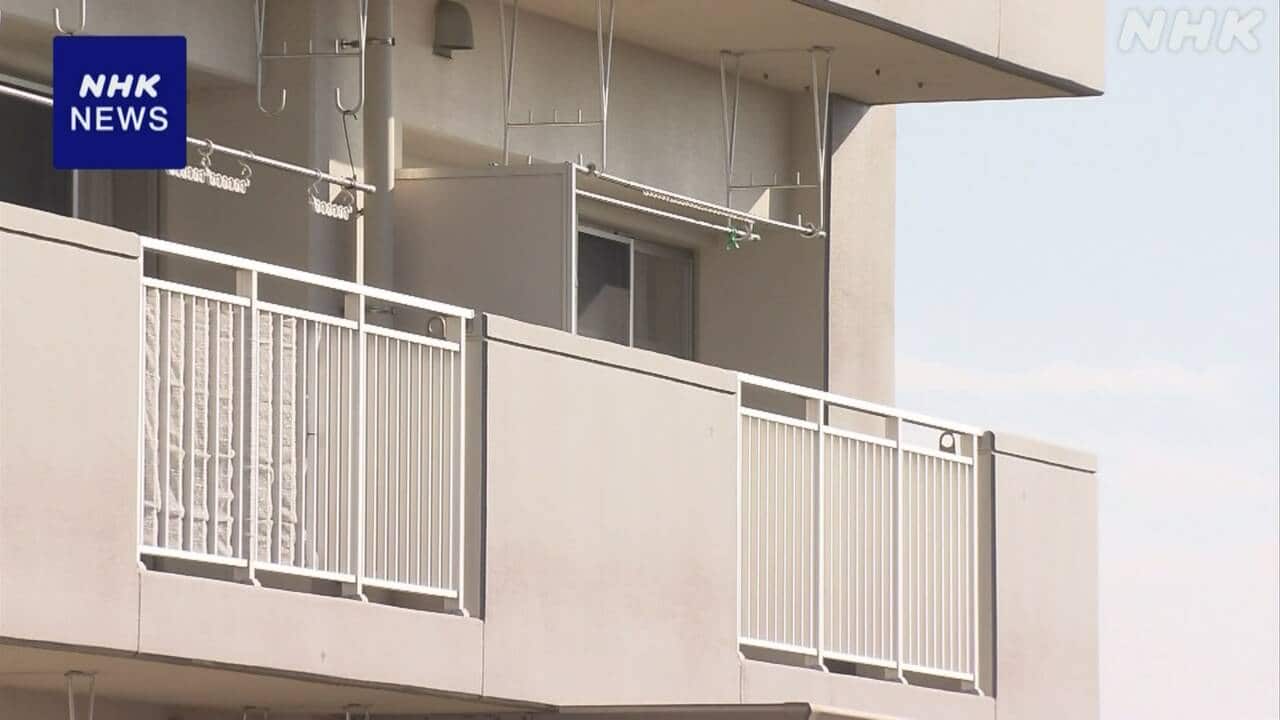
東日本大震災の発生から、まもなく15年となります。自宅を失った人などが暮らす災害公営住宅で、誰にもみとられずに「孤立死」した可能性がある人の割合は、50代と60代の中高年世代で特に高いことが、NHKと専門家の分析でわかりました。専門家は、震災後の心のケアや生活再建に向けた支援が、中高年世代に十分届いていない可能性があると指摘しています。
NHKは、被災者の孤独や孤立を研究している追手門学院大学の田中正人教授とともに、宮城県と岩手県の警察本部が提供したデータを分析しました。
対象としたのは、2013年から去年、2025年までの13年間に、2つの県内の災害公営住宅で、1人暮らしのまま亡くなったおよそ590人です。
このうち、内閣府が「孤立死」の目安とする、誰にもみとられることなく亡くなった可能性があり、「死後8日以上」が経過してから見つかった人は107人でした。
さらに、1人暮らしのまま亡くなった、およそ590人を年代別に分け、それぞれの年代で、「孤立死」した可能性がある人が占める割合を分析しました。
その結果、60代では29.1%、50代では24.1%が「孤立死」した可能性があり、次いで割合が高かった70代の16.7%を大きく上回り、中高年世代で割合が高いことがわかりました。大半は男性が占めています。
田中教授は、検視の結果などから、震災後の喪失感からくるアルコール依存症や、自殺で亡くなる割合が高いと指摘しています。
田中教授は「中高年が抱える問題は、高齢者に比べて見過ごされやすく、震災で仕事を失った期間が長期化したことによって、孤立や困窮を深めていった可能性もある。依存症対策や就労などの継続的な支援が欠かせない」と話しています。
去年、2025年4月、仙台市若林区にある災害公営住宅で、1人暮らしをしていた50代の男性が亡くなっているのが見つかりました。
男性は週に1度、団地の資源ゴミの仕分けをする作業を自主的に行っていたものの、姿を見かけなくなったことから、自治会長らが部屋を訪問し、インターフォンを鳴らしても応答はなかったということです。
このため、住宅を管理する公社が室内を確認したところ、リビングで亡くなっている男性を見つけたということです。
団地の自治会によりますと、死因は病死で、死後10日ほど経過していたとみられています。
自治会長の白井由美子さんは「男性は寡黙な人でしたが、団地のために毎週、黙々とゴミの仕分け作業をしてくれていました。日常的な関わりはあまりなかったものの、人柄もよかったので、残念な気持ちでいっぱいです。何とかすることができなかったのかなという思いが残っています」と話していました。
4000戸以上の災害公営住宅が整備された宮城県石巻市では、町内会と民生委員が連携して「見守り」活動を行っていますが、その対象は高齢者世帯が中心です。
50代前後の比較的若い世代は、支援の対象になりにくいうえ、本人も「自分は大丈夫」と助けを求めない傾向にあり、気付いた時には、すでに深刻な状況に陥っているケースも少なくありません。
ある災害公営住宅の団地では、1人暮らしの50代の男性が、入り口付近で倒れているのが見つかり、部屋は荒れ果て、アルコールに依存する生活を送っていた様子がわかったということです。
当時、支援にあたっていた町内会の役員などによりますと、男性は、かつて漁業をしていましたが、震災で仕事や住まいを失い、団地では、周囲との関わりを断絶したまま暮らしていました。
地域住民が清掃などの支援に乗り出し、男性は治療などを受けていたものの、アルコール依存による肝臓の病が進行していて、その後、亡くなったということです。
石巻市あゆみの町内会の神山庄一会長は「住民どうしで社会復帰を後押ししようと力を尽くしましたが、結局救えなかったことに無力さを感じています。1人暮らしの男性は、扉を開けてくれない人も多く、状況把握の難しさを痛感しています」と語りました。
被災者の孤立を防ごうと、宮城県石巻市では、1人暮らしの中高年男性を対象とした交流サロンが毎月開催されています。
震災で家族や住まいを失うなど、さまざまな悩みや事情を抱える参加者たちが、コーヒーなどを飲みながら世間話をしたり、将棋やマージャンをしたりして、自由に交流を深める場所となっています。
特徴は、長年にわたり被災者の心に寄り添ってきた精神科医や臨床心理士、それに看護師らが常駐している点です。
悩みや課題に応じて、定期的な自宅訪問や、就労支援などをする機関への橋渡しを行っています。
参加している61歳の男性は「仲間と“賭けないマージャン”を楽しんでいます。専門職の方々がいるので、心のよりどころになって、何かあった時も相談できる安心感があります」と話していました。
心のケアを支えてきた国の交付金も縮小する見通しだということで、運営団体が継続に向け、困難に直面しているのです。
サロンを運営する「からころステーション」の代表理事の原敬造医師は「50代や60代が抱える問題は、失業や離婚、アルコール依存、うつ病などが複雑に絡み合っていて、時間がたってから顕在化する場合もある。地域や病院の機能だけでは解決できないため、支援を15年で終わらせるわけにはいかない」と話していました。
被災地の「孤立死」の問題に詳しい追手門学院大学の田中正人教授は、中高年世代の支援の拡充が必要だと指摘しています。
田中教授は「災害公営住宅で、入居者が誰にもみとられずに亡くなる問題は、阪神・淡路大震災の時にも相次いでいて、それを教訓に、東日本大震災では、当初から『見守り』などの孤立死を防ぐ取り組みが行われてきた。しかし、50代・60代の人が、死後、見つかるまでの経過日数が長いことをみると、中高年世代が社会的なつながりを失っていた状況が伺え、支援が行き届いていなかった可能性がある」と話しています。
中高年世代は、心の問題だけではなく、長期間、仕事に就けなくなることによって、居場所を失ったり、経済的に困窮したりするなど、さまざまな要因が重なり、孤立している場合があるということです。
そのうえで、田中教授は「被災者の孤立対策を、見守り支援だけに頼り切ってしまう現状では、問題が繰り返されかねず、被災地での孤立死を、50代前後の現役世代の孤立の問題として捉え直すべきだ。今後もアルコールなどの依存症対策や医療看護支援、就労サポートなどの体制の整備が欠かせない」と話しています。
NHKは、被災者の孤独や孤立を研究している追手門学院大学の田中正人教授とともに、宮城県と岩手県の警察本部が提供したデータを分析しました。
対象としたのは、2013年から去年、2025年までの13年間に、2つの県内の災害公営住宅で、1人暮らしのまま亡くなったおよそ590人です。
このうち、内閣府が「孤立死」の目安とする、誰にもみとられることなく亡くなった可能性があり、「死後8日以上」が経過してから見つかった人は107人でした。
さらに、1人暮らしのまま亡くなった、およそ590人を年代別に分け、それぞれの年代で、「孤立死」した可能性がある人が占める割合を分析しました。
その結果、60代では29.1%、50代では24.1%が「孤立死」した可能性があり、次いで割合が高かった70代の16.7%を大きく上回り、中高年世代で割合が高いことがわかりました。大半は男性が占めています。
田中教授は、検視の結果などから、震災後の喪失感からくるアルコール依存症や、自殺で亡くなる割合が高いと指摘しています。
田中教授は「中高年が抱える問題は、高齢者に比べて見過ごされやすく、震災で仕事を失った期間が長期化したことによって、孤立や困窮を深めていった可能性もある。依存症対策や就労などの継続的な支援が欠かせない」と話しています。
去年、2025年4月、仙台市若林区にある災害公営住宅で、1人暮らしをしていた50代の男性が亡くなっているのが見つかりました。
男性は週に1度、団地の資源ゴミの仕分けをする作業を自主的に行っていたものの、姿を見かけなくなったことから、自治会長らが部屋を訪問し、インターフォンを鳴らしても応答はなかったということです。
このため、住宅を管理する公社が室内を確認したところ、リビングで亡くなっている男性を見つけたということです。
団地の自治会によりますと、死因は病死で、死後10日ほど経過していたとみられています。
自治会長の白井由美子さんは「男性は寡黙な人でしたが、団地のために毎週、黙々とゴミの仕分け作業をしてくれていました。日常的な関わりはあまりなかったものの、人柄もよかったので、残念な気持ちでいっぱいです。何とかすることができなかったのかなという思いが残っています」と話していました。
4000戸以上の災害公営住宅が整備された宮城県石巻市では、町内会と民生委員が連携して「見守り」活動を行っていますが、その対象は高齢者世帯が中心です。
50代前後の比較的若い世代は、支援の対象になりにくいうえ、本人も「自分は大丈夫」と助けを求めない傾向にあり、気付いた時には、すでに深刻な状況に陥っているケースも少なくありません。
ある災害公営住宅の団地では、1人暮らしの50代の男性が、入り口付近で倒れているのが見つかり、部屋は荒れ果て、アルコールに依存する生活を送っていた様子がわかったということです。
当時、支援にあたっていた町内会の役員などによりますと、男性は、かつて漁業をしていましたが、震災で仕事や住まいを失い、団地では、周囲との関わりを断絶したまま暮らしていました。
地域住民が清掃などの支援に乗り出し、男性は治療などを受けていたものの、アルコール依存による肝臓の病が進行していて、その後、亡くなったということです。
石巻市あゆみの町内会の神山庄一会長は「住民どうしで社会復帰を後押ししようと力を尽くしましたが、結局救えなかったことに無力さを感じています。1人暮らしの男性は、扉を開けてくれない人も多く、状況把握の難しさを痛感しています」と語りました。
被災者の孤立を防ごうと、宮城県石巻市では、1人暮らしの中高年男性を対象とした交流サロンが毎月開催されています。
震災で家族や住まいを失うなど、さまざまな悩みや事情を抱える参加者たちが、コーヒーなどを飲みながら世間話をしたり、将棋やマージャンをしたりして、自由に交流を深める場所となっています。
特徴は、長年にわたり被災者の心に寄り添ってきた精神科医や臨床心理士、それに看護師らが常駐している点です。
悩みや課題に応じて、定期的な自宅訪問や、就労支援などをする機関への橋渡しを行っています。
参加している61歳の男性は「仲間と“賭けないマージャン”を楽しんでいます。専門職の方々がいるので、心のよりどころになって、何かあった時も相談できる安心感があります」と話していました。
心のケアを支えてきた国の交付金も縮小する見通しだということで、運営団体が継続に向け、困難に直面しているのです。
サロンを運営する「からころステーション」の代表理事の原敬造医師は「50代や60代が抱える問題は、失業や離婚、アルコール依存、うつ病などが複雑に絡み合っていて、時間がたってから顕在化する場合もある。地域や病院の機能だけでは解決できないため、支援を15年で終わらせるわけにはいかない」と話していました。
被災地の「孤立死」の問題に詳しい追手門学院大学の田中正人教授は、中高年世代の支援の拡充が必要だと指摘しています。
田中教授は「災害公営住宅で、入居者が誰にもみとられずに亡くなる問題は、阪神・淡路大震災の時にも相次いでいて、それを教訓に、東日本大震災では、当初から『見守り』などの孤立死を防ぐ取り組みが行われてきた。しかし、50代・60代の人が、死後、見つかるまでの経過日数が長いことをみると、中高年世代が社会的なつながりを失っていた状況が伺え、支援が行き届いていなかった可能性がある」と話しています。
中高年世代は、心の問題だけではなく、長期間、仕事に就けなくなることによって、居場所を失ったり、経済的に困窮したりするなど、さまざまな要因が重なり、孤立している場合があるということです。
そのうえで、田中教授は「被災者の孤立対策を、見守り支援だけに頼り切ってしまう現状では、問題が繰り返されかねず、被災地での孤立死を、50代前後の現役世代の孤立の問題として捉え直すべきだ。今後もアルコールなどの依存症対策や医療看護支援、就労サポートなどの体制の整備が欠かせない」と話しています。
Vocabulary
General
Proper noun
JLPT N2
JLPT N1
| # | 言葉 | 意味 |
|---|---|---|
| 11 | 支援 | しえん (支援) : support; backing; aid; assistance |
| 8 | 中高年 | ちゅうこうねん (中高年) : middle and old age |
| 7 | 孤立死 | こりつし (孤立死) : dying alone (esp. of someone who lives alone and dies of natural causes at home without anyone knowing); solitary death |
| 7 | 可能性 | かのうせい (可能性) : potentiality; likelihood; possibility; availability |
| 7 | 世代 | せだい (世代) : generation; the world; the age |
| 6 | 失う | うしなう (失う) : 1. to lose 2. to miss (a change, opportunity) |
| 6 | 災害 | さいがい (災害) : calamity; disaster; misfortune |
| 6 | 公営住宅 | こうえいじゅうたく (公営住宅) : public housing |
| 6 | 孤立 | こりつ (孤立) : isolation; being alone; being friendless |
| 6 | 田中 | たなか (田中) : Tanaka (place; surname; fem) |
| 6 | 教授 | きょうじゅ (教授) : 1. professor 2. teaching; instruction |
| 6 | 亡くなる | なくなる (亡くなる) : to die |
| 5 | 団地 | だんち (団地) : multi-unit apartments; apartment complex |
| 4 | 被災者 | ひさいしゃ (被災者) : victim of (a disaster) |
| 4 | 対象 | たいしょう (対象) : target; object (of worship, study, etc.); subject (of taxation, etc.) |
| 3 | みとる | みとる (看取る) : to care for (the sick); to nurse; to attend (someone's deathbed) |
| 3 | 分析 | ぶんせき (分析) : analysis |
| 3 | わかる | わかる (分かる) : 1. to understand; to comprehend; to grasp; to see; to get; to follow 2. to become clear; to be known; to be discovered; to be realized; to be realised; to be found out |
| 3 | 指摘 | してき (指摘) : pointing out; identification |
| 3 | 宮城県 | みやぎけん (宮城県) : Miyagi prefecture (Tōhoku area) |
| 3 | まま | うば (乳母) : wet nurse; nursing mother |
| 3 | 死後 | しご (死後) : after death |
| 3 | 見つかる | みつかる (見つかる) : to be found; to be discovered |
| 3 | 抱える | かかえる (抱える) : 1. to hold or carry under or in the arms 2. to have (esp. problems, debts, etc.) |
| 3 | 震災 | しんさい (震災) : 1. earthquake disaster 2. Great Kanto Earthquake (1923) |
| 3 | 対策 | たいさく (対策) : measure; step; countermeasure; counterplan; countermove; strategy; preparation (e.g. for a test) |
| 3 | 就労 | しゅうろう (就労) : working; being employed; being hired |
| 3 | 自治会 | じちかい (自治会) : 1. neighborhood council; neighbourhood council; residents' association 2. student council |
| 3 | 石巻市 | いしのまきし (石巻市) : Ishinomaki (city) (place) |
| 3 | 町内会 | ちょうないかい (町内会) : neighborhood association; neighbourhood association |
| 3 | 見守る | みまもる (見守る) : to watch over; to watch attentively |
| 3 | 状況 | じょうきょう (状況) : state of affairs (around you); situation; circumstances |
| 3 | 依存 | いぞん (依存) : dependence; reliance |
| 2 | 東日本大震災 | ひがしにほんだいしんさい (東日本大震災) : Great East Japan earthquake (March 11, 2011); Tōhoku earthquake; Tohoku earthquake; Sendai earthquake |
| 2 | 自宅 | じたく (自宅) : one's home; one's house |
| 2 | 暮らす | くらす (暮らす) : 1. to live; to get along 2. to spend (time) |
| 2 | 専門家 | せんもんか (専門家) : specialist; expert; professional; authority; pundit |
| 2 | 心のケア | こころのケア (心のケア) : emotional care; emotional support; caring for somebody's mental well-being |
| 2 | 追手門学院大学 | おうてもんがくいんだいがく (追手門学院大学) : Otemon Gakuin University (organization) |
| 2 | 正人 | しょうじん (正人) : Shoujin (given) |
| 2 | 経過 | けいか (経過) : 1. passage (of time); elapsing; lapse 2. progress; development; course (of events) |
| 2 | 占める | しめる (占める) : 1. to occupy; to hold 2. to account for; to make up; to take up |
| 2 | 結果 | けっか (結果) : 1. result; consequence; outcome; effect 2. coming to fruition; bearing fruit |
| 2 | 高齢者 | こうれいしゃ (高齢者) : old person; old people |
| 2 | 困窮 | こんきゅう (困窮) : 1. poverty; need; destitution 2. having great difficulty with; struggling greatly with; being in distress |
| 2 | 深める | ふかめる (深める) : to deepen; to heighten; to intensify |
| 2 | 依存症 | いぞんしょう (依存症) : dependence (on alcohol, drugs, etc.) |
| 2 | 作業 | さぎょう (作業) : work; operation; manufacturing; fatigue duty |
| 2 | 訪問 | ほうもん (訪問) : call; visit |
| 2 | 関わり | かかわり (関わり) : relation; connection |
| 2 | 整備 | せいび (整備) : 1. maintenance; servicing 2. putting in place; establishment; development; preparation; provision; outfitting |
| 2 | 前後 | ぜんご (前後) : 1. front and rear; front and back; before and behind; back and forth 2. before and after |
| 2 | 住まい | すまい (住まい) : 1. dwelling; house; residence; address 2. living; life |
| 2 | 防ぐ | ふせぐ (防ぐ) : 1. to defend against; to protect against 2. to prevent; to avert; to avoid |
| 2 | 交流 | こうりゅう (交流) : 1. exchange (e.g. cultural); interchange; interaction; mingling; mixing; coming together 2. alternating current; AC |
| 2 | 悩み | なやみ (悩み) : trouble; troubles; worry; distress; sorrows; anguish; agony; problem |
| 2 | 被災地 | ひさいち (被災地) : area struck (by some disaster); location of a disaster |
| 1 | 発生 | はっせい (発生) : 1. outbreak; spring forth; occurrence; incidence 2. generation (e.g. of power or heat); genesis; origin |
| 1 | ま | まあ : 1. just (e.g. "just wait here"); come now; now, now 2. tolerably; passably; moderately; reasonably; fairly; rather; somewhat |
| 1 | 再建 | さいけん (再建) : 1. rebuilding; reconstruction; rehabilitation 2. protoform reconstruction |
| 1 | 届く | とどく (届く) : 1. to reach; to touch; to get to; to carry (of sound) 2. to be delivered; to arrive |
| 1 | 孤独 | こどく (孤独) : solitude; loneliness; isolation |
| 1 | 岩手県 | いわてけん (岩手県) : Iwate prefecture (Tōhoku area) |
| 1 | 警察本部 | けいさつほんぶ (警察本部) : Police Headquarters (place) |
| 1 | 提供 | ていきょう (提供) : 1. offer; tender; providing; supplying; making available; donating (blood, organs, etc.) 2. sponsoring (a TV program) |
| 1 | 年間 | ねんかん (年間) : 1. (period of) a year 2. during an era |
| 1 | 県 | けん (県) : prefecture (Japan); county (China, Taiwan, Norway, etc.); department (France); province (Italy, Spain, etc.) |
| 1 | 内閣府 | ないかくふ (内閣府) : Cabinet Office |
| 1 | 目安 | めやす (目安) : 1. criterion; standard; yardstick; reference; aim 2. rough estimate; approximation |
| 1 | 分ける | わける (分ける) : 1. to divide (into); to split (into); to part; to separate; to divide up; to classify; to sort out; to divide out 2. to share; to distribute; to deal out; to dish out |
| 1 | 年代 | ねんだい (年代) : age; era; period; date |
| 1 | 次いで | ついで (次いで) : next; secondly; subsequently |
| 1 | 大きく | おおきく (大きく) : in a big way; on a grand scale |
| 1 | 上回る | うわまわる (上回る) : to exceed (esp. figures: profits, unemployment rate, etc.); to surpass; to be more than; to be better than |
| 1 | 大半 | たいはん (大半) : 1. majority; more than half; most (of) 2. mostly; largely; mainly; predominately; nearly |
| 1 | 検視 | けんし (検視) : autopsy; inquest; investigation of death |
| 1 | 喪失感 | そうしつかん (喪失感) : sense of loss; feeling of loss |
| 1 | アルコール依存症 | アルコールいぞんしょう (アルコール依存症) : alcohol dependency; alcoholism |
| 1 | 自殺 | じさつ (自殺) : suicide |
| 1 | 比べる | くらべる (比べる) : 1. to compare; to make a comparison 2. to compete; to vie |
| 1 | 見過ごす | みすごす (見過ごす) : to let go by; to let pass; to overlook; to miss |
| 1 | やすく | やすく (安く) : inexpensively |
| 1 | 期間 | きかん (期間) : period; term; interval |
| 1 | 長期化 | ちょうきか (長期化) : lengthening |
| 1 | 継続的 | けいぞくてき (継続的) : continuous |
| 1 | 仙台市若林区 | せんだいしわかばやしく (仙台市若林区) : Sendaishiwakabayashiku (place) |
| 1 | 資源ゴミ | しげんごみ (資源ごみ) : recyclable garbage; recyclable waste |
| 1 | 仕分け | しわけ (仕分け) : 1. classification; assortment 2. assortment journalizing (in bookkeeping) |
| 1 | 自主的 | じしゅてき (自主的) : independent; autonomous; voluntary; of one's own initiative |
| 1 | 姿 | すがた (姿) : 1. figure; form; shape 2. appearance; dress; guise |
| 1 | 見かける | みかける (見かける) : to (happen to) see; to notice; to catch sight of |
| 1 | 鳴らす | ならす (鳴らす) : 1. to ring; to sound; to chime; to beat; to snort (nose); to snap (fingers); to crack (joints) 2. to be popular; to be esteemed; to be reputed |
| 1 | 応答 | おうとう (応答) : reply; answer; response |
| 1 | 住宅 | じゅうたく (住宅) : residence; housing; residential building |
| 1 | 管理 | かんり (管理) : control; management (e.g. of a business) |
| 1 | 公社 | こうしゃ (公社) : public corporation |
| 1 | 室内 | しつない (室内) : indoor; inside the room |
| 1 | 確認 | かくにん (確認) : confirmation; verification; validation; review; check; affirmation; identification |
| 1 | 見つける | みつける (見つける) : 1. to discover; to find (e.g. an error in a book); to come across; to detect; to spot 2. to locate; to find (e.g. something missing); to find fault |
| 1 | 死因 | しいん (死因) : cause of death |
| 1 | 病死 | びょうし (病死) : death from disease; death from illness |
| 1 | 白井 | しらい (白井) : Shirai (place; surname) |
| 1 | 由美子 | えつこ (由美子) : Etsuko (fem) |
| 1 | 寡黙 | かもく (寡黙) : untalkative; quiet; taciturn; reticent; uncommunicative |
| 1 | 黙々 | もくもく (黙々) : silent; mute; dumb |
| 1 | 仕分ける | しわける (仕分ける) : to assort; to classify; to journalize (in accounting); to journalise |
| 1 | 日常的 | にちじょうてき (日常的) : mundane; routine; everyday; unremarkable; common; day-to-day |
| 1 | 人柄 | ひとがら (人柄) : personality; character; personal appearance; gentility |
| 1 | 思い | おもい (思い) : 1. thought 2. imagination; mind; heart |
| 1 | 残る | のこる (残る) : to remain; to be left |
| 1 | 民生委員 | みんせいいいん (民生委員) : district welfare officer |
| 1 | 連携 | れんけい (連携) : cooperation; coordination; link |
| 1 | 活動 | かつどう (活動) : 1. activity (of a person, organization, animal, volcano, etc.); action 2. movie (esp. during the silent movie period) |
| 1 | 世帯 | せたい (世帯) : household; home; family; housekeeping |
| 1 | 中心 | ちゅうしん (中心) : 1. center; centre; middle; heart; core; focus; pivot; emphasis; balance 2. -centered; -centred; -focused; -oriented; centered on; focused on |
| 1 | 比較的 | ひかくてき (比較的) : comparatively; relatively |
| 1 | 若い | わかい (若い) : 1. young; youthful 2. immature; green |
| 1 | 本人 | ほんにん (本人) : the person in question; the person themselves; said person |
| 1 | 助け | たすけ (助け) : assistance; help; aid; support; reinforcement |
| 1 | 求める | もとめる (求める) : 1. to want; to wish for 2. to request; to demand; to require; to ask for |
| 1 | 傾向 | けいこう (傾向) : tendency; trend; inclination |
| 1 | 気付く | きづく (気づく) : to notice; to recognize; to recognise; to become aware of; to perceive; to realize; to realise |
| 1 | すでに | すでに (既に) : already; too late |
| 1 | 深刻 | しんこく (深刻) : serious; severe; grave; acute |
| 1 | 陥る | おちいる (陥る) : 1. to fall into (e.g. a hole) 2. to fall into (chaos, depression, dilemma, illness, etc.) |
| 1 | 入り口 | いりぐち (入口) : entrance; entry; gate; approach; mouth |
| 1 | 付近 | ふきん (付近) : 1. neighborhood; vicinity; environs; district 2. approaching |
| 1 | 倒れる | たおれる (倒れる) : 1. to fall (over, down); to collapse; to take a fall; to topple 2. to be destroyed (in a collapse); to collapse; to cave in; to crumble; to give away |
| 1 | 送る | おくる (送る) : 1. to send (a thing); to dispatch; to despatch; to transmit 2. to take or escort (a person somewhere); to see off (a person) |
| 1 | 様子 | ようす (様子) : 1. state; state of affairs; situation; circumstances 2. appearance; look; aspect |
| 1 | 当時 | とうじ (当時) : at that time; in those days |
| 1 | あたる | あたる (当たる) : 1. to be hit; to strike 2. to touch; to be in contact; to be affixed |
| 1 | 役員 | やくいん (役員) : 1. director; executive 2. officer; official; person in charge |
| 1 | かつて | かつて (嘗て) : 1. once; before; formerly; ever; former; ex- 2. never yet; never before; first time; still not happened |
| 1 | 漁業 | ぎょぎょう (漁業) : fishing (industry) |
| 1 | 周囲 | しゅうい (周囲) : 1. surroundings; environs 2. circumference |
| 1 | 断絶 | だんぜつ (断絶) : 1. extinction; discontinuation; interruption 2. severance; rupture |
| 1 | 地域住民 | ちいきじゅうみん (地域住民) : local resident |
| 1 | 清掃 | せいそう (清掃) : cleaning; clean-up; garbage collection; scavenging |
| 1 | 乗り出す | のりだす (乗り出す) : 1. to set out; to set sail 2. to embark on (a new venture); to set out (to achieve something) |
| 1 | 治療 | ちりょう (治療) : (medical) treatment; care; therapy; cure; remedy |
| 1 | 肝臓 | かんぞう (肝臓) : liver |
| 1 | 進行 | しんこう (進行) : 1. moving forward (e.g. vehicle); onward movement 2. advance (work, procedure, etc.); advancement; progress |
| 1 | あゆみ | あゆみ (歩み) : 1. walking 2. pace; step |
| 1 | 神山 | おみやま (神山) : Omiyama (unclass) |
| 1 | 庄一 | しょういち (庄一) : Shouichi (given) |
| 1 | 会長 | かいちょう (会長) : president (of a society); chairman |
| 1 | 住民 | じゅうみん (住民) : inhabitant; resident; citizen; population |
| 1 | どうし | どうし (動詞) : verb |
| 1 | 社会復帰 | しゃかいふっき (社会復帰) : rehabilitation (in society) |
| 1 | 後押し | あとおし (後押し) : 1. pushing; backing; boosting; supporting 2. pushing from behind (a cart, etc.); pusher |
| 1 | 結局 | けっきょく (結局) : 1. after all; in the end; ultimately; eventually 2. conclusion; end |
| 1 | 無力 | むりょく (無力) : powerlessness; helplessness; incompetent |
| 1 | 感ずる | かんずる (感ずる) : to feel; to sense |
| 1 | 扉 | とびら (扉) : 1. door; gate; opening 2. title page |
| 1 | 開ける | あける (開ける) : 1. to open (a door, etc.); to unwrap (e.g. parcel, package); to unlock 2. to open (for business, etc.) |
| 1 | 把握 | はあく (把握) : grasp; catch; understanding |
| 1 | 難しさ | むずかしさ (難しさ) : (degree of) difficulty |
| 1 | 痛感 | つうかん (痛感) : feeling keenly; fully realizing |
| 1 | 語る | かたる (語る) : 1. to talk about; to speak of; to tell; to narrate 2. to recite; to chant |
| 1 | 開催 | かいさい (開催) : holding (a conference, exhibition, etc.); opening; hosting (e.g. the Olympics) |
| 1 | 事情 | じじょう (事情) : circumstances; conditions; situation; reasons; state of affairs |
| 1 | 参加者 | さんかしゃ (参加者) : participant; entrant |
| 1 | 飲む | のむ (飲む) : 1. to drink; to gulp; to swallow; to take (medicine) 2. to smoke (tobacco) |
| 1 | 世間話 | せけんばなし (世間話) : small talk; chat; gossip |
| 1 | 将棋 | しょうぎ (将棋) : shogi; Japanese chess |
| 1 | 特徴 | とくちょう (特徴) : feature; trait; characteristic; peculiarity; distinction |
| 1 | 長年 | ながねん (長年) : long time; many years |
| 1 | 寄り添う | よりそう (寄り添う) : to get close; to cuddle close together; to nestle close to; to snuggle up to |
| 1 | 精神科医 | せいしんかい (精神科医) : psychiatrist |
| 1 | 臨床心理士 | りんしょうしんりし (臨床心理士) : clinical psychologist; clinical psychotherapist |
| 1 | 看護師 | かんごし (看護師) : (hospital) nurse; registered nurse; RN |
| 1 | 常駐 | じょうちゅう (常駐) : 1. permanent stationing; staying permanently 2. resident (program, file, etc.) |
| 1 | 課題 | かだい (課題) : 1. subject; theme; issue; matter 2. homework; assignment |
| 1 | 応ずる | おうずる (応ずる) : 1. to answer; to respond; to meet 2. to satisfy; to accept |
| 1 | 定期的 | ていきてき (定期的) : periodic; regular; routine |
| 1 | 機関 | からくり (絡繰り) : 1. mechanism; machinery; contrivance; device 2. trick; dodge |
| 1 | 橋渡し | はしわたし (橋渡し) : bridge building; mediation; go-between; intermediary; (through the) good offices (of someone) |
| 1 | 参加 | さんか (参加) : participation; joining; entry; adherence |
| 1 | 仲間 | ちゅうげん (中間) : samurai's attendant; footman |
| 1 | 楽しむ | たのしむ (楽しむ) : to enjoy (oneself) |
| 1 | 専門職 | せんもんしょく (専門職) : professional job; profession |
| 1 | 方々 | かたがた (方々) : 1. people; (all) persons; everyone; ladies and gentlemen 2. you (usu. plural) |
| 1 | よりどころ | よりどころ (拠り所) : 1. grounds; foundation; authority 2. support; prop; something upon which to rely |
| 1 | 安心感 | あんしんかん (安心感) : sense of security |
| 1 | 支える | ささえる (支える) : 1. to support; to prop; to sustain; to underlay; to hold up; to defend 2. to hold at bay; to stem; to check |
| 1 | 交付金 | こうふきん (交付金) : subsidy; grant; bounty |
| 1 | 縮小 | しゅくしょう (縮小) : reduction; curtailment |
| 1 | 見通し | みとおし (見通し) : 1. unobstructed view; perspective; visibility; vista 2. forecast; outlook; prospect; prediction |
| 1 | 継続 | けいぞく (継続) : continuation |
| 1 | 困難 | こんなん (困難) : 1. difficulty; hardship; trouble; distress 2. infeasibility; inability (to carry out) |
| 1 | 直面 | ちょくめん (直面) : 1. confrontation 2. to face; to confront; to encounter |
| 1 | 運営 | うんえい (運営) : management; administration; operation |
| 1 | からころ | からころ : clip-clop (esp. of geta) |
| 1 | 代表理事 | だいひょうりじ (代表理事) : representative of a board of directors; spokesperson for a board of directors |
| 1 | 敬造 | けいぞう (敬造) : Keizou (given) |
| 1 | 医師 | いし (医師) : doctor; physician |
| 1 | 失業 | しつぎょう (失業) : 1. unemployment 2. losing one's job; becoming unemployed |
| 1 | 離婚 | りこん (離婚) : divorce |
| 1 | うつ病 | うつびょう (うつ病) : depression |
| 1 | 絡み合う | からみあう (絡み合う) : to be(come) intertwined; to be entangled |
| 1 | たつ | たつ (起つ) : to rise up; to initiate (political) action |
| 1 | 顕在化 | けんざいか (顕在化) : being actualized; becoming apparent; becoming tangible; surfacing |
| 1 | 地域 | ちいき (地域) : area; region |
| 1 | 機能 | きのう (機能) : function; facility; faculty; feature |
| 1 | 解決 | かいけつ (解決) : settlement; solution; resolution |
| 1 | 詳しい | くわしい (詳しい) : 1. detailed; full; minute 2. knowing very well; knowledgeable (about); well-acquainted (with); well-informed (about); familiar (with) |
| 1 | 拡充 | かくじゅう (拡充) : expansion |
| 1 | 入居者 | にゅうきょしゃ (入居者) : tenant (esp. residential tenant in apartment block); occupant; inhabitant; inmate |
| 1 | 阪神 | はんしん (阪神) : 1. Osaka-Kobe 2. Hanshin (company name: railway, dept. store, baseball team, etc.) |
| 1 | 相 | さが (性) : 1. one's nature; one's destiny 2. custom; tradition; habit; convention |
| 1 | 次ぐ | つぐ (次ぐ) : to rank next to; to come after |
| 1 | 教訓 | きょうくん (教訓) : lesson; precept; teachings; moral |
| 1 | 当初 | とうしょ (当初) : 1. beginning; start; outset 2. at first; at the beginning; initially; originally |
| 1 | 取り組み | とりくみ (取り組み) : 1. bout (in sports, etc.); match 2. effort; initiative; dealing with; grappling with; wrestling with |
| 1 | 社会的 | しゃかいてき (社会的) : social; societal; societary |
| 1 | つながり | つながり (繋がり) : connection; link; relationship |
| 1 | 行き届く | いきとどく (行き届く) : to be scrupulous; to be attentive; to be prudent; to be complete; to be thorough |
| 1 | 長期間 | ちょうきかん (長期間) : long period (of time) |
| 1 | 居場所 | いばしょ (居場所) : 1. whereabouts; place; location 2. place where one belongs; where one fits in; place where one can be oneself |
| 1 | 経済的 | けいざいてき (経済的) : economic; economical; financial |
| 1 | 要因 | よういん (要因) : main cause; primary factor |
| 1 | 重なる | かさなる (重なる) : 1. to be piled up; to lie on top of one another 2. to come one after another; to happen over and over; to pile up (e.g. stress); to accumulate |
| 1 | 頼る | たよる (頼る) : to rely on; to depend on; to count on; to turn to (for help) |
| 1 | 現状 | げんじょう (現状) : present condition; existing state; status quo; current state |
| 1 | 繰り返す | くりかえす (繰り返す) : to repeat; to do something over again |
| 1 | かね | おはぐろ (お歯黒) : 1. tooth blackening 2. tooth-blackening dye |
| 1 | 現役世代 | げんえきせだい (現役世代) : working generation; people still working |
| 1 | 今後 | こんご (今後) : from now on; hereafter |
| 1 | 医療 | いりょう (医療) : medical care; medical treatment |
| 1 | 看護 | かんご (看護) : nursing; (army) nurse |
| 1 | 体制 | たいせい (体制) : order; system; structure; set-up; organization; organisation |