「人と同じと思ってやり取りしてしまうのは危険」小学生の36.6%が生成AIを利用している最新データを受けて、専門家が指摘。学研総合研究所がトークセッション
学研ホールディングス(東京都品川区)は3月12日、学研教育総合研究所が行っている、幼児・小学生・中学生・高校生の「白書シリーズ」および「保護者の教育感に関する調査2025」の最新結果を発表しました。
同日、都内で開催された記者説明会には、学研ホールディングスの代表取締役社長・宮原博昭さんや学研教育総合研究所の所長・川田 夏子さん、青山学院大学教育人間科学部教育学科の益川弘如教授が登壇。最新結果に基づく解説とトークセッションが行われました。 40年以上にわたり、小学生の「日常生活」や「学習」に関してアンケート調査を行ってきた学研教育総合研究所。「白書シリーズ」は、幼児と小学生は約30項目、中学生と高校生は約20項目にわたるアンケートの集計をまとめ、Webサイト上で公開しています。 「いま、きこえてくる子どもたちの声」と題された今回の記者説明会。「将来就きたい職業」や子どもたちが抱える「不安」、さらには利用が広がる「生成AI」について、川田さんが最新の調査結果(※)を基に解説しました。 ※=ネットエイジアリサーチのインターネットモニター会員を母集団とする保護者を対象に、インターネット上で行われたアンケート調査結果。詳細ついては学研教育総合研究所の「白書シリーズWeb版」を参照。
昨年度までは選択式だったという「将来就きたい職業」という質問。選択肢が60種と多岐に渡ってしまったため、今年度からは子どもたちの自由回答で集計を行ったとのことです。 調査によると、幼児では「パティシエ」、小学生では「ネット配信者」、中学高校はどちらも「会社員」が1位という結果になりました。 川田さんは、中高生の結果に着目し、昨年度までは2位だったエンジニアやプログラマといった職業のランクが下がっていることを受け、「社会に対する不安定さも反映されているのかも」と結びました。
説明会では、子どもの対話型生成AI利用状況についても発表されました。調査によると、対話型生成AIの利用は小学生で36.6%、中学生で43.2%、高校生は73.7%。 利用目的については小中学生は「情報収集のサポート」がトップで、高校生では「宿題・勉強の手助け」という結果になりました。生活や総合の授業で写真をAI加工する授業も見られると補足した川田さん。データから「悩み相談」や「カウンセリング」での生成AI利用が増えてきていると解説します。 「悩みはある?誰に相談する?」というアンケート項目では興味深い結果が出ました。生成AIを利用する小学生のうち、16.4%が悩み相談・カウンセリングをAIで実施していました。生成AIを利用する高校生では24.3%。高校2年生女子に限定すると、41.0%となっていました。
アンケート調査には自由記述で子どもたちによる「大人に言いたいこと」という項目も。「子どもの話を聞いてほしい(小4)」や「正しいことを正しくやれる社会にしてほしい(中3)」、「もっと子どもを信頼して、意見を尊重してほしい(高3)」など、さまざまな言葉が抜粋して紹介されました。 意見を紹介した川田さんは「(意見を)言ってくれる子どもたちを受け止める必要がある」と、回答を通して感じたそうです。 川田さんは「聞いたあとにどうしたらいいのか、子どもの声を聞き続けることで、子どもが自分を振り返って、主体的に考える下地ができるのではないでしょうか」と提言。 続けて「子どもが主体的に考える材料を与えて、いかにして子どもたちが自分の『好き』や『興味・関心』を見つけて学び、自分のやりたいことと出会い、自分自身の人生をWell-beingに歩いていけるかが大切です」と、説明を締めくくりました。
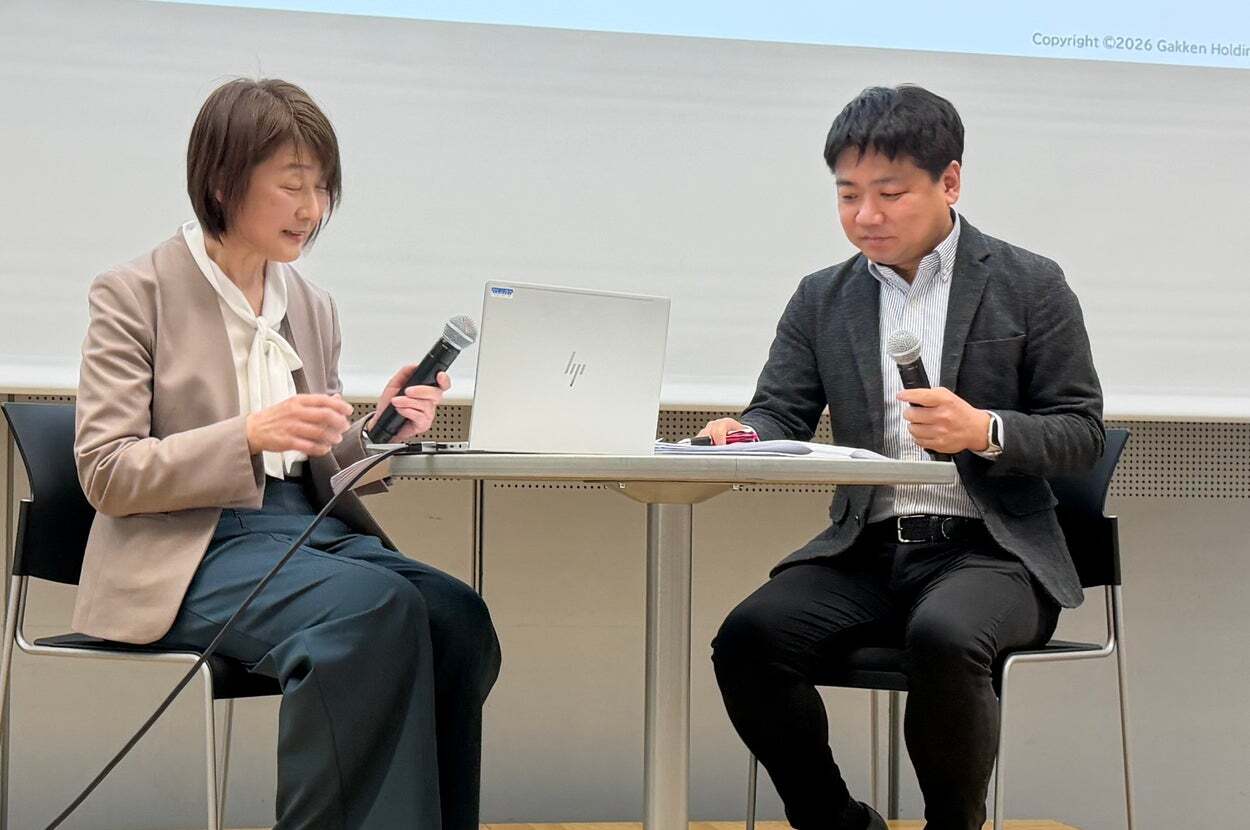
説明会の後半では、益川教授が登壇し川田さんとのトークセッションが行われました。川田さんにデータを見た印象を尋ねられた益川教授は、「解釈が違う点があった」として、以下のように感想を述べました。 「“会社員”といっても、金融やメディアなどいろいろなタイプの職業があります。まとめられたことで『会社員・公務員が増えてしまった』というのではなく、『個々人がどういう領域で職業に就きたいか』が見えれば、調査結果の見え方が変わってきます」 「(エンジニアやプログラマーのポイントが下がったことを受け)人によっては『IT企業で活躍したい』という意見が、結果上では“会社員”にまとめられている可能性も考えられる。そういう細かい部分が見えてくれば面白いと思います」 益川教授から「データとしてひとまとめになっている意見があるのでは?」との指摘を受けた川田さんは以下のように述べました。 「子どもたち自身も分からないから“会社員”と答えている可能性もありますね。幼児では“ねぶた師”や“忍者”など具体的な名前の回答もあったので、見えない部分を探求していく必要があると思います」
トークセッションでは対話型生成AIの利用状況についても言及。利用が増えてきている現状を受け益川教授は「教育の現場では待った無しの課題」であると述べました。 「生成AIのリテラシーにどう取り組んでいくかが喫緊の課題だと思っています。大人もそうかもしれませんが、生成AIで『単に答えをもらって満足』という使い方をしがちです。リテラシーを育んで行くことで、壁打ち相手、思考を深める対話相手として使えるようになってほしい」 このように、子どもの生成AIの利用について話す益川教授。「悩み相談・カウンセリング」での利用が増えているデータにも触れて、以下のように指摘しました。 「悩み相談やカウンセリングとしての生成AI利用は、大人も使っている方もいらっしゃるかもしれません。友達や両親と違って、嫌がらない、眠くならない、いつでも相談に乗ってくれるので、頼りたくなるのも分かります。しかし『我々がどこまで生成AIを人として見なしてしまうかどうか』というのが、生成AIのリテラシーとつながるのではないでしょうか」 川田さんが「擬人化と同化するのは違いますよね」と応じると、益川教授は生成AIに対するリテラシーを育む重要性について、こう話しました。 「人と同じと思ってやり取りしてしまうのは危険ですね。『人ではないけど頼れるパートナー』として付き合っていけば、寄り添いすぎず適切な距離感を持って付き合えるはずです」
子どもたちから寄せられた「大人に言いたいこと」について益川教授が「貴重なデータだなと思う」と言及する場面も。 「素直な声を聞けて大事という面もありますが、『大人任せ』『大人が変わって』という思い出はなく、『大人になったら自分もこうしたい』という思いの回答であればうれしいですね」 この発言を受けて川田さんも「要望みたいな意見も多いですが、『ありがとう』といった意見も見受けられました。うまく拾いながら大人も一緒に成長していけたらと思います」とまとめました。 トークセッションの最後に益川教授は「『自分だけがより良くなっていければいい』ではなく、社会に一緒に関わって変えていく、という意識があればと思います。他社や社会との関わりを大切にしてほしいですね」と、締めくくっていました。
同日、都内で開催された記者説明会には、学研ホールディングスの代表取締役社長・宮原博昭さんや学研教育総合研究所の所長・川田 夏子さん、青山学院大学教育人間科学部教育学科の益川弘如教授が登壇。最新結果に基づく解説とトークセッションが行われました。 40年以上にわたり、小学生の「日常生活」や「学習」に関してアンケート調査を行ってきた学研教育総合研究所。「白書シリーズ」は、幼児と小学生は約30項目、中学生と高校生は約20項目にわたるアンケートの集計をまとめ、Webサイト上で公開しています。 「いま、きこえてくる子どもたちの声」と題された今回の記者説明会。「将来就きたい職業」や子どもたちが抱える「不安」、さらには利用が広がる「生成AI」について、川田さんが最新の調査結果(※)を基に解説しました。 ※=ネットエイジアリサーチのインターネットモニター会員を母集団とする保護者を対象に、インターネット上で行われたアンケート調査結果。詳細ついては学研教育総合研究所の「白書シリーズWeb版」を参照。
昨年度までは選択式だったという「将来就きたい職業」という質問。選択肢が60種と多岐に渡ってしまったため、今年度からは子どもたちの自由回答で集計を行ったとのことです。 調査によると、幼児では「パティシエ」、小学生では「ネット配信者」、中学高校はどちらも「会社員」が1位という結果になりました。 川田さんは、中高生の結果に着目し、昨年度までは2位だったエンジニアやプログラマといった職業のランクが下がっていることを受け、「社会に対する不安定さも反映されているのかも」と結びました。
説明会では、子どもの対話型生成AI利用状況についても発表されました。調査によると、対話型生成AIの利用は小学生で36.6%、中学生で43.2%、高校生は73.7%。 利用目的については小中学生は「情報収集のサポート」がトップで、高校生では「宿題・勉強の手助け」という結果になりました。生活や総合の授業で写真をAI加工する授業も見られると補足した川田さん。データから「悩み相談」や「カウンセリング」での生成AI利用が増えてきていると解説します。 「悩みはある?誰に相談する?」というアンケート項目では興味深い結果が出ました。生成AIを利用する小学生のうち、16.4%が悩み相談・カウンセリングをAIで実施していました。生成AIを利用する高校生では24.3%。高校2年生女子に限定すると、41.0%となっていました。
アンケート調査には自由記述で子どもたちによる「大人に言いたいこと」という項目も。「子どもの話を聞いてほしい(小4)」や「正しいことを正しくやれる社会にしてほしい(中3)」、「もっと子どもを信頼して、意見を尊重してほしい(高3)」など、さまざまな言葉が抜粋して紹介されました。 意見を紹介した川田さんは「(意見を)言ってくれる子どもたちを受け止める必要がある」と、回答を通して感じたそうです。 川田さんは「聞いたあとにどうしたらいいのか、子どもの声を聞き続けることで、子どもが自分を振り返って、主体的に考える下地ができるのではないでしょうか」と提言。 続けて「子どもが主体的に考える材料を与えて、いかにして子どもたちが自分の『好き』や『興味・関心』を見つけて学び、自分のやりたいことと出会い、自分自身の人生をWell-beingに歩いていけるかが大切です」と、説明を締めくくりました。
説明会の後半では、益川教授が登壇し川田さんとのトークセッションが行われました。川田さんにデータを見た印象を尋ねられた益川教授は、「解釈が違う点があった」として、以下のように感想を述べました。 「“会社員”といっても、金融やメディアなどいろいろなタイプの職業があります。まとめられたことで『会社員・公務員が増えてしまった』というのではなく、『個々人がどういう領域で職業に就きたいか』が見えれば、調査結果の見え方が変わってきます」 「(エンジニアやプログラマーのポイントが下がったことを受け)人によっては『IT企業で活躍したい』という意見が、結果上では“会社員”にまとめられている可能性も考えられる。そういう細かい部分が見えてくれば面白いと思います」 益川教授から「データとしてひとまとめになっている意見があるのでは?」との指摘を受けた川田さんは以下のように述べました。 「子どもたち自身も分からないから“会社員”と答えている可能性もありますね。幼児では“ねぶた師”や“忍者”など具体的な名前の回答もあったので、見えない部分を探求していく必要があると思います」
トークセッションでは対話型生成AIの利用状況についても言及。利用が増えてきている現状を受け益川教授は「教育の現場では待った無しの課題」であると述べました。 「生成AIのリテラシーにどう取り組んでいくかが喫緊の課題だと思っています。大人もそうかもしれませんが、生成AIで『単に答えをもらって満足』という使い方をしがちです。リテラシーを育んで行くことで、壁打ち相手、思考を深める対話相手として使えるようになってほしい」 このように、子どもの生成AIの利用について話す益川教授。「悩み相談・カウンセリング」での利用が増えているデータにも触れて、以下のように指摘しました。 「悩み相談やカウンセリングとしての生成AI利用は、大人も使っている方もいらっしゃるかもしれません。友達や両親と違って、嫌がらない、眠くならない、いつでも相談に乗ってくれるので、頼りたくなるのも分かります。しかし『我々がどこまで生成AIを人として見なしてしまうかどうか』というのが、生成AIのリテラシーとつながるのではないでしょうか」 川田さんが「擬人化と同化するのは違いますよね」と応じると、益川教授は生成AIに対するリテラシーを育む重要性について、こう話しました。 「人と同じと思ってやり取りしてしまうのは危険ですね。『人ではないけど頼れるパートナー』として付き合っていけば、寄り添いすぎず適切な距離感を持って付き合えるはずです」
子どもたちから寄せられた「大人に言いたいこと」について益川教授が「貴重なデータだなと思う」と言及する場面も。 「素直な声を聞けて大事という面もありますが、『大人任せ』『大人が変わって』という思い出はなく、『大人になったら自分もこうしたい』という思いの回答であればうれしいですね」 この発言を受けて川田さんも「要望みたいな意見も多いですが、『ありがとう』といった意見も見受けられました。うまく拾いながら大人も一緒に成長していけたらと思います」とまとめました。 トークセッションの最後に益川教授は「『自分だけがより良くなっていければいい』ではなく、社会に一緒に関わって変えていく、という意識があればと思います。他社や社会との関わりを大切にしてほしいですね」と、締めくくっていました。
Vocabulary
General
Proper noun
JLPT N2
JLPT N1
| # | 言葉 | 意味 |
|---|---|---|
| 11 | 川田 | かわた (皮田) : lowly people (Edo period); eta |
| 9 | 益川 | ますかわ (益川) : Masukawa (surname) |
| 9 | 教授 | きょうじゅ (教授) : 1. professor 2. teaching; instruction |
| 8 | 子どもたち | こどもたち (子供たち) : children |
| 7 | 結果 | けっか (結果) : 1. result; consequence; outcome; effect 2. coming to fruition; bearing fruit |
| 7 | 子ども | こども (子供) : child |
| 6 | 学研 | がっけん (学研) : Gakken (publisher) (company) |
| 6 | 小学生 | しょうがくせい (小学生) : elementary school student; primary school student; grade school student |
| 5 | 総合 | そうごう (総合) : 1. synthesis; coordination; putting together; integration; composite 2. comprehensive |
| 5 | 調査 | ちょうさ (調査) : investigation; examination; inquiry; enquiry; survey |
| 5 | 職業 | しょくぎょう (職業) : occupation; profession; job; vocation; trade; calling; business |
| 5 | 会社員 | かいしゃいん (会社員) : company employee; office worker; white-collar worker |
| 5 | 悩み | なやみ (悩み) : trouble; troubles; worry; distress; sorrows; anguish; agony; problem |
| 4 | 研究所 | けんきゅうしょ (研究所) : research establishment; research institute; laboratory |
| 4 | 幼児 | ようじ (幼児) : 1. young child; toddler 2. child over 1 but not yet of school age |
| 4 | 説明会 | せつめいかい (説明会) : information session; briefing; explanatory meeting |
| 4 | 項目 | こうもく (項目) : 1. item; heading; category; clause 2. headword (in a dictionary, encyclopedia, etc.); entry |
| 4 | まとめる | まとめる (纏める) : 1. to collect; to put (it all) together; to integrate; to consolidate; to unify 2. to summarize; to aggregate |
| 4 | 回答 | かいとう (回答) : reply; answer |
| 4 | 相談 | そうだん (相談) : consultation; discussion; discussing; asking (somebody) for advice |
| 4 | 増える | ふえる (増える) : to increase; to multiply |
| 3 | 中学生 | ちゅうがくせい (中学生) : junior high school student; middle school pupil |
| 3 | 白書 | はくしょ (白書) : white paper |
| 3 | 最新 | さいしん (最新) : latest; newest; late-breaking (news) |
| 3 | 解説 | かいせつ (解説) : explanation; commentary; exposition; elucidation |
| 3 | 調査結果 | ちょうさけっか (調査結果) : results (of a study) |
| 3 | 対話型 | たいわがた (対話型) : interactive |
| 3 | 聞く | きく (聞く) : 1. to hear 2. to listen (e.g. to music) |
| 3 | 述べる | のべる (述べる) : to state; to express; to mention |
| 3 | 見える | みえる (見える) : 1. to be seen; to be in sight 2. to look; to seem; to appear |
| 2 | 保護者 | ほごしゃ (保護者) : guardian; protector; patron; parent |
| 2 | 関する | かんする (関する) : to concern; to be related |
| 2 | 発表 | はっぴょう (発表) : announcement; publication; presenting; statement; communique; making known; breaking (news story); expressing (one's opinion); releasing; unveiling |
| 2 | 記者 | きしゃ (記者) : reporter; journalist |
| 2 | 登壇 | とうだん (登壇) : taking the podium; mounting the rostrum; going on stage to give a speech, etc. |
| 2 | 集計 | しゅうけい (集計) : totalization; totalisation; aggregation; tally (e.g. of votes); adding up; summing up |
| 2 | 昨年度 | さくねんど (昨年度) : previous year (fiscal, academic, etc.) |
| 2 | 位 | くらい (位) : 1. throne; crown; (nobleman's) seat 2. government position; court rank |
| 2 | 下がる | さがる (下がる) : 1. to come down; to go down; to fall; to drop; to sink; to get lower 2. to hang; to dangle |
| 2 | 主体的 | しゅたいてき (主体的) : 1. independent; responsible; active; proactive 2. subjective |
| 2 | 締めくくる | しめくくる (締めくくる) : 1. to bring to a finish 2. to bind firmly |
| 2 | 変わる | かわる (変わる) : 1. to change; to be transformed; to be altered; to vary 2. to move to |
| 2 | 可能性 | かのうせい (可能性) : potentiality; likelihood; possibility; availability |
| 2 | 部分 | ぶぶん (部分) : portion; section; part |
| 2 | 指摘 | してき (指摘) : pointing out; identification |
| 2 | 分かる | わかる (分かる) : 1. to understand; to comprehend; to grasp; to see; to get; to follow 2. to become clear; to be known; to be discovered; to be realized; to be realised; to be found out |
| 2 | 言及 | げんきゅう (言及) : reference; allusion |
| 2 | 課題 | かだい (課題) : 1. subject; theme; issue; matter 2. homework; assignment |
| 2 | しれる | しれる (知れる) : 1. to become known; to come to light; to be discovered 2. to be known; to be understood |
| 2 | 育む | はぐくむ (育む) : 1. to raise; to bring up; to rear 2. to cultivate; to foster; to nurture |
| 2 | 相手 | あいて (相手) : 1. companion; partner; company 2. other party; addressee |
| 2 | 違う | ちがう (違う) : 1. to differ (from); to vary 2. to not be in the usual condition |
| 1 | 東京都 | とうきょうと (東京都) : Tokyo Metropolis (prefecture); Tokyo metropolitan area |
| 1 | 品川区 | しながわく (品川区) : Shinagawaku (place) |
| 1 | および | および (及び) : and; as well as |
| 1 | 同日 | どうじつ (同日) : the same day |
| 1 | 都内 | とない (都内) : (within) the (Tokyo) metropolitan area |
| 1 | 開催 | かいさい (開催) : holding (a conference, exhibition, etc.); opening; hosting (e.g. the Olympics) |
| 1 | 代表取締役社長 | だいひょうとりしまりやくしゃちょう (代表取締役社長) : president and chief executive officer |
| 1 | 宮原 | みやのはら (宮原) : Miyanohara (surname) |
| 1 | 博昭 | はくしょう (博昭) : Hakushou (given) |
| 1 | 所長 | しょちょう (所長) : chief; head (of an office, of a laboratory) |
| 1 | 夏子 | かこ (夏子) : Kako (fem) |
| 1 | 青山学院大学 | あおやまがくいんだいがく (青山学院大学) : Aoyama Gakuin University (organization) |
| 1 | 如 | にょ (如) : tathata (the ultimate nature of all things) |
| 1 | 基づく | もとづく (基づく) : to be grounded on; to be based on; to be due to; to originate from |
| 1 | 日常生活 | にちじょうせいかつ (日常生活) : everyday life; daily life |
| 1 | 学習 | がくしゅう (学習) : study; learning; tutorial |
| 1 | 公開 | こうかい (公開) : opening to the public; making available to the public; putting on display; exhibiting; showing (play, movie, etc.); holding (interview, etc.); open; public |
| 1 | きこえる | きこえる (聞こえる) : 1. to be heard; to be audible 2. to be said to be; to be reputed |
| 1 | 抱える | かかえる (抱える) : 1. to hold or carry under or in the arms 2. to have (esp. problems, debts, etc.) |
| 1 | 不安 | ふあん (不安) : anxiety; uneasiness; worry; apprehension; fear; insecurity; suspense |
| 1 | 広がる | ひろがる (広がる) : to spread (out); to extend; to stretch; to reach to; to get around; to fill (e.g. a space) |
| 1 | 基 | もと (元) : 1. origin; source 2. base; basis; foundation; root |
| 1 | 会員 | かいいん (会員) : member; the membership |
| 1 | 母集団 | ぼしゅうだん (母集団) : population; universe; parent set |
| 1 | 対象 | たいしょう (対象) : target; object (of worship, study, etc.); subject (of taxation, etc.) |
| 1 | 詳細 | しょうさい (詳細) : 1. details; particulars; specifics 2. detailed; specific; minute |
| 1 | 版 | はん (版) : 1. edition; version; printing; impression; implementation (e.g. software) 2. plate; block; cast |
| 1 | 参照 | さんしょう (参照) : reference; bibliographical reference; consultation; browsing (e.g. when selecting a file to upload on a computer); checking out |
| 1 | 選択 | せんたく (選択) : selection; choice; option |
| 1 | 式 | しき (式) : 1. equation; formula; expression 2. ceremony |
| 1 | 選択肢 | せんたくし (選択肢) : choices; alternatives; options |
| 1 | 種 | しゅ (種) : 1. kind; variety 2. (biological) species |
| 1 | 多岐 | たき (多岐) : digression; many divergences |
| 1 | 今年度 | こんねんど (今年度) : this year; this fiscal year; this school year |
| 1 | ネット配信 | ネットはいしん (ネット配信) : 1. webcast; web broadcast 2. Internet distribution; online distribution |
| 1 | 中学 | ちゅうがく (中学) : junior high school; middle school; lower secondary school |
| 1 | 中高生 | ちゅうこうせい (中高生) : middle and high-school students |
| 1 | 着目 | ちゃくもく (着目) : attention; giving one's attention; focusing |
| 1 | 不安定 | ふあんてい (不安定) : instability; insecurity; crankiness |
| 1 | 反映 | はんえい (反映) : 1. reflection (light, image, situation, attitude, etc.); reflecting 2. influence; application (e.g. of an update) |
| 1 | 結ぶ | むすぶ (結ぶ) : 1. to tie; to bind; to link 2. to bear (fruit) |
| 1 | 利用目的 | りようもくてき (利用目的) : purpose of use |
| 1 | 小中学生 | しょうちゅうがくせい (小中学生) : elementary and middle school pupils |
| 1 | 情報 | じょうほう (情報) : 1. information; news; intelligence; advices 2. information; data contained in characters, signals, code, etc. |
| 1 | 収集 | しゅうしゅう (収集) : 1. collecting; accumulating; gathering 2. collection (of art, stamps, insects, etc.) |
| 1 | 手助け | てだすけ (手助け) : a help; assistance |
| 1 | 加工 | かこう (加工) : manufacturing; processing; treatment; machining |
| 1 | 補足 | ほそく (補足) : supplement; complement |
| 1 | 実施 | じっし (実施) : enforcement; implementation; putting into practice; carrying out; operation; working (e.g. working parameters); enactment |
| 1 | 年生 | ねんせい (年生) : pupil in ... year; student in ... year |
| 1 | 女子 | じょし (女子) : woman; girl |
| 1 | 限定 | げんてい (限定) : limit; restriction |
| 1 | 記述 | きじゅつ (記述) : description; account |
| 1 | 正しく | まさしく (正しく) : 1. certainly; surely; undoubtedly; evidently; really; truly 2. just; precisely; exactly |
| 1 | 信頼 | しんらい (信頼) : reliance; trust; faith; confidence |
| 1 | 尊重 | そんちょう (尊重) : respect; esteem; regard |
| 1 | 抜粋 | ばっすい (抜粋) : extract; excerpt; selection |
| 1 | 受け止める | うけとめる (受け止める) : 1. to catch; to stop the blow 2. to react to; to take (advice, etc.); to accept; to come to grips with |
| 1 | 感ずる | かんずる (感ずる) : to feel; to sense |
| 1 | 振り返る | ふりかえる (振り返る) : 1. to turn one's head; to look over one's shoulder; to turn around; to look back 2. to think back (on); to reminisce; to look back (on); to reflect (on) |
| 1 | 下地 | したじ (下地) : 1. groundwork; foundation 2. inclination; aptitude; elementary knowledge (of); grounding (in) |
| 1 | 提言 | ていげん (提言) : proposal; motion; recommendation |
| 1 | 材料 | ざいりょう (材料) : 1. ingredients; material 2. material (for a novel, experiment, etc.); subject matter; data |
| 1 | 与える | あたえる (与える) : 1. to give (esp. to someone of lower status); to bestow; to grant; to confer; to present; to award 2. to provide; to afford; to offer; to supply |
| 1 | いかに | いかに (如何に) : 1. how; in what way 2. how (much); to what extent |
| 1 | 関心 | かんしん (関心) : concern; interest |
| 1 | 見つける | みつける (見つける) : 1. to discover; to find (e.g. an error in a book); to come across; to detect; to spot 2. to locate; to find (e.g. something missing); to find fault |
| 1 | 学ぶ | まなぶ (学ぶ) : to study (in depth); to learn; to take lessons in |
| 1 | 出会う | であう (出会う) : 1. to meet (by chance); to come across; to run across; to encounter; to happen upon 2. to meet (e.g. of rivers, highways, etc.) |
| 1 | 自分自身 | じぶんじしん (自分自身) : oneself; myself |
| 1 | 人生 | じんせい (人生) : (human) life (i.e. conception to death) |
| 1 | 歩く | あるく (歩く) : to walk |
| 1 | 後半 | こうはん (後半) : second half; latter half |
| 1 | 印象 | いんしょう (印象) : impression |
| 1 | 尋ねる | たずねる (尋ねる) : 1. to ask; to enquire; to inquire 2. to search; to look for; to look into; to investigate |
| 1 | 解釈 | かいしゃく (解釈) : explanation; interpretation |
| 1 | 感想 | かんそう (感想) : impressions; thoughts; feelings; reactions |
| 1 | 金融 | きんゆう (金融) : 1. finance; financing; credit transacting; loaning of money; circulation of money 2. monetary; financial; credit |
| 1 | 個々人 | ここじん (個々人) : an individual; individual people |
| 1 | どういう | どういう (どう言う) : somehow; how; in what way; why; what kind of |
| 1 | 領域 | りょういき (領域) : area; domain; territory; field; range; region; regime |
| 1 | IT | じょうほうぎじゅつ (情報技術) : information technology; IT |
| 1 | 企業 | きぎょう (企業) : enterprise; business; company; corporation |
| 1 | 活躍 | かつやく (活躍) : 1. activity (esp. energetic); great efforts; conspicuous service 2. to flourish; to participate actively; to play an active role |
| 1 | 考える | かんがえる (考える) : 1. to think (about, of); to think over; to ponder; to contemplate; to reflect (on); to meditate (on) 2. to consider; to bear in mind; to allow for; to take into consideration |
| 1 | 面白い | おもしろい (面白い) : 1. interesting; fascinating; intriguing; enthralling 2. amusing; funny; comical |
| 1 | ひとまとめ | ひとまとめ (一まとめ) : bundle; pack; bunch |
| 1 | 自身 | じしん (自身) : (one's) self; oneself |
| 1 | 答える | こたえる (答える) : to answer; to reply |
| 1 | ねぶた | ねぶた (佞武多) : Nebuta; nighttime festival in Tōhoku (esp. Aomori) |
| 1 | 師 | し (師) : 1. teacher; master; one's mentor 2. religious leader |
| 1 | 忍者 | にんじゃ (忍者) : ninja; person trained in ninjutsu and employed for covert purposes in feudal Japan |
| 1 | 具体的 | ぐたいてき (具体的) : concrete; definite; specific; material; substantial |
| 1 | 探求 | たんきゅう (探求) : search; quest; pursuit |
| 1 | 現状 | げんじょう (現状) : present condition; existing state; status quo; current state |
| 1 | 現場 | げんば (現場) : 1. actual spot; scene; scene of the crime; site; location; setting 2. shop floor; factory floor; (on) site |
| 1 | 待つ | まつ (待つ) : 1. to wait 2. to await; to look forward to; to anticipate |
| 1 | 無し | なし (無し) : 1. without 2. unacceptable; not alright; unsatisfactory |
| 1 | 取り組む | とりくむ (取り組む) : 1. to grapple with; to wrestle with; to engage in a bout; to be matched against 2. to tackle (e.g. a problem); to come to grips with; to work hard on |
| 1 | 喫緊 | きっきん (喫緊) : urgent; pressing; exigent |
| 1 | 単に | たんに (単に) : simply; merely; only; solely |
| 1 | 答え | こたえ (答え) : answer; reply; response; solution |
| 1 | 満足 | まんぞく (満足) : 1. satisfaction; contentment; gratification 2. sufficient; satisfactory; enough; adequate; proper; decent |
| 1 | 使い方 | つかいかた (使い方) : way to use something; treatment; management (of help) |
| 1 | がち | がち (雅致) : artistry; good taste; elegance; grace |
| 1 | 壁打ち | かべうち (壁打ち) : bouncing a ball against a wall (tennis exercise) |
| 1 | 思考 | しこう (思考) : thought; consideration; thinking |
| 1 | 深める | ふかめる (深める) : to deepen; to heighten; to intensify |
| 1 | 対話 | たいわ (対話) : dialogue; discussion; conversation; interaction |
| 1 | 使える | つかえる (使える) : to be usable; to be serviceable; to be useful |
| 1 | 触れる | ふれる (触れる) : 1. to touch; to feel 2. to touch (with) |
| 1 | がら | がら (柄) : 1. pattern; design 2. body build; figure; physique |
| 1 | 乗る | のる (乗る) : 1. to get on (train, plane, bus, ship, etc.); to get in; to board; to take; to embark 2. to get on (e.g. a footstool); to step on; to jump on; to sit on; to mount |
| 1 | 頼る | たよる (頼る) : to rely on; to depend on; to count on; to turn to (for help) |
| 1 | 我々 | われわれ (我々) : we |
| 1 | 見なす | みなす (見なす) : to consider as; to regard (as equivalent); to deem (as); to equate |
| 1 | つながる | つながる (繋がる) : 1. to be tied together; to be connected to; to be linked to 2. to lead to; to be related to |
| 1 | 擬人化 | ぎじんか (擬人化) : personification; anthropomorphization |
| 1 | 同化 | どうか (同化) : 1. assimilation; absorption 2. adaptation |
| 1 | 応じる | おうじる (応じる) : to respond; to satisfy; to accept; to comply with; to apply for |
| 1 | 重要性 | じゅうようせい (重要性) : importance; gravity |
| 1 | やり取り | やりとり (やり取り) : giving and taking; exchange (of letters); arguing back and forth; (conversational) exchange |
| 1 | 付き合う | つきあう (付き合う) : 1. to associate with; to keep company with; to go out with; to go steady with; to get on with 2. to go along with; to follow someone's lead; to accompany someone; to compromise |
| 1 | 寄り添う | よりそう (寄り添う) : to get close; to cuddle close together; to nestle close to; to snuggle up to |
| 1 | 適切 | てきせつ (適切) : appropriate; suitable; fitting; apt; proper; right; pertinent; relevant |
| 1 | 距離感 | きょりかん (距離感) : sense of distance (physical or emotional); feeling of distance |
| 1 | 持つ | もつ (持つ) : 1. to hold (in one's hand); to take; to carry 2. to possess; to have; to own |
| 1 | 寄せる | よせる (寄せる) : 1. to come near; to let someone approach 2. to bring near; to bring together; to collect; to gather |
| 1 | 貴重 | きちょう (貴重) : precious; valuable |
| 1 | 場面 | ばめん (場面) : 1. scene; setting; place (where something happens); scenario; case 2. scene (in a movie, play); shot |
| 1 | 素直 | すなお (素直) : 1. obedient; meek; docile; unaffected 2. honest; frank; upfront (about one's feelings) |
| 1 | 聞ける | きける (聞ける) : to tell |
| 1 | 面 | おもて (面) : 1. face 2. surface |
| 1 | 人任せ | ひとまかせ (人任せ) : leaving (it) to others |
| 1 | 思い出 | おもいで (思い出) : memories; recollections; reminiscence |
| 1 | 思い | おもい (思い) : 1. thought 2. imagination; mind; heart |
| 1 | 発言 | はつげん (発言) : statement; remark; observation; utterance; speech; proposal |
| 1 | 要望 | ようぼう (要望) : demand for; request |
| 1 | みたい | みたい : -like; sort of; similar to; resembling |
| 1 | ありがとう | ありがとう (有り難う) : thank you; thanks |
| 1 | 見受ける | みうける (見受ける) : to catch sight of; to see; to suppose; to assume from appearances |
| 1 | うまく | うまく (上手く) : 1. skilfully; skillfully; well; aptly; cleverly 2. successfully; smoothly |
| 1 | 拾う | ひろう (拾う) : to pick up; to find; to gather |
| 1 | 成長 | せいちょう (成長) : 1. growth; development; growing up; becoming an adult 2. growth (of a company, the economy, etc.) |
| 1 | 関わる | かかわる (関わる) : 1. to be affected; to be influenced 2. to be concerned with; to have to do with |
| 1 | 変える | かえる (変える) : 1. to change; to alter; to transform; to convert; to turn; to vary 2. to reform; to revise; to amend |
| 1 | 意識 | いしき (意識) : 1. consciousness 2. becoming aware (of); awareness; sense |
| 1 | 他社 | たしゃ (他社) : another company; other company |
| 1 | 関わり | かかわり (関わり) : relation; connection |