中国訪問中の台湾 最大野党の鄭主席 南京で国民党の創始者 孫文の墓訪れる
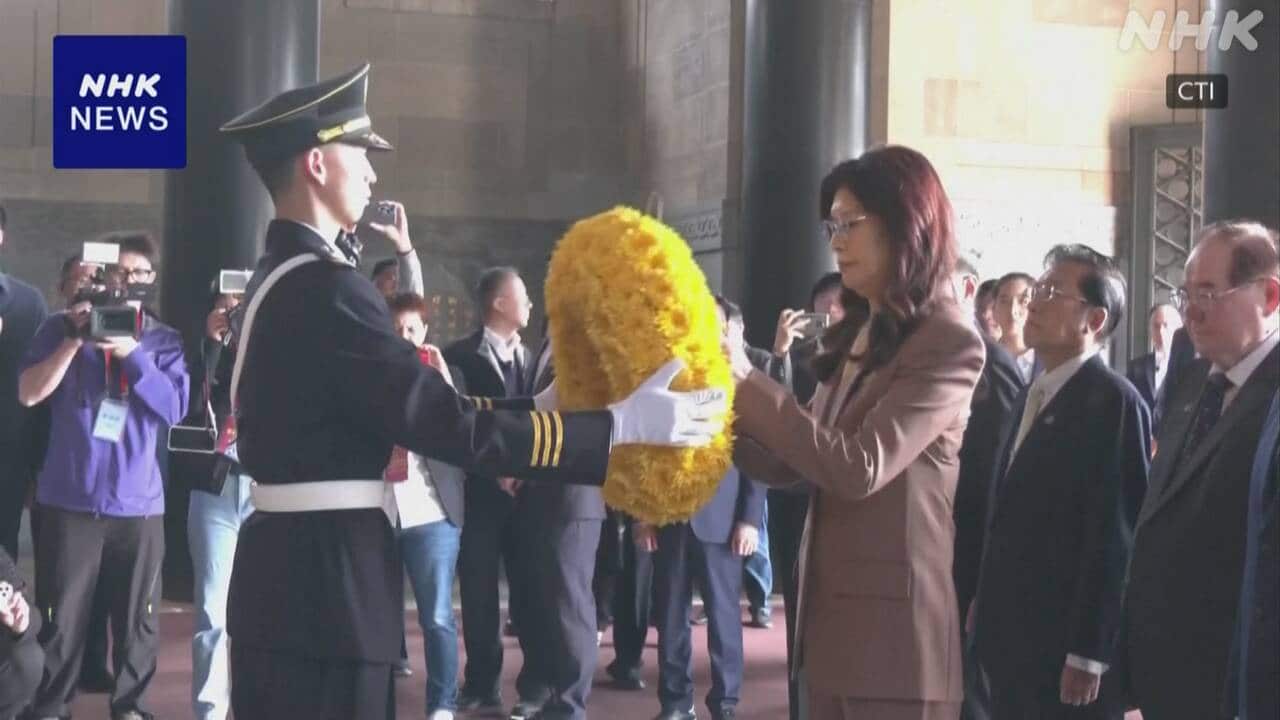
中国を訪問している台湾の最大野党・国民党のトップ、鄭麗文主席は、国民党の創始者で中国革命の父と呼ばれる孫文の墓を訪れ、中国との関係を重視し、台湾海峡の平和を推進する考えを強調しました。
台湾の国民党のトップとして、9年半ぶりに中国を訪問している鄭麗文主席は8日、南京にある孫文の墓「中山陵」を訪れ、談話を発表しました。
この中で鄭主席は、国民党と共産党の交流の経緯を振り返ったうえで、「歴史的な悲劇の根源は国共内戦にある。台湾海峡両岸の敵対状態を終わらせて和平を結ぶことは、国民党が逃れることのできない歴史的な責任であり、義務だ」と述べました。
また、鄭主席は、中国の習近平国家主席が、孫文と同じように植樹などの環境保護活動に取り組んでいるとして、「両岸の中国人のためだけでなく、すべての人類のために平和の種をまく」と述べ、中国との関係を重視し、台湾海峡の平和を推進する考えを強調しました。
鄭主席は、このあと上海と北京を訪れ、4月12日までの訪問中に習主席と会談する見通しです。
「中国に融和的」とされる国民党の鄭主席の中国訪問をめぐり、台湾の民進党政権は「中国に対し、軍事的な威嚇や挑発を停止するよう求めるべきだ」として、台湾の民主主義と自由を守る姿勢を示すよう訴え、けん制しています。
台湾の最大野党・国民党の鄭麗文主席の中国訪問に関連して、中国政府で台湾政策を担当する台湾事務弁公室の朱鳳蓮報道官は、8日の会見で、「『92年コンセンサス』を堅持し、『台湾独立』に反対するという共通の政治的基盤のもとで、国民党を含む台湾の各政党などと共に台湾海峡の両岸関係の平和的発展を推進していきたい」と述べ、国民党との交流を重視する考えを示しました。
「92年コンセンサス」は、1992年に、中国と当時の台湾の国民党政権が中国大陸と台湾が「1つの中国」に属すると確認したとされるものです。
また、朱報道官は、鄭主席の中国訪問に対する民進党政権の姿勢について、「民進党当局は『台湾独立』という私利私欲から、ひぼうや中傷をしていて、人々の支持は得られない」と述べ、けん制しました。
一方、習近平国家主席と鄭主席の会談の見通しについては、「適切に手配を行う」と述べるにとどめました。
台湾の国民党のトップとして、9年半ぶりに中国を訪問している鄭麗文主席は8日、南京にある孫文の墓「中山陵」を訪れ、談話を発表しました。
この中で鄭主席は、国民党と共産党の交流の経緯を振り返ったうえで、「歴史的な悲劇の根源は国共内戦にある。台湾海峡両岸の敵対状態を終わらせて和平を結ぶことは、国民党が逃れることのできない歴史的な責任であり、義務だ」と述べました。
また、鄭主席は、中国の習近平国家主席が、孫文と同じように植樹などの環境保護活動に取り組んでいるとして、「両岸の中国人のためだけでなく、すべての人類のために平和の種をまく」と述べ、中国との関係を重視し、台湾海峡の平和を推進する考えを強調しました。
鄭主席は、このあと上海と北京を訪れ、4月12日までの訪問中に習主席と会談する見通しです。
「中国に融和的」とされる国民党の鄭主席の中国訪問をめぐり、台湾の民進党政権は「中国に対し、軍事的な威嚇や挑発を停止するよう求めるべきだ」として、台湾の民主主義と自由を守る姿勢を示すよう訴え、けん制しています。
台湾の最大野党・国民党の鄭麗文主席の中国訪問に関連して、中国政府で台湾政策を担当する台湾事務弁公室の朱鳳蓮報道官は、8日の会見で、「『92年コンセンサス』を堅持し、『台湾独立』に反対するという共通の政治的基盤のもとで、国民党を含む台湾の各政党などと共に台湾海峡の両岸関係の平和的発展を推進していきたい」と述べ、国民党との交流を重視する考えを示しました。
「92年コンセンサス」は、1992年に、中国と当時の台湾の国民党政権が中国大陸と台湾が「1つの中国」に属すると確認したとされるものです。
また、朱報道官は、鄭主席の中国訪問に対する民進党政権の姿勢について、「民進党当局は『台湾独立』という私利私欲から、ひぼうや中傷をしていて、人々の支持は得られない」と述べ、けん制しました。
一方、習近平国家主席と鄭主席の会談の見通しについては、「適切に手配を行う」と述べるにとどめました。
Vocabulary
General
Proper noun
JLPT N2
JLPT N1
| # | 言葉 | 意味 |
|---|---|---|
| 14 | 中国 | ちゅうごく (中国) : 1. China 2. Chūgoku region of western Honshu (incl. Okayama, Hiroshima, Shimane, Tottori and Yamaguchi prefectures) |
| 12 | 台湾 | たいわん (台湾) : Taiwan |
| 10 | 国民党 | こくみんとう (国民党) : 1. Constitutional Nationalist Party (1910-1922) 2. Guomindang (Chinese Nationalist Party); Kuomintang |
| 10 | 主席 | しゅせき (主席) : 1. head; chief 2. chairman; governor; president |
| 6 | 訪問 | ほうもん (訪問) : call; visit |
| 5 | 述べる | のべる (述べる) : to state; to express; to mention |
| 4 | 台湾海峡 | たいわんかいきょう (台湾海峡) : Straits of Taiwan |
| 3 | 麗文 | れいぶん (麗文) : Reibun (surname; given) |
| 3 | 孫文 | そんぶん (孫文) : Sun Wen (official school name of Sun Yat-sen) (person) |
| 3 | 訪れる | おとずれる (訪れる) : 1. to visit; to call on 2. to arrive (season, time, situation, etc.); to come; to appear |
| 3 | 重視 | じゅうし (重視) : regarding as important; attaching importance to; taking a serious view of; putting emphasis on |
| 3 | 平和 | へいわ (平和) : peace; harmony |
| 3 | 推進 | すいしん (推進) : 1. propulsion; drive 2. promotion (e.g. of a government policy); furtherance; implementation |
| 3 | 考え | かんがえ (考え) : 1. thinking; thought; view; opinion; concept 2. idea; notion; imagination |
| 3 | 両岸 | りょうがん (両岸) : both banks (of a river) |
| 3 | 民進党 | みんしんとう (民進党) : 1. Democratic Party (formed in 2016 from the merger of the DPJ and Ishin) 2. Democratic Progressive Party (Taiwan) |
| 3 | 政権 | せいけん (政権) : (political) administration; political power |
| 2 | 墓 | はか (墓) : gravesite; tomb |
| 2 | 強調 | きょうちょう (強調) : emphasis; highlight; stress; stressed point |
| 2 | 交流 | こうりゅう (交流) : 1. exchange (e.g. cultural); interchange; interaction; mingling; mixing; coming together 2. alternating current; AC |
| 2 | 歴史的 | れきしてき (歴史的) : historic; historical; traditional |
| 2 | 習近平 | しゅうきんぺい (習近平) : Xi Jinping (person) |
| 2 | 国家主席 | こっかしゅせき (国家主席) : head of state |
| 2 | 会談 | かいだん (会談) : conversation; conference (usu. between important people); discussion; interview |
| 2 | 見通し | みとおし (見通し) : 1. unobstructed view; perspective; visibility; vista 2. forecast; outlook; prospect; prediction |
| 2 | 姿勢 | しせい (姿勢) : 1. posture; pose; position; stance; carriage (of the body) 2. attitude; approach; stance |
| 2 | 示す | しめす (示す) : 1. to (take out and) show; to demonstrate; to tell; to exemplify; to make apparent 2. to point out (finger, clock hand, needle, etc.) |
| 2 | けん制 | けんせい (牽制) : 1. check; keeping in check; restraint; curbing; reining in; discouraging (from doing) 2. containment (of enemy forces); diversionary action; feint operation; show of force |
| 2 | 朱 | あけ (朱) : scarlet; red |
| 2 | 報道官 | ほうどうかん (報道官) : press officer; press secretary |
| 2 | 独立 | どくりつ (独立) : 1. independence; self-reliance; supporting oneself; being on one's own 2. independence (e.g. of a nation); freedom |
| 1 | 創始者 | そうししゃ (創始者) : originator; founder |
| 1 | 革命 | かくめい (革命) : 1. revolution 2. 58th year of the sexagenary cycle (in Onmyōdō) |
| 1 | 呼ぶ | よぶ (呼ぶ) : 1. to call out (to); to call; to invoke 2. to summon (a doctor, etc.) |
| 1 | ぶり | ぶり (振り) : 1. style; manner; way 2. after (period of time) again (e.g. meeting again after a year); for the first time in (period of time) |
| 1 | 南京 | ナンキン (南京) : 1. Nanjing; Nanking 2. pumpkin; squash |
| 1 | 中山 | うちやま (中山) : Uchiyama (unclass) |
| 1 | 談話 | だんわ (談話) : talk; conversation; dialogue |
| 1 | 発表 | はっぴょう (発表) : announcement; publication; presenting; statement; communique; making known; breaking (news story); expressing (one's opinion); releasing; unveiling |
| 1 | 共産党 | きょうさんとう (共産党) : Communist Party |
| 1 | 経緯 | いきさつ (経緯) : 1. details; particulars; whole story; sequence of events; chronology; circumstances; how it started; how things got this way 2. longitude and latitude |
| 1 | 振り返る | ふりかえる (振り返る) : 1. to turn one's head; to look over one's shoulder; to turn around; to look back 2. to think back (on); to reminisce; to look back (on); to reflect (on) |
| 1 | 悲劇 | ひげき (悲劇) : 1. tragedy; tragic drama; tragic play 2. tragedy; calamity; disaster |
| 1 | 根源 | こんげん (根源) : root; source; origin; cause |
| 1 | 国共内戦 | こっきょうないせん (国共内戦) : Chinese Civil War (1927-1937, 1946-1949) |
| 1 | 敵対 | てきたい (敵対) : hostility; antagonism; opposition |
| 1 | 状態 | じょうたい (状態) : state; condition; situation; appearance; circumstances |
| 1 | 和平 | わへい (和平) : peace |
| 1 | 結ぶ | むすぶ (結ぶ) : 1. to tie; to bind; to link 2. to bear (fruit) |
| 1 | 逃れる | のがれる (逃れる) : to escape |
| 1 | 責任 | せきにん (責任) : 1. duty; responsibility (incl. supervision of staff) 2. liability; onus |
| 1 | 義務 | ぎむ (義務) : duty; obligation; responsibility |
| 1 | 植樹 | しょくじゅ (植樹) : tree-planting |
| 1 | 環境保護 | かんきょうほご (環境保護) : environmental protection |
| 1 | 活動 | かつどう (活動) : 1. activity (of a person, organization, animal, volcano, etc.); action 2. movie (esp. during the silent movie period) |
| 1 | 取り組む | とりくむ (取り組む) : 1. to grapple with; to wrestle with; to engage in a bout; to be matched against 2. to tackle (e.g. a problem); to come to grips with; to work hard on |
| 1 | 中国人 | ちゅうごくじん (中国人) : Chinese person |
| 1 | 人類 | じんるい (人類) : mankind; humanity |
| 1 | 種 | しゅ (種) : 1. kind; variety 2. (biological) species |
| 1 | まく | まく (巻く) : 1. to wind; to coil; to roll; to wear (e.g. turban, scarf) 2. to envelope; to shroud |
| 1 | 上海 | シャンハイ (上海) : Shanghai (China) |
| 1 | 北京 | ペキン (北京) : Beijing (China); Peking |
| 1 | 融和 | ゆうわ (融和) : harmony; reconciliation |
| 1 | めぐる | めぐる (巡る) : 1. to go around 2. to return |
| 1 | 軍事的 | ぐんじてき (軍事的) : military |
| 1 | 威嚇 | いかく (威嚇) : threat; intimidation; menace |
| 1 | 挑発 | ちょうはつ (挑発) : provocation; stirring up; arousal; excitement; stimulation |
| 1 | 停止 | ていし (停止) : 1. stoppage; coming to a stop; halt; standstill 2. ceasing (movement, activity, etc.); suspension (of operations); interruption (e.g. of electricity supply); cutting off |
| 1 | 求める | もとめる (求める) : 1. to want; to wish for 2. to request; to demand; to require; to ask for |
| 1 | 民主主義 | みんしゅしゅぎ (民主主義) : democracy |
| 1 | 守る | まもる (守る) : 1. to protect; to guard; to defend 2. to keep (i.e. a promise); to abide (by the rules); to observe; to obey; to follow |
| 1 | 訴える | うったえる (訴える) : 1. to raise; to bring to (someone's attention) 2. to appeal to (reason, emotions, etc.); to work on (one's emotions); to play on (one's sympathies) |
| 1 | 関連 | かんれん (関連) : relation; connection; relevance |
| 1 | 政府 | せいふ (政府) : government; administration |
| 1 | 政策 | せいさく (政策) : political measures; policy |
| 1 | 担当 | たんとう (担当) : being in charge (of an area of responsibility); being responsible (for a work role, etc.) |
| 1 | 事務 | じむ (事務) : office work; clerical work; administration; business; affairs |
| 1 | 会見 | かいけん (会見) : interview; audience; meeting; (viewing) party |
| 1 | 堅持 | けんじ (堅持) : holding on to; sticking to |
| 1 | 共通 | きょうつう (共通) : 1. common; shared; mutual 2. to be common (to); to be shared (by) |
| 1 | 政治的 | せいじてき (政治的) : political |
| 1 | 基盤 | きばん (基盤) : 1. foundation; basis; base; footing; infrastructure 2. bedrock |
| 1 | もと | もと (元) : 1. origin; source 2. base; basis; foundation; root |
| 1 | 含む | ふくむ (含む) : 1. to contain; to comprise; to have; to hold; to include; to embrace 2. to hold in the mouth |
| 1 | 各 | かく (各) : each; every; all |
| 1 | 政党 | せいとう (政党) : political party |
| 1 | 共 | ども (共) : 1. first-person plural (or singular) 2. second or third person plural (implies speaker is of higher status than those referred to) |
| 1 | 平和的 | へいわてき (平和的) : peaceful |
| 1 | 発展 | はってん (発展) : 1. development; growth; expansion; extension; flourishing 2. development (of a situation, story, etc.); advancement; progression; unfolding |
| 1 | 当時 | とうじ (当時) : at that time; in those days |
| 1 | 中国大陸 | ちゅうごくたいりく (中国大陸) : mainland China |
| 1 | 属する | ぞくする (属する) : to belong to; to come under; to be affiliated with; to be subject to |
| 1 | 確認 | かくにん (確認) : confirmation; verification; validation; review; check; affirmation; identification |
| 1 | 当局 | とうきょく (当局) : 1. authorities; relevant authorities; authorities concerned 2. this office |
| 1 | 私利私欲 | しりしよく (私利私欲) : desire to act only in one's self-interest; selfish desires |
| 1 | ひぼう | ひぼう (誹謗) : slander; abuse |
| 1 | 中傷 | ちゅうしょう (中傷) : slander; libel; defamation; calumny; smear |
| 1 | 人々 | ひとびと (人々) : 1. people; men and women 2. each person; everybody |
| 1 | 支持 | しじ (支持) : 1. support; backing; endorsement; approval 2. support; holding up; propping |
| 1 | 適切 | てきせつ (適切) : appropriate; suitable; fitting; apt; proper; right; pertinent; relevant |
| 1 | 手配 | てはい (手配) : 1. arrangement; preparations 2. search (by police) |
| 1 | とどめる | とどめる (留める) : 1. to stop; to stay (e.g. the night); to cease; to put an end to 2. to contain; to keep (in position, in place); to limit |